Students For Liberty Profile picture
Jul 21, 2025 8 tweets 4 min read Read on X
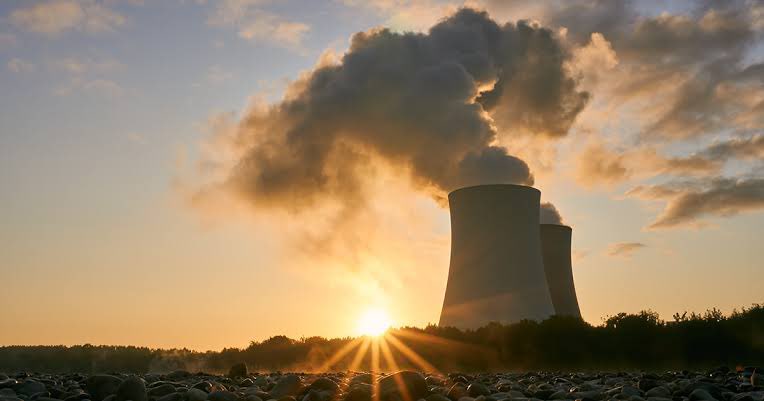
Nuclear reactors are spending millions to protect you from radiation levels lower than eating a banana.

This isn't safety theater—it's the 70-year regulatory nightmare that killed American nuclear power.

But recent executive orders could change everything. 🧵 Image
The absurdity is staggering.

America has been treating nuclear power like it's made of pure plutonium when most of it is safer than your morning coffee.

The culprit? The "Linear No Threshold" (LNT) - the assumption that ANY radiation exposure, no matter how tiny, is dangerous.Image
The economics are insane.

Companies are forced to engineer solutions for radiation levels so low they're essentially meaningless.

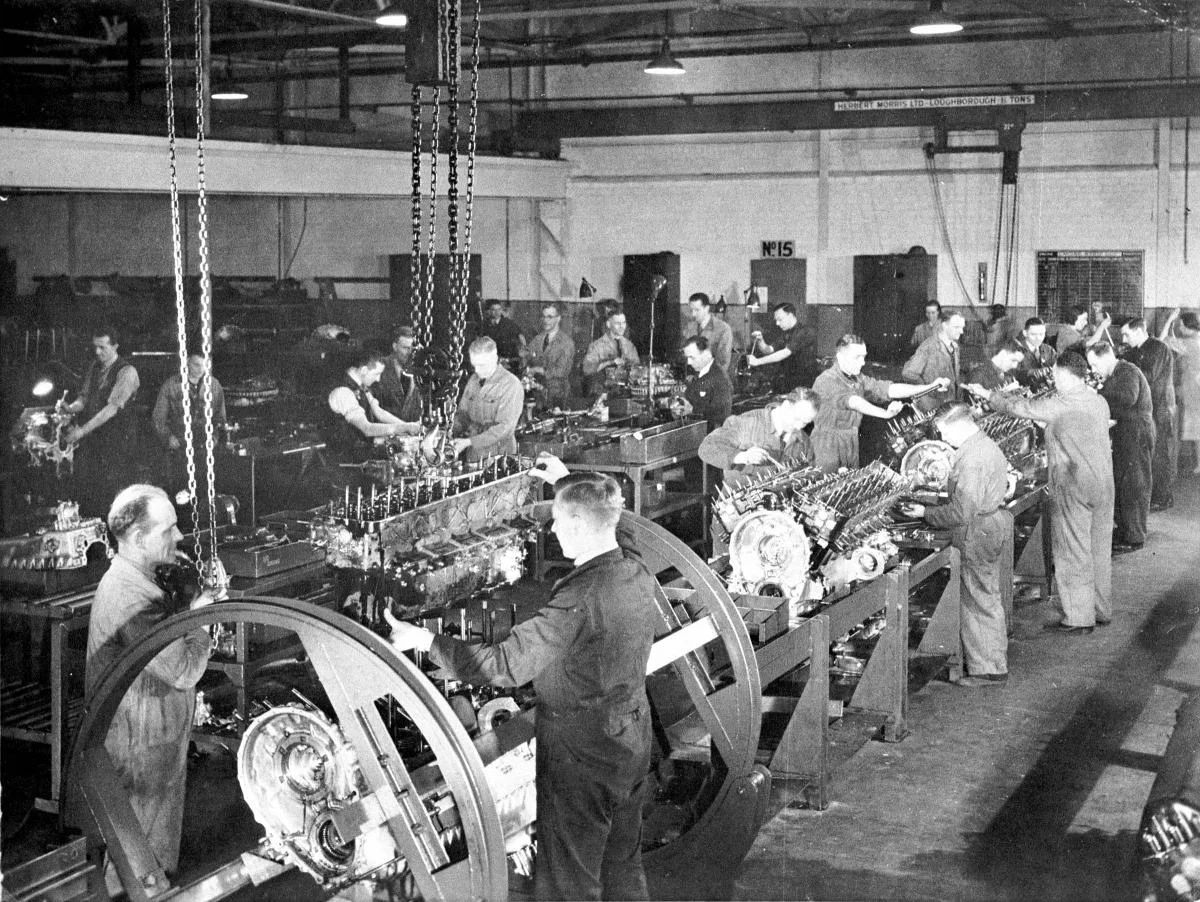
It's like requiring every car to be built to survive a nuclear blast because technically, any car accident could be deadly. The costs pile up until nuclear becomes "uneconomical."Image
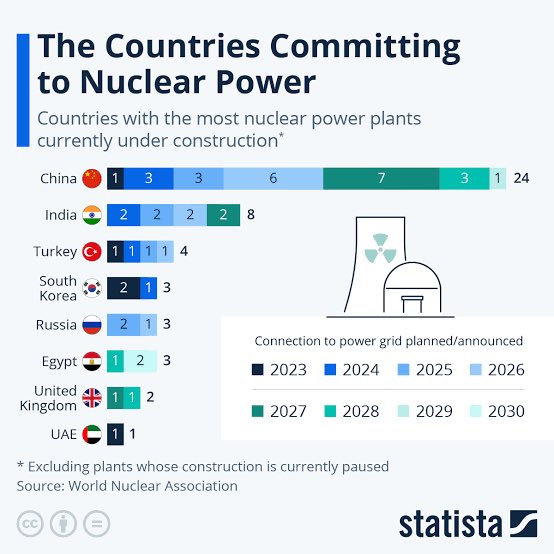
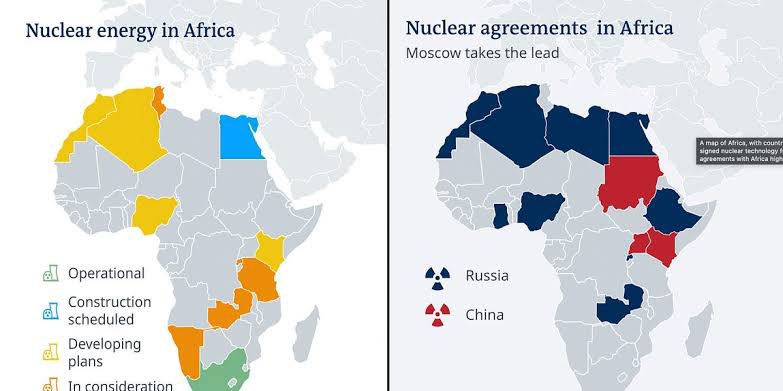
Meanwhile, China and Russia are eating America's lunch.

They're building nuclear plants across Africa, South America, and Asia while the US has been paralyzed by its own regulatory hysteria.

America invented nuclear power, then regulated it itself out of the game. Image
Trump's executive orders don't just challenge LNT.

They completely reverse how America approaches nuclear:

— Department of Energy becomes a testbed for innovation again, not a regulatory obstacle;

— Small reactors under safety thresholds get fast-tracked

— Military bases will get nuclear power to create demand and prove viability;

— Companies can build, test, and iterate rapidly.

The goal? 400 gigawatts of nuclear power by 2050, quadrupling America's current capacity.

This is important because countries with abundant, cheap energy will dominate the next century's race for AI compute and advanced manufacturing. The EOs gave America a shot at winning that race by unleashing the market instead of strangling it with fear-based regulations.Image
This approach is closer to how markets should work.

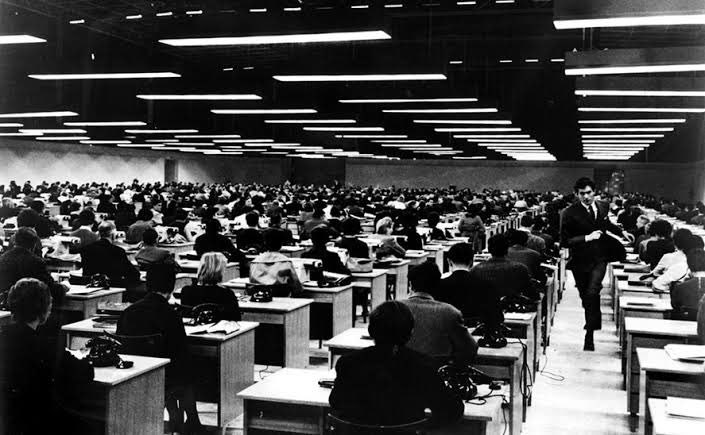
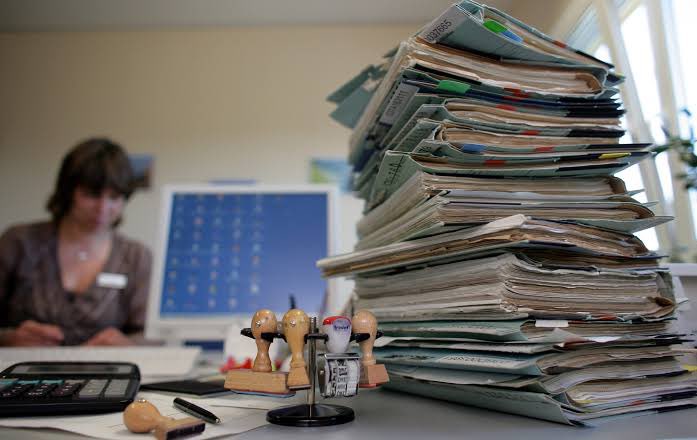
The old system was backwards. The Nuclear Regulatory Commission (NRC) was literally trying to regulate advanced nuclear technology before any significant number of reactors had been built. It's like trying to write traffic laws for flying cars before anyone figured out how to make them fly.Image
Will these orders face bureaucratic resistance and legal challenges? Absolutely. The nuclear establishment will fight to preserve their regulatory empire.

The orders require NRC decisions to go through additional White House review to ensure real reform happens, but this could ironically slow down the 18-month approval deadlines.

But as @heritage senior fellow Jack Spencer noted: "Anything that creates pressure toward reform is good."Image
Ready to learn how to spot when government "solutions" are actually the problem?

Check out our free 5-day course: How to Not Be an NPC—Think Like Thomas Sowell

👉 go.studentsforliberty.org/npc-sowell/Image

• • •

Missing some Tweet in this thread? You can try to force a refresh

 

Keep Current with Students For Liberty

Students For Liberty Profile picture

Stay in touch and get notified when new unrolls are available from this author!

Read all threads

This Thread may be Removed Anytime!

PDF

Twitter may remove this content at anytime! Save it as PDF for later use!

Try unrolling a thread yourself!

how to unroll video
  1. Follow @ThreadReaderApp to mention us!

  2. From a Twitter thread mention us with a keyword "unroll"
@threadreaderapp unroll

Practice here first or read more on our help page!

More from @sfliberty

Feb 10
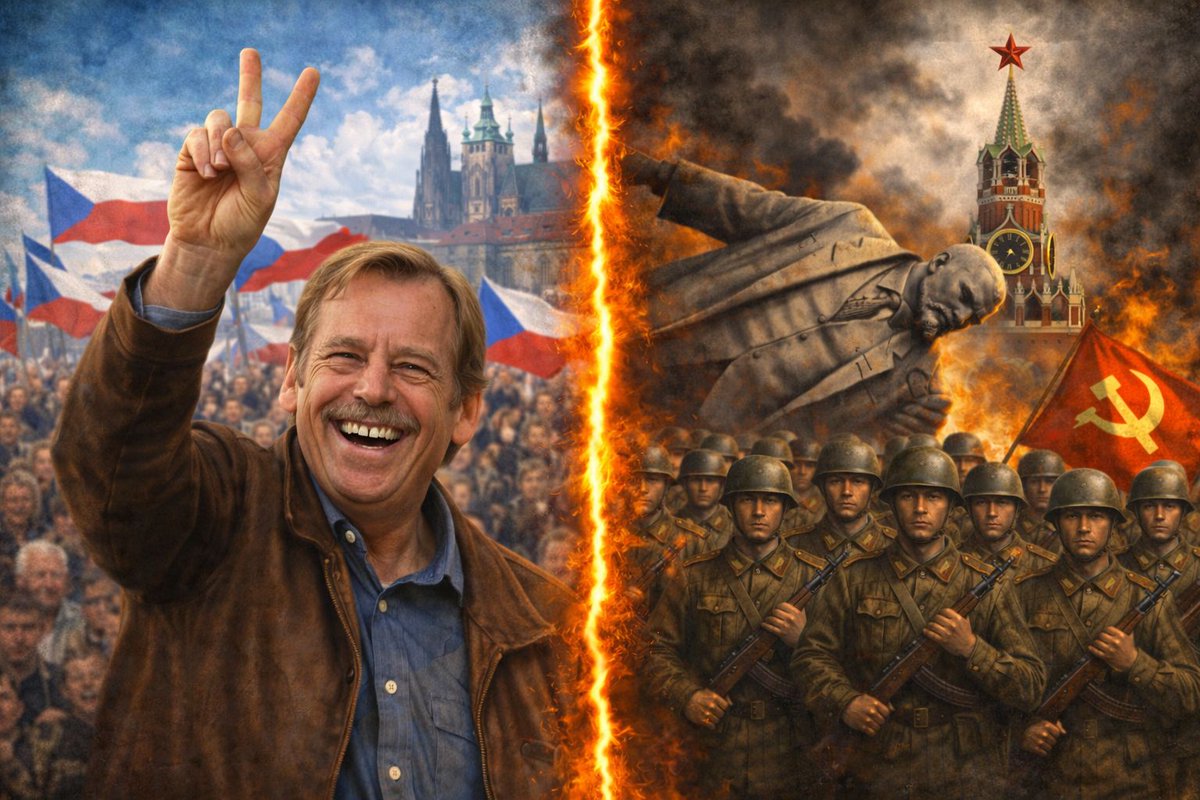
A Czech playwright predicted the Soviet collapse 11 years before it happened.

While CIA analysts studied missile counts and economic indicators, Václav Havel explained why communist regimes would fall from moral exhaustion, destroying itself from the inside.

The experts dismissed him. History proved them wrong. 🧵Image
In 1978, The Soviet System Looked Permanent

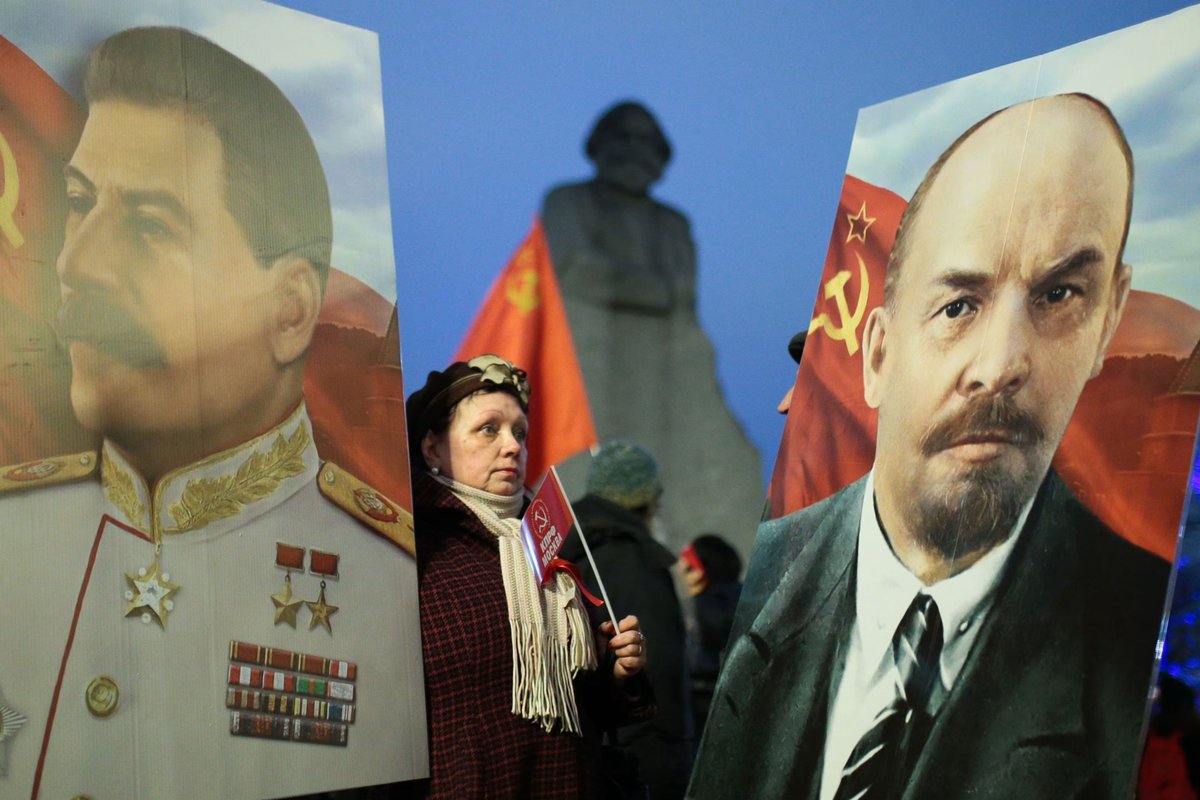
Western analysts treated communist rule as unchangeable fact. Military power. Total surveillance. Complete control.

Political scientists predicted gradual reform at best. Revolution seemed impossible.
But they were missing one important factor.Image
Havel Understood What The Data Couldn't Capture

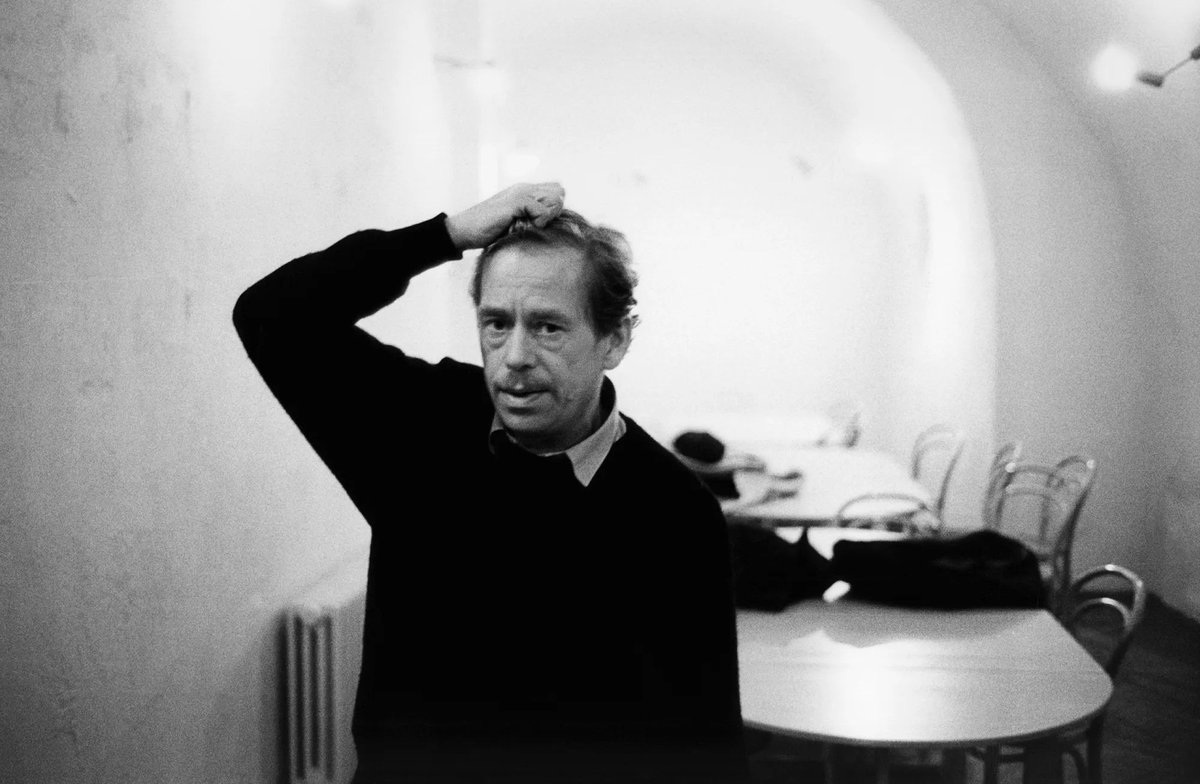
In his underground essay "The Power of the Powerless," written in 1978, Havel identified the regime's hidden fragility.

Communist systems didn't survive through force alone. They required mass participation in obvious lies.

Every citizen had to pretend the system worked. Every worker had to attend celebrations for policies they knew were failing. Every student had to repeat slogans contradicting observable reality.

This created exhaustion that military strength couldn't cure.Image
Read 9 tweets
Feb 7
Boston, 1860: Anti-slavery activists are attacked at a public meeting for speaking against popular opinion.

Instead of arresting the mob, Boston officials arrested the speakers.

Free speech was buried in the "Cradle of Liberty" for "public safety".

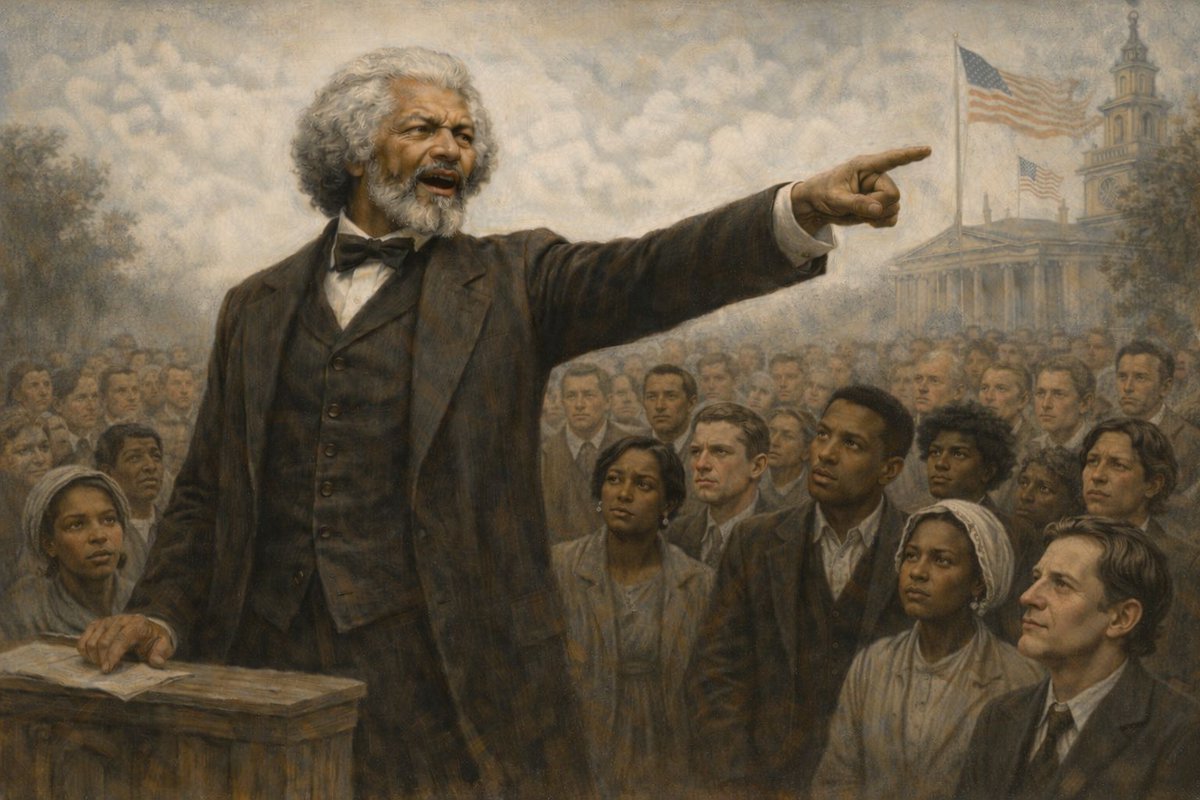
Frederick Douglass's response became the ultimate defense of free speech. 🧵Image
Boston, the "Cradle of Liberty", where American independence was born.

Abolitionists gathered at Tremont Temple to honor John Brown, executed one year earlier for his raid on Harpers Ferry.

Pro-slavery mobs stormed the meeting. Fists flew. Speakers were dragged from the stage.

Boston's mayor refused to protect the abolitionists. Instead, officials shut it down "to preserve order."Image
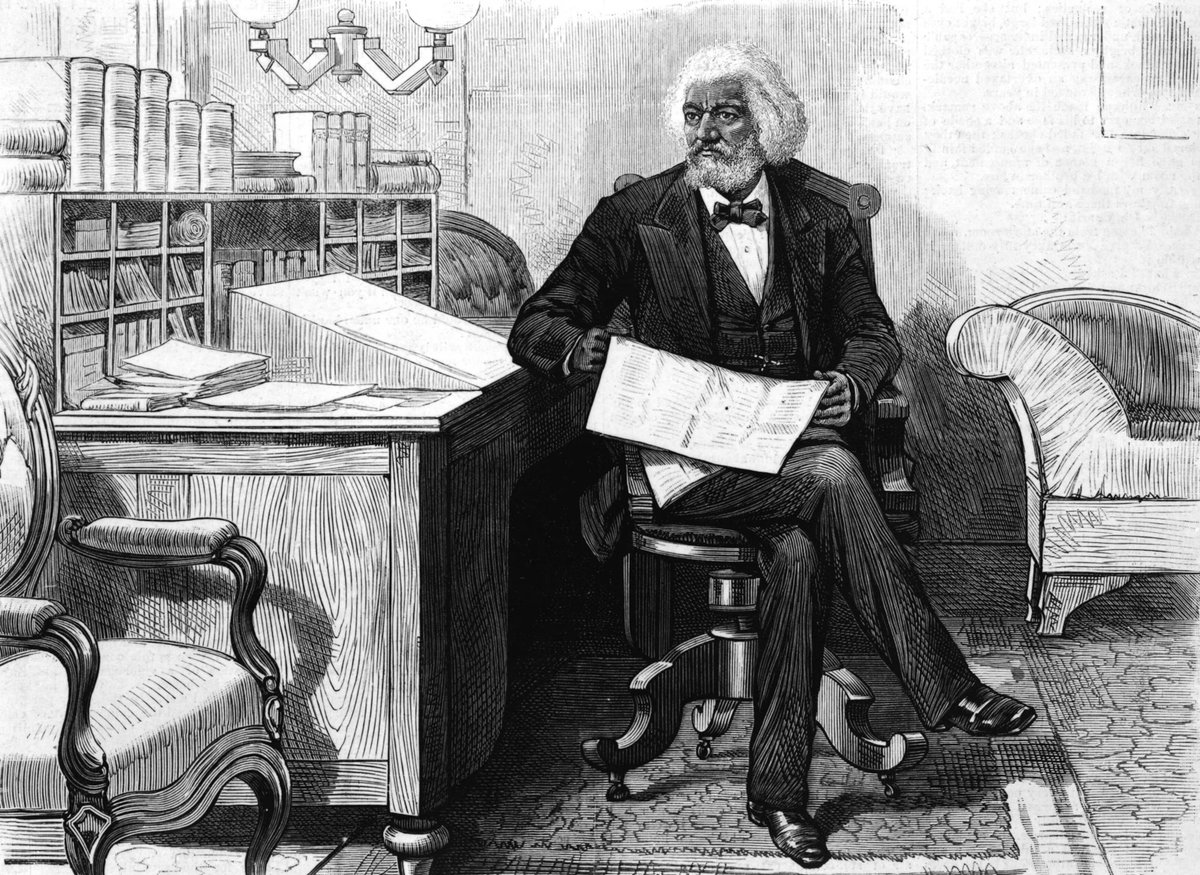
Weeks later, Frederick Douglass sat down and wrote something that cut straight to the mechanism.

His "Plea for Freedom of Speech in Boston" didn't just defend the abolitionists.

It exposed the institutional logic that makes censorship inevitable when authorities value "order" over rights.Image
Read 9 tweets
Feb 4
Ronald Coase set out to prove that Socialism was superior to the chaos of the market.

So he went to America to see how giant industries were actually managed.

What he found destroyed his worldview. And won him a Nobel Prize.

This is the story of how a young socialist became one of the most important economists of the 20th century by following evidence over ideology. 🧵Image
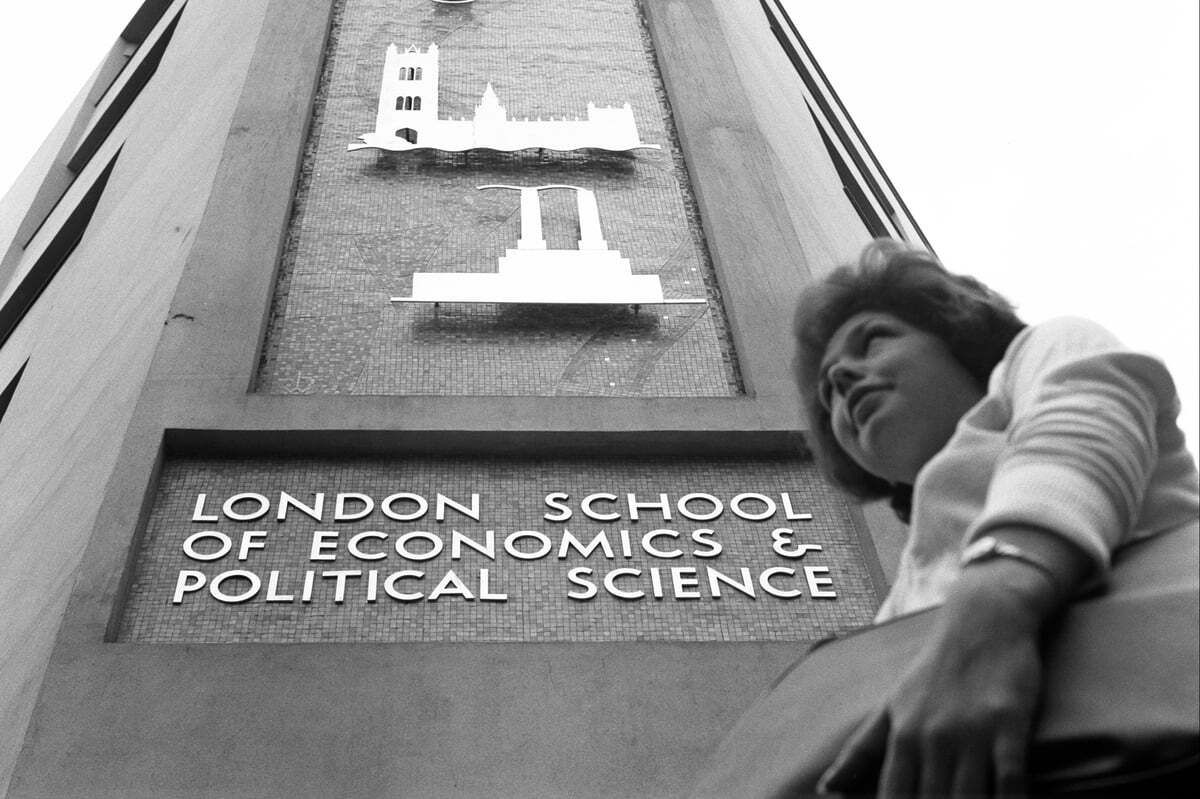
London, 1929. A 19-year-old economics student at LSE calls himself a "soft socialist."

The intellectual consensus seemed obvious: markets were chaos, central planning was science.

His professors had a compelling argument: businesses are already mini-planned economies. If planning works inside firms, why not scale it to entire nations?Image
For young Coase, the logic felt inevitable. Scientific management promised order. The invisible hand looked like randomness.

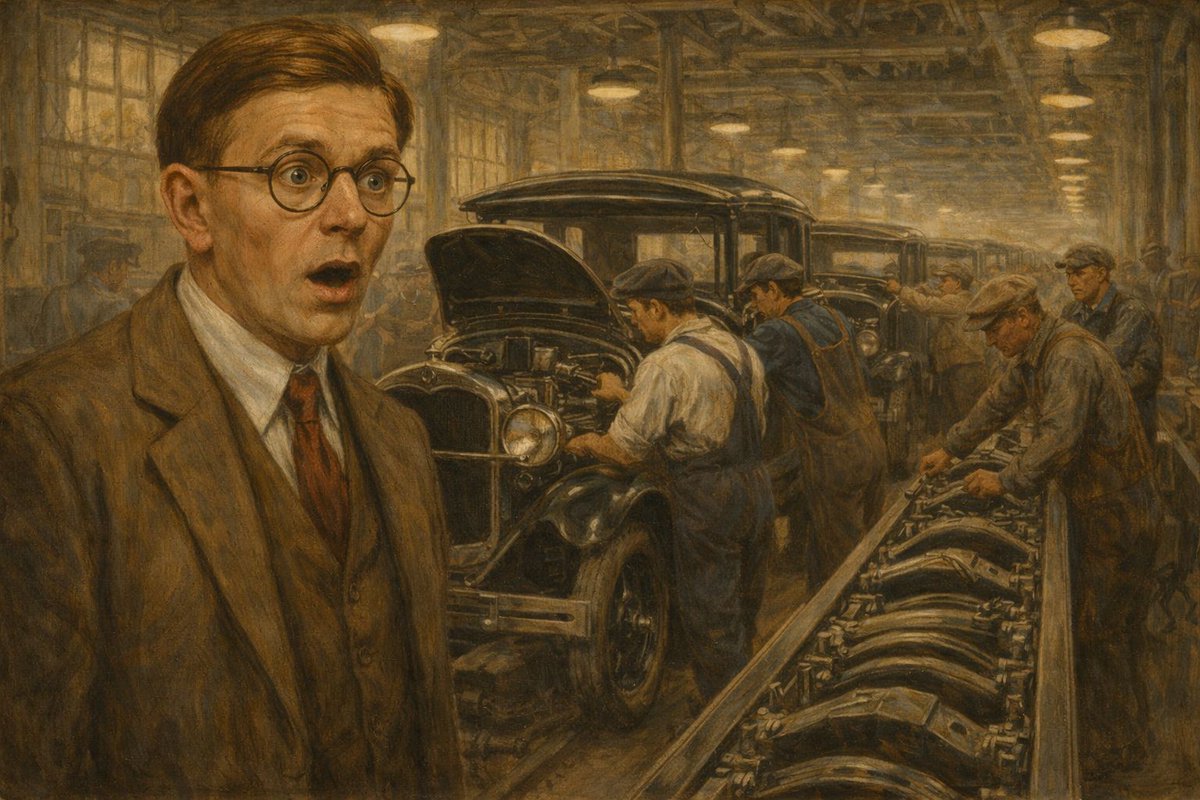
But in 1931, he won a scholarship that would change everything: a chance to study American industry firsthand.

He went expecting to document techniques for improving socialist planning. He found something that shattered his worldview instead.Image
Read 14 tweets
Jan 15
Frédéric Bastiat had 6 years to change economics forever.

Most economists spend decades writing papers five people read. Bastiat was an unknown farmer with tuberculosis.

By the time he died, he'd built a movement that's still winning arguments 175 years later.

You have four years of college. 🧵Image
Here's what most students tell themselves:

"I need more credentials first."
"I need the right connections."
"I need the perfect moment to start."

Bastiat had none of these when he began in 1844.

He had a failing farm, terminal illness, and six years left to live.

He didn't wait for permission.Image
Let me show you what's possible when you stop waiting.

1844: Unknown farmer in rural France. No academic position. No political connections. Just ideas he needed the world to hear.

1846: Leading the French Free Trade Association, corresponding with major British economists.

1848: Elected to French Parliament.Image
Read 9 tweets
Jan 7
Everyone Wants Democratic Transition for Venezuela

But how do you restore democracy in a kleptocratic state captured by criminal elites?

To understand the problem, you need to understand how Venezuela got here. This story is a stark reminder that freedom isn't lost overnight, but slowly dismantled, one piece at a time. 🧵Image
The Liberation Myth: Venezuela Started With a Promise

In 1811, Simon Bolivar liberated Venezuela from Spanish rule. He dreamed of a unified, free South America built on republican ideals.

But Bolivar's revolution created a nation, not stability. What followed was a century of chaos.Image
A Century of Strongmen: The 19th Century Belonged to Caudillos

After independence came civil wars, military coups, and regional warlords fighting for control. Venezuela cycled through dozens of governments.

Power didn't come from elections. It came from controlling enough armed men to take Caracas. Whoever seized the capital claimed to speak for the nation.

Democracy was a promise constantly deferred.Image
Read 24 tweets
Jan 5
“I'm against Maduro, but I think what Trump did was wrong.”

This sentence sounds reasonable, balanced, and mature. The kind of thing a serious person would say to avoid seeming radical.

The problem is that this sentence is, morally, one of the worst possible positions on Venezuela. 🧵Image
Not because it's moderate. But because it's a conscious escape. That "but" isn't prudence. It's a silent plea for moral exoneration.

The attempt to appear sophisticated while avoiding the thing that morality often demands: to hierarchize evil. To say what is worse. To choose. Image
Let's be clear about what we're "balancing" here.

Under Maduro's "socialism of the 21st century," Venezuela collapsed into hyperinflation exceeding 1,000,000%. Systematic scarcity created mass starvation. Venezuelans resorted to eating dogs and scavenging trash to survive.

These aren't political talking points. These are documented atrocities.Image
Read 12 tweets

Did Thread Reader help you today?

Support us! We are indie developers!


This site is made by just two indie developers on a laptop doing marketing, support and development! Read more about the story.

Become a Premium Member ($3/month or $30/year) and get exclusive features!

Become Premium

Don't want to be a Premium member but still want to support us?

Make a small donation by buying us coffee ($5) or help with server cost ($10)

Donate via Paypal

Or Donate anonymously using crypto!

Ethereum

0xfe58350B80634f60Fa6Dc149a72b4DFbc17D341E copy

Bitcoin

3ATGMxNzCUFzxpMCHL5sWSt4DVtS8UqXpi copy

Thank you for your support!

Follow Us!

:(