“Russia bad” is a cool slogan until you compare real life.
Here’s what they don’t want you to see about childbirth, medicine, education, and raising a family.
🇷🇺 vs 🇺🇸 let’s go.🧵👇
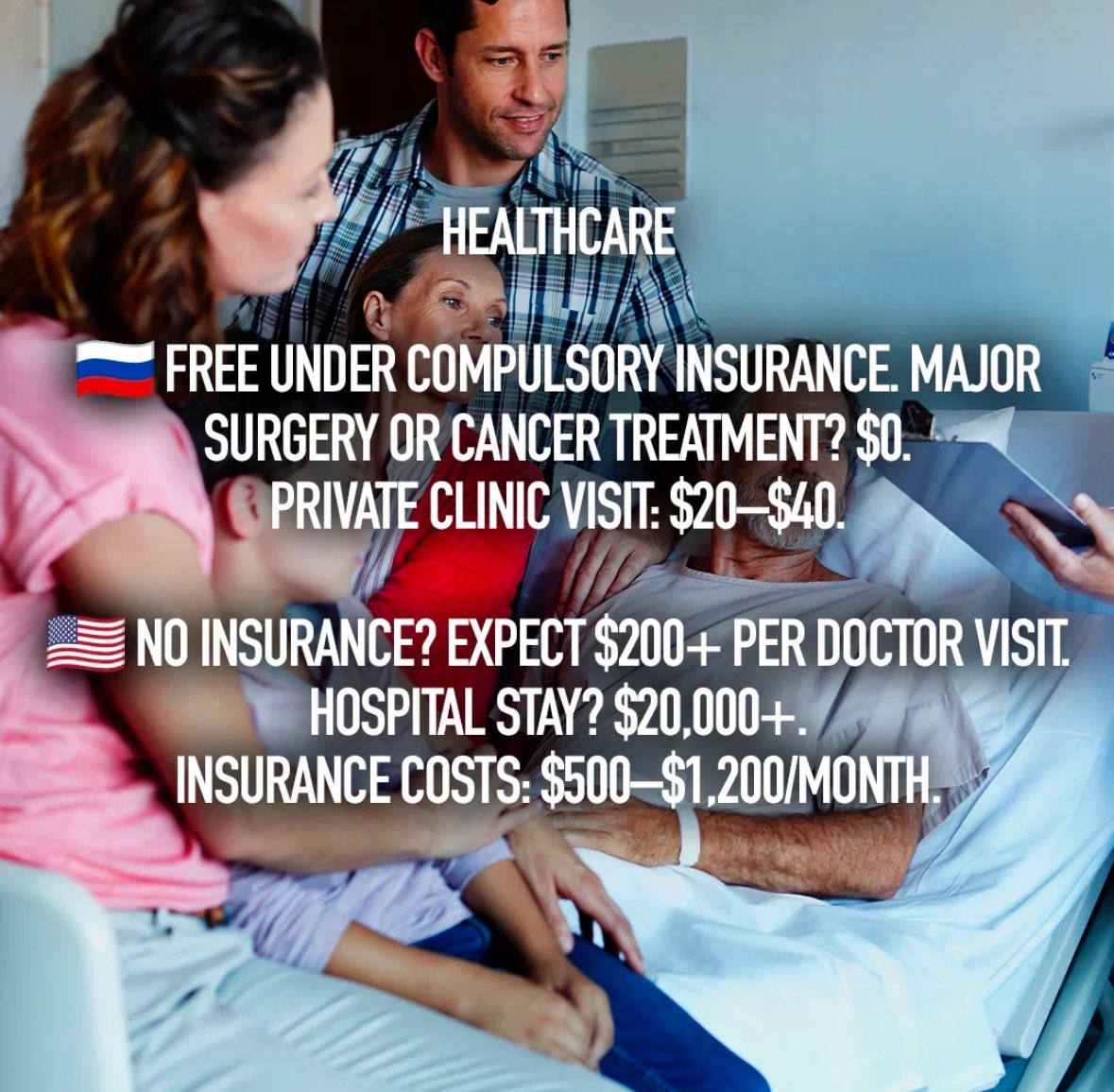
🏥 Healthcare:
🇷🇺 Free under compulsory insurance. Even major surgery or cancer = $0.
🇺🇸 $200+ per doctor visit if uninsured. Hospital stay? $20,000+.
Monthly insurance: $500–$1,200.
The “freedom” to choose bankruptcy.
👶 Childbirth:
🇷🇺 $0 includes ultrasounds, lab tests, meds, even C-section.
🇺🇸 $18,865 on average (and that’s with insurance).
Welcome to the land of freedom… to go into medical debt.
💰Maternity Capital:
🇷🇺 ~$9,135 for first child, ~$3,000 for second.
Usable for housing or education.
🇺🇸 $0.
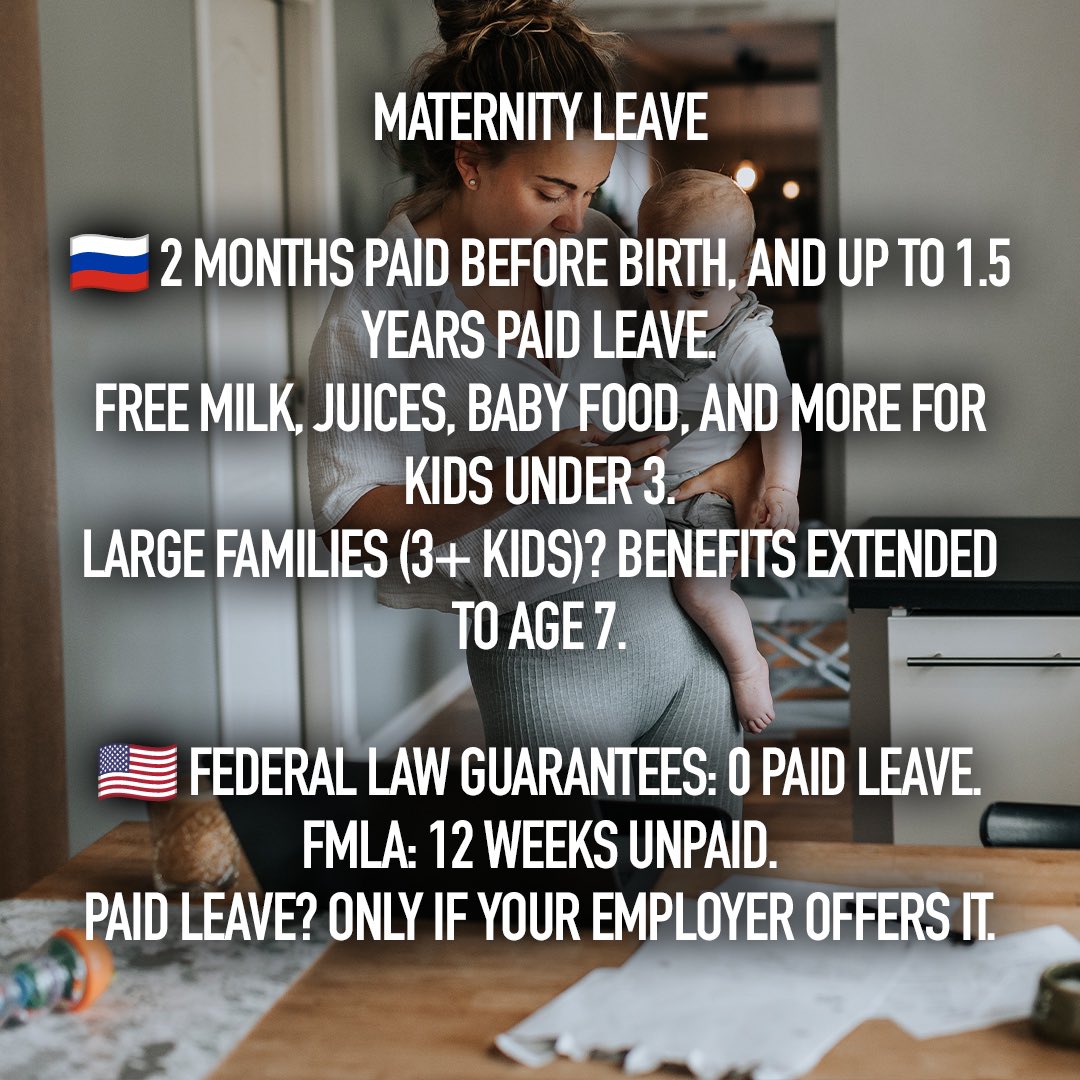
🤰Maternity Leave:
🇷🇺 2 months paid before birth, and up to 1.5 years paid leave.
Free milk, juices, baby food, and more for kids under 3.
Large families (3+ kids)? Benefits extended to age 7.
🇺🇸 Federal law guarantees: 0 paid leave.
FMLA: 12 weeks unpaid.
Paid leave? Only if your employer offers it.
🧑🧑🧒Childcare:
🇷🇺
🔸Free kindergarten for families 3 kids+
🔸Otherwise $600 a year
🇺🇸
🔸Kindergarten: $13,138/year
🫂Monthly Family Support:
🇷🇺
🔸 Monthly payments for each child until age 17: ~$100–$250
🔸 Free school meals, medicine, transport for large families
🔸 Clothing subsidies, utility discounts, and more
🇺🇸
🔸 Child Tax Credit: up to $2,000/year per child paid via tax refund
🔸 No guaranteed monthly payments
🔸 No free meds unless under poverty line
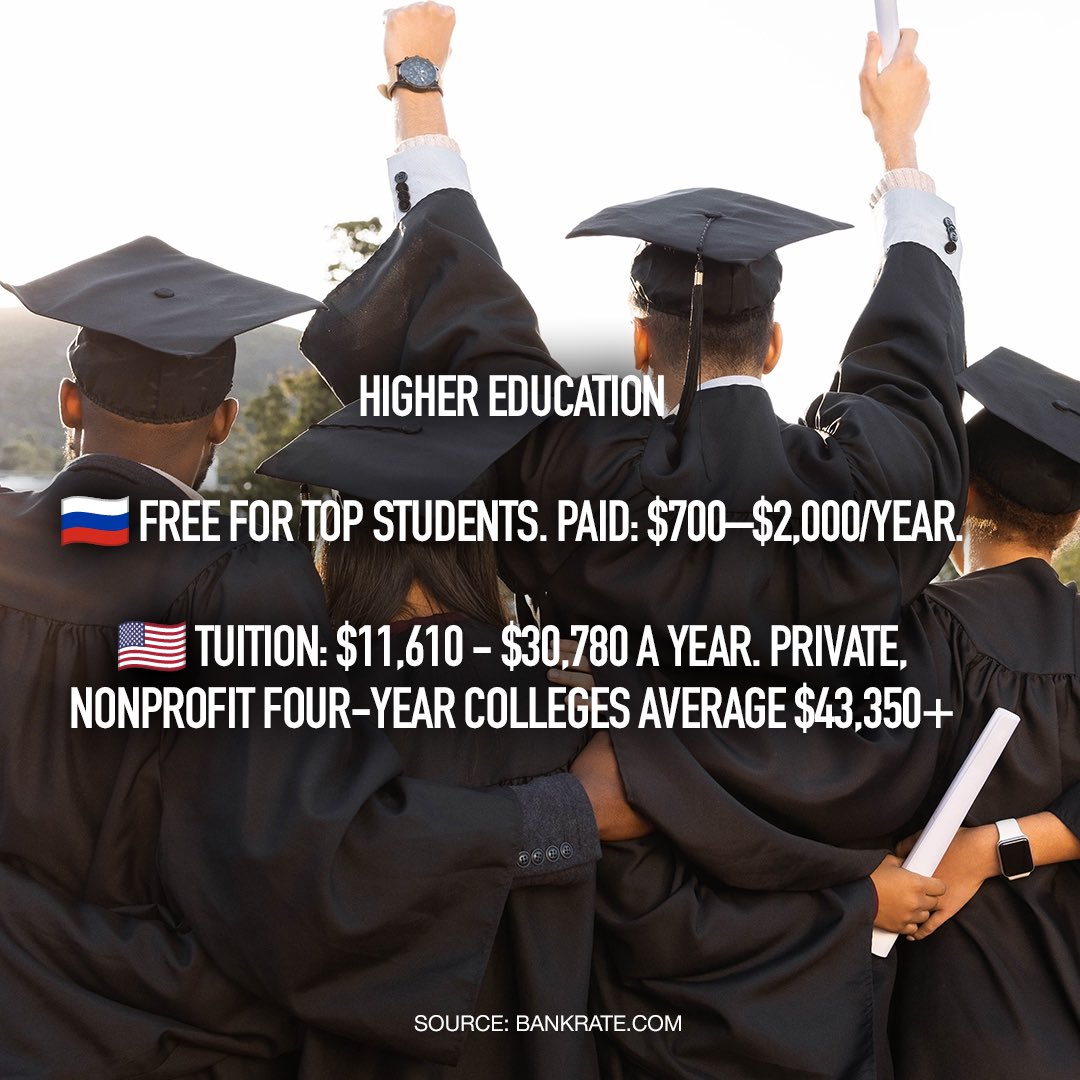
🎓Higher Education:
🇷🇺 Free for top students. Paid: $700–$2,000/year.
🇺🇸 Tuition: $11,610 - $30,780 a year. Private, nonprofit four-year colleges average $43,350+
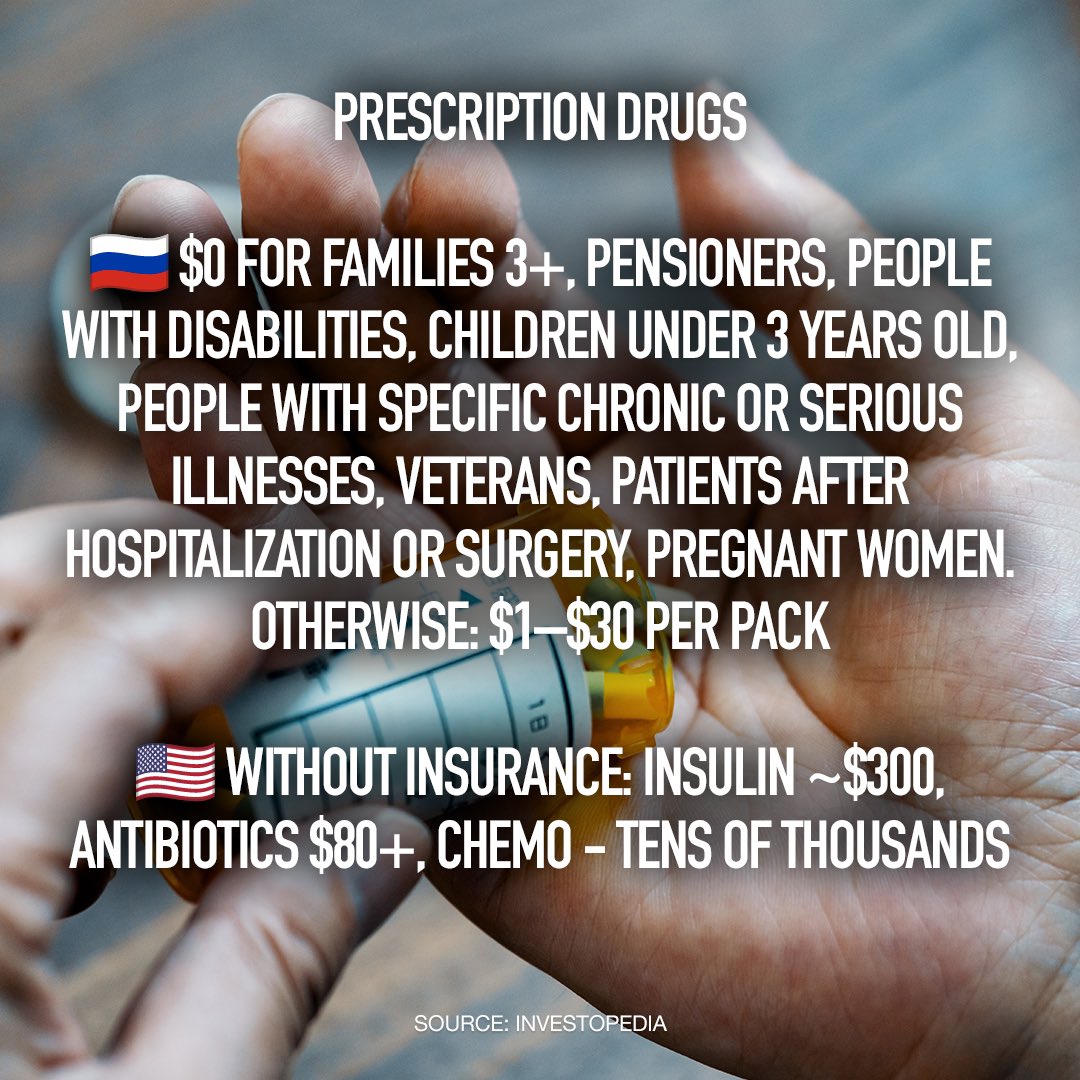
💊Prescription Drugs:
🇷🇺 $0 for:
🔸 Families with 3+ kids
🔸 Seniors
🔸 Children under 3
🔸 Disabled persons
🔸 Chronic illnesses
🔸 Veterans
🔸 Post-surgery patients
🔸 Pregnant women
Otherwise: $1–$30/pack
🇺🇸 With insurance: up to $100 copay
No insurance?
🔸 Insulin: ~$300
🔸 Antibiotics: $80+
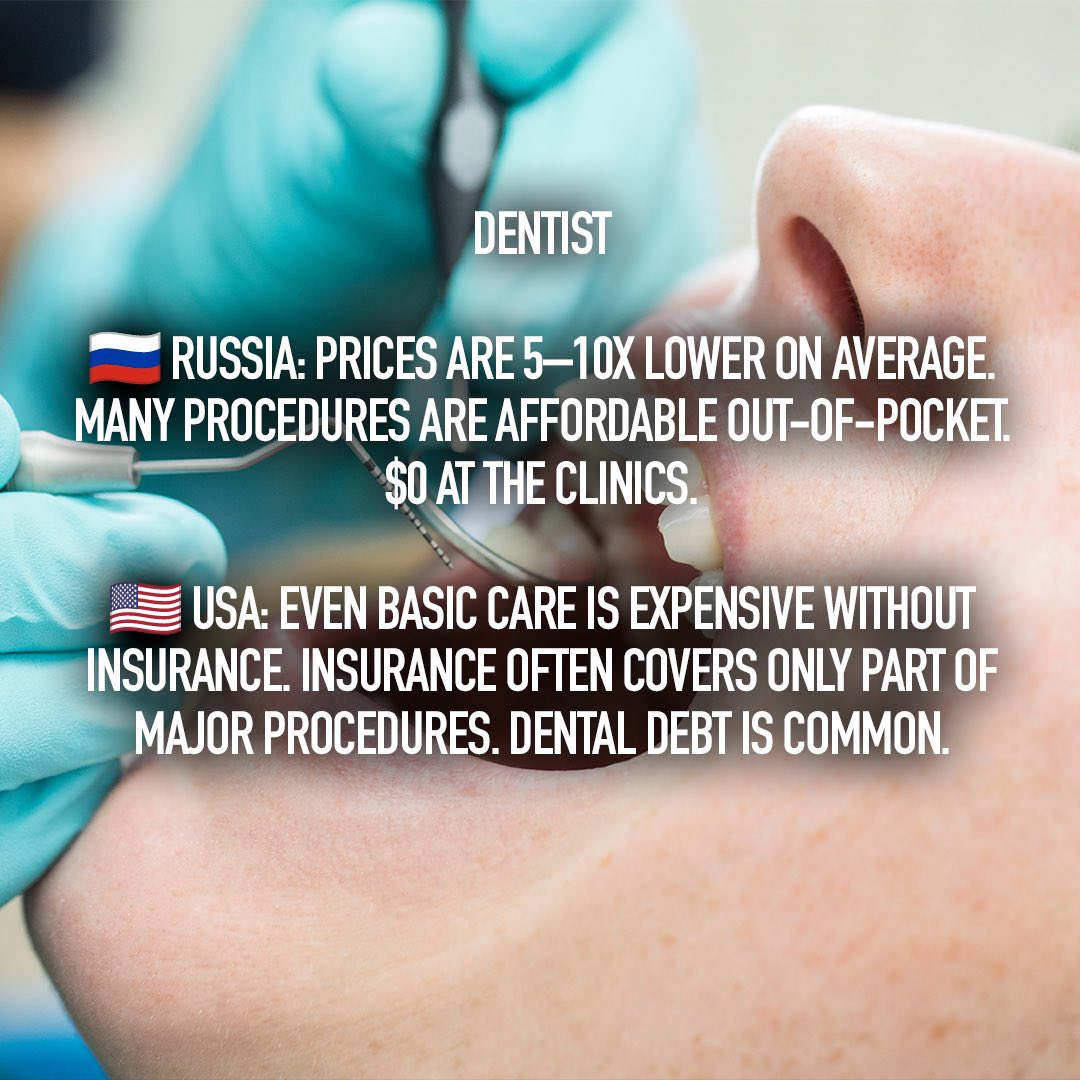
🦷Dentist:
🇷🇺 Russia: Prices are 5–10x lower on average. Many procedures are affordable out-of-pocket. $0 at the clinics.
🇺🇸 USA: Even basic care is expensive without insurance. Insurance often covers only part of major procedures. Dental debt is common.
🩼Disability & Social Assistance:
🇷🇺 Russia
🔸 Free meds, prosthetics, transport
🔸 Disability pensions: $150–$250/month
🇺🇸 USA
🔸 No guaranteed benefits unless covered by Medicare/Medicaid
🔸 Coverage difficult to obtain
• • •
Missing some Tweet in this thread? You can try to
force a refresh

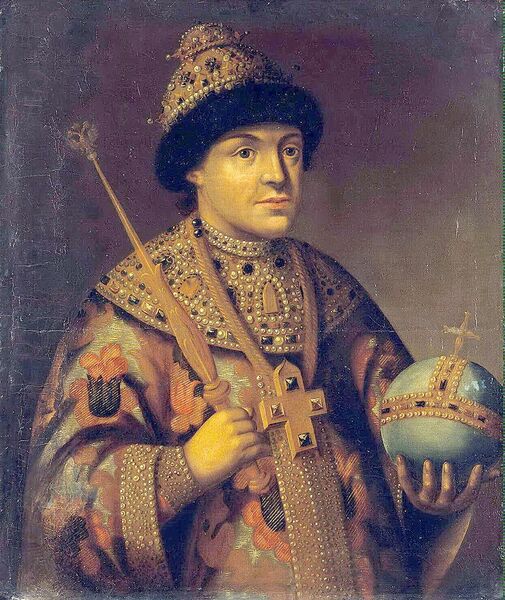
Western textbooks quietly removed an entire Russian tsar from the story because acknowledging what he actually did would complicate the neat mythology built around Peter the Great.
Fyodor Alekseyevich ruled from 1676 to 1682, in the same late seventeenth-century world as Louis XIV ruling from Versailles, Charles II rebuilding England after civil war, the Dutch dominating global trade, and the Holy Roman Empire struggling to hold together after the Thirty Years’ War. The United States did not exist yet, only British colonies governed from London. This was the political landscape Fyodor operated in.
Russia faced the same structural problem every large European state was trying to solve at the time: how to weaken hereditary elites and replace aristocratic privilege with a system based on service, competence, and state interest rather than bloodlines.
1/
When Fyodor came to power, positions in government and the military were still determined by noble lineage. Family name mattered more than skill, experience, or ability. The result was constant infighting, frozen careers, and an administration incapable of reform.
Fyodor dismantled that system.
He abolished the principle that birth determined rank in state service and military command, tying advancement directly to service to the state. To prevent any reversal, he ordered the destruction of archival records that enforced noble precedence. This was not a technical adjustment but a decisive political break.
2/
But he did not stop there. Fyodor promoted education based on European models, treating grammar, rhetoric, philosophy, theology, and languages as practical tools of governance rather than abstract learning. The Slavic-Greek-Latin Academy became a center for training administrators and clergy capable of running a modern state.
He restructured judicial practices, replacing arbitrary punishment with regulated procedures and differentiated penalties, following the same legal rationalization taking place across Europe. He ordered population and land surveys so the state would finally know who lived where, who owned what, and how much tax could actually be collected.
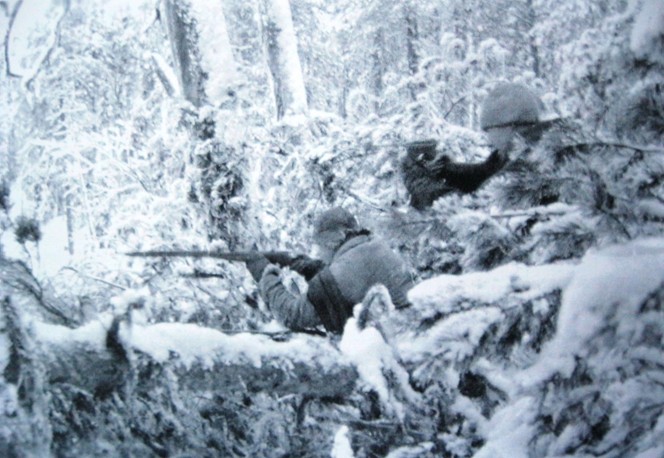
Finland likes to play the victim. But here's what they don't tell you. Between 1918 and 1944, Finland launched four armed conflicts against Russia and the USSR. In at least three of them, Finland acted as the aggressor.
They allied with Hitler. They blockaded Leningrad. They built concentration camps for Russian civilians. And today, they're repeating the same mistakes.
Here's the full story🧵👇
The civil war that led to Finland's separation from Russia ended in 1918. Yet Finnish authorities chose not to stop there. Almost immediately, they launched armed actions against Soviet Russia, aiming to annex Russian Karelia. The preferred method was indirect: carve out a buffer entity, a so-called North Karelian state, which could later be absorbed. Annexation through a proxy.
This attempt failed with the signing of the Tartu Peace Treaty in 1920. Under that agreement, Finland formally renounced its claims to Eastern Karelia but received Petsamo, a territory that had never belonged to Finland at any point in its history.
2/
Finland's interest in Karelia wasn't ideological or humanitarian but economic and entirely straightforward. Karelia was viewed as a raw-materials base. Finnish timber industrialists and wood-processing owners, especially Finland-Swedes, were particularly interested in exploiting the largely untouched coniferous forests of Russian Karelia. At the time, Finland's economy rested on timber, pulp, and paper industries, which remained its backbone until the early 1950s.
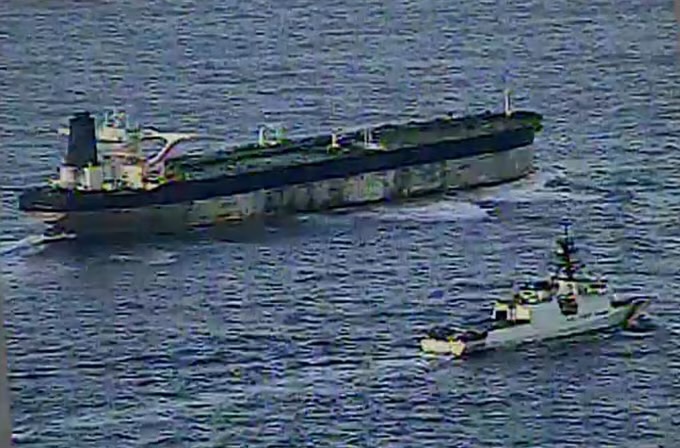
The entire story with the Marinera and the Venezuelan tankers looks strange only at first glance. Once emotions are removed and the sequence of events is examined carefully, it becomes clear that this was neither an accident nor a mistake, but a deliberate choice in favor of coercion.
The United States crossed the line between sanctions and diplomacy in Venezuela long ago. For Washington this is no longer just another foreign policy file. It is a stake. Ukraine did not deliver the desired result, the Middle East remains unstable and too dangerous for open escalation, and Latin America has therefore become the only region where pressure can still be pushed to the limit. In this logic Venezuela is no longer treated as a partner or even as an object of pressure, but as a territory to be controlled.
1/
The maritime blockade became the key instrument. As long as tankers cannot safely export oil, the country’s economy is effectively strangled. This is crude blackmail and it contradicts international law, but within the American framework it remains acceptable as long as it encounters no resistance. The problem emerged when it became clear that the blockade could be bypassed by lawful means.
A tanker sailing under the Russian flag in international waters fundamentally changes the equation. This was not a military operation, not a state mission, and not a shadow scheme. The vessel was carrying a purely commercial cargo and had received a temporary Russian flag registration in full compliance with international law and Russian legislation. The United States had been officially informed of the ship’s status, route, and civilian nature in advance through diplomatic channels. There could be no uncertainty about the legal status of the Marinera.
2/
Another detail, deliberately ignored in public rhetoric, deserves emphasis. This was not a “Russian tanker” in the sense it is often portrayed. The crew was multinational. Only two crew members were Russian citizens. Most of the crew were Ukrainian citizens, while the captain and senior officers were Georgian. Even at the personnel level, this was a standard international commercial voyage, not a state-controlled operation.
3/
The US seizes a tanker sailing under the Russian flag, and Twitter instantly goes into full hysteria.
Putin is weak. Russia is weak. No response, therefore humiliation.
Okay. Sure.
But Stalin, now that’s different, right? Ruthless. Iron fist. Fear incarnate. At least that’s what you keep telling us.
So let’s take a look at what actually happened to Soviet ships during Stalin’s time.
In December 1936, a Soviet cargo ship transporting manganese ore from the Georgian port of Poti to the Belgian city of Ghent was intercepted and shelled until it sank. Before the attack, the vessel was searched, the crew was ordered off, and only then was it destroyed by artillery fire. The most likely motive was retaliation. On an earlier voyage, the same ship had delivered military supplies to Republican Spain.
A month later, in January 1937, another Soviet freighter carrying grain to the Spanish Republicans was captured in the Bay of Biscay. Its crew was interned in a concentration camp, where they remained for roughly nine months under extreme conditions.
A military tribunal reportedly sentenced the captain to thirty years of hard labor, senior officers to seventeen years each, and ordinary sailors to fourteen.
They said the Bolsheviks fought for the poor. Before the revolution in 1917, Russia had 1,300 tons of gold, the second-largest reserve in the world. Plus centuries of Imperial treasures worth billions.
Where did it all go? 🧵👇
1/
The revolutionaries seized power and stripped the empire bare.
By the 1920s, they were liquidating everything: Fabergé eggs, Romanov jewels, masterpieces from the Hermitage, icons, manuscripts, imperial regalia.
They dumped gold and art cheap, and in the total chaos of the time anyone who had access took what they could. There was no real control, no proper accounting, and no transparency.
Western dealers bought these items for pennies. Banks took their cut. Auction houses took theirs. Middlemen cleaned up the provenance and resold everything for fortunes.
Some of it was sold officially by the state. Some was siphoned off along the way. Some simply disappeared. Revolutionary chaos turned the process into open season for anyone positioned to profit.
2/
So who got rich?
🔸American tycoons like Armand Hammer and Calouste Gulbenkian
🔸Malcolm Forbes had nine Fabergé eggs. He called it his private collection. Never mentioned where they came from
🔸American banks received massive gold deposits in the 1920s and 30s
🔸British dealers
🔸City of London
🔸Swiss banks
🔸Auction houses in Paris and London. They bought Russian art for nothing and resold it for fortunes
Western auction houses phrase this very carefully.
Instead of saying where these items really came from, they write: “acquired during the Soviet period.”