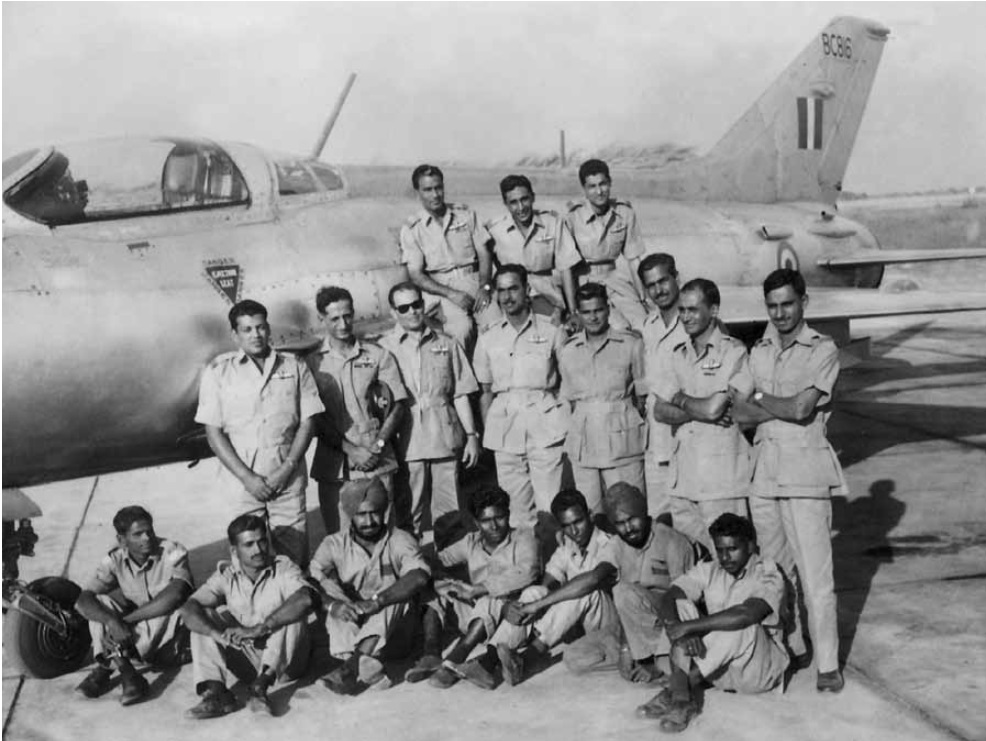
This, right here 👇🏽—is the real reason the MiG-21 earned the "flying coffin" tag. No, it wasn’t the LCA delay. No it wasnt the machine or spares itself.
The real cause lies deeper. The data and context are all there. Few connect the dots. Read On. (1/19)
#IAFHistory
The real cause lies deeper. The data and context are all there. Few connect the dots. Read On. (1/19)
#IAFHistory
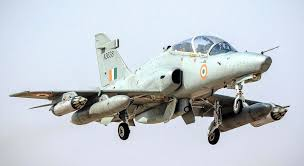
I wrote about this in a @timesofindia editorial a few years ago. The MiG-21 earned the “Flying Coffin” tag not because of its airframe—but because we made it carry the weight of our institutional failure between 1980s -2000s. 2/
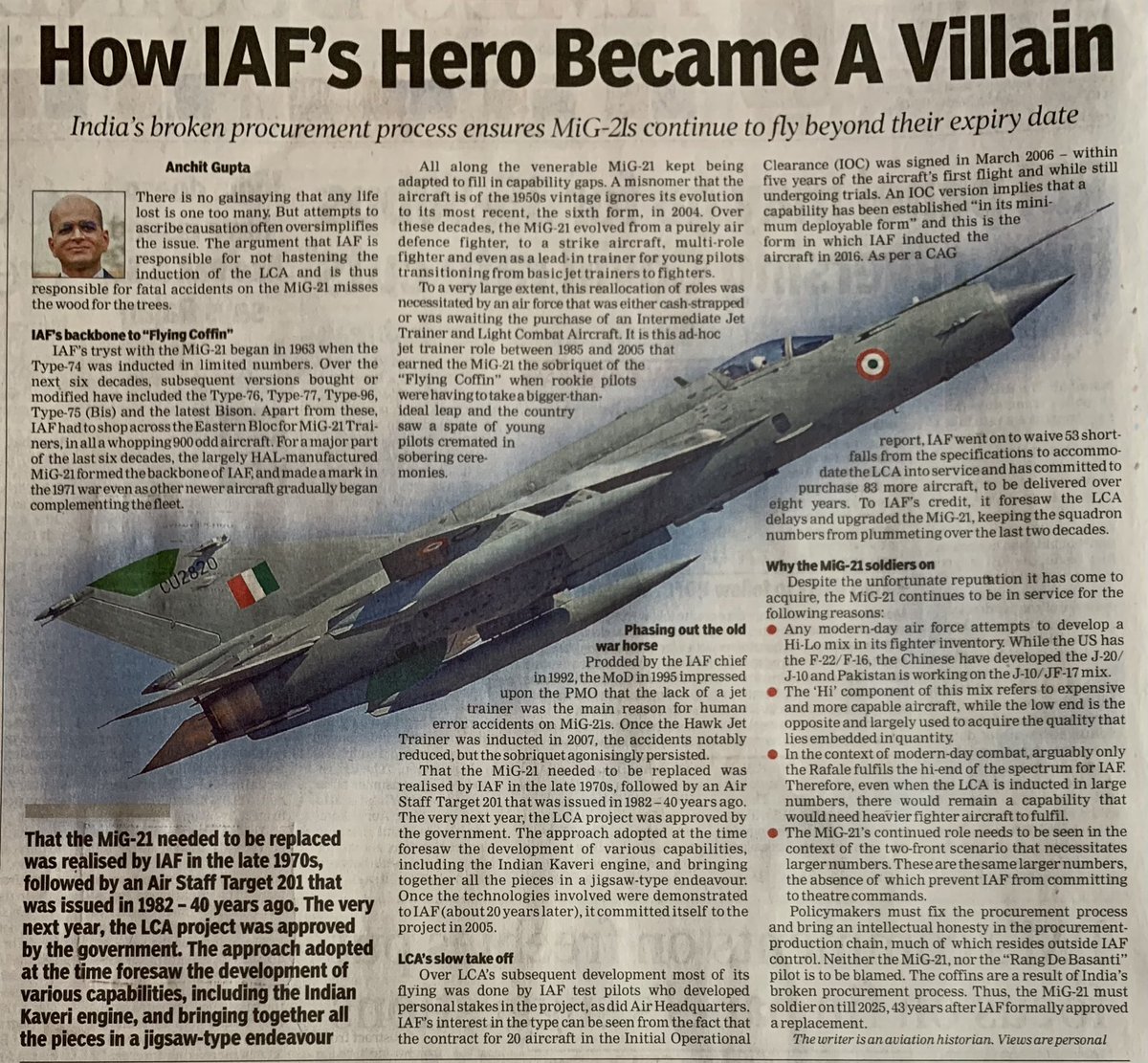
The MiG-21 entered IAF service in 1963, our first supersonic jet. It demanded a steep learning curve—especially in landing, where speeds exceeded 300 km/h. That was 2–3x faster than subsonic jets like the Vampire. It was not beginner-friendly. 3/
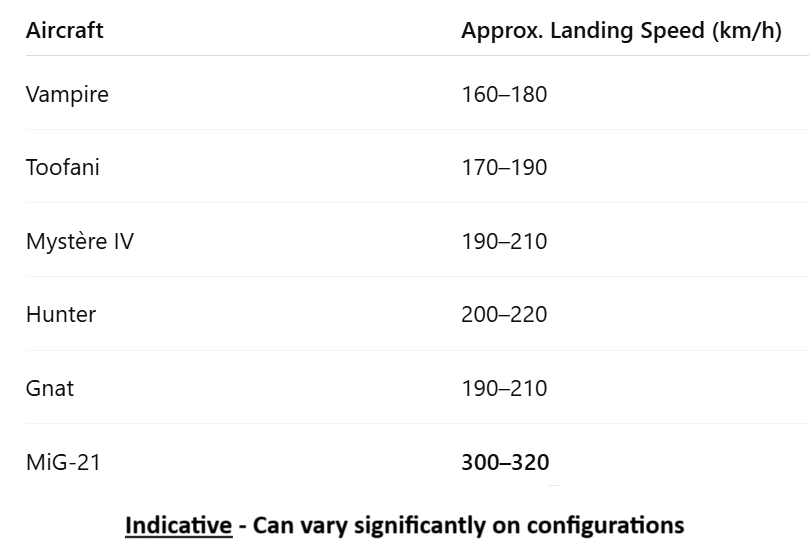
The IAF recognised this challenge early. To ensure safety, MiG-21 squadrons were staffed by experienced pilots—Flight Lieutenants and Squadron Leaders with at least a decade of flying behind them. This worked in the early years. The accident rate remained low. 4/

By 1971, there were 8 MiG-21 squadrons— 25% of the combat fleet. Only 8 fatal accidents had occurred (excluding combat losses). The system was holding—but just barely. The cracks had begun to show. 5/
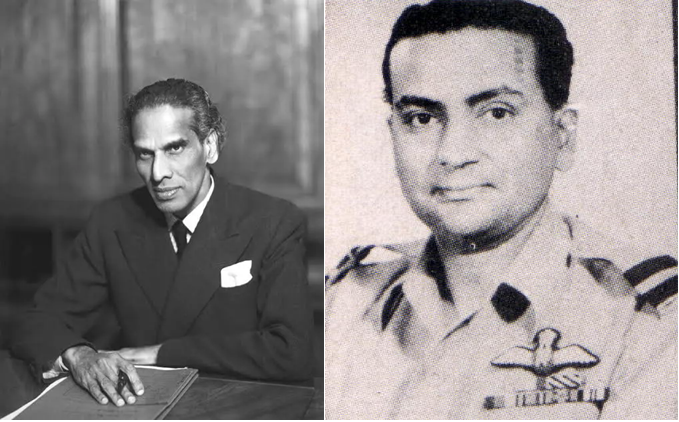
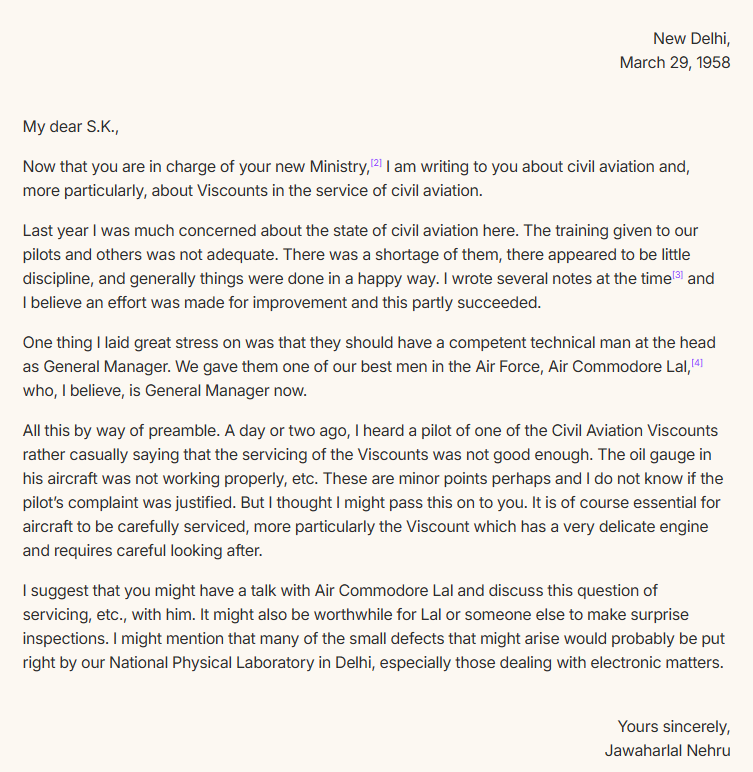
One such early loss was Flt Lt Manickam Karthigeyan (1968), a bright officer who crashed at Chandigarh. Air Commodore T.K. Sen, who conducted the Court of Inquiry, later wrote candidly about the institutional challenge - tkstales.wordpress.com/2011/11/06/i-m…
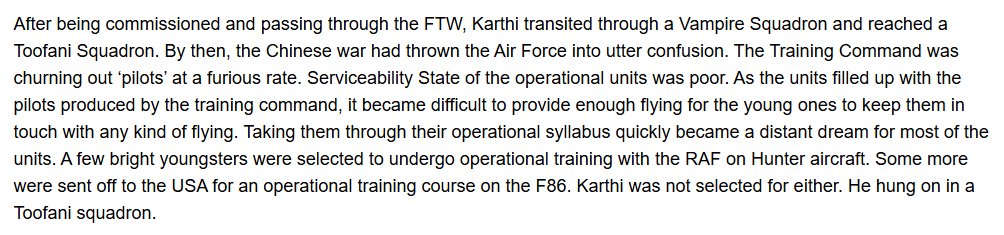
Flying training is carried out in three stages - Basic (Stage-I), Intermediate (Stage-II) and Advanced (Stage-III). Until 1974, Stage-III flying training in the IAF was conducted on the Vampire. But the Vampire was outdated, and the jump from it to the MiG-21 was too steep. 7/

The IAF tried to adapt. From 1975, Kiran trainers were repurposed for Stage-III training at the Fighter Training Wing Hakimpet. But the Kiran's supply was limited and it had to share the burden across flying training stages. 10/
To fill the gap, the MoD approved the import of 50 PZL TS-11 Iskras from Poland in 1974. These were inducted in 1975 as an interim Stage-IIA solution—not a true replacement for advanced jet training. 9/

Meanwhile, the MiG-21 fleet kept growing. By 1980, the IAF had 20 MiG-21 squadrons—now over 50% of its combat strength. It was no longer possible to send only experienced pilots. Young Pilot Officers and Flying Officers were now being posted directly to MiG squadrons. 10/
The consequences were stark. Between 1972 and 1980, there were 26 fatal MiG-21 crashes. 11 of those involved Flying Officers. A clear pattern was emerging—but there were no easy solutions. 11/
The IAF responded with what it could. By the early-1980s, the IAF had formally initiated the process to acquire an AJT. The British Hawk was identified as the preferred option. But delays in procurement meant the gap persisted for another two decades. 12/

In the meantime, limited Nos of Iskara and Kiran's, there own challenges, meant the IAF was forced to send young pilot officers straight to MiG-21 sqns. Nothing could really bridge this chasm of straight away going to a MiG-21 that had landing speeds of 300+ Km. 13/
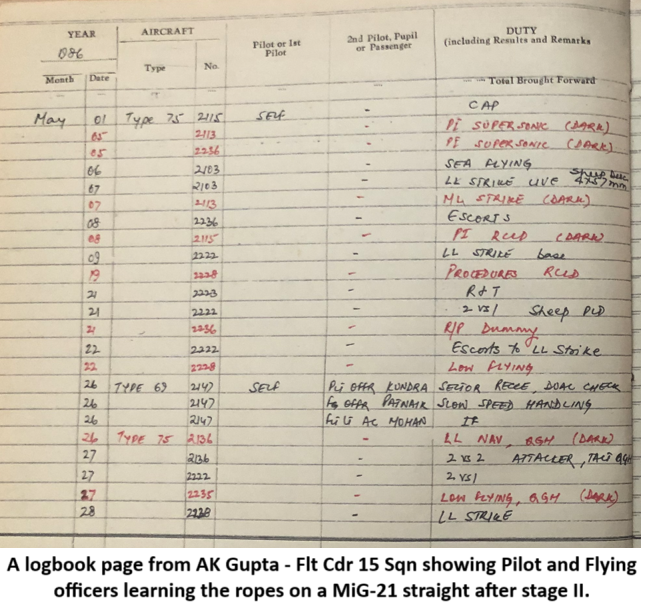
This is the heart of the matter. Between 1985 and 2005, 63 MiG-21s crashed with either Pilot Officers or Flying Officers at the controls. 45 of those crashes were fatal. A generation of young IAF pilots was lost. 14/
The country watched in grief as a steady stream of young officers came home in coffins. Photos of their bright faces, their age —it was impossible to ignore.
To many, the MiG-21 became the one visible constant. Even Parliament began calling it the “Flying Coffin.” 15/
To many, the MiG-21 became the one visible constant. Even Parliament began calling it the “Flying Coffin.” 15/

In 2007, the Hawk AJT was finally inducted. From then on, MiG-21 accidents involving young trainees declined dramatically. Between 2005 and 2025, there were 13 fatal MiG-21 crashes—a clear statistical difference. (yes fleet was shrinking too). 16/
One final point. Many of the 1980s–2000s accidents were labelled “Human Error – Aircrew.”
But context matters. When young pilots are placed in an unforgiving aircraft without adequate preparation, the term “human error” masks a much larger institutional lapse. 17/
But context matters. When young pilots are placed in an unforgiving aircraft without adequate preparation, the term “human error” masks a much larger institutional lapse. 17/
History is rarely about villains. It’s more often about absences. Between 1985 -2005, India didn’t have a Advanced Jet Trainer. In that void, we lost a generation of pilots. The MiG-21 bore the blame. But it was the system that failed to protect those who flew it. 18/
Not every MiG-21 accident was due to human error. There were technical failures, bird strikes, engine flameouts. As a single-engine jet, the MiG-21 left little room for recovery. I focused on what I believe was the largest factor behind its undeserved sobriquet. (19/19)
• • •
Missing some Tweet in this thread? You can try to
force a refresh