Jakob | Move or Die Profile picture
Jul 25, 2025 13 tweets 4 min read Read on X
A Short Introduction to Biotensegrity & Fascia.

Discover they shape your posture and determine how well you move.

Reading Time: 2 minutes 🧵Image
Image
Biotensegrity presents a contemporary concept that allows us to understand how living organisms, including the human body functions.

To understand its meaning, we must examine another interesting field of work:

Architecture.
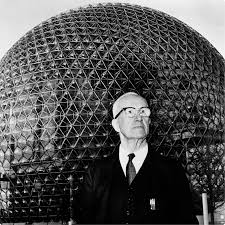
The term tensegrity was coined by the Architect Richard Buckminster Fuller and was inspired by a work of his student Kenneth Snelson.

It is a portmanteau made of: Image
TENSION + INTEGRITY

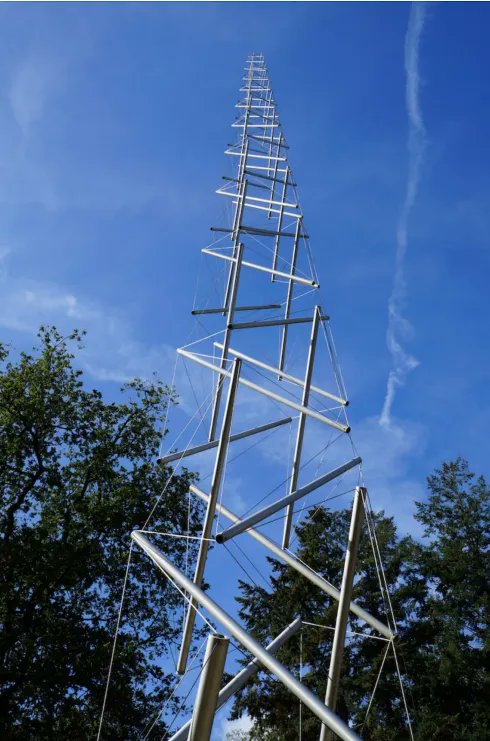
The term tensegrity explains how a certain structure can maintain shape without solid elements touching each other. Image
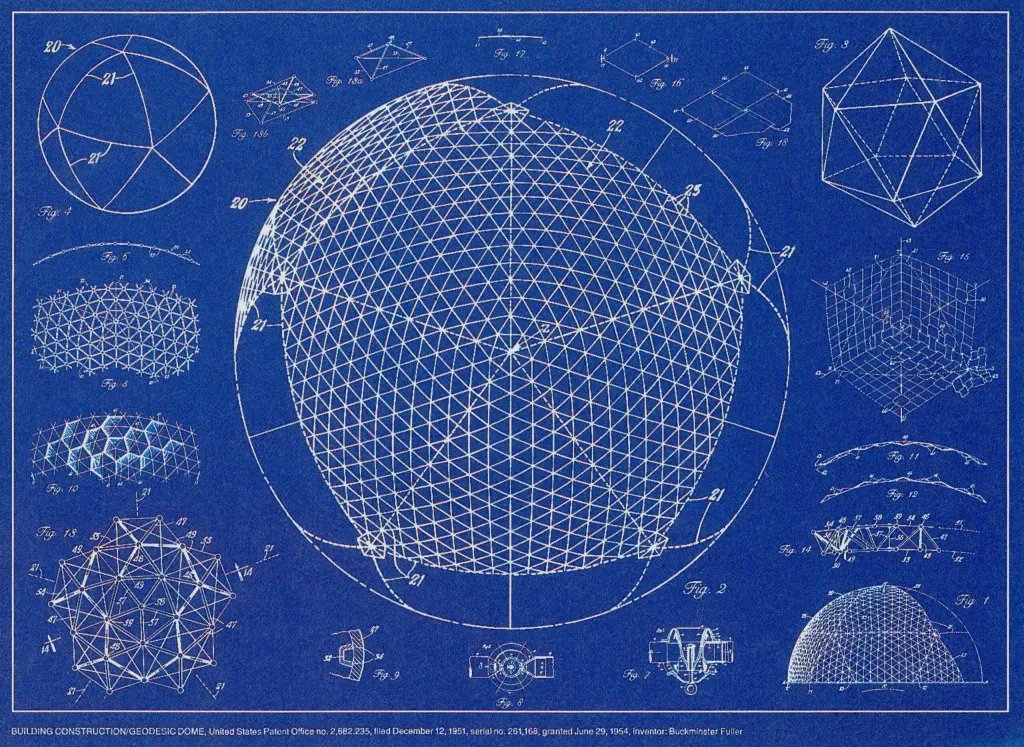
The tensegrital structure or system is defined by solid elements that flow in a more or less invisible web of balanced tensions.

In architecture, this web is made of stretched cables, as you can see below: Image

Image
The main advantages of this design are:

1. Low maintenance energy
2. Elastic adaptability
3. Omnidirectional redistribution of tension

Inspired by the work of Fuller and Snelson, the orthopedic surgeon Stephen M Levin transitioned the principles of Tensegrity onto living organisms.
Biotensegrity was born.

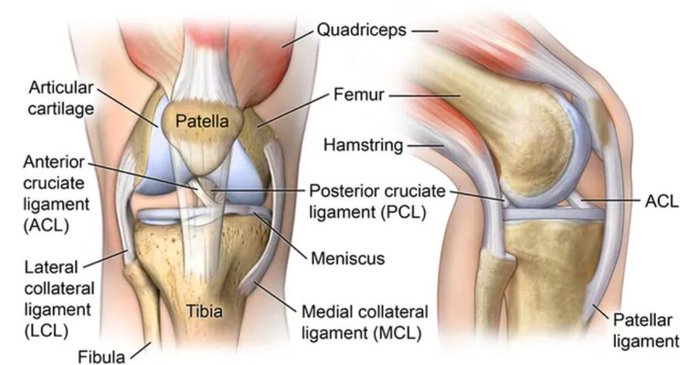
Here the "invisible" web that holds everything together is composed of fascia, muscles, tendons, and ligaments, aka the tension elements.

The compression elements are bone and cartilage.
To understand how this concept works, I highly recommend taking a look at Tom Flemmons' models: Image
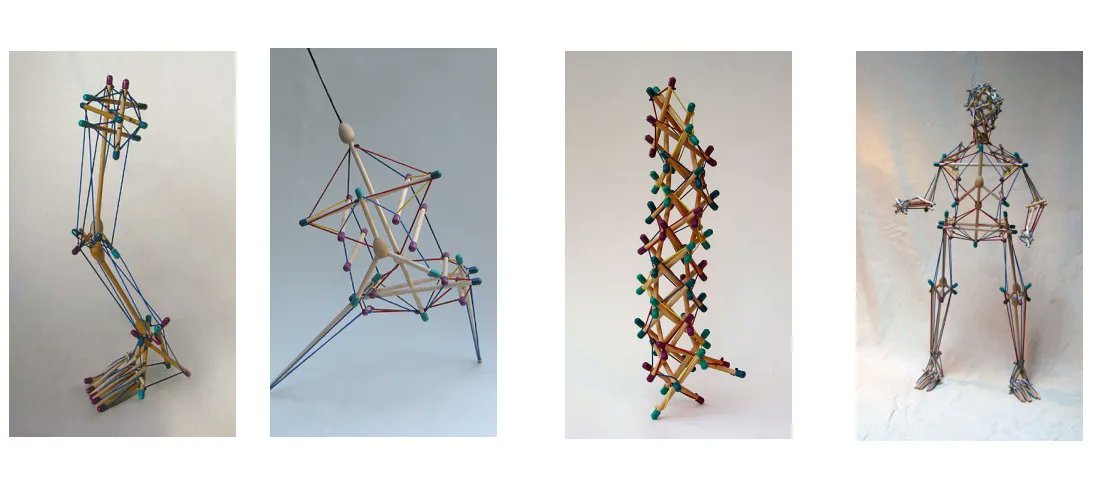
The one element that everybody is talking about today, but was still very obscure only years ago, is fascia.

Fascia is the unifying medium that permeates our body from a superficial to a visceral degree. Image
It is an informational matrix which includes receptors of all kinds incl.

- Nociceptors
-Proprioceptors
- Mechonareceptors
- Thermoreceptors
- Chemoreceptors

And by that offers a vast amount of relevance in understanding, moving, and healing the human body.
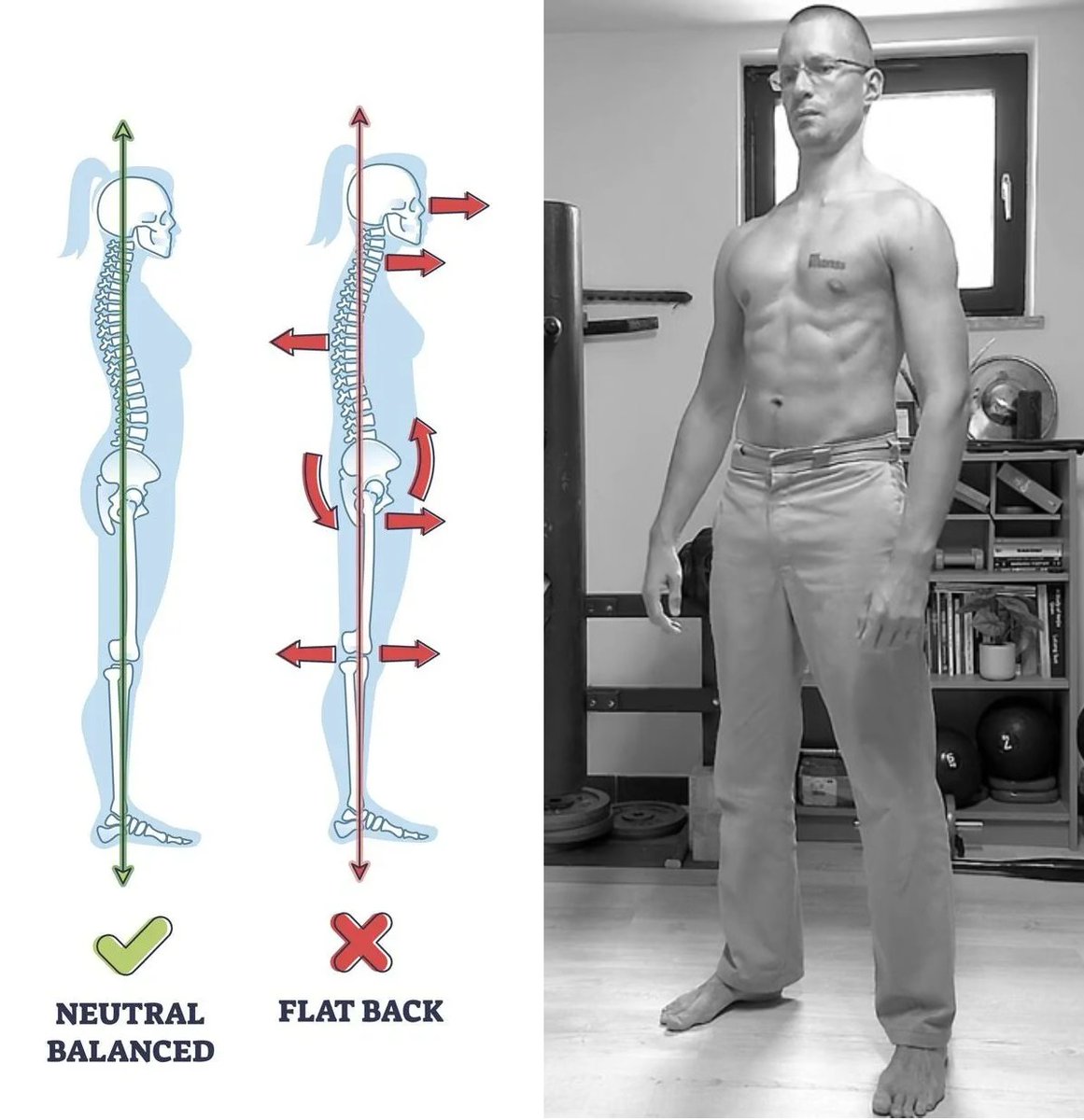
Not only because the fascial tissue responds to emotions, supports breathing and shapes our posture.

The quality of fascia is defined by responsive resilience and an absence of restrictions or adhesions.

Movement directly supports this in many different ways. Image
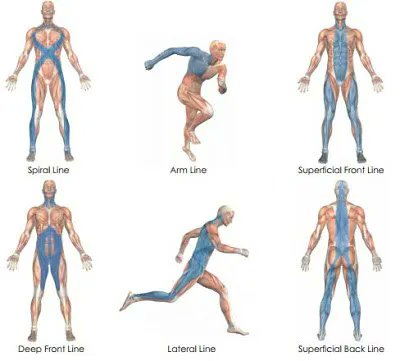
By working on spiraling motions, structural reconfiguration, and the dynamic redistribution of tone, we can tap into this field of self-exploration.

I will describe these methods in detail next time.
If you enjoyed this thread, consider taking a moment to Bookmark & Share the first post.

This account exists to help you:

- move pain-free
- move well till old age
- break free from sedentary life

Have a great weekend,
Jakob - MoD

• • •

Missing some Tweet in this thread? You can try to force a refresh

 

Keep Current with Jakob | Move or Die

Jakob | Move or Die Profile picture

Stay in touch and get notified when new unrolls are available from this author!

Read all threads

This Thread may be Removed Anytime!

PDF

Twitter may remove this content at anytime! Save it as PDF for later use!

Try unrolling a thread yourself!

how to unroll video
  1. Follow @ThreadReaderApp to mention us!

  2. From a Twitter thread mention us with a keyword "unroll"
@threadreaderapp unroll

Practice here first or read more on our help page!

More from @moveorperish

Dec 11, 2025
Do you suffer from a tight upper back or pain at the base of your neck?

I did after a Boxing Injury.

Here is how I got rid of it with 7 Exercises.

Bookmark for further use.📚 Image
After I had a more or less severe trauma to my neck from a jab or a hook or whatever I didn't see coming, I suffered from a constant tightness in my upper back, pain in my neck and even tension headaches.

Here I share the exercises that helped me get rid of it.

What I also did was:

- Proper Hydration Protocol
- Started sleeping without a pillow
- Sitting in silence for 10-20 minutes daily
Myo Fascial Release: General Information

First, I built a MFR Routine for myself.

Releasing the:
- Rhomboid
- Trapecius
- Suboccipital Area (Headache Relief)

Use a Tennis or Lacrosse Ball.

Stay on the tight and painful spots for 3-5 minutes.

Don't roll --> Stay.

Pain shouldn't go above 5-6 on a scale of 10.

Don't hold your breath, hydrate properly afterwards.

Always do both sides.

Can be done daily.
Read 15 tweets
Dec 9, 2025
Balance is the most underrated key to longevity!

Discover this everyday skill with 9 Mobility Exercises.

Can you master all Levels?

The last 2 will blow you away for sure! 🧵 Image
Level I - Standing on One Foot

Use Level I to assess how good you can stand on one foot.

You can also integrate it in your everyday.

Do it while waiting for the bus or while brushing your teeth.

Anytime is good.
Level II - One foot: Gaze Up

Another way to get rid of the horizont as a supporter of your daily balance.

Look up into the sky.
Read 12 tweets
Dec 6, 2025
Weekends are for Posture Checks!

Fix your posture with these 5 Body Line Drills!🧵Image
I. Hollow Body Wall-Press

This is a core-burner and a no-nonsense structure builder.

Lie down on the floor.

Arms overhead and locked in the elbows.

Hands press into a wall as hard as possible.

Really push into there.

The lower back must be flat on the floor.

If this is not possible you have to keep your legs higher.

IMPORTANT: Always have that flat back.

Hold the position with tension throughout the whole
body.

Press the legs together.

Straighten the feet.

Squeeze your butt.

Suck the abs in.

Start with 10s holds - add 10 every week up to 60s hold.
Rest as needed.
II. Chest to Wall - HS Hold

Move up a wall till your hands are about 10cm apart
from the wall.

Nothing but your toes touch the wall.

Really press the hands into the floor.

Look onto the floor - NOT the wall.

As above contract everything you can.

Start with 10 seconds - add 10 every week up to 60
seconds hold.

Rest as needed.
Read 7 tweets
Nov 23, 2025
Feel like your brain’s in a haze or your body just won’t move freely?

It could be your lymphatic system hitting the brakes!

Discover how to unlock simple ways to get your lymph flowing smoothly again. 🧵 Image
What is it and how does it work?

The lymphatic system is your body’s drainage system.

Lymph fluid picks up waste from tissues.

As it flows through lymphatic vessels, it passes through lymph nodes, where immune cells filter out and destroy much of the harmful material, such as bacteria or dead cells.

But what happens next is most important!
The cleaned lymph is then drained back into the circulatory system, primarily through the thoracic duct.

It reintegrates the fluid and any remaining soluble wastes into the blood.

The lymphatic system doesn’t have its own pump.

It relies on other factors to stay functional.

Read about them below.
Read 10 tweets
Nov 17, 2025
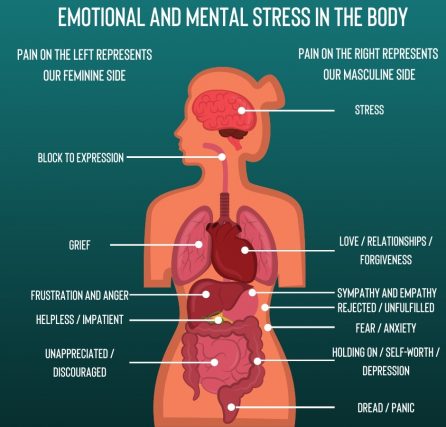
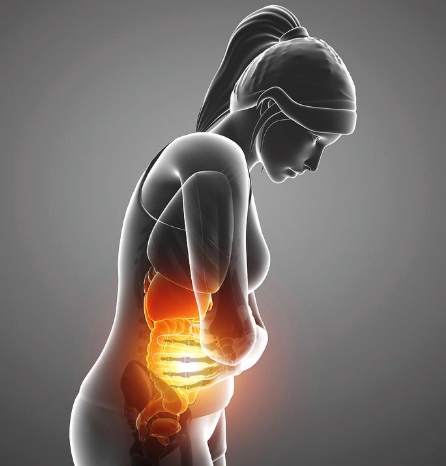
Emotional Trauma stored in the body front leads to bad posture & digestion issues.

Support your mental health by working on your gut-brain axis with these 4 release exercises.

Somatic Psychology Thread for all levels.🧵 Image
Image
General Advice:

The exercises presented are best done on an empty stomach.

Work very careful & don't overdo.

Always combine with other health benefiting factors.

Incl.

- Movement
- Sleep
- Nutrition
- Social Life
I. Myo Fascial Release - Abdominal Area

- Use a soft ball
- Only release at the sides of the abdomen
- NEVER on the mid line
- Make yourself comfortable on the soft ball
- Do on both sides of the abdomen
- Stay there 3-5 minutes
Read 7 tweets
Nov 16, 2025
Do your hips feel tight or restricted?

Free them forever with this unique Mobility-Protocol!

The protocol contains 6 exercises for all levels.

You wanna bookmark this! 📘Image
Image
I. Supported Static Hip Opener

This is the king of all hip openers.

- Use a corner or a pole etc.
- Take a table to lie on
- Lift one leg up and let the other hang down
- The down-hanging leg should not touch the ground
- The lifted leg should be as straight as possible
- Make it comfortable for you

Stay there for up to 20 Minutes - Do both legs

Lower careful and slow after the 20 Minutes.
II. Sissy Squat Level I-III

Start with an Lvl. that you can do without a problem

Always lower slow and controlled

IMPORTANT: Keep the hip OPEN all the way.

I. Touch the Object with the knees
II. Lower down with arms in the front
III. Lower down with arms touching the heels

Do 5-7 Reps / 3 Sets
Read 7 tweets

Did Thread Reader help you today?

Support us! We are indie developers!


This site is made by just two indie developers on a laptop doing marketing, support and development! Read more about the story.

Become a Premium Member ($3/month or $30/year) and get exclusive features!

Become Premium

Don't want to be a Premium member but still want to support us?

Make a small donation by buying us coffee ($5) or help with server cost ($10)

Donate via Paypal

Or Donate anonymously using crypto!

Ethereum

0xfe58350B80634f60Fa6Dc149a72b4DFbc17D341E copy

Bitcoin

3ATGMxNzCUFzxpMCHL5sWSt4DVtS8UqXpi copy

Thank you for your support!

Follow Us!

:(