The Bible isn’t just a story.
It’s real history, written in stone and confirmed by archaeology.
Here are 9 discoveries that prove the Bible’s truth still stands today - a🧵✝️
It’s real history, written in stone and confirmed by archaeology.
Here are 9 discoveries that prove the Bible’s truth still stands today - a🧵✝️

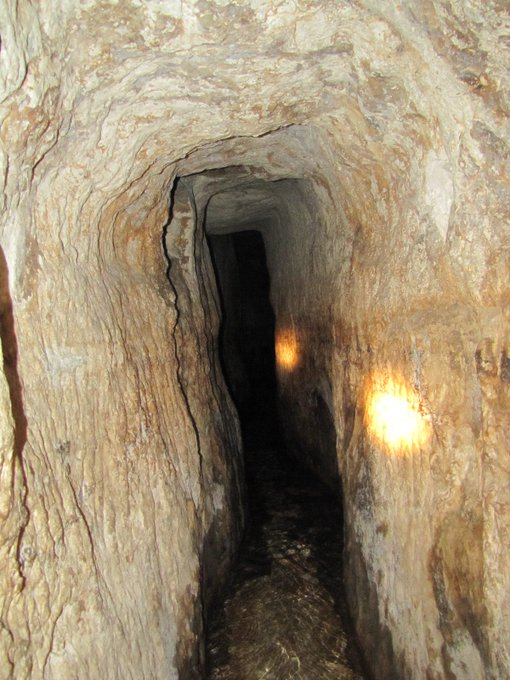
The Tunnel of Hezekiah 701 B.C
2 Kings 20 says King Hezekiah built a secret tunnel to bring water into Jerusalem during an Assyrian siege.
For centuries, skeptics called it legend.
Then in 1838, a 1,750-foot tunnel was discovered, carved into solid rock, exactly where Scripture said.
It’s real. You can walk through it today.
2 Kings 20 says King Hezekiah built a secret tunnel to bring water into Jerusalem during an Assyrian siege.
For centuries, skeptics called it legend.
Then in 1838, a 1,750-foot tunnel was discovered, carved into solid rock, exactly where Scripture said.
It’s real. You can walk through it today.

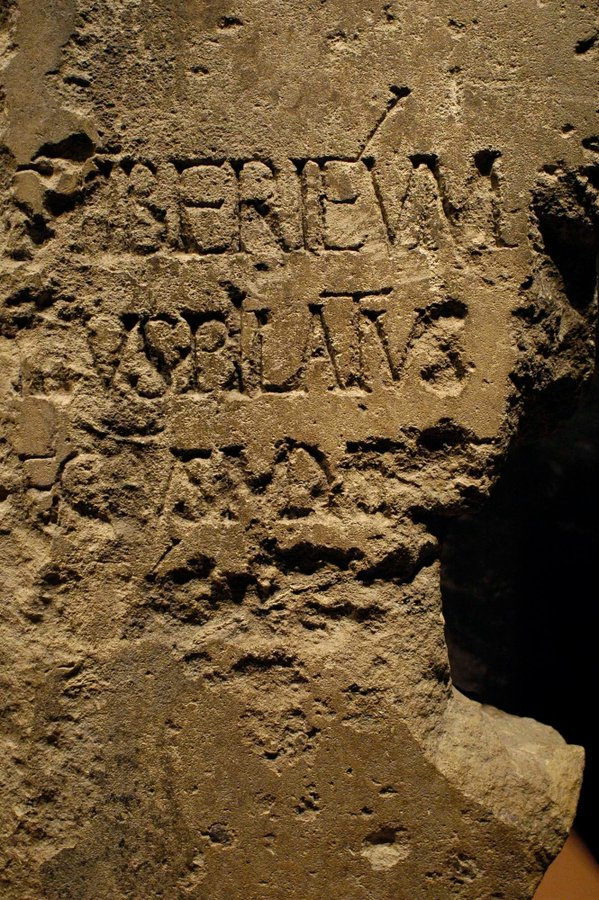
The Inscription of Pontius Pilate 1st c. A.D
For years, critics said Pilate was made up, a convenient villain for the Gospels.
But in 1961, archaeologists in Caesarea found a limestone block inscribed:
“Pontius Pilatus, Prefect of Judea”
The man who washed his hands of Christ? History never forgot.
For years, critics said Pilate was made up, a convenient villain for the Gospels.
But in 1961, archaeologists in Caesarea found a limestone block inscribed:
“Pontius Pilatus, Prefect of Judea”
The man who washed his hands of Christ? History never forgot.
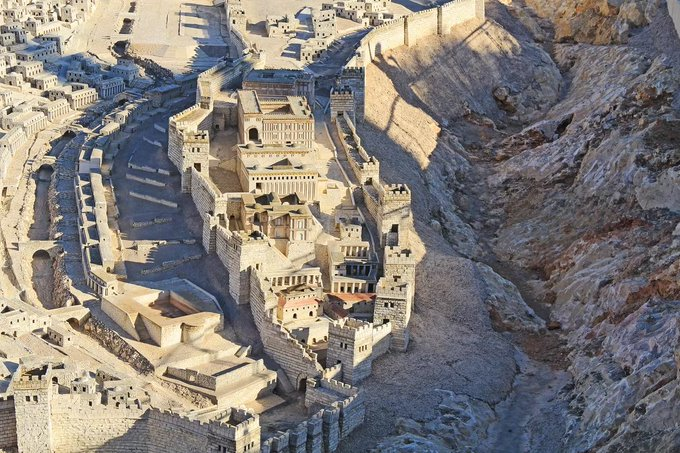
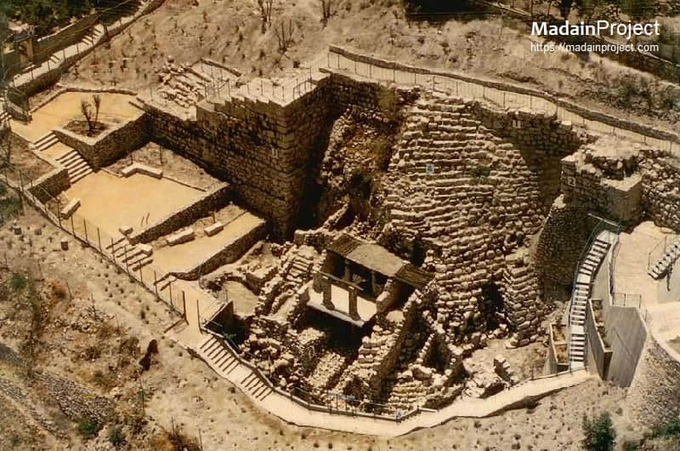
The City of David 1000 B.C
They said David’s kingdom was a myth, no real power, no real capital.
Then, near the Temple Mount, ruins were found: ancient buildings, walls, fortifications, pottery.
Carbon dated to the 10th century BC, right when David would have ruled.
Now even secular scholars call it the "City of David."
They said David’s kingdom was a myth, no real power, no real capital.
Then, near the Temple Mount, ruins were found: ancient buildings, walls, fortifications, pottery.
Carbon dated to the 10th century BC, right when David would have ruled.
Now even secular scholars call it the "City of David."
Jericho’s Fallen Walls? 1400s BC
Joshua 6: “The walls fell down flat.”
Excavations at Jericho showed that the city’s walls didn’t crumble, they collapsed outward, as if pushed from within.
That’s almost unheard of in ancient siege warfare.
And the layer of ash? The whole city had been burned.
Just like the Book of Joshua says.
Joshua 6: “The walls fell down flat.”
Excavations at Jericho showed that the city’s walls didn’t crumble, they collapsed outward, as if pushed from within.
That’s almost unheard of in ancient siege warfare.
And the layer of ash? The whole city had been burned.
Just like the Book of Joshua says.
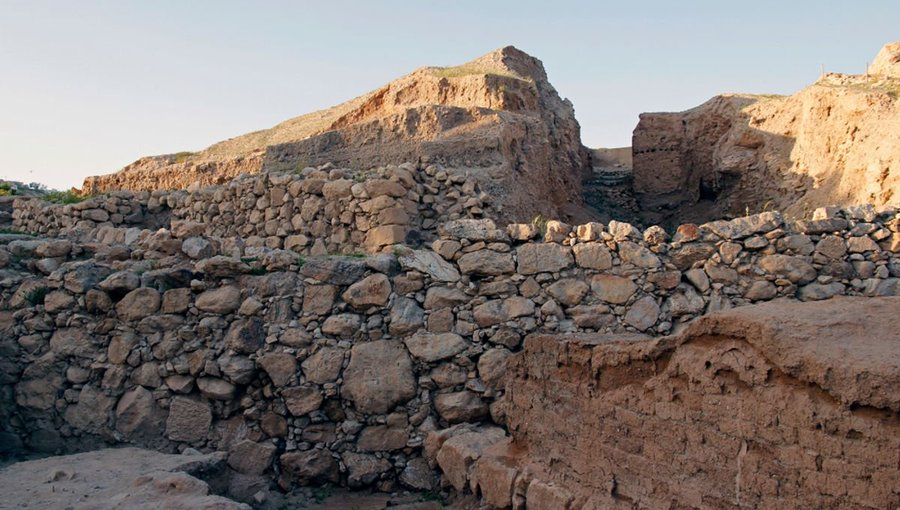
The House of Peter in Capernaum 1st c. AD
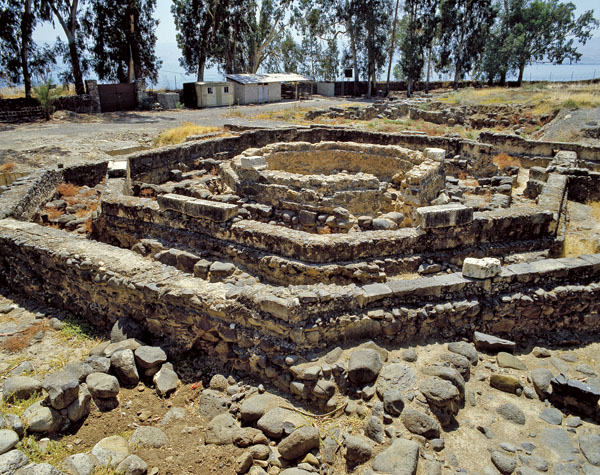
In the ruins of ancient Capernaum, archaeologists found a small home beneath an octagonal church.
It had Christian graffiti in Aramaic, Greek, and Latin, the earliest pilgrims called it “the house of Peter.”
This was likely the very home where Jesus healed, taught, and ate.Mount Ebal’s Cursed Tablet c. 1200 BC
In the ruins of ancient Capernaum, archaeologists found a small home beneath an octagonal church.
It had Christian graffiti in Aramaic, Greek, and Latin, the earliest pilgrims called it “the house of Peter.”
This was likely the very home where Jesus healed, taught, and ate.Mount Ebal’s Cursed Tablet c. 1200 BC
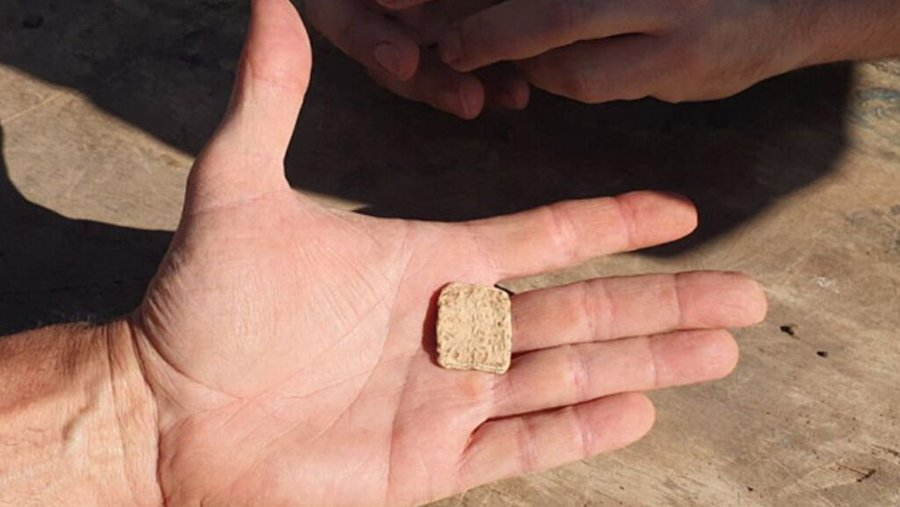
At Mount Ebal, where Joshua built an altar, Joshua 8, a tiny lead tablet was discovered.
Inside, a curse was inscribed in ancient Hebrew:
"Cursed, cursed, cursed, cursed by the God YHW."
This matches Deuteronomy 27 exactly, linking the Bible’s account to a real, 3,200-year-old artifact.
Inside, a curse was inscribed in ancient Hebrew:
"Cursed, cursed, cursed, cursed by the God YHW."
This matches Deuteronomy 27 exactly, linking the Bible’s account to a real, 3,200-year-old artifact.
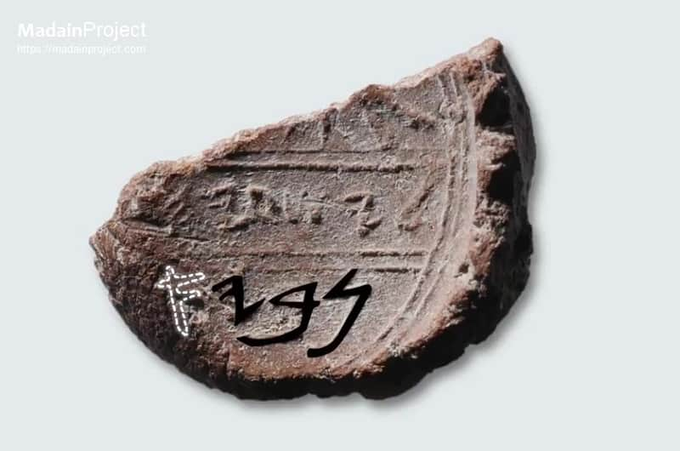
In 2018, a 2,700-year-old seal of the prophet Isaiah was discovered, possibly made by Isaiah himself.
The very first reference to him outside of the Bible.
The very first reference to him outside of the Bible.
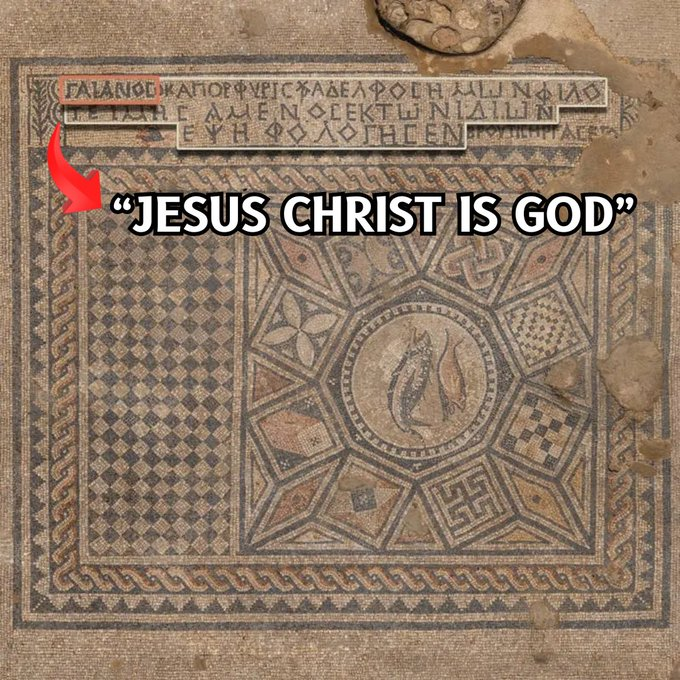
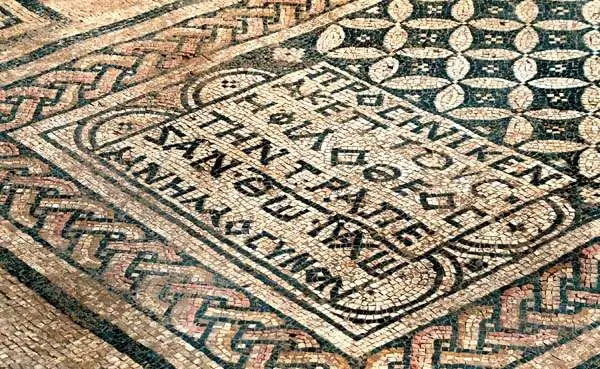
The Earliest ‘Jesus is God’ Inscription 3rd c. AD
In 2024, archaeologists uncovered an inscription in ancient Greek reading:
"Christ, born of Mary. Jesus is God."
Experts call it the greatest discovery since the Dead Sea Scrolls, direct evidence of early Christian belief, not centuries of legend.
In 2024, archaeologists uncovered an inscription in ancient Greek reading:
"Christ, born of Mary. Jesus is God."
Experts call it the greatest discovery since the Dead Sea Scrolls, direct evidence of early Christian belief, not centuries of legend.
The Oldest Evidence of Christianity in Europe 2nd c. AD
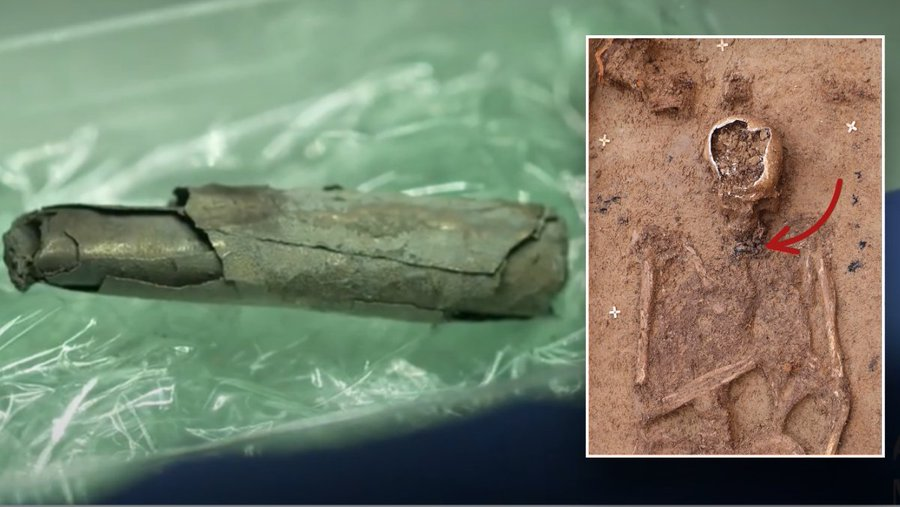
Just before Christmas 2024, a silver amulet found in Austria was digitally unrolled.
Inside: a prayer invoking Christ, the earliest authentic Christian artifact ever found north of the Alps.
Proof Christianity had already crossed into Europe far earlier than once believed.
Just before Christmas 2024, a silver amulet found in Austria was digitally unrolled.
Inside: a prayer invoking Christ, the earliest authentic Christian artifact ever found north of the Alps.
Proof Christianity had already crossed into Europe far earlier than once believed.
If you want to support our work check out our merch: You get some quality clothing while helping us grow the page and produce better content! tradwest.net

• • •
Missing some Tweet in this thread? You can try to
force a refresh