Everyone talks about Western Europe. But some of the most jaw-dropping architecture in Europe?
You’ll find it where you least expect across Central and Eastern Europe.
It’s time these places got more spotlight.
The next three will take your breath away. 🧵👇
You’ll find it where you least expect across Central and Eastern Europe.
It’s time these places got more spotlight.
The next three will take your breath away. 🧵👇

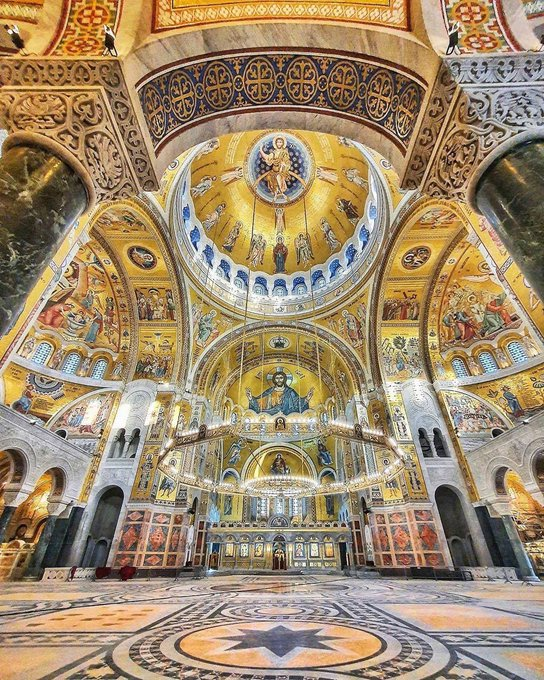
1. Church of Saint Sava, Belgrade, Serbia (1935–2004)
It took decades. Wars stalled it. Dictators fell.
Now it stands: one of the largest Orthodox churches in the world.
Marble, mosaics, and that dome. You don’t just see it—you feel it.
It took decades. Wars stalled it. Dictators fell.
Now it stands: one of the largest Orthodox churches in the world.
Marble, mosaics, and that dome. You don’t just see it—you feel it.
2. Prague Astronomical Clock, Czech Republic (1410)
It still works. 600 years of ticking, clicking, and crowds gasping.
Death rings the bell. The apostles take a walk.
It’s the oldest working astronomical clock on Earth—and the most dramatic.
It still works. 600 years of ticking, clicking, and crowds gasping.
Death rings the bell. The apostles take a walk.
It’s the oldest working astronomical clock on Earth—and the most dramatic.

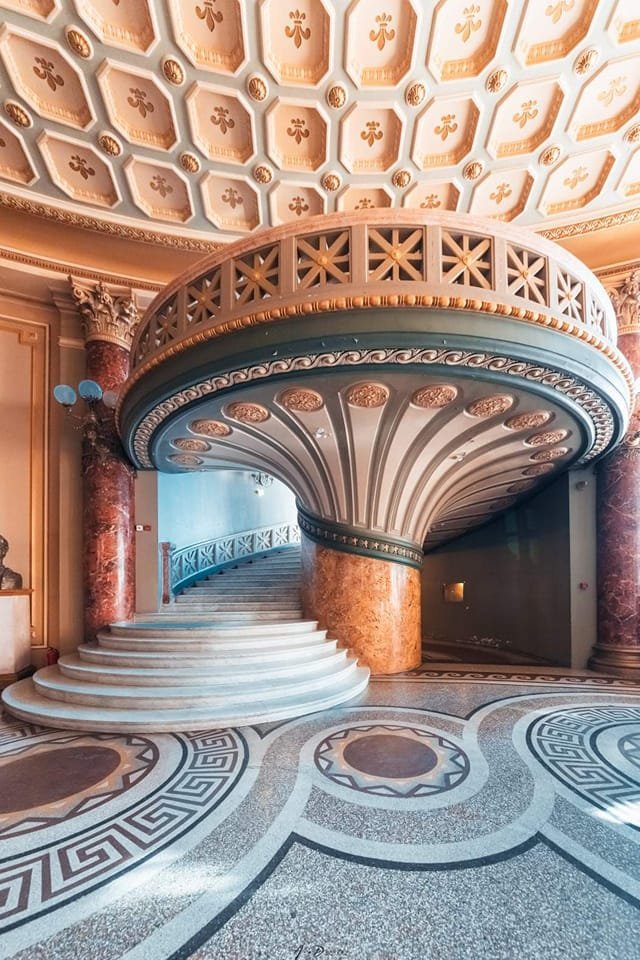
3. Romanian Athenaeum, Bucharest (1886–1888)
Built with donations from the public. Locals saved it one coin at a time.
Now? It’s Romania’s “temple of music.” Neoclassical outside. Painted heaven inside.
Built with donations from the public. Locals saved it one coin at a time.
Now? It’s Romania’s “temple of music.” Neoclassical outside. Painted heaven inside.
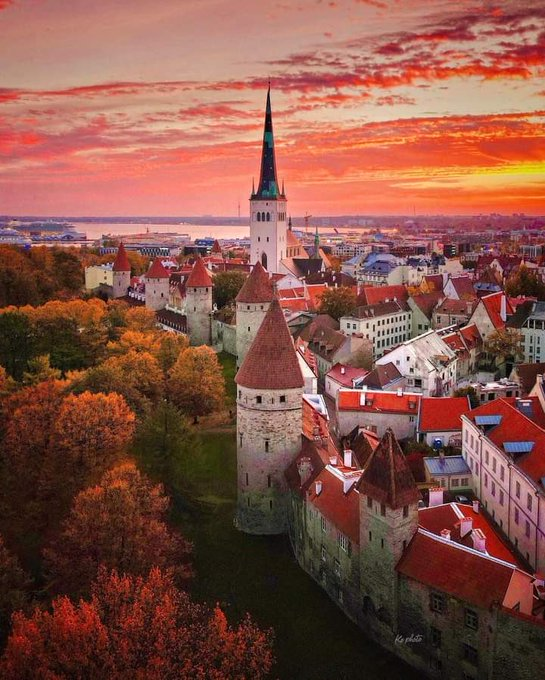
4. Tallinn, Estonia
Walled like a fortress. Spired like a Gothic dream. But Tallinn’s secret weapon?
Art Nouveau—peeking from behind medieval towers.
It’s a fairytale that refused to modernize.
Walled like a fortress. Spired like a Gothic dream. But Tallinn’s secret weapon?
Art Nouveau—peeking from behind medieval towers.
It’s a fairytale that refused to modernize.
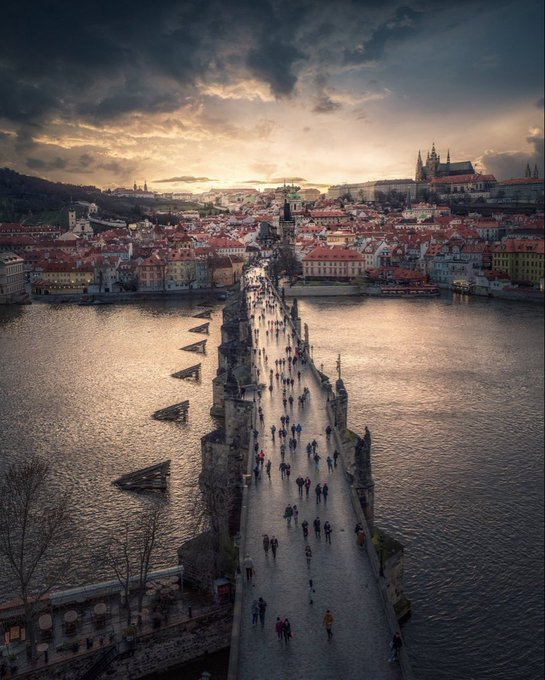
5. Charles Bridge, Prague, Czech Republic (1357–1402)
Statues line the edges. Spanning the Vltava like something out of a dream.
They say workers mixed eggs into the mortar.
Because this bridge wasn’t meant to last 50 years. It was meant to last forever.
Statues line the edges. Spanning the Vltava like something out of a dream.
They say workers mixed eggs into the mortar.
Because this bridge wasn’t meant to last 50 years. It was meant to last forever.
6. Saint Isaac’s Cathedral, Saint Petersburg, Russia (1818–1858)
Inside: gold, malachite, lapis lazuli, and one of the largest domes on Earth.
Outside: heavy, dark, unmissable.
This isn’t a church you visit. It’s a church that confronts you.
Inside: gold, malachite, lapis lazuli, and one of the largest domes on Earth.
Outside: heavy, dark, unmissable.
This isn’t a church you visit. It’s a church that confronts you.
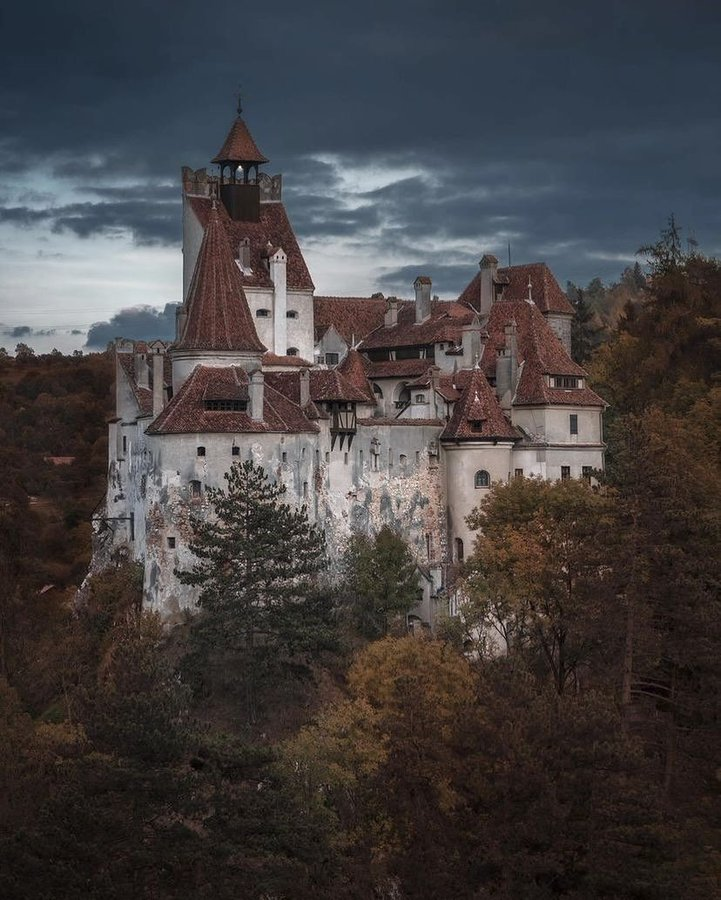
7. Bran Castle, Romania (1377)
A fortress hanging off the edge of legend.
It’s not “Dracula’s castle”—but try telling that to the tourists.
Sharp peaks, narrow halls, cold stone.
It feels haunted.
A fortress hanging off the edge of legend.
It’s not “Dracula’s castle”—but try telling that to the tourists.
Sharp peaks, narrow halls, cold stone.
It feels haunted.
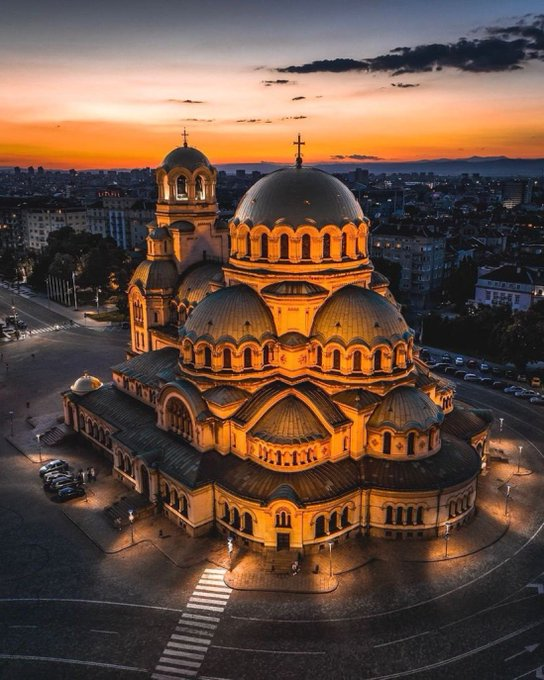
8. Alexander Nevsky Cathedral, Sofia, Bulgaria (1882–1912)
Built to thank Russia for helping free Bulgaria from Ottoman rule.
Massive. Golden. Unapologetically Orthodox.
It doesn’t whisper history. It shouts it.
Built to thank Russia for helping free Bulgaria from Ottoman rule.
Massive. Golden. Unapologetically Orthodox.
It doesn’t whisper history. It shouts it.
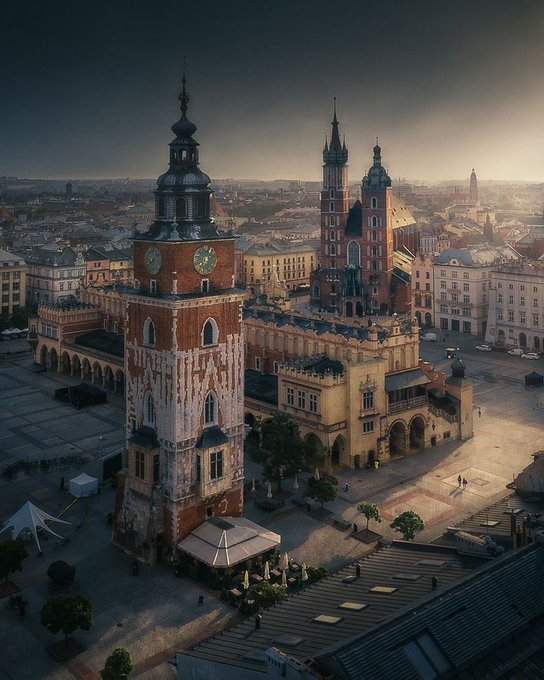
9. Kraków, Poland (13th–16th centuries)
Every brick in Kraków has seen something. Gothic cathedrals. Renaissance courtyards. Dragon legends.
It’s Poland’s heart. And it still beats like it’s 1499.
Every brick in Kraków has seen something. Gothic cathedrals. Renaissance courtyards. Dragon legends.
It’s Poland’s heart. And it still beats like it’s 1499.
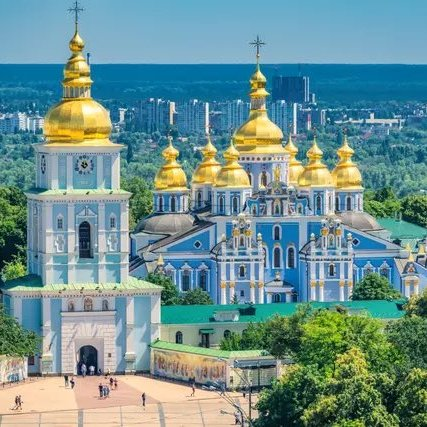
10. St. Michael’s Golden-Domed Monastery, Kyiv, Ukraine (1108, rebuilt 1746, 1997)
Destroyed by the Soviets.
Rebuilt after independence.
Its domes shine like gold leaf against the sky—because they are.
Destroyed by the Soviets.
Rebuilt after independence.
Its domes shine like gold leaf against the sky—because they are.
Enjoying this tour of Europe’s overlooked beauty? Then you’ll love The Culture Explorer—my newsletter packed with art, architecture, and the stories mainstream travel skips.
Subscribe here: newsletter.thecultureexplorer.com/subscribe
Subscribe here: newsletter.thecultureexplorer.com/subscribe
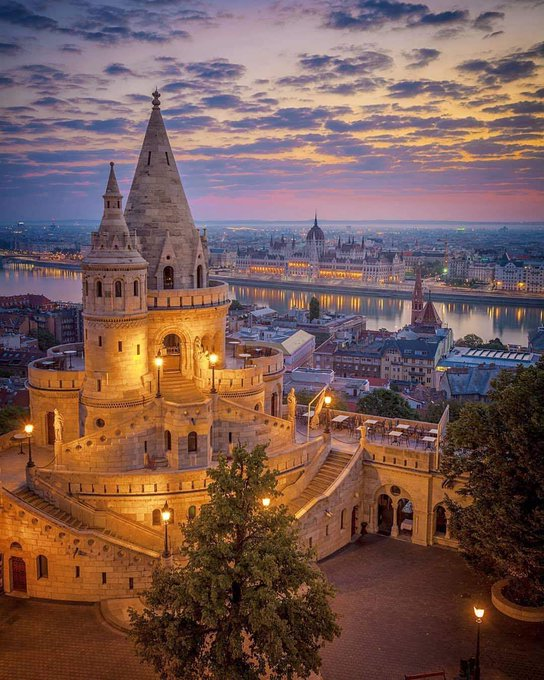
11. Fisherman’s Bastion, Budapest, Hungary (1895–1902)
It looks medieval. It’s not. It’s a fantasy built for beauty, not defense.
Turrets. Arches. A panoramic view of the Danube.
Proof that sometimes, architecture exists just to make you feel wonder.
It looks medieval. It’s not. It’s a fantasy built for beauty, not defense.
Turrets. Arches. A panoramic view of the Danube.
Proof that sometimes, architecture exists just to make you feel wonder.
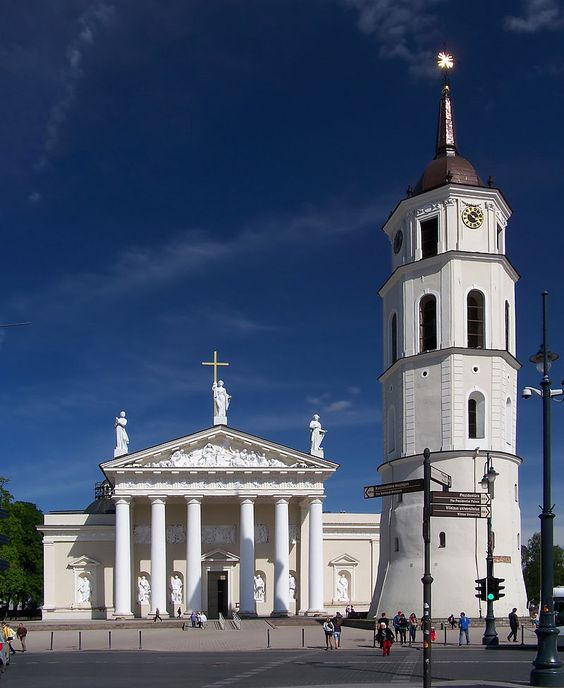
12. Vilnius Cathedral, Lithuania (1783)
Built like a Roman temple. But this isn’t Rome. It’s Lithuania—rising from centuries of foreign rule.
The cathedral stands right in the heart of the city, white as bone, solid as memory.
Built like a Roman temple. But this isn’t Rome. It’s Lithuania—rising from centuries of foreign rule.
The cathedral stands right in the heart of the city, white as bone, solid as memory.
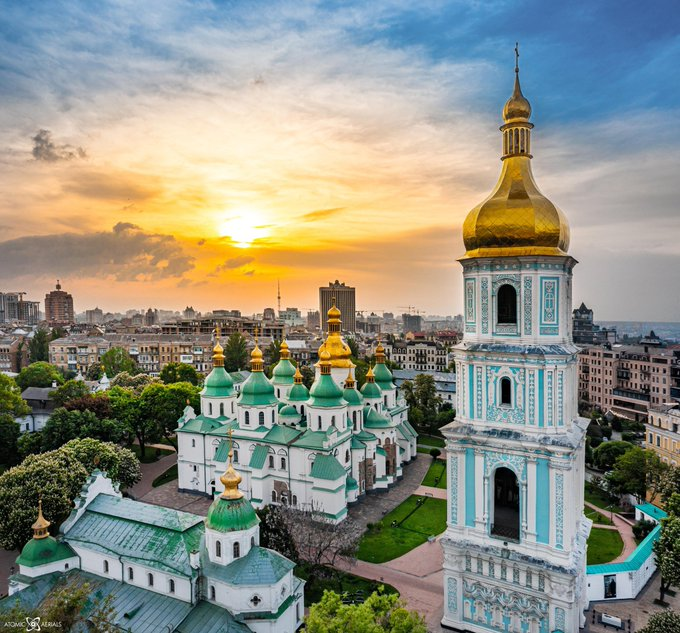
13. St. Sophia Cathedral, Kyiv, Ukraine (1011–1037)
You walk in and time breaks.
Byzantine vaults. Baroque facades. Gold domes.
This is where East meets West—mosaic by mosaic, prayer by prayer.
You walk in and time breaks.
Byzantine vaults. Baroque facades. Gold domes.
This is where East meets West—mosaic by mosaic, prayer by prayer.
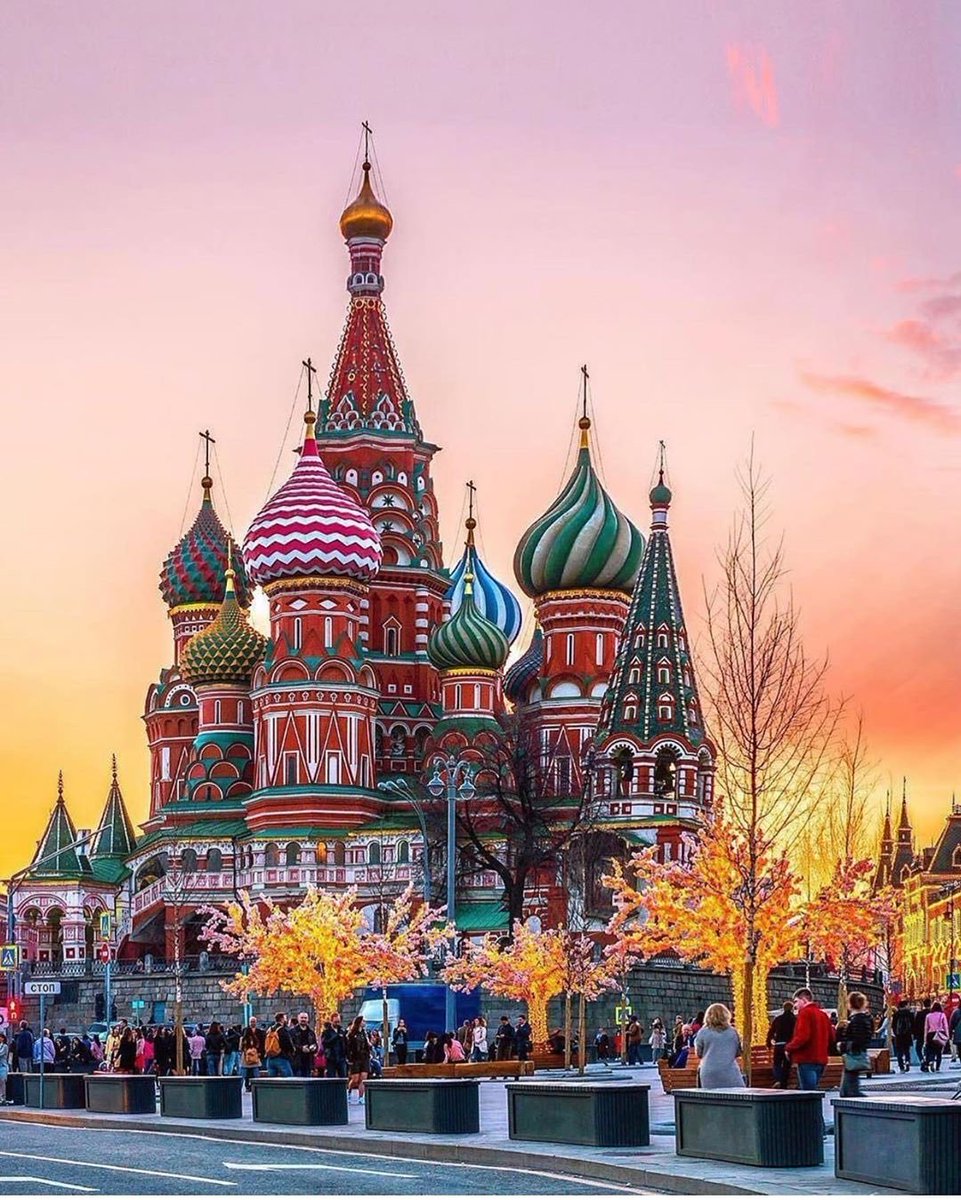
14. St. Basil’s Cathedral, Moscow, Russia (1555–1561)
Built under Ivan the Terrible.
Legend says he blinded the architect so nothing this beautiful could be built again.
Look at it. That legend might be true.
Built under Ivan the Terrible.
Legend says he blinded the architect so nothing this beautiful could be built again.
Look at it. That legend might be true.
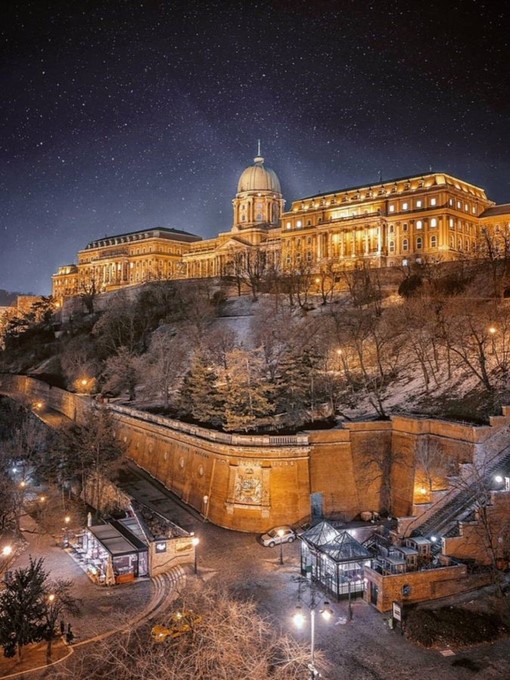
15. Buda Castle, Budapest, Hungary (13th century, rebuilt 1749–1769)
A seat of kings, a site of war, a palace rebuilt more than once.
It crowns the city like a jewel—grand, battered, resurrected.
Budapest doesn’t hide its scars. It builds on them.
A seat of kings, a site of war, a palace rebuilt more than once.
It crowns the city like a jewel—grand, battered, resurrected.
Budapest doesn’t hide its scars. It builds on them.
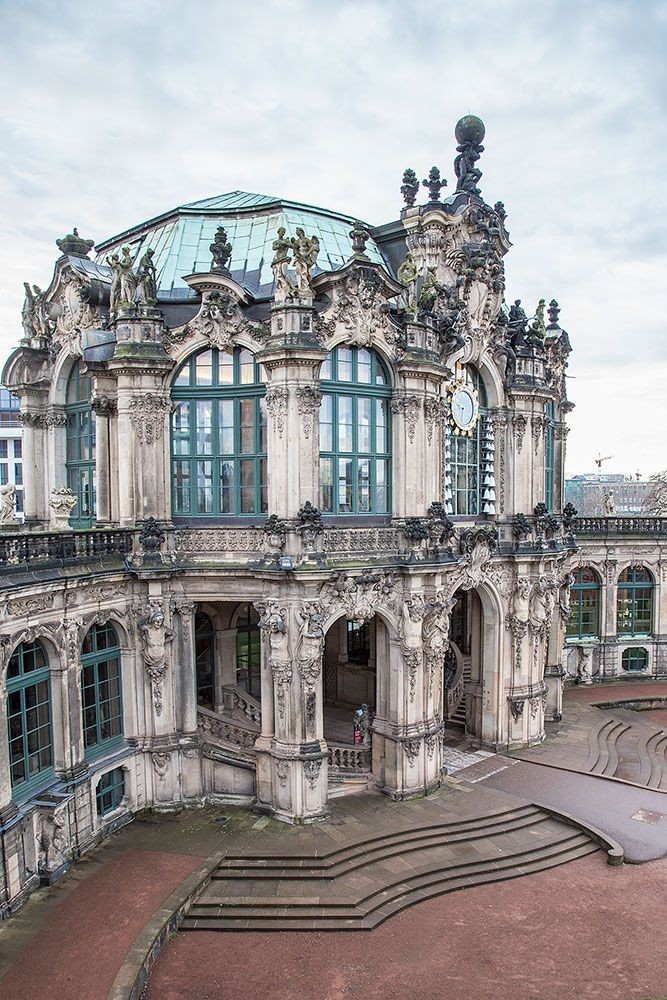
16. Zwinger Palace, Dresden, Germany (1709–1728)
It looks French. It’s actually Saxon opulence on steroids.
A pleasure palace turned museum.
Where fountains dance, pavilions shine, and Baroque said: more.
It looks French. It’s actually Saxon opulence on steroids.
A pleasure palace turned museum.
Where fountains dance, pavilions shine, and Baroque said: more.
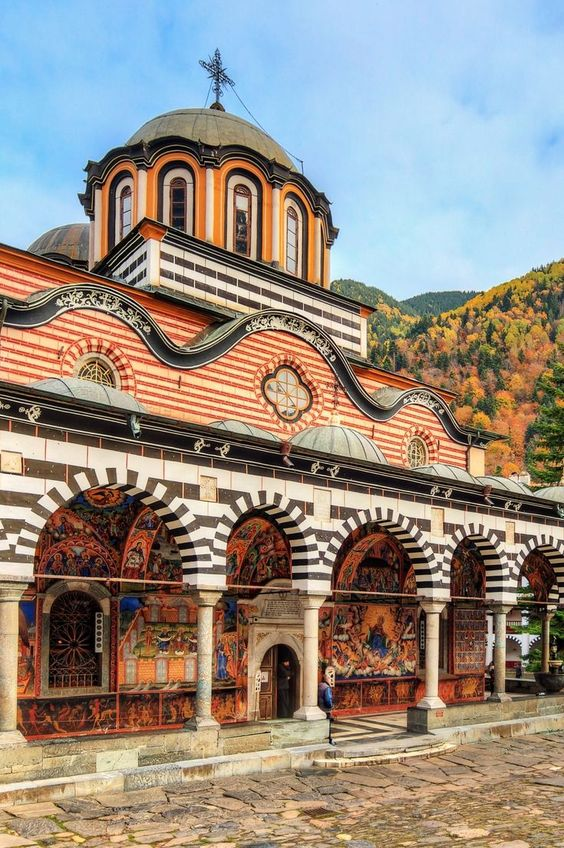
17. Rila Monastery, Bulgaria (927)
Built by a hermit. Burned by empires. Rebuilt by monks. Rila is beautiful.
Look at the frescoes. Look at the symmetry.
This isn’t just a monastery. It’s a defiant masterpiece.
Built by a hermit. Burned by empires. Rebuilt by monks. Rila is beautiful.
Look at the frescoes. Look at the symmetry.
This isn’t just a monastery. It’s a defiant masterpiece.
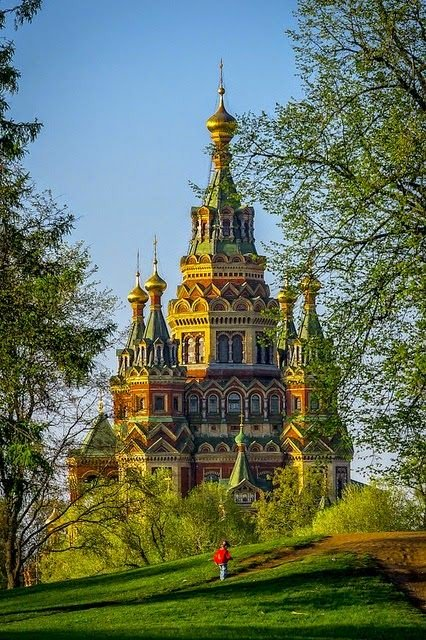
18. St. Peter and Paul Cathedral, Saint Petersburg, Russia (1712–1733)
Taller than you think. Simpler than you expect.
But inside: the tombs of Romanovs. An entire empire buried under one roof.
Taller than you think. Simpler than you expect.
But inside: the tombs of Romanovs. An entire empire buried under one roof.
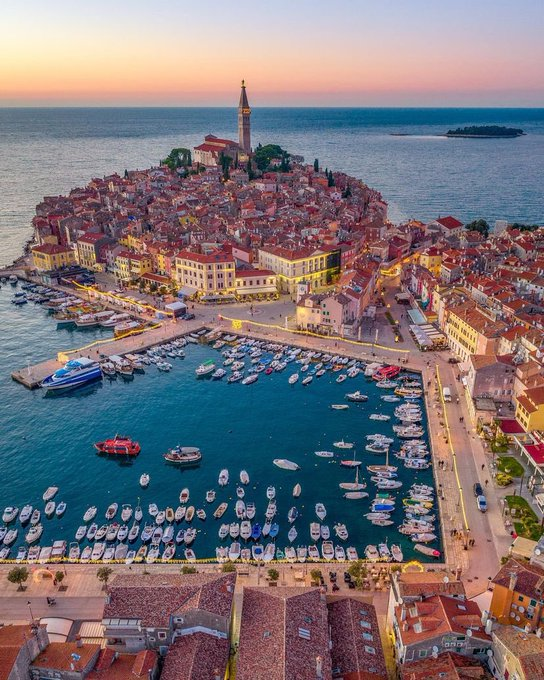
19. Rovinj, Croatia
You climb narrow lanes. Hear waves below.
Then you see it—St. Euphemia Church on the hilltop, watching over it all.
Venetian style. Adriatic soul. This is coastal Europe at its most honest.
You climb narrow lanes. Hear waves below.
Then you see it—St. Euphemia Church on the hilltop, watching over it all.
Venetian style. Adriatic soul. This is coastal Europe at its most honest.
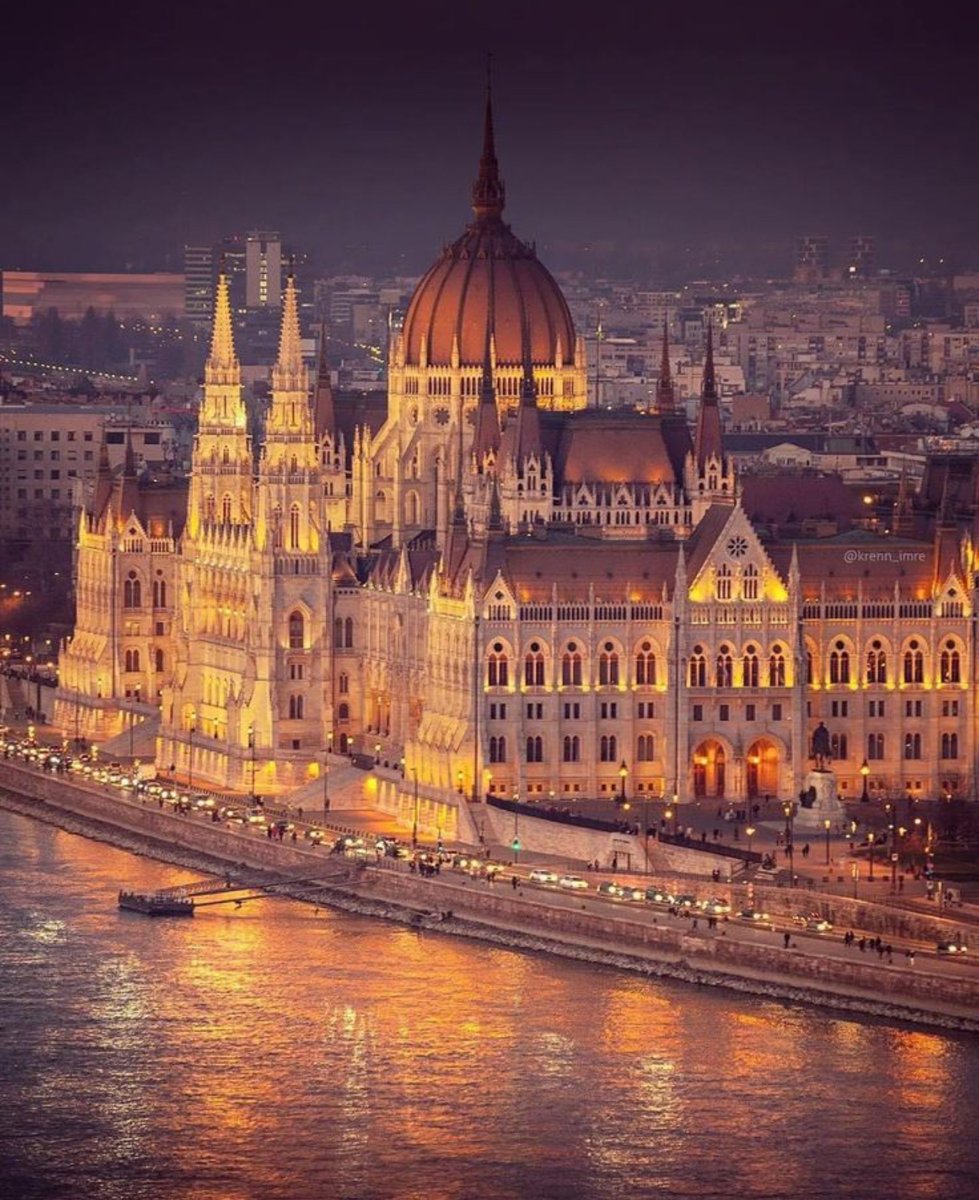
20. Hungarian Parliament Building, Budapest (1885–1904)
Built to celebrate 1,000 years of Hungarian statehood.
Symmetrical, Gothic Revival, and larger than life—because it had to impress both the people and the Empire.
Sit by the Danube at night. Watch it glow. You’ll understand.
Built to celebrate 1,000 years of Hungarian statehood.
Symmetrical, Gothic Revival, and larger than life—because it had to impress both the people and the Empire.
Sit by the Danube at night. Watch it glow. You’ll understand.
Share the first post of the thread and Follow @CultureExploreX for more cultural deep dives.
I post daily on empires, hidden architecture, and the untold side of world cultures. This thread just scratched the surface.
I post daily on empires, hidden architecture, and the untold side of world cultures. This thread just scratched the surface.
• • •
Missing some Tweet in this thread? You can try to
force a refresh