🧵 A Short History of the Southern Baptist Convention (#SBC)
200 years ago, the SBC didn’t exist.
Today, it is America’s largest Protestant denomination.
How did it start, and what’s next for the SBC? Scroll down to uncover the fascinating story… (🧵below👇🏼)
200 years ago, the SBC didn’t exist.
Today, it is America’s largest Protestant denomination.
How did it start, and what’s next for the SBC? Scroll down to uncover the fascinating story… (🧵below👇🏼)

🧵 1. Disclaimer about this Thread on the SBC ⚠️
This thread you are about to read is just a brief overview of the SBC. There is no way to cover every event or perspective in a short history like this. I have my sources listed below for further reading on this topic.
Please read with an open mind and a desire to learn more about the SBC.
If you see something missing or needing revision, drop your thoughts in the comments!
Here we go!
[the beginnings of the SBC] 🧵 👇🏼
This thread you are about to read is just a brief overview of the SBC. There is no way to cover every event or perspective in a short history like this. I have my sources listed below for further reading on this topic.
Please read with an open mind and a desire to learn more about the SBC.
If you see something missing or needing revision, drop your thoughts in the comments!
Here we go!
[the beginnings of the SBC] 🧵 👇🏼
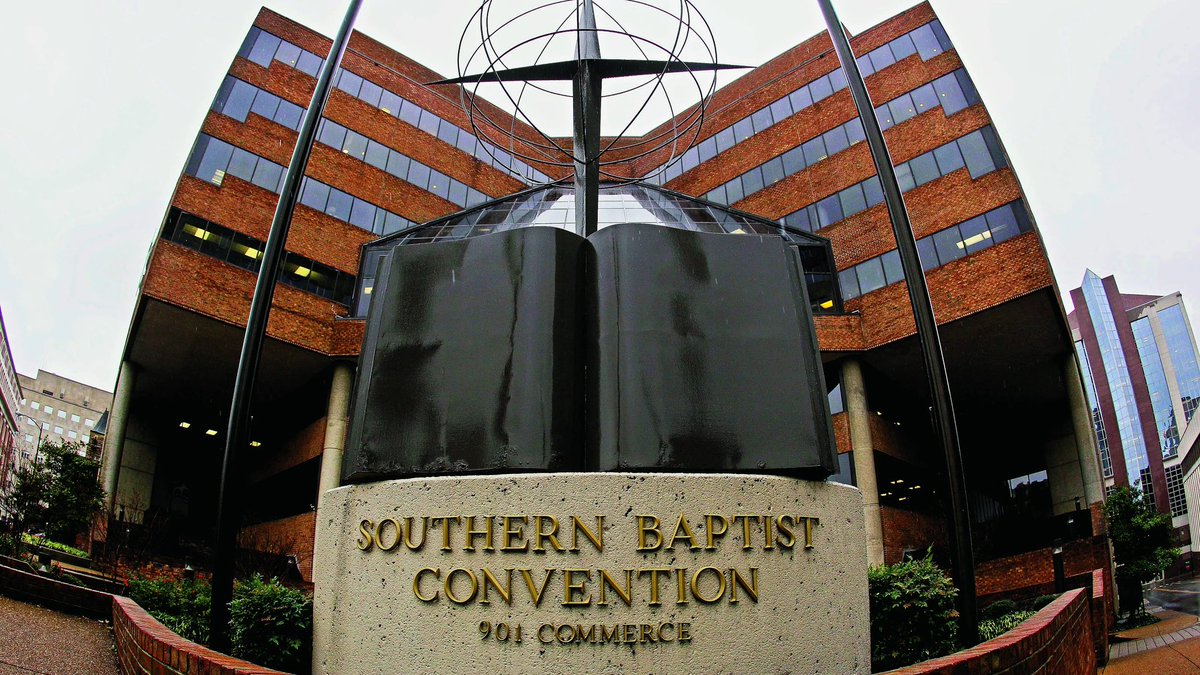
🧵 2. 1700–1814: Colonial Baptists and the Awakenings (Pre-SBC Roots)
Colonial Baptists emerged as a minority shaped by English confessions and supercharged by the First and Second Great Awakenings.
Frontier revivals produced Separate Baptists who prized believer’s baptism, regenerate church membership, and strict congregational autonomy, yet they also formed loose associations to share preachers and funds.
Cooperation was always instrumental, never coercive, and that instinct to “partner, but not be ruled” became ingrained in southern Baptist DNA.
✴️ Key events: Great Awakenings sweep colonies; early regional associations form.
👤 Key figures: Shubal Stearns, Isaac Backus, John Leland.
As missions required structures and money, the tension between autonomy and coordination sharpened.
Colonial Baptists emerged as a minority shaped by English confessions and supercharged by the First and Second Great Awakenings.
Frontier revivals produced Separate Baptists who prized believer’s baptism, regenerate church membership, and strict congregational autonomy, yet they also formed loose associations to share preachers and funds.
Cooperation was always instrumental, never coercive, and that instinct to “partner, but not be ruled” became ingrained in southern Baptist DNA.
✴️ Key events: Great Awakenings sweep colonies; early regional associations form.
👤 Key figures: Shubal Stearns, Isaac Backus, John Leland.
As missions required structures and money, the tension between autonomy and coordination sharpened.
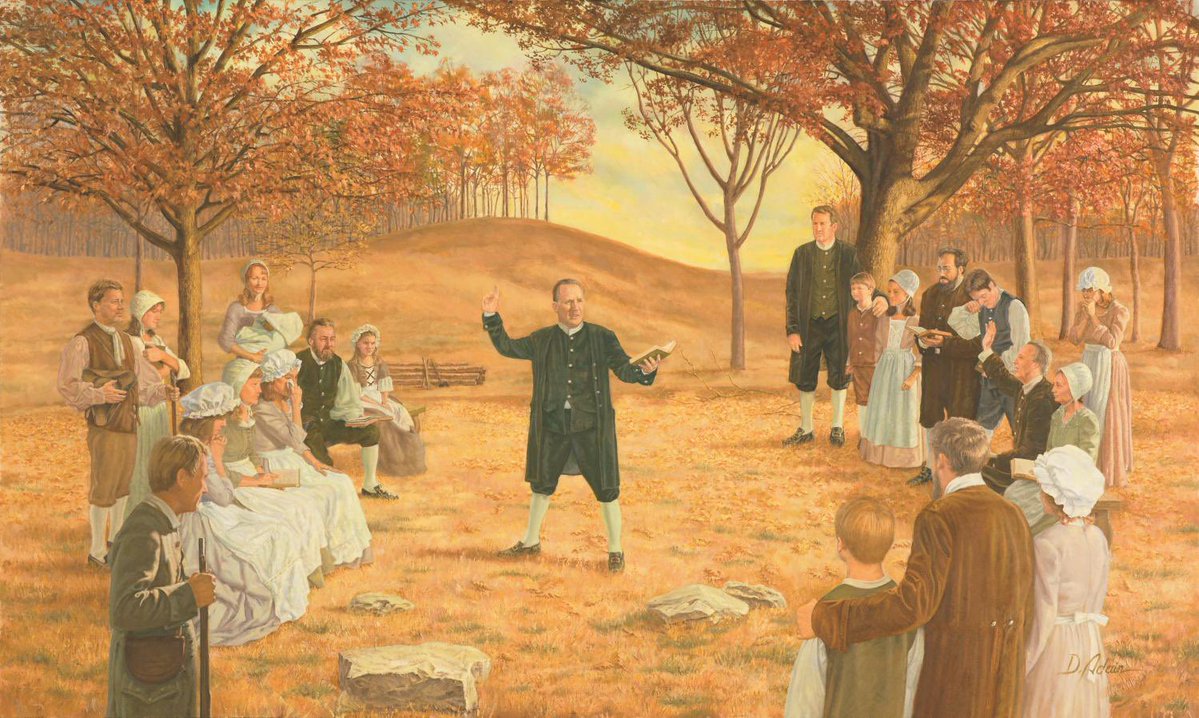
🧵 3. 1814–1845: The Triennial Convention and Rising Tension
The 1814 Triennial Convention centralized foreign missions for American Baptists, proving cooperation could scale. Yet disputes over slavery exposed fault lines.
Northern boards refused to appoint slaveholding missionaries; southerners viewed that as moral overreach and economic disenfranchisement.
The argument was no longer whether to cooperate, but who defined its ethical boundaries and controlled its funds. The mission field, ironically, became the arena for a domestic moral crisis.
✴️ Key events: 1814 Triennial Convention formed; 1844 missionary appointment dispute.
👤 Key figures: Luther Rice, William B. Johnson, Basil Manly Sr.
Convinced autonomy was essential, southern leaders gathered in Augusta to start anew with the birth of the SBC.
The 1814 Triennial Convention centralized foreign missions for American Baptists, proving cooperation could scale. Yet disputes over slavery exposed fault lines.
Northern boards refused to appoint slaveholding missionaries; southerners viewed that as moral overreach and economic disenfranchisement.
The argument was no longer whether to cooperate, but who defined its ethical boundaries and controlled its funds. The mission field, ironically, became the arena for a domestic moral crisis.
✴️ Key events: 1814 Triennial Convention formed; 1844 missionary appointment dispute.
👤 Key figures: Luther Rice, William B. Johnson, Basil Manly Sr.
Convinced autonomy was essential, southern leaders gathered in Augusta to start anew with the birth of the SBC.
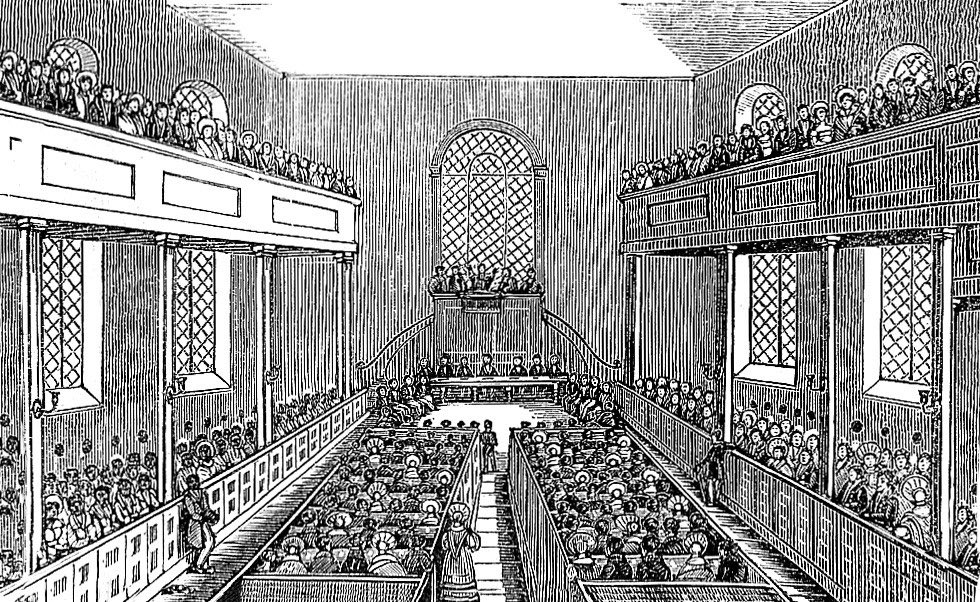
🧵 4. 1845–1865: Birth in Augusta and Survival through War
In May 1845, 293 delegates meeting at First Baptist Church, Augusta, created the Southern Baptist Convention with a minimalist constitution and two mission boards. Evangelistic passion and the defense of slavery were intertwined from inception.
The Civil War soon devastated southern society, but the fledgling Convention held together through itinerant preaching, makeshift gatherings, and lean budgets. Even in crisis, the SBC functioned as a cooperative engine without hierarchy, a pattern that would persist.
✴️ Key events: 1845 SBC organized; mission boards launched; 1861–65 Civil War.
👤 Key figures: William B. Johnson, James P. Boyce, Isaac T. Tichenor.
Reconstruction demanded rebuilding and institution-building to stabilize mission work.
In May 1845, 293 delegates meeting at First Baptist Church, Augusta, created the Southern Baptist Convention with a minimalist constitution and two mission boards. Evangelistic passion and the defense of slavery were intertwined from inception.
The Civil War soon devastated southern society, but the fledgling Convention held together through itinerant preaching, makeshift gatherings, and lean budgets. Even in crisis, the SBC functioned as a cooperative engine without hierarchy, a pattern that would persist.
✴️ Key events: 1845 SBC organized; mission boards launched; 1861–65 Civil War.
👤 Key figures: William B. Johnson, James P. Boyce, Isaac T. Tichenor.
Reconstruction demanded rebuilding and institution-building to stabilize mission work.

🧵 5. 1865–1900: Reconstruction, Institutions, and a Southern Empire
After the war, Southern Baptists worked to rebuild and spread the gospel, focusing on freedpeople, Native Americans, and growing towns. While some efforts reflected the attitudes of the time, many were driven by sincere faith and a willingness to sacrifice.
The Woman’s Missionary Union (1888) and the Sunday School Board (1891) supplied organization and literature, while seminaries in Greenville (later Louisville) and Fort Worth trained pastors.
By century’s end, the SBC dominated Southern Protestantism, marrying revivalist fervor to an increasingly sophisticated institutional framework.
✴️ Key events: 1888 WMU formed; 1891 Sunday School Board created; seminary expansion.
👤 Key figures: Lottie Moon, Annie Armstrong, B. H. Carroll.
Multiple entities now vied for dollars. A unified financial plan became imperative.
After the war, Southern Baptists worked to rebuild and spread the gospel, focusing on freedpeople, Native Americans, and growing towns. While some efforts reflected the attitudes of the time, many were driven by sincere faith and a willingness to sacrifice.
The Woman’s Missionary Union (1888) and the Sunday School Board (1891) supplied organization and literature, while seminaries in Greenville (later Louisville) and Fort Worth trained pastors.
By century’s end, the SBC dominated Southern Protestantism, marrying revivalist fervor to an increasingly sophisticated institutional framework.
✴️ Key events: 1888 WMU formed; 1891 Sunday School Board created; seminary expansion.
👤 Key figures: Lottie Moon, Annie Armstrong, B. H. Carroll.
Multiple entities now vied for dollars. A unified financial plan became imperative.

🧵 6. 1900–1925: Modern Pressures and the Need for Structure
Rapid growth exposed both financial inefficiency and growing doctrinal uncertainty. With each SBC entity appealing separately for funds, many congregations were overwhelmed by overlapping requests and unclear priorities.
At the same time, debates over evolution, biblical inspiration, and higher criticism stirred deep concern among pastors and laypeople alike, threatening to erode unity. Leaders realized that long-term cooperation would require more than enthusiasm , it needed structure.
A unified giving plan and a clear doctrinal baseline became essential. The goal was to protect missions and sound theology while preserving Baptist distinctives like local church autonomy and voluntary association without creating a top-down hierarchy.
✴️ Key events: Early twentieth-century fundraising drives; mounting doctrinal controversies.
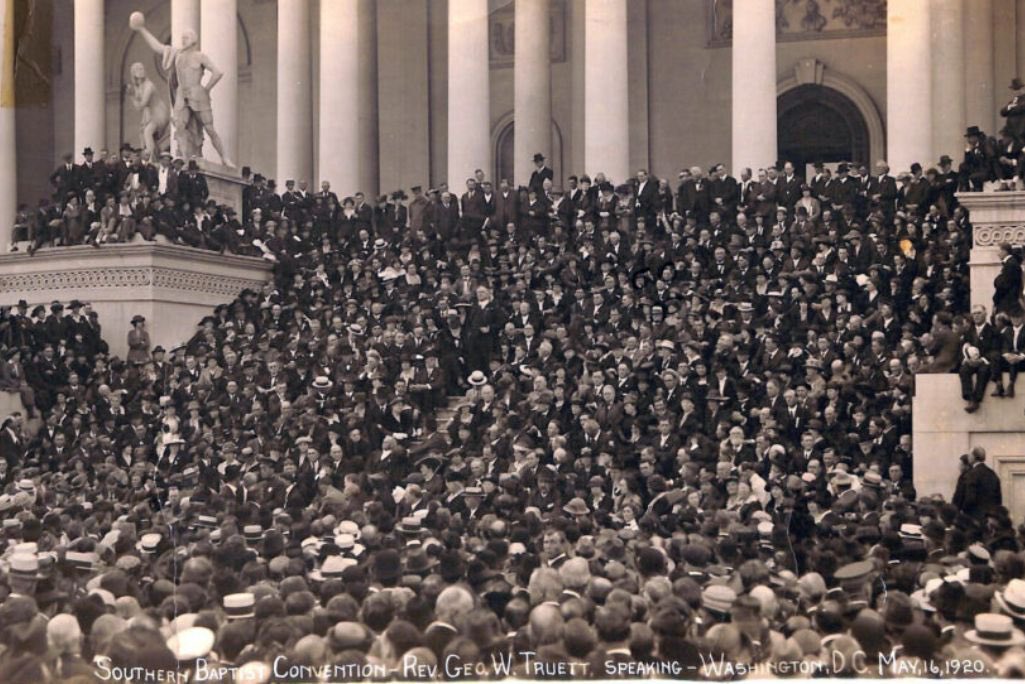
👤 Key figures: E. Y. Mullins, George W. Truett, J. B. Gambrell.
In 1925, Baptists adopted two anchors: a cooperative funding stream and a shared confession.
Rapid growth exposed both financial inefficiency and growing doctrinal uncertainty. With each SBC entity appealing separately for funds, many congregations were overwhelmed by overlapping requests and unclear priorities.
At the same time, debates over evolution, biblical inspiration, and higher criticism stirred deep concern among pastors and laypeople alike, threatening to erode unity. Leaders realized that long-term cooperation would require more than enthusiasm , it needed structure.
A unified giving plan and a clear doctrinal baseline became essential. The goal was to protect missions and sound theology while preserving Baptist distinctives like local church autonomy and voluntary association without creating a top-down hierarchy.
✴️ Key events: Early twentieth-century fundraising drives; mounting doctrinal controversies.
👤 Key figures: E. Y. Mullins, George W. Truett, J. B. Gambrell.
In 1925, Baptists adopted two anchors: a cooperative funding stream and a shared confession.
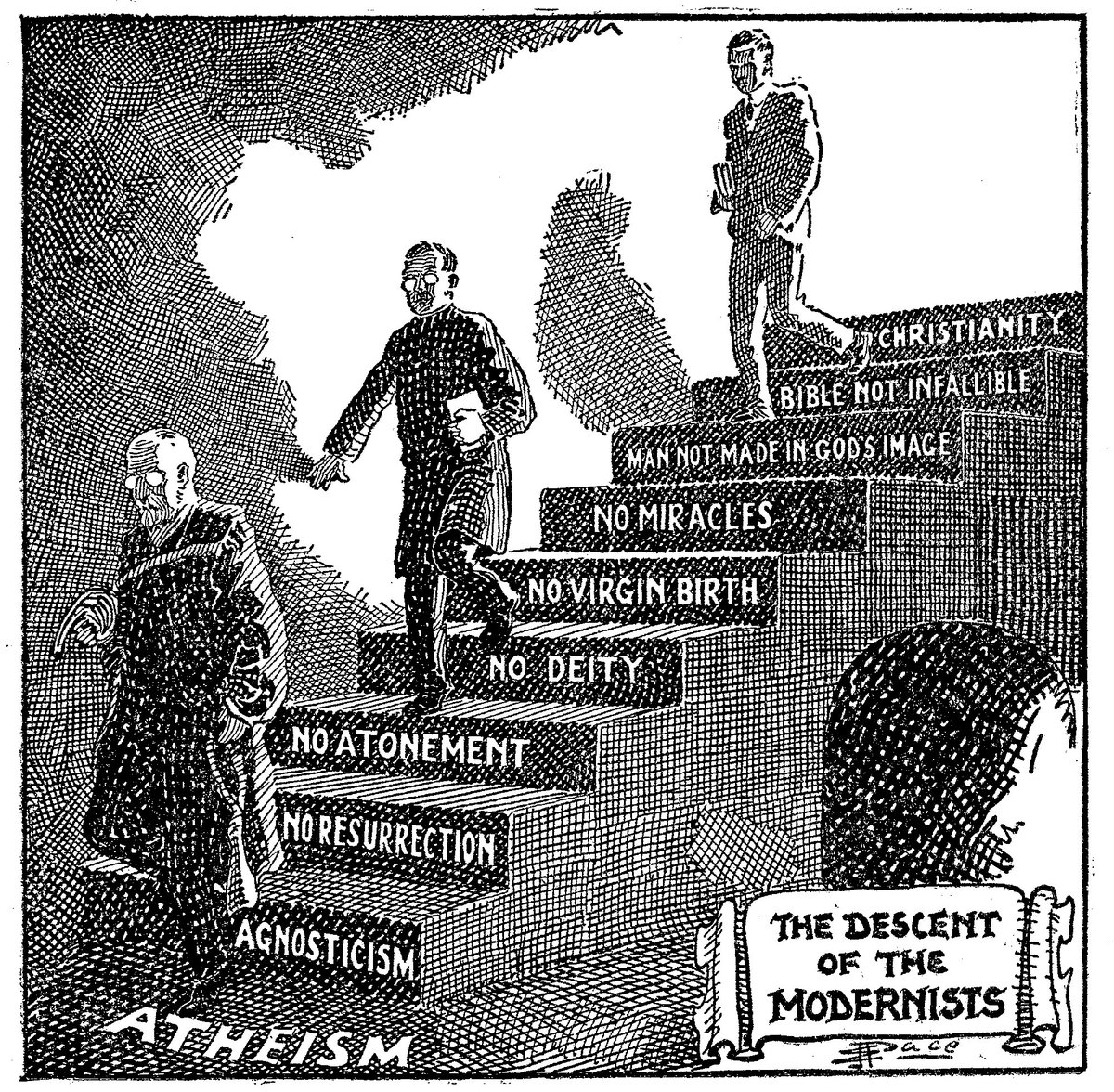
🧵 7. 1925–1945: Cooperative Program and Baptist Faith and Message
By the 1920s, the SBC faced growing pressure to organize its expanding ministries and clarify its theology. Financial strain, overlapping board appeals, and concerns about liberal theology led to two major 1925 milestones: the launch of the Cooperative Program and the adoption of the first Baptist Faith and Message.
The CP allowed churches to give through one unified channel to support all SBC work. The BF&M (partly a response to modernist ideas) affirmed core doctrines while preserving church autonomy.
Together, they stabilized the Convention through the Great Depression and WWII. As other denominations split over modernism, the SBC quietly reinforced its commitment to biblical authority and cooperative mission.
✴️ Key events: 1925 CP launched; 1925 BF&M adopted; Depression and WWII test the system.
👤 Key figures: M. E. Dodd, L. R. Scarborough, Herschel Hobbs (in the next generation).
Postwar expansion would bring even more growth and expose moral and theological fault lines.
By the 1920s, the SBC faced growing pressure to organize its expanding ministries and clarify its theology. Financial strain, overlapping board appeals, and concerns about liberal theology led to two major 1925 milestones: the launch of the Cooperative Program and the adoption of the first Baptist Faith and Message.
The CP allowed churches to give through one unified channel to support all SBC work. The BF&M (partly a response to modernist ideas) affirmed core doctrines while preserving church autonomy.
Together, they stabilized the Convention through the Great Depression and WWII. As other denominations split over modernism, the SBC quietly reinforced its commitment to biblical authority and cooperative mission.
✴️ Key events: 1925 CP launched; 1925 BF&M adopted; Depression and WWII test the system.
👤 Key figures: M. E. Dodd, L. R. Scarborough, Herschel Hobbs (in the next generation).
Postwar expansion would bring even more growth and expose moral and theological fault lines.
🧵 8. 1945–1965: Boom Years and Blind Spots
In the postwar era, the SBC experienced unprecedented growth. Millions of Americans moved to the Sunbelt, and Southern Baptist churches grew alongside them. Membership surged, seminaries expanded, and institutions like hospitals, publishing houses, and colleges multiplied.
W. A. Criswell became wildly popular and influential in shaping the SBC during this era while Billy Graham’s crusades gave Baptists a global voice in the evangelical world. Yet this era of institutional strength also exposed moral weaknesses.
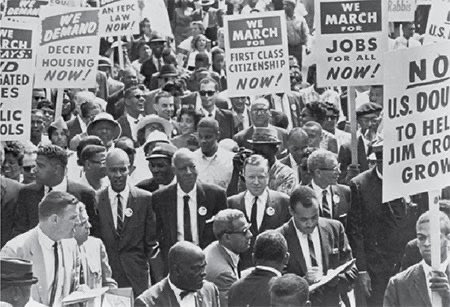
The Convention often reflected, rather than challenged, the racial attitudes of the segregated South. It spoke forcefully on issues like alcohol and communism, but hesitated (or remained silent) on civil rights and racial equality. The booming growth masked underlying inconsistencies between theology and public ethics, tensions that would surface in the decades ahead.
✴️ Key events: Sunbelt surge; media evangelism; expansion of hospitals, seminaries, and colleges.
👤 Key figures: Billy Graham, W. A. Criswell, R. G. Lee.
The 1963 BF&M revision and growing concern about doctrinal drift would soon push these deeper issues to the surface.
In the postwar era, the SBC experienced unprecedented growth. Millions of Americans moved to the Sunbelt, and Southern Baptist churches grew alongside them. Membership surged, seminaries expanded, and institutions like hospitals, publishing houses, and colleges multiplied.
W. A. Criswell became wildly popular and influential in shaping the SBC during this era while Billy Graham’s crusades gave Baptists a global voice in the evangelical world. Yet this era of institutional strength also exposed moral weaknesses.
The Convention often reflected, rather than challenged, the racial attitudes of the segregated South. It spoke forcefully on issues like alcohol and communism, but hesitated (or remained silent) on civil rights and racial equality. The booming growth masked underlying inconsistencies between theology and public ethics, tensions that would surface in the decades ahead.
✴️ Key events: Sunbelt surge; media evangelism; expansion of hospitals, seminaries, and colleges.
👤 Key figures: Billy Graham, W. A. Criswell, R. G. Lee.
The 1963 BF&M revision and growing concern about doctrinal drift would soon push these deeper issues to the surface.

🧵 9. 1965–1978: Civil Rights Crossroads and Doctrinal Shifts
As American society confronted the realities of racial injustice, many SBC churches remained resistant to change. While a few congregations embraced integration, most either avoided the issue or reinforced the status quo.
Despite steady growth, the Convention offered little moral clarity during the civil rights era, while concerns about theological liberalism increased. The 1963 BF&M update aimed to modernize doctrine, but many felt it lacked clarity on biblical authority and inerrancy.
The Broadman Commentary series, published by the SBC’s own press, was accused of promoting neo-orthodox or liberal views, further stoking fears of doctrinal drift. Younger pastors and seminary graduates began to express frustration that the Convention lacked both theological conviction and moral courage.
By the late 1970s, conservative leaders had developed a strategy to recover biblical authority not by changing the system, but by using the system.
✴️ Key events: 1963 BF&M revision; Broadman Commentary controversy; growing civil rights tension.
👤 Key figures: Herschel Hobbs, Paige Patterson, W. A. Criswell.
In 1979, the Conservative Resurgence began. An organized effort to restore inerrancy and reshape the direction of the SBC.
As American society confronted the realities of racial injustice, many SBC churches remained resistant to change. While a few congregations embraced integration, most either avoided the issue or reinforced the status quo.
Despite steady growth, the Convention offered little moral clarity during the civil rights era, while concerns about theological liberalism increased. The 1963 BF&M update aimed to modernize doctrine, but many felt it lacked clarity on biblical authority and inerrancy.
The Broadman Commentary series, published by the SBC’s own press, was accused of promoting neo-orthodox or liberal views, further stoking fears of doctrinal drift. Younger pastors and seminary graduates began to express frustration that the Convention lacked both theological conviction and moral courage.
By the late 1970s, conservative leaders had developed a strategy to recover biblical authority not by changing the system, but by using the system.
✴️ Key events: 1963 BF&M revision; Broadman Commentary controversy; growing civil rights tension.
👤 Key figures: Herschel Hobbs, Paige Patterson, W. A. Criswell.
In 1979, the Conservative Resurgence began. An organized effort to restore inerrancy and reshape the direction of the SBC.
🧵 10. 1979–2000: Conservative Resurgence
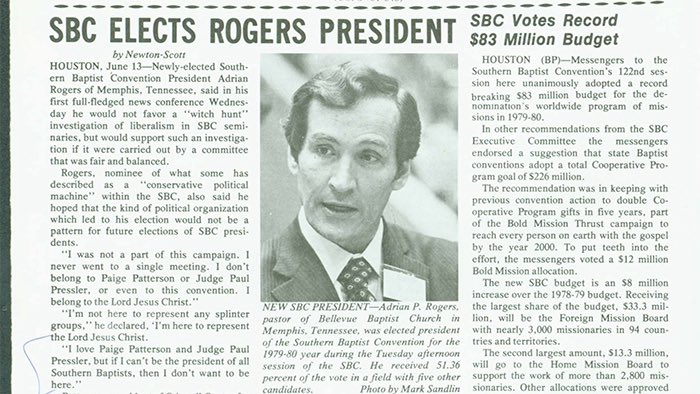
Adrian Rogers’s election in 1979 launched the Conservative Resurgence which was a coordinated movement to restore the SBC’s institutions to a firm stance on biblical inerrancy. Conservatives organized to elect presidents who appointed like-minded trustees, gradually reshaping seminaries and agencies. Faculty changes and doctrinal tightening followed, especially in the SBC’s six seminaries.
Moderates, alarmed by what they saw as politicization and narrowing boundaries, left or formed groups like the Cooperative Baptist Fellowship (1991). In 2000, the BF&M was revised to affirm inerrancy and limit the pastoral office to qualified men.
The result was doctrinal unity and renewed confidence, but also lasting institutional wounds and questions about how reform was pursued.
✴️ Key events: 1979 Rogers elected; trustee replacements; 2000 BF&M revision; CBF formed.
👤 Key figures: Adrian Rogers, Paige Patterson, Paul Pressler, Al Mohler.
A new century would bring structural changes, internal tensions, and fresh challenges to the SBC’s mission and identity.
Adrian Rogers’s election in 1979 launched the Conservative Resurgence which was a coordinated movement to restore the SBC’s institutions to a firm stance on biblical inerrancy. Conservatives organized to elect presidents who appointed like-minded trustees, gradually reshaping seminaries and agencies. Faculty changes and doctrinal tightening followed, especially in the SBC’s six seminaries.
Moderates, alarmed by what they saw as politicization and narrowing boundaries, left or formed groups like the Cooperative Baptist Fellowship (1991). In 2000, the BF&M was revised to affirm inerrancy and limit the pastoral office to qualified men.
The result was doctrinal unity and renewed confidence, but also lasting institutional wounds and questions about how reform was pursued.
✴️ Key events: 1979 Rogers elected; trustee replacements; 2000 BF&M revision; CBF formed.
👤 Key figures: Adrian Rogers, Paige Patterson, Paul Pressler, Al Mohler.
A new century would bring structural changes, internal tensions, and fresh challenges to the SBC’s mission and identity.
🧵 11. 2000–2013: Reorganization, Calvinism Currents, Mission Focus
Following the Conservative Resurgence, SBC leaders shifted focus to structural reform and evangelistic strategy.
The Great Commission Resurgence Task Force (2010) proposed major changes to increase missional effectiveness, redirecting Cooperative Program funds and prioritizing church planting and global outreach. NAMB and IMB streamlined efforts to partner directly with local churches.
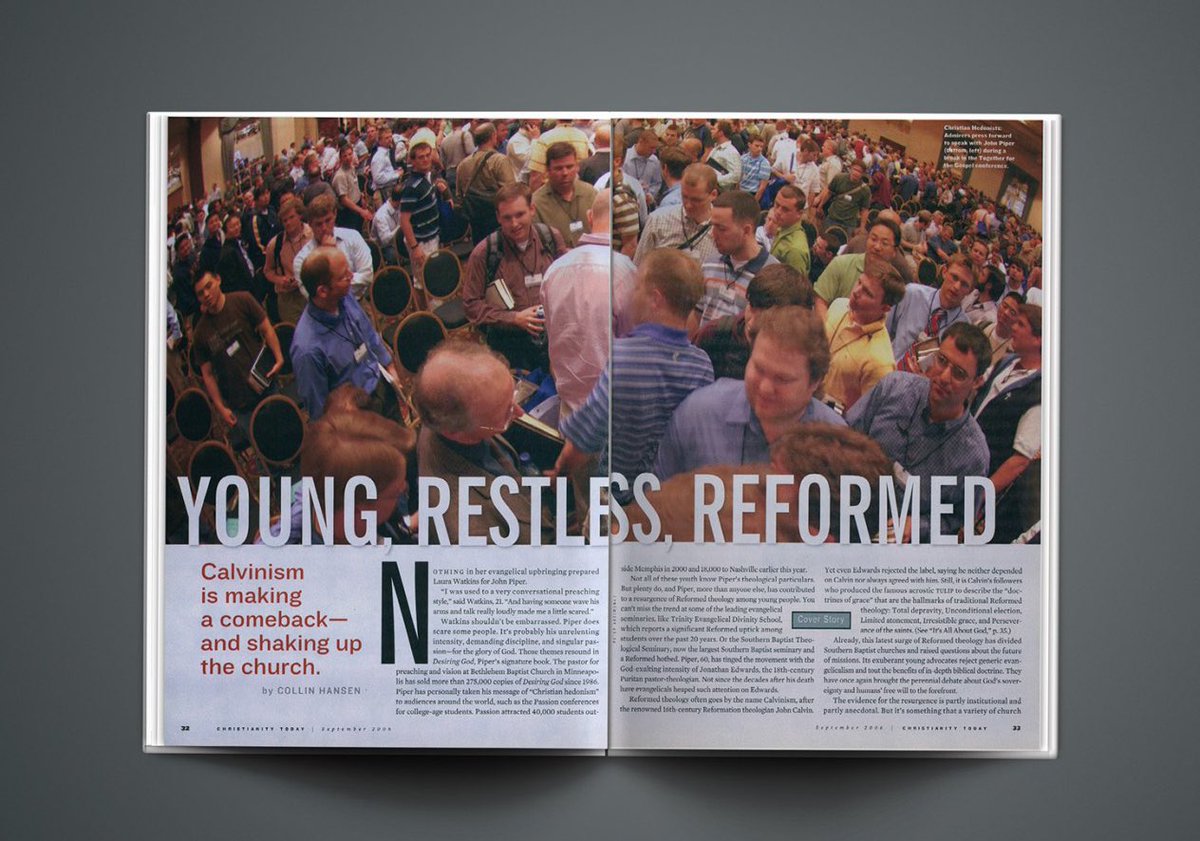
At the same time, a surge in Calvinist theology (especially among younger pastors) sparked internal debate. The “Young, Restless, Reformed” movement brought renewed focus on preaching and ecclesiology, but raised concerns about tribalism and theological division.
LifeWay pivoted to digital content, while ethnic and urban engagement gained ground. Designated giving grew, but the SBC’s core institutions remained strong and focused on gospel advancement.
✴️ Key events: 2010 GCR Task Force; NAMB/IMB restructuring; 2012–13 Calvinism report.
👤 Key figures: J. D. Greear, David Platt, Johnny Hunt, Thom Rainer.
As online discourse and cultural shifts accelerated, deeper tensions within the SBC began to surface.
Following the Conservative Resurgence, SBC leaders shifted focus to structural reform and evangelistic strategy.
The Great Commission Resurgence Task Force (2010) proposed major changes to increase missional effectiveness, redirecting Cooperative Program funds and prioritizing church planting and global outreach. NAMB and IMB streamlined efforts to partner directly with local churches.
At the same time, a surge in Calvinist theology (especially among younger pastors) sparked internal debate. The “Young, Restless, Reformed” movement brought renewed focus on preaching and ecclesiology, but raised concerns about tribalism and theological division.
LifeWay pivoted to digital content, while ethnic and urban engagement gained ground. Designated giving grew, but the SBC’s core institutions remained strong and focused on gospel advancement.
✴️ Key events: 2010 GCR Task Force; NAMB/IMB restructuring; 2012–13 Calvinism report.
👤 Key figures: J. D. Greear, David Platt, Johnny Hunt, Thom Rainer.
As online discourse and cultural shifts accelerated, deeper tensions within the SBC began to surface.
🧵 12. 2014–2018: Diversity Push, Gender Debates, Digital Crosswinds
By the mid-2010s, SBC debates increasingly played out in public view. Social media amplified tensions, turning internal disagreements into national flashpoints.
Issues of racial reconciliation, gender roles, and political alignment revealed deep generational and cultural divides.
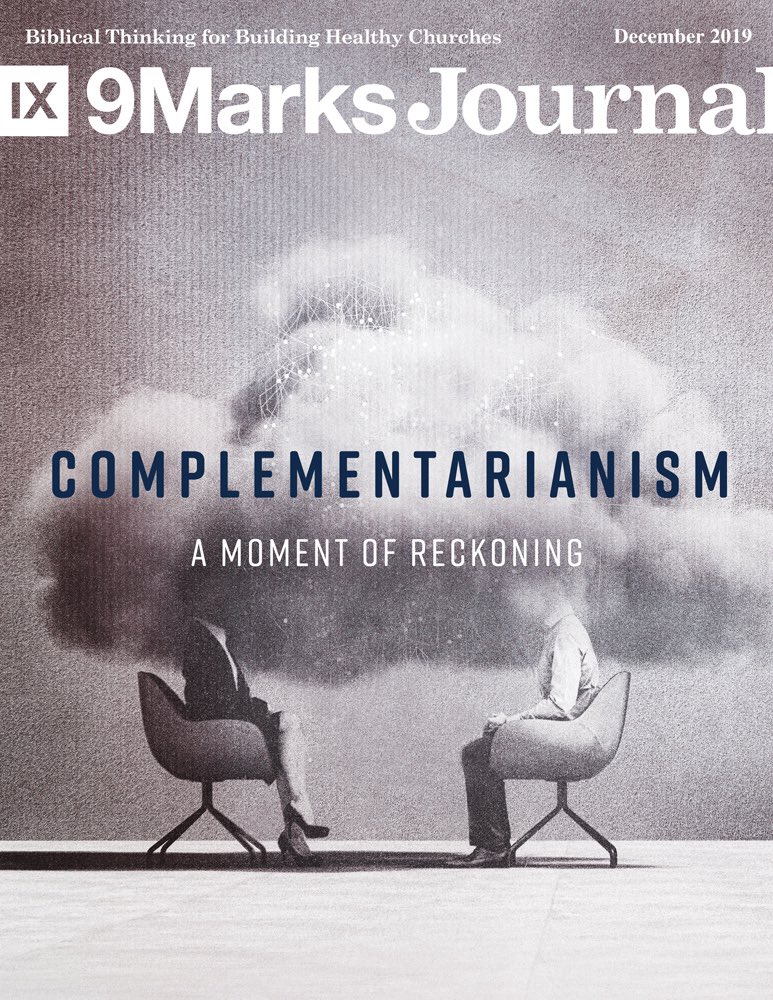
Complementarianism remained official SBC doctrine, but disputes over titles (especially applying “pastor” to women in non-preaching roles) sparked ongoing controversy. At the same time, efforts to broaden ethnic representation and expand minority-led church planting gained momentum.
Disaster relief work continued, and evangelism remained central, but trust in SBC institutions was starting to fray. The Convention’s identity was being shaped as much by online discourse as by confessional statements.
✴️ Key events: Growth of multiethnic networks; early CRT debates; gender/title controversies; public social media conflict.
👤 Key figures: Russell Moore, Beth Moore, Steve Gaines, Fred Luter Jr.
By 2019, explosive revelations about abuse and long-simmering cultural divisions forced the Convention into a reckoning.
By the mid-2010s, SBC debates increasingly played out in public view. Social media amplified tensions, turning internal disagreements into national flashpoints.
Issues of racial reconciliation, gender roles, and political alignment revealed deep generational and cultural divides.
Complementarianism remained official SBC doctrine, but disputes over titles (especially applying “pastor” to women in non-preaching roles) sparked ongoing controversy. At the same time, efforts to broaden ethnic representation and expand minority-led church planting gained momentum.
Disaster relief work continued, and evangelism remained central, but trust in SBC institutions was starting to fray. The Convention’s identity was being shaped as much by online discourse as by confessional statements.
✴️ Key events: Growth of multiethnic networks; early CRT debates; gender/title controversies; public social media conflict.
👤 Key figures: Russell Moore, Beth Moore, Steve Gaines, Fred Luter Jr.
By 2019, explosive revelations about abuse and long-simmering cultural divisions forced the Convention into a reckoning.
🧵 13. 2018–2023: Abuse Reckoning and Pandemic Disruption
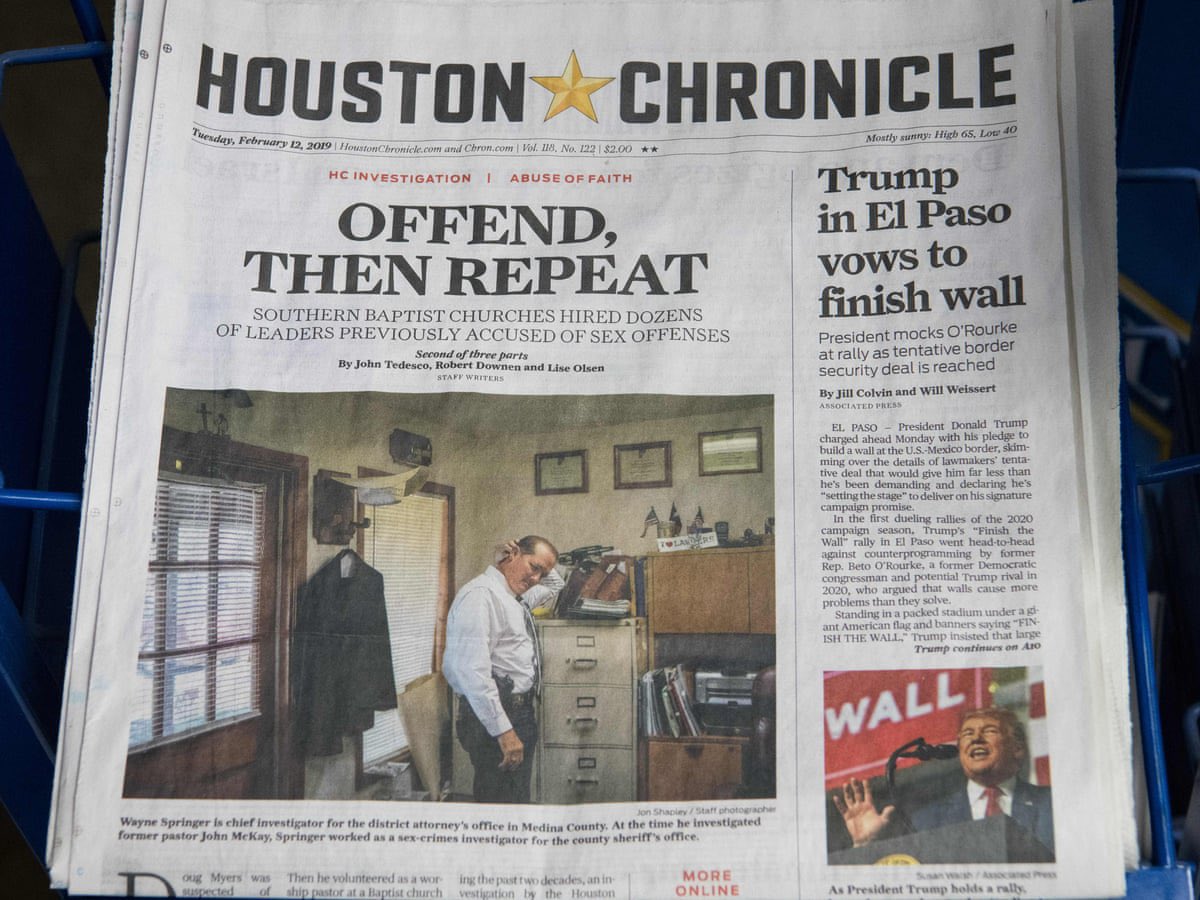
In 2019, The Houston Chronicle exposed hundreds of mishandled sexual abuse cases in SBC churches, shaking the Convention. Messengers approved reforms with task forces, a credentials committee, and an offender database. But progress was slow, revealing the limits of SBC polity and the urgency for accountability.
COVID-19 further disrupted church life. Services went online, baptisms declined, and many churches struggled to recover. Membership losses accelerated, and younger generations drifted. In 2023, Saddleback Church was removed for ordaining women pastors, reigniting debates on complementarianism and cooperation.
Yet core ministries endured. IMB missionaries served faithfully, NAMB planted churches, and SBC Disaster Relief remained a trusted witness. Reform efforts gained ground, but questions of leadership, unity, and doctrinal clarity remained unresolved.
✴️ Key events: 2019 abuse report; 2021–23 reform steps; COVID impact; 2023 Saddleback removal
👤 Key figures: JD Greear, Rick Warren, Bart Barber, Bruce Frank, Ronnie Floyd, Willie McLaurin
These years tested the SBC’s foundations setting the stage for what kind of future the Convention will choose.
In 2019, The Houston Chronicle exposed hundreds of mishandled sexual abuse cases in SBC churches, shaking the Convention. Messengers approved reforms with task forces, a credentials committee, and an offender database. But progress was slow, revealing the limits of SBC polity and the urgency for accountability.
COVID-19 further disrupted church life. Services went online, baptisms declined, and many churches struggled to recover. Membership losses accelerated, and younger generations drifted. In 2023, Saddleback Church was removed for ordaining women pastors, reigniting debates on complementarianism and cooperation.
Yet core ministries endured. IMB missionaries served faithfully, NAMB planted churches, and SBC Disaster Relief remained a trusted witness. Reform efforts gained ground, but questions of leadership, unity, and doctrinal clarity remained unresolved.
✴️ Key events: 2019 abuse report; 2021–23 reform steps; COVID impact; 2023 Saddleback removal
👤 Key figures: JD Greear, Rick Warren, Bart Barber, Bruce Frank, Ronnie Floyd, Willie McLaurin
These years tested the SBC’s foundations setting the stage for what kind of future the Convention will choose.
🧵 14. 2023–Future: Renewal, Resolve, and the Road Ahead
Despite deep challenges, the SBC enters the future with enduring strengths: a passion for missions, a grassroots structure, and thousands of churches committed to gospel work.
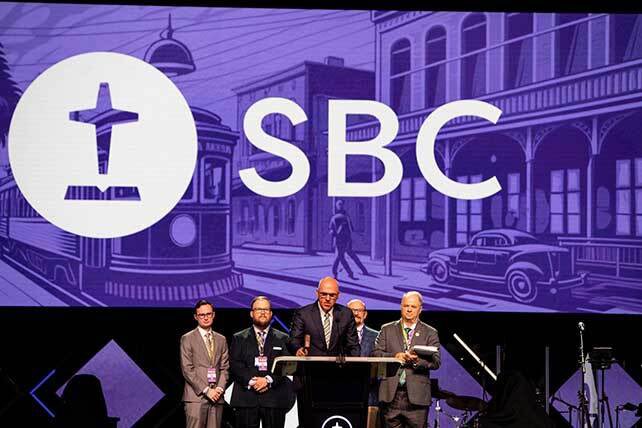
At the 2023 and 2024 annual meetings, messengers affirmed reforms to address abuse, clarified doctrinal boundaries, and sent a signal that accountability and theological clarity can coexist. IMB missionaries continue to serve among the least reached. Church plants are taking root in urban and multicultural settings.
Disaster relief teams remain a shining witness in times of crisis. Younger leaders are rising with a renewed desire for humility, integrity, and mission over spectacle.
If the SBC can hold fast to its core commitments (Scripture, cooperation, and the Great Commission) it may not just survive but thrive in the decades ahead.
✴️ Key events: 2023 Saddleback decision; 2024 abuse reform updates; ongoing mission expansion.
👤 Key figures: Bart Barber, Vance Pitman, H.B. Charles Jr., thousands of local pastors.
The SBC’s future won’t be easy, but neither was its past. Its greatest strength may still be ahead with ordinary churches united by an extraordinary gospel.
Despite deep challenges, the SBC enters the future with enduring strengths: a passion for missions, a grassroots structure, and thousands of churches committed to gospel work.
At the 2023 and 2024 annual meetings, messengers affirmed reforms to address abuse, clarified doctrinal boundaries, and sent a signal that accountability and theological clarity can coexist. IMB missionaries continue to serve among the least reached. Church plants are taking root in urban and multicultural settings.
Disaster relief teams remain a shining witness in times of crisis. Younger leaders are rising with a renewed desire for humility, integrity, and mission over spectacle.
If the SBC can hold fast to its core commitments (Scripture, cooperation, and the Great Commission) it may not just survive but thrive in the decades ahead.
✴️ Key events: 2023 Saddleback decision; 2024 abuse reform updates; ongoing mission expansion.
👤 Key figures: Bart Barber, Vance Pitman, H.B. Charles Jr., thousands of local pastors.
The SBC’s future won’t be easy, but neither was its past. Its greatest strength may still be ahead with ordinary churches united by an extraordinary gospel.
🧵 15. Conclusion
This overview is meant to offer a high-level summary of the Southern Baptist Convention’s complex and often contested history. It does not cover every event, institution, figure, or theological nuance, nor does it attempt to resolve all ongoing debates.
The SBC is a diverse and decentralized body. Its history includes both inspiring faithfulness and deep failure, moments of courage and seasons of compromise. You may find that your perspective on certain eras, figures, or controversies differs and that’s entirely welcome.
The goal here is not to provide the final word, but to invite further curiosity, reflection, and conversation about how the SBC became what it is today and what it may become in the future.
Question: What did I miss? What did I get right? What did I get wrong? Let’s keep this conversation going in the comments below! 👇🏼 💬
This overview is meant to offer a high-level summary of the Southern Baptist Convention’s complex and often contested history. It does not cover every event, institution, figure, or theological nuance, nor does it attempt to resolve all ongoing debates.
The SBC is a diverse and decentralized body. Its history includes both inspiring faithfulness and deep failure, moments of courage and seasons of compromise. You may find that your perspective on certain eras, figures, or controversies differs and that’s entirely welcome.
The goal here is not to provide the final word, but to invite further curiosity, reflection, and conversation about how the SBC became what it is today and what it may become in the future.
Question: What did I miss? What did I get right? What did I get wrong? Let’s keep this conversation going in the comments below! 👇🏼 💬
🧵 Sources & Further Reading
For more reading on this topic, check out several of my sources I used below to compile this thread.
📚 Books
The Baptist Story: From English Sect to Global Movement — Chute, Finn, Haykin
A History of the Baptists — H. Leon McBeth
Baptist Ways — Bill J. Leonard
Southern Baptist Convention: A Sesquicentennial History — Jesse C. Fletcher
One Sacred Effort: The Cooperative Program of Southern Baptists — Chad Owen Brand & David E. Hankins
The Conservative Resurgence in the Southern Baptist Convention — James C. Hefley
Baptists in America: A History — Thomas S. Kidd & Barry Hankins
The SBC and the 21st Century (ed. R. Albert Mohler Jr.)
🖥️ Articles / Essays
Houston Chronicle (2019) investigative series on SBC abuse
“Understanding the Southern Baptist Convention” – The Gospel Coalition, Joe Carter
“The Conservative Resurgence” – 9Marks, Mark Dever
“A Short History of the Southern Baptist Convention” – SBC Website
“Why Saddleback Was Removed from the SBC” – Baptist Press, Brandon Porter
The Baptist Faith & Message: What It Is and Why It Matters” – Baptist Press, David Dockery
#SBC #SouthernBaptist #ChurchHistory #BaptistHistory #Evangelical #Theology #ChristianHistory #Baptist #SBC2025 #ConservativeResurgence #BiblicalInerrancy #Gospel #GreatCommission #ReformedBaptist #Bible #Church
For more reading on this topic, check out several of my sources I used below to compile this thread.
📚 Books
The Baptist Story: From English Sect to Global Movement — Chute, Finn, Haykin
A History of the Baptists — H. Leon McBeth
Baptist Ways — Bill J. Leonard
Southern Baptist Convention: A Sesquicentennial History — Jesse C. Fletcher
One Sacred Effort: The Cooperative Program of Southern Baptists — Chad Owen Brand & David E. Hankins
The Conservative Resurgence in the Southern Baptist Convention — James C. Hefley
Baptists in America: A History — Thomas S. Kidd & Barry Hankins
The SBC and the 21st Century (ed. R. Albert Mohler Jr.)
🖥️ Articles / Essays
Houston Chronicle (2019) investigative series on SBC abuse
“Understanding the Southern Baptist Convention” – The Gospel Coalition, Joe Carter
“The Conservative Resurgence” – 9Marks, Mark Dever
“A Short History of the Southern Baptist Convention” – SBC Website
“Why Saddleback Was Removed from the SBC” – Baptist Press, Brandon Porter
The Baptist Faith & Message: What It Is and Why It Matters” – Baptist Press, David Dockery
#SBC #SouthernBaptist #ChurchHistory #BaptistHistory #Evangelical #Theology #ChristianHistory #Baptist #SBC2025 #ConservativeResurgence #BiblicalInerrancy #Gospel #GreatCommission #ReformedBaptist #Bible #Church
🧵 Enjoyed this thread?
Follow @joshuabarzon for more deep dives on church history, Bible translation, and the stories behind the faith.
I’m also a graphic designer for churches and ministries. If you need branding or design work, let’s connect! #barzonDESIGN
Follow @joshuabarzon for more deep dives on church history, Bible translation, and the stories behind the faith.
I’m also a graphic designer for churches and ministries. If you need branding or design work, let’s connect! #barzonDESIGN

• • •
Missing some Tweet in this thread? You can try to
force a refresh