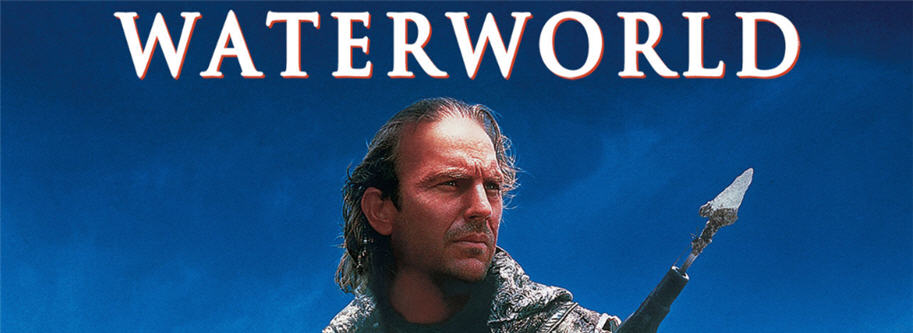
WATERWORLD was released 28 years ago today. The most expensive movie ever made at the time, it went down in history with a reputation as one of the biggest flops in Hollywood. The making of story is full of fallouts, terrible luck, and lots more…
1/34
1/34
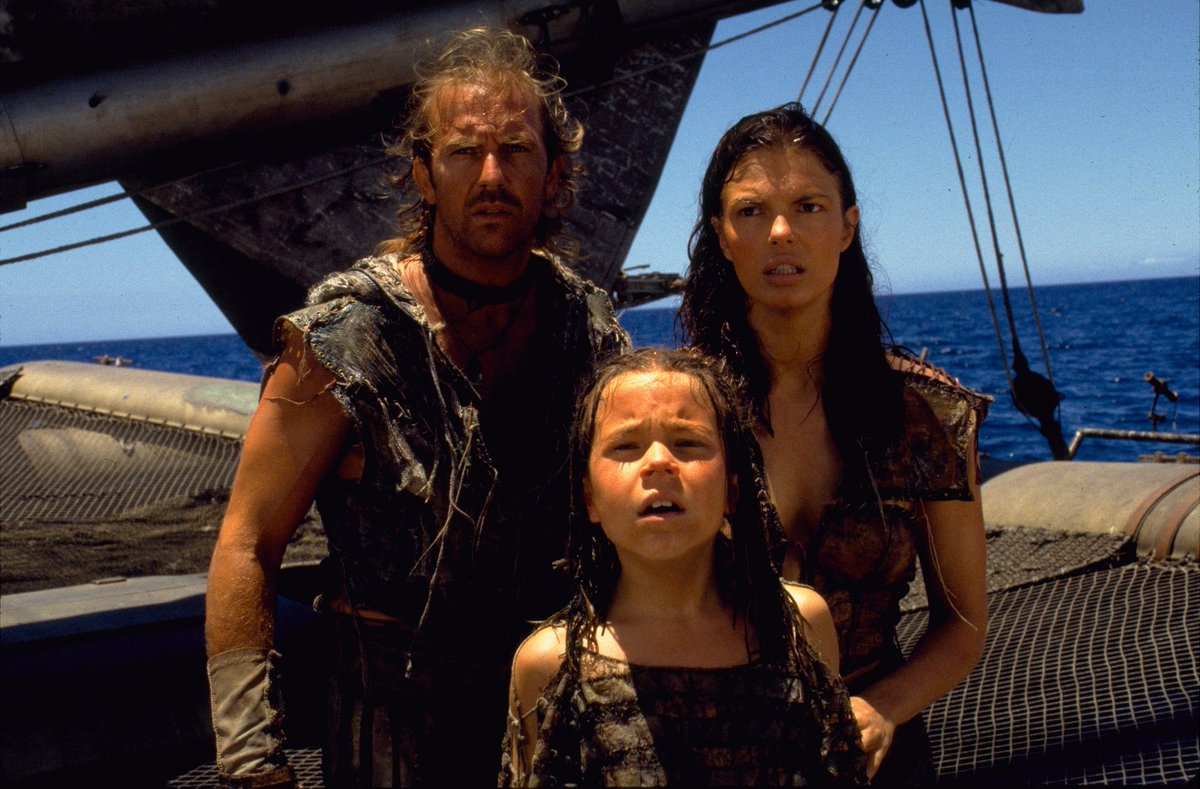
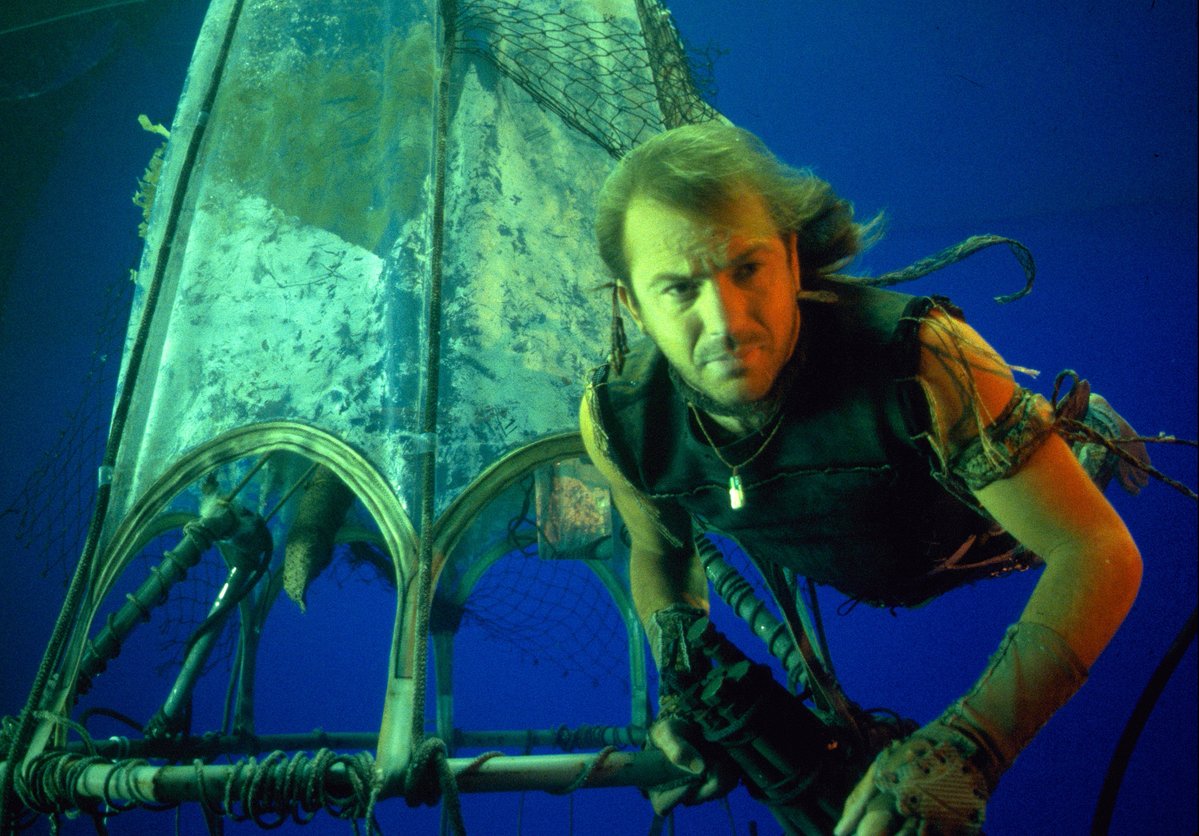
In the 1980s, screenwriter Peter Rader saw the Mad Max series and was inspired to write a post-apocalyptic adventure of his own. Taking further inspiration from the Old Testament and Homer’s The Odyssey, he came up with an idea of a future Earth submerged under water.
2/34
2/34
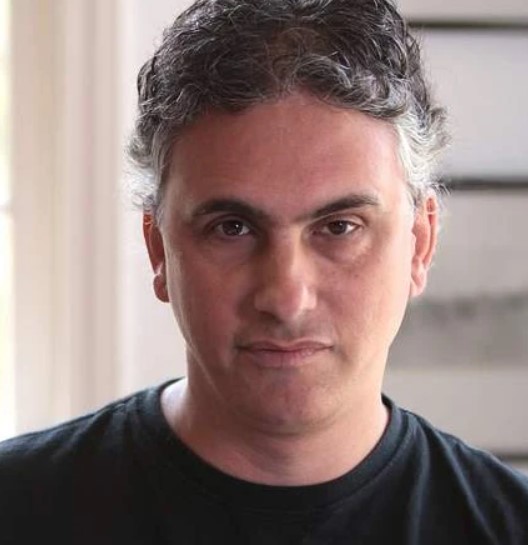
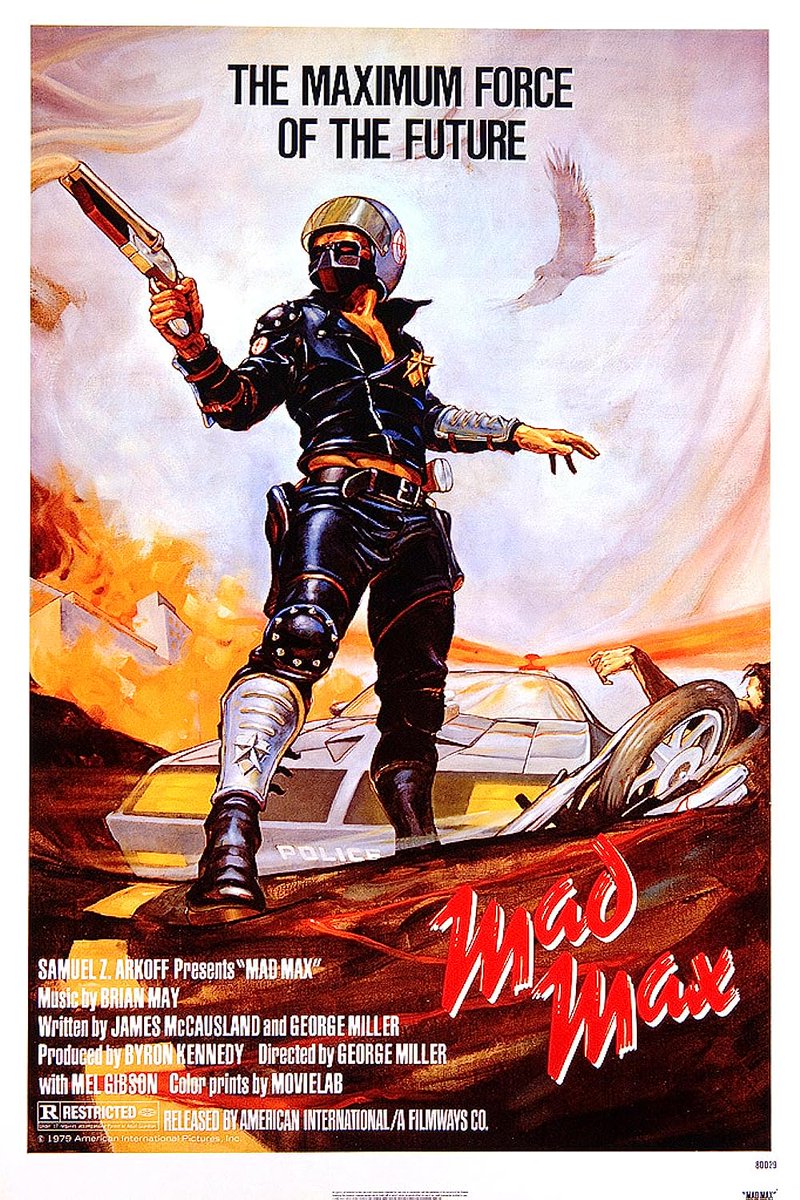

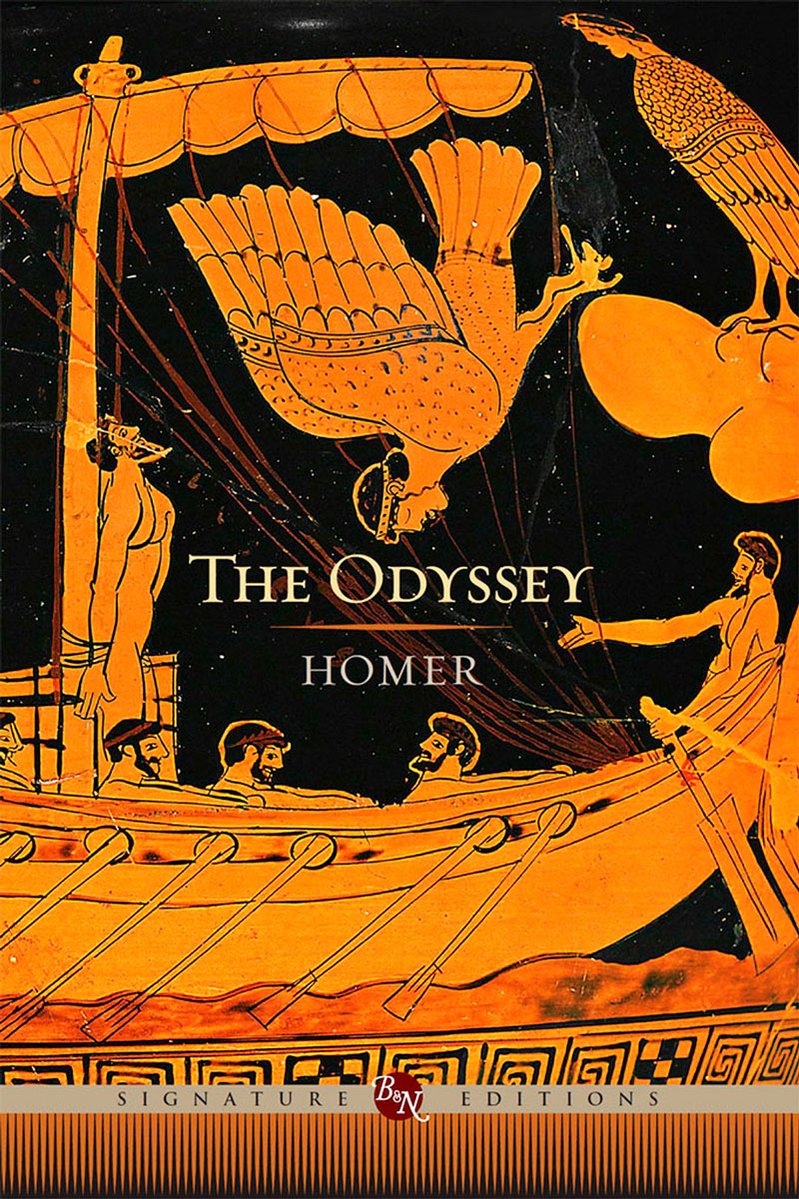
Rader pitched his idea as a children’s adventure film and was keen on directing himself. Legendary low-budget producer Roger Corman was interested, but pulled out when he decided the film couldn’t be made for less than $5m. Charles and Lawrence Gordon then got involved.
3/34
3/34

The Gordons were courting Nils Gaup as director. They struck a distribution deal with Universal and they were interested in bringing in Robert Zemeckis or Lawrence Kasdan to direct.
4/34
4/34
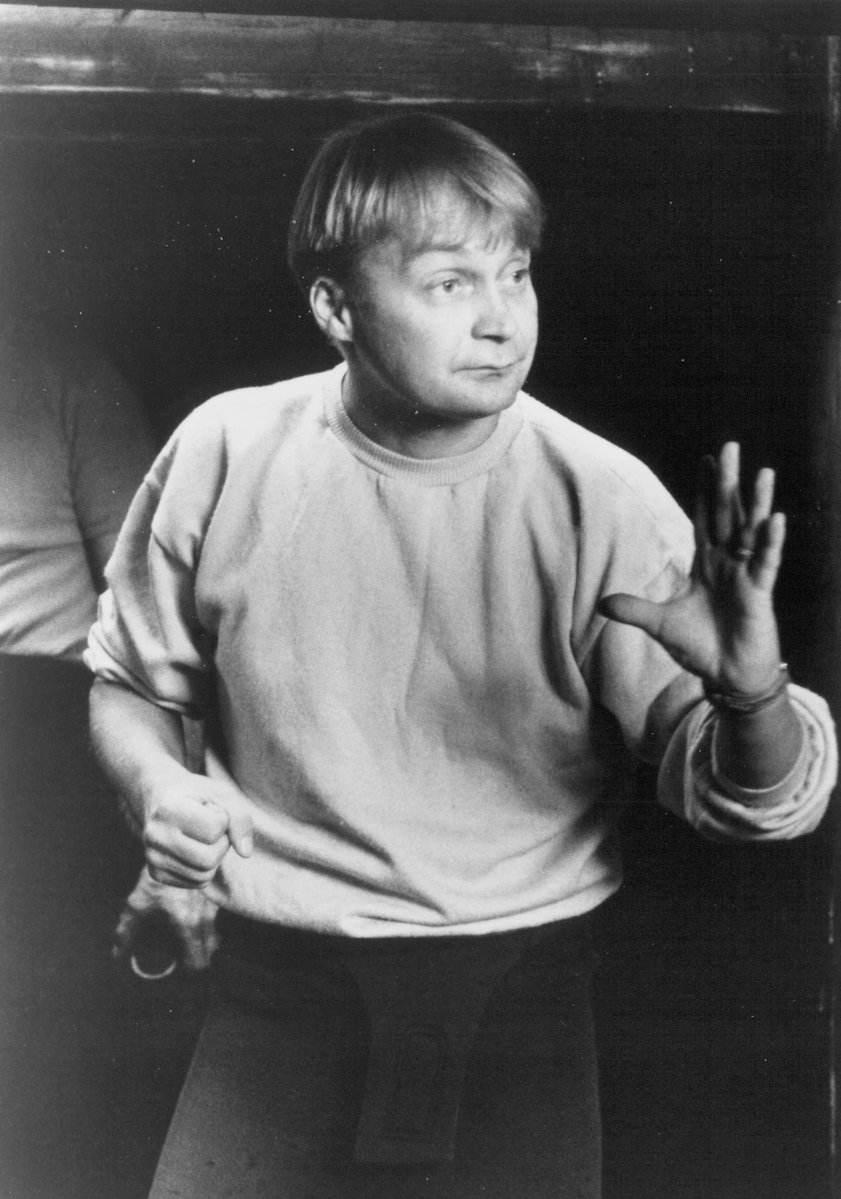
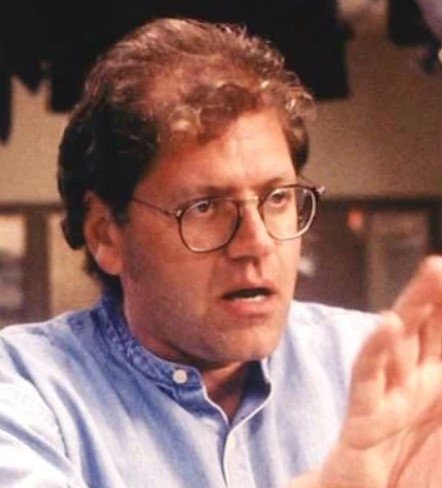
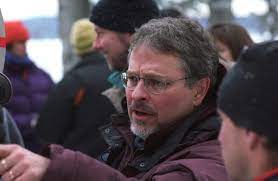
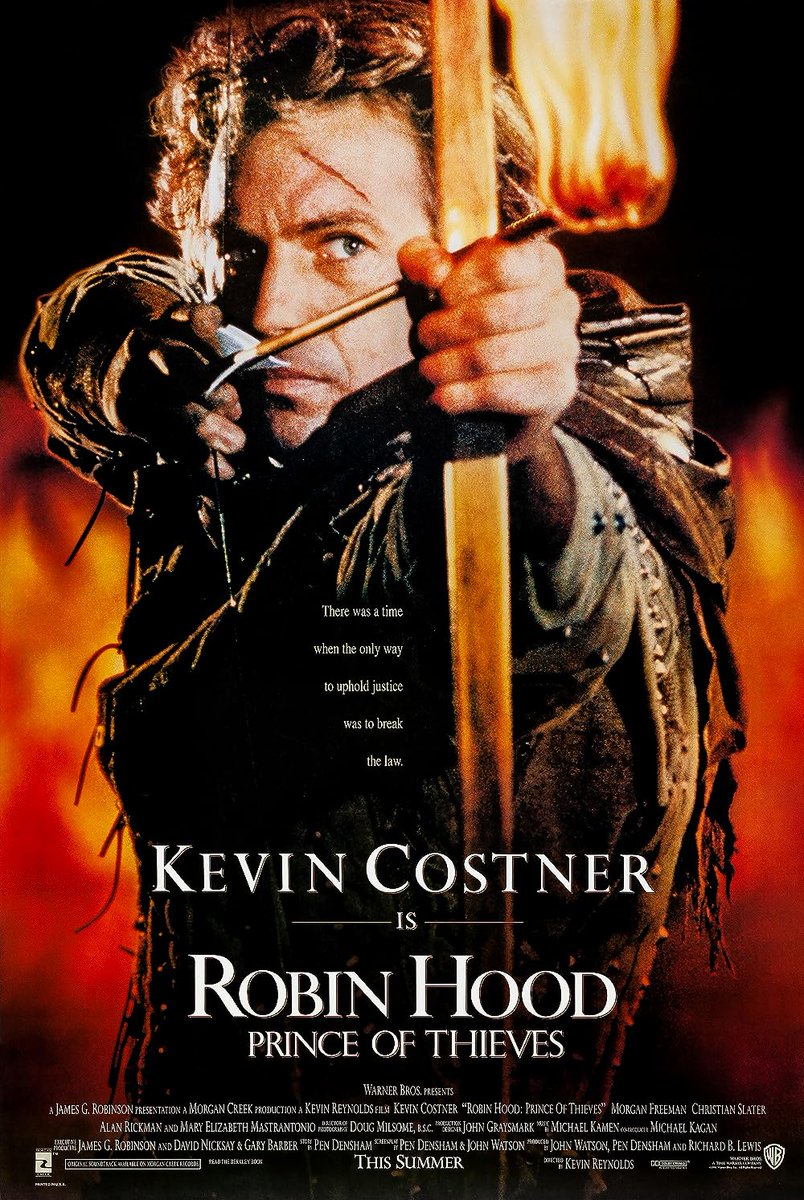
Then the script landed with Kevin Costner. He was a big fan and reportedly suggest Kevin Reynolds as director, having already worked with him 4 times – most recently on Robin Hood: Prince of Thieves.
5/34
5/34
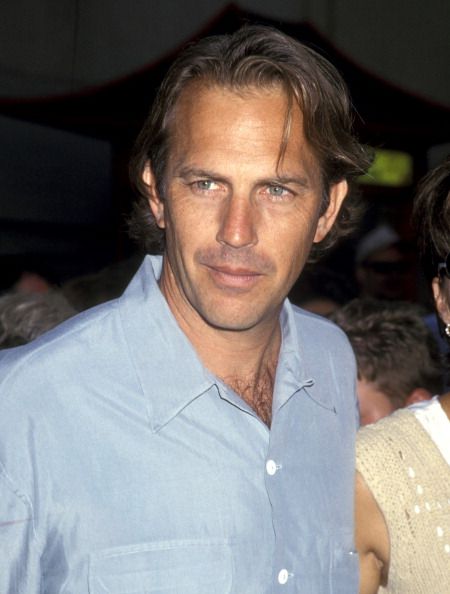

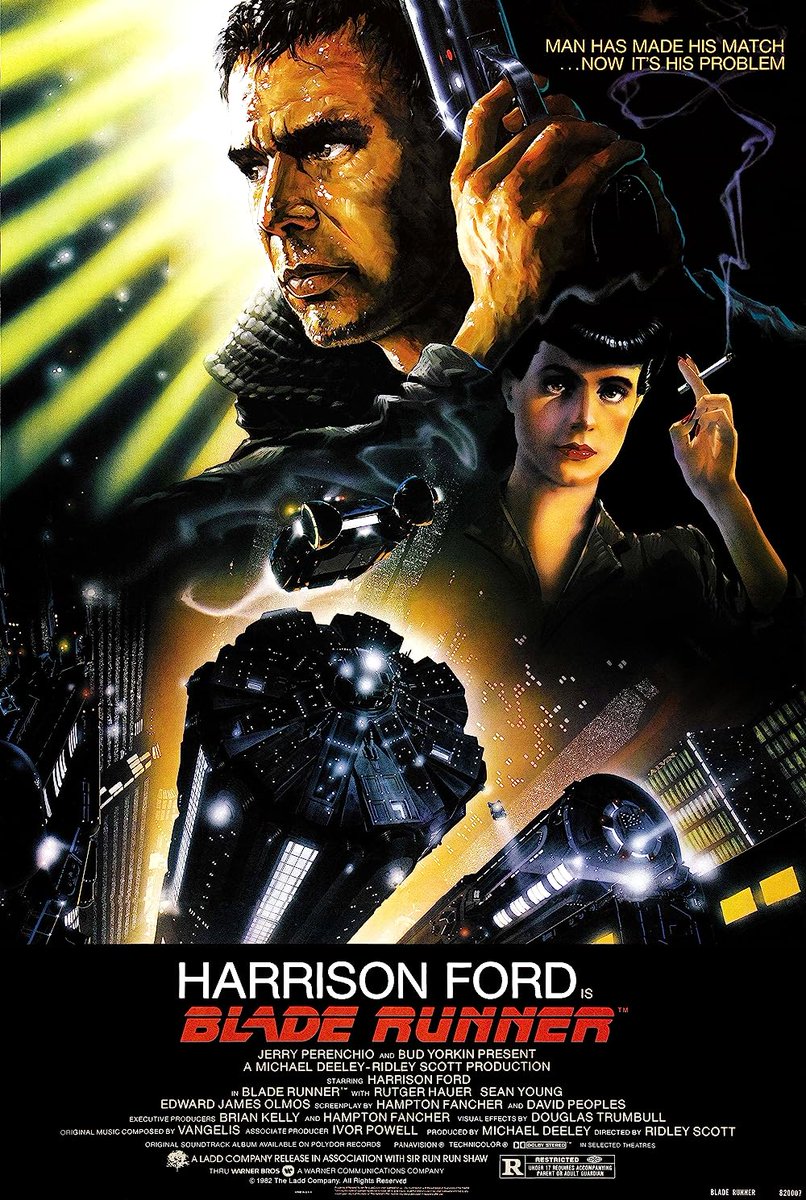
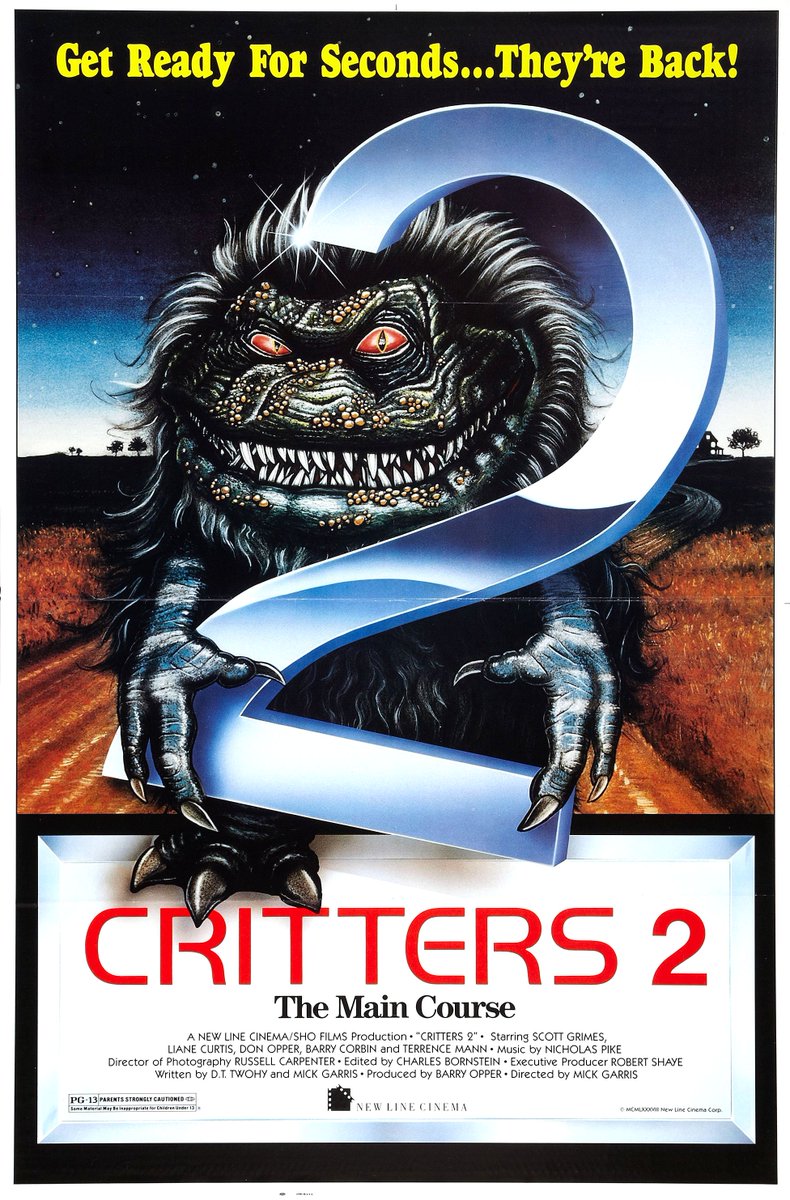
Reynolds was drawn to the environmental message of the film and wanted Blade Runner writer David Webb Peoples to rewrite. He was unavailable so Critters 2: The Main Course writer David Twohy came in instead.
6/34
6/34
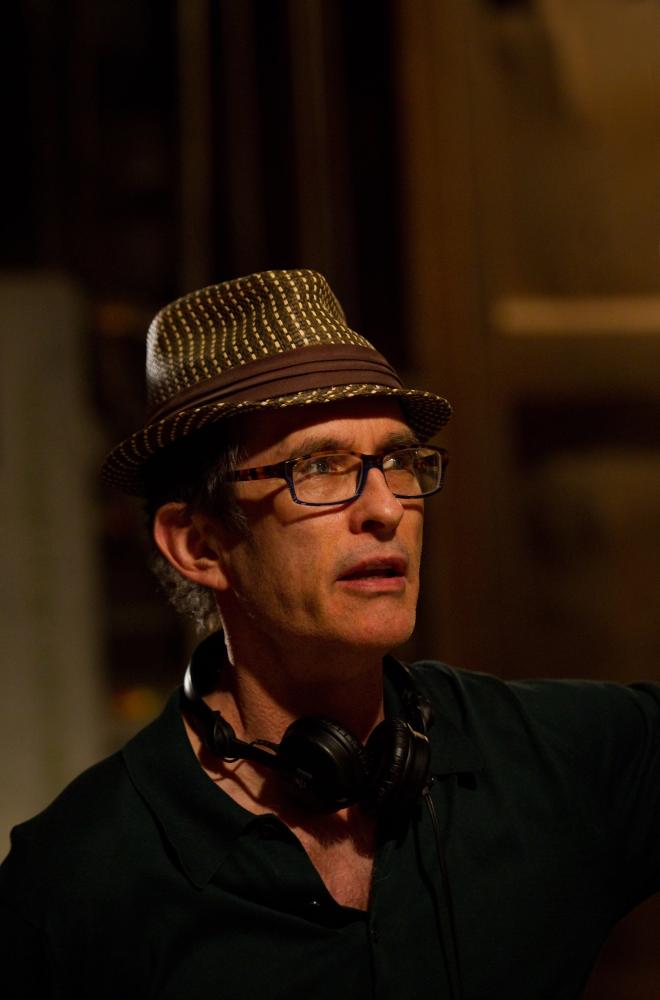
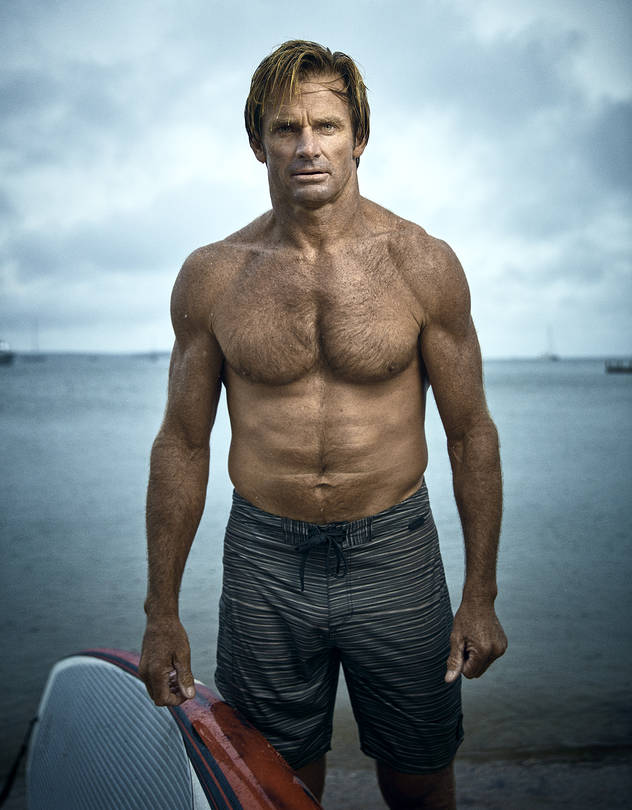
Peter Rader later said he had Harrison Ford in mind for the part of The Mariner when reading the script. Costner threw himself into it though – he was trained by big-wave surfer Laird Hamilton and personally invested a reported $22m of his own money into the production.
7/34
7/34

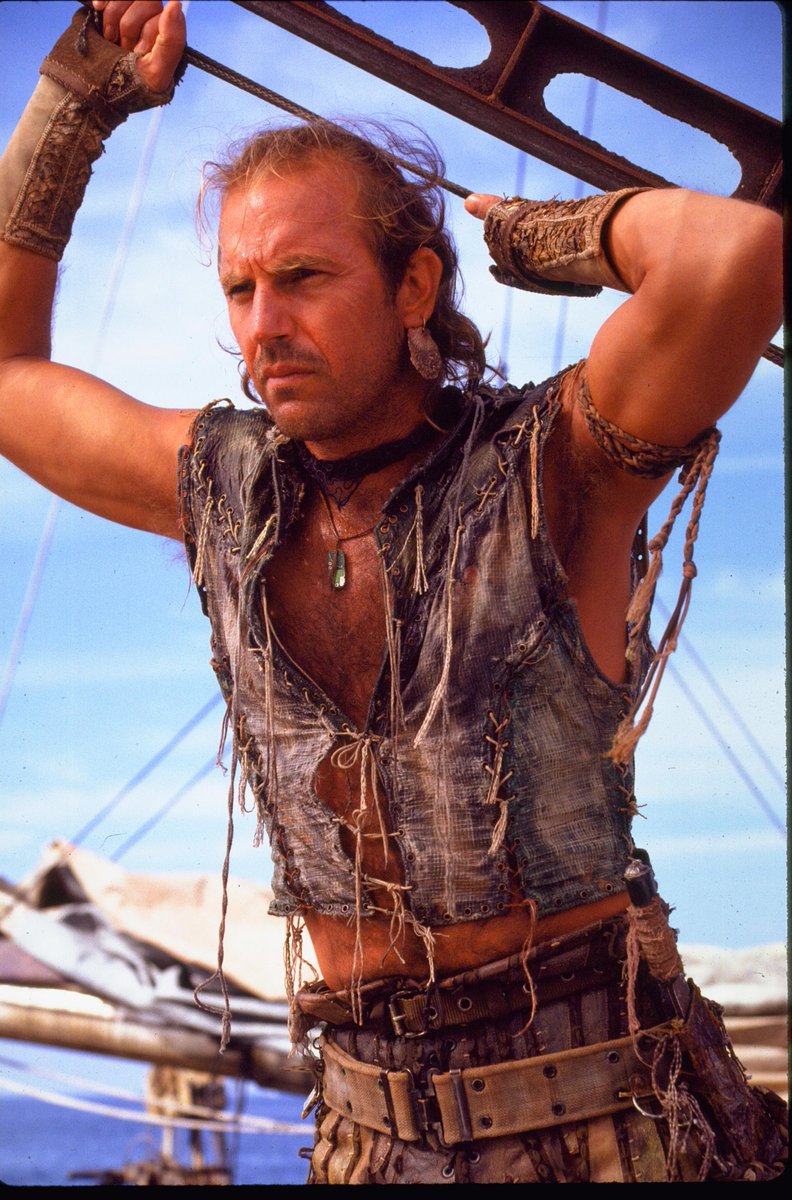
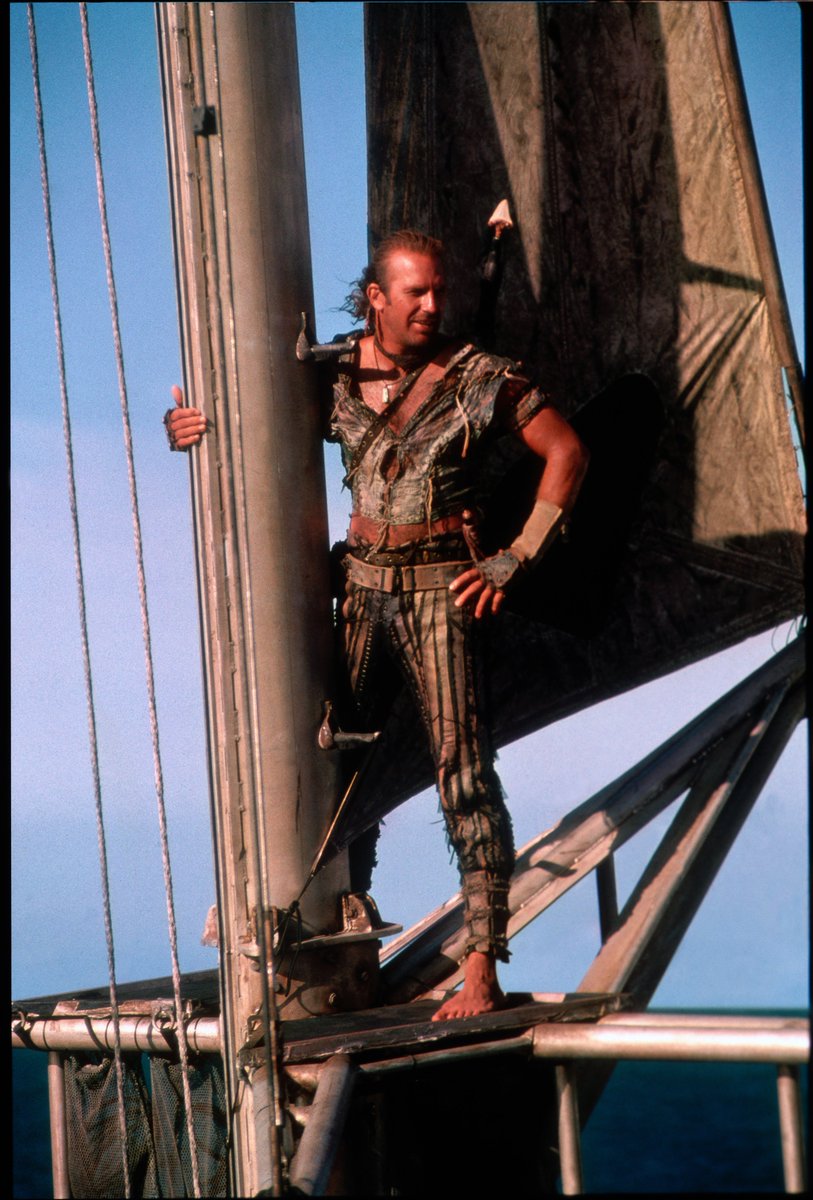
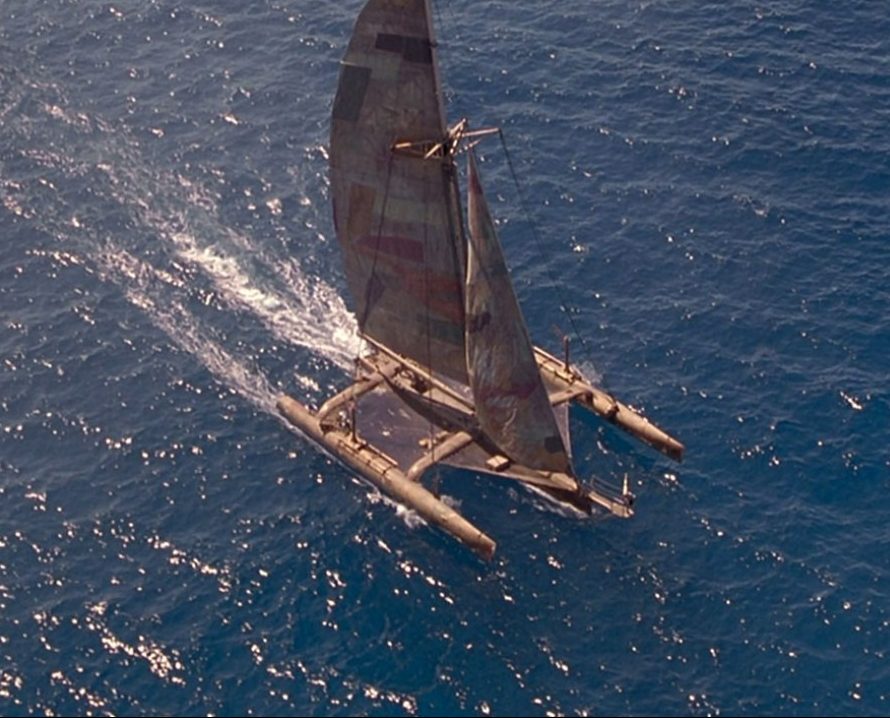
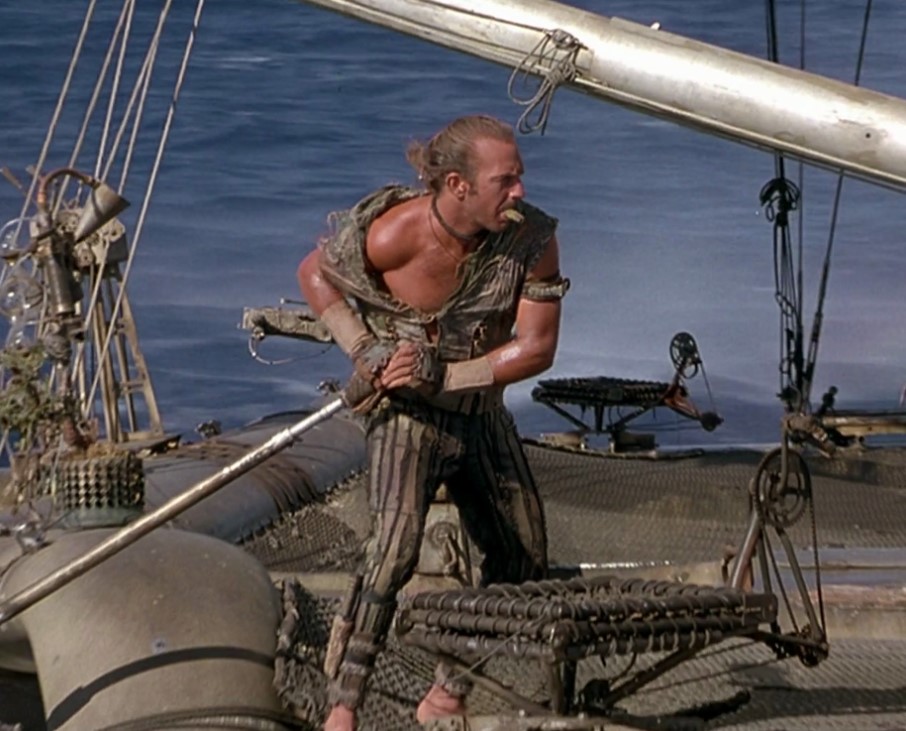
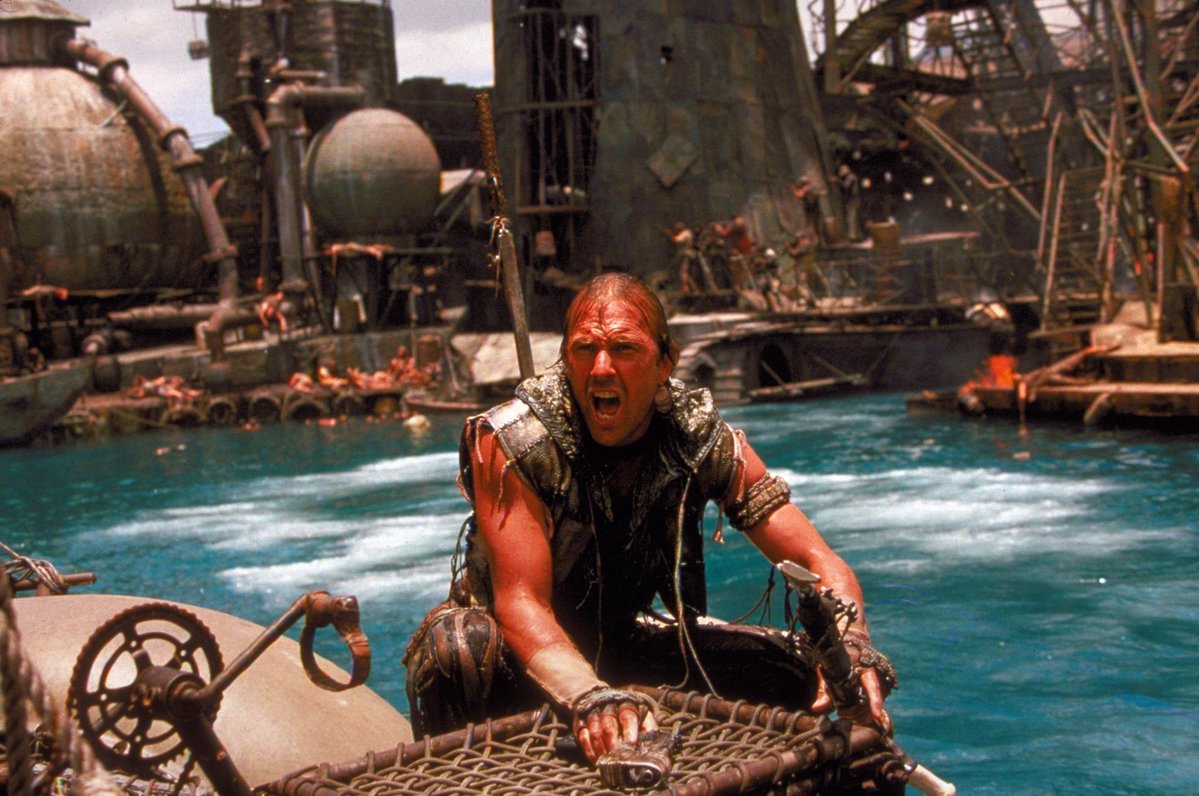
The Mariner’s trimaran was custom made – no ship with such extensive built-in mechanics existed in real life. Costner sailed on it for three weeks before filming to get familiar with it and give it a lived-in feel.
8/34
8/34
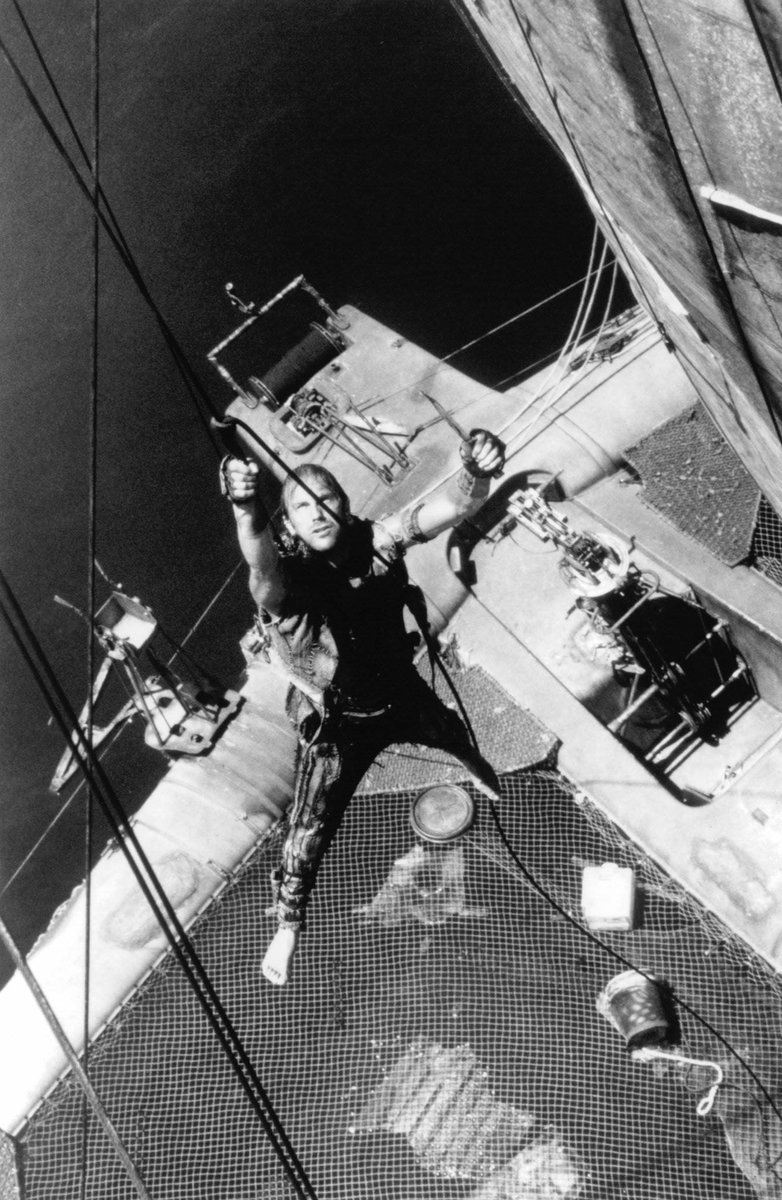
In the original script, the villain was called Neptune. He dressed like King Trident in The Little Mermaid and sat on a throne. His men all had fish-based mutations and he would punish them by slapping them in the face with a wet fish.
9/34
9/34
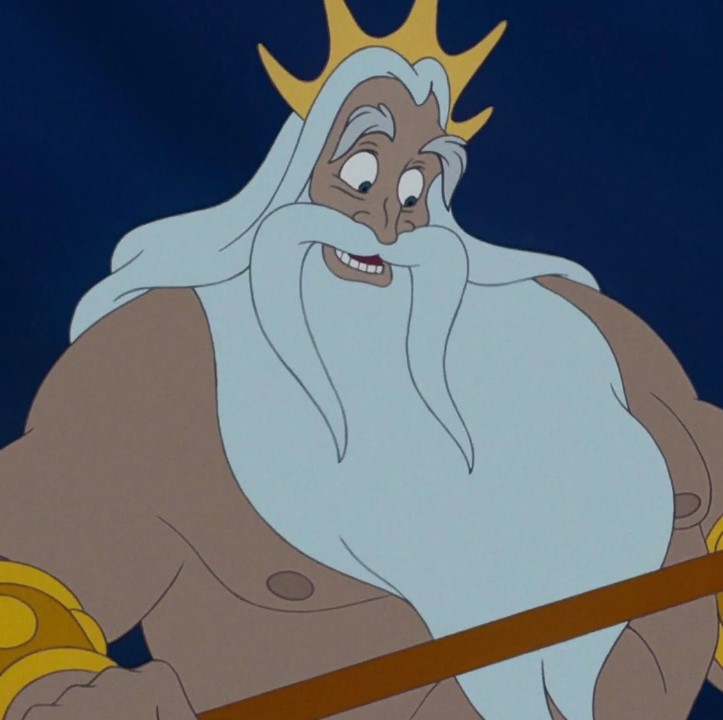
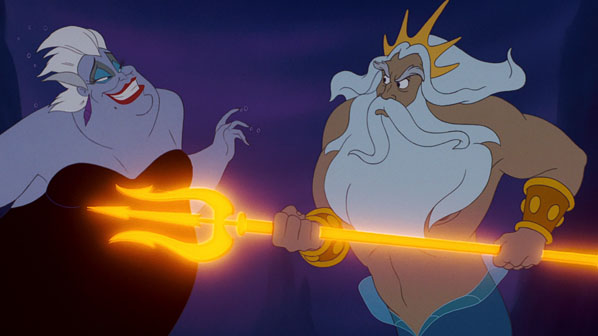
This was changed to the part of Deacon we see in the film. Samuel L. Jackson, Gene Hackman and James Caan all turned it down. Gary Oldman said he tossed a coin and took a role in The Scarlet Letter instead.
10/34
10/34

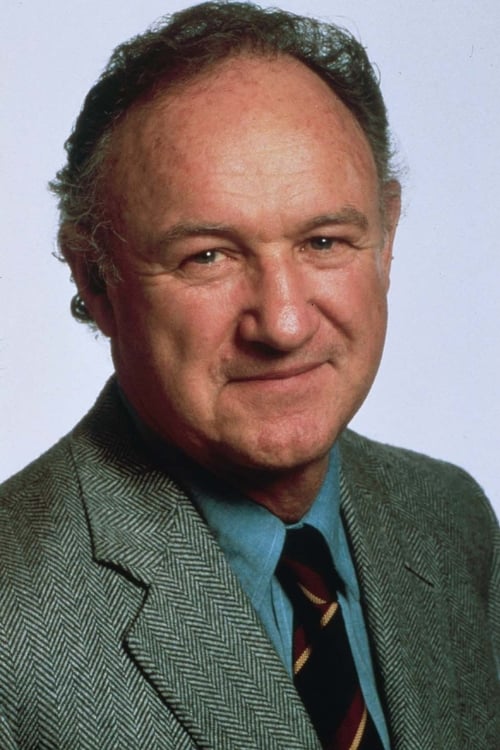
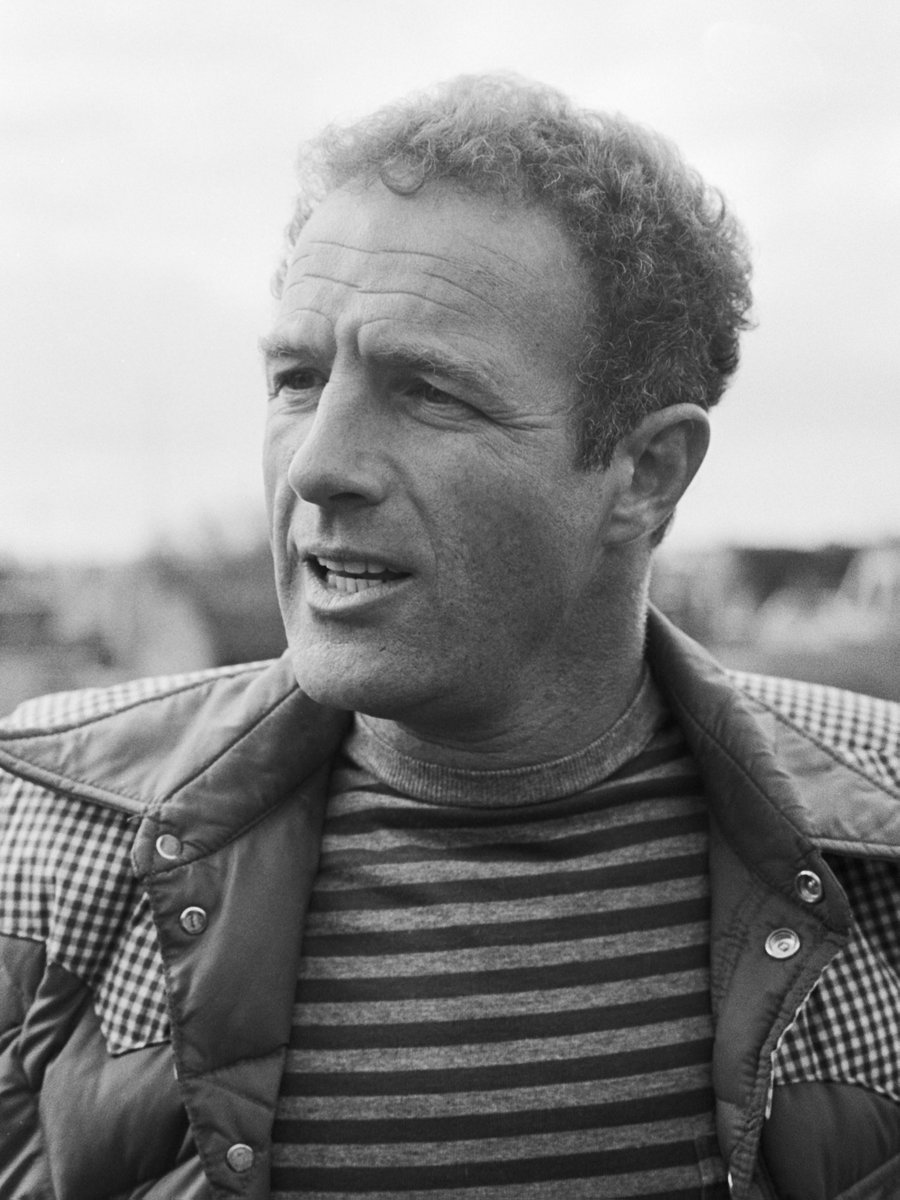
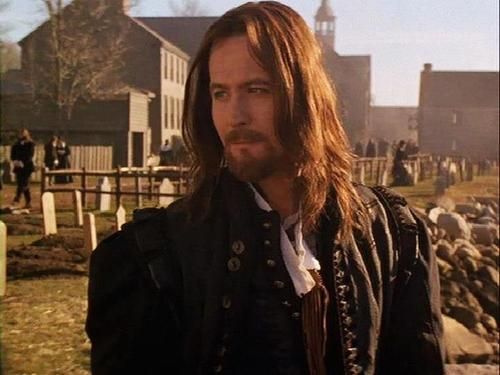
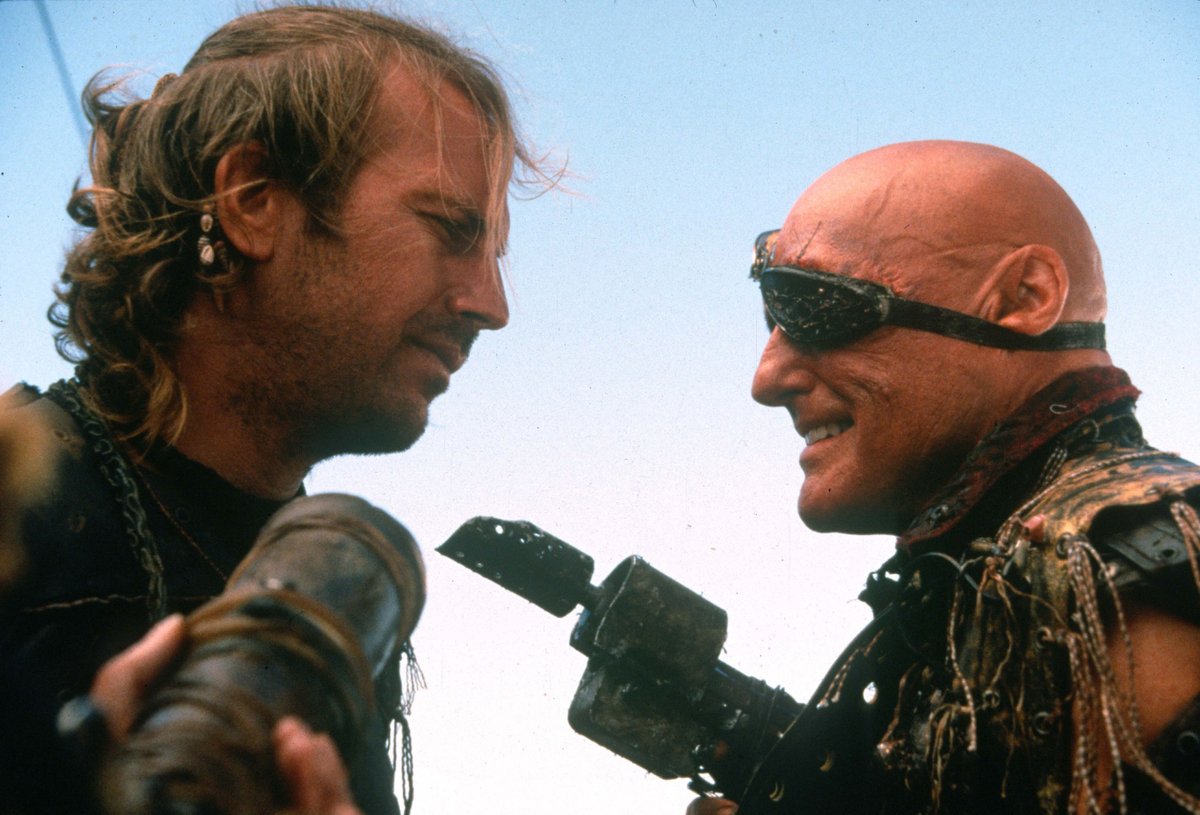
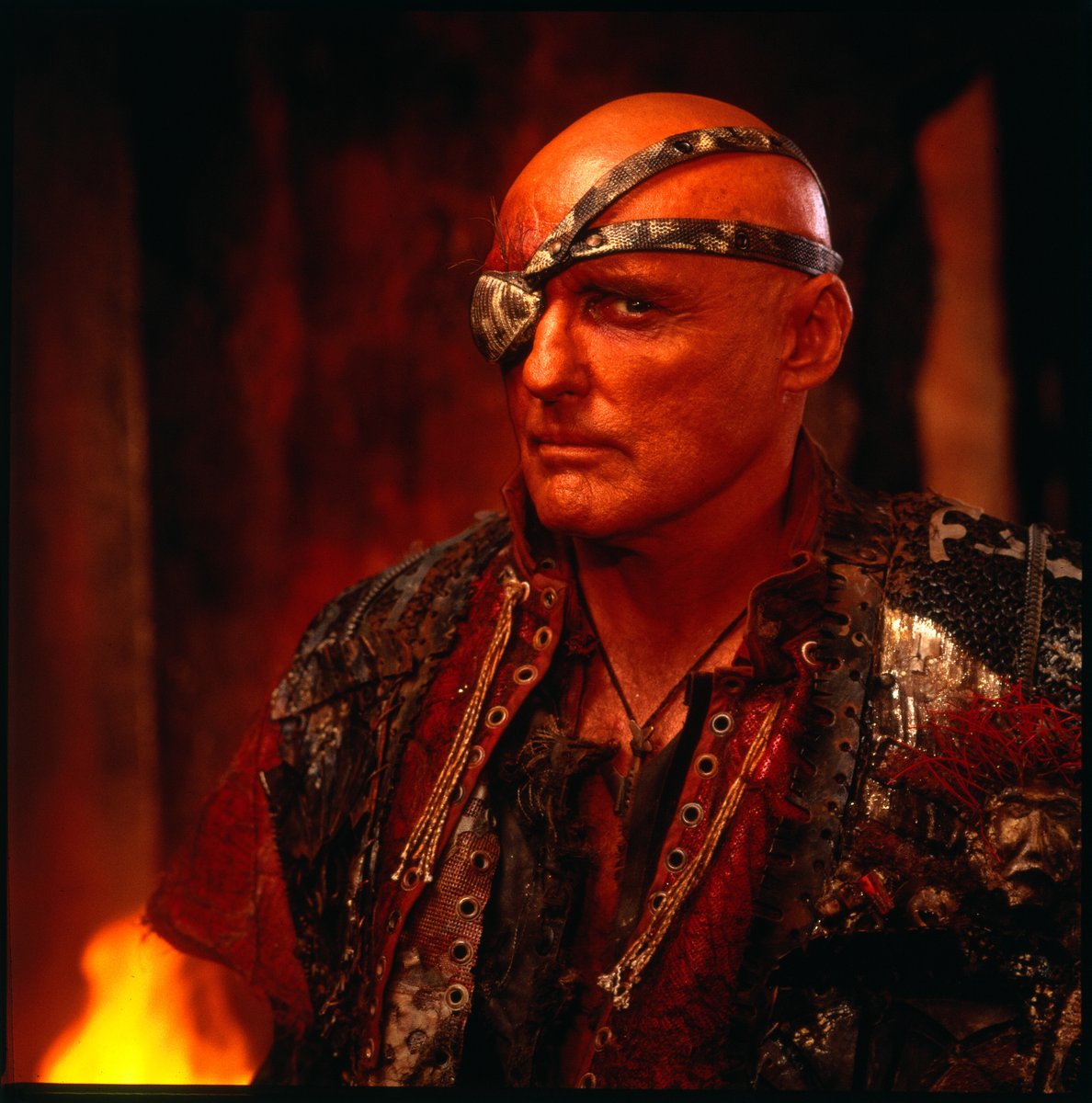
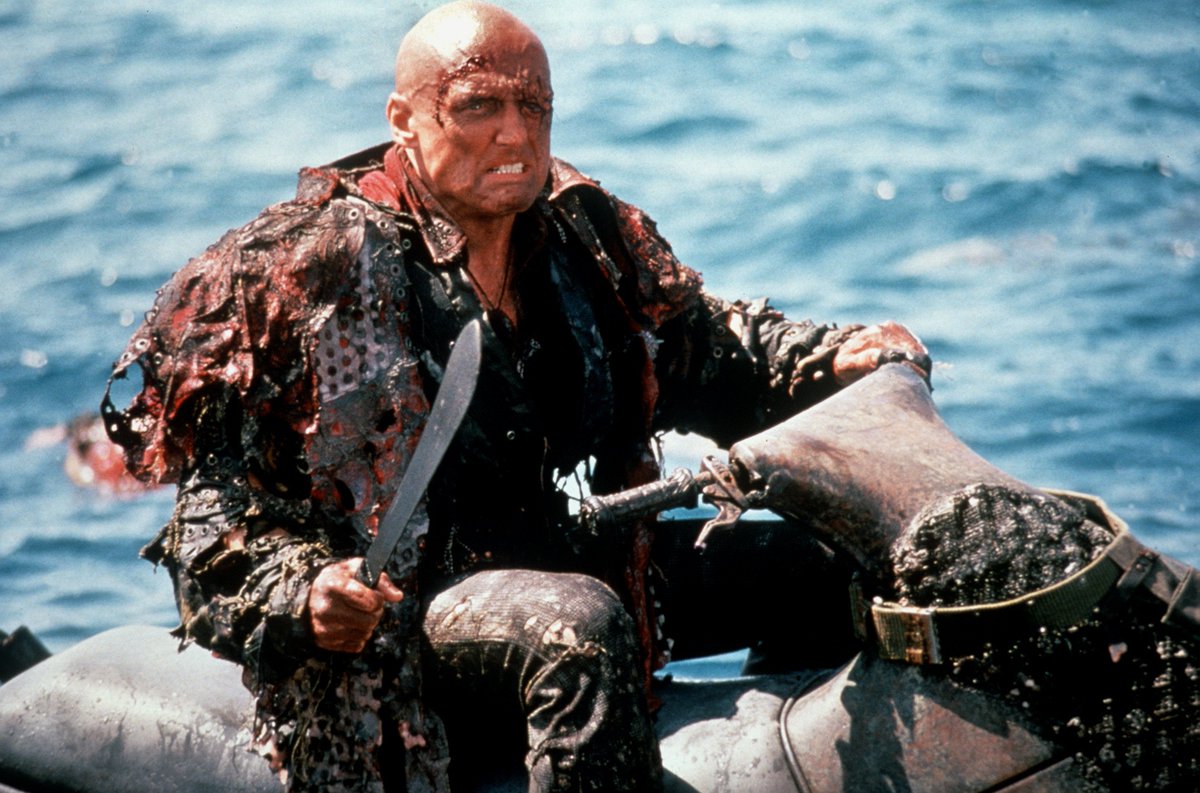
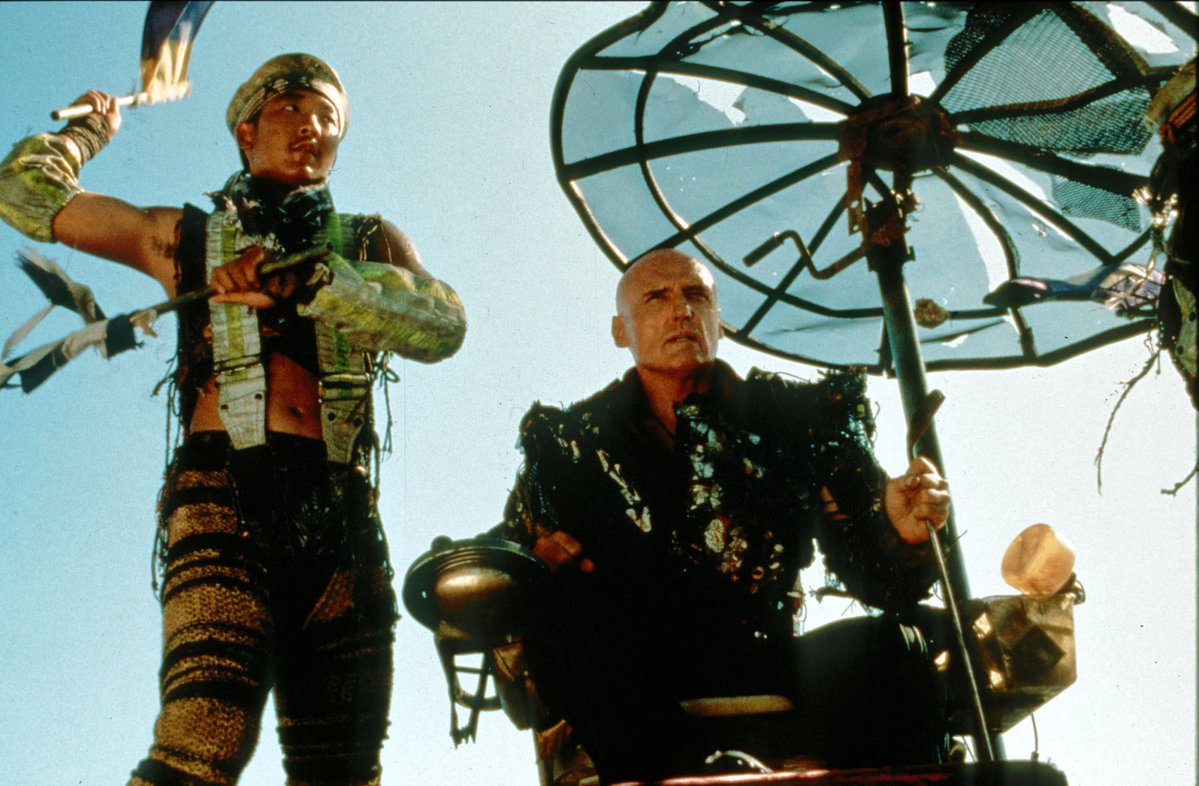
Reynolds and Costner cast Dennis Hopper as Deacon. Hopper later said of the film: “It got a bad name for itself… it was over budget blah blah blah… I enjoyed it.”
11/34
11/34
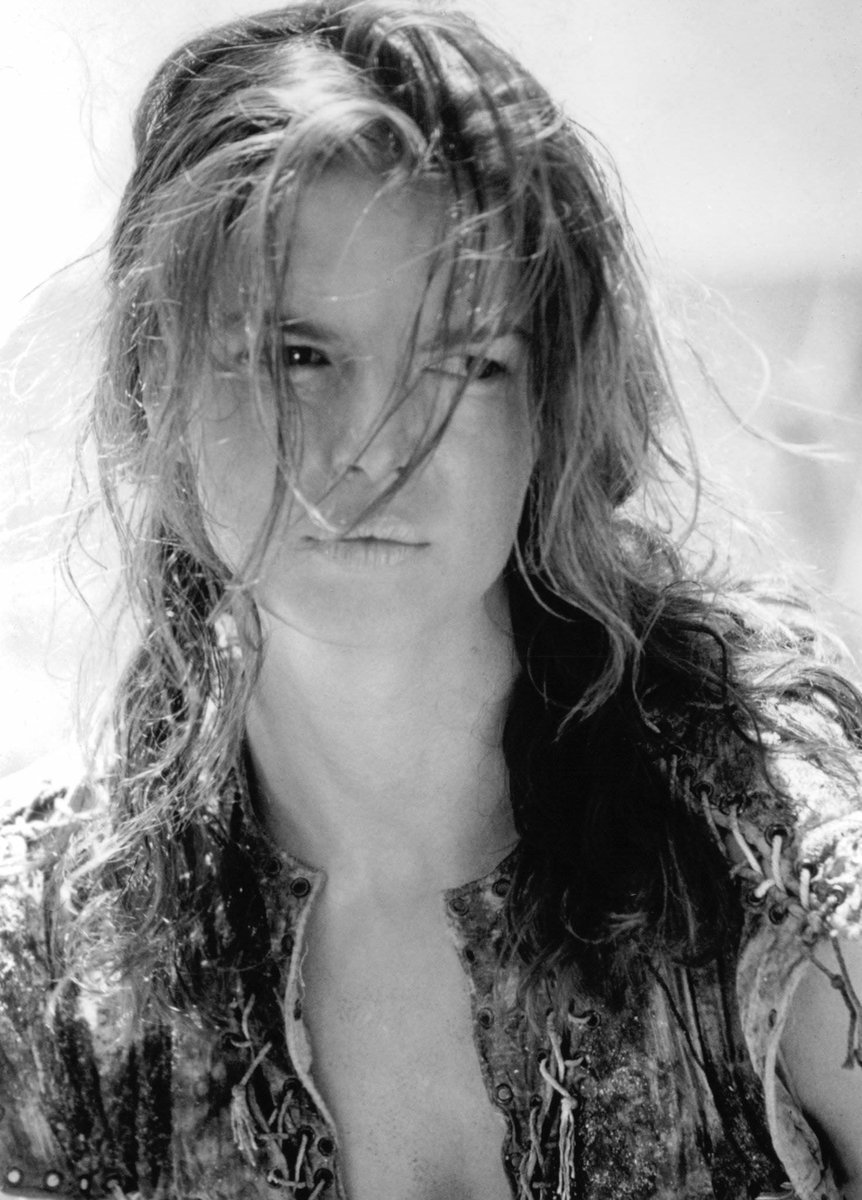
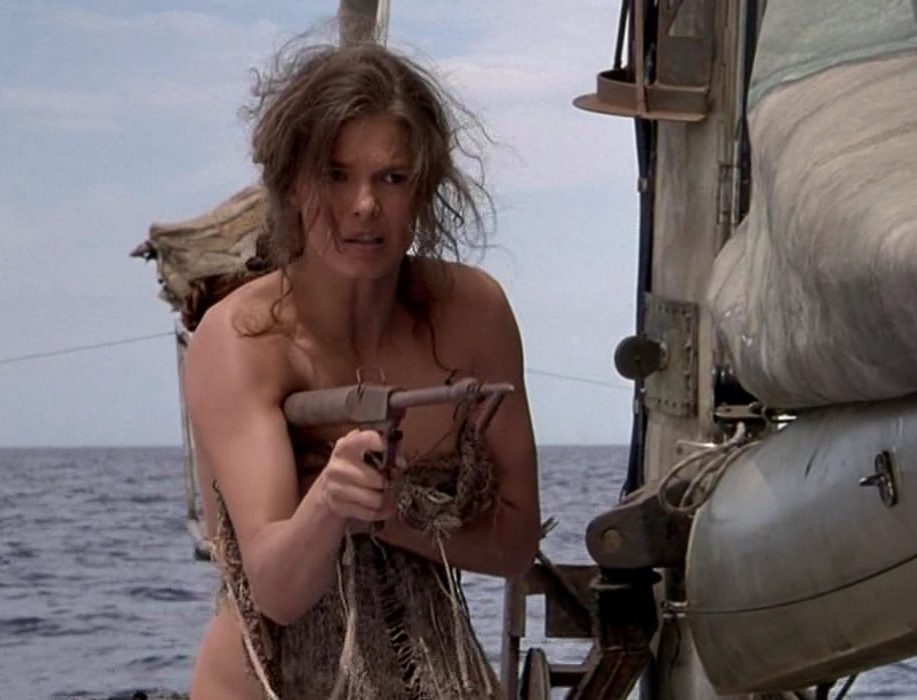
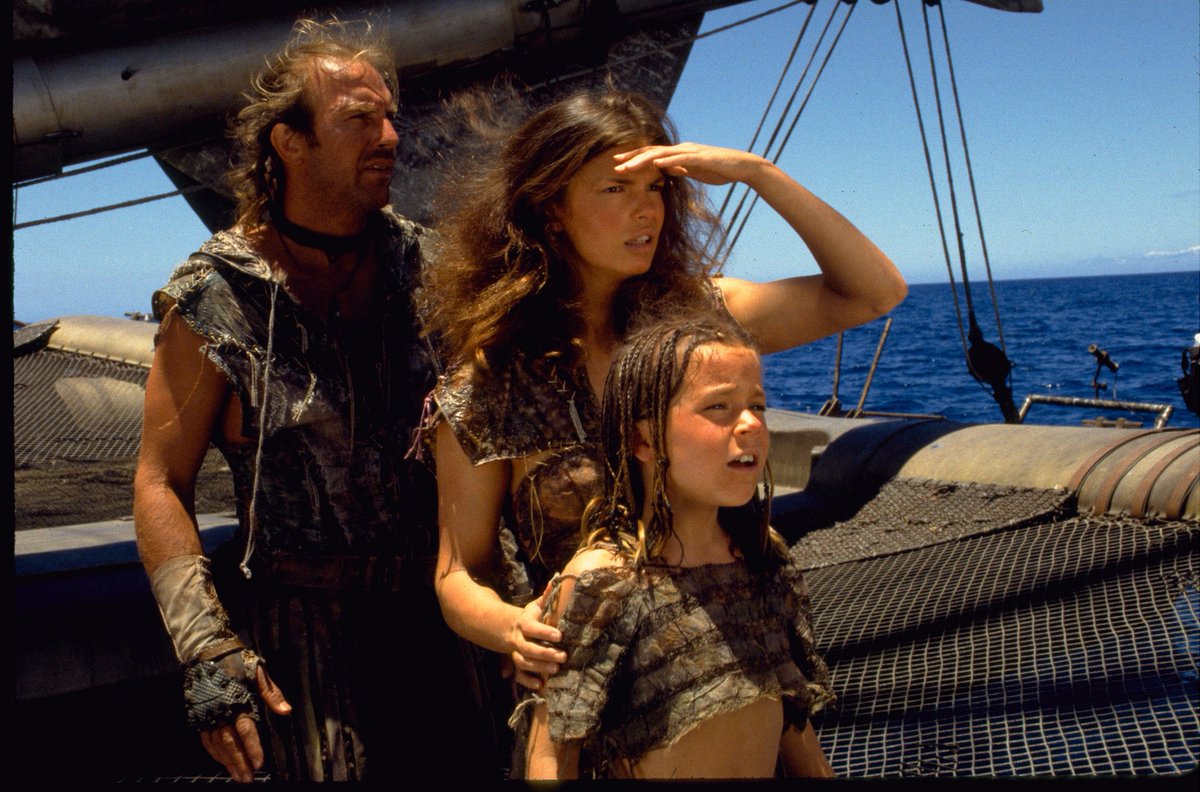
In a nod to The Odyssey, female lead Helen was named after Helen of Troy. Jeanne Tripplehorn accepted the part on condition she got to choose her body double for the naked scene. She auditioned models in her trailer.
12/34
12/34
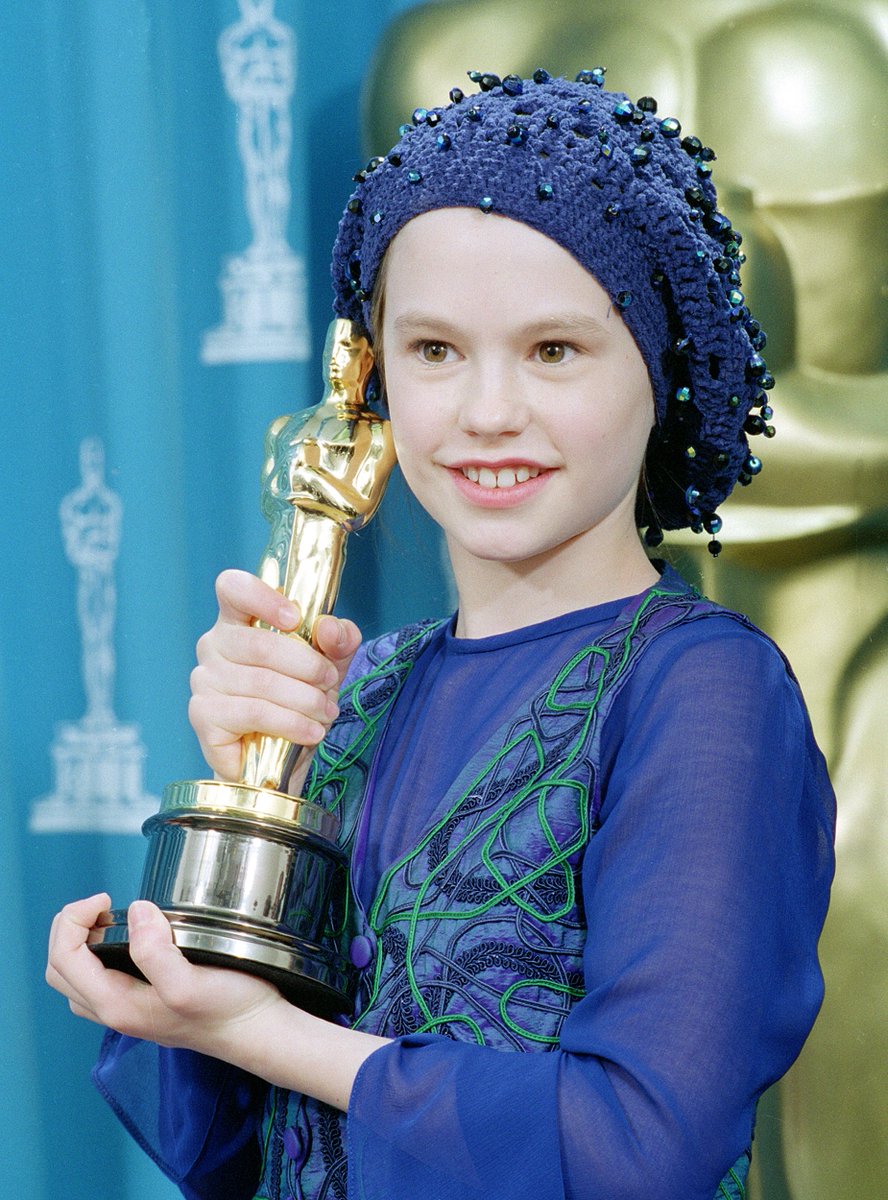
Anna Paquin was first choice to play Enola but had reported scheduling conflicts so Tina Majorino was cast. While shooting the film, Majorino was stung by jellyfish 7 times, leading to Costner nicknaming her ‘JC’, short for Jellyfish Candy.
13/34
13/34
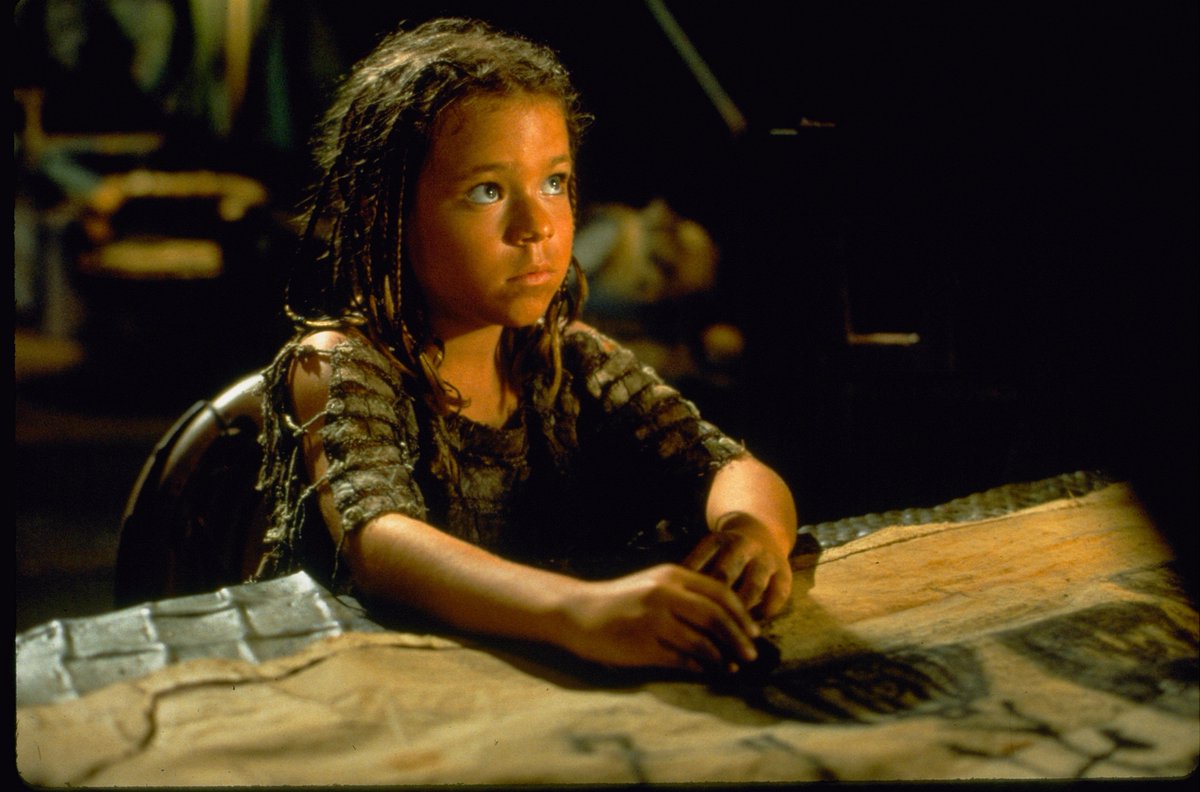
Tripplehorn and Majorino reportedly almost drowned on their first day of filming when the trimaran sank, dragging them with it. Tripplehorn said she wouldn't go near a swimming pool for months after production wrapped.
14/34
14/34
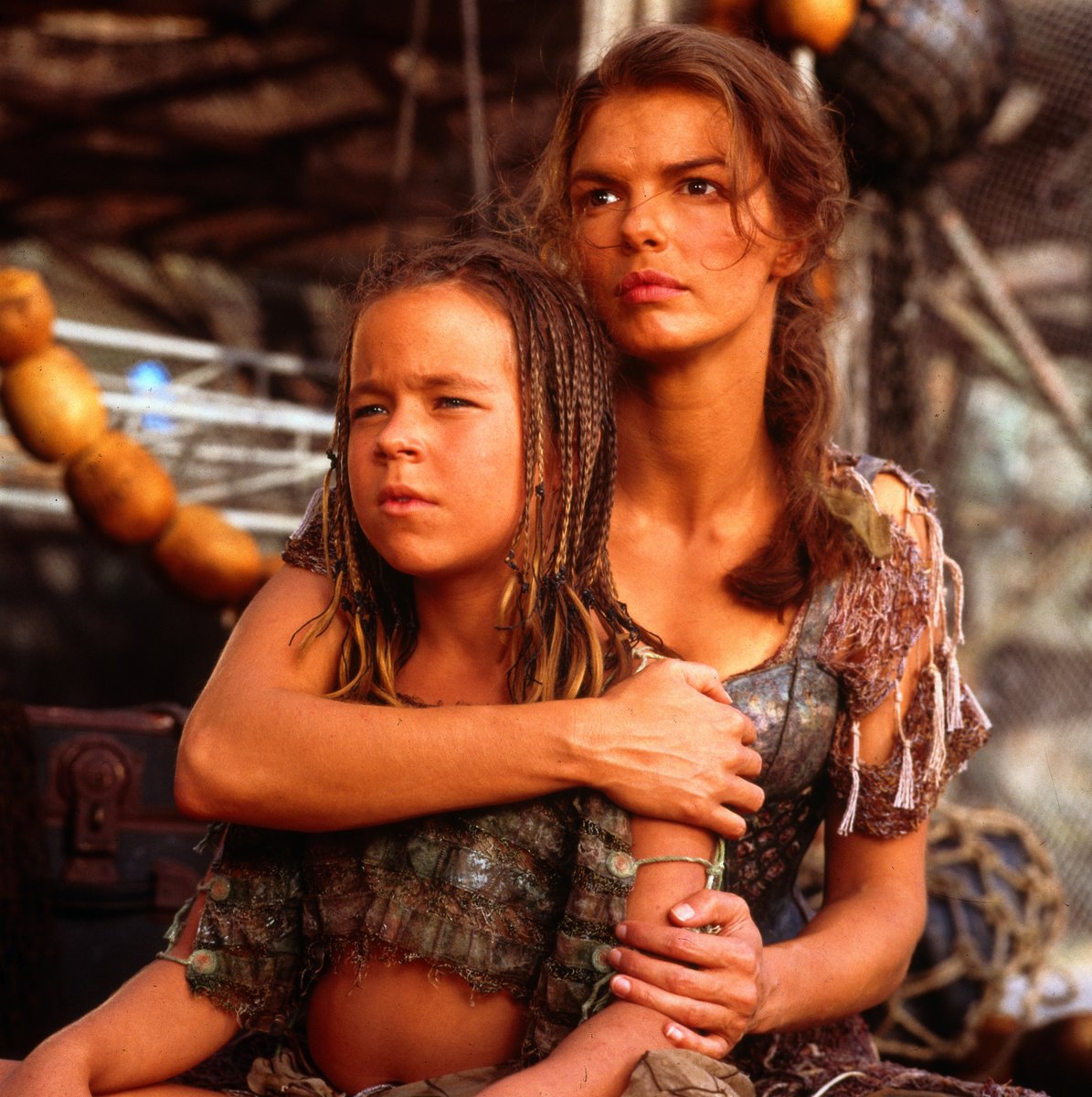

The premise of the film isn’t entirely accurate. If the icecaps melted, the oceans would rise a few hundred feet but not come close to flooding the whole world. The year the film is set isn’t mentioned but production designer Dennis Gassner later suggested it was 2500.
15/34
15/34

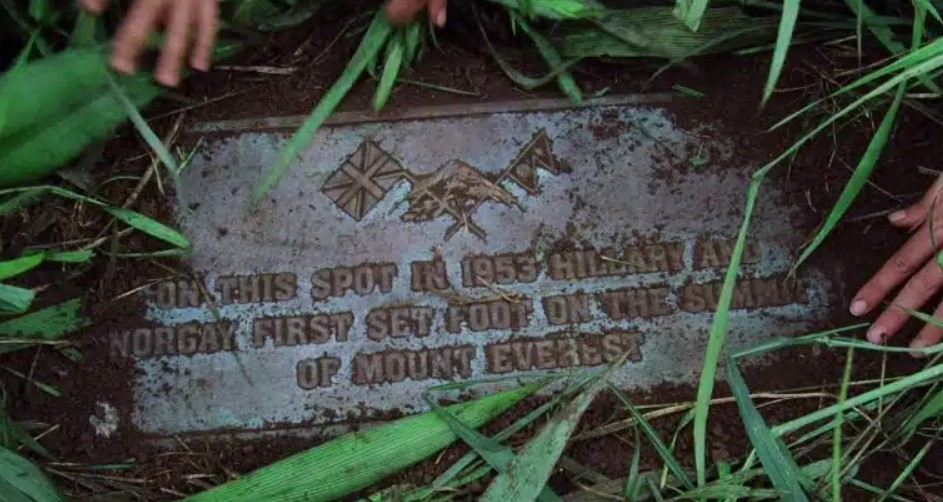
The map tattoo on Enola's back is in Chinese traditional characters. They give almost exact coordinates for Mount Everest. The idea being, that is all that is left of our world. In the original cut, the characters found a plaque on Dryland…
16/34
16/34

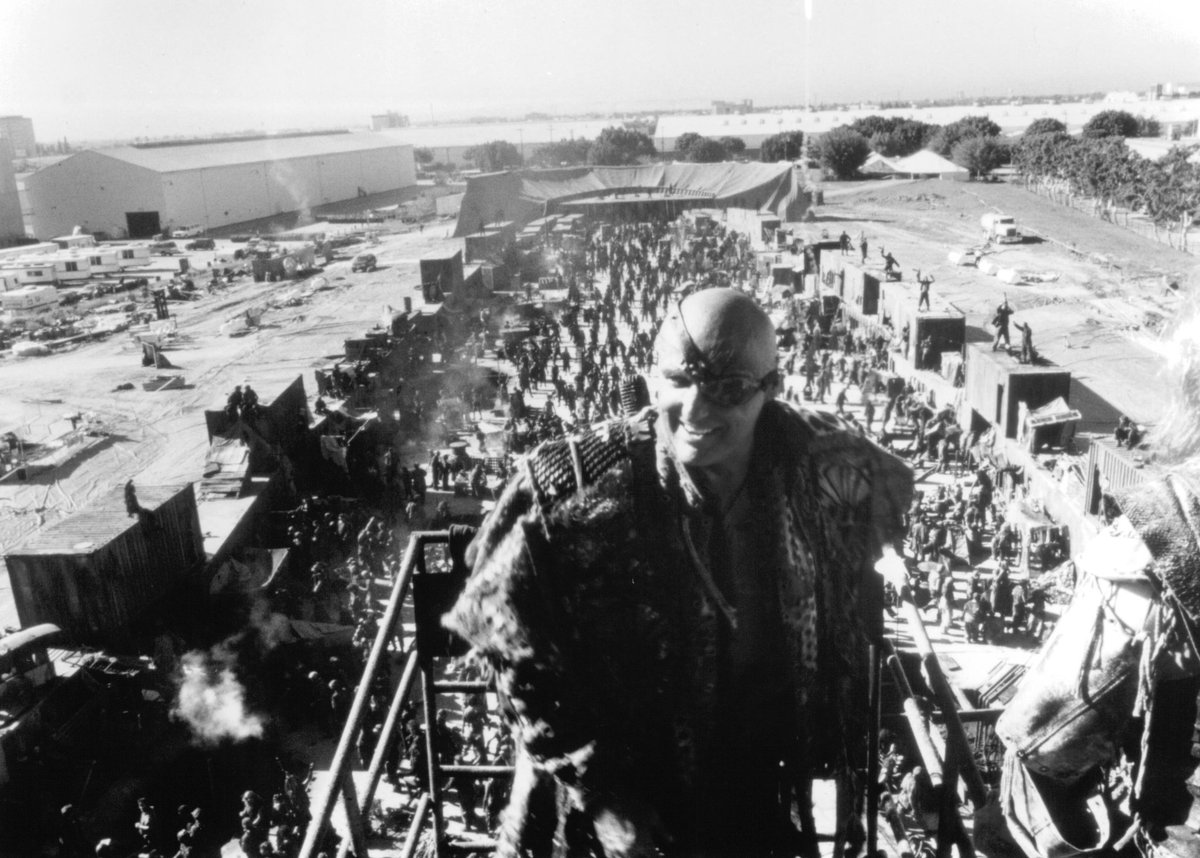
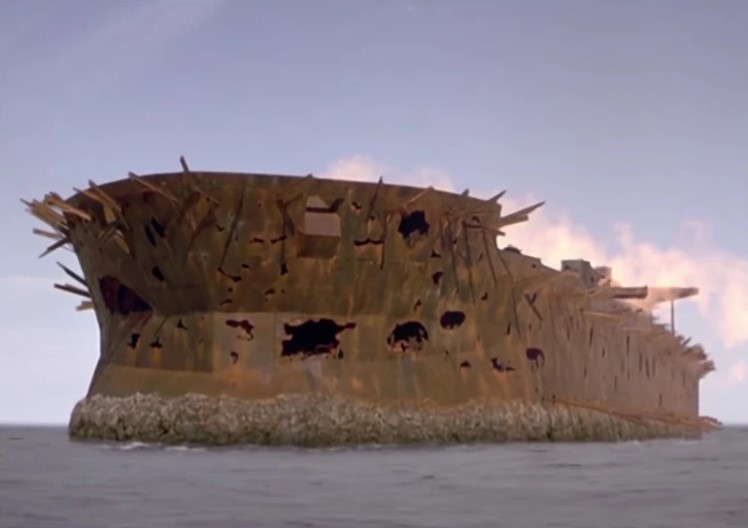
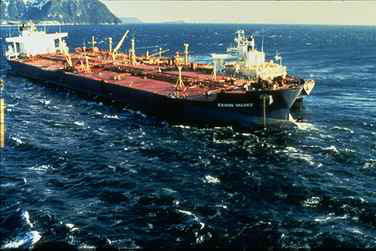
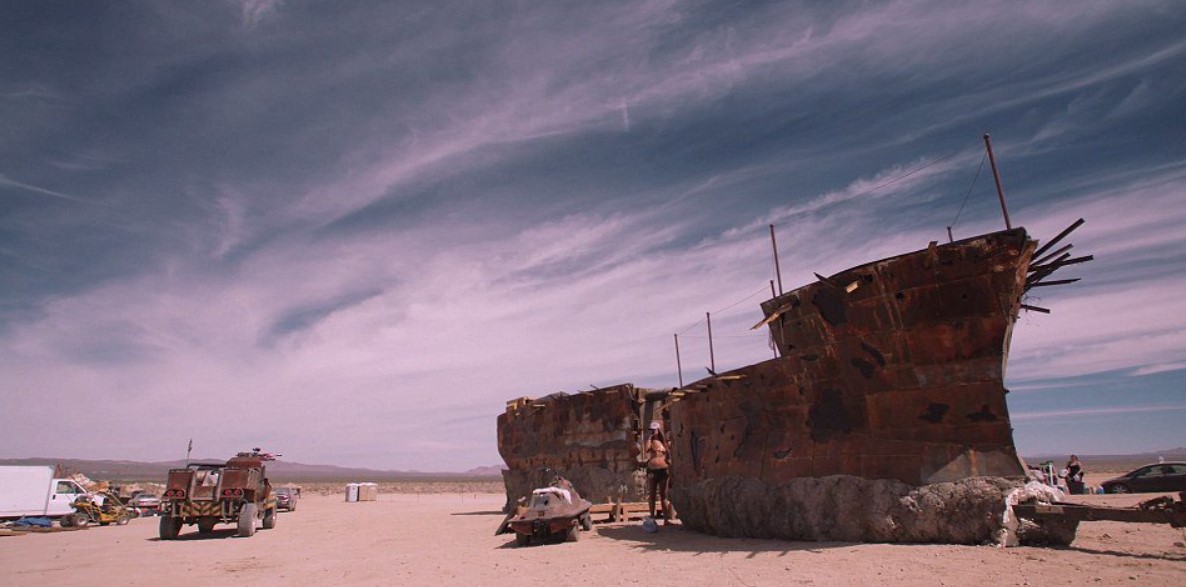
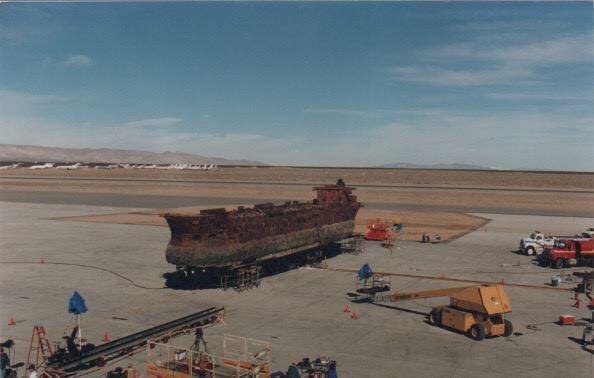
The villains are The Smokers, whose HQ is on oil tanker The Deez, formerly the Exxon Valdez. This was a real tanker, infamous for causing a disastrous oil spill 1989 near Alaska. The ship was constructed at full scale, 112 feet in length, in a scrapyard.
17/34
17/34
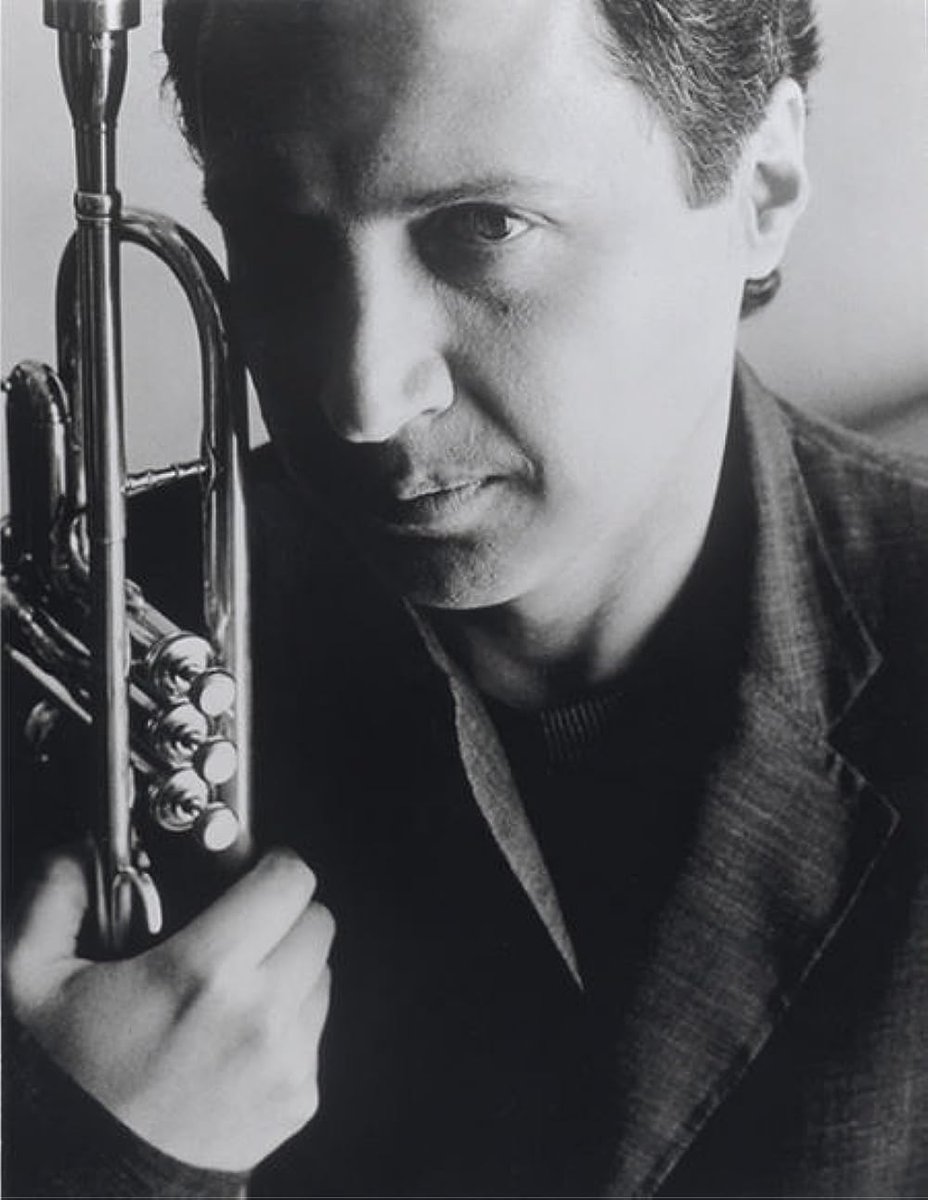
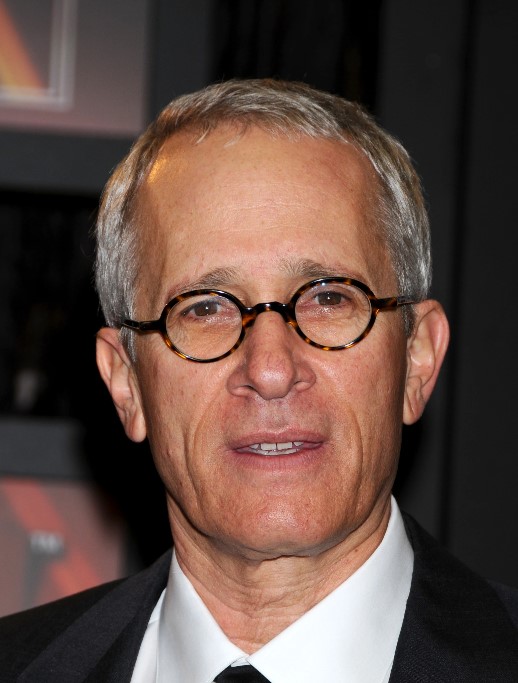
Mark Isham was hired to compose the score. His demos were rejected by Costner for reportedly being "too bleak". Isham was replaced by James Newton Howard who came up with something more swashbuckling and adventurous.
18/34
18/34
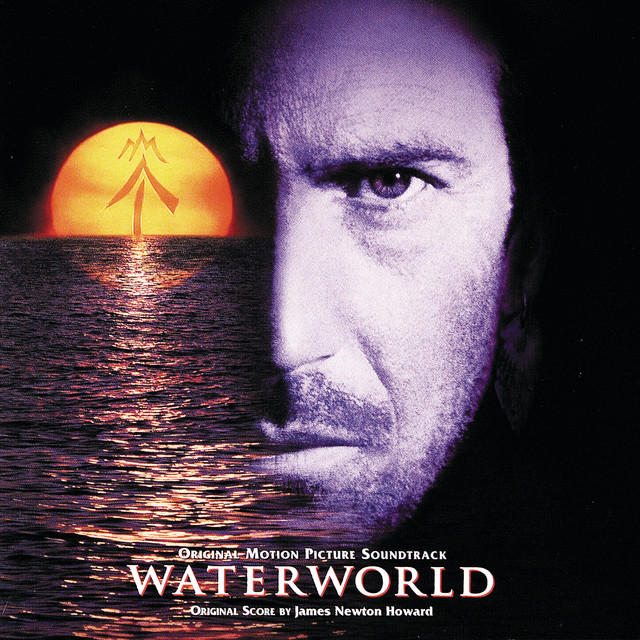
Due to a series of issues, the production quickly grew out of control. Delays, bad weather and productional disasters pushed the budget from its intended $60 million to an estimated $175 million. It broke the record for most expensive film ever by about $55 million.
19/34
19/34
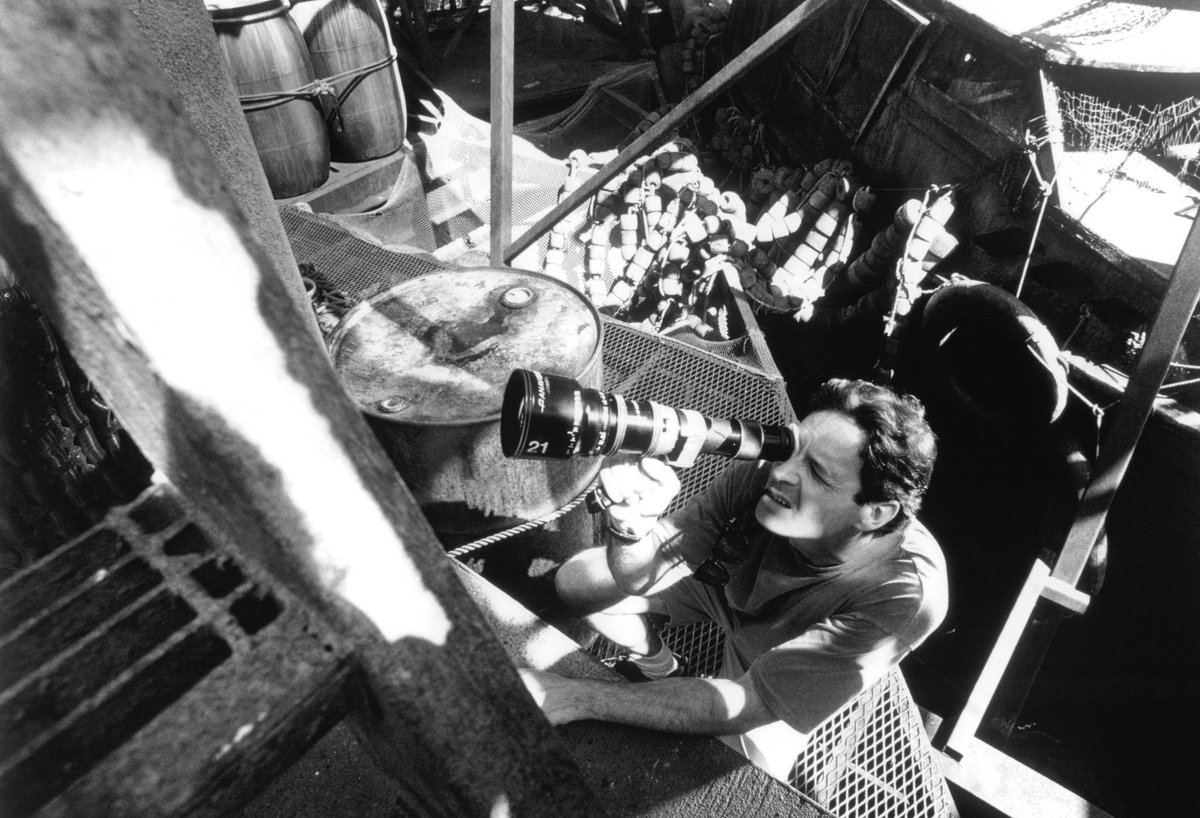
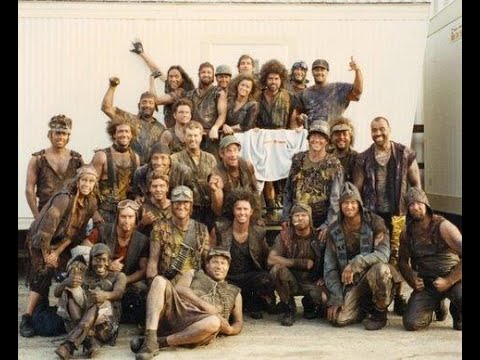
There were numerous injuries on-set: Costner’s stunt double Norman Howell nearly died of an embolism when he surfaced too quickly during a deep dive, and Costner had his own near-death experience when he got caught in a squall while tied to a 40-foot boat mast.
20/34
20/34
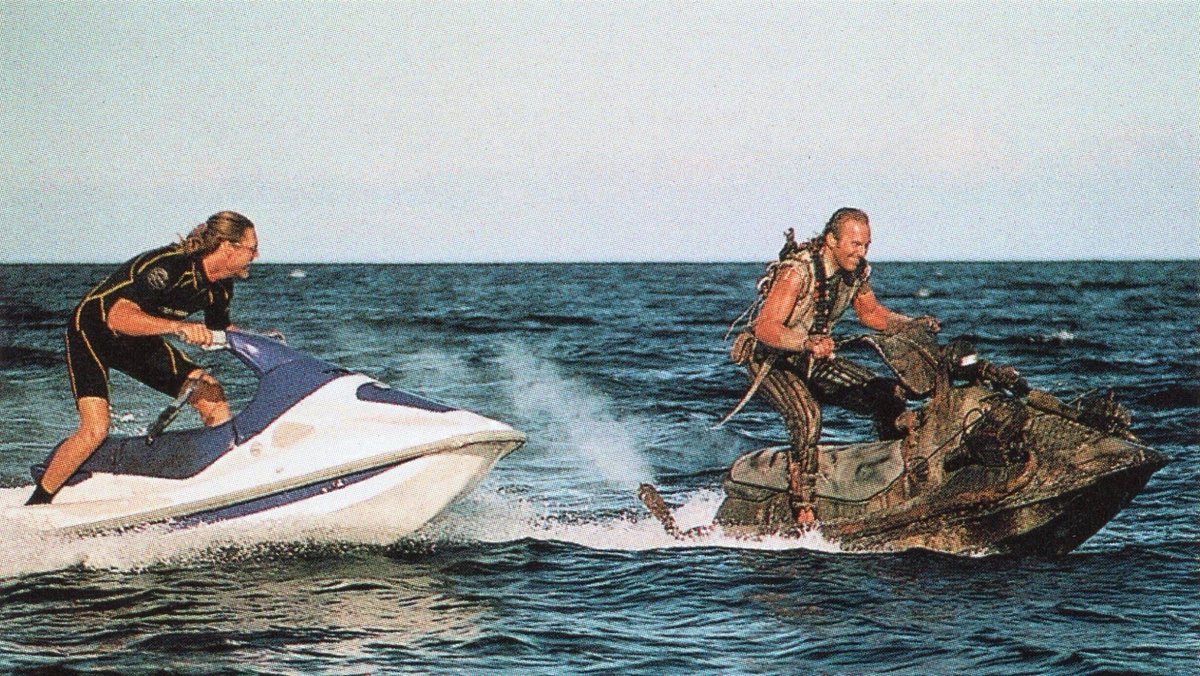

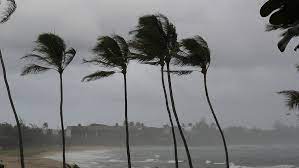
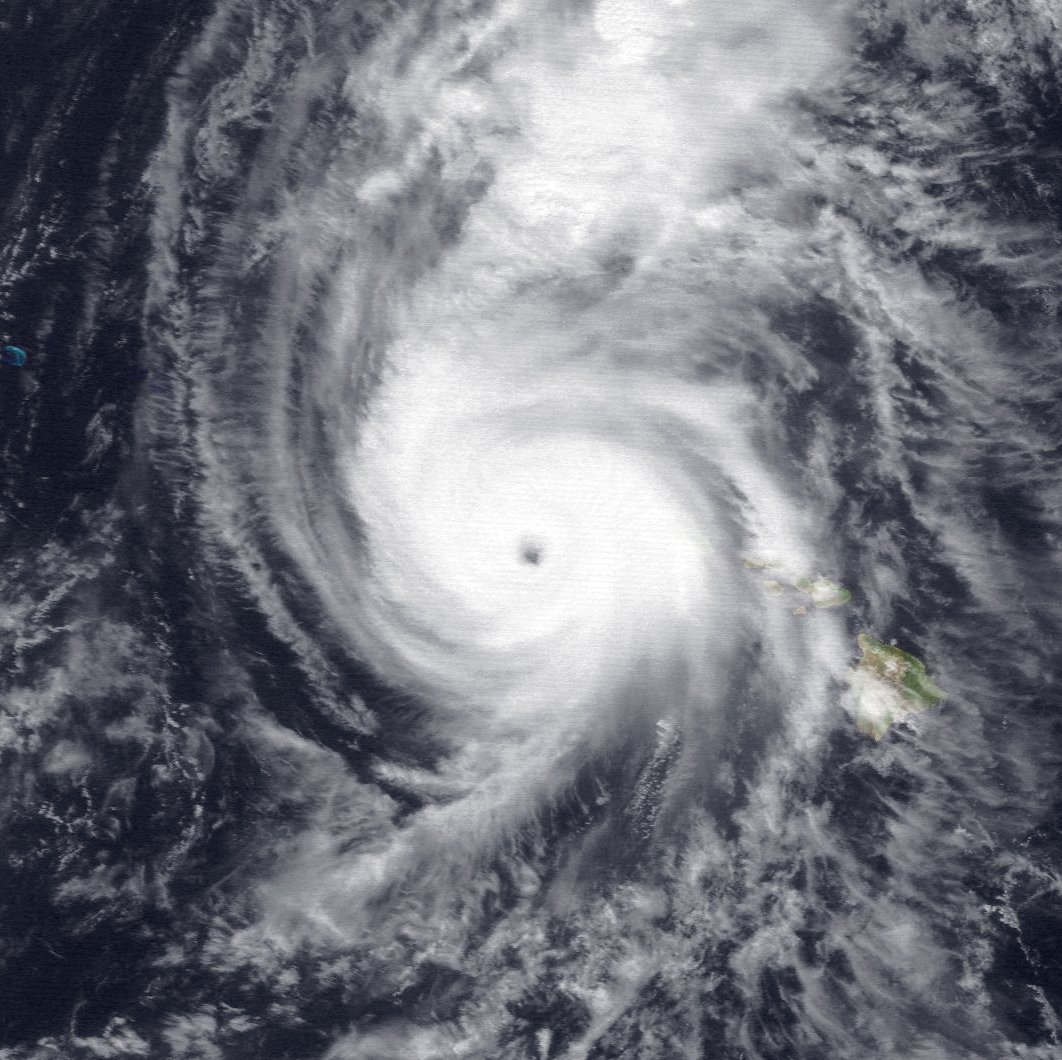
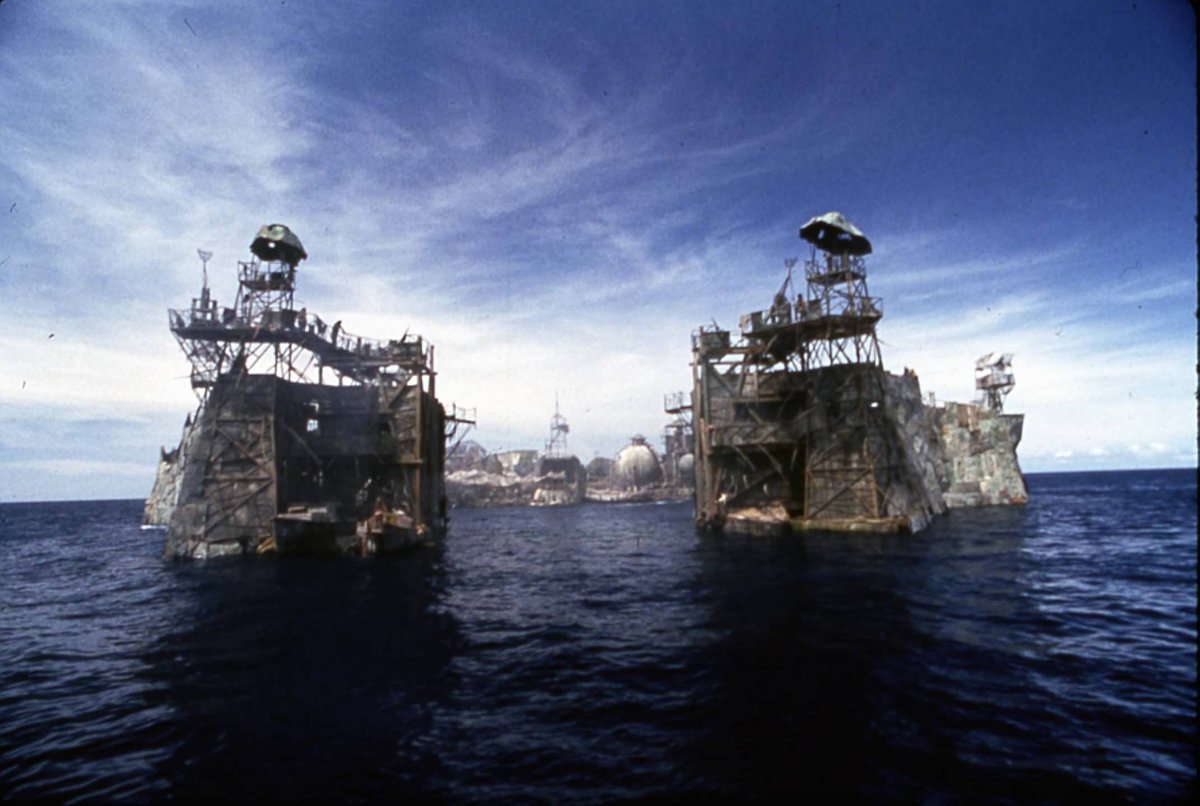
The huge floating atoll set was built 2 miles off the coast of Hawaii. It was 1000 tonnes, a quarter mile in length, and cost $22m. Because of delays, production went on into hurricane season and a hurricane sank atoll set, and another had to be built.
21/34
21/34
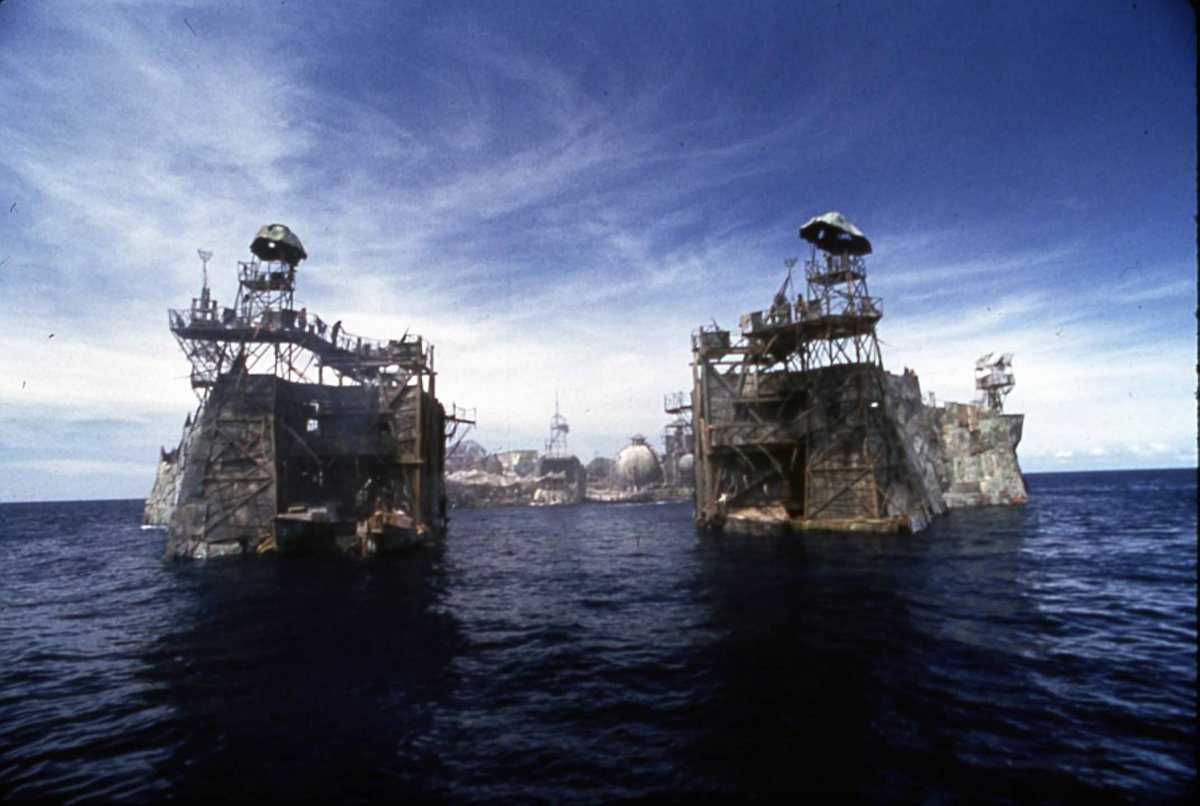
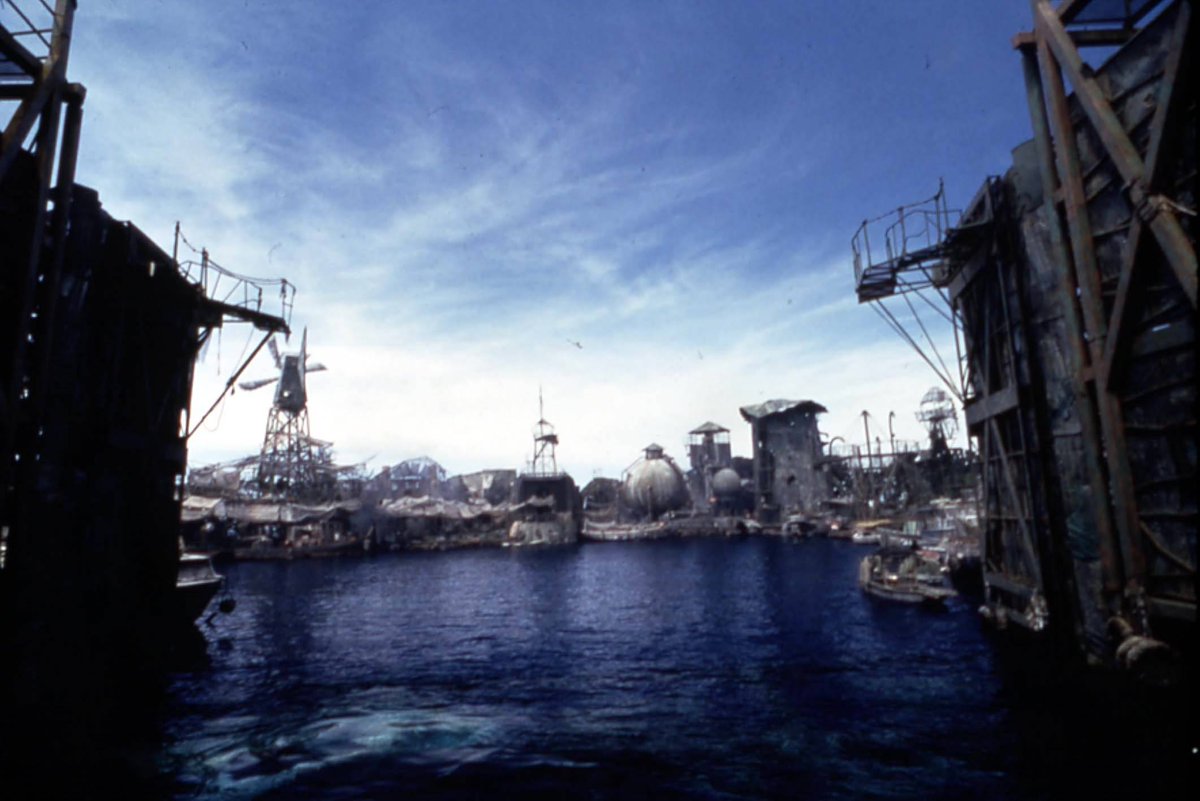
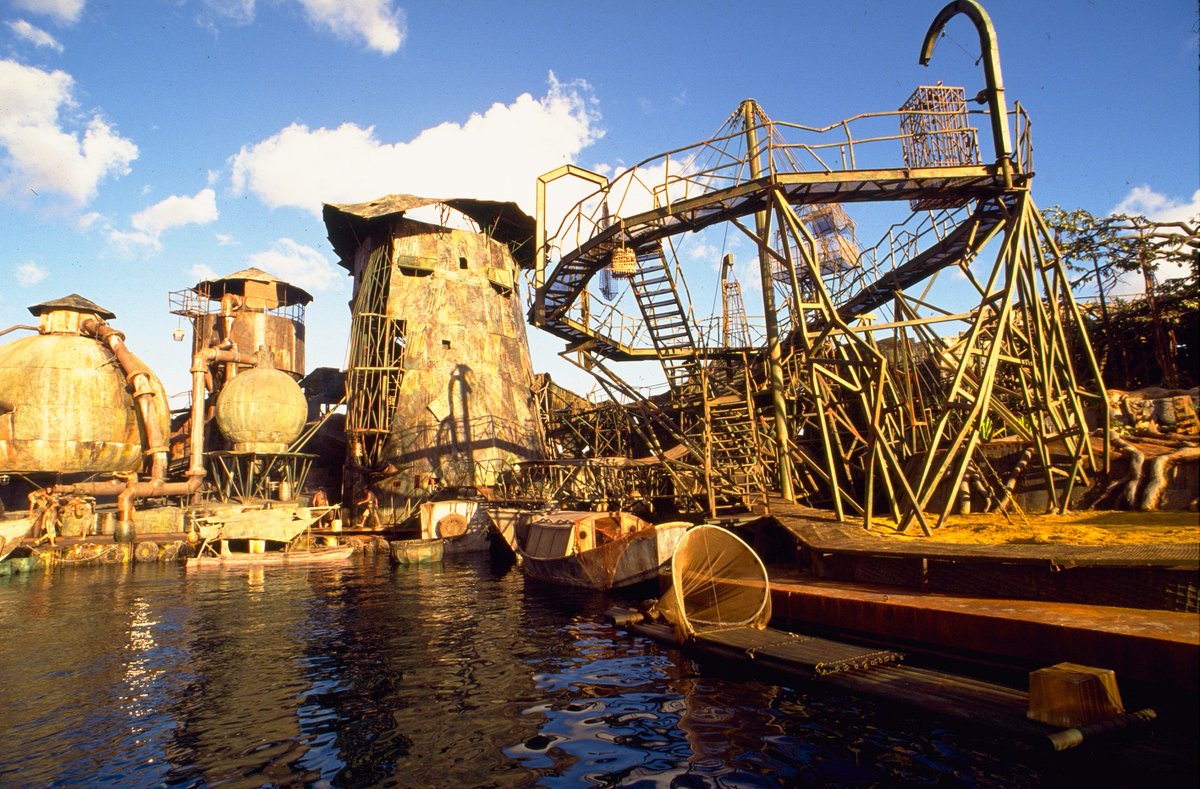
Filming on water came with unforeseen problems. For scenes taking place on open water, it took hours to get the set into position. Due to weather, filming had to be stopped at about 4pm and the crew’s boats did not have toilets, so frequent trips to shore were required.
22/34
22/34
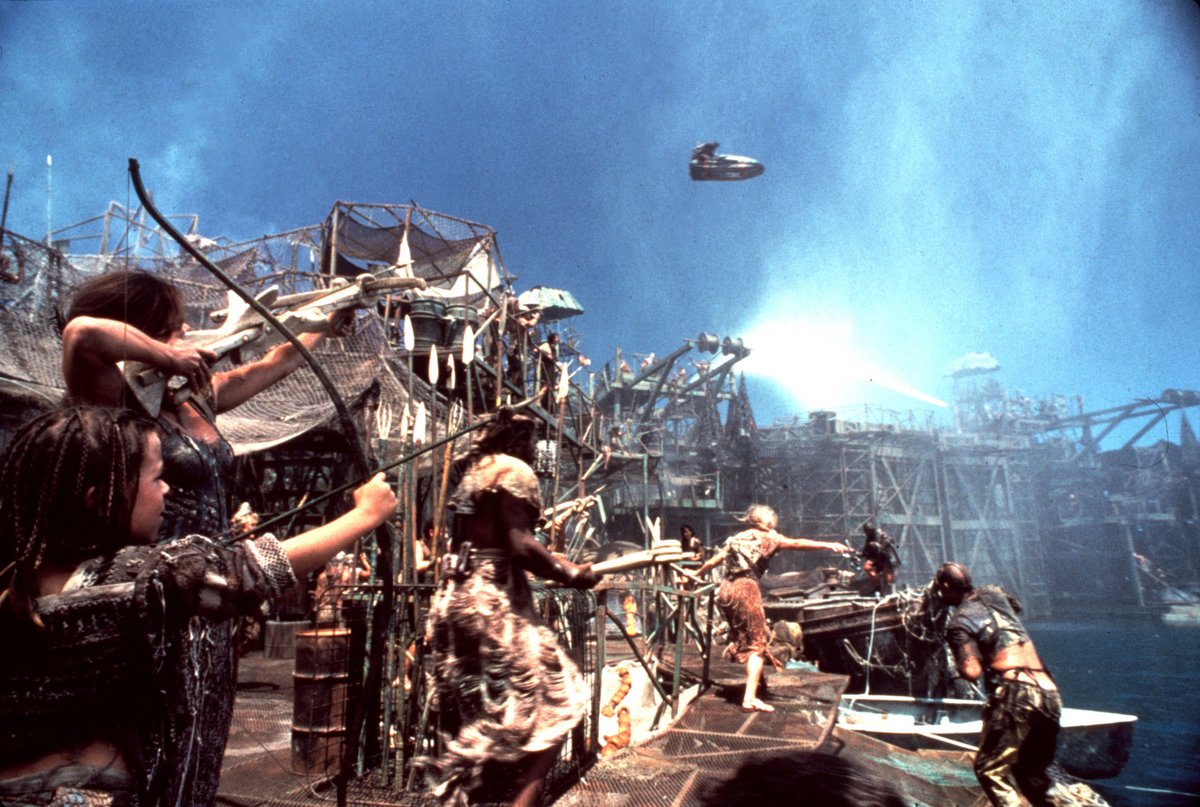
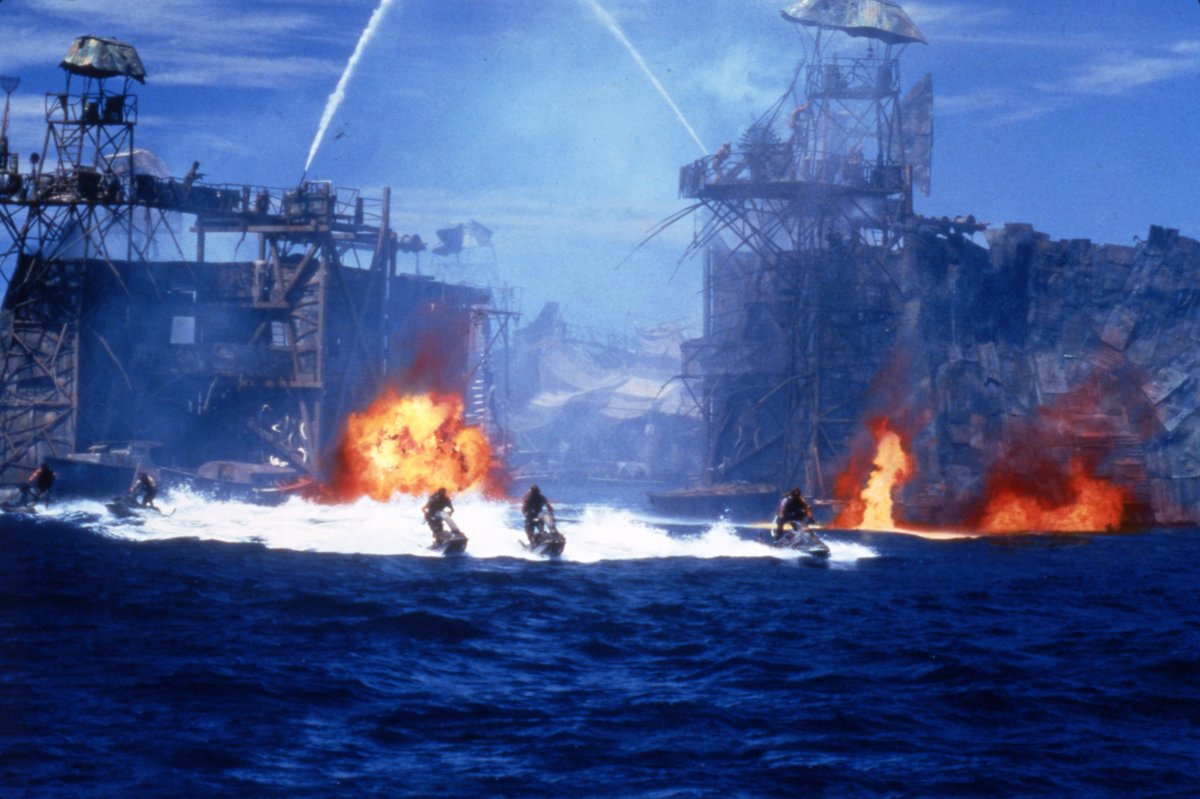
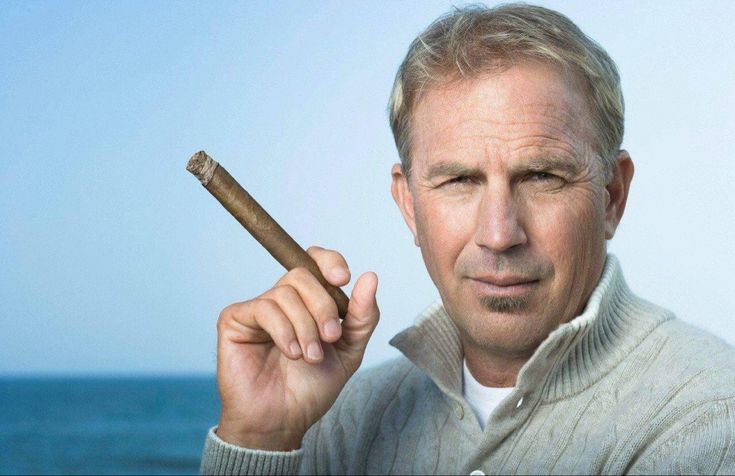
Costner wasn’t cheap either. His salary was reportedly $13m. He stayed in a luxurious ocean view villa at that cost $4500 a night. (The production ran for 157 days). Apparently, there was some resentment towards Costner from the crew, who had basic accommodation.
23/34
23/34
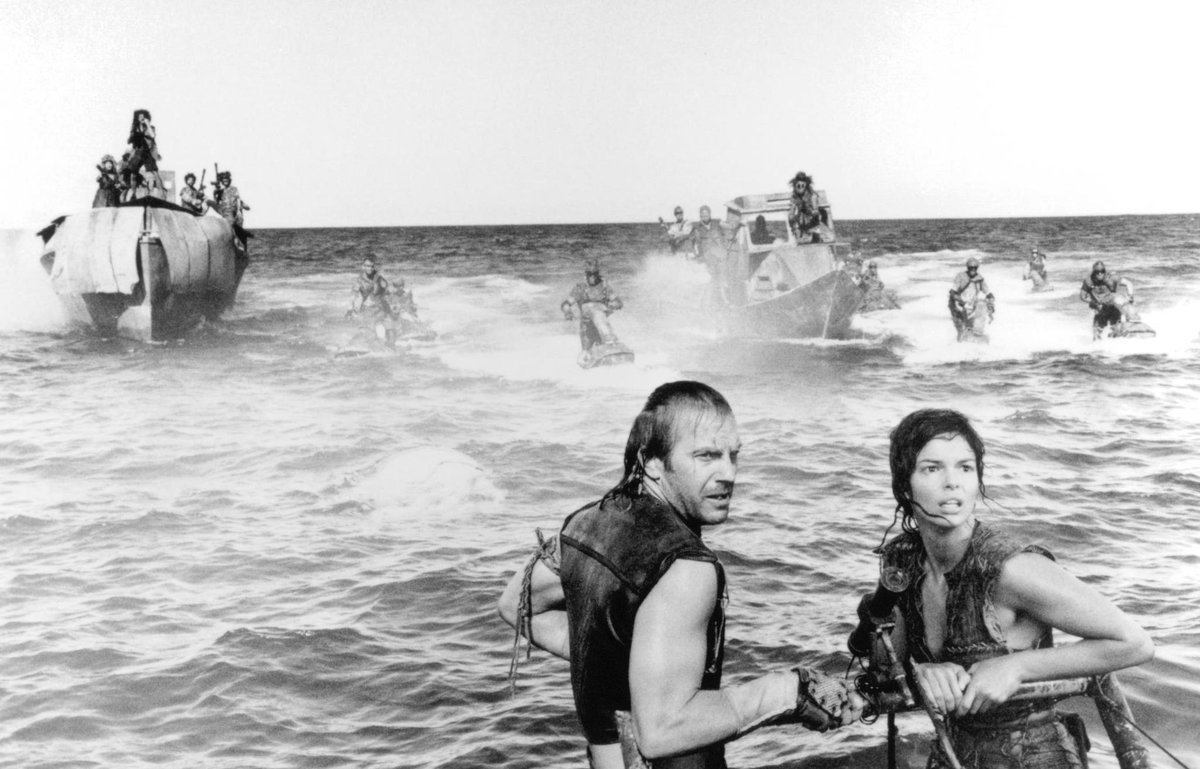
Shooting so much at sea led to the cast and crew becoming seasick a lot. On-set medics reported 40 to 50 people coming through their doors eery day. They found ginger snap biscuits combated the sickness, so huge quantities were shipped in.
24/34
24/34

Kevin Reynolds and Jeanne Tripplehorn were two of those who suffered worst with seasickness. Tripplehorn later said “I threw up, but not in front of anybody.”
25/34
25/34
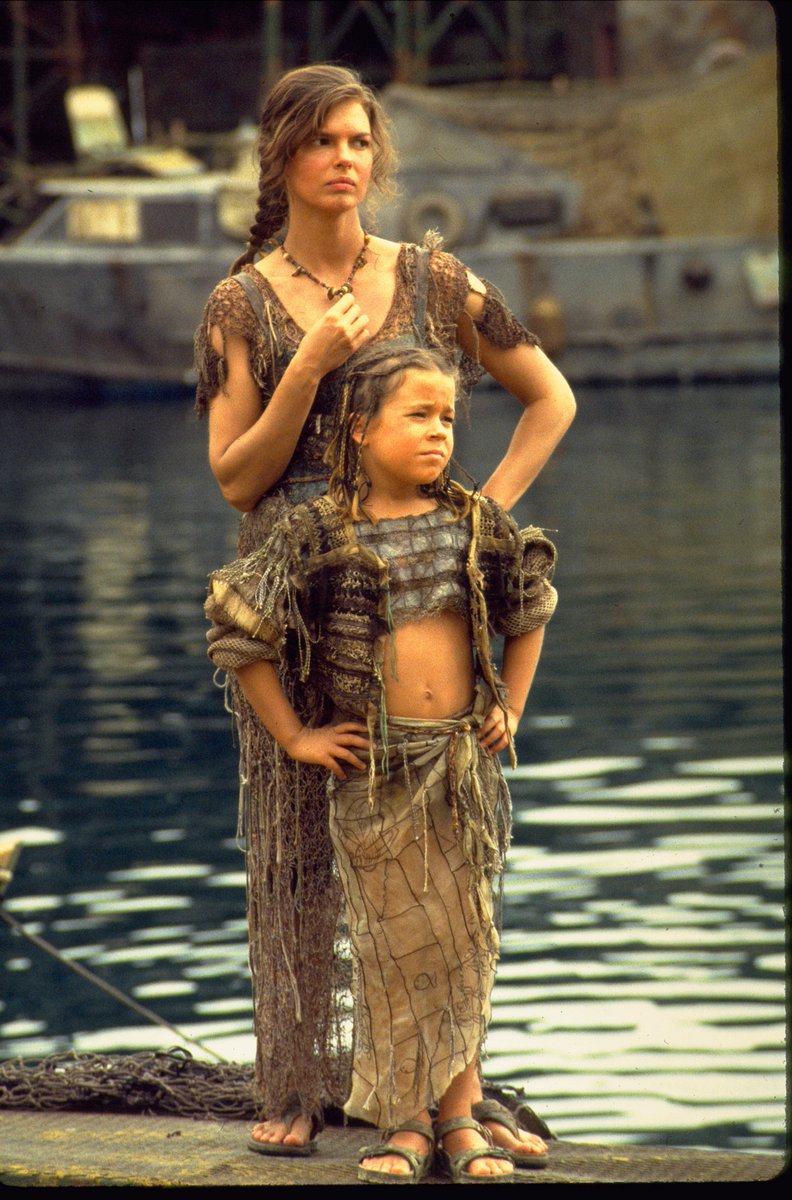
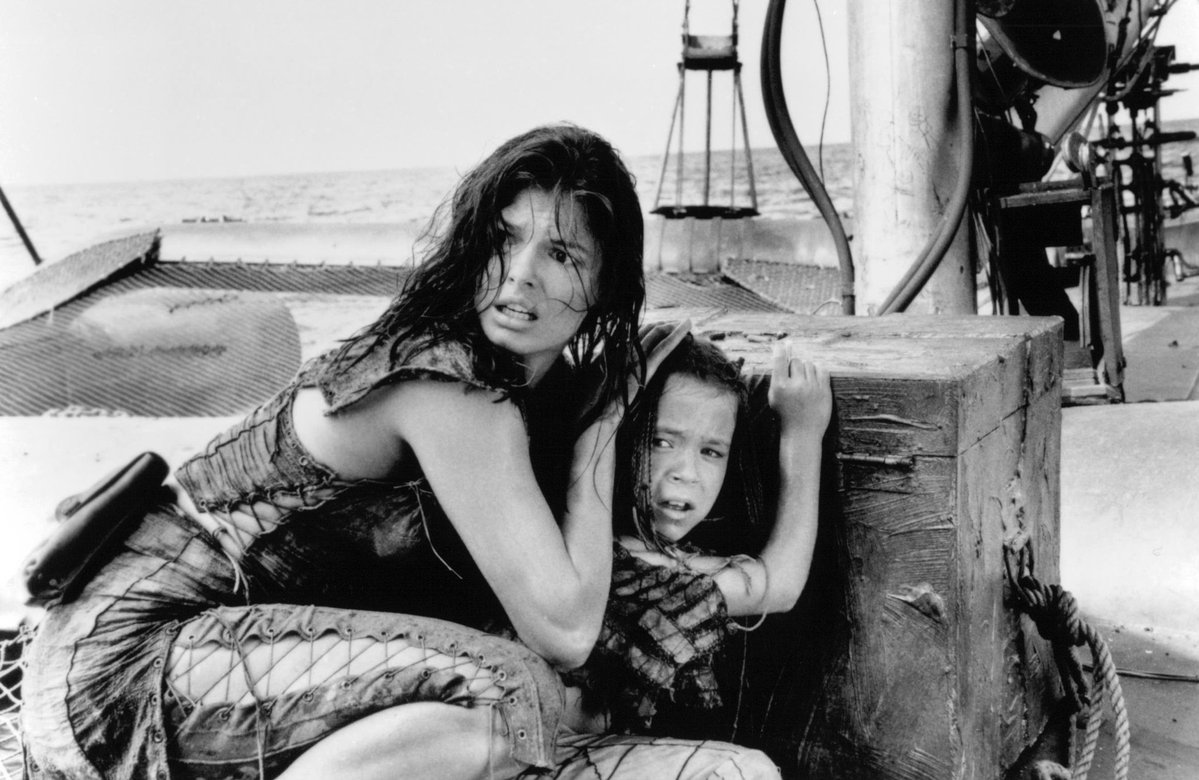
The studio had decided to save on cost by forgoing research into the Hawaiian weather at the time of the shoot. As such, they didn’t know the area was subject to 45 mph winds and rain, which constantly blew the set out of position and ruined shot after shot.
26/34
26/34
The film’s location manager Ginger Peterson said local workers (caterers, construction companies etc) ramped up their fees as they knew the production had no option but to use them. It was estimated that Waterworld added over $35m to the Hawaiian economy.
27/34
27/34
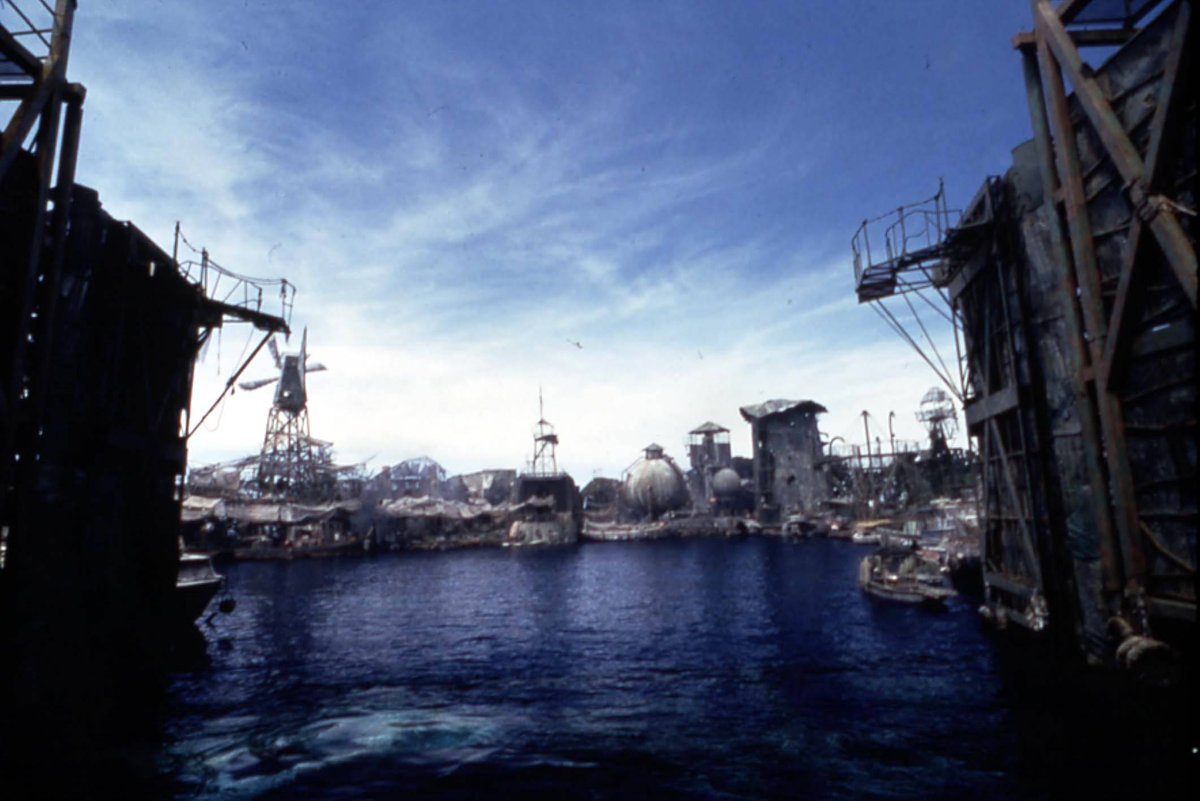
The stress and delays took their toll. Reynolds and Costner reportedly had a big falling out, and Reynolds left the project 3 months from the end. Reynolds said "Kevin should only star in movies he directs. Then he can work with his favorite actor and director".
28/34
28/34
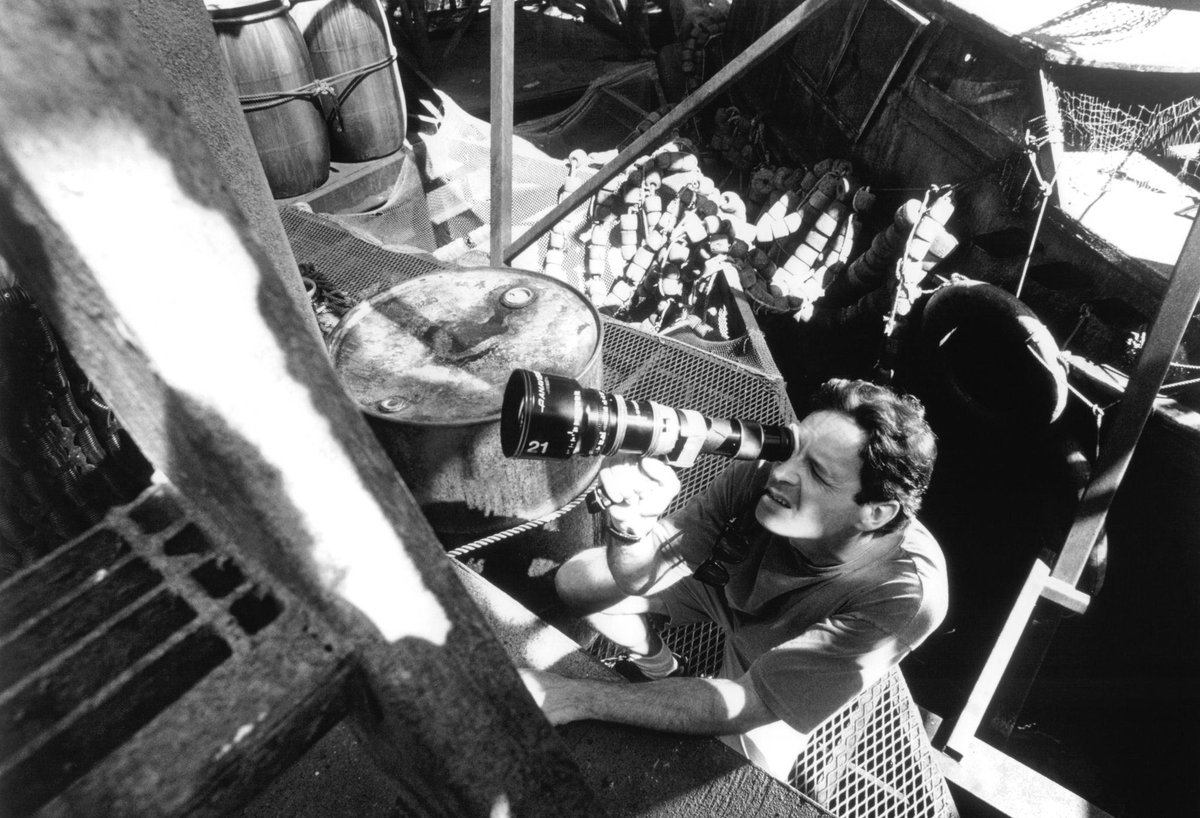
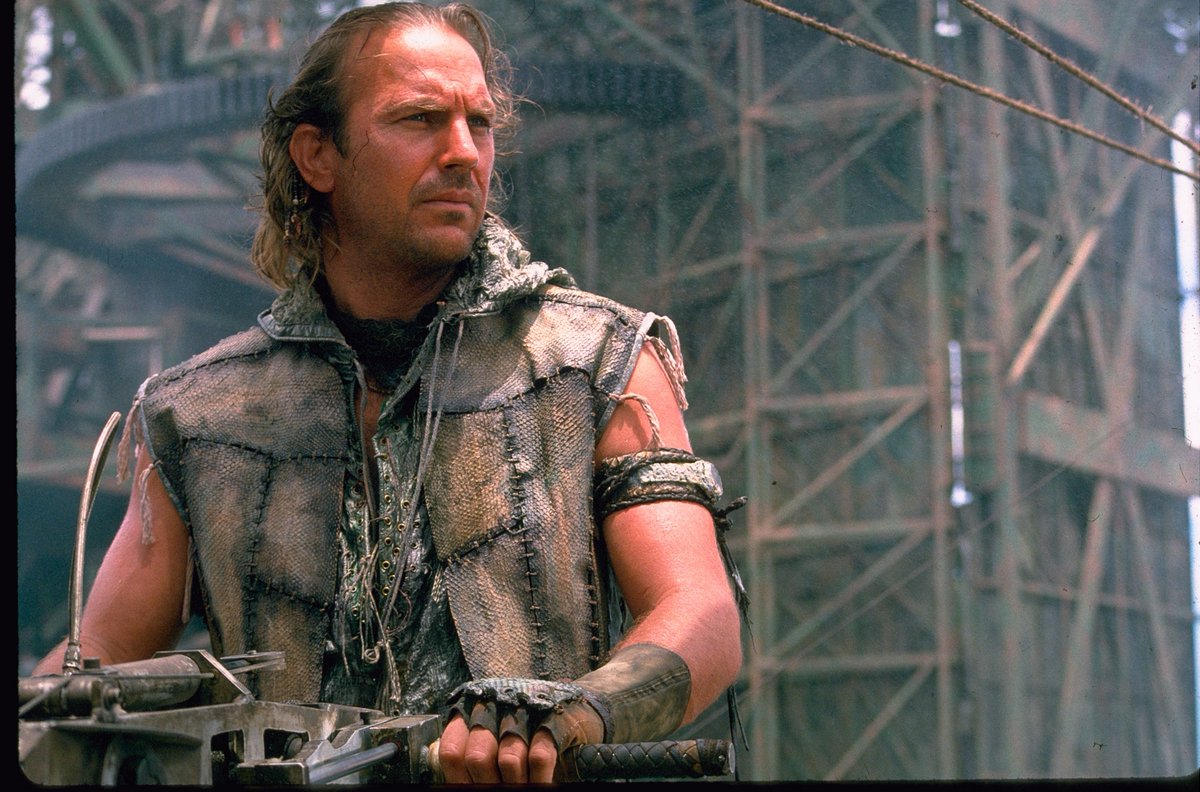
Joss Whedon was flown out to do last minute rewrites. He was meant to be there 1 week and called it "7 weeks of hell", saying he did little more than take notes from Costner: "I wrote a few puns, and a few scenes I can't sit through because they came out so bad."
29/34
29/34
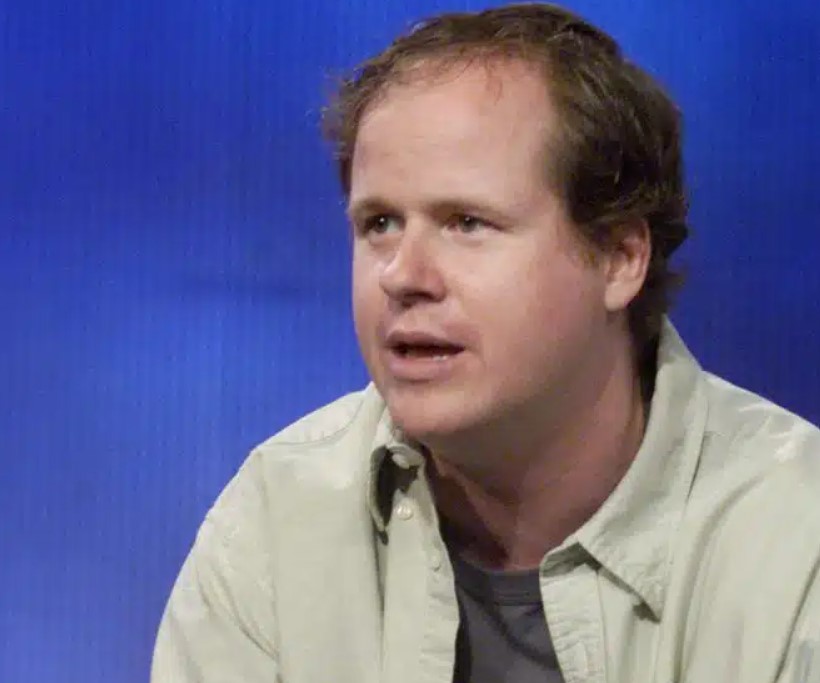
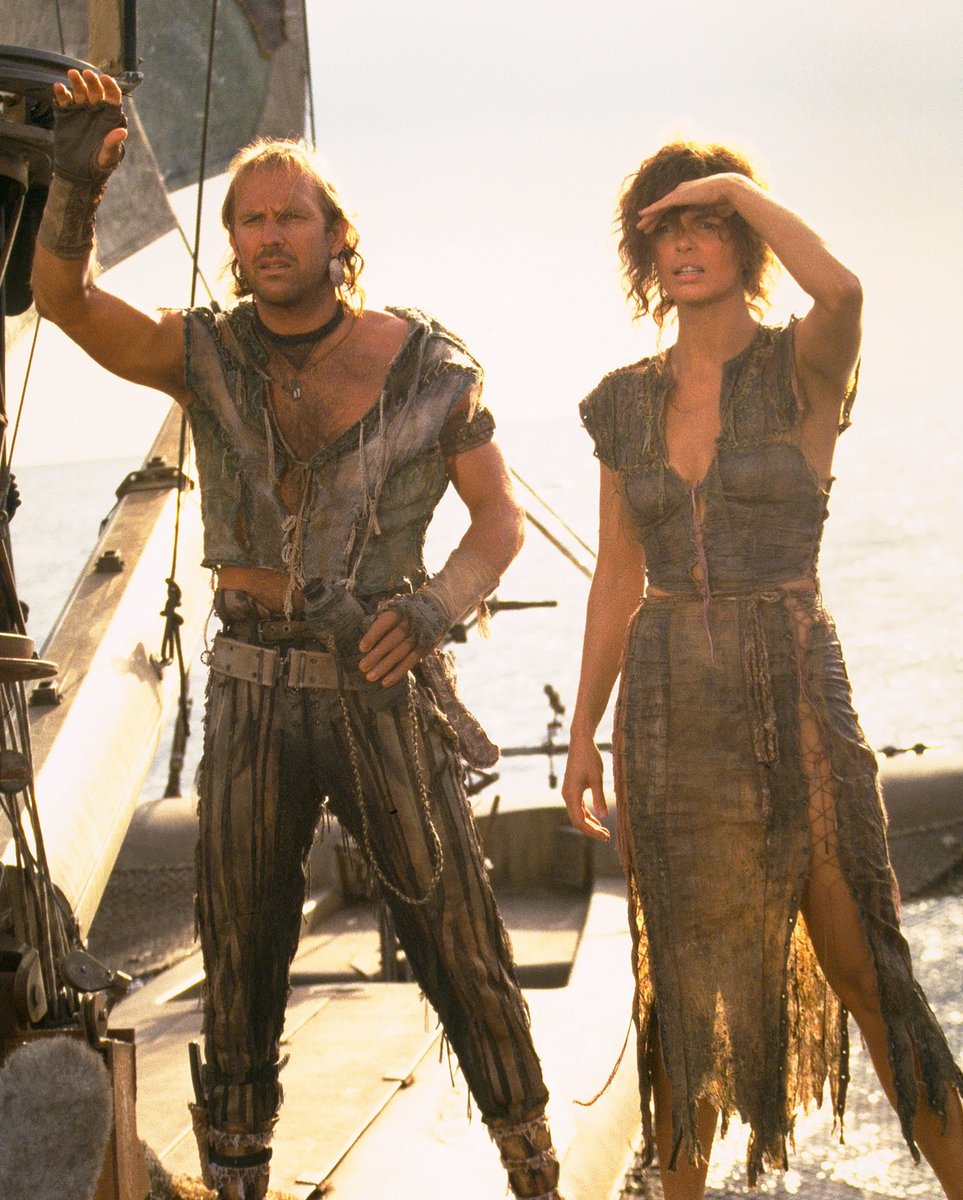
The film was reportedly over budget before shooting even started. When the press reported this, they were banned from the set, leading to more negative press. Charles Gordon estimated the bad press have cost the film about $50m at the box office.
30/34
30/34

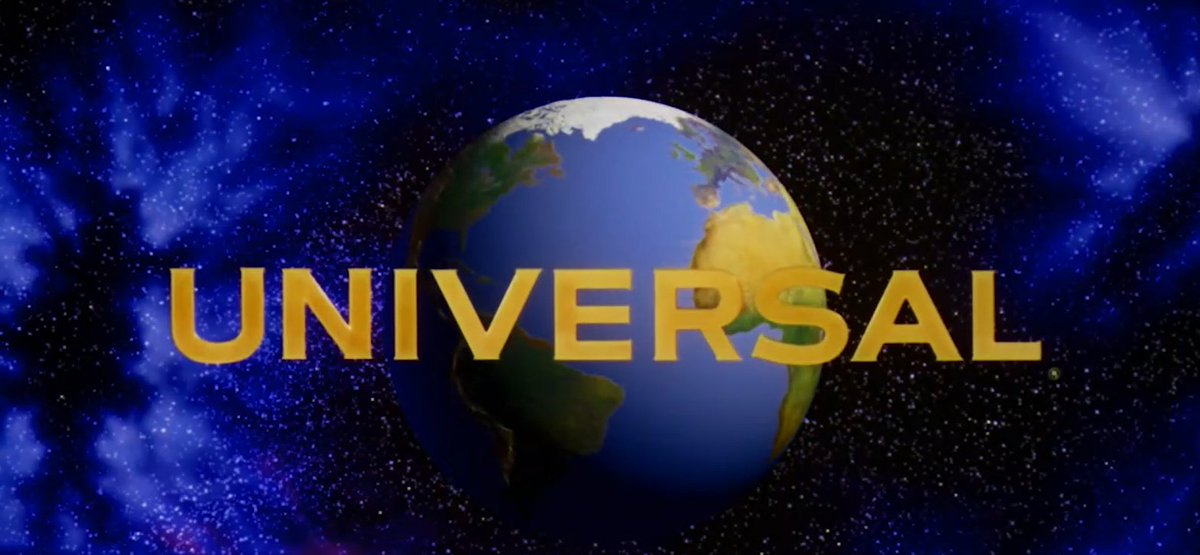
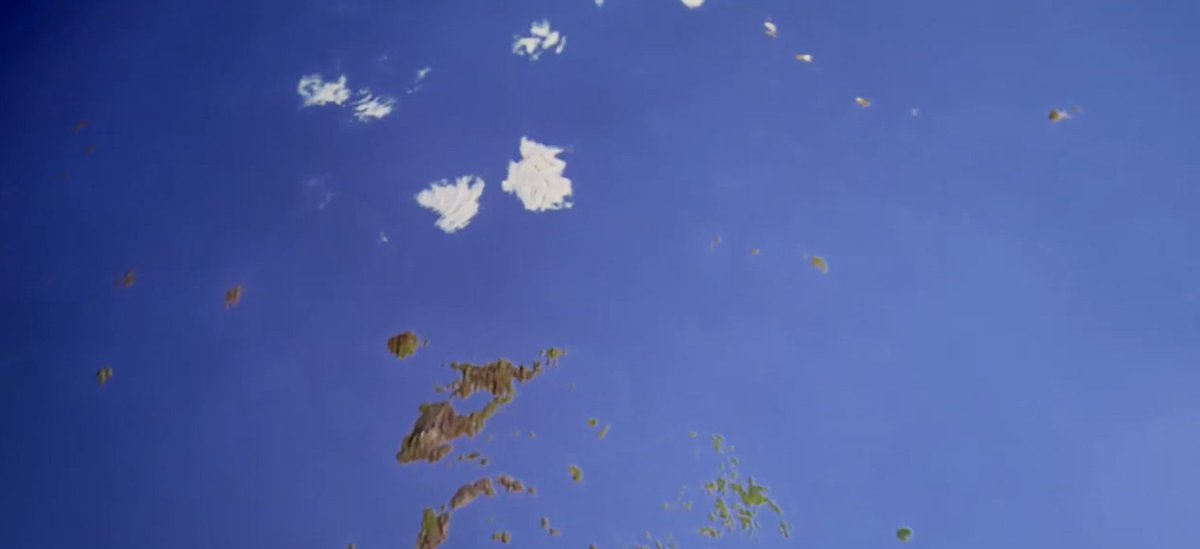
The Universal Studios logo was revamped for the intro. The continents fade away until there is nothing left but water.
31/34
31/34

Costner did the bungee jump for real on the set, although a stunt double was used as a stand-in for Tina Majorino. The footage was later combined with the explosion in the background.
32/34
32/34
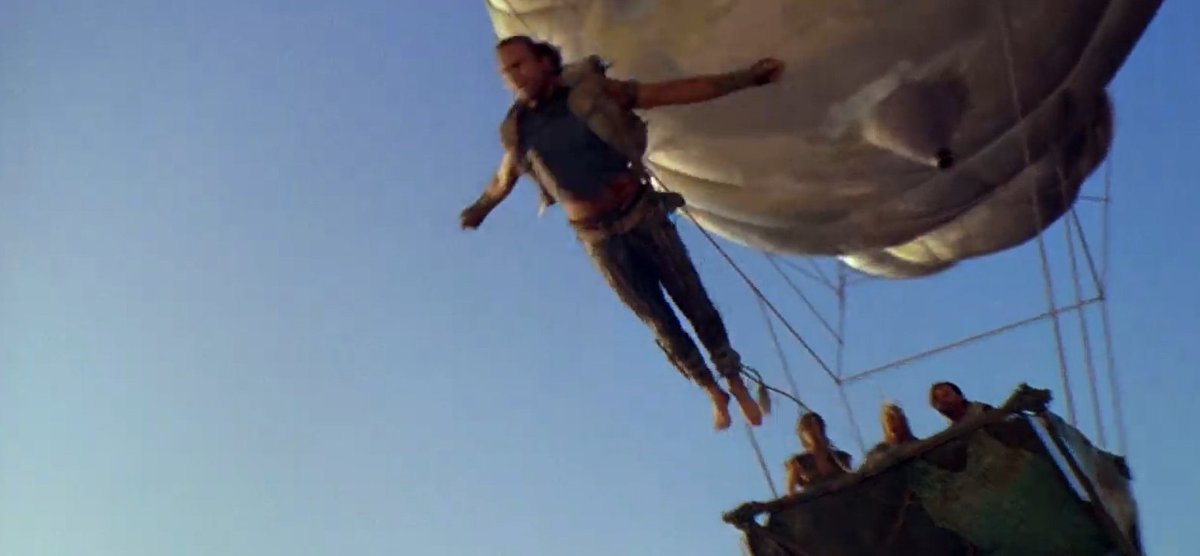

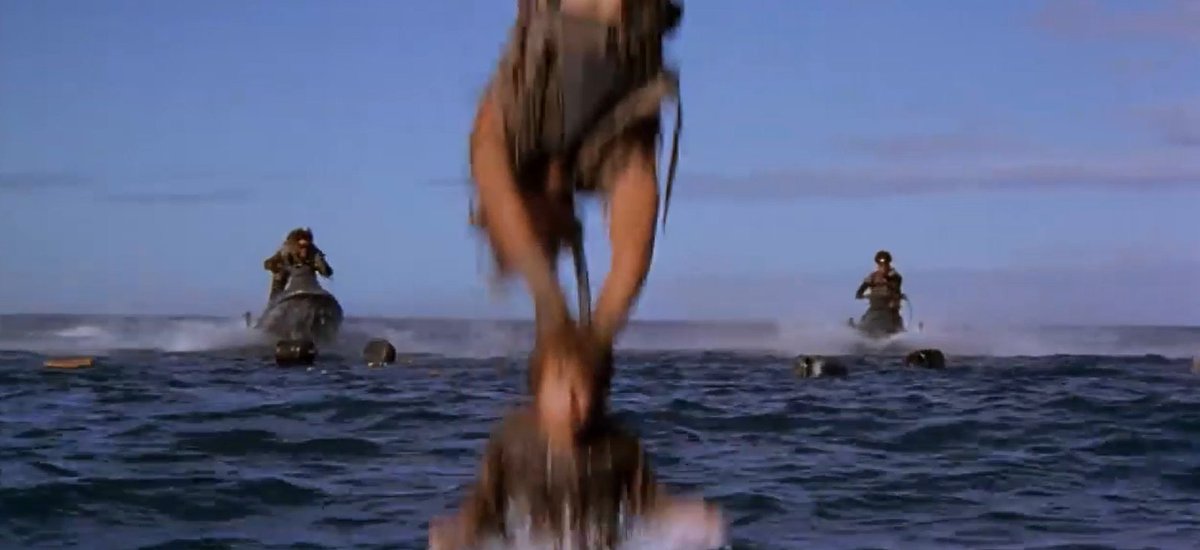
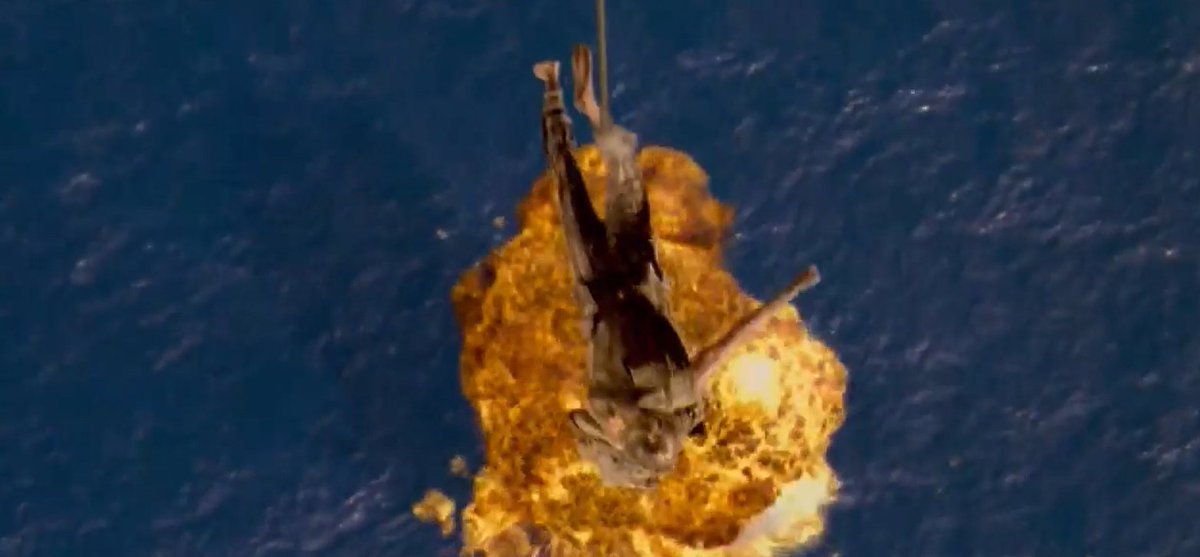
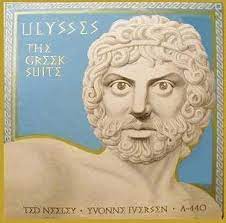
Kevin Reynolds original cut was 3 hours long but after he left, Costner had it reduced to 2hrs15mins. A fan-edit of the film called The Ulysses Cut was made where Helen tells The Mariner about the Greek legend of Ulysses and says Ulysses should be his name.
33/34
33/34
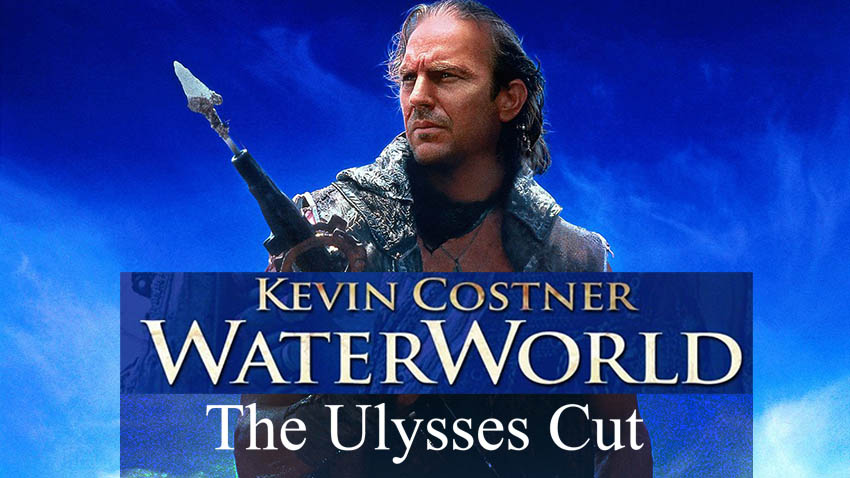
Contrary to belief, the film turned a profit. It cost $235 million to produce and market, and grossed $264 million worldwide. Adding on video sales and TV licensing, it came in in the black. The Universal theme park in even opened a very successful Waterworld show
34/34
34/34


If you liked our making of story of WATERWORLD, please share the opening post.
https://x.com/ATRightMovies/status/1949848706271912379
Our latest podcast is on BLADE RUNNER 2049. Full of big laughs and opinions so please give it a listen.
alltherightmovies.com/podcast/blade-…
alltherightmovies.com/podcast/blade-…
• • •
Missing some Tweet in this thread? You can try to
force a refresh