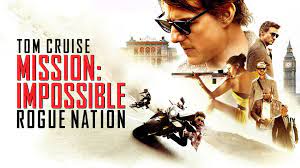
MISSION: IMPOSSIBLE – ROGUE NATION was released 10 years ago this week. The 5th entry in the series and full of enormous set pieces, the behind the scenes tale is as spectacular as the film…
1/32
1/32
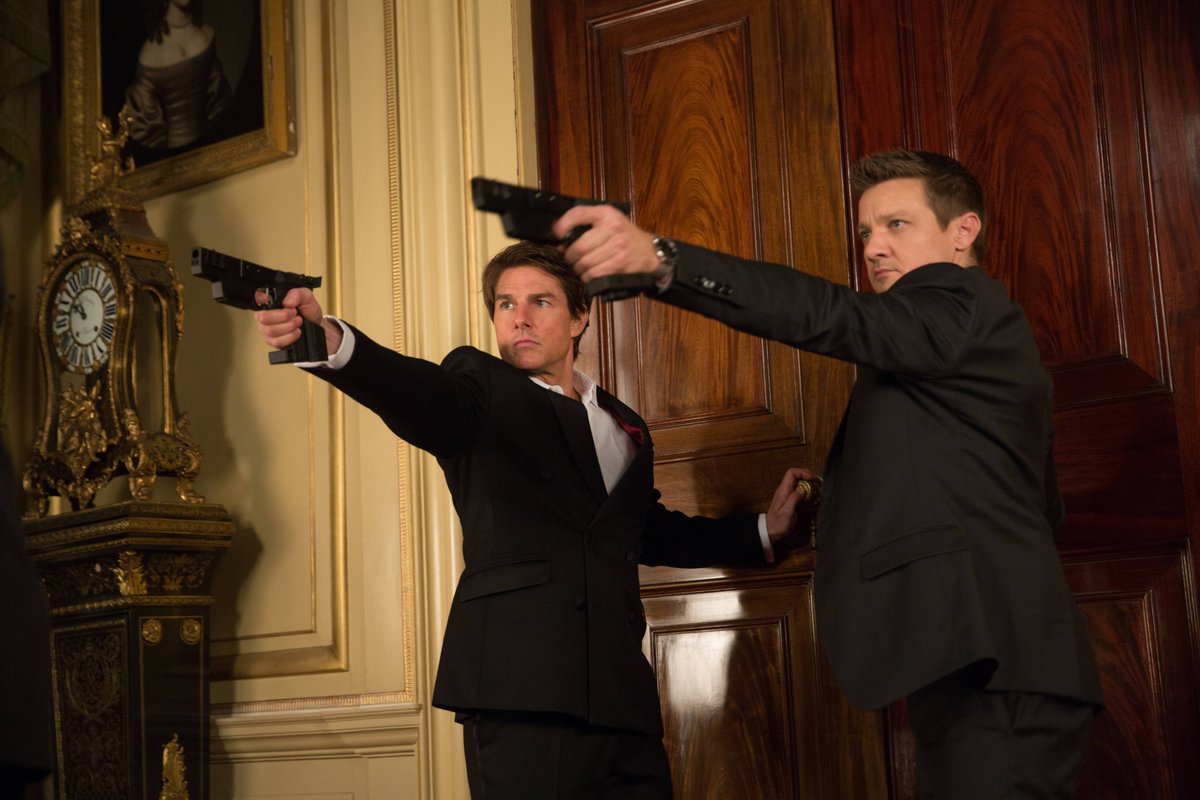
After the huge success of the 4th Mission: Impossible film – Ghost Protocol – a follow up was inevitable. Paramount hired Drew Pearce to pen the script in 2013. He was then replaced in 2014 by Will Staples to carry out major revisions.
2/32
2/32


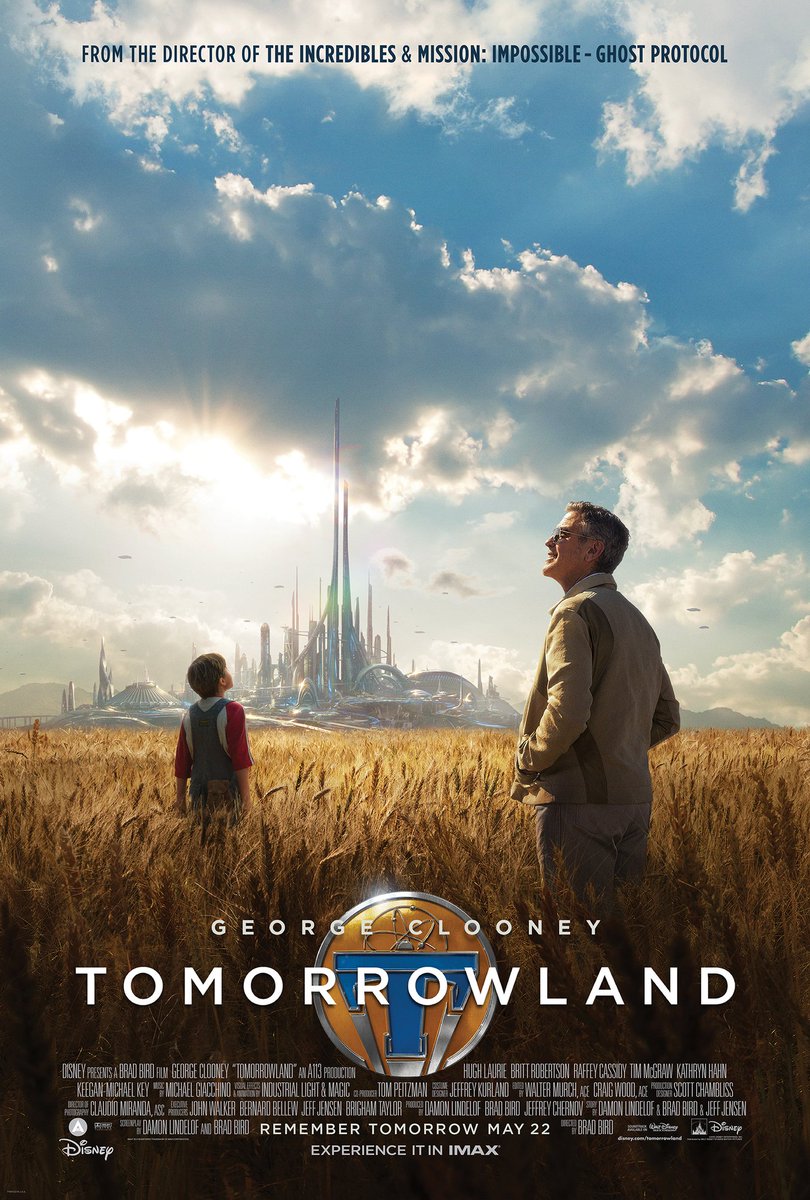
The studio wanted Ghost Protocol director Brad Bird to return for the film. Bird declined, however, in order to direct Tomorrowland.
3/32
3/32
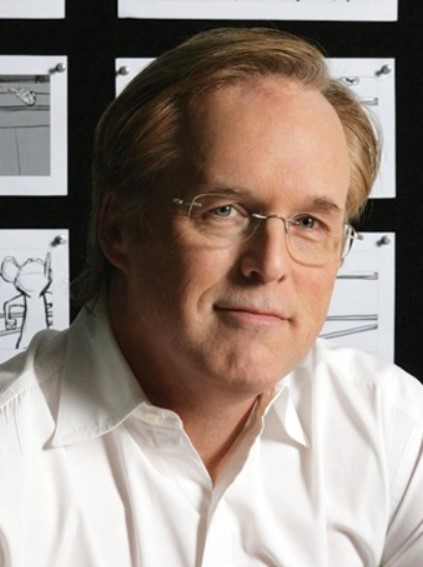
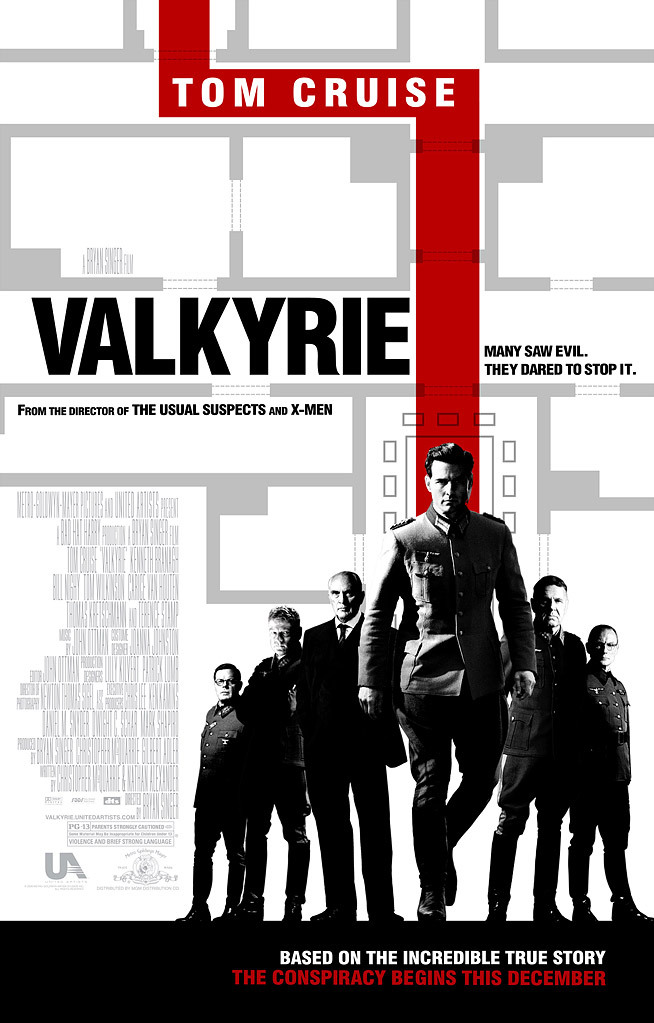
Christopher McQuarrie had done rewrites on Ghost Protocol, and Tom Cruise had worked with McQuarrie on Valkyrie, Jack Reacher, and Edge of Tomorrow so recommended him to helm the next Mission: Impossible.
4/32
4/32



Cruise and McQuarrie worked closely in outlining the script. They mapped out several huge action set pieces in detail and McQuarrie then had the task of developing a story that connected them effectively and logically.
5/32
5/32

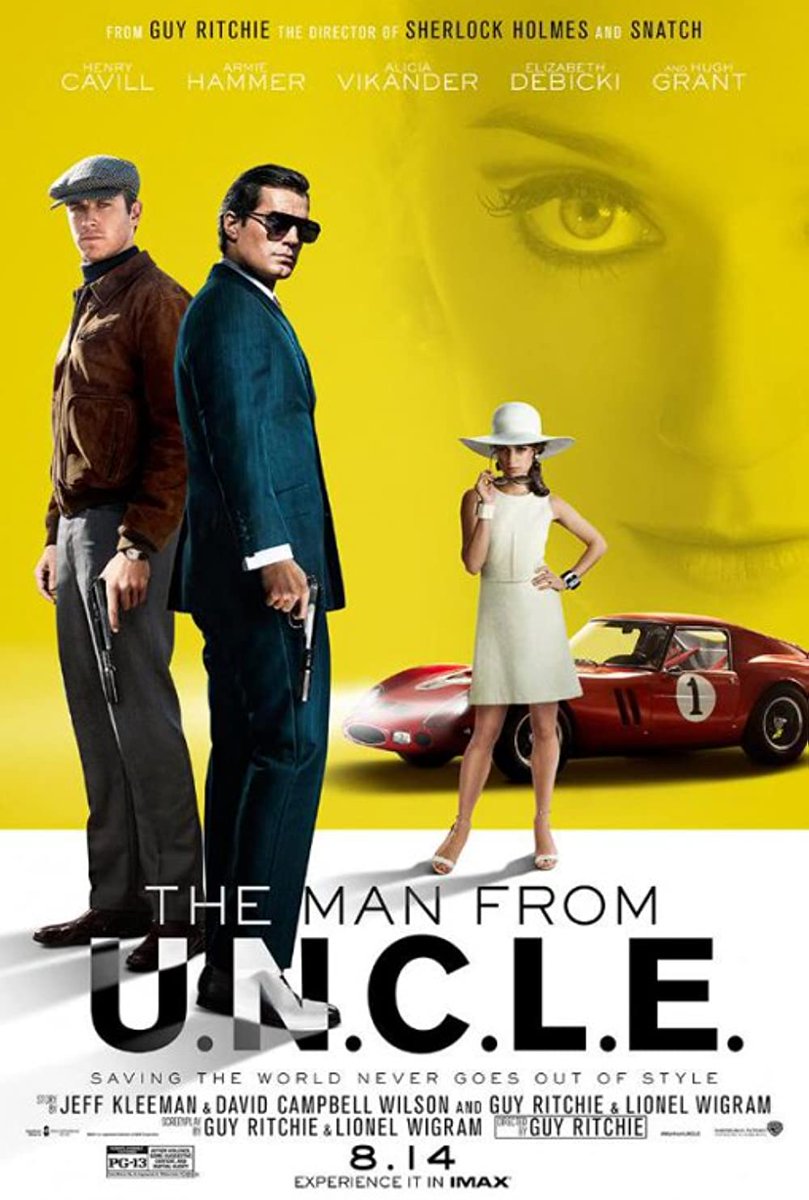
At the time, Cruise was attached to star as Napoleon Solo in The Man from U.N.C.L.E. Delighted with how things were progressing with McQuarrie though, he dropped out in order to make this film. He was replaced in The Man From U.N.C.L.E. by Henry Cavill.
6/32
6/32

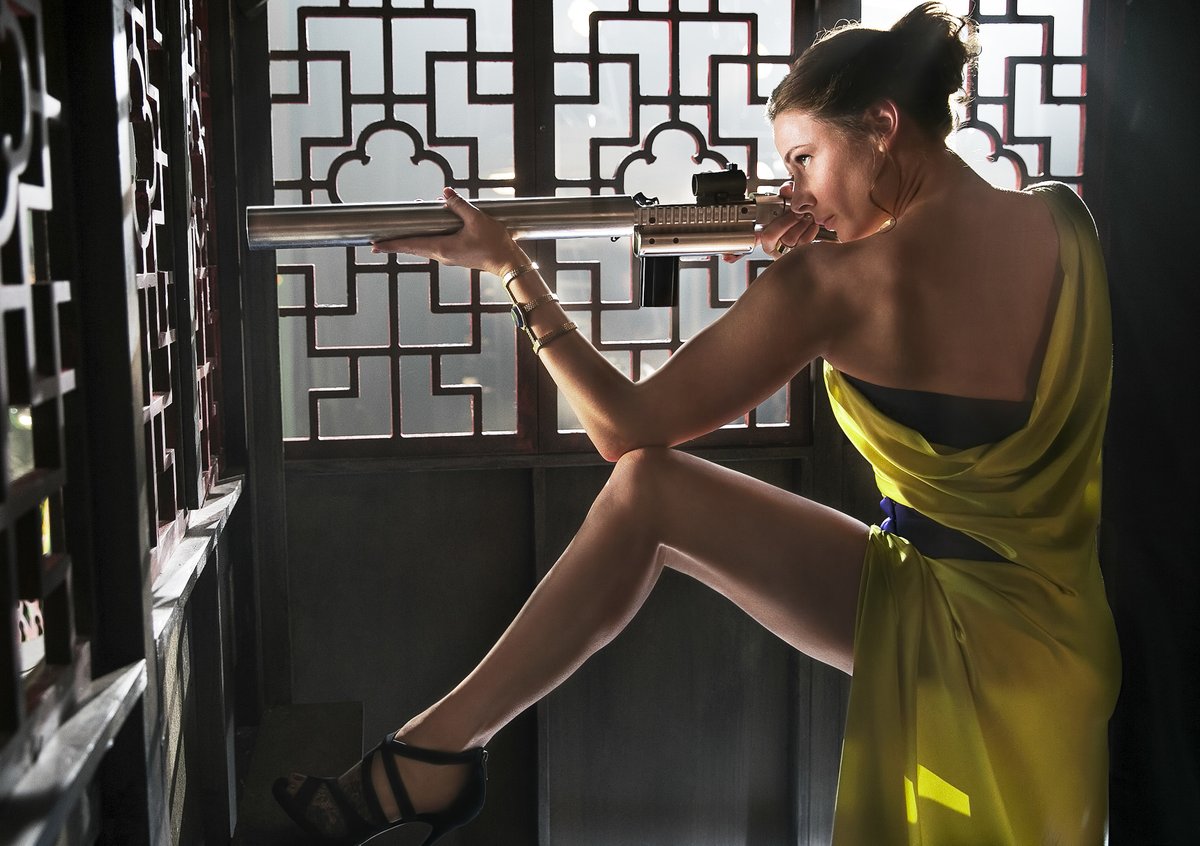
McQuarrie’s first choice to play female lead Ilsa Faust was Jessica Chastain. She didn’t like the idea of the six month training regime that was required so McQuarrie went to second choice, Rebecca Ferguson.
7/32
7/32
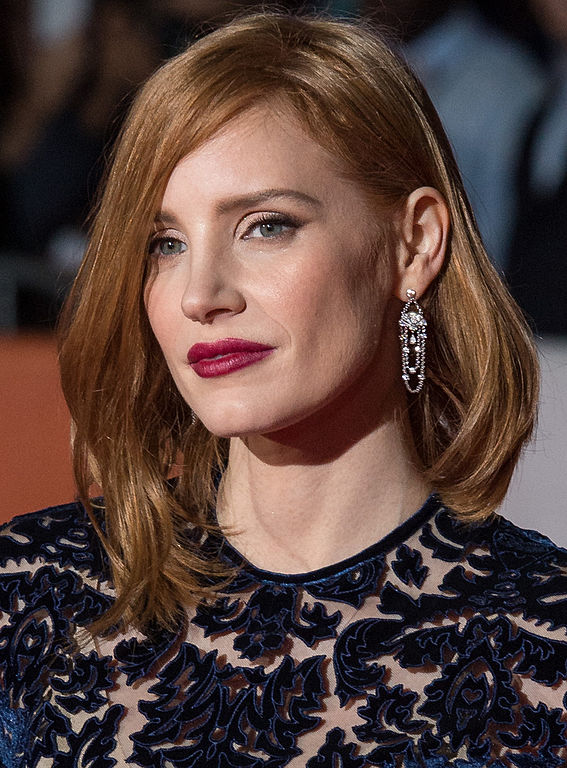
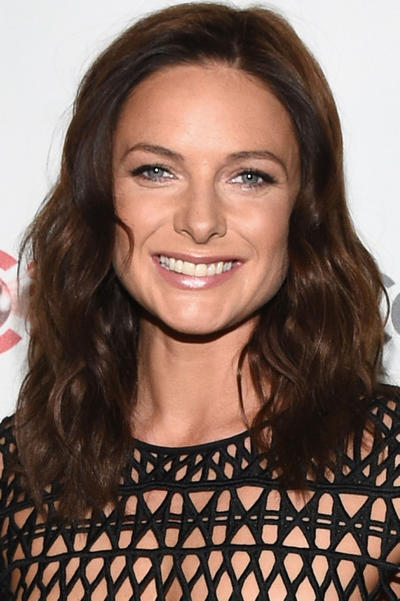
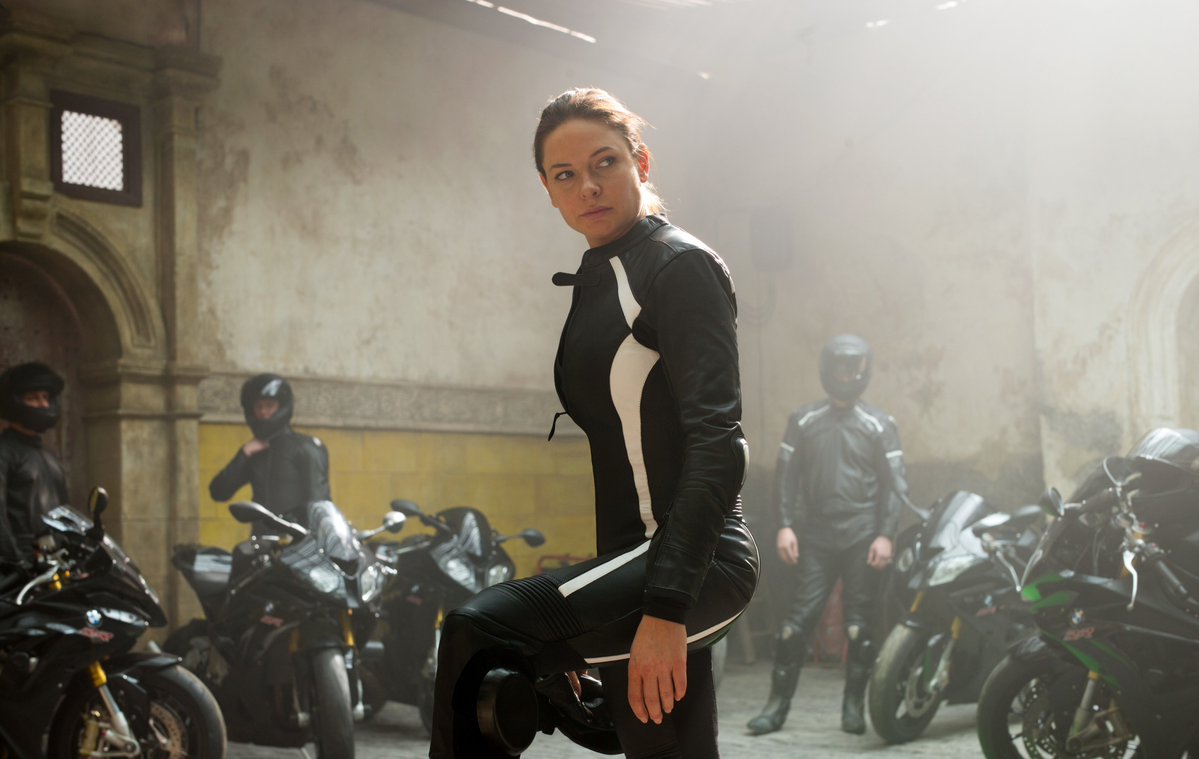
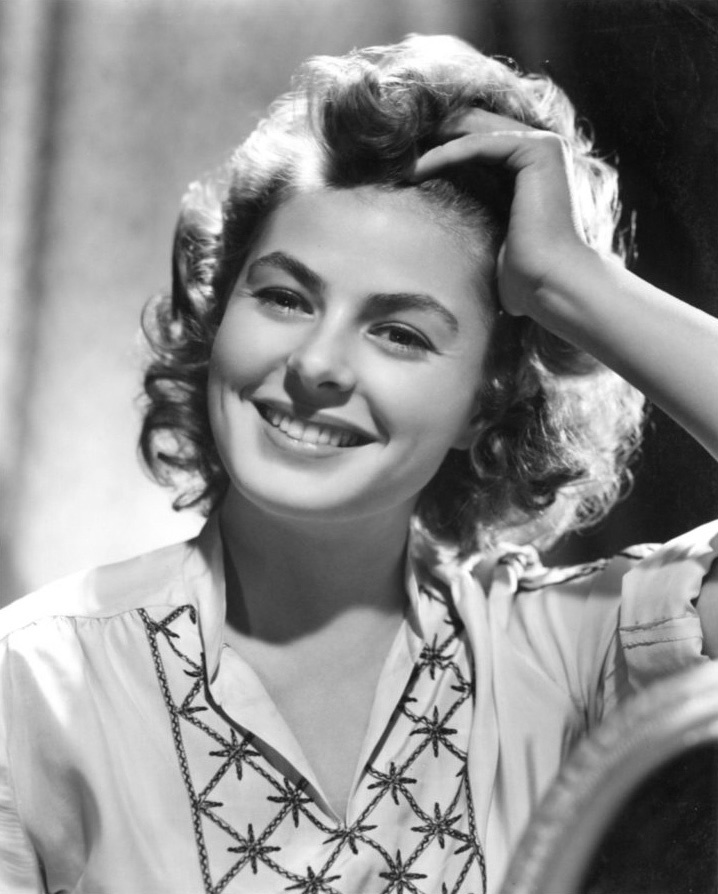
Ilsa is named after Isla Lund – Ingrid Bergman’s character in Casablanca – and German folk tale Faust, where the title character makes a deal with the devil.
8/32
8/32

Solomon Lane was the first antagonist in the series to be a villain in the original TV show. Benedict Cumberbatch was considered to play Lane, but Cruise and McQuarrie agreed Sean Harris was a perfect fit.
9/32
9/32

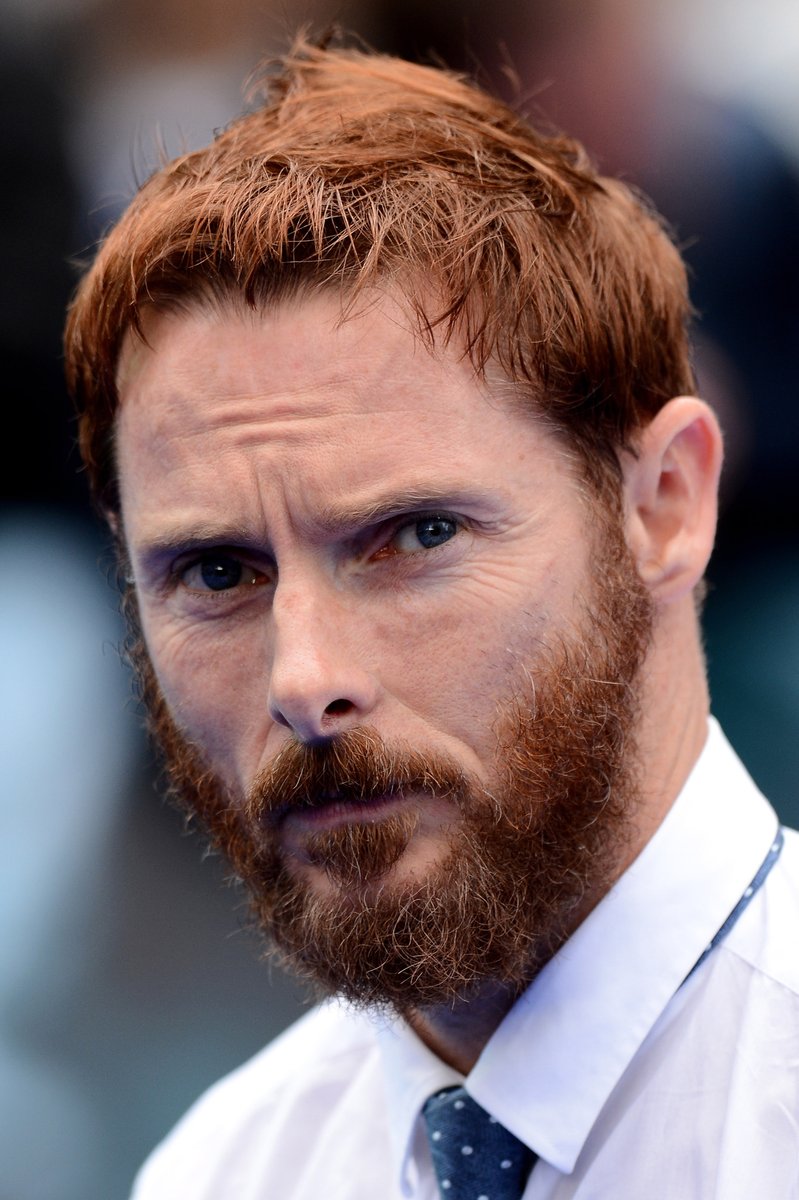
Harris was hesitant about taking the part at first, as he thought he worked better on TV than the big screen. He agreed to play Lane on condition his character was killed off, as he didn’t want to do sequels. Cruise and McQuarrie agreed (though it ended up not happening).
10/32
10/32


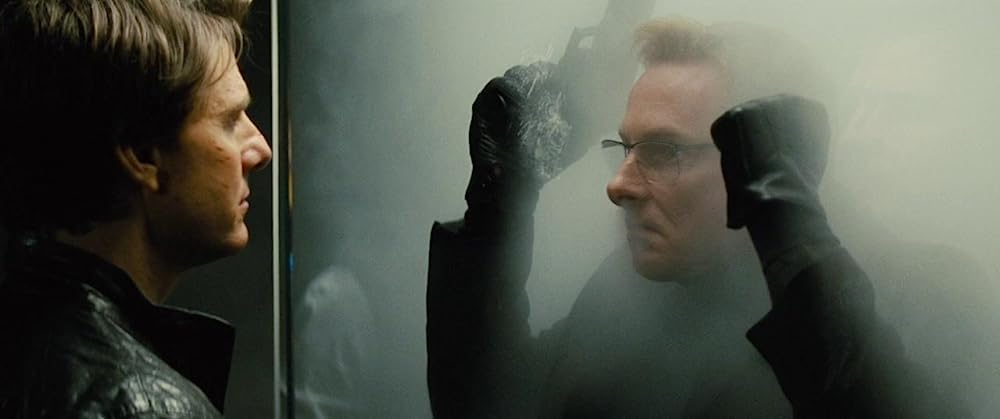

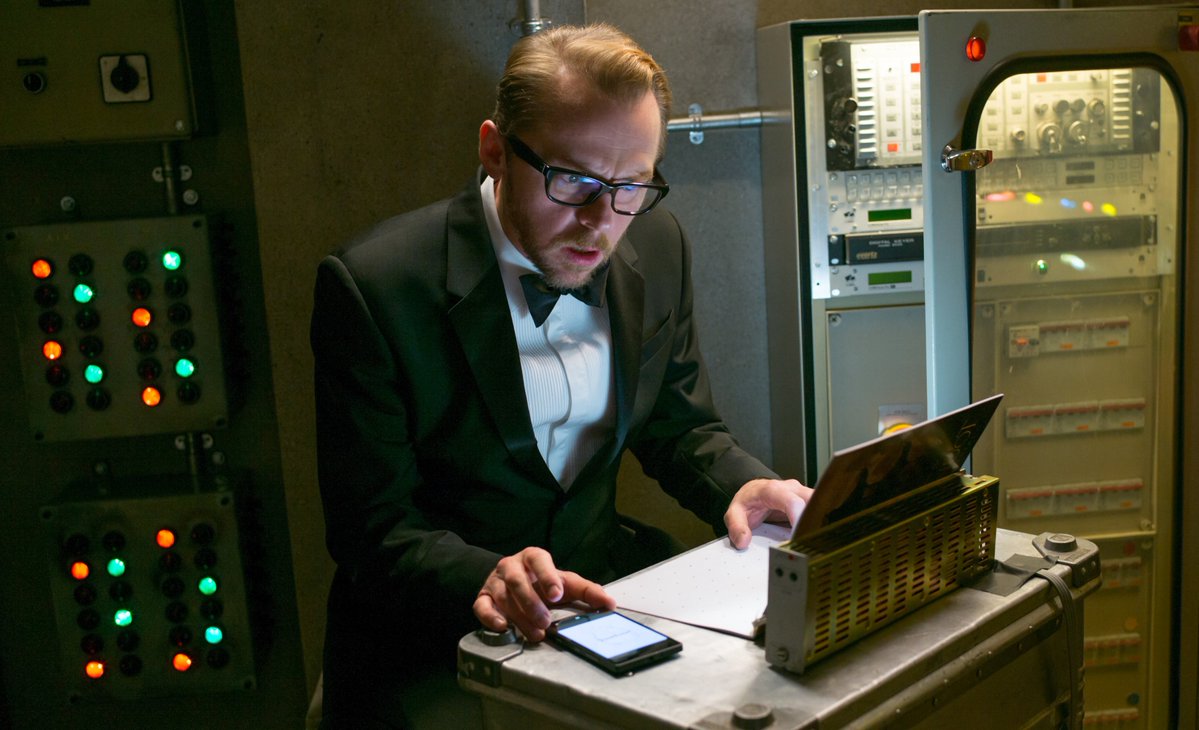
Aside from Cruise, the only actor to appear in every Mission: Impossible film to date is Ving Rhames. And Rogue Nation was the first film where every member of Hunt’s IMF team had appeared in a previous film.
11/32
11/32

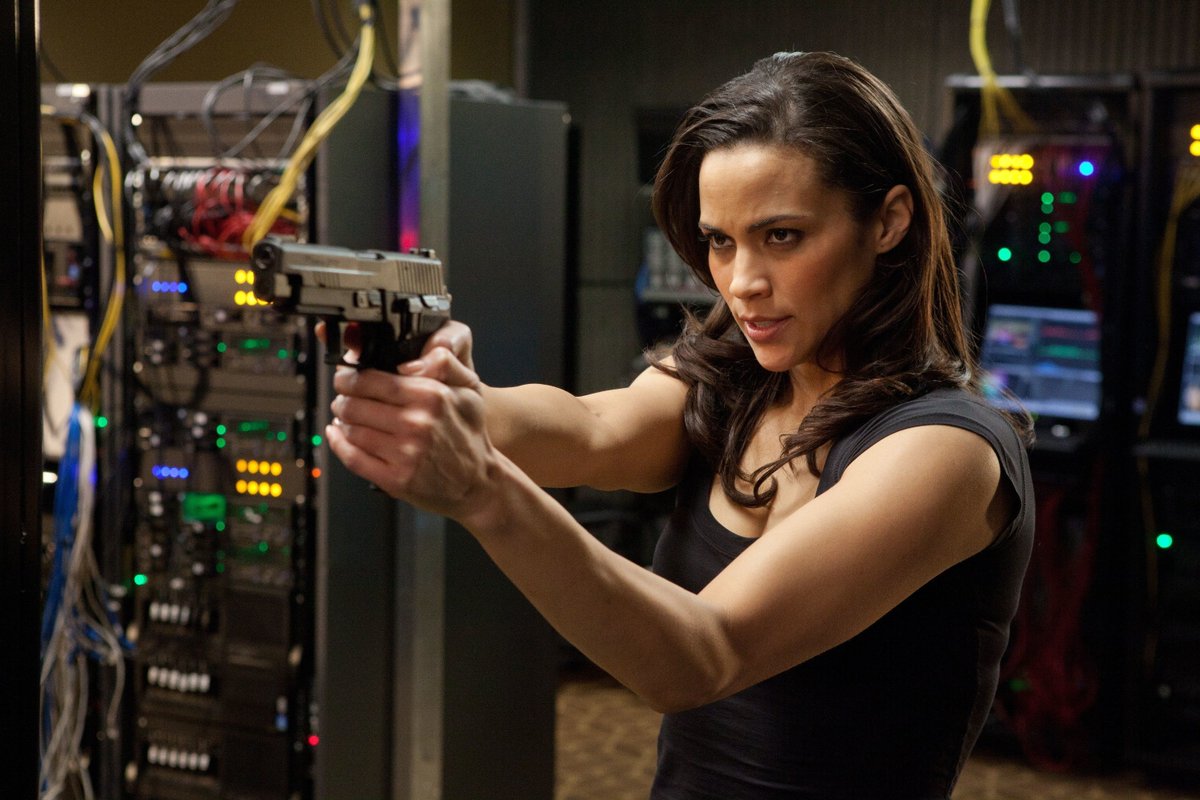
McQuarrie wanted Paula Patton and Maggie Q to rerise their roles from Ghost Protocol and M:I III as Jane Carter and Zheng Lei. They both agreed but had to pull out due to scheduling conflicts.
12/32
12/32

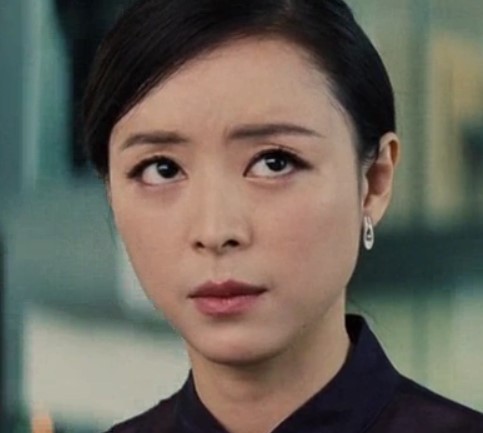
Chinese film star Zhang Jingchu plays Lauren. Perhaps to appeal to the Asian market, she has a top-billing at the beginning of the film, despite having just two lines and 30 seconds of screen time.
13/32
13/32

Writer/director Christopher McQuarrie has a very brief cameo. He can be seen in the bottom left corner of the screen in the establishing shot at the train station.
14/32
14/32
The film was in production at the same time as Rogue One and the similar titles caused conflict between Paramount and Disney. In exchange for use of the title, Disney agreed not to promote their film until Rogue Nation was released.
15/32
15/32

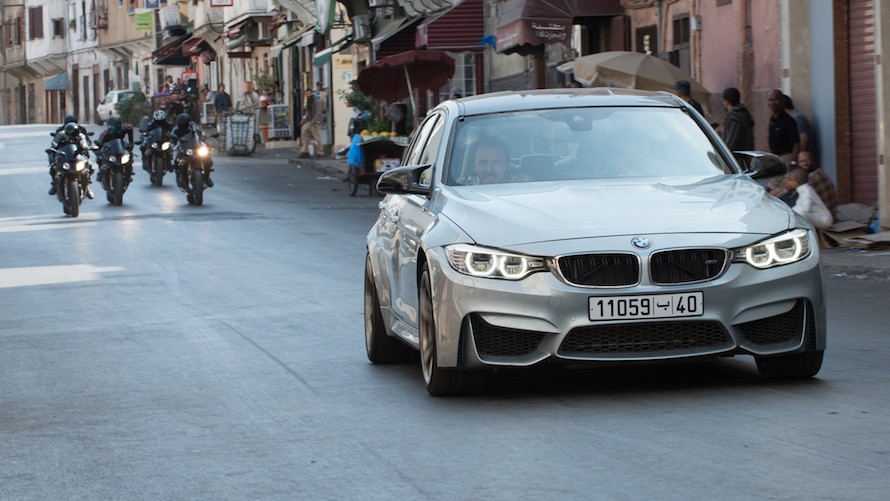
McQuarrie used a subtle visual trick to differentiate the heroes and villains. All the good guys in the movie drive BMW cars. The bad guys drive an Audi or a Mercedes.
16/32
16/32

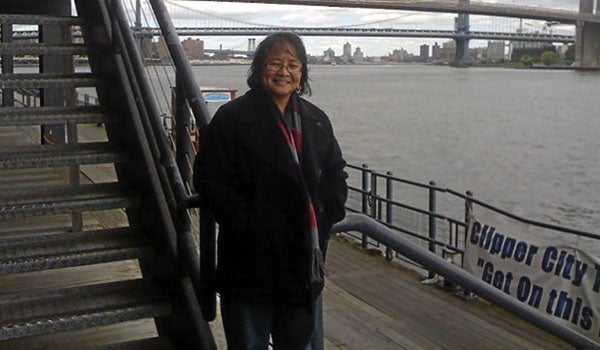
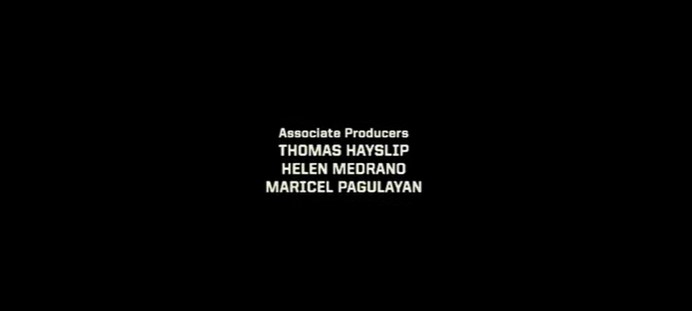
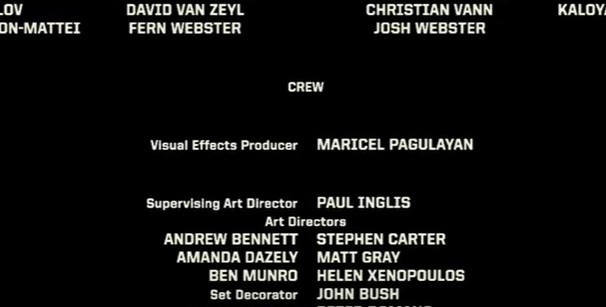
Producer Maricel Pagulayan's name shows up three times in the film, credited as an Associate Producer, the Visual Effects Supervisor, and one of the Syndicate's banks is the "Bank of Pagulayan".
17/32
17/32
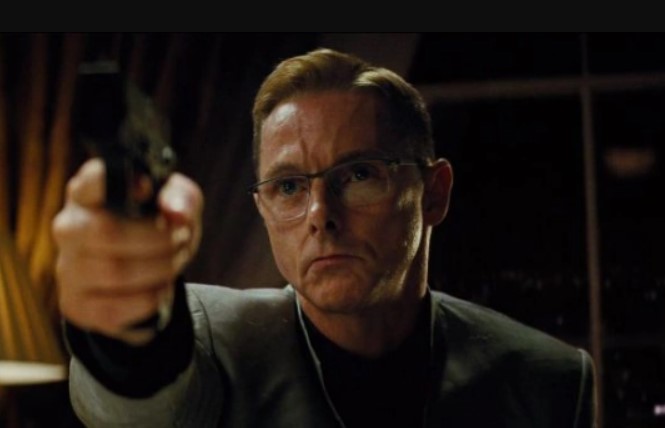
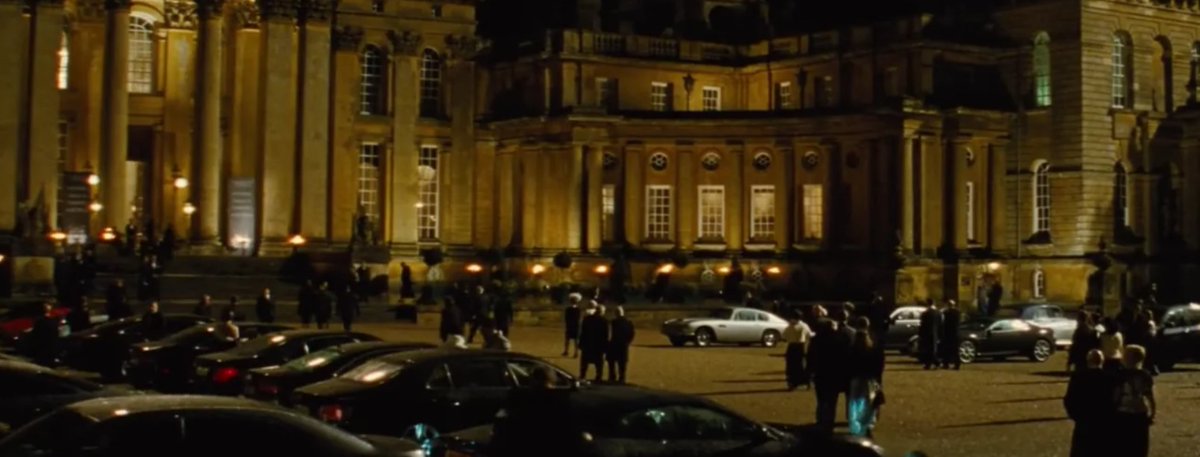
There are a couple of nods to 007. Solomon Lane wears a grey Nehru coat, a trademark of James Bond villain Ernst Stavro Blofeld. Also, at the opening of the Ball Scene, a silver Aston Martin is seen in the car park.
18/32
18/32

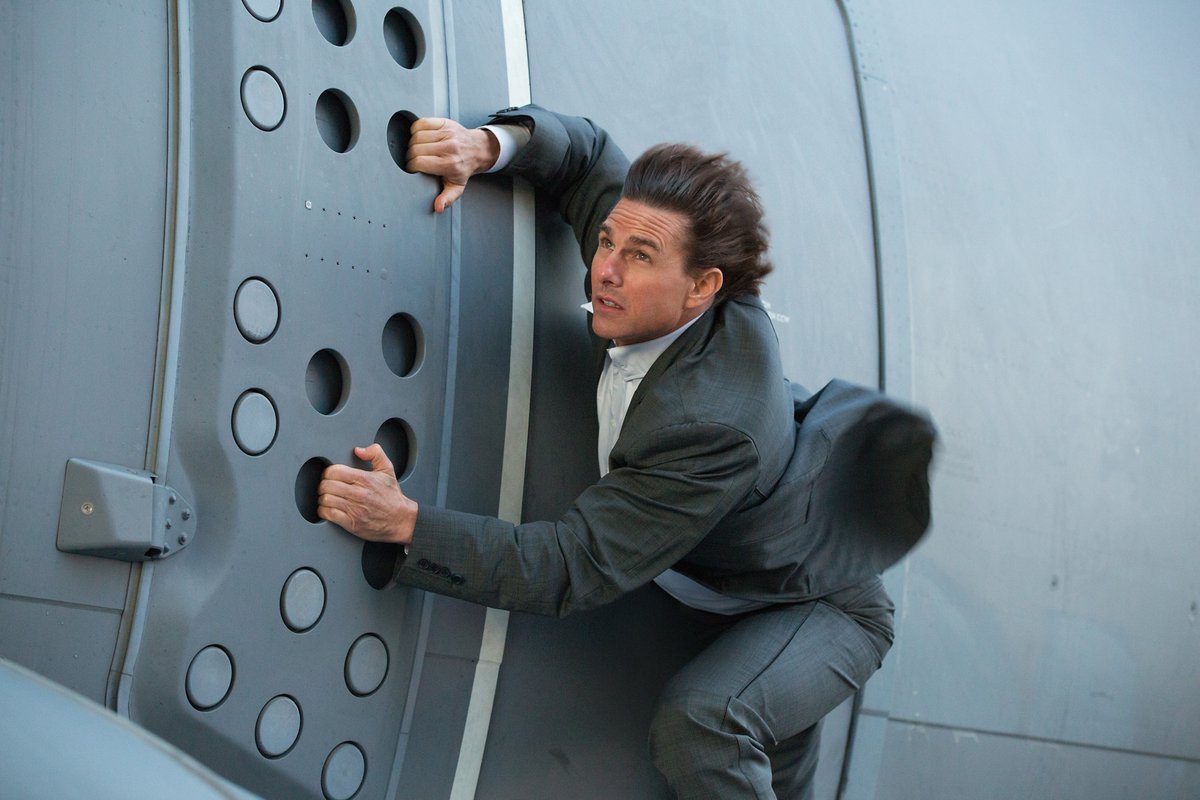
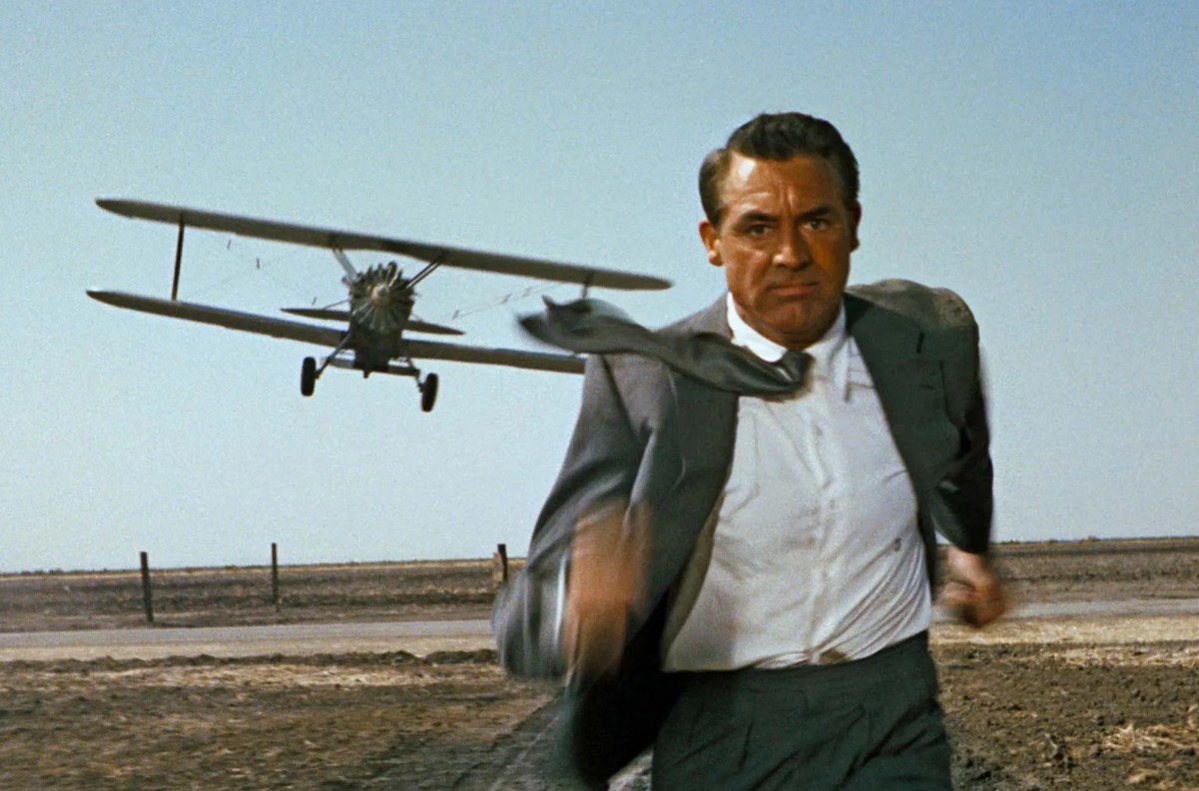
Similarly, the grey suit worn by Hunt in the opening sequence is a nod to the suit worn by Cary Grant as Roger Thornhill in North By Northwest.
19/32
19/32
The poem the British PM – played by Tom Hollander - reads off to activate the Syndicate are lines from the famous Rudyard Kipling poem, If.
20/32
20/32
McQuarrie’s first idea for was for Benji (Pegg) to be killed and the rest of the IMF team tracked down by Hunley (Baldwin). The team are alone with Hunley, at which point it’s revealed Benji is disguised as Hunley. McQuarrie changed it as he felt the mask gag was overused.
21/32
21/32


Michael Giacchino had scored Ghost Protocol but couldn’t return for Rogue Nation due to scheduling conflicts with Jurassic World. McQuarrie and Cruise went back to Jack Reacher and hired the composer from that film, Joe Kraemer.
22/32
22/32


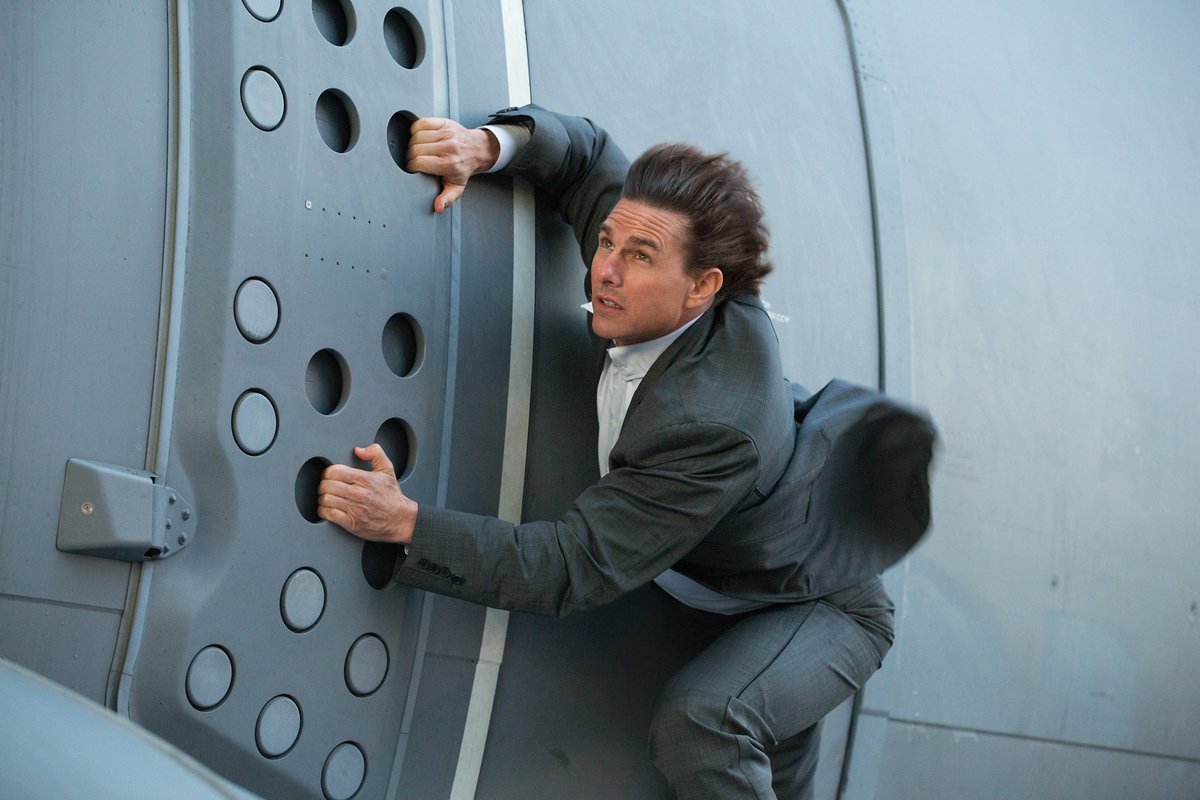
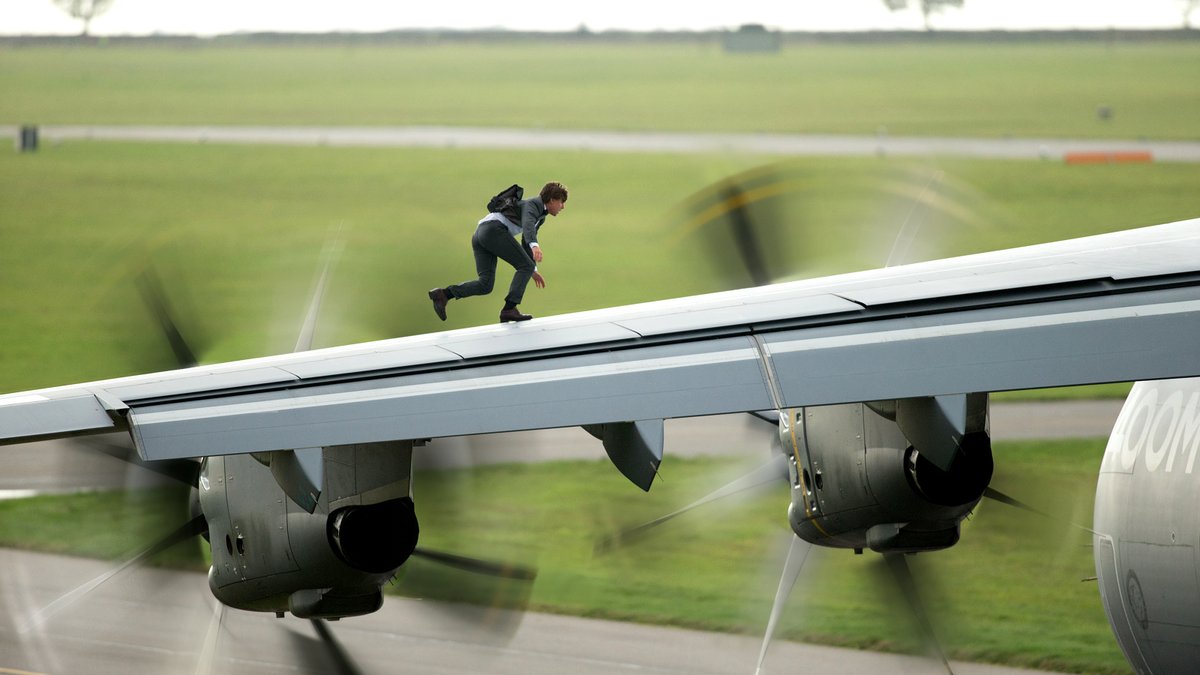
Cruise performed the opening sequence the outside of a flying airplane himself, and without any use of visual effects. He was suspended 5000ft in the air. And a wind-resistant frame for the camera was mounted to the wing.
23/32
23/32
A problem was keeping Cruise his eyes open in the face of very fast winds. An eye specialist designed a special lens to cover the entirety of Cruise’s exposed eyeballs. McQuarrie was concerned about the stunt but Cruise told him whatever happened, not to stop filming.
24/32
24/32

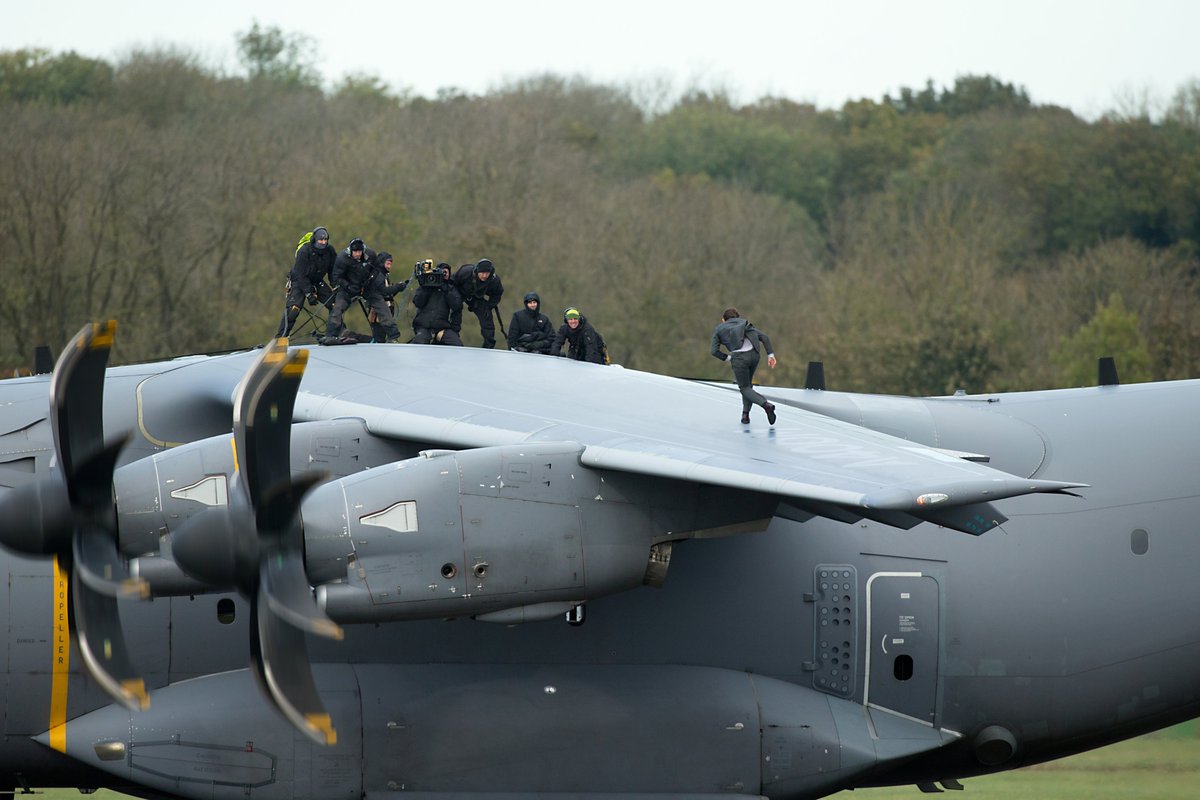

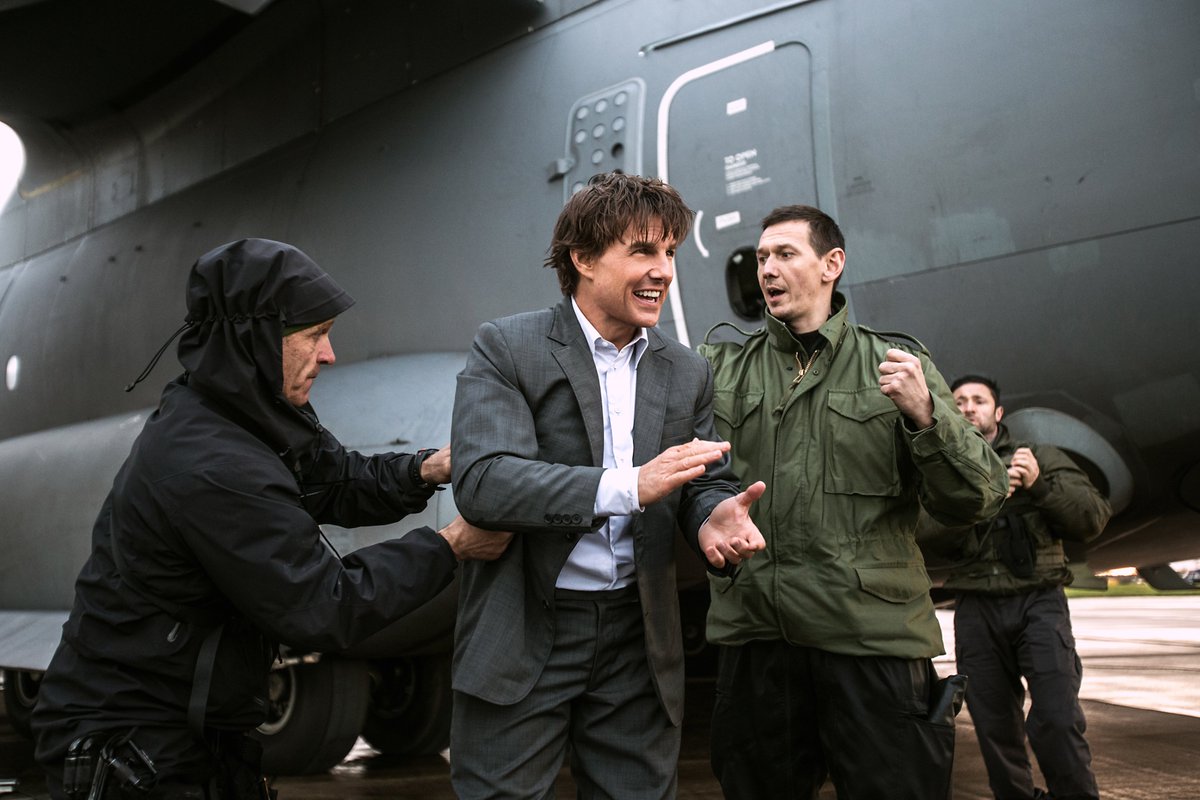
The sequence was filmed 8 times and on one take, Cruise was struck by a small pebble. He said it was what he imagine being shot would feel like and was amazed to find out it was a tiny stone when he landed. In total, Cruise weas injured 6 times during production.
25/32
25/32


The record Hunt is looking for at the record shop is of jazz legends Thelonious Monk and John Coltrane. They were selected in honour of the Mission: Impossible theme's composer Lalo Schiffrin, who is also associated with jazz.
26/32
26/32


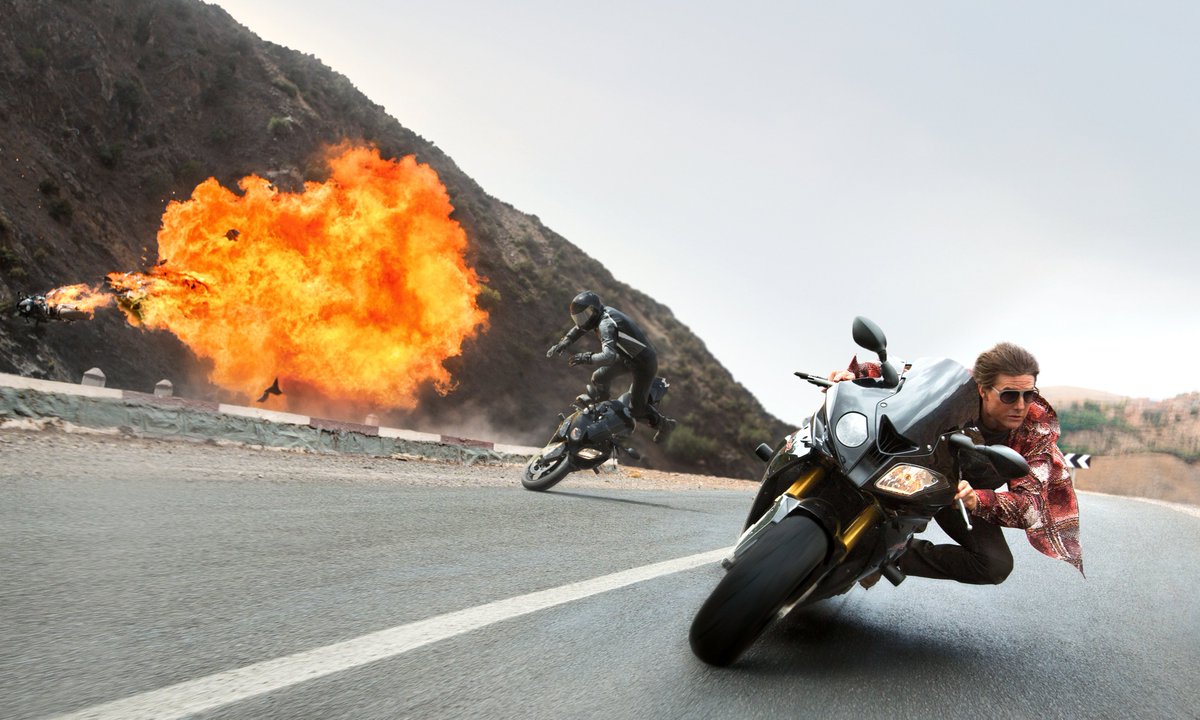
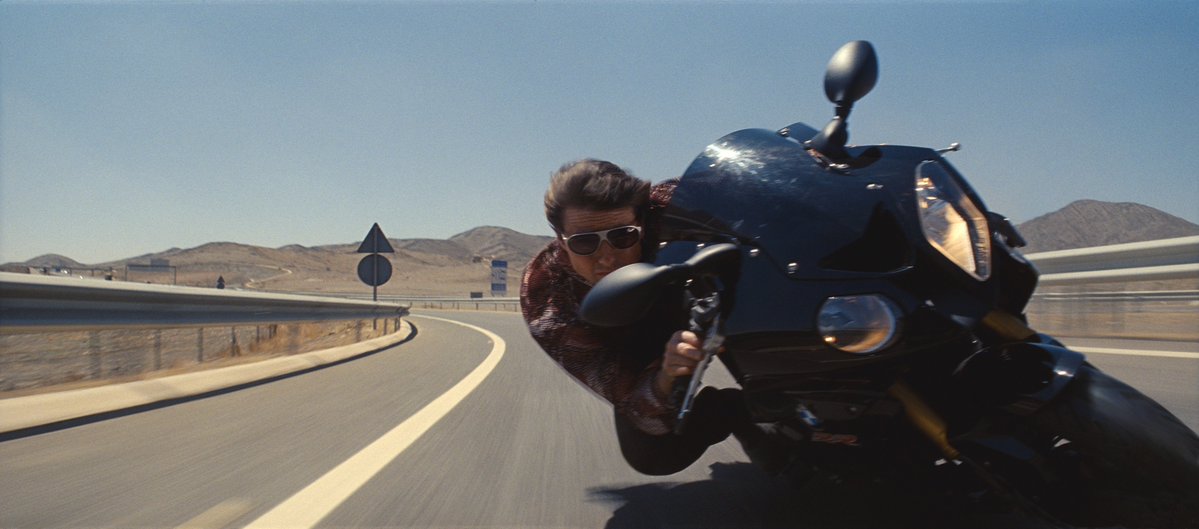
Cruise carried out all of his own driving stunts, too. Simon Pegg later said he wanted to, but stunt co-ordinator Wade Eastwood said the reason Cruise was doing them was because he was a better driver than anyone in the stunt team.
27/32
27/32
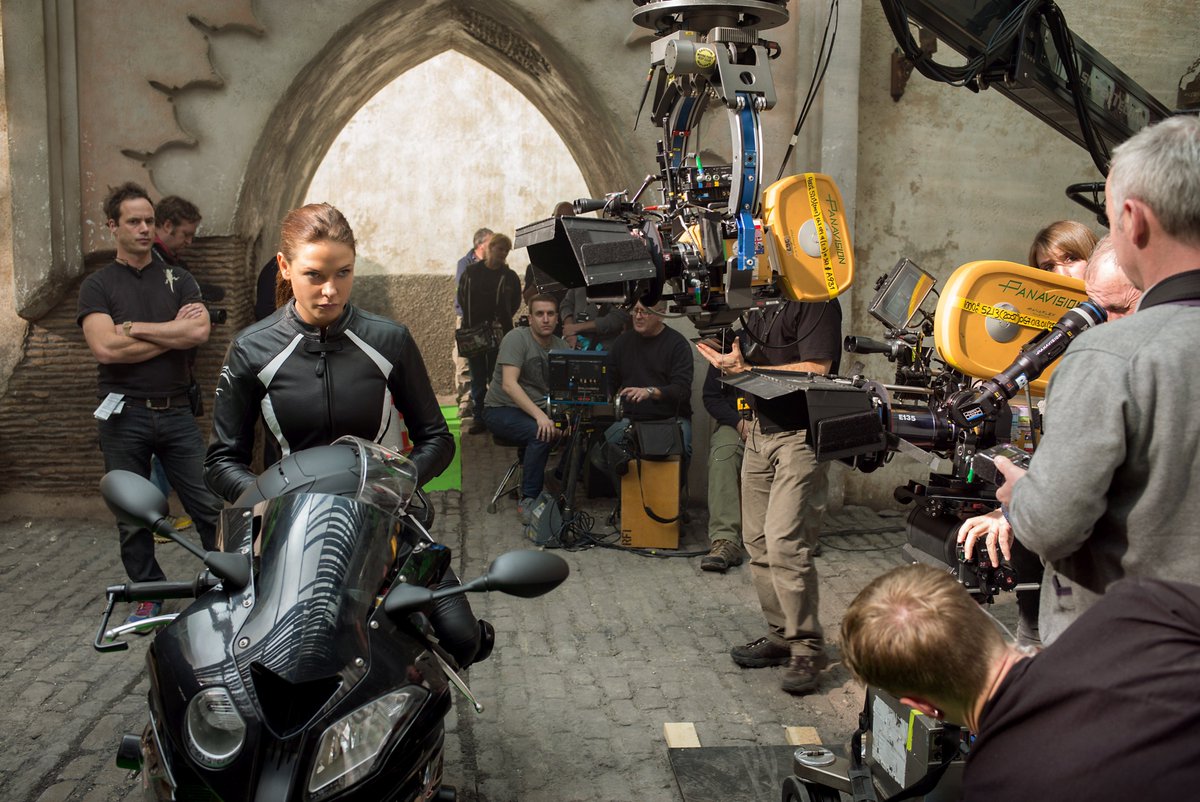
It wasn’t just Cruise. Rebecca Ferguson did almost all of her own fighting scenes, and also the rappel off the Opera House roof. It was her first day of shooting and she was worried she’d annoyed Cruise as she swore in his ear all the way down.
28/32
28/32
Also in this scene, Ilsa asks Hunt to remove her high-heel shoes. This came in light of criticism Jurassic World received, where Bryce Dallas Howard sprints away from dinosaurs in high heels. Special shoes were created so Cruise could easily pull them off.
29/32
29/32


In the original script, the underwater sequence had Hunt holding his breath for 4 minutes. Cruise trained extensively and was able to do 6 minutes, so McQuarrie made the scene even longer.
30/32
30/32
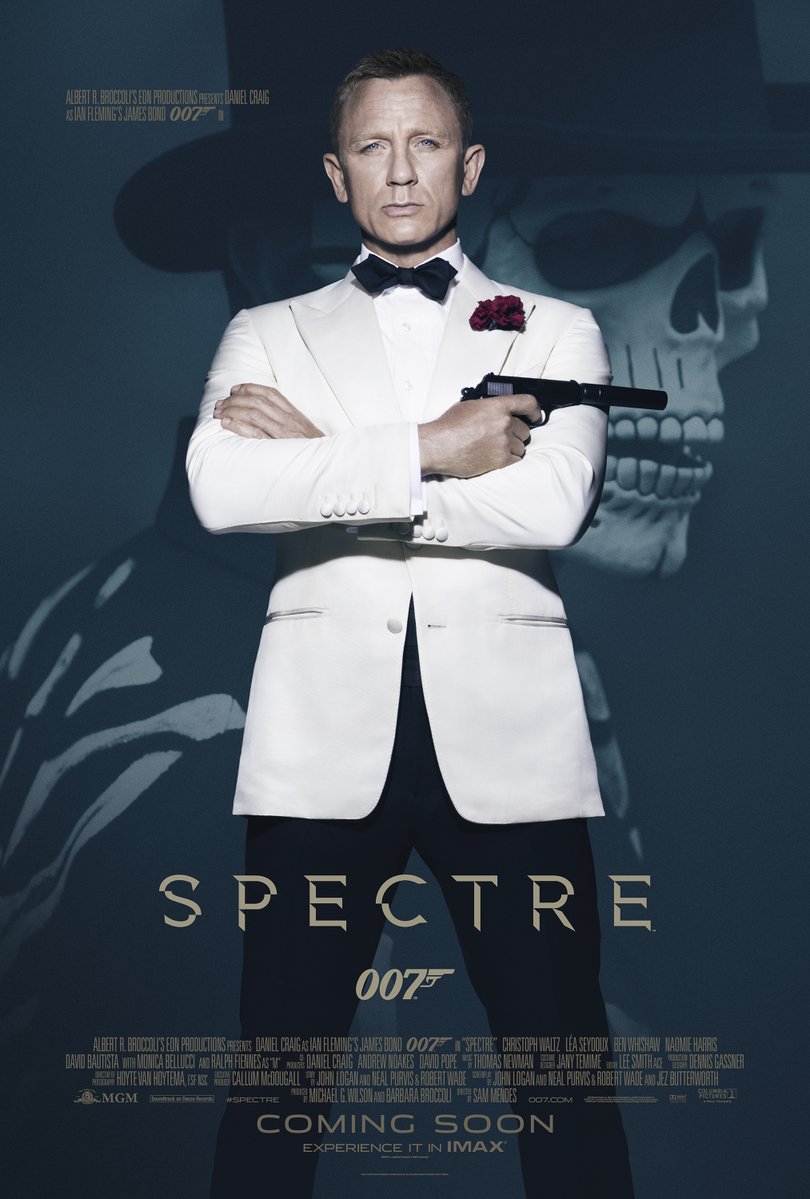
The film was scheduled for a December 2015 release, but was pushed forward to the summer to avoid competing with Spectre and Star Wars Episode VII: The Force Awakens. It was a huge hit, grossing $682.7m from a $150m budget.
31/32
31/32
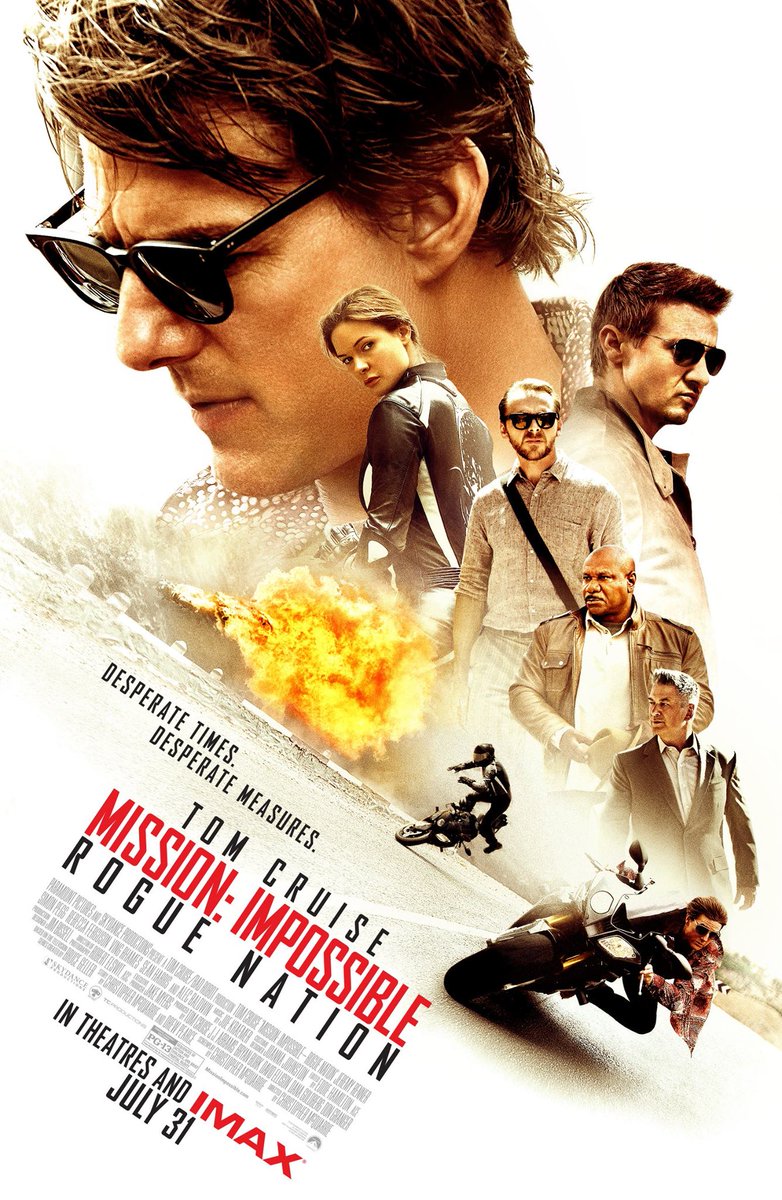

To finish, a superb stunt from the car chase action sequence…
32/32
32/32
If you liked our making of story of MISSION: IMPOSSIBLE – ROGUE NATION, please share the opening post.
https://x.com/ATRightMovies/status/1951210880365899939
Our latest podcast is on GROSSE POINTE BLANK. Full of big laughs and opinions so please give it a listen.
alltherightmovies.com/podcast/grosse…
alltherightmovies.com/podcast/grosse…
• • •
Missing some Tweet in this thread? You can try to
force a refresh