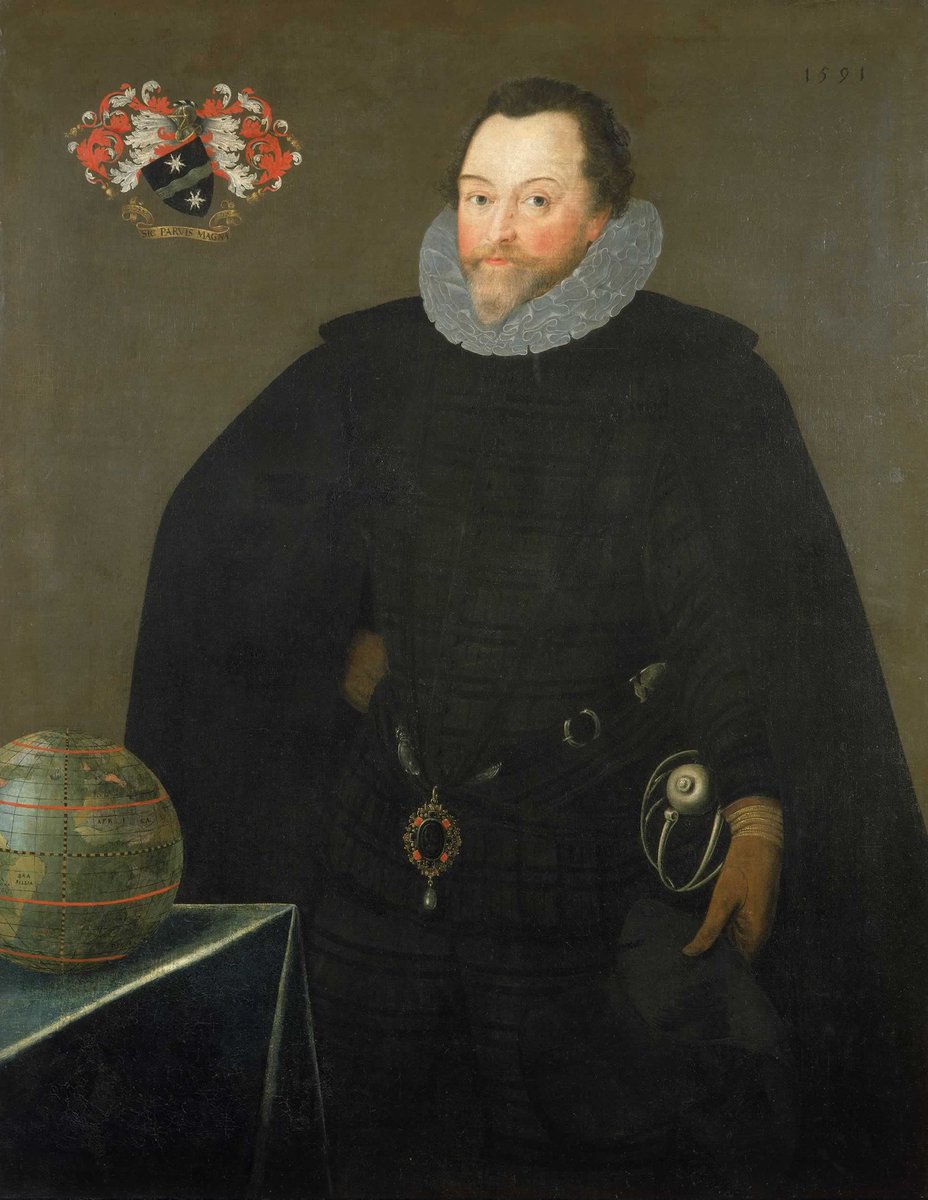
In the early 18th century pirates were the scourge of the high seas, one pirate however stands above the rest, Captain Bartholomew Roberts.
Roberts was the most successful pirate of the Golden Age capturing over 400 vessels!
This is his story
🧵 (Thread)
Roberts was the most successful pirate of the Golden Age capturing over 400 vessels!
This is his story
🧵 (Thread)
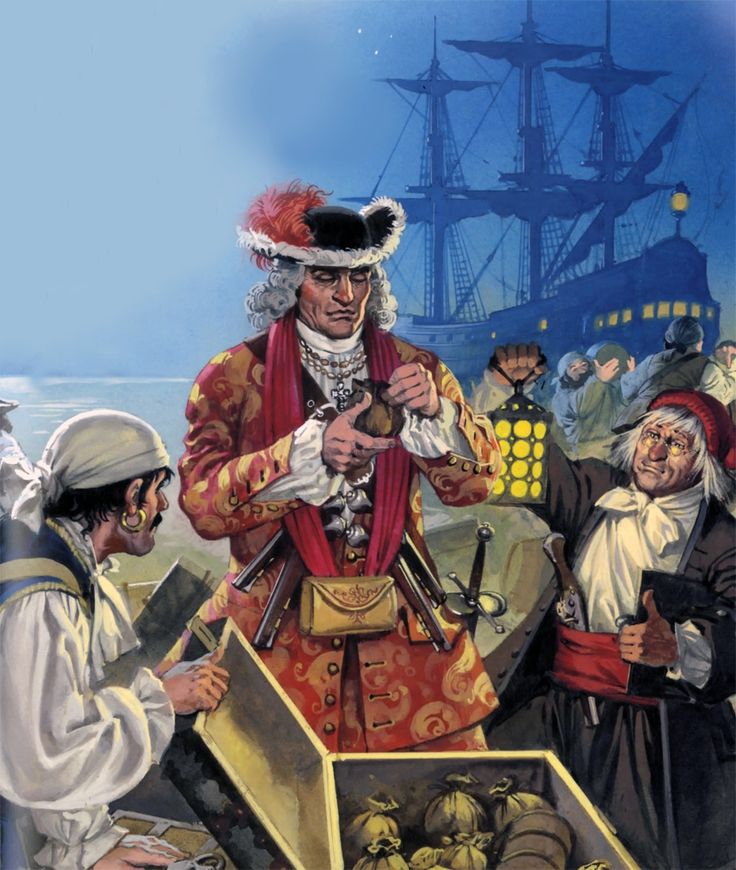
Bart Roberts was born on the 17th of May 1682, in Pembrokeshire, Wales.
He was originally named John but later changed his name, as pirates were prone to do.
Young John went to sea at an early age, and by 1719 he was second mate on the slaving ship Princess.
He was originally named John but later changed his name, as pirates were prone to do.
Young John went to sea at an early age, and by 1719 he was second mate on the slaving ship Princess.
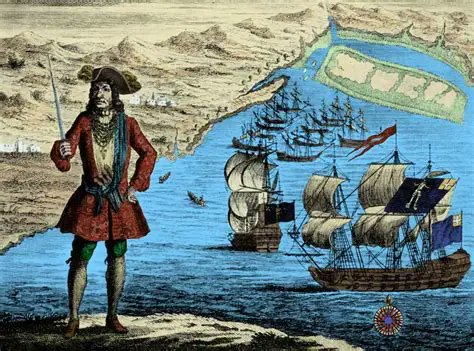
Whilst operating on the Gold Coast of Africa, the Princess was attacked by pirates led by Howell Davis.
Whether willingly or not Roberts joined his fellow Welshman's crew.
Roberts became a trusted advisor to Davis and quickly became a favourite among the crew.
Whether willingly or not Roberts joined his fellow Welshman's crew.
Roberts became a trusted advisor to Davis and quickly became a favourite among the crew.

Davis' pirate crew hatched a plan to attack the island of Príncipe.
During said attack Davis himself was killed, a vote to replace him was soon held and Roberts was elected captain.
During said attack Davis himself was killed, a vote to replace him was soon held and Roberts was elected captain.
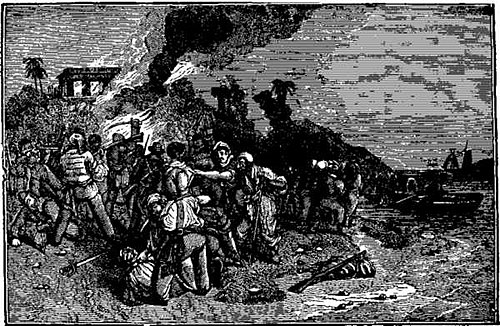
Roberts' first act as captain was to avenge Davis and thus an attack on Principe was launched.
The pirates, under the cover of night, attacked the town slaughtering many of its inhabitants and then made off with anything that wasn't nailed down.
Roberts, whether by choice or circumstance, was thrusted into the chaotic world of piracy, a world in which he thrived!
The pirates, under the cover of night, attacked the town slaughtering many of its inhabitants and then made off with anything that wasn't nailed down.
Roberts, whether by choice or circumstance, was thrusted into the chaotic world of piracy, a world in which he thrived!
Robert's crew then went on a rampage, capturing anything and everything they could get their hands upon.
Their greatest prize came from a Portuguese fleet in Brazil, here Roberts manged to capture a diamond cross necklace that was allegedly made for the Portuguese King.
Their greatest prize came from a Portuguese fleet in Brazil, here Roberts manged to capture a diamond cross necklace that was allegedly made for the Portuguese King.
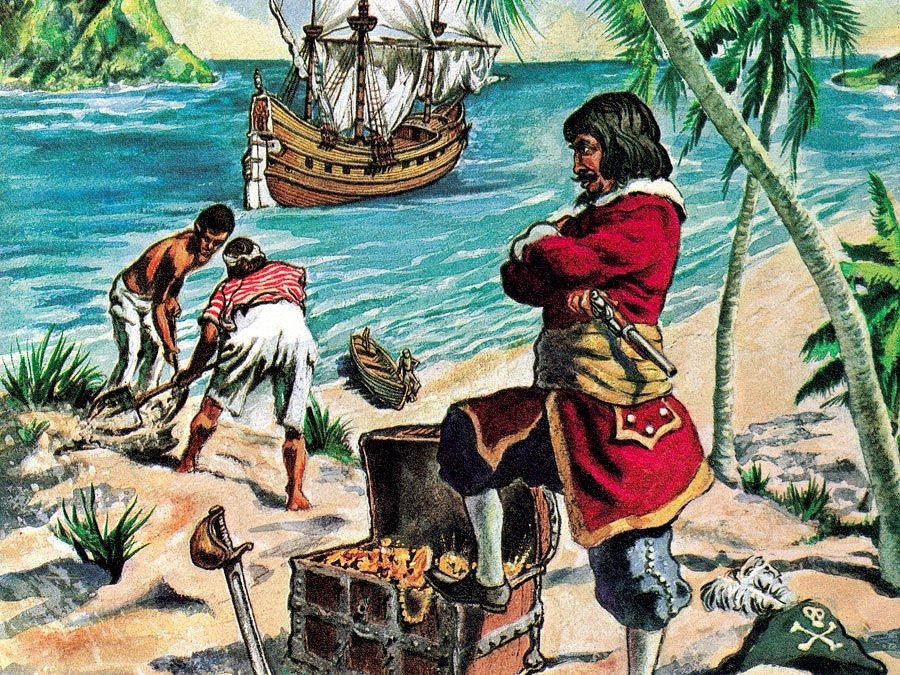
Their attacks were frequent and far reaching, no town or colony was safe.
They scoured the seas from Brazil to Newfoundland and even back to the African coast looking for slavers.
Here the pirates would capture slaving vessels and then sell them back at marked up prices.
They scoured the seas from Brazil to Newfoundland and even back to the African coast looking for slavers.
Here the pirates would capture slaving vessels and then sell them back at marked up prices.

One of the defining factors of Robert's captaincy was his Pirate Code.
Within the code he outlined rules around right to vote, medical insurance, shares of spoils, marooning and of course my personal favourite, an 8pm curfew.
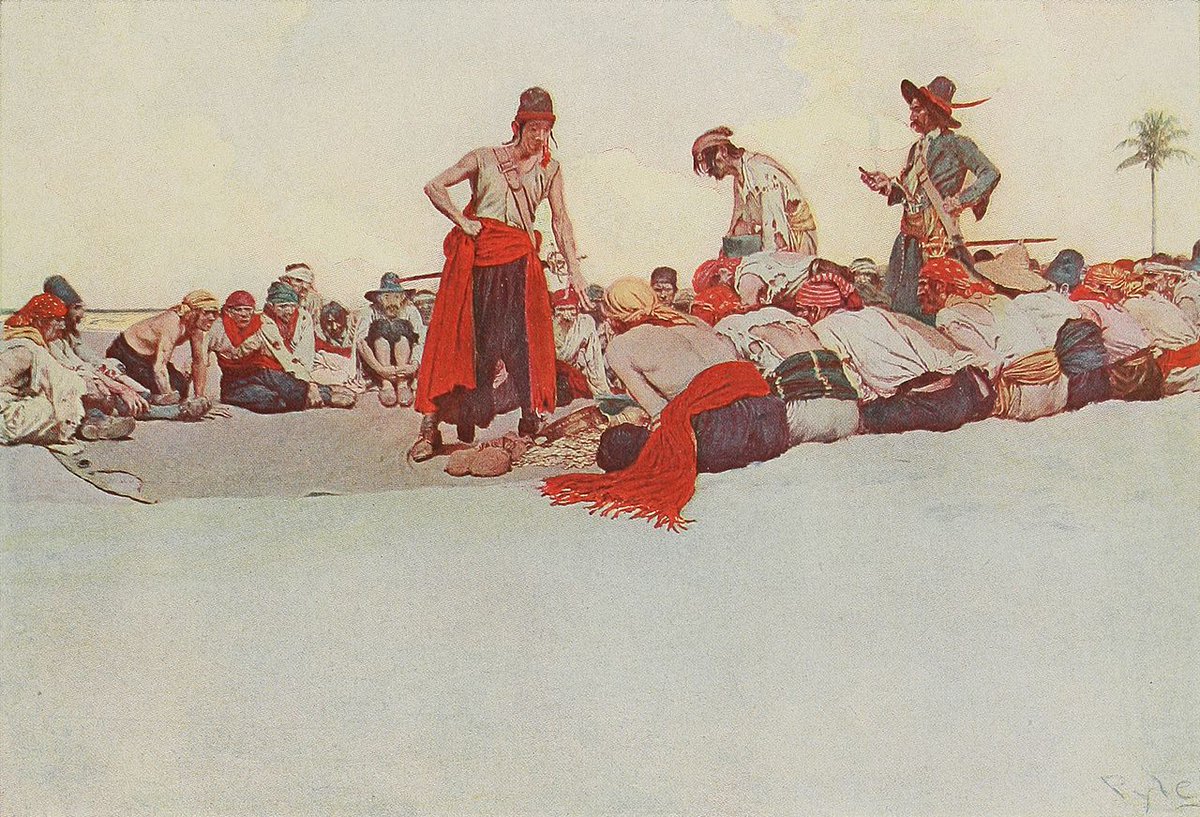
Within the code he outlined rules around right to vote, medical insurance, shares of spoils, marooning and of course my personal favourite, an 8pm curfew.

This made his crew a rather attractive prospect when compared to the poorly treated and underpaid merchant or Royal Navy sailors.
Many merchant vessels of the age did not even have a surgeon on board never mind a right to vote and medical insurance.
Many merchant vessels of the age did not even have a surgeon on board never mind a right to vote and medical insurance.
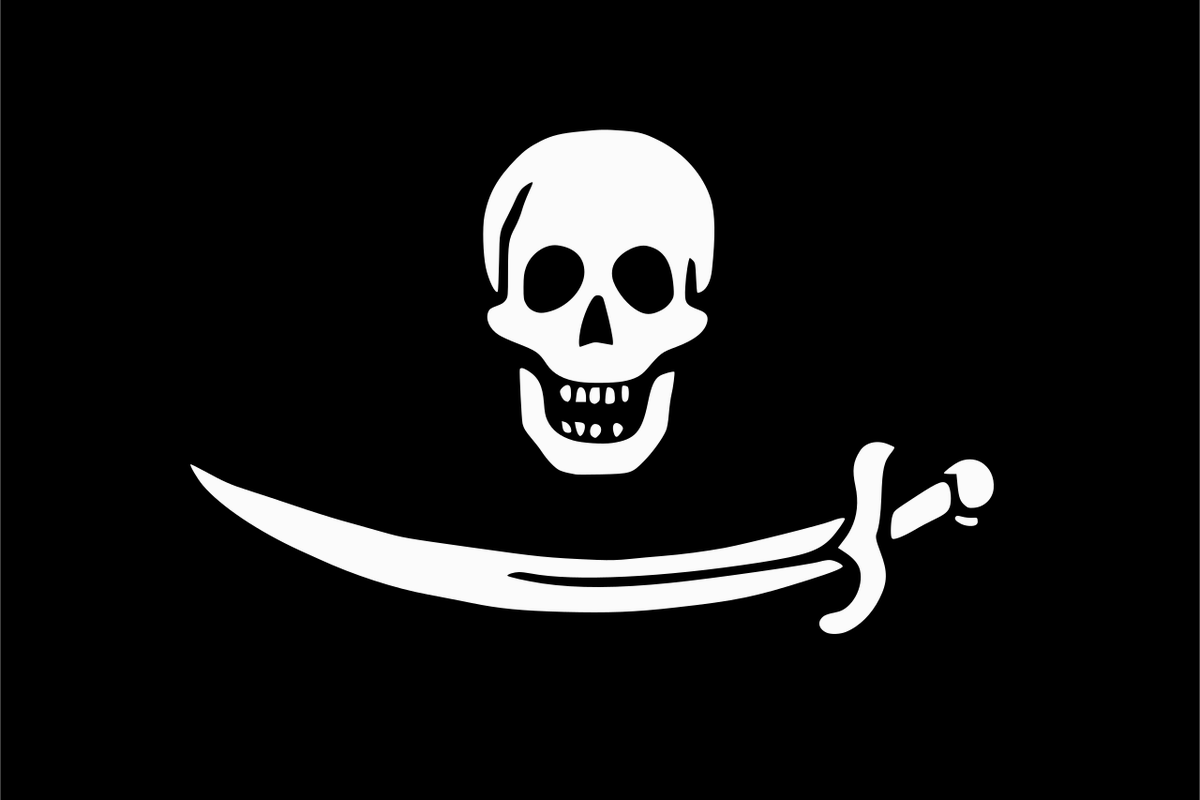
Roberts, like many captains, operated under the Black Flag but he was prone to change this based on the circumstances.
For example, If it benefitted to fly a British or Dutch flag then he would do just that.
For example, If it benefitted to fly a British or Dutch flag then he would do just that.
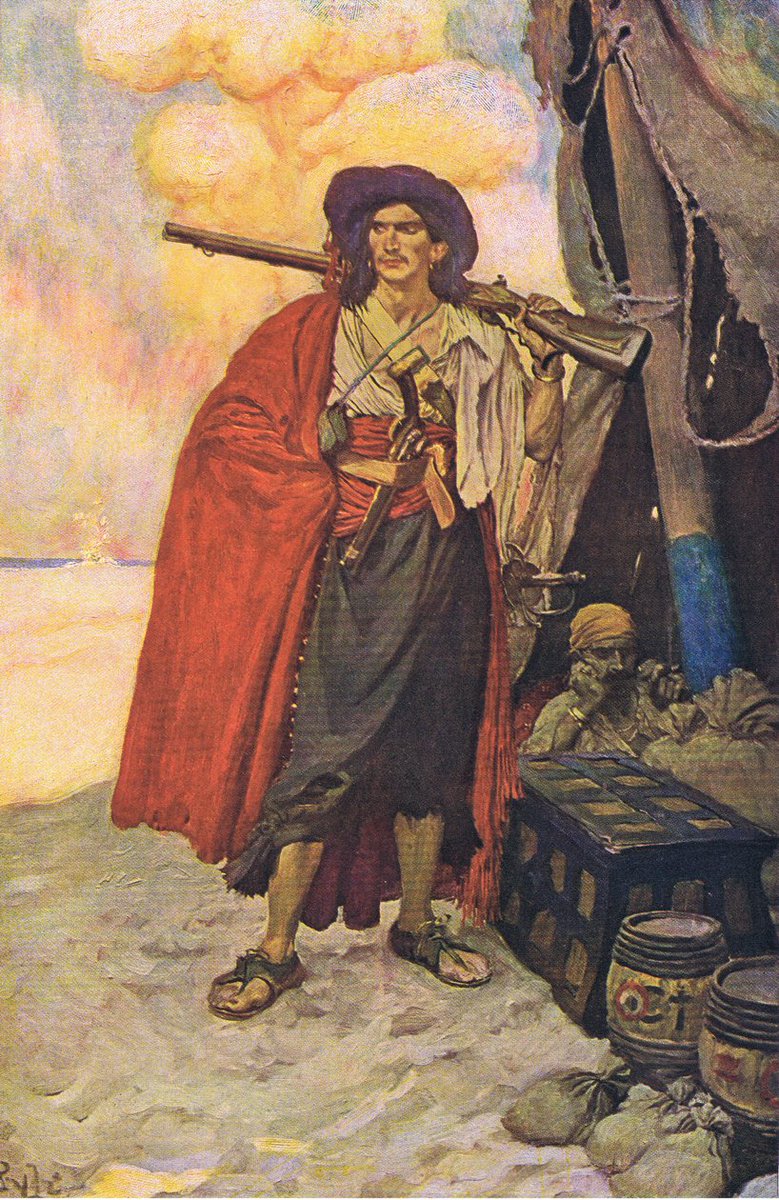
Roberts was quite eccentric in his dress, think of Captain Hook.
He often wore a red coat, with a feather in his hat, now whether this was a disregard for anonymity or just a personal preference we cannot be sure.
He often wore a red coat, with a feather in his hat, now whether this was a disregard for anonymity or just a personal preference we cannot be sure.
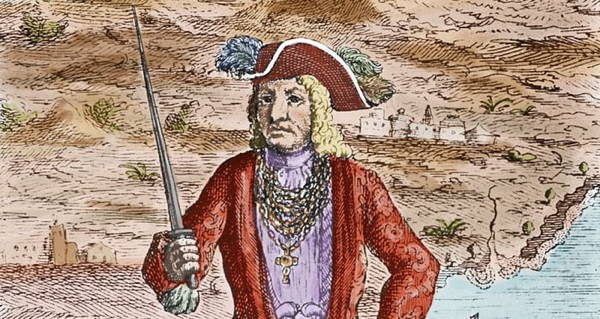
Interestingly Roberts preferred tea to rum, there are some reports that he would occasionally drink beer, but he hated drunkenness at sea, be that for himself or his men.
He ran a tight ship, and his crew were expected to act professionally, well as professionally as a band of rovers could.
He ran a tight ship, and his crew were expected to act professionally, well as professionally as a band of rovers could.

In spite of Roberts initial reluctance to join the world of the pirates he was soon their biggest advocate, often launching retaliatory attacks on towns or colonies that had recently tried and hung pirates.
This made him a priority target for the Royal Navy pirate hunters.
This made him a priority target for the Royal Navy pirate hunters.
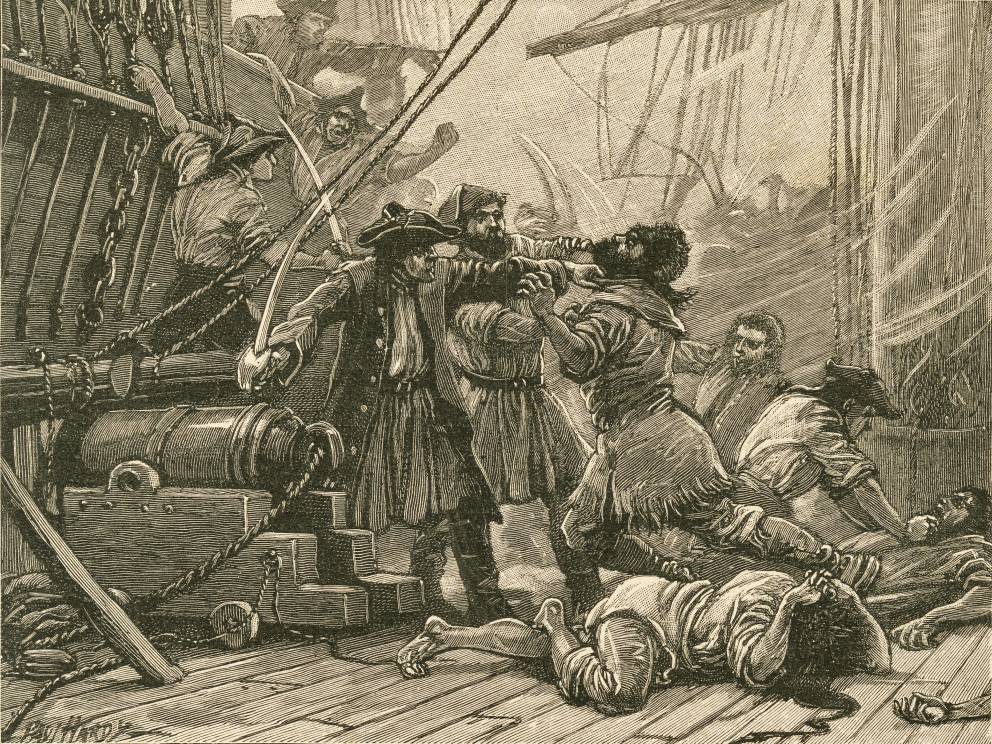
In February of 1722, Chaloner Ogle of the HMS Swallow caught up with Roberts at Cape Lopez.
And luck was on the side of Ogle for at the time of his arrival Roberts crew was nursing a hangover, in fact many of the men were still drunk from the previous night.
We can only imagine Roberts fury!
And luck was on the side of Ogle for at the time of his arrival Roberts crew was nursing a hangover, in fact many of the men were still drunk from the previous night.
We can only imagine Roberts fury!
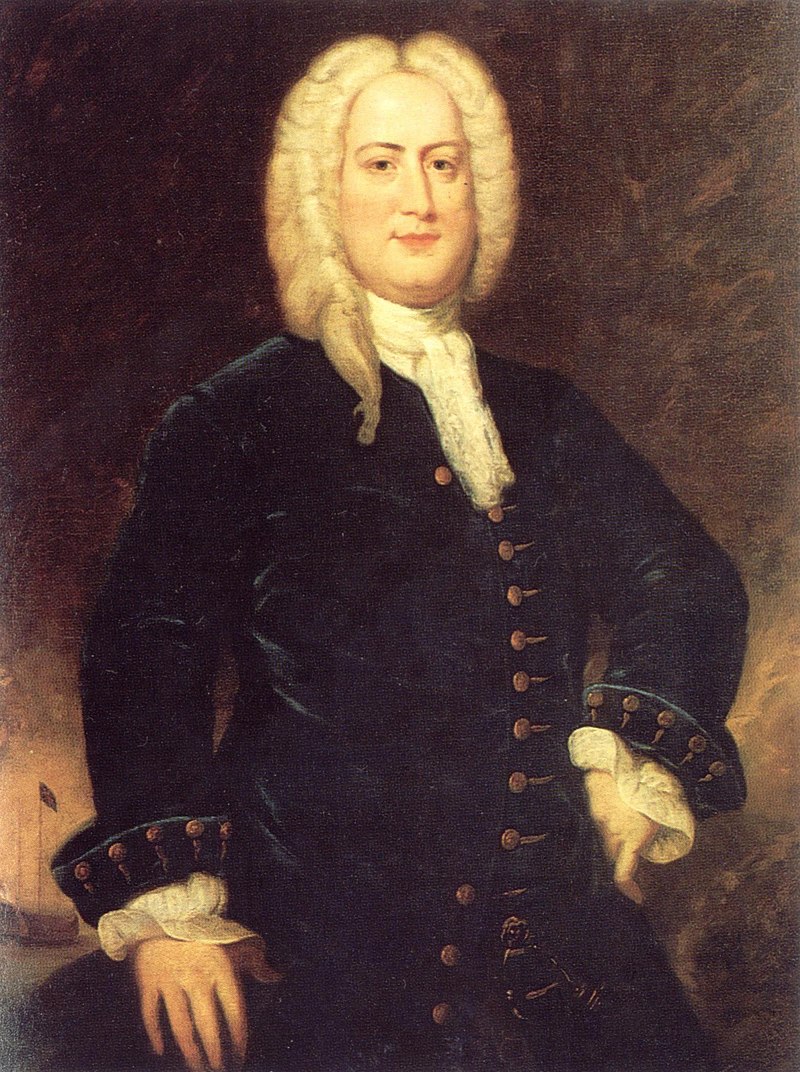
The Swallow and Royal Fortune (Roberts Flagship although it often changed) met on the 10th of February.
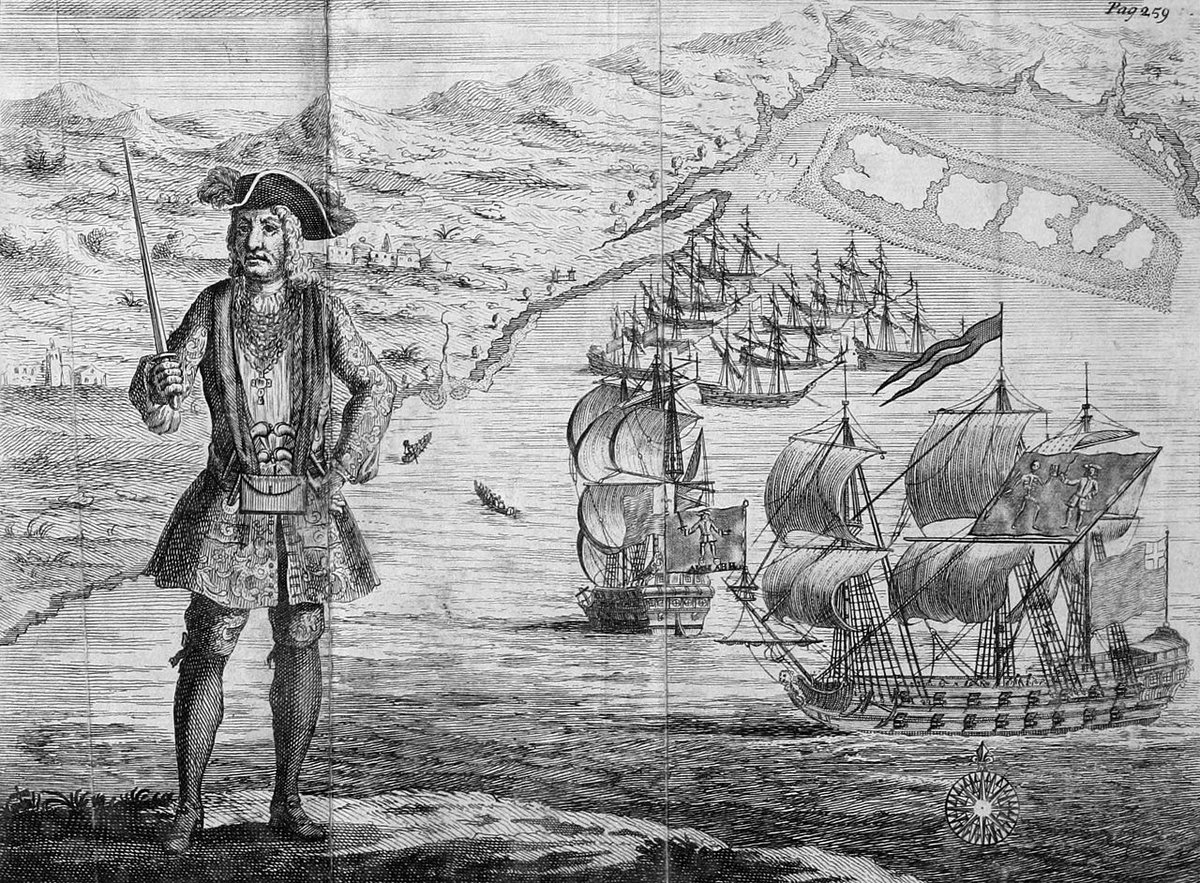
The General History of Pirates describes Roberts facing the engagement:
"Roberts himself made a gallant figure, at the time of the engagement, being dressed in a rich crimson damask waistcoat and breeches, a red feather in his hat, a gold chain round his neck, with a diamond cross hanging to it, a sword in his hand, and two pairs of pistols slung over his shoulders"
The General History of Pirates describes Roberts facing the engagement:
"Roberts himself made a gallant figure, at the time of the engagement, being dressed in a rich crimson damask waistcoat and breeches, a red feather in his hat, a gold chain round his neck, with a diamond cross hanging to it, a sword in his hand, and two pairs of pistols slung over his shoulders"

During the short engagement Roberts took a grapeshot to the neck, he was one of only 3 men killed.
His body was then thrown overboard before Ogle could get his hands on it, as was his wish.
It has never been recovered.
His body was then thrown overboard before Ogle could get his hands on it, as was his wish.
It has never been recovered.
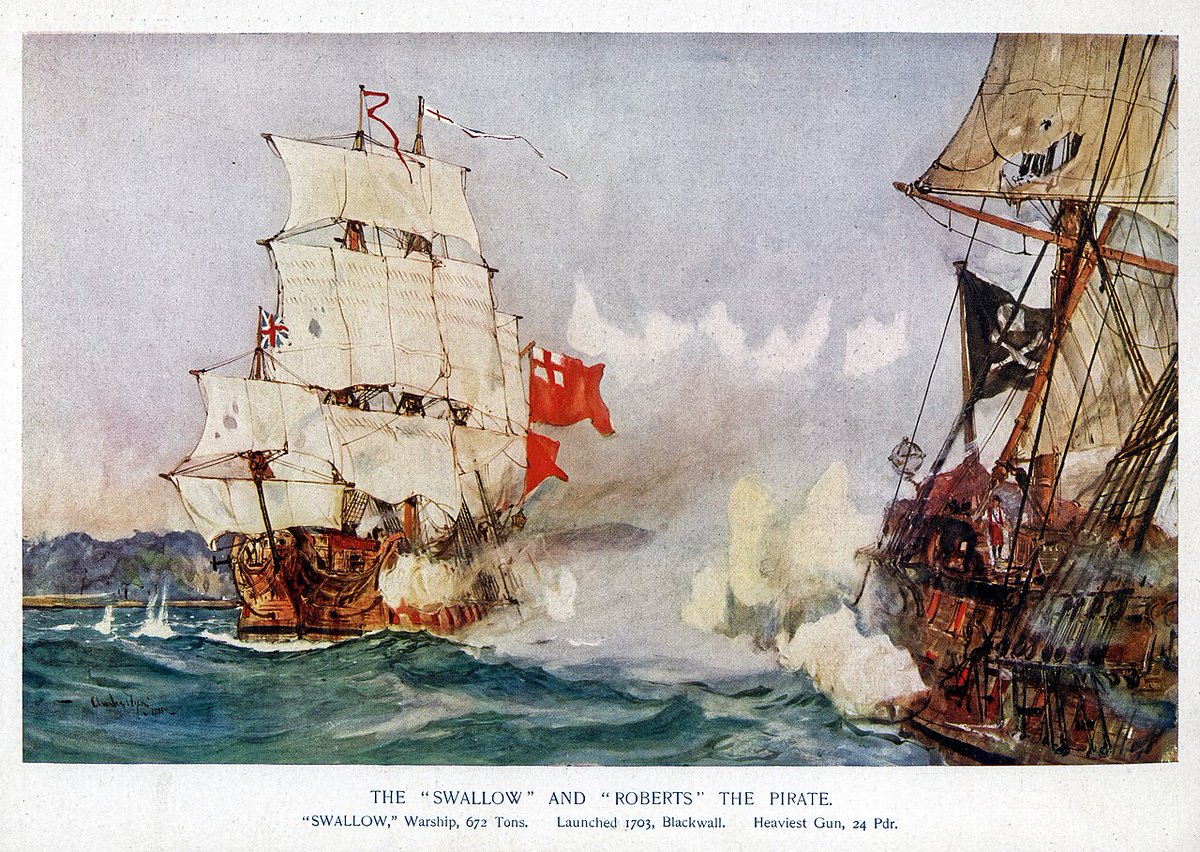
Roberts was the greatest pirate of the Golden Age, and yet it may surprise you to know that his rule of the seas was short lived, he was only active as a pirate for about 3 years or so.
"A short life and a merry one" - Captain Bartholomew Roberts
"A short life and a merry one" - Captain Bartholomew Roberts
• • •
Missing some Tweet in this thread? You can try to
force a refresh