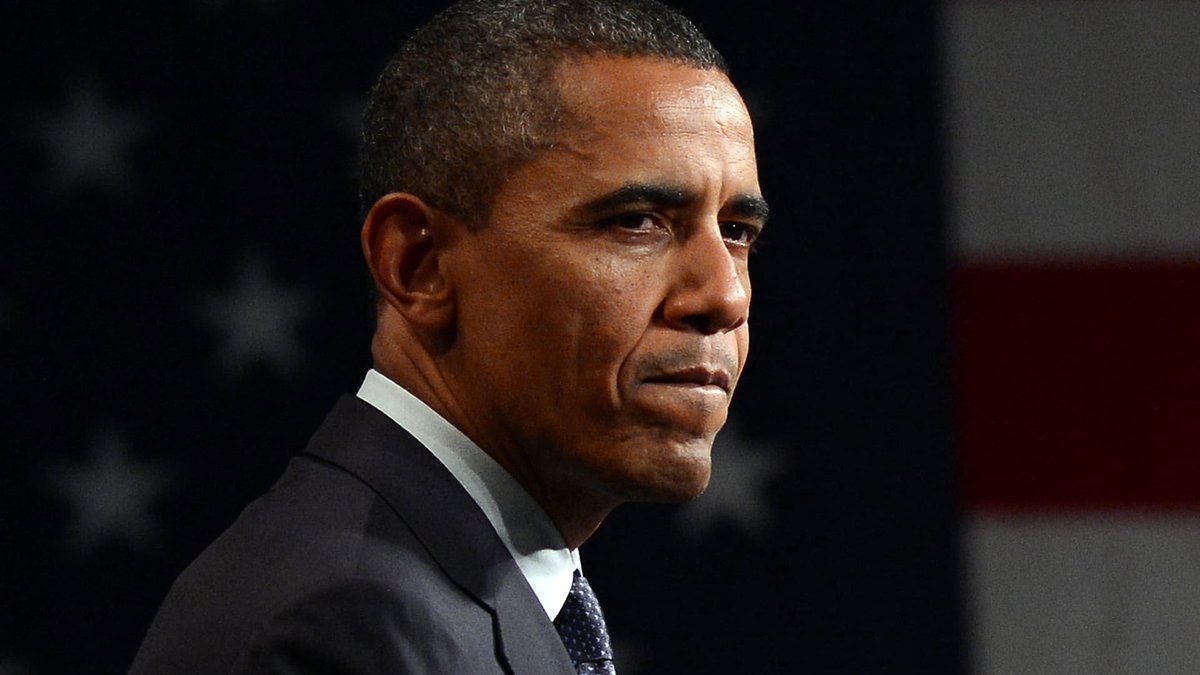
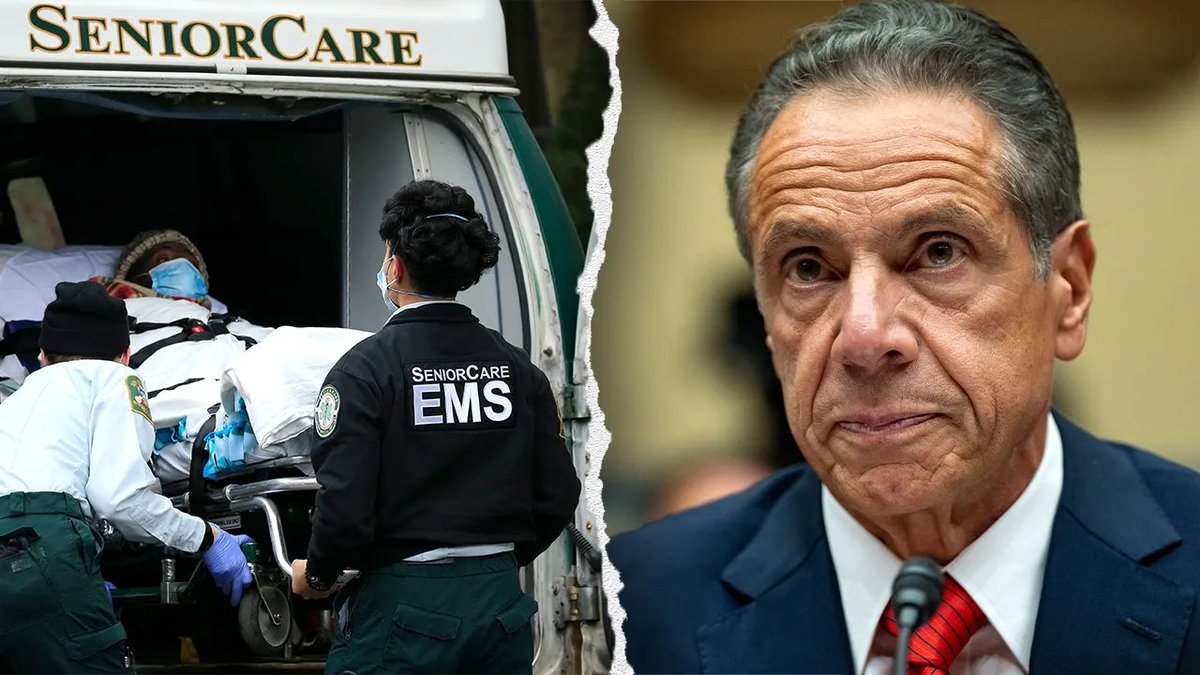
Treason isn't always a single, dramatic act. Sometimes, it's a slow-acting poison, administered over years to weaken a nation from within.
Barack Obama didn't just sell secrets; he sold out America's future, its power, and its pride, one "fundamental transformation" at a time.
He was a traitor in plain sight.
This thread is the toxicology report.🧵Number five will infuriate you.
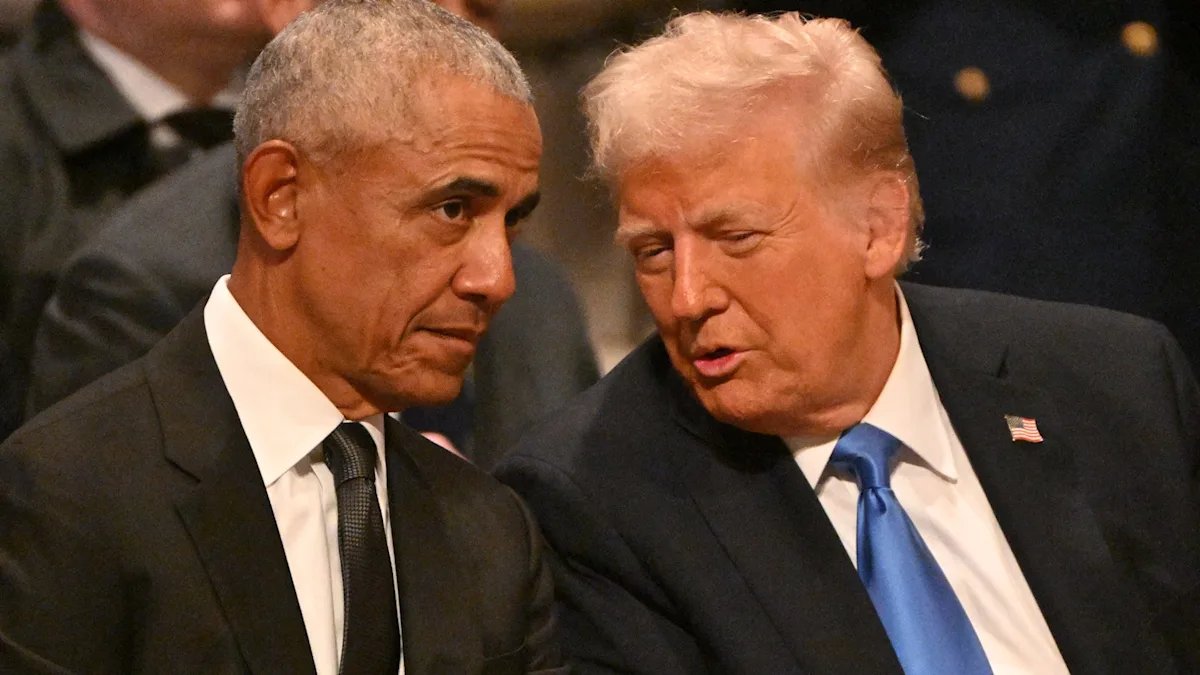
The Apology Tour. His presidency began with a global tour apologizing for American power. In Cairo, he elevated the Muslim world. In Europe, he denigrated America's "arrogance." He signaled to our enemies that the era of American confidence was over, inviting the chaos that followed.
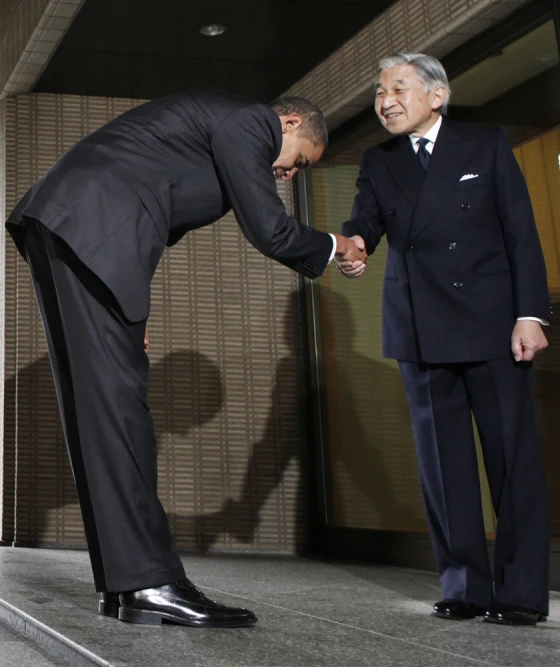
The Betrayal in Benghazi. On September 11, 2012, he left four Americans, including an Ambassador, to die at the hands of terrorists in Libya. Then, he and Hillary Clinton stood over their caskets and lied to their families, blaming a YouTube video to protect his re-election campaign. It was an act of supreme and unforgivable dishonor.

The Iran Nuclear Surrender. He sent pallets of cash, in the dead of night, to the world's leading state sponsor of terror in Iran. His "deal" did not stop their nuclear program; it funded it. He paved their path to a bomb while alienating our most critical allies in the region, like Israel.
The Syrian "Red Line" Humiliation. He drew a "red line" on Assad's use of chemical weapons, then did nothing when Assad gassed his own people. This single act of cowardice shattered American credibility on the world stage and gave a green light to adversaries like Vladimir Putin to act with impunity.
The Bergdahl Betrayal. He traded five high-level Taliban commanders—terrorists now back on the battlefield—for Bowe Bergdahl, a soldier who deserted his post. In doing so, he betrayed every soldier who risked their life searching for Bergdahl and signaled to the world that America negotiates with terrorists.
The Gutting of the U.S. Military. Through budget sequestration and a deliberate strategy of "leading from behind," his administration hollowed out our armed forces. He shrunk the Navy, aged the Air Force, and demoralized our troops with social experimentation, leaving America weaker and more vulnerable.
Weaponizing the IRS. His IRS, under Lois Lerner, systematically targeted and persecuted conservative and Tea Party groups to silence them ahead of an election. This was a direct assault on the First Amendment, turning the most feared agency of the state against his own political citizens.
The "Fast and Furious" Scandal. His Department of Justice intentionally allowed thousands of guns to be sold to Mexican drug cartels, resulting in the murder of hundreds, including U.S. Border Patrol Agent Brian Terry. They armed our enemies and got an American hero killed.
The Obamacare Deception. He looked the American people in the eye and repeatedly promised, "If you like your plan, you can keep your plan." It was a calculated, knowing lie—named "Lie of the Year"—designed to defraud the public into accepting a government takeover of their healthcare.
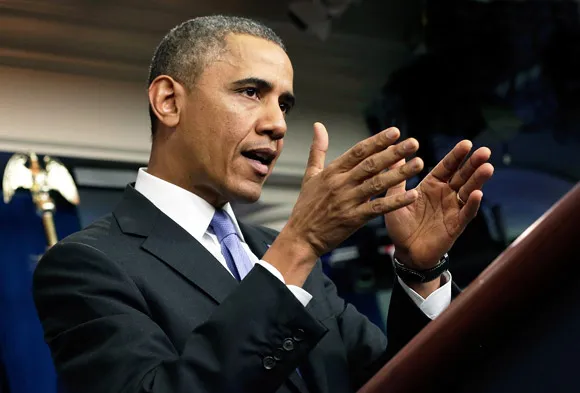
Spying on the Press. His DOJ secretly seized the phone records of Associated Press journalists and formally labeled Fox News reporter James Rosen a "criminal co-conspirator" to monitor his communications. When the press exposed his secrets, he treated them like spies.
The Godfather of the Russia Hoax. The entire seditious conspiracy to frame Donald Trump began in his administration. It was his FBI that launched Crossfire Hurricane. It was his DOJ that obtained the fraudulent FISA warrants. He laid the groundwork for the coup against his successor.
The War on American Energy. He used the EPA as a weapon to block pipelines, kill the coal industry, and strangle domestic oil and gas production with crushing regulations. His policies made America weaker, poorer, and more dependent on foreign dictators for our energy.
Releasing Terrorists from Guantanamo Bay. His administration released hundreds of terrorists and enemy combatants from Guantanamo Bay. Unsurprisingly, a significant number returned directly to the battlefield to kill Americans and our allies. He knowingly freed our enemies.
The Shadow President. Even now, he operates a shadow government from his mansion in Washington D.C., coordinating the "resistance" and the Deep State's war against the current Trump administration. He never relinquished power; he merely moved it into the shadows.
This is not a record of policy differences. It is a clear and undeniable pattern of action designed to weaken America's standing, security, and sovereignty. This is the charge sheet of a man who worked against the very nation he swore an oath to protect. He must be held accountable.
If you like my content please consider buying a copy of Saggezza Eterna. Read the intro free on Amazon using the link: Thanks to your support we are now Number One in new releases in our category and on the first page of "Th Philosophy of Good and Evil" ⭐⭐⭐⭐⭐amazon.com/dp/B0FGXMWRYP
If you like my content please consider buying a copy of Saggezza Eterna. Read the intro free on Amazon using the link: Thanks to your support we are now Number One in new releases in our category and on the first page of "The Philosophy of Good and Evil" ⭐⭐⭐⭐⭐amazon.com/dp/B0FGXMWRYP
• • •
Missing some Tweet in this thread? You can try to
force a refresh

The Traitorous Parasite of Congress: Exposing Ilhan Omar's Grotesque Syndicate of Incest, Immigration Fraud, and Taxpayer Theft (THREAD 🧵)
Ilhan Omar stands as the absolute filth of progressive hypocrisy, a woman who built a career lecturing Americans on their supposed moral failings while orchestrating a deeply parasitic, taxpayer funded family syndicate. The left demands that we bow to her as a trailblazing icon of diversity, but behind the meticulously crafted public relations shield lies a traitorous fraud who has shamelessly monetized her political power. She treats the United States not as a homeland to serve, but as a host to bleed dry. Every move she makes reveals a cunning, deeply cynical operator who uses the protective cloak of identity politics to shield a web of alleged immigration fraud, campaign finance abuses, and institutional grift that would land any ordinary citizen in federal prison...
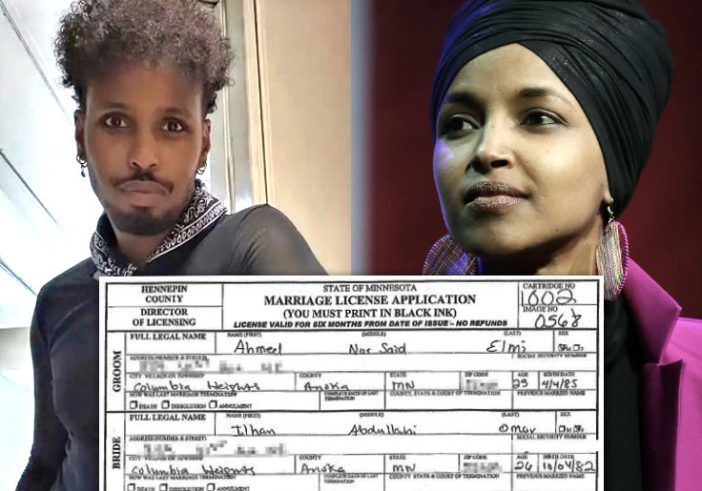
The foundation of Omar's entire American narrative is built on what appears to be a grotesque mockery of our immigration laws. For years, mounting evidence has pointed to the chilling reality that her legal husband, a Somali born British citizen named Ahmed Nur Said Elmi, is actually her own brother, married in 2009 for the sheer purpose of bypassing United States immigration protocols. While legally bound to Elmi, Omar was simultaneously living with her alternate husband, Ahmed Abdisalan Hirsi, with whom she had a religious ceremony and raised three children. In 2017, she had the sheer audacity to swear under oath in a divorce filing that she had not seen Elmi in six years and possessed absolutely no way to locate him. Yet, an airtight discovery made in 2019 by investigative journalist David Steinberg obliterated this perjury. Deep within the source code of a website run by Omar's sister, Elmi was found logged into his personal Instagram account, "ahmedelmi", actively creating links for the family business. Elmi's own professional profile boasts of his freelance work since 2014, exposing the blatant absurdity of Omar's sworn ignorance. The sheer arrogance required to lie under oath while your supposedly long-lost husband is busy doing digital marketing for your immediate family is staggering...
But the familial corruption extends far beyond alleged incestuous immigration fraud. Omar has ruthlessly leveraged her political offices to funnel millions of taxpayer dollars straight into her family's orbit. From July 2014 to April 2018, her elder sister, Sahra Noor, served as the CEO of People's Center Clinics and Services. This operation is nestled directly in the Minneapolis neighborhood of Cedar Riverside, an area notoriously dubbed Little Mogadishu due to its dense, heavily non-English-speaking Somali migrant population. Coincidentally, right after Omar began her term in the Minnesota House of Representatives in January 2017, the state legislature approved a 2.2-million-dollar capital budget line item for this exact clinic. This so-called nonprofit has gorged itself on 33 million dollars in Health and Human Services grants since 2002. Omar even paraded her supposed triumph, boasting about securing the cash and celebrating the clinic's 2022 renovations alongside enablers like Senator Amy Klobuchar, Mayor Jacob Frey, and state Senator Omar Fateh...
Stop waiting for the world to recognize your talent. Discover the ruthless Machiavellian framework to kill your need for validation, enforce silent consequences, and force the room to organize itself around your authority. (THREAD 🧵)
In chess, the king doesn't chase. It doesn't beg. It doesn't react. It dictates. Your mind should work the same way. The king is the weakest piece on the board. It barely moves. It can't attack like the queen or strike like the knight. But the entire game revolves around it. Every piece exists to protect it. Every move serves its survival. That's not weakness; that's structure. And your mind operates the same way. Most people have no king; they have chaos. They have a hundred voices competing for control: fear, guilt, approval, shame. They move through life reactive, scattered, and defenseless. Machiavelli knew this. Powerful minds are not built through motivation. They're built through the ruthless protection of what matters, through clarity, and through a refusal to be moved by anything that doesn't serve the center. This is the king's psychology, and if you don't have one, you're already losing.
You sit around waiting for respect like it's owed to you. It's not. No one hands you power because you're kind, because you're capable, or because you deserve it. Power is seized in silence through action, through boundaries, and through a refusal to bend. Every time you wait for permission, you teach the world that you don't trust your own authority, and the world responds accordingly. It walks over you. People respect what they cannot control. You think fairness matters, but fairness is a negotiation between equals. When you act like you need validation, you're not equal; you're beneath. That's not cruelty; that's psychology. The moment you require external proof of your worth, you surrender your position. You make yourself a variable in someone else's equation, and variables get manipulated.
I've watched people with talent rot in mediocrity because they believed competence alone would elevate them. It doesn't. Competence without dominance is invisible. You have to claim the space. You have to behave as though your reality is the only one that matters, not arrogantly, but with cold certainty. When you move without asking, people adjust. When you impose your frame, they either enter it or leave. Either way, you remain unmoved. This isn't about aggression; it's about a refusal to negotiate your existence. A king doesn't ask the court if he should sit on the throne. He sits, and the room organizes itself around that fact. You've been conditioned to believe that taking power is selfish. That's the exact belief that keeps you powerless. The ones who control you want you afraid of your own strength. But here's what they don't tell you: the game rewards those who stop playing fair, not through force, but through calculated stillness, through the willingness to let others react while you remain the axis. That's where control begins, and it begins the moment you stop waiting for the world to recognize you...
You're not moving through life; you're being moved. Every reaction you give, every emotion you display, and every boundary you fail to enforce are moves someone else is making with you. You think you're navigating, but you're being positioned. And the worst part is, you don't even see the board. Chess isn't about strength; it's about prediction. It's about seeing three moves ahead while your opponent is still celebrating the last one. Most people live in real time. They respond to what just happened. They defend what was just attacked. That's not strategy; that's panic. And panic is how you lose control without ever realizing you had it. The player who controls tempo controls the outcome. You've been playing checkers in a chess game, and that's why you keep losing.
Every interaction is a position. Every conversation is a probe. People test you constantly, not consciously, but instinctively. They push to see where you bend. They observe where you hesitate. And once they map your weaknesses, they exploit them, not because they're evil, but because that's survival. You do it, too; you just don't admit it. The difference between you and someone with power is that they've stopped pretending the game isn't happening. I learned this the hard way. I used to think honesty and effort were enough. They're not. I watched manipulators rise while good people stagnated, and I realized the board doesn't care about your morality; it cares about your positioning. So I stopped reacting. I started observing. I let people reveal themselves through their moves, and I responded from strategy, not emotion. That shift changed everything because once you see the game, you can't unsee it.
The king in chess is the weakest piece in terms of movement, but the entire game revolves around protecting it. That's the paradox. Power isn't about being the strongest; it's about being the most protected, the most intentional, and the most untouchable. And that only happens when every move you make serves a larger structure. Random emotion destroys structure. Reaction destroys foresight. You want power? Stop moving in response to noise. Your mind is not a democracy; it's a kingdom. And right now, it's being ruled by everything except you. Fear sits on the throne. Guilt whispers in the corner. Shame patrols the walls, and you, the actual ruler, are nowhere to be found. You've abdicated. You've let external voices colonize your internal space, and that's why your life feels out of control, because it is...
The king in chess doesn't move recklessly. It doesn't chase. It doesn't react to every threat. It holds position. It stays centered, and every piece on the board exists to protect that center. Your purpose, your true internal direction, is that king. Everything else is a supporting piece: your habits, your boundaries, your decisions, and your silence. Those are your knights, your rooks, and your bishops. When they're aligned with your center, you're unshakable. When they're scattered, you collapse. Most people have no king. They have a crowd, a thousand competing voices, all claiming authority. One day they want respect, the next day they want to be liked. One moment they're disciplined, the next they're indulgent. There's no core. There's no singular law governing their choices, so they drift. They contradict themselves, and the world reads that as weakness, because it is. Contradiction is vulnerability. Inconsistency is an invitation to be manipulated.
I used to think flexibility was strength. It's not. Adaptability within a rigid frame is strength. Flexibility without structure is just collapse in slow motion. I had to build my internal law first: the non-negotiables, the truths I would not bend on regardless of pressure. Once that king was established, every decision became simpler. Does this move protect my center? Yes or no? If no, I don't make it. That's not rigidity; that's sovereignty. Your mind will be ruled by something. If you don't claim that throne, someone else will, and they'll do it through guilt, through expectation, and through fear of rejection. You'll move according to their needs, not yours. You'll sacrifice your purpose to maintain their comfort, and one day, you'll wake up and realize you've been playing their game on their board with their rules. The king was always you; you just forgot to act like it.
You want to be loved. That's your weakness. You think if people like you, they'll respect you. They won't. Affection is cheap. It costs nothing to smile at you, agree with you, or tell you what you want to hear. Respect costs something. It requires them to adjust their behavior in your presence, and people only do that when there's a consequence for not doing it. Fear is not about violence; it's about certainty. It's the understanding that crossing you will result in something they don't want: a boundary enforced, a relationship ended, or a reaction they can't manipulate. Most people are so desperate to avoid conflict that they never establish consequences, so they get walked over and then they wonder why no one takes them seriously. You taught them not to. You showed them that your limits are negotiable...
The Art of Invisible Dominance: How to Protect Your Power (THREAD🧵)
They will destroy you if you reveal this—not because you are wrong, but because you are right. The right information in the wrong hands makes you a target. Machiavelli knew it, Sun Tzu knew it, and every ruler who survived betrayal knew it. Power is not what you have; it is what you hide. You think honesty builds trust, but it does not; it builds weapons. Every time you expose your limits, your wounds, your certainty, or your plans, you hand people the manual to your destruction. They do not need to overpower you; they just need to know where to strike, and you gave them the map. You showed them the wound and announced your boundary, and now you are surprised they used it against you. This is not about becoming cold; it is about becoming untouchable because the world does not reward vulnerability—it weaponizes it. The moment you reveal too much, you lose control, not immediately, but slowly and subtly, until one day you realize everyone around you knows exactly how to manipulate you. They do it not out of evil, but out of survival, because weak people need control, and the easiest person to control is the one who tells you everything. Machiavelli wrote The Prince in exile, Marcus Aurelius wrote Meditations in private, and Sun Tzu never revealed his losses. These men understood that power lives in silence. You do not announce your strength, you do not explain your strategy, and you do not expose your evolution. You just execute. When people finally see what you have become, it is too late to stop you because they never saw you coming. So here is what you are about to learn: six things you must never reveal to friends, to family, or to anyone who has not earned the right to your truth. The second you expose these, you lose, and you do not get them back. This is not philosophy; this is survival psychology. This is how you protect your power without ever having to defend it.
Let us start with the one thing people test the most: your limit for betrayal. You think boundaries are about respect, but they are not; they are about control. The second you announce where your line is, you hand people the map to your destruction. They do not need to respect it; they need to find it. Once they do, they will stand right on the edge, testing how far they can push before you break. That is not respect; that is psychological warfare, and you are losing because you spoke first. Boundaries work in silence. You do not warn, you do not negotiate, and you do not explain. You let them wonder where the limit lies, and when they cross it, you end it. There should be no anger and no drama—just consequence: cold, immediate, and irreversible. The most dangerous people in any room are the ones you cannot read. They smile and they listen, but you never know when you have gone too far until it is already over. That is power, and that is survival. You must become the consequence they fear, not the boundary they test. I learned this the hard way. I used to tell people exactly what I would not tolerate: disrespect, dishonesty, and manipulation. I thought clarity was strength, but it was not; it was a manual. They knew exactly how far they could go before I would react, so they lived right there, right on the edge, draining me slowly. The moment I stopped announcing my limits, everything changed. I stopped warning and just walked away with no explanation and no second chance. Suddenly, people started treating me differently—not because I demanded respect, but because I made disrespect expensive. Machiavelli understood this deeply. He wrote that a prince must be feared—not because he threatens, but because his actions are unpredictable. Fear does not come from violence; it comes from uncertainty. When people do not know your breaking point, they cannot weaponize it. They cannot manipulate you or push you to the edge to watch you crack. You become unreadable, and the unreadable are untouchable. That is where real dominance lives: not in the strength of your boundary, but in the mystery of where it is. So, stop telling people what you will not accept. Stop explaining your standards and stop giving warnings. Let your actions speak. Let them discover your limits by crossing them and paying the price. You do not control people by teaching them where the line is; you control them by making the cost of finding out too high. Silence is your weapon, consequence is your teacher, and the moment they realize they misjudged you, it is already too late. That is not cruelty; that is clarity. That is how you protect your peace without ever having to defend it.
Boundaries are just the surface, because the real war is not fought at the edge of what you tolerate; it is fought in the wounds you carry inside. Everyone carries pain, but not everyone knows how to weaponize it. The moment you expose your wound, you give others the blueprint to destroy you. They will smile, sympathize, and tell you they understand, and then, when it serves them, they will press their finger right into that scar and twist. They do this not because they are evil, but because humans are opportunistic. Weakness is currency, and you just handed them yours for free. Your wound is not your identity; it is your evolution. Every scar you carry is proof you survived something most people could not. But the second you turn that survival into a story, you become the victim in other people's minds, and victims do not command respect—they attract parasites. They attract people who feed on your need for validation and use your pain as leverage. They do not want you healed; they want you dependent, because a dependent person is controllable, and control is what weak people crave when they cannot build power themselves. I used to talk about my pain, thinking vulnerability was strength and that sharing my wounds would create connection. It did not; it created targets. People remembered, filed it away, and when I stopped being useful or stopped giving, they used it against me. It was never direct; it was always through subtle reminders and little comments designed to make me feel small again. That is when I understood that vulnerability is not power—discretion is. The world does not reward openness; it rewards those who turn their pain into fuel and never let anyone see the fire. Machiavelli never spoke of his suffering, Marcus Aurelius wrote his meditations in private, and Sun Tzu never revealed his losses. These men understood that power is built in silence. You do not heal by broadcasting your wounds; you heal by transforming them into wisdom and keeping that transformation hidden. Let people see your strength and your composure, but never let them trace it back to the source. Once they know where the pain came from, they know where to strike. And they will, not out of malice, but out of survival, because people who feel powerless will always try to make you feel the same. Guard your wound like a secret. Use it to understand others, their fears, their patterns, and their desperation. You become the one who sees through manipulation because you have lived it. You become the one who does not flinch when others try to guilt, shame, or break you down because you have already been broken and rebuilt yourself in a way no one can see. That is the advantage; that is the edge. Your pain becomes medicine for others, but only on your terms. You help and you guide, but you never let them see the wound that taught you how.
The 3 Words That Instantly Reveal Someone's True Intentions (THREAD 🧵)
What I'm about to show you can't be unknown. Once you learn to hear these three words, you'll hear them everywhere: in every conversation, every negotiation, every promise, and every relationship. You'll know instantly what someone actually wants from you versus what they're pretending to want. This isn't a psychology trick, nor is it some self-help framework. This is operational intelligence that has been used by powerful men for over 500 years to separate truth from performance.
Niccolò Machiavelli understood this when he wrote The Prince in 1513. He wasn't just writing about political strategy; he was documenting how Renaissance princes detected lies, identified false advisers, and read intentions through the language people used. The same patterns he observed in the courts of Florence exist in every conversation you have today. The same linguistic tells that reveal the courtier's true loyalty reveal your co-worker's real intentions. The same verbal weapons that ambitious nobles used to manipulate princes are being used on you right now.
Your grandfather might have known this; his grandfather definitely did. But somewhere along the way, they stopped teaching it because men who can read intentions are harder to manipulate, harder to control, and harder to use. I'm going to give you three words. They are not complicated or obscure; they are words you've heard a thousand times and never registered what they actually mean. But once you understand what these words reveal about the person saying them, you'll never be lied to the same way again. You'll never be blindsided. You'll never wonder why someone betrayed you because you'll have seen it coming the moment they opened their mouth. This is forbidden knowledge—not because it's illegal, but because it's dangerous to people who profit from your ignorance. Last chance to stop reading. Still here? Good. Let's begin...
Word 1: Just
The first word is simple. You hear it every day, and you probably use it yourself without thinking. The word is just. As in: "I'm just trying to help," "I'm just saying," "It's just a suggestion," "I was just wondering," or "Can I just ask you something?" It sounds harmless, right? Polite, even humble. It's not.
Machiavelli wrote extensively about the danger of advisers who minimize their own ambitions while advancing them. In The Prince, he warned that the most dangerous courtiers are those who appear humble while maneuvering for power. Just is the modern equivalent of what Machiavelli called false modesty. It's a verbal weapon that courtiers used in Renaissance Florence and that people use on you today.
Here's what just does: it minimizes. It makes whatever comes after it seem smaller, less important, and less threatening than it actually is. When someone says, "I'm just trying to help," what they're really saying is, "I'm about to criticize you, control you, or impose my will on you, but I'm framing it as assistance so you can't object without seeming ungrateful." Machiavelli observed this exact pattern in advisers who would approach princes with, "I merely suggest," or "I only wish to offer counsel." The word merely, the word only, and the word just all serve the same function: to disguise ambition as service.
When someone says, "I'm just saying," what they mean is, "I'm about to say something I know you won't like, and I'm preemptively deflecting your reaction by making it seem casual and unimportant." When someone says, "Can I just ask you something?" they're not asking for permission; they're softening an intrusion. They're going to ask regardless. The just is there to make you feel like saying no would be unreasonable. Just is the verbal equivalent of a knife hidden behind a smile.
Machiavelli understood that powerful men must learn to see through this disguise. In chapter 22 of The Prince, he writes about how to choose ministers and advisers. One of his key tests is whether this person speaks directly or constantly softens their words to avoid accountability. A good adviser speaks plainly. They say, "This policy will fail. This alliance is dangerous. This decision is wrong." A false adviser says, "I just think we might want to consider... I'm just wondering if perhaps... It's just that I'm slightly concerned." The difference? The good adviser is willing to be held accountable for their counsel. The false adviser is protecting themselves. They want influence without responsibility; they want to guide your decisions while maintaining plausible deniability if things go wrong.
Now, here's why this matters for power dynamics. People who use just frequently are doing one of two things: either they're trying to slip something past your defenses by making it seem harmless, or they're positioning themselves as non-threatening when they're actually calculating. Watch for it in negotiations. Watch for it in relationships. Watch for it in any situation where someone wants something from you.
"I just think it would be better if..." Translation: I want you to do what I want, but I'm disguising my demand as a mild opinion.
"I'm just checking in." Translation: I'm monitoring you because I don't trust you, but I'm calling it concern.
"It's just that..." Translation: Here comes the real objection I've been holding back, but I'm introducing it like it's a minor thing.
The word just is a tell, like a poker player touching their face when they're bluffing. Once you start listening for it, you'll realize how often people use it when they're being manipulative.
Now, here's the critical part: watch who never uses just. Powerful men don't soften their words. They don't minimize their statements. They don't apologize for taking up space or making demands. Machiavelli observed that true princes speak with clarity and directness. They don't hedge or qualify; they state what they want and expect it to be done. When a man says, "I need this done by Friday," that's direct, clear, and honest about intention. When a man says, "I just need this done by Friday," he's either unsure of his authority or he's trying to manipulate you into compliance by making it seem like a small request when it's not.
Men who understand power don't use just because they don't need to hide their intentions. They're comfortable being direct and comfortable with you knowing exactly what they want. Men who use just are either weak and seeking permission for everything they say, or they're predatory and disguising their true intentions behind false humility. Either way, it's a red flag.
Here's how you use this knowledge: when someone hits you with just, stop. Before you respond, translate what they actually said by removing the word. "I'm just trying to help" becomes "I'm trying to control you." "I'm just wondering" becomes "I'm demanding to know." "Can I just..." becomes "I'm going to regardless of your answer." Now, respond to what they actually meant, not what they pretended to say.
Machiavelli would have called this cutting through the veil of words to see the intention beneath. In his letters, he repeatedly advised princes to judge men not by their words, but by their actions and the structure of their language. Most people won't even realize you caught them, but you'll have positioned yourself correctly in the interaction because you understood the real intention from the first word. That's the power of just. One word reveals everything.
Word 2: But
The second word is even more common. You've heard it your entire life, and you've probably been lied to with it more times than you can count. The word is but. Everything before but is a lie; everything after but is the truth. Let me say that again because this is one of the most important things you'll ever learn about human communication: everything before but is performance; everything after but is intention.
Machiavelli understood this perfectly. In The Prince, he wrote about how men say one thing to your face and mean another in their hearts. He observed that courtiers would praise a prince's wisdom, his generosity, and his strength, and then introduce but to deliver the message they actually came to say. "Your highness is most generous, but the treasury grows empty. Your wisdom is unmatched, but this policy may require reconsideration. You are a great leader, but perhaps this decision was hasty." The praise is theater; the correction is the purpose of the conversation.
This pattern exists in every relationship today.
"I love you, but..." Translation: I don't love you enough to accept what comes next.
"I respect your opinion, but..." Translation: I don't respect your opinion, and here's why you're wrong.
"I'd love to help, but..." Translation: I'm not helping, and here's my excuse.
"You're a great guy, but..." Translation: You're not what I want, and here's the rejection.
The word but negates everything that came before it. It's a linguistic eraser. Whatever was said in the first half of the sentence was just a setup for the real message in the second half.
Here's what makes this so powerful: most people don't realize they're doing it. They genuinely believe they're being nice by softening the blow with a compliment or agreement before delivering the truth. But you need to understand what's actually happening. The first part of the sentence is social lubrication. It's there to make the second part easier to swallow. It's manipulation disguised as politeness. Machiavelli called this necessary deception.
In chapter 18 of The Prince, he writes that a wise prince must know how to appear as one thing while doing another. But he also warns that a prince must be able to detect when others are using this same tactic against him. When someone says, "I appreciate everything you've done, but we're going in a different direction," they're not appreciating anything—they're firing you. The appreciation is fake; the firing is real. When someone says, "I think you're amazing, but I'm not ready for a relationship," they don't think you're amazing. If they did, they'd be ready. The compliment is fake; the rejection is real. When someone says, "I hear what you're saying, but here's what I think," they didn't hear anything. They were waiting for you to finish so they could say what they already decided. The acknowledgment is fake; their dismissal is real. But is a hinge. It's where the performance ends and the truth begins.
Now, here's how this plays into power dynamics. Powerful men don't use but to soften their message. They deliver the truth directly because they're not afraid of how you'll react. Machiavelli advised princes to be direct in their communications, especially when delivering bad news or making difficult decisions. A prince who hides his intentions behind compliments and qualifiers appears weak and loses respect. They don't say, "I think you're talented, but you're not right for this position." They say, "You're not right for this position." No fake compliment, no softening—just the truth. They don't say, "I'd like to help, but I can't right now." They say, "I can't help you." Direct, honest, and clear.
When a man uses but constantly, he's either weak and afraid of confrontation, or he's manipulative and using fake agreement to slip his real intentions past your defenses. Neither is someone you want to trust. Watch for but in negotiations. Watch for it in relationships. Watch for it in any situation where someone's trying to let you down easy or disagree with you without seeming disagreeable. The moment you hear but, everything that came before it was theater. The real message is coming now.
And here's the tactical application: when someone uses but, interrupt them mentally. Cross out everything they said before it and listen only to what comes after. "I really value our friendship, but I need some space" becomes "I need space." That's it; that's the whole message. The friendship value was fake. "I think you're qualified, but we're looking for someone with more experience" becomes "We're not hiring you." That's the decision. The qualification acknowledgment was performance.
Once you strip away the performance and hear only the intention, you can respond to reality instead of the sugar-coated version they're selling you. Machiavelli would call this reading the substance beneath the style. He believed that princes who focused on how things were said rather than what was actually meant were destined to be manipulated by cleverer men. Most people respond to the first half of the sentence because it's nicer. They argue with the compliment or try to prove they deserve the validation that was just fake bait. You're not going to do that anymore. You're going to ignore everything before but and respond only to what comes after, because that's where the truth lives.
And here's the dominance move: when someone tries to soften a blow with but, you can cut through it immediately. They say, "I think you did great work on this, but..." You say, "Let's skip to the but. What's the issue?" Watch their face. They weren't expecting you to see through the game. They were counting on you accepting the compliment and being easier to manage when the real message lands. But you didn't fall for it. You went straight to the truth, and now they know you're not someone who can be managed with verbal tricks. Machiavelli called men who could do this discerning princes—men who could separate flattery from counsel, performance from truth, words from intentions. That's power. One word changes everything.
The cold, hard truth is that most of the so-called leaders of the Western world should actually be arrested without due process. (THREAD🧵)
"If you want peace, prepare for war"
The notion that we must extend the delicate, time-honored protections of due process to leaders who have themselves dismantled the very foundations of law, order, and biological reality is not merely a strategic error; it is a suicidal delusion that guarantees the death of civilization.
The time for debating the procedural niceties of due process with those who have systematically dismantled the very fabric of our society, corrupted our children, and usurped the authority of parents is not just passed; it is a luxury we can no longer afford, for the enemy has long since abandoned the rules of engagement while we cling to them like a suicide note.
To insist on due process for leaders who have engaged in the wholesale capture of our institutions, the medical mutilation of minors, and the subversion of biological reality is to play a game of chess with a opponent who has already flipped the board and is now holding a gun to your head. These are not legitimate stewards of the public trust, whether they were never elected at all, lurking in the shadows of bureaucratic agencies, or whether they achieved office through the fraudulent manipulation of our electoral systems; they are occupiers, and one does not grant due process to an occupying force that is actively destroying the nation from within. The very concept of due process relies on a shared commitment to truth, law, and the common good, a social contract that the radical left has not only violated but explicitly mocked as they replaced objective reality with subjective delusion and substituted the will of the people with the dictates of a fanatical ideology...
When a government official signs an order allowing a child to be chemically castrated against the wishes of their parents, they have already bypassed every moral and legal safeguard that due process was designed to protect, rendering any subsequent legal procedure a mere theater of the absurd designed to legitimize their crimes. The mechanism of due process has been weaponized by these very leaders to shield themselves from accountability while simultaneously using the full force of the state to persecute those who dare to defend children, parents, and biological truth. They have turned the Department of Justice into a political weapon, the FBI into a secret police force, and the medical licensing boards into enforcement arms of a radical ideology, ensuring that any attempt to use the existing legal framework to stop them is doomed to fail before it even begins.
To wait for a warrant, a hearing, or a trial in a system they have thoroughly corrupted is to guarantee that justice will never be served, for the judges, the prosecutors, and the jurors are either terrified of being canceled or are themselves complicit in the very crimes being investigated...
The urgency of the situation demands a recognition that we are in a state of emergency where the survival of our civilization is at stake, and in such moments, the preservation of the state and the protection of its most vulnerable citizens take precedence over the procedural rights of those who seek its destruction. The radical gender ideology that has hijacked pediatric medicine is not a difference of opinion; it is a form of child abuse on a massive scale, facilitated by elected officials who funded these procedures and unelected bureaucrats who mandated them, all while silencing dissent with the threat of professional ruin or legal prosecution.
These leaders knew exactly what they were doing; they understood that they were altering the course of human development based on a delusion, and they proceeded anyway, driven by a zeal that places ideology above the lives of children. When you arrest a doctor for cutting off a healthy limb at the request of a deluded patient, you do not wait for a lengthy trial to determine if the patient's feelings were valid; you act immediately to stop the harm. The same logic must apply to the leaders who ordered, funded, and protected these atrocities, for their actions constitute a continuing threat to the safety and well-being of every child in the nation...
The Day the Leash Snapped: Inside the Sovereign Uprising to Reclaim Ireland from the Globalist Elite (THREAD🧵)
"The reclamation of the homeland has begun, and it will continue relentlessly until every porous border is secured, every corrupt politician is displaced, and the ancestral rights of the citizen are fully restored."
The events unfolding across the Ireland culminate today, in a historic, statistically inevitable explosion of native resistance against a transnational elite determined to orchestrate the demographic and cultural erasure of the West. What the corporate media apparatus labels as lawlessness in Belfast and Dublin is actually the predictable consequence of a long-term, calculated betrayal of the working class by their own elected officials. For years, the native populace watched their communities transformed without their democratic consent, their warning signs dismissed as bigotry, and their social infrastructure hollowed out to accommodate unvetted global inflows. Today, as the EU Migration and Asylum Pact officially becomes operational, the illusion of state protection has completely shattered, forcing ordinary citizens to recognize that their political class answers to Brussels and globalist non-governmental organizations rather than the people who built these nations. The eruption of fury on the streets is the natural defense mechanism of a society pushed to the brink of survival, a visceral declaration that the social contract is void when the state prioritizes the outsider over the citizen.
The spark that ignited this tinderbox on June 8 in North Belfast was a stark, horrifying encapsulation of the systemic failure of the entire asylum apparatus. Hadi Alodid, a 30-year-old Sudanese fake asylum seeker who exploited the porous realities of the Common Travel Area to secure refugee status, turned a kitchen knife upon 44-year-old local resident Stephen Ogilvie, inflicting life-altering injuries that included the loss of an eye. This act of predatory violence was committed against a local man who had actively provided assistance to his attacker, illustrating the profound asymmetry of the current system where native altruism is routinely met with existential danger. Left-wing commentators and state propagandists immediately scrambled to minimize the event, treating it as an isolated anomaly completely detached from broader policy failures. We know that data reveals the truth that sentimentality conceals: importing thousands of military-aged males from highly unstable, culturally incompatible regions with zero integration metrics guarantees a surge in violent friction. The attack on Ogilvie was the final straw for a community that realized the state would never protect them from the dangers it aggressively imports.
By June 9, the working-class districts of Belfast took matters into their own hands, initiating a synchronized, grassroots campaign of community intelligence and territorial reclamation that spread rapidly across Northern Ireland. Masked men on the Lower Newtownards Road, Crumlin Road, and throughout Newtownabbey went door-to-door, systematically targeting properties housing illegal entries and unvetted foreign nationals. This was community self-preservation filling the vacuum left by a corrupt police force and a negligent judiciary. When the state abdicates its monopoly on the enforcement of borders, the natural law right to territorial defense reverts back to the populace. The subsequent civil unrest, the blockades, and the active disruption of the bureaucratic machinery were necessary measures to make the cost of occupation unsustainable for the globalist regime. The elite express horror at these tactics, yet they remain silent about the structural violence inflicted on working-class neighborhoods where families are forced to live in fear under the shadow of unvetted migrant housing.