Spike Profile picture
Aug 2, 2025 15 tweets 6 min read Read on X
The air in MN right now is the equivalent of smoking a pack of cigarettes an hour thanks to Canadian wildfires.

But for less than $100, I can breathe much easier. 🧵

Here’s how a DIY Corsi-Rosenthal box can clean your air and protect your lungs. Image
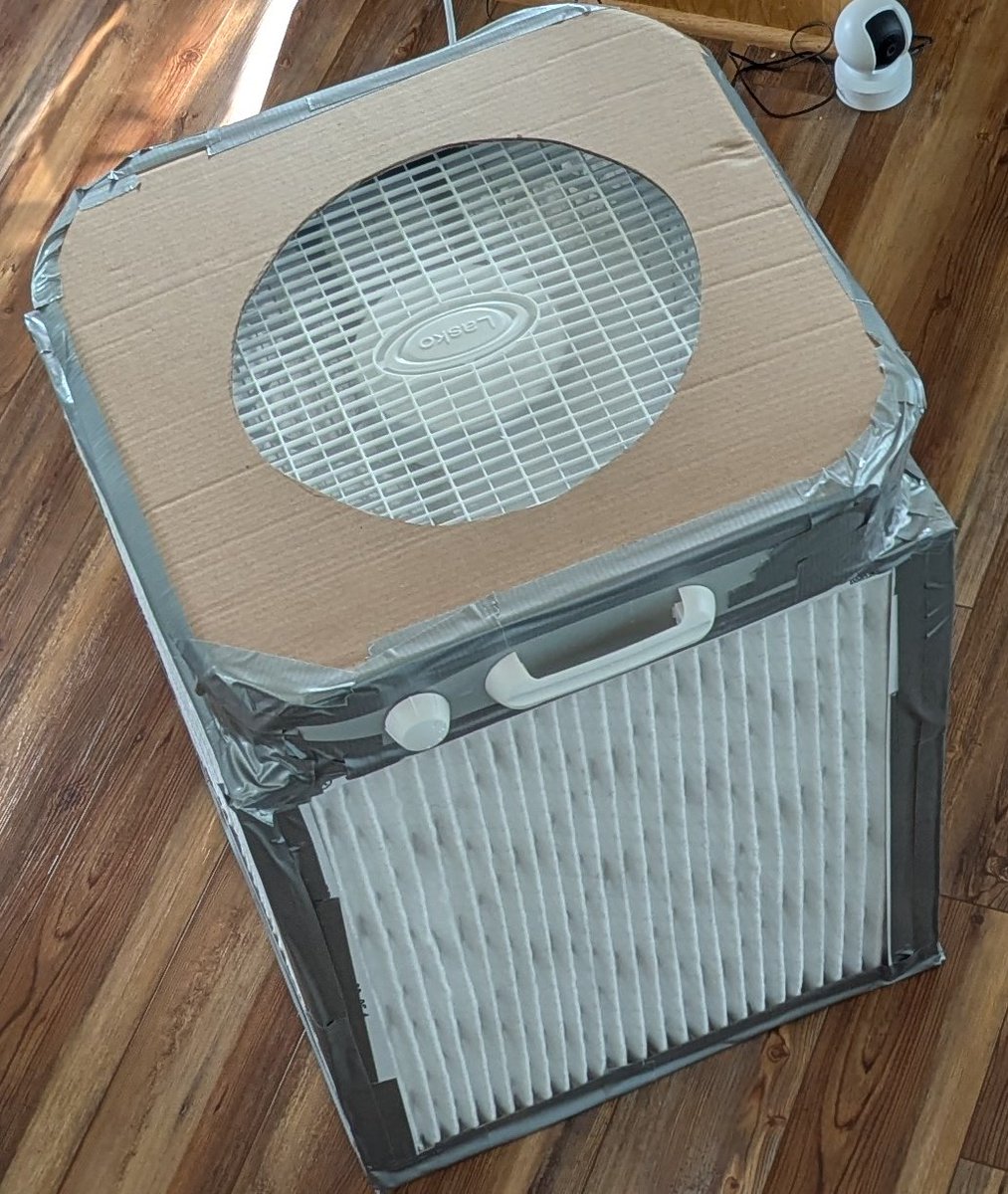
First some background on why I researched and built this. Canada is burning and the AQI in Minnesota is atrocious and will continue to be for a while. This is also becoming a yearly issue where Canada bursts into flame and pollutes the entire country. Image
Today I woke up and could smell smoke and my throat hurt in spite of my home air filter on the HVAC system. I investigated my options and everything was expensive and overpromising. You realistically cannot expect 1000sqft of HEPA filtration from a device the size of a soda can. Image
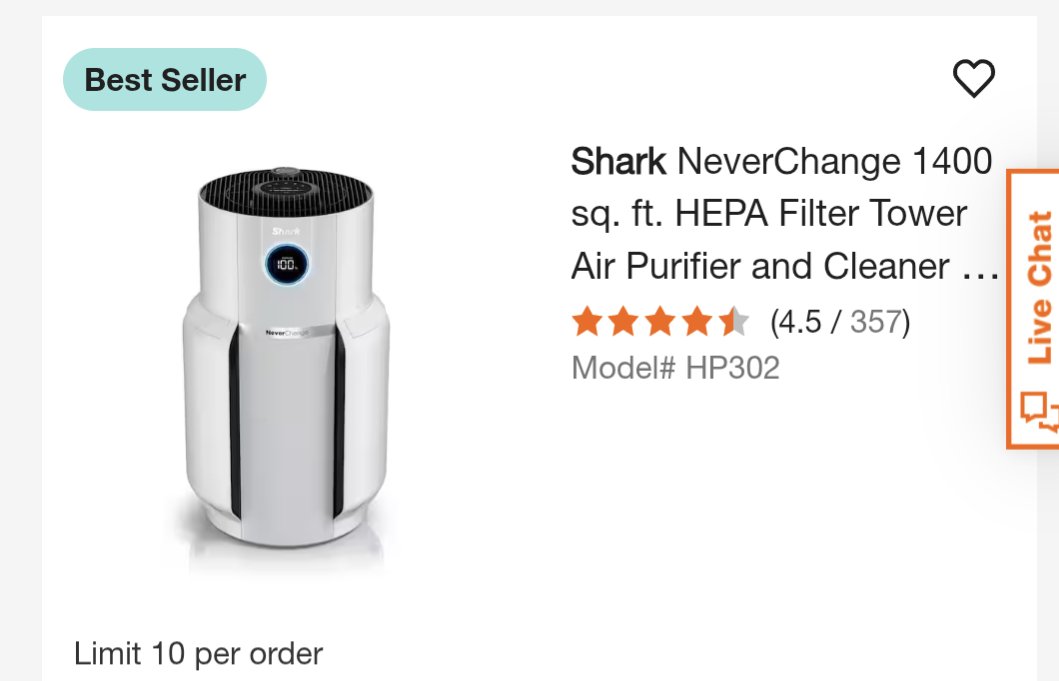
Rather than spending $350+ on multiple purifiers and getting locked into proprietary HEPA filter shapes I instead looked to the COVID era. Enter the Corsi-Rosenthal box. A simple device that anyone can buy and construct with household equipment. Image
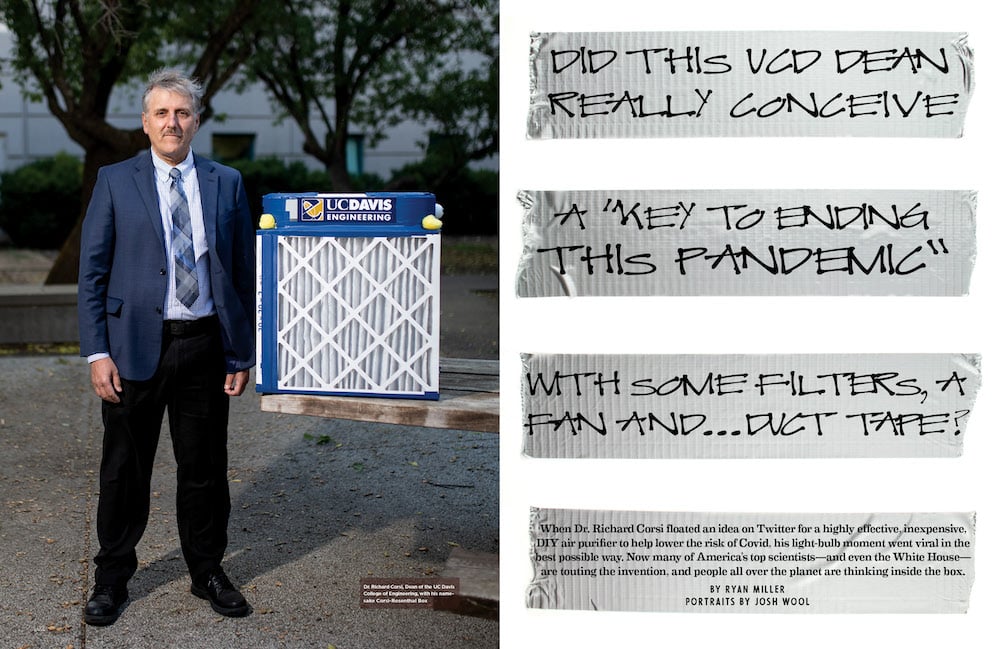
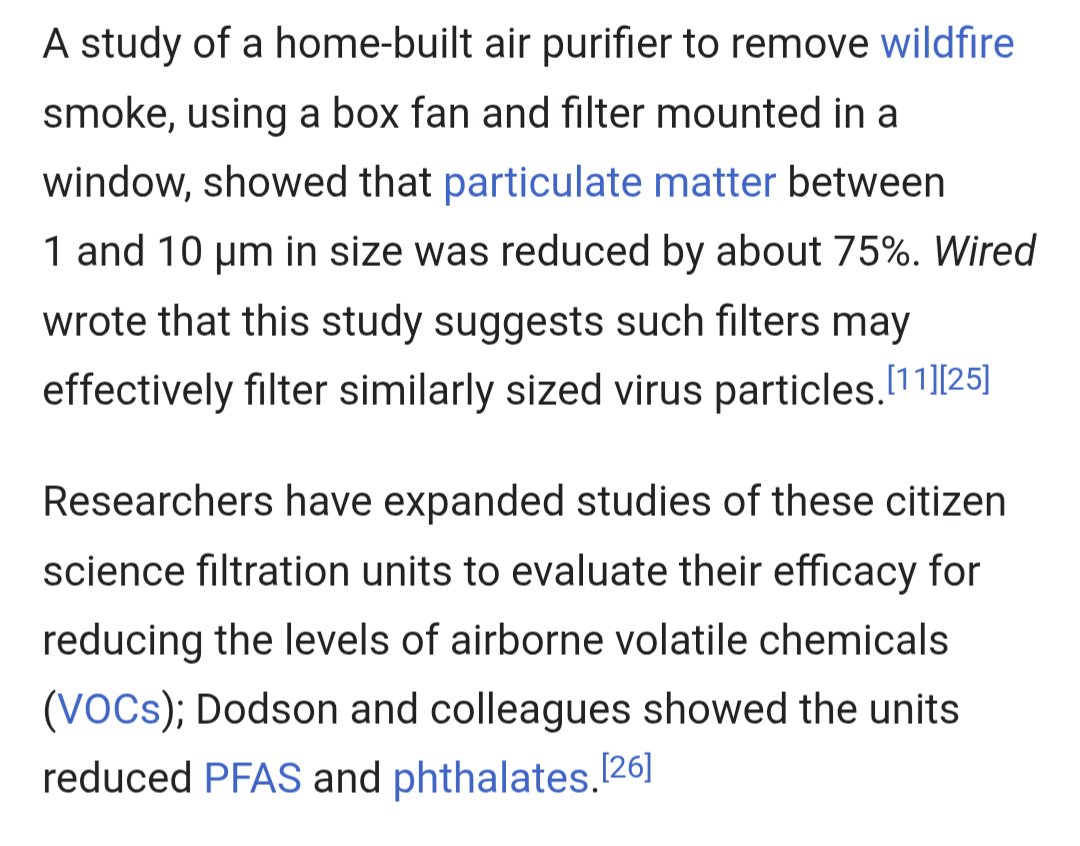
Studies have shown the boxes to reduce indoor wildfire smoke pollutant levels by at least 70%, they move large amounts of air (5 atm replacements an hour) and are suited for about 410sqft rooms. Image
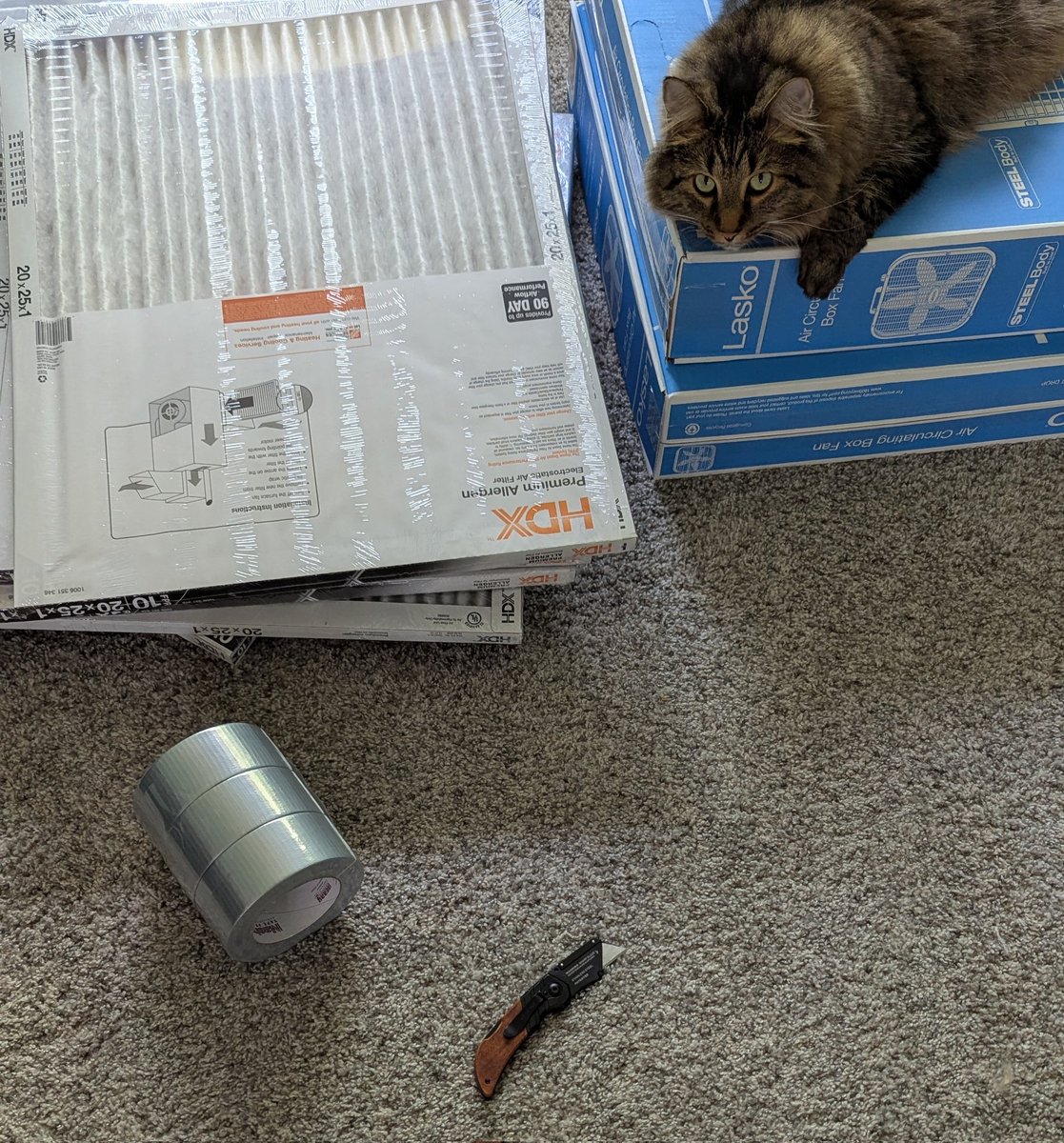
The construction of a box is very simple. You need the following (per box):

4 x MERV-13 or equivalent filter (I got HDX "premium allergen" they should be of the sizes 20x20x1, 20x25x1, 20x25x2, or 20x20x2.

1 20in box fan (I used Lasko brand)

Duct tape

Cutting tool Image
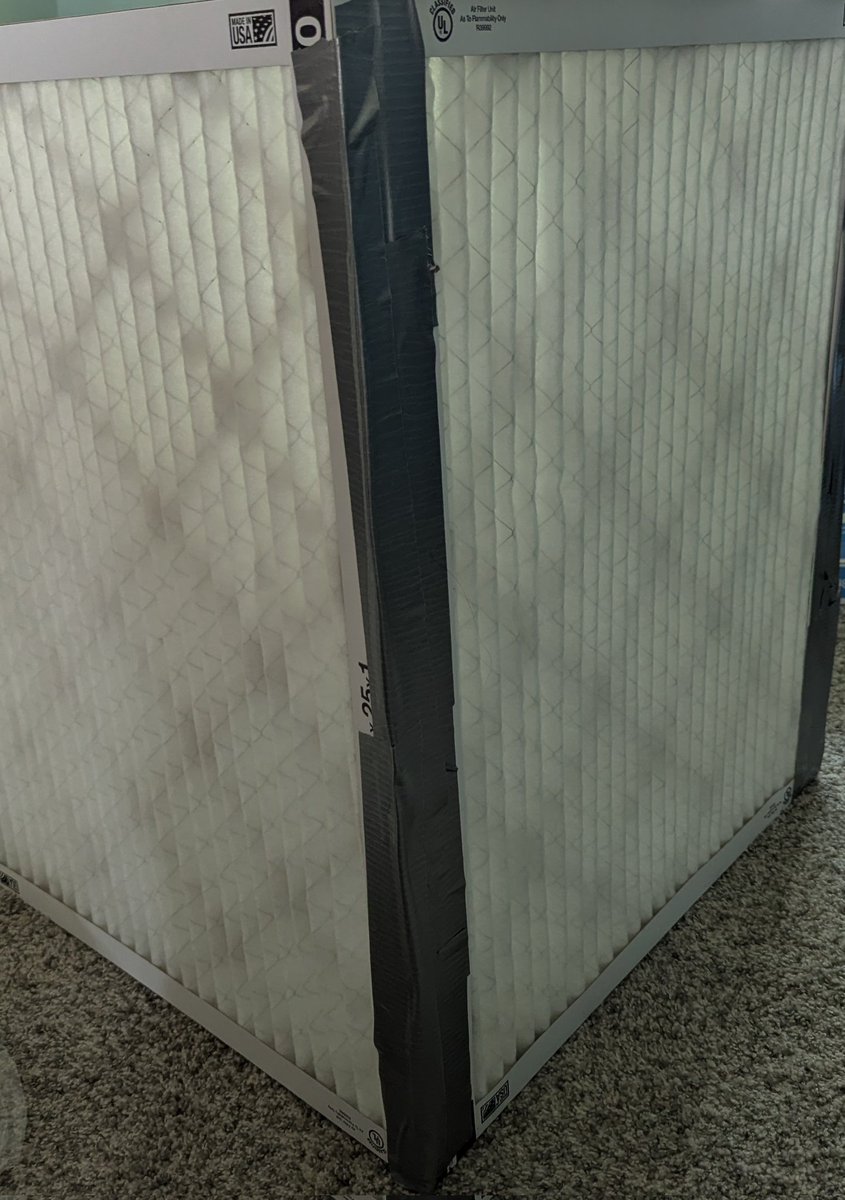
Begin by forming the "cube."

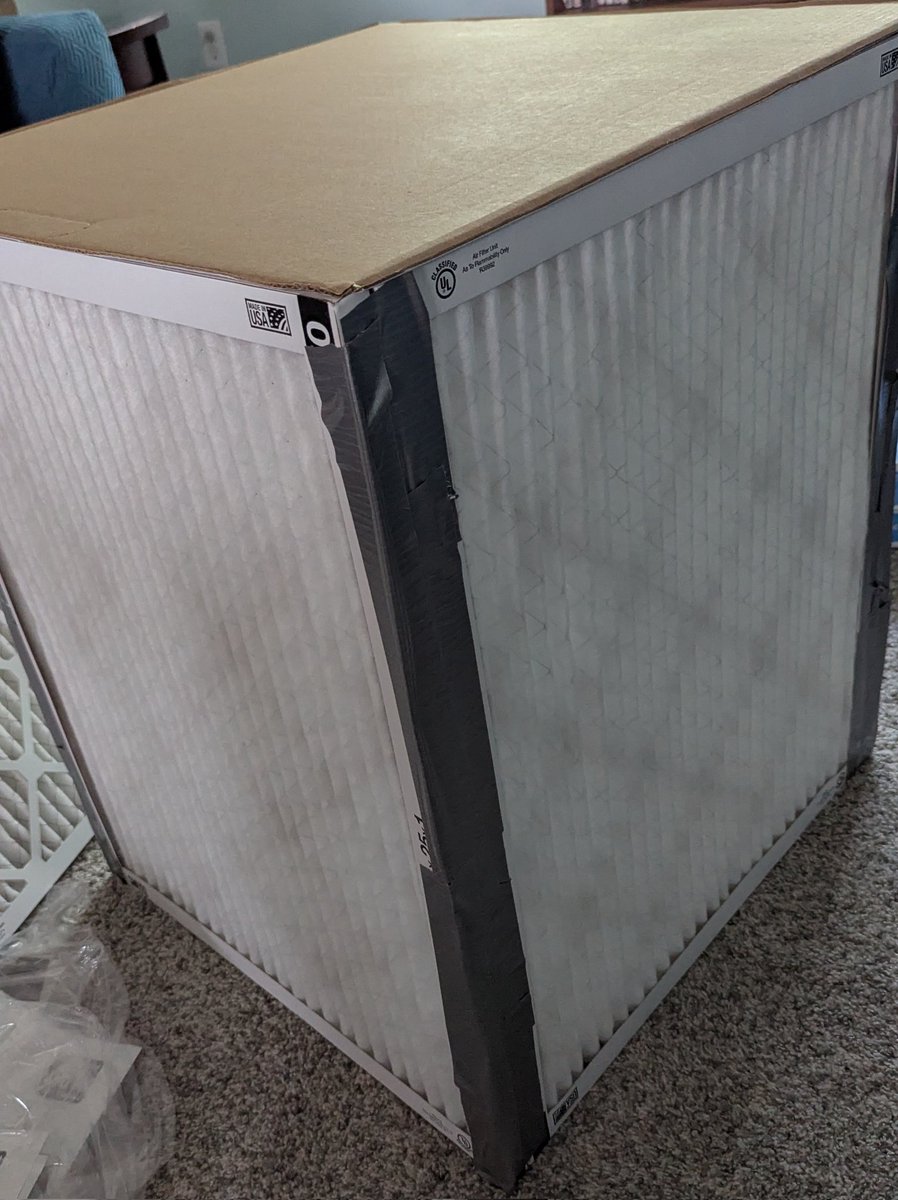
Join the filters (ensuring that the air flow will match the arrow shown on the box, have the arrow point inwards) and tape them with the duct tape. Be thorough as air follows the path of least resistance like water, leave no spaces. Image
Next take the cardboard from your box fan and carefully open it up as shown. Take care to not damage the two large squares as they will both be used. Image

Take your cutting tool and cut the large panels out as shown. It doesn't need to be perfect. Image

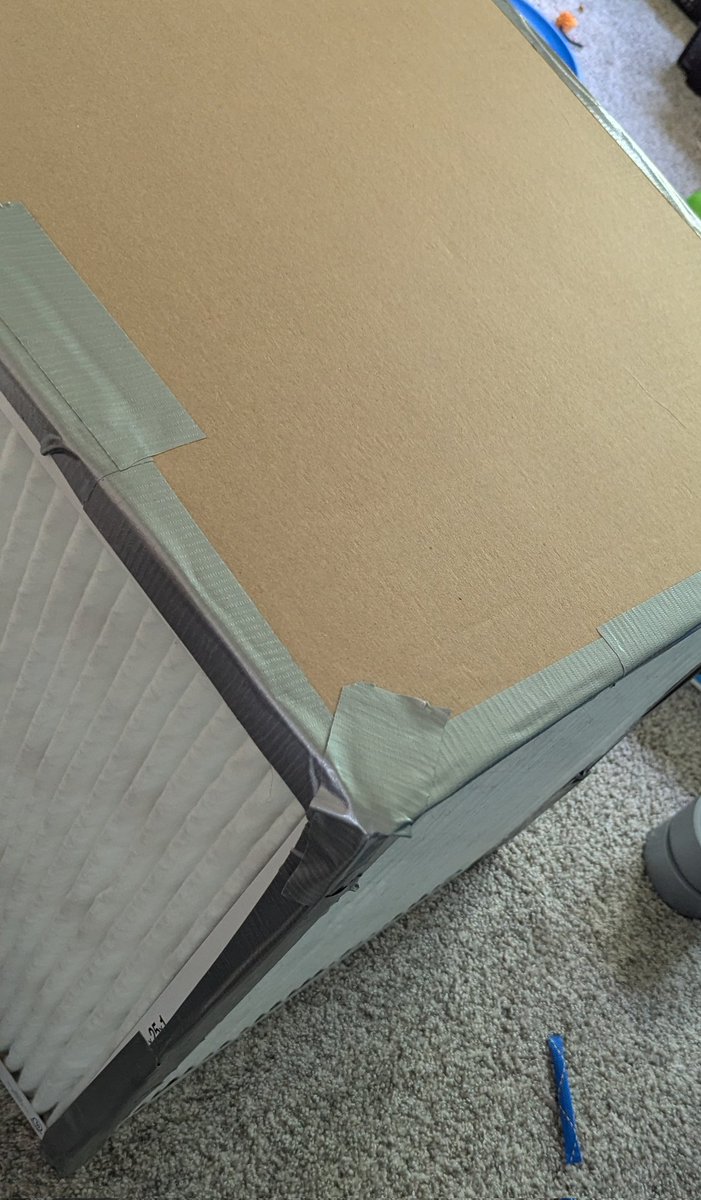
Take your square and place it on the top of your box. This will become the bottom of the box when it's operating. Tape the square just as thoroughly as you did when joining the filters.

Tape all 4 sides. Image
Image
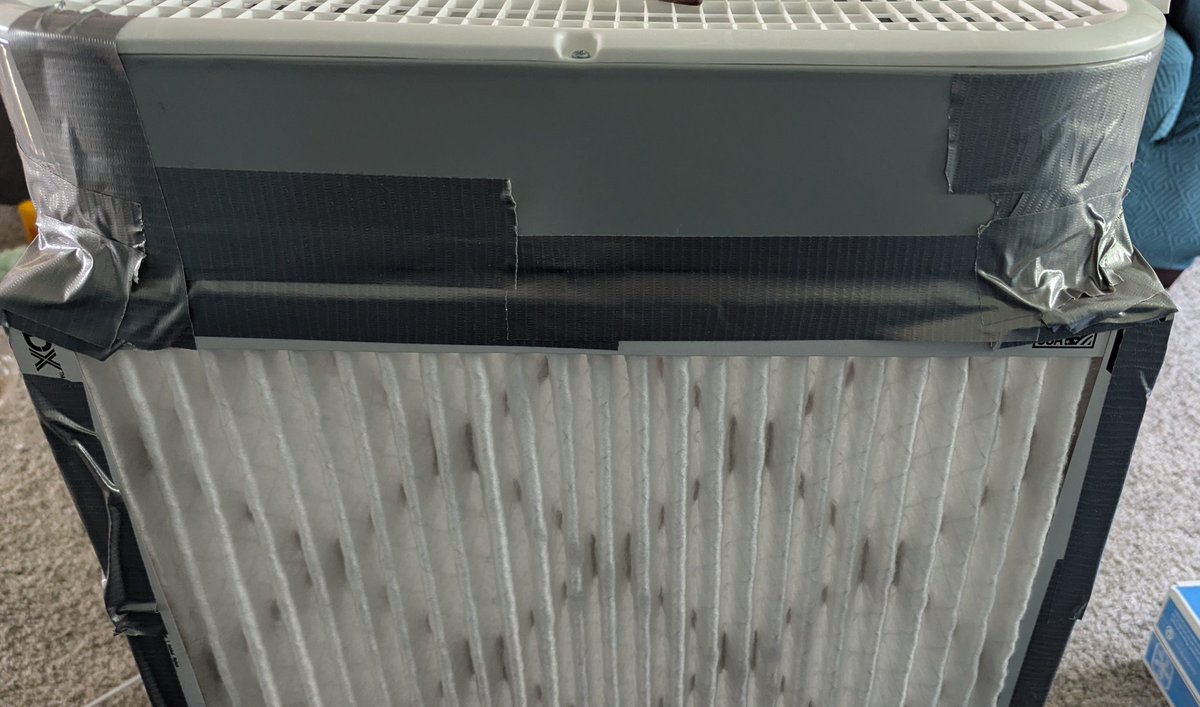
Flip the box over and take your fan, place the fan on top of the remaining hole and ensure it's pointed with the logo out as that way it draws air from inside the box and it flows outward.

Tape it to the box, be as thorough as you have been so far. Tape over any holes. Image
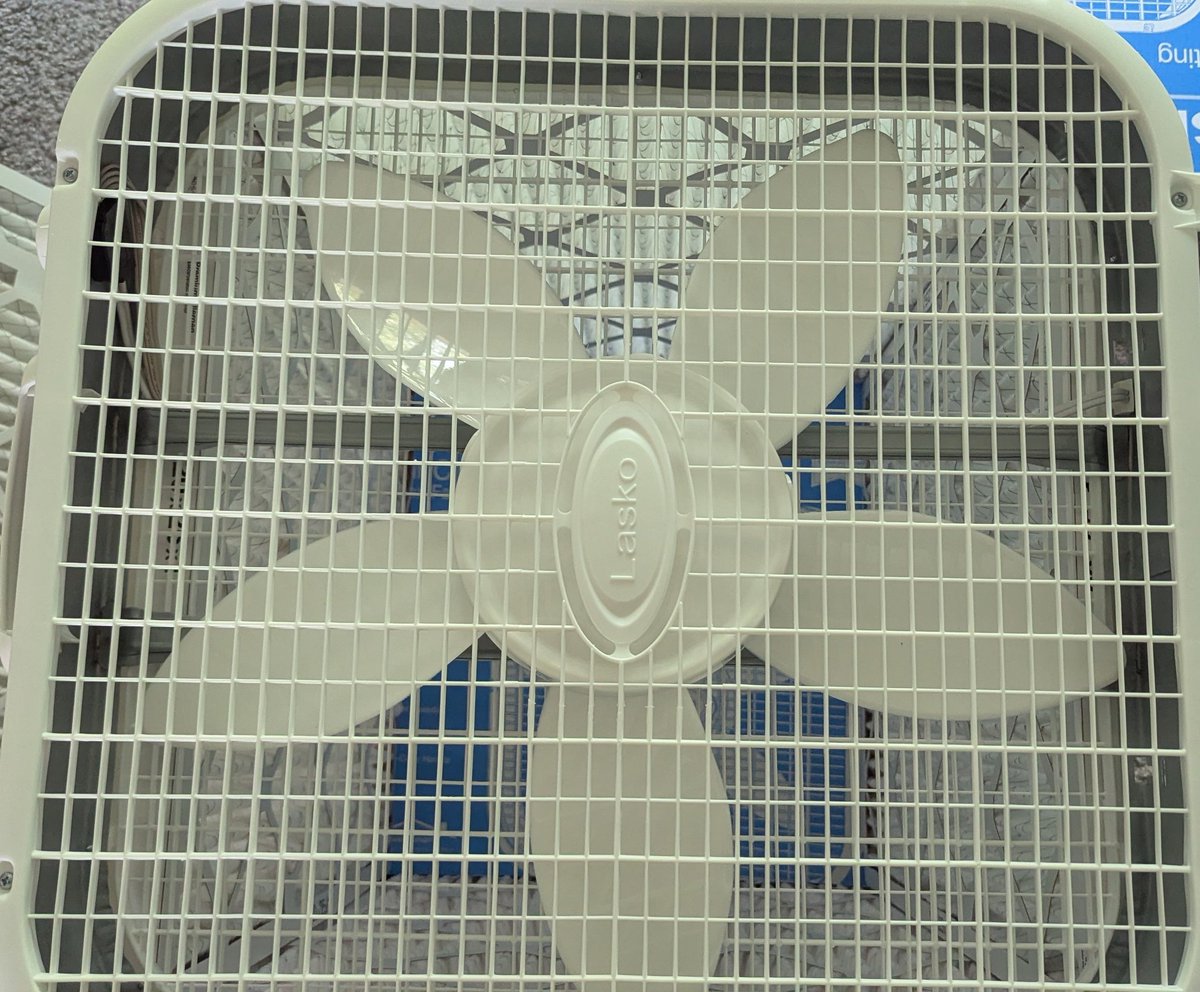
Image
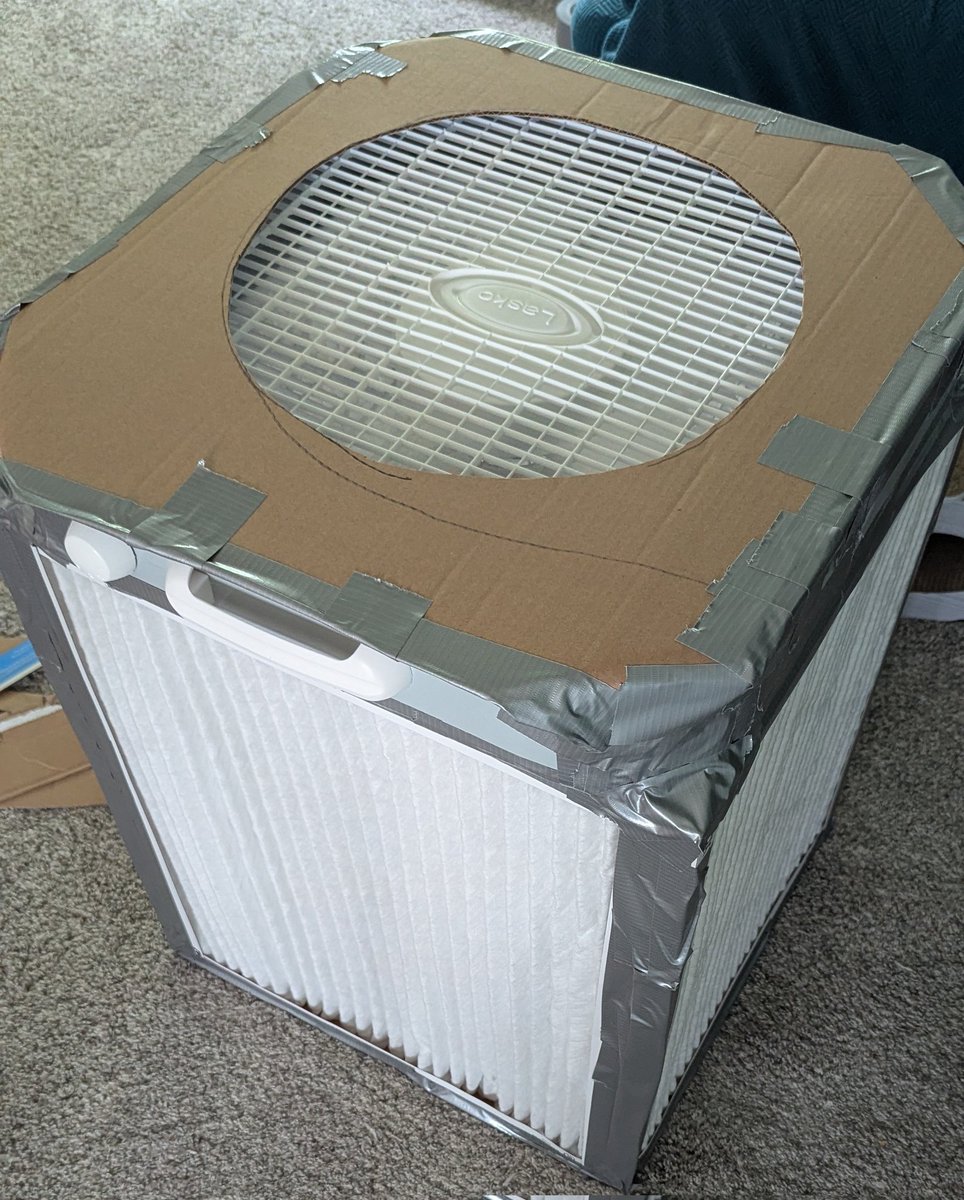
Now take your last large cardboard square and draw a circle about 15 inches in diameter. Cut that circle out and affix it to the face of the fan and tape it as you have the others.

This is to increase efficiency and prevent backflow. Image
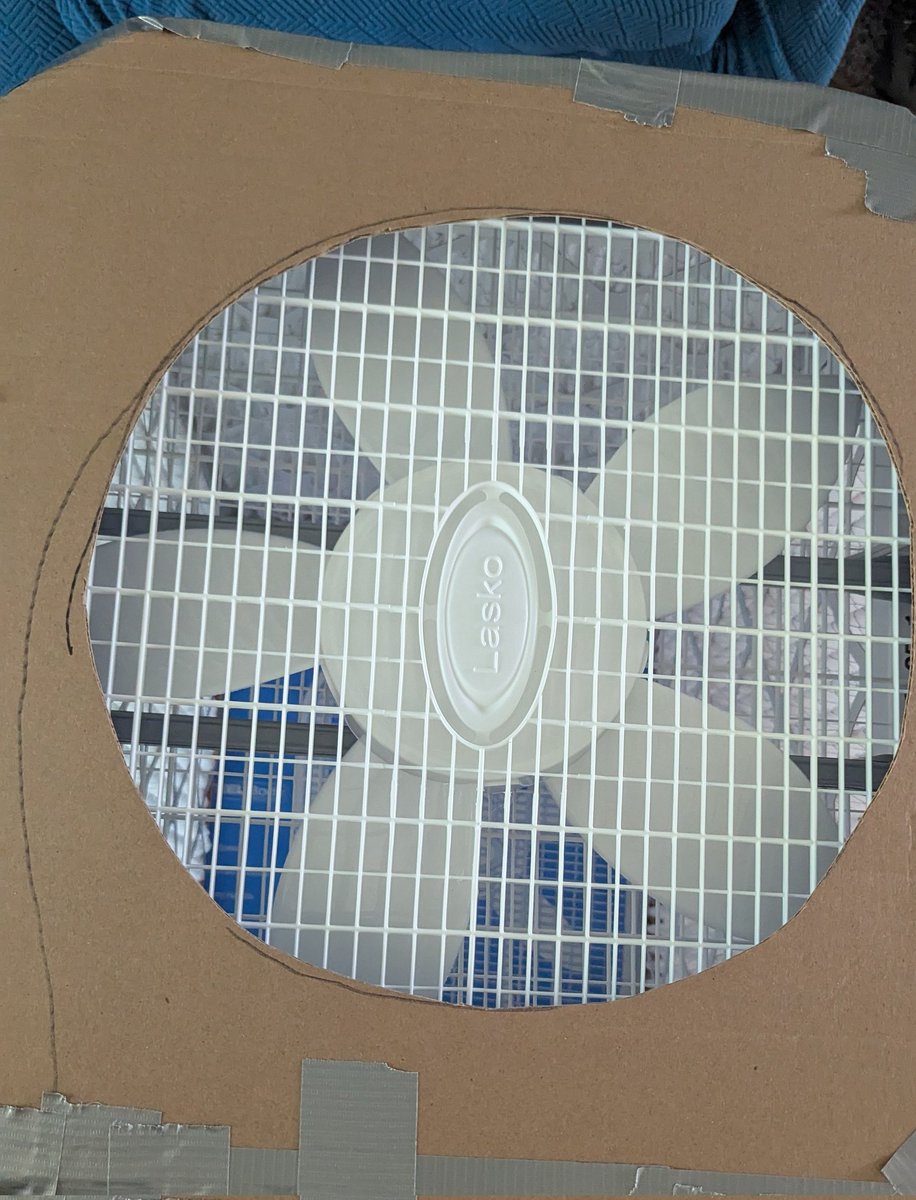
Image
Congratulations you have built your boxe(s)! You should begin to notice an improvement in air quality in the next 30 to 60 minutes if the fan is ran on high.

In total this box cost me about $80 in materials and is providing more air filtration than anything else at that price. Image
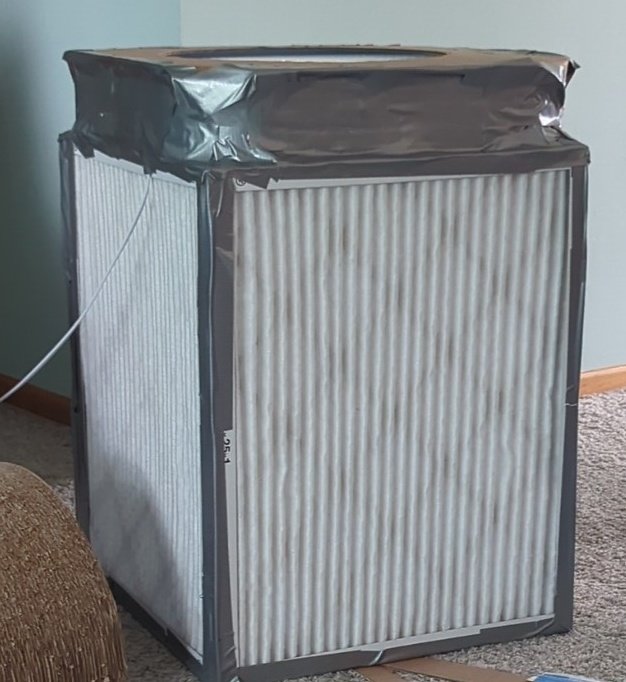
Note: place the box in the center of the room and away from walls to maximize performance
Thanks for checking this thread out! I often write about prepping and topics relating to the interest of the prepared citizen. I appreciate it if you share this with others and give me a follow!

I also have 2 books I've written if you are interested!

amazon.com/s?i=stripbooks…Image

• • •

Missing some Tweet in this thread? You can try to force a refresh

 

Keep Current with Spike

Spike Profile picture

Stay in touch and get notified when new unrolls are available from this author!

Read all threads

This Thread may be Removed Anytime!

PDF

Twitter may remove this content at anytime! Save it as PDF for later use!

Try unrolling a thread yourself!

how to unroll video
  1. Follow @ThreadReaderApp to mention us!

  2. From a Twitter thread mention us with a keyword "unroll"
@threadreaderapp unroll

Practice here first or read more on our help page!

More from @spikesguides

Feb 7
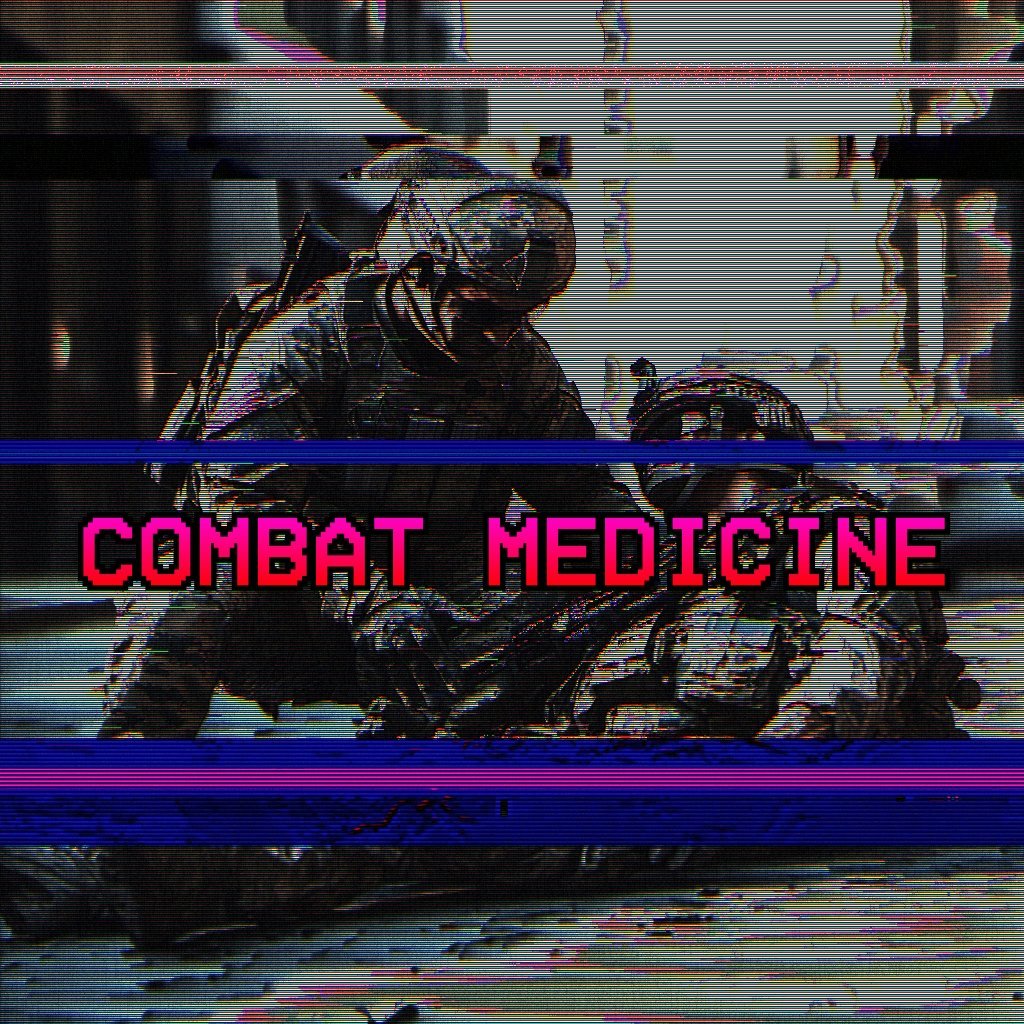
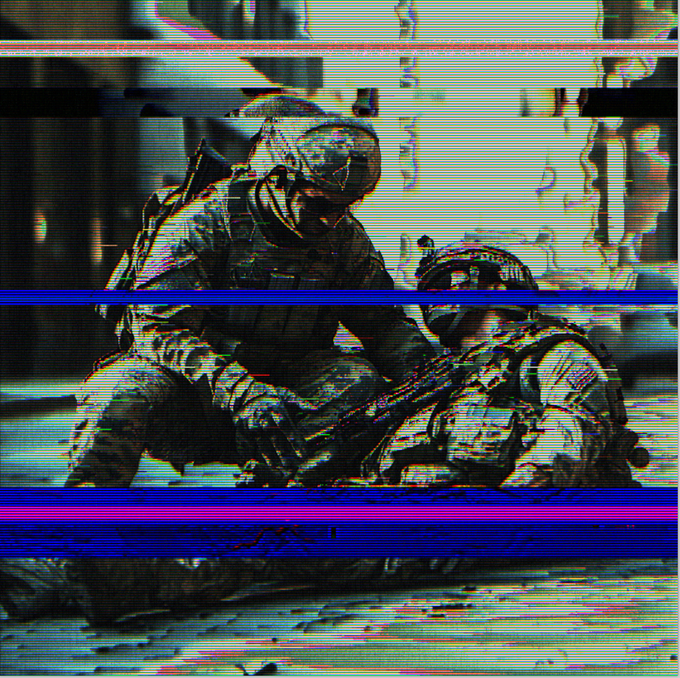
If your buddy took a GSW RIGHT NOW—could you actually keep them alive until help arrived? Or would your lack of basic combat medicine skills get them killed? 🧵

Combat medicine saves lives yet many shooters have no idea how to do it in a calm setting, much less under pressure... Image
Quick disclaimer. I AM NOT A DOCTOR. THIS IS NOT MEDICAL ADVICE. SEEK ALL MEDICAL TREATMENT FROM A PROFESSIONAL! This article provides basic educational information only and does not substitute professional medical training or advice. Always seek proper medical training from qualified instructors. The author is not liable for any actions taken based on the information provided.
Basic Combat Medicine for the Every(rifle)man

Combat medicine is a topic that is rarely discussed despite it being lifesaving at its core. It is often ignored or forgotten in favor of trusting that a medic will be nearby when the unthinkable happens. Unfortunately, that isn’t always the case and sometimes the basic actions taken by non-medical teammates can save the life of someone in dire need. Thankfully in recent years tourniquets have clamped their way down into the zeitgeist but as we’ll discuss, there are other basic measures that should be known, understood, and practiced by the average rifleman so they have the skills to save the lives of their comrades or even themselves.Image
Read 12 tweets
Feb 6
You’re moving through the woods.
It’s quiet. Too quiet.

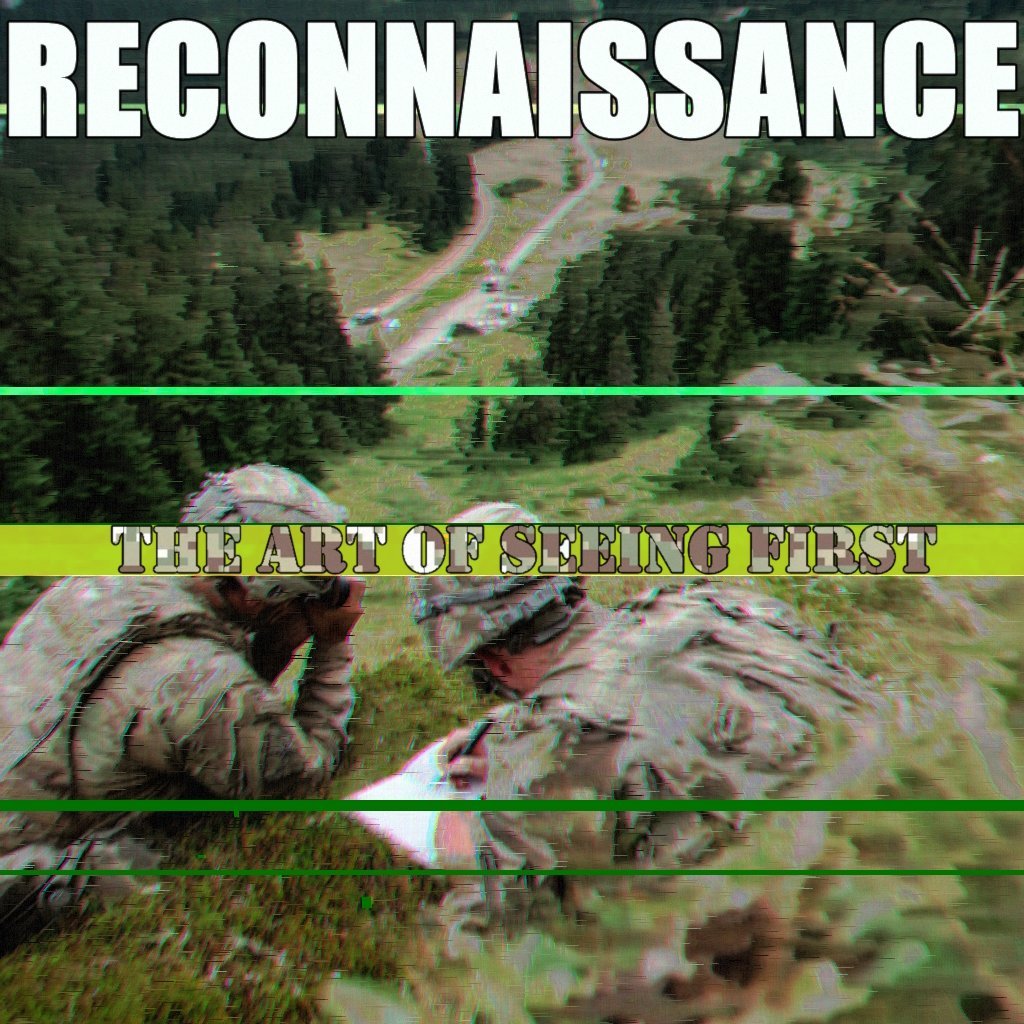
Would you recognize the signs of an enemy lying in wait, or stroll straight into their kill zone? 🧵 Image
Reconnaissance

Reconnaissance, or recon for short, is the deliberate collection of information relating to hostile forces, terrain, and the environment that forces will be operating within. Recon’s central objective is to gather intelligence, not to engage in kinetic actions. The intelligence gained from recon operations can give smaller fighting units the tactical edge that they need to leverage against a larger, hostile force. Without recon, forces are operating blindly in an area, working against the whims of the battlespace, but when teams are operating with the intelligence gained from proper recon, they can set the terms of their fights.Image
Purpose of Reconnaissance.

There are five primary objectives of the recon mission and the use of recon in general. They are: gathering information on the enemy, learning the area’s terrain, providing an early warning against enemy activity, supporting operational planning, and giving a psychological edge.

When gathering information on enemy personnel, recon teams can quantify and note things such as the number of enemy personnel, their uniforms, units, weapons, locate supply lines, and even estimate morale. Recon teams also observe and note movement patterns, keeping eyes on when guard shifts change, patrol timings, and convoy schedules.

Teams that are performing terrain study, also known as area study, are identifying potential choke points, highlighting natural cover and concealment, obstacles, and defensible terrain. Teams also take note of important local resources such as water, shelter, escape routes, and in some cases even food sources.

With regards to early warnings, recon teams sweep areas to detect likely ambush locations, or even identify actively manned ambush positions, IEDs, land mines, or enemy troop concentrations prior to contact. Recon teams identifying threats before the rest of the element enters the area can save lives by having maneuver elements avoid ambushes entirely or maneuvering around area denial assets.

Operations that are planned with good area intelligence are doomed to fail. The intelligence gained by recon teams can be the difference between a successful raid or ambush or total failure. Teams that identify and locate defensive positions based on avenues of approach are spotted during recon operations. While ambushes can be conducted in an ad-hoc way, an ambush planned around good area intelligence will almost always go better than the one without.

The mind is as important of a battlefield as the physical one, the status and soundness of it influence every facet of operations from the command level to the individual. Units that know the ground they are working on and the basics about their enemy in the area will operate more confidently and effectively than those who are working in the dark, giving them a psychological boost. At the same time, an enemy that knows they’re being scouted are likely to be more paranoid and apprehensive when working in the field. Finally, leaders that are equipped with quality intelligence will make faster, and better decisions.

Recon operations are conducting much more analysis than squinting on top of a hill at an enemy base (despite what Guntubers will tell you). Proper recon is as integral to the planning and conducting of operations as well as the overall proper functioning of a unit as equipment and supplies. Reconnaissance is how the intelligence that makes or breaks plans is gathered.Image
Read 10 tweets
Jan 30
🧵Most people think a “Modern Minuteman” means expensive gear and night vision, missing the entire point

The original Minutemen weren’t defined by equipment.

They were citizens trained to respond and coordinate immediately.

That’s a tradition worth reclaiming. Image
The "Army of One" is a fantasy.

Minutemen were citizens drilled to be a quick reaction force, an integral part of the "well-regulated militia".

My new book, "Modern Minuteman," is a primer for those who want to be an asset, not a liability, with over 400 pages of knowledge! Image
I wrote this because field manuals are often too dense for newcomers.

They assume that the reader has gone through basic training and has been educated on everything from weapons handling to drills.

This book acts as a bridge, educating readers on the baseline skills and walking through various drills to practice without bogging them down in jargon and confusing nomenclature.Image
Read 10 tweets
Jan 29
You can’t fight alone.

You fight as a fireteam — four men acting as one.

This is where real tactics begin. 🧵 Image
Fireteams.

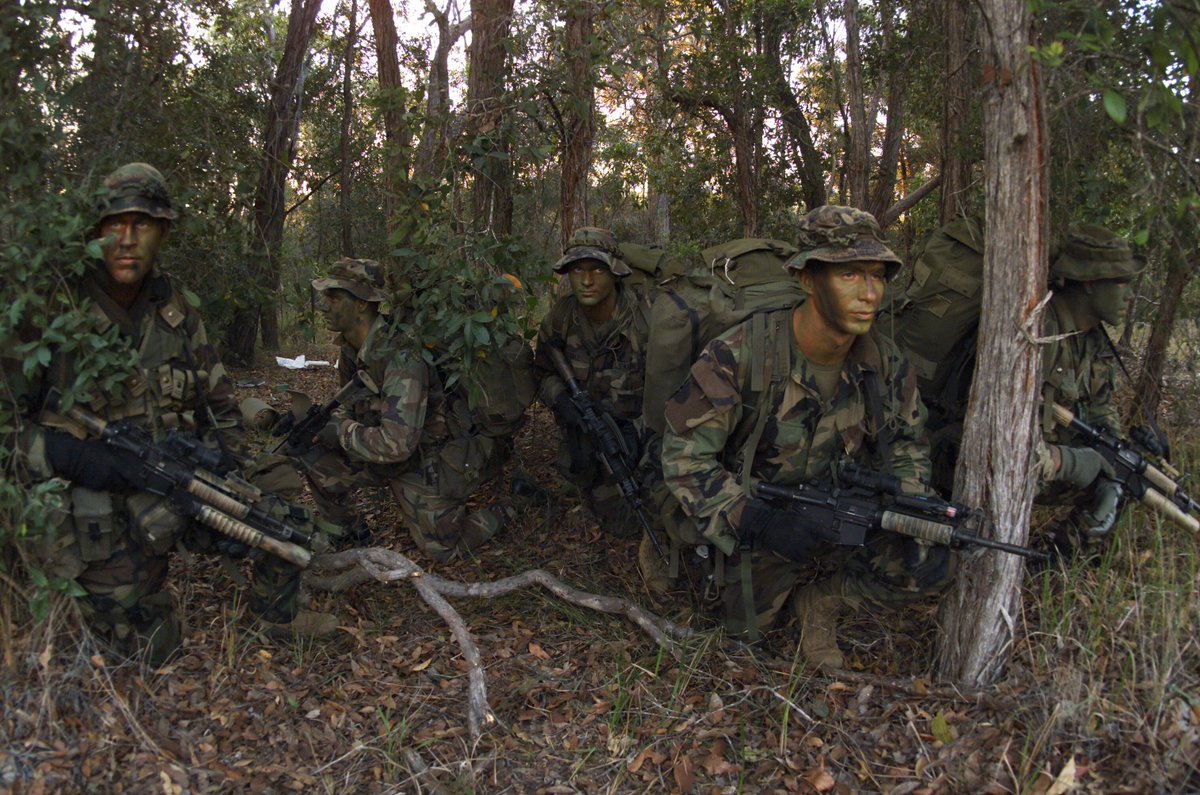
After mastering the buddy team and understanding the basics of how to maneuver as a unit composed of individuals, the next logical step is the fireteam. The fireteam is composed of four to five men and makes up one half to one third of a normal squad. The fireteam is compact, easy to maneuver, and much more self-sufficient than a buddy team. The fireteam is the smallest unit that is capable of coordinated simultaneous fire and movement.

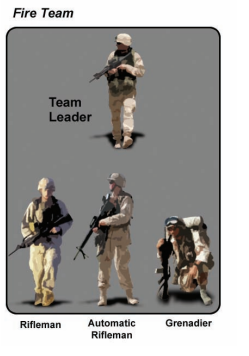
Fireteams in their most basic form are composed of a team leader (TL), a rifleman, an automatic rifleman, and a grenadier as per US military doctrine. In a more irregular context, the team may be composed of three rifleman and a TL, one automatic rifleman, a TL, and two riflemen, or even a situation where there is a TL, a rifleman, a breacher, and a medic. Generally specialized inserts are added based on the mission and tasks needed to be conducted or threats that are anticipated; at the same time manpower constraints can lead to more unique fireteam compositions.

Regardless of the composition, the functional principles are that fireteams feature firepower, command and control, flexibility, and ideally specialization. This is what allows fireteams to operate as cells within the greater body that is a squad.Image
Common Team Roles and Responsibilities.

As stated previously, fireteam composition with irregular forces can vary, this will be a breakdown of the four common roles as per US military doctrine first and then moving onto others that may pop up in an irregular setting or with more specialized fireteams.

The doctrinal big four are, as mentioned, a team leader (TL), an automatic rifleman (AR), a grenadier (G), and a rifleman (R).

The TL’s job is to command the team and issue fire commands and coordinates with higher leadership (usually the squad leader). The team leader’s primary weapon is communication and control. The TL generally carries a rifle or carbine and a radio to communicate with other squads, he may also have a compass and protractor along with maps for orientation.

The AR holds the unique position of sustaining suppressive fire, using some type of weapon suited for such a task, this can be a box magazine fed rifle or even a belt-fed system. His objective is to control the team’s rate of fire and anchors the base of fire in contact. That is to say, he keeps heads down while the rest of the team pinpoints and picks off the rest. The AR must understand how their system operates under sustained fire and how to mitigate issues such as barrel swapping or judiciously utilizing fire, they need to have fire discipline and ammunition management skills, and be able to operate in a support position rapidly (drawing sectors of fire, estimating ranges effectively, and able to leverage their weapon into the environment to provide stable fire).

The G(renadier) employs some form of grenade launcher to provide high angle fragmentation, smoke, and illumination. This can be done with an underbarrel option or a dedicated platform. Their skills are crucial when dislodging hostiles from cover, breaking up attacks, and providing concealment during movement. The grenadier otherwise generally carries the same equipment as the rifleman.

The R(ifleman) is the most flexible position. A jack of all trades and master of none. They can provide accurate and direct fire and often double as assistants to Ars or grenadiers. They often carry mission-specific gear such as AT weapons and extra batteries.

Along with the big four, irregular forces may utilize other team members for specialization purposes or due to sheer lack of manpower and necessity. There are untold numbers of specialties and roles out there, sometimes individuals may cover multiple specialties at once, but the most common individual roles are: designated marksmen (DMR), breachers, anti-tank (AT), combat lifesaver (CLS) or medic (corpsman), communications or SIGINT operator, engineer/demolitions, scout/pointman, and drone operator.

The DMR is a rifleman trained with the use of precision weapons at intermediate ranges, generally between 300 and 700 yards. They utilize some form of an accurized rifle with magnified optics. Their objective is to fill the roll between a rifleman and a sniper. The DMR provides overwatch, counters hostile DMRs, and provides longer distance and accurate fire.

The breacher handles the use of entry tools in the act of breaching. While breaching is an act conducted as a group, a breacher handles the entry tools such as shotguns, sledgehammers, or explosive charges and employs them effectively during a breaching operation. The breacher generally carries a rifle or carbine.

The AT’s primary job is to counter hostile armor and vehicles. They generally carry a shoulder fired heavy weapon such as a rocket or recoiless weapon’s system. It is not uncommon in irregular forces for the AT and breacher to be hybridized as a singular man. The AT generally carries a rifle or a carbine.

CLS, or Combat Life Saver, is a soldier who can provide advanced trauma care beyond the MARCH (massive hemorrhage, airway, respiration, circulation, hypothermia (see combat medicine)) baseline. They generally carry an expanded IFAK or a CLS bag with more bandages and IV gear but not the full medical suite of a corpsman. They bridge the gap between individual aid and professional care. A corpsman on the other hand is a medical specialist responsible for the triage, treatment, and evacuation of casualties. The corpsman carries a full aid bag complete with medications, airway kits, chest seals, the works. They are generally not embedded within every fireteam but may be present within one. The CLS or medic generally carries a carbine.

The comms/SIGINT operator manages radios, data links, or even field telephones. They may also be used for intercepting signals, coordinating UAV data, and maintaining encryption discipline. They are likely to double as a rifleman.

Engineers/demolitions are responsible for field engineering tasks such as construction of obstacles, laying charges, demolishing hostile positions, or rigging explosives for ambush sites. They generally carry detonators in a case, tape, wire, det cord, and prepared explosives. The engineer/demo-man generally carry a rifle or carbine.

Scouts/pointmen are the lead element of a patrol or team, that is to say, they are the man in the front leading the rest along, not leading the team in a commanding way generally. Their job is to be the tip of the spear. They scan the environment for movement, traps, and any other anomalies. They must be skilled in reading the terrain, reaction drills, and have the best situational awareness. The scout likely doubles as a rifleman.

Drone operators provide real time intelligence, surveillance, and reconnaissance (ISR) for the fireteam or squad. They generally carry some form of a small UAV that is deployed for shorter range observation. They can then relay visual intelligence to the TL, maintain greater situational awareness as the team moves, mark or lase targets (or drop small munitions on targets) depending on the drone’s capabilities. The drone operator generally carries a carbine or a rifle and doubles as a rifleman.

The fireteam can be composed of many individual parts, as seen above, but is a series of individuals that make up a robust organism where it’s strength lies within it’s ability to leverage firepower, communications, flexibility, and discipline to move and fight as one.Image
Read 9 tweets
Jan 27
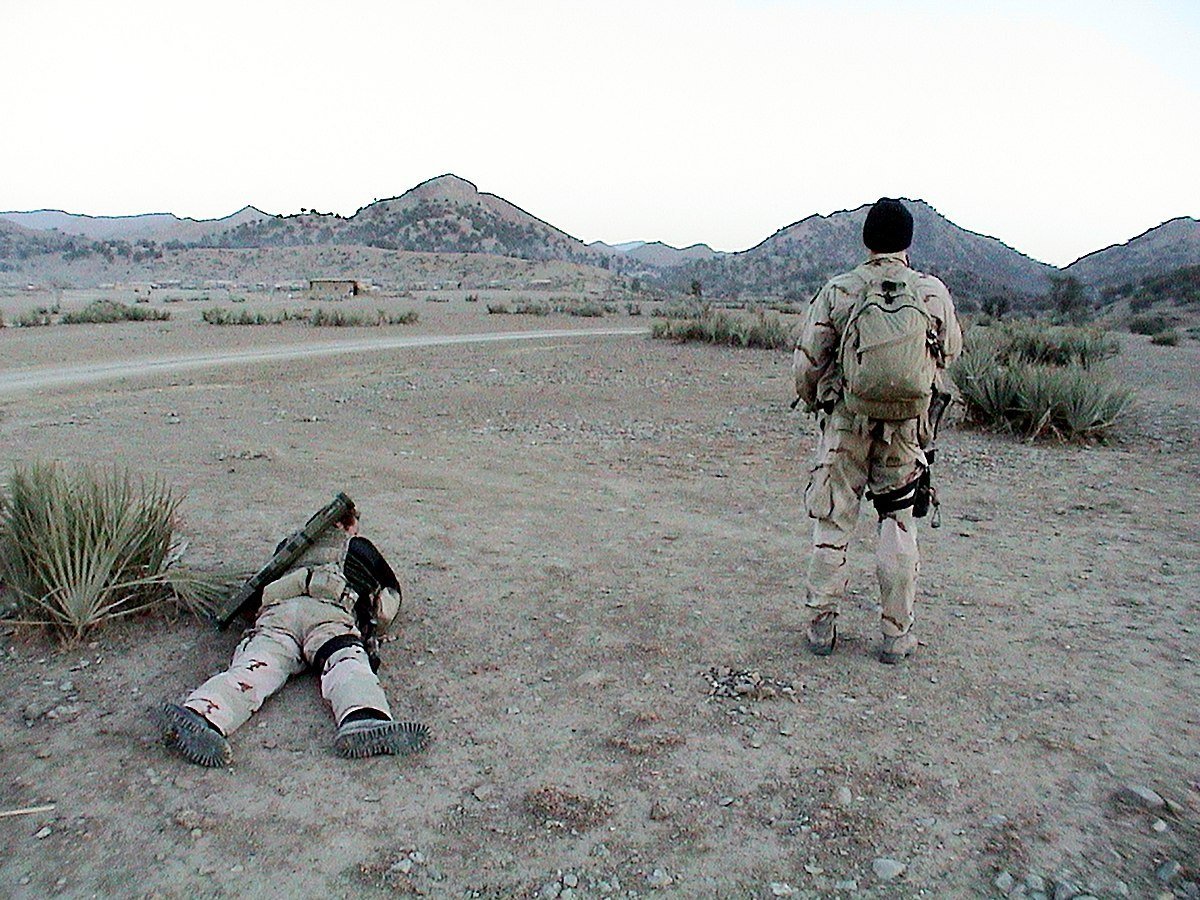
You’ve seen it in Heat. Val Kilmer sprints, drops, and covers De Niro in the middle of a firefight. That’s not Hollywood flash, it’s real doctrine. 🧵

"I’m up, he sees me, I’m down."

IMT explained. Image
Individual Movement Techniques (IMT)

Individual movement is the most basic foundational block for all unit tactics. Whether it be raids, patrolling, bounding, or any movement done in the field, IMT is the baseline that everything else is built upon. IMT at face value seems like a silly topic to cover, you may tell yourself that “I already know how to do an army crawl and I know how to run!” but IMT, and training it, is what allows individuals to properly move under fire and resist freezing, overreacting, or in a worst case: standing straight up. IMT drills are done to prevent this and inoculate against fear responses.Image
Core Techniques of IMT

IMT can be broken down into four movement techniques and one communication technique. These movement techniques are the low crawl, the high crawl, the 3-5 second rush, and transitions.

The low crawl is conducted the body flat against the ground. The individual’s rifle is cradled across their forearms and the body is pushed along the ground with the toes and elbows, moving inches at a time. This is the one of the slowest ways of moving but it keeps the body low to the earth and less easily spotted. The low crawl is often used with cover is minimal, concealment is minimal, or hostile fire is heavy. It excels when used in tall grass, brush, shadows, and depressions in the land.

Opposing the low crawl is the high crawl. The high crawl is conducted with the rifle cradled tight in the arms, with the stock deep into the pit of the inside pivot of the elbow. This is the traditional “army crawl,” where the individual moves via the opposite arm and leg moving in unison. The individual’s weight is primarily on their forearms and knees. This crawl is faster than a low crawl but still maintains a low profile. The high crawl is more beneficial when there is light cover present or when concealing in broken terrain with scattered obstacles.

The after mastering crawling, the 3-5 second rush, quite literally, has the individual running. The individual begins in the prone position, pushes their body upwards, and begins sprinting for no longer than 3-5 seconds. They then drop to the prone position again with their rifle pointed towards the threat. This is the movement behind bounding and common phrase, “I’m up, he sees me, I’m down.” The 3-5 second rush was built upon studies of human reaction and target acquisition time. It is the primary movement technique under fire.

Rounding out the movement techniques are transitions. Transitions are exactly as they sound, the movement from one position to the next. The 3-5 rush uses the prone to rush technique where the individual pushes their body smoothly and they avoid raising their head first. At the end of the rush, they transition with the rush to prone technique where the individual performs a controlled drop, rolls slightly, and has their rifle ready. Another transition conducted is the prone-roll where the individual is in the prone position and rolls their body to move laterally without exposing themselves. Making small shifts like this can disrupt hostile aim without exposing the body from cover or concealment.

Finally there are the communication techniques. Communication is critical for small units. Units need to know when individuals are moving to avoid friendly fire casualties, particularly when under fire. This is exemplified in the film “Heat” where Val Kilmer’s and Robert De Niro’s characters call out when to move and when they are moving. Yelling “moving!” prior to moving, particularly when responded with the call, “move!” is paramount to both preventing accidents as well as preventing both individuals from moving out of cover at once. In cases where movement is needed but stealth is required, hand and arm signals can be employed. The communication aspect of moving, particularly when employed with a 3-5 rush while bounding under fire, is key to preventing casualties.Image
Read 9 tweets
Jan 26
Your rifle is only as useful as your fundamentals. A lot of people are skipping them.

They’re relying on gear to hide bad habits.🧵

Here’s how to train the basics correctly: Image
Basic Marksmanship

The most fundamental skill needed for any proper rifleman, automatic rifleman, DMR, minuteman, or anyone who anticipates needed to employ long guns in a defensive posture is marksmanship. One’s ability to reliably aim, fire, and correct fire at close and moderate ranges is imperative, whether they are using iron sights, red dots, or a magnified scope, the fundamentals are the same. These fundamentals should be rock solid before things such as upgraded triggers, high end grips, and expensive scopes are bought. While useful, these things can help compensate for poor fundamentals, hurting you in the long run.Image
Fundamentals.

The objective of marksmanship is to be able to make shots safely, repeatedly, and precision. Precision in this case means consistency. Inputs creating similar outputs (groups). Accuracy on the other hand is when the target is hit at the intended location. Precision should be sought first, then accuracy, then finally extending reach. Mastering the fundamentals at 25 yards (25 meters) will make reaching out to targets at 75 yards or greater much easier. There are four physical fundamentals behind making consistent shot placement, they are grip, stance, sight picture, and trigger control.

The grip and hold one has on their rifle does give a greater impact on one’s ability to consistently put shots on target than many realize. Now there are many schools of thought behind using things like C-clamps, and more. Rather than getting into the weeds with that, instead we will cover the basics. The rifle should be held firmly in both hands but without a heavy death grip, a death grip results in muscles that tire rapidly, fatigue will make aiming more difficult. With your dominant hand, hold the pistol grip of the rifle and use your other hand to support the rifle. You can support the rifle by cupping the bottom of the handguard or by grasping it on the side, wrapping your hand around the entire handguard (this is the C-clamp). Do whichever is more comfortable for you and your build. When aiming, the support hand will control elevation and recoil. Your dominant hand’s job is to control the trigger.

When it comes to stances there are three primary schools of thought, there is the competition position, the bladed stance, and modern squared stance. Most militaries teach the modern squared stance, the bladed stance is an older hunting/USMC competition shooting stance, and the competition stance is great for Olympic shooting but is not particularly useful for someone in a firefight. Because of this, I will only explain the modern squared stance and leave the door open to you to investigate the others should you find the squared stance unsatisfactory. The squared stance has you position yourself by placing your feed shoulder-width apart with your lead foot slightly forward by a few feet at most. Your torso is then kept facing the target, keeping it “square.” Your shoulders should be rolled forward with the rifle firmly pressed into the area between the chest and shoulder, finally your elbows should be facing downward, not parallel to the ground. This position allows you to more easily control recoil, transition to different stances and directions, and works fantastically with armor (since your armor faces the threat).

Following the list, next is getting a good sight picture. Sight picture is the relationship between your eye, the aiming apparatus (sight or reticle), and the target. Sight picture is how the shooter sees the target and sights together as one to ensure that the projectile goes whether they intend it to. Later on we will cover the different aiming systems but for now we will discuss the different core rules of aiming. The first rule being the act of having a consistent eye placement, sometimes called having a good cheek weld. This means that your eye should be in the same spot every time you look through your sights to ensure that they are consistently presented the same, this is done by bringing your cheek to the buttstock of the rifle and looking through your sights (irons, dot or whatever you use), this should be consistent every time, some platforms like the AK may require a “chin weld” but the process is the same, the objective is consistent eye placement done in a comfortable way. The second rule is focus. When aiming, your eye focus will be different depending on your apparatus. When using iron sights, your focus should be on your front sight and your target should be slightly blurry, with a red dot your focus should be on the target with your dot on-top of the target, for most shooters they will appear on the same focal plane, scopes place the reticle and target together in the same focal plane by adjusting the diopter and parallax so that the target and reticle is crisp.

The final universal fundamental is trigger control and follow through. Trigger control is the consistent application of force on the trigger finger so the rifle fires exactly when the sights are on the target. Follow through is the ability to maintain sight picture while making the shot, this is done to ensure that no movement happens between the time the trigger activates the weapon and the projectile leaves the rifle. Good trigger control and follow through creates predictable points of impact and results in fewer flinches with new shooters. Before even shooting, knowing your platform’s trigger will benefit you greatly. Knowing the amount of force it takes to pull the trigger and know where it “breaks” (fires the weapon) allows you to learn how to apply smooth pressure rather than rapid and jerky trigger pulls. When pulling the trigger, the trigger should be pulled straight backwards and the index finger should be placed in a way that when pulling, it moves only in the backwards directions without any rotation. Finally, knowing your trigger’s “reset” (distance it must travel forwards before it can fire again) can help you prepare for easy follow up shots without disrupting your sight picture too much. When it comes to follow through, maintaining a proper sight picture and pressure for a second, and then worked down to a half second or less, after the break will help train you to avoid any sort of unnecessary movements after firing the weapon. The goal of all of this is to eliminate any flinches or recoil anticipation, create a perfect lateral pull, and avoid poor follow-through. I want to also make a brief note that breathing plays a role in trigger pulls, don’t hold your breath on a deep inhale before a shot, it introduces natural shaking, instead hold on an exhale if you are going to do that.

The four fundamentals of marksmanship are universal regardless of your weapon, caliber, or sighting system. Mastery of the fundamentals allows you to be more consistent and eventually more precise. You will find that shooters with good fundamentals produce consistent groupings on targets even with unfamiliar weapons compared to those without them.Image
Read 9 tweets

Did Thread Reader help you today?

Support us! We are indie developers!


This site is made by just two indie developers on a laptop doing marketing, support and development! Read more about the story.

Become a Premium Member ($3/month or $30/year) and get exclusive features!

Become Premium

Don't want to be a Premium member but still want to support us?

Make a small donation by buying us coffee ($5) or help with server cost ($10)

Donate via Paypal

Or Donate anonymously using crypto!

Ethereum

0xfe58350B80634f60Fa6Dc149a72b4DFbc17D341E copy

Bitcoin

3ATGMxNzCUFzxpMCHL5sWSt4DVtS8UqXpi copy

Thank you for your support!

Follow Us!

:(