In 331 BC, Alexander the Great founded a city for gods and geniuses.
At its heart stood a library with every book ever written.
Then, in a tragedy, it was reduced to ash.
This is the story of Alexandria: civilization’s greatest loss of knowledge 🧵
At its heart stood a library with every book ever written.
Then, in a tragedy, it was reduced to ash.
This is the story of Alexandria: civilization’s greatest loss of knowledge 🧵
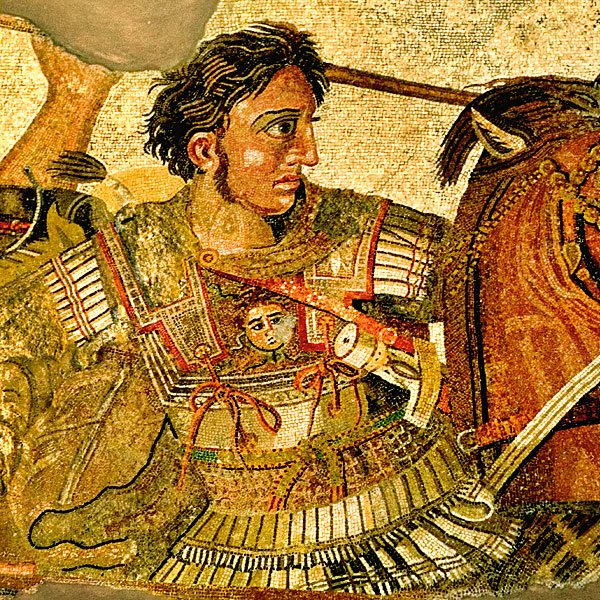
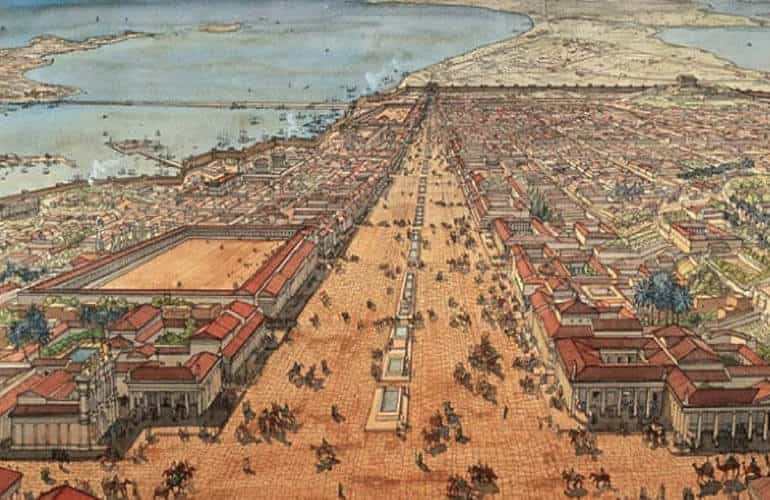
When Alexander the Great invaded Egypt in 332 BC, he saw an opportunity to create a city that would link his empire to the Mediterranean.
He sought a location that was both a military stronghold and a cultural hub.
He sought a location that was both a military stronghold and a cultural hub.
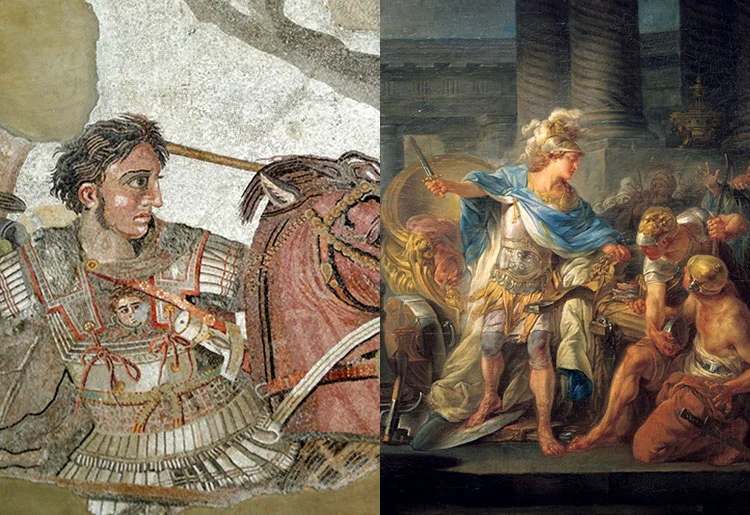
A legend says that in a dream, Homer appeared to Alexander, reciting verses about an island off Egypt’s coast, Pharos.
Alexander chose this site to build Alexandria, naming it after himself.
To ensure the city’s grandeur, he enlisted the greatest minds of his time to design it.
Alexander chose this site to build Alexandria, naming it after himself.
To ensure the city’s grandeur, he enlisted the greatest minds of his time to design it.
The city was laid out in a grid pattern and positioned as a center of trade, power & innovation.
More than just a city, Alexandria was an intellectual empire.
Its rulers, the Ptolemies, envisioned it as a repository of all human knowledge.
More than just a city, Alexandria was an intellectual empire.
Its rulers, the Ptolemies, envisioned it as a repository of all human knowledge.
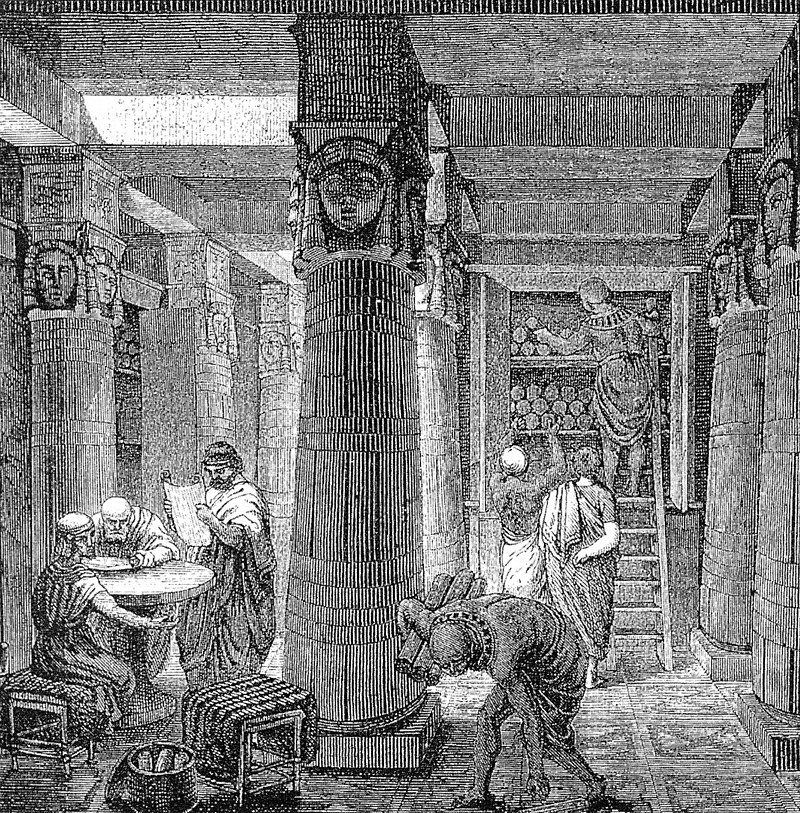
At the heart of this vision was the Library of Alexandria, the greatest library in history.
The library aimed to collect every book, scroll, and manuscript ever written from Greece, Egypt, India, Persia, and beyond.
Some estimates say it held over 500,000 texts.
The library aimed to collect every book, scroll, and manuscript ever written from Greece, Egypt, India, Persia, and beyond.
Some estimates say it held over 500,000 texts.
Alexandria wasn’t just about preserving knowledge, it was about creating it.
Some of history’s greatest minds worked there:
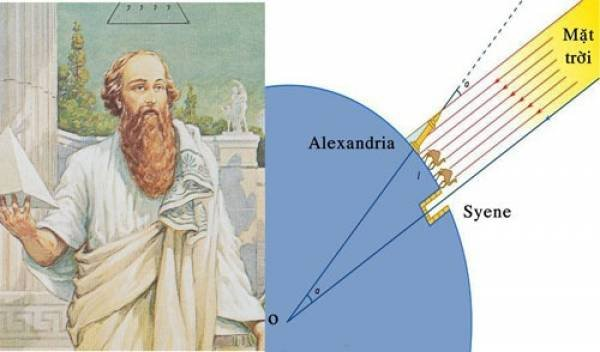
Eratosthenes (276–194 BC) measured the Earth's circumference with remarkable accuracy.
Some of history’s greatest minds worked there:
Eratosthenes (276–194 BC) measured the Earth's circumference with remarkable accuracy.
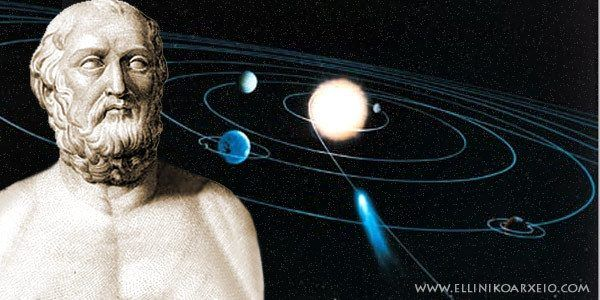
Aristarchus proposed that the Earth revolves around the Sun, a concept later proven by Copernicus.
Hero of Alexandria invented the first steam engine nearly 2,000 years before the Industrial Revolution.
Galen advanced medicine through his anatomical studies.
Hero of Alexandria invented the first steam engine nearly 2,000 years before the Industrial Revolution.
Galen advanced medicine through his anatomical studies.
One of Alexandria’s most extraordinary figures was Hypatia (c. 350–415 AD), a philosopher, mathematician, and astronomer.
In a world dominated by men, she defied the odds and became one of the most respected scholars of her time.
In a world dominated by men, she defied the odds and became one of the most respected scholars of her time.
She ran her own philosophy school, teaching students from across the Mediterranean.
She also improved the astrolabe, a device for navigation and astronomy.
She wrote extensively on mathematics and science, continuing the work of great thinkers who came before her.
She also improved the astrolabe, a device for navigation and astronomy.
She wrote extensively on mathematics and science, continuing the work of great thinkers who came before her.
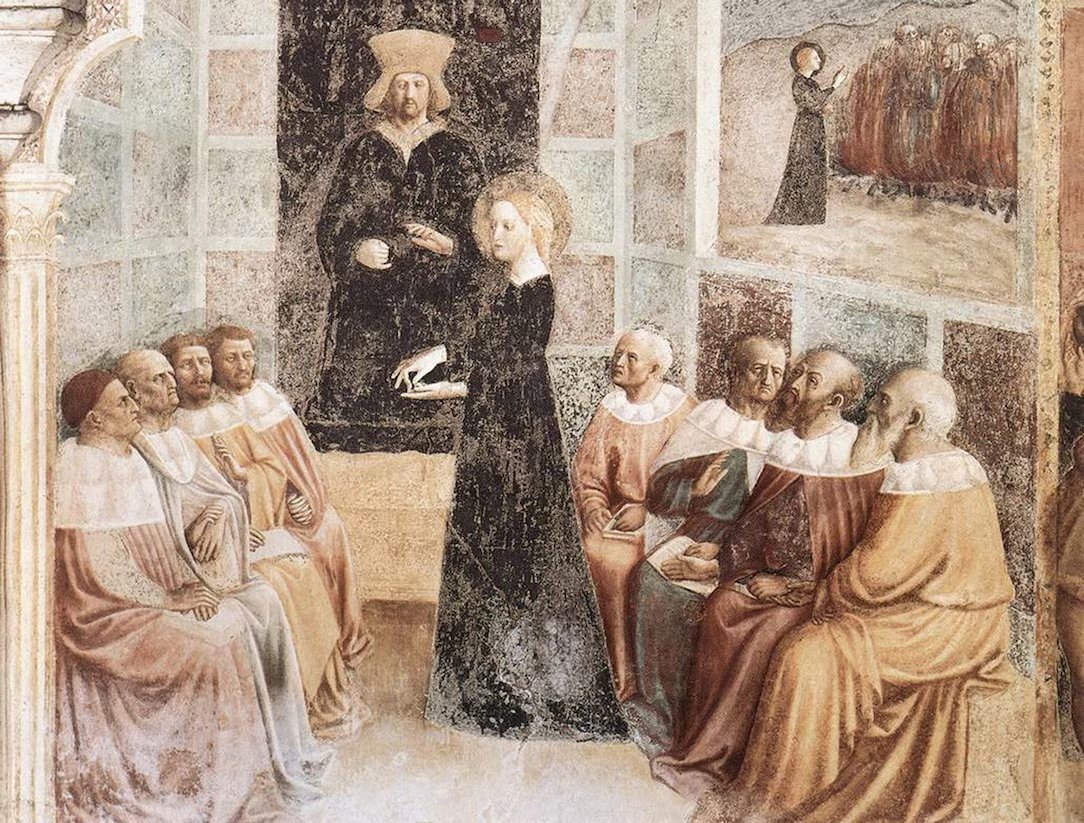
But Hypatia’s brilliance also made her a target.
By the early 5th century, Christianity was becoming the dominant force in Alexandria.
The new bishop, Cyril of Alexandria, sought to consolidate power and viewed pagan scholars like Hypatia as threats.
By the early 5th century, Christianity was becoming the dominant force in Alexandria.
The new bishop, Cyril of Alexandria, sought to consolidate power and viewed pagan scholars like Hypatia as threats.
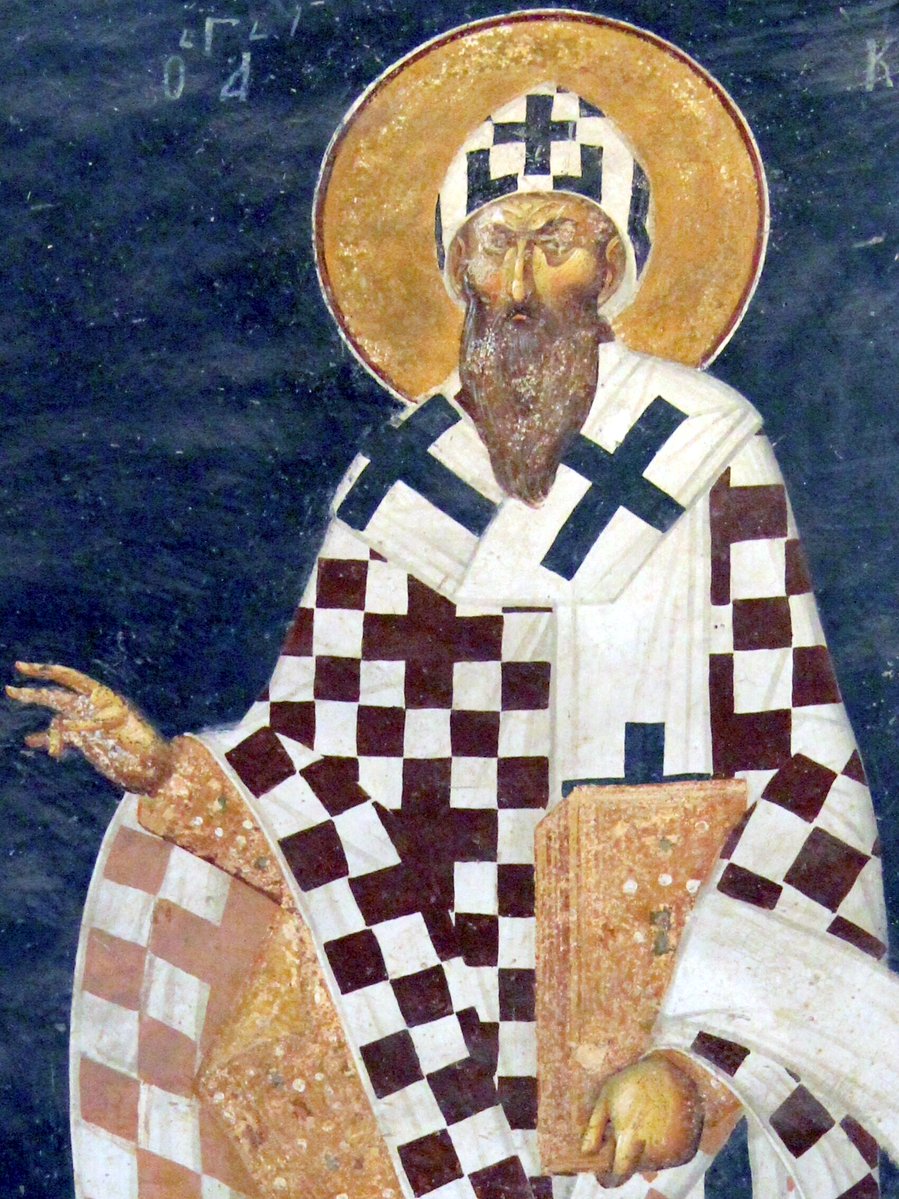
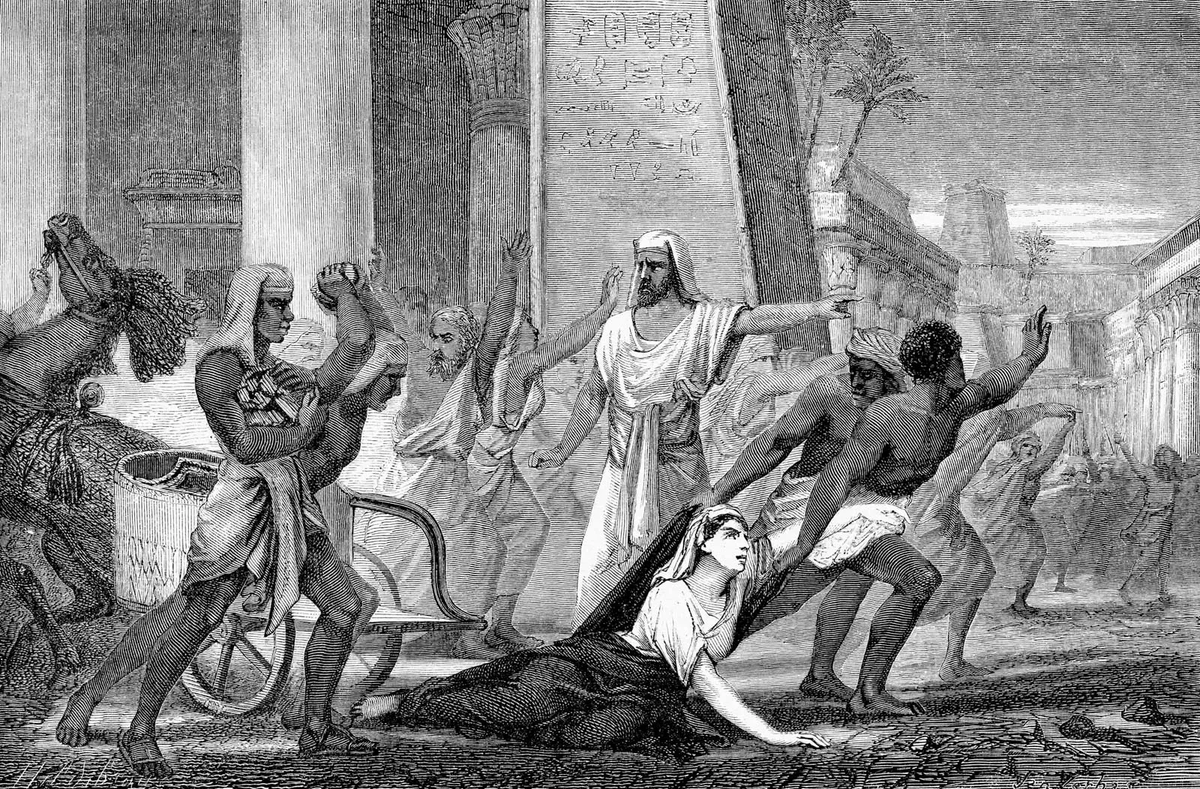
In 415 AD, a Christian mob fueled by religious and political tensions attacked Hypatia in the streets.
They dragged her to a church, stripped her, and brutally murdered her.
Her death marked the symbolic end of Alexandria’s golden age.
They dragged her to a church, stripped her, and brutally murdered her.
Her death marked the symbolic end of Alexandria’s golden age.
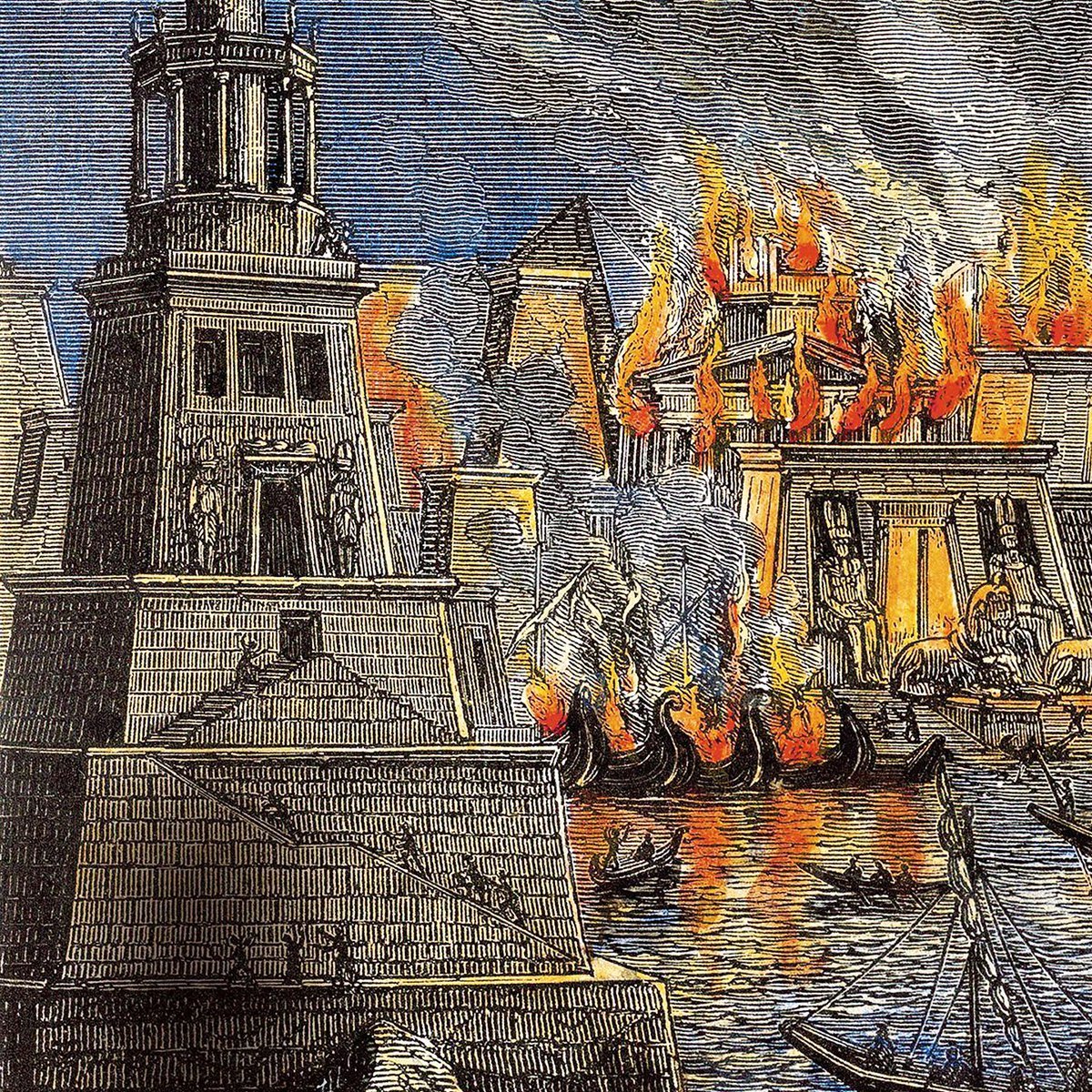
The greatest loss was the destruction of the Library of Alexandria.
There are several theories about its downfall:
1. Caesar’s Fire (48 BC): Julius Caesar set fire to enemy ships in Alexandria’s harbor, and the flames spread to the library, destroying a vast portion of its collection.
There are several theories about its downfall:
1. Caesar’s Fire (48 BC): Julius Caesar set fire to enemy ships in Alexandria’s harbor, and the flames spread to the library, destroying a vast portion of its collection.
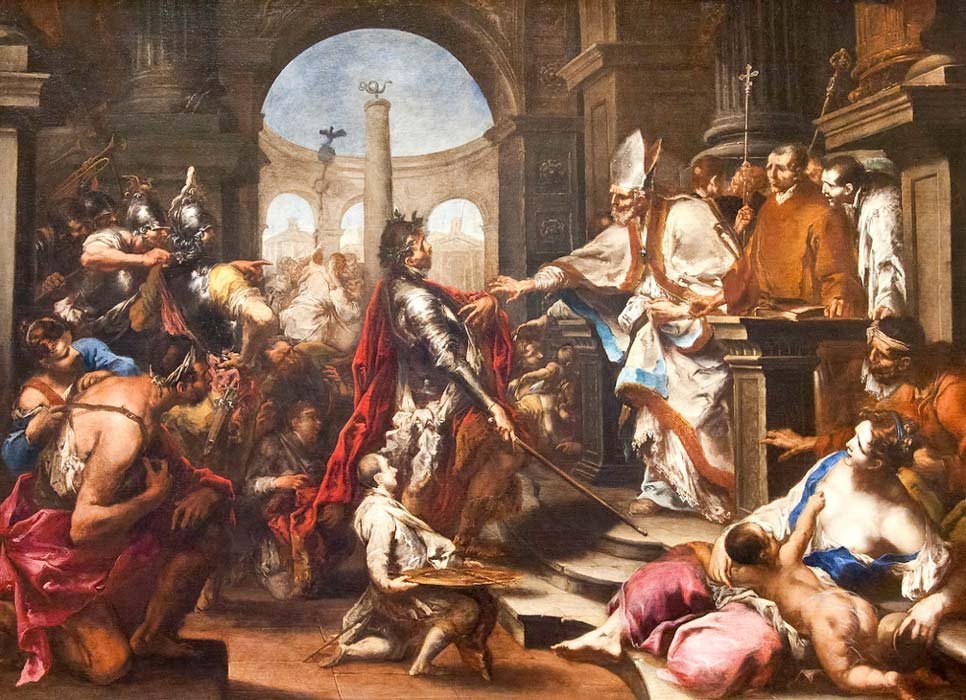
2. Christian Persecution (391 AD)
The Roman Emperor Theodosius I declared pagan knowledge as heretical, leading to the destruction of temples, statues, and libraries.
The Roman Emperor Theodosius I declared pagan knowledge as heretical, leading to the destruction of temples, statues, and libraries.
3. The Muslim Conquest (642 AD)
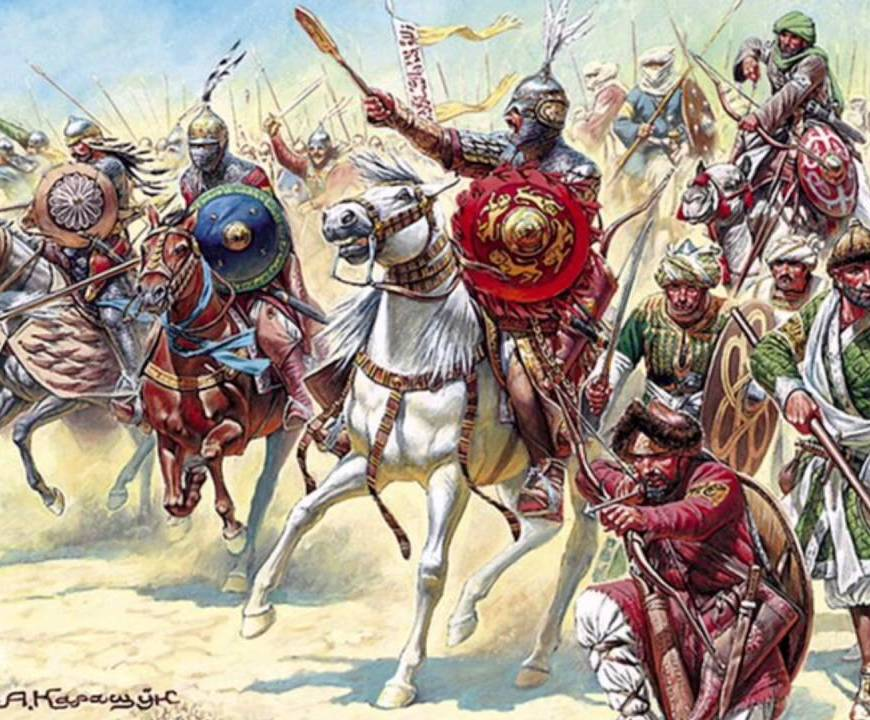
According to one (disputed) account, when the Muslim general Amr ibn al-As conquered Alexandria, the library’s remaining texts were burned for fuel.
According to one (disputed) account, when the Muslim general Amr ibn al-As conquered Alexandria, the library’s remaining texts were burned for fuel.
While the exact details are debated, what is undeniable is that centuries of knowledge were lost forever.

• • •
Missing some Tweet in this thread? You can try to
force a refresh