Geoengineering Info Profile picture
Aug 5, 2025 12 tweets 4 min read Read on X
🚨New research out on US public perceptions of #SolarGeoengineering:

More Americans oppose SRM research than support it, and 1 in 5 believe government-led atmospheric modification is already underway.

DETAILS🧵1/11 Image
2/ Using 64 interviews, 10 focus groups, and a survey of 3,076 Americans, the study found strong initial rejection of solar radiation modification (#SRM) as a research priority.

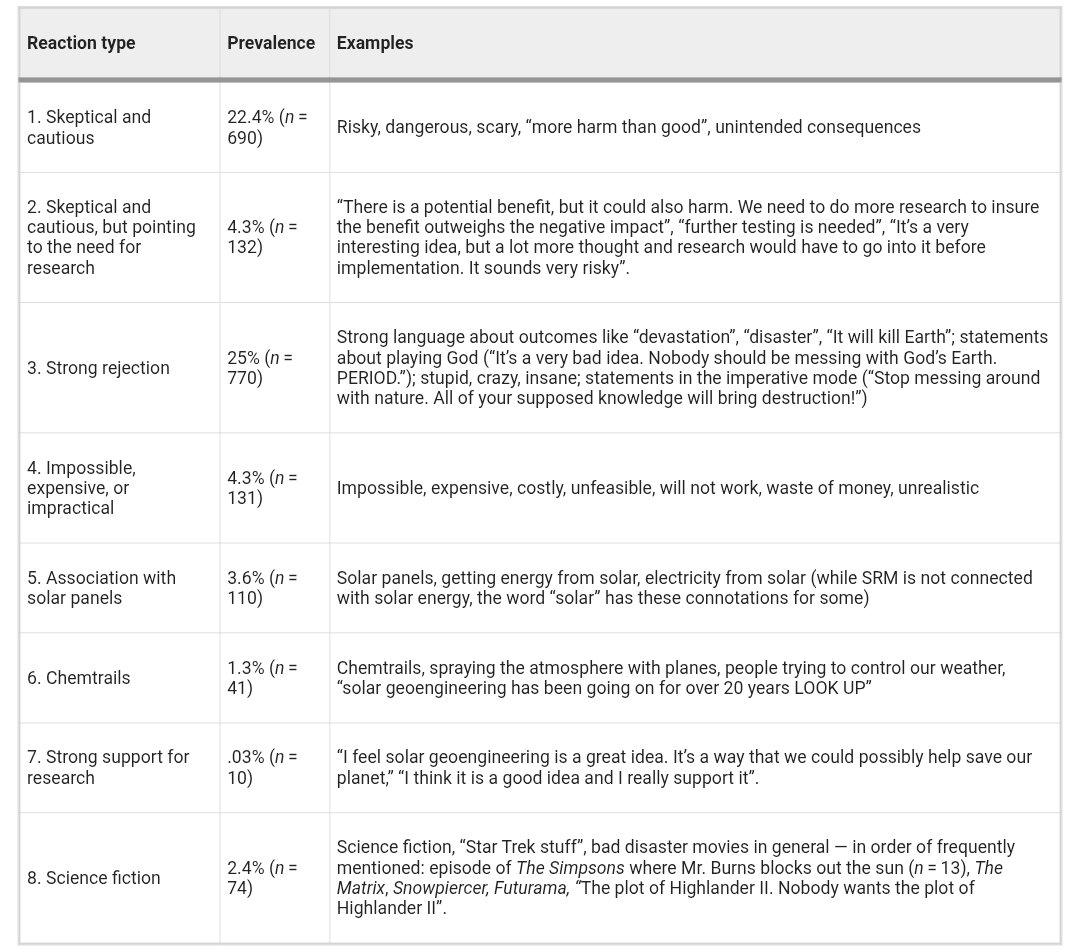
Skepticism, fear of unintended consequences, and concern over “playing God” were dominant themes. Image
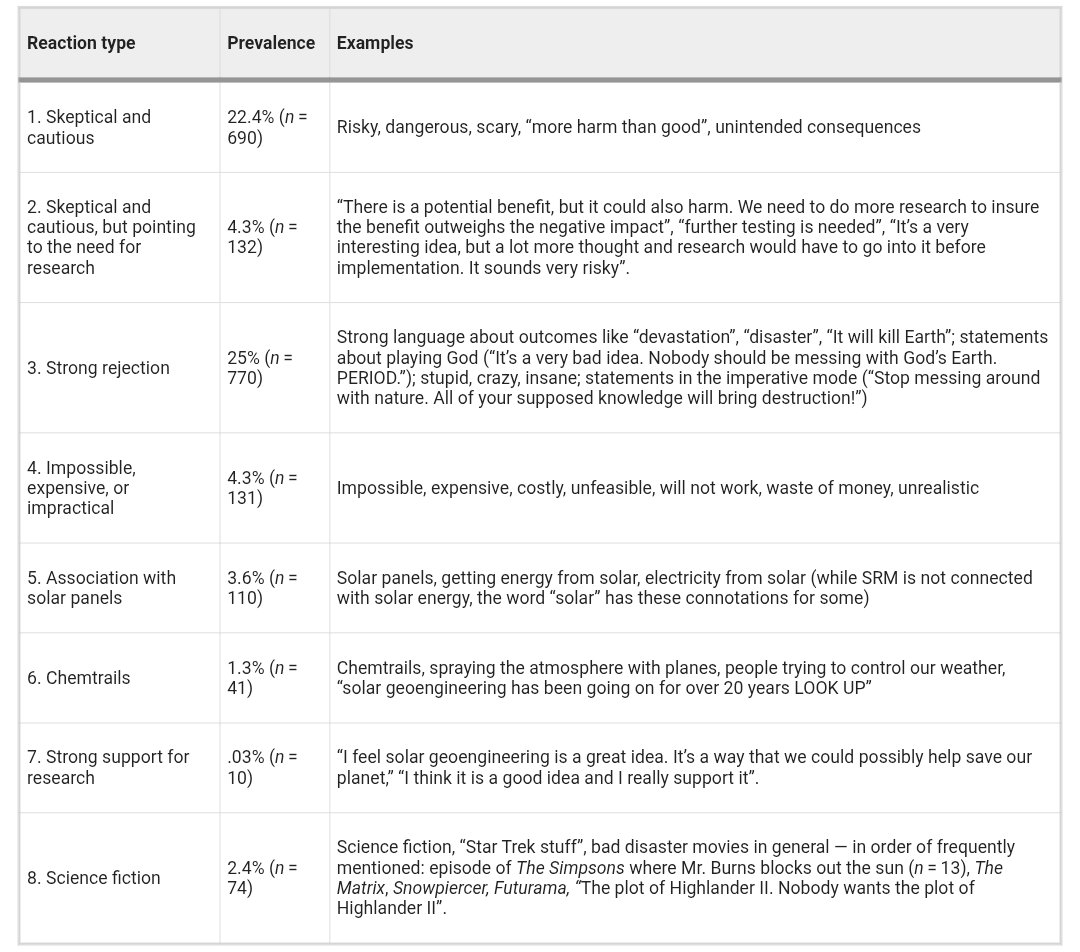
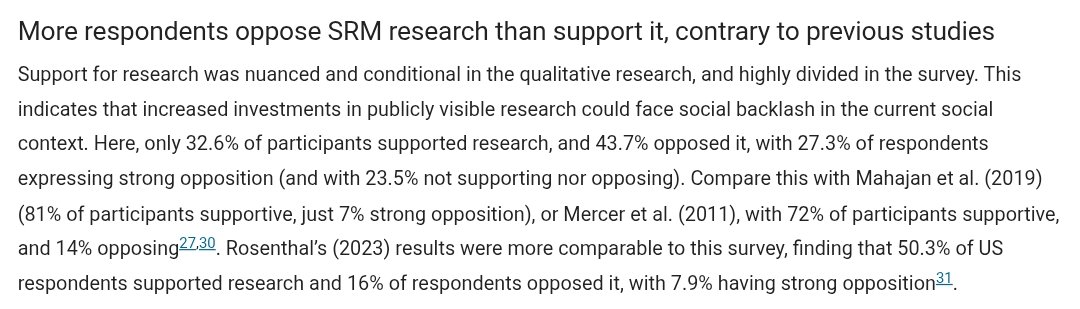
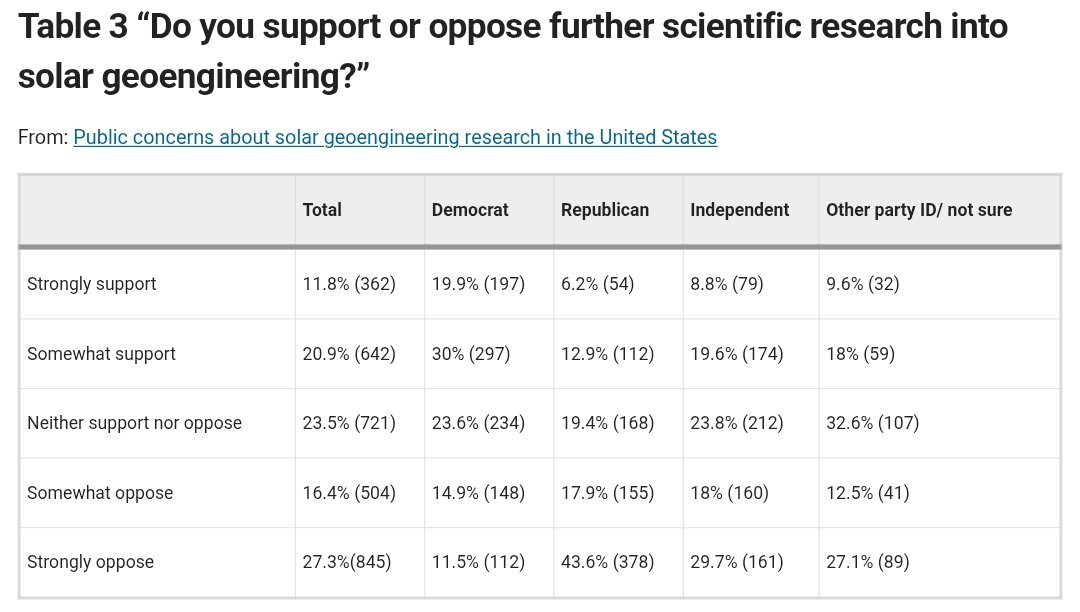
3/ Only 32.6% supported further SRM research. A notable 43.7% opposed it. For comparison, support was ~80% in similar studies from a decade ago. Enthusiastic support is now virtually nonexistent in qualitative responses. Image
4/ SRM remains unfamiliar to most: 57.5% of survey respondents said it was entirely new to them. But once introduced, many respondents voiced instinctive rejection. Strong opposition was often driven by moral concerns and distrust in scientific overreach. Image
5/ When support for research did exist, it was reluctant and conditional. People expressed the need for more data before endorsing deployment.

Crucially, 71% preferred SRM research to be conducted by universities, not governments or companies. Image
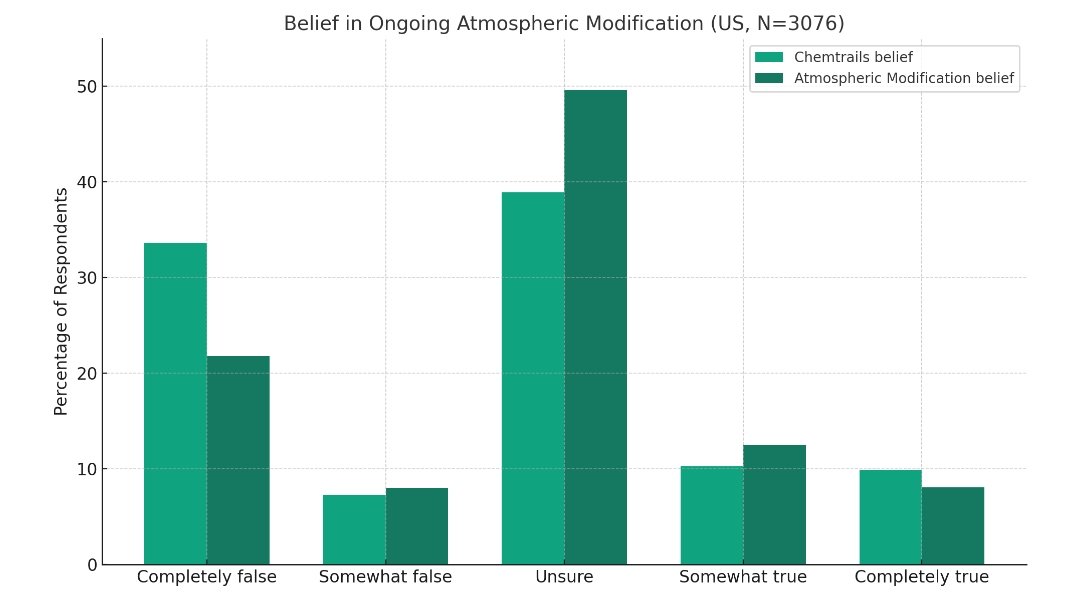
6/ Belief in ongoing geoengineering is no longer fringe. 20.6% of Americans said it's somewhat or completely true that the US government is already putting chemicals into the atmosphere to counter global warming. 49.6% were unsure. Image
Image
7/ This belief is not best understood as misinformation. The authors introduce the concept of “para-environmentalism” - a permutation of environmental concern, rooted in skepticism of elite institutions, that blends conspiratorial and ecological anxieties. Image
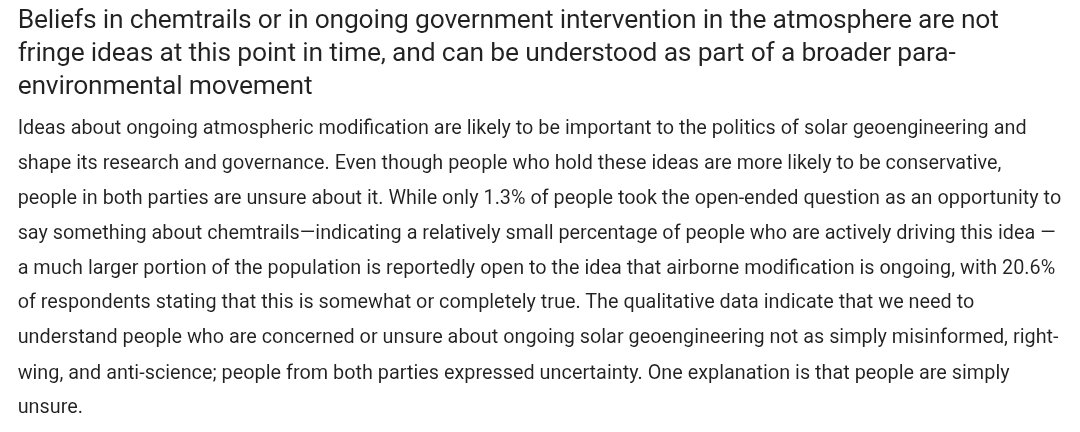
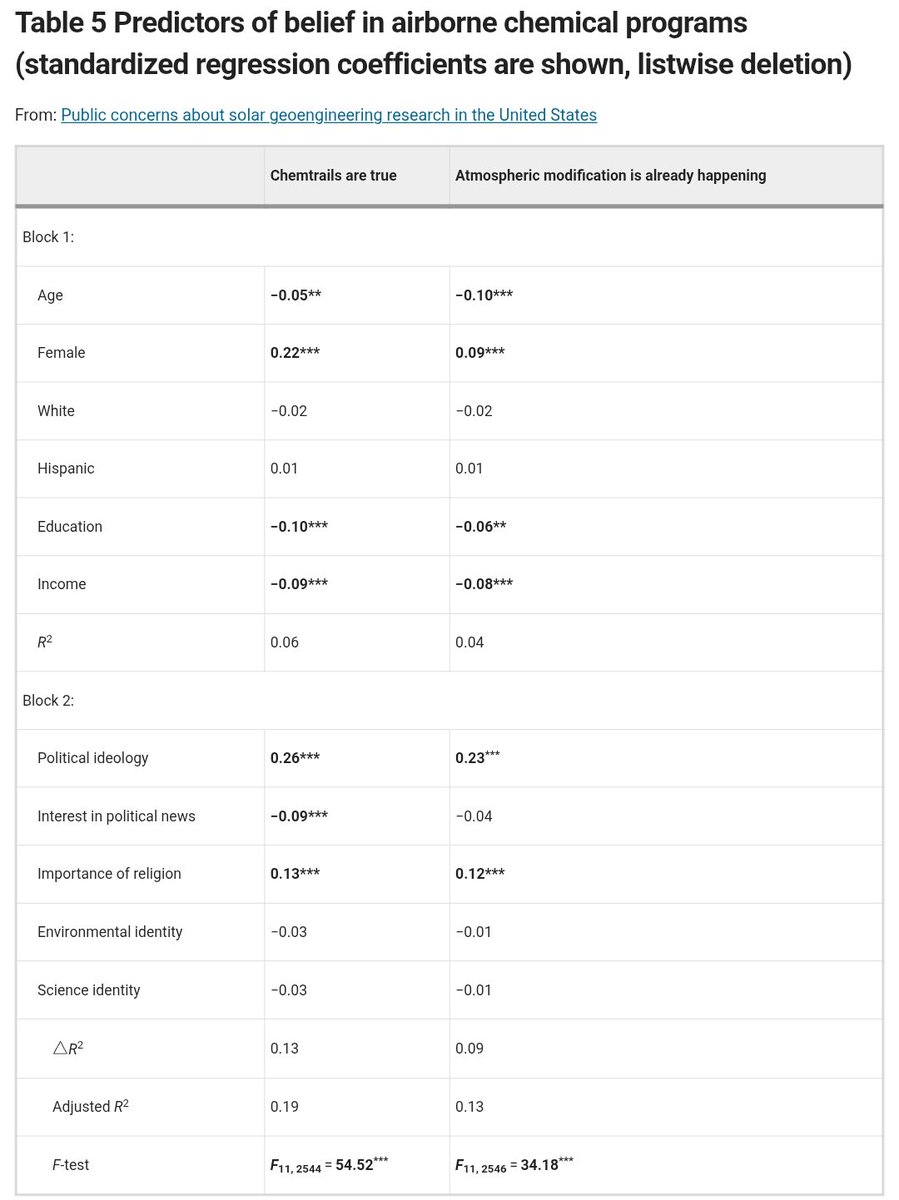
8/ Chemtrail beliefs and weather modification suspicions clustered more around younger, female, conservative, and less-educated respondents.

But uncertainty spanned all political affiliations, suggesting public confusion more than ideology. Image
9/ Focus group quotes show that distrust in environmental governance fuels para-environmentalism.

Participants cited failures in recycling, lack of transparency in policy, and “feeling manipulated” by elites - undermining trust in any new intervention.
10/ The study critiques the “deficit model” of public engagement, i.e., simply feeding the public more facts. Instead, it calls for two-way dialogue, empathetic listening, and locally grounded education to address both cognitive and emotional concerns.
📝For more details, read the study entitled "Public concerns about solar geoengineering research in the United States" here:


🧵11/11 #SRM #SolarGeoengineeringnature.com/articles/s4324…
"Unroll" @threadreaderapp

• • •

Missing some Tweet in this thread? You can try to force a refresh

 

Keep Current with Geoengineering Info

Geoengineering Info Profile picture

Stay in touch and get notified when new unrolls are available from this author!

Read all threads

This Thread may be Removed Anytime!

PDF

Twitter may remove this content at anytime! Save it as PDF for later use!

Try unrolling a thread yourself!

how to unroll video
  1. Follow @ThreadReaderApp to mention us!

  2. From a Twitter thread mention us with a keyword "unroll"
@threadreaderapp unroll

Practice here first or read more on our help page!

More from @geoengineering1

Feb 6
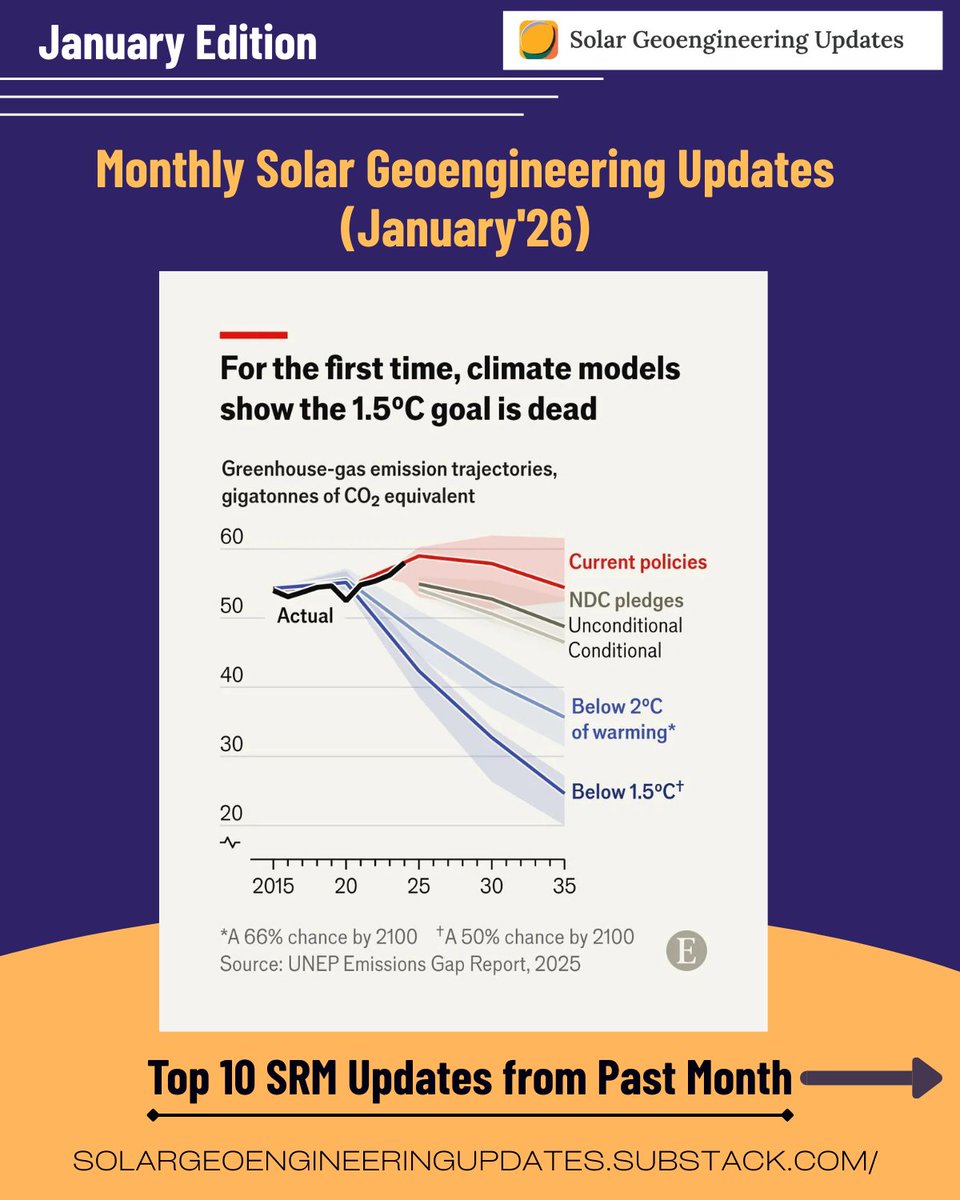
🚨🗞️Monthly #SolarGeoengineering Updates (Jan 2026)🗞️🚨

From U.S. withdrawal from global climate bodies & anti-geoengineering bills, to SAI uncertainty tool, Arctic field trials & funding calls, SRM stayed at the nexus of sci & geopolitics.

Top 10 SRM Highlights (Jan'26)🧵1/11 Image
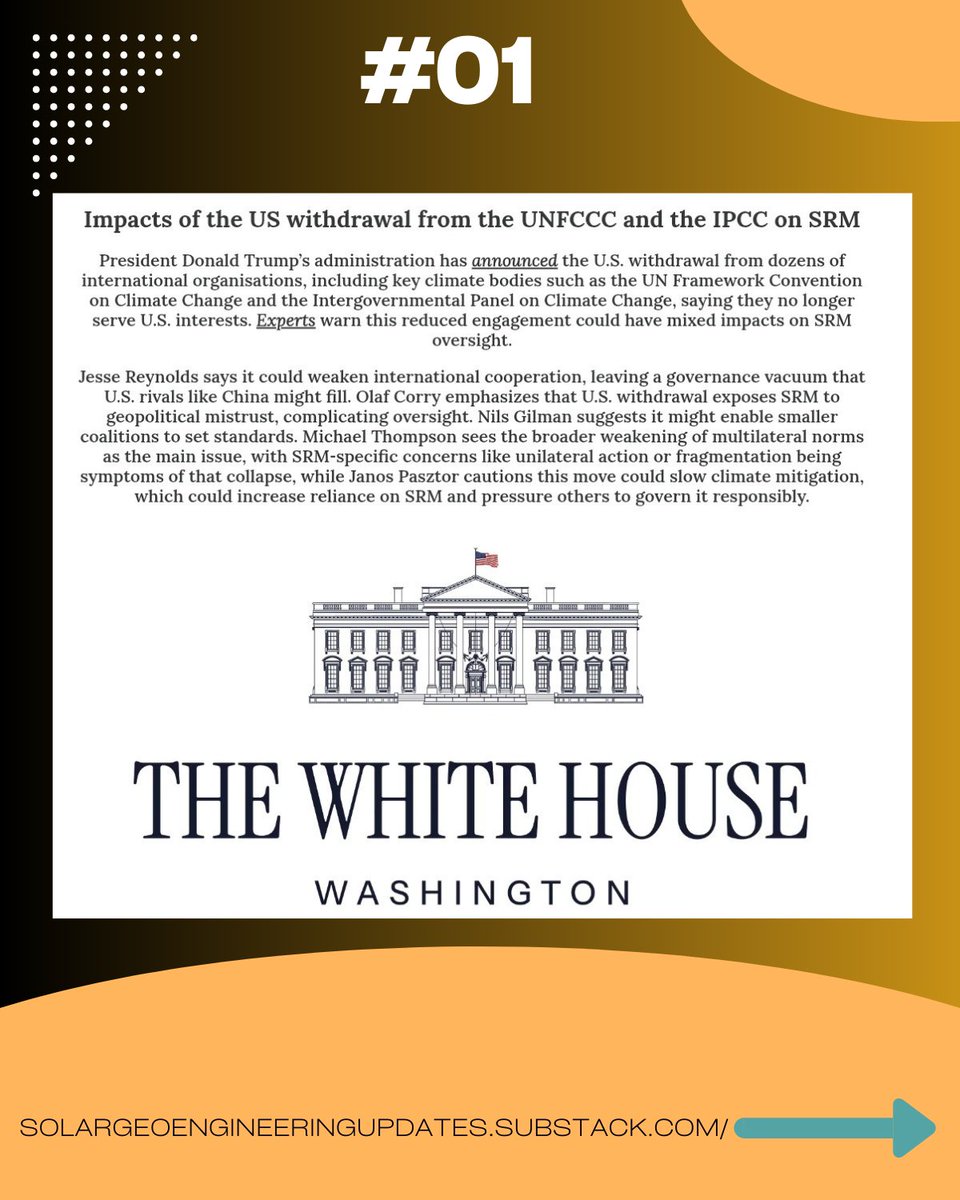
1️⃣ 𝗨.𝗦. 𝗲𝘅𝗶𝘁𝘀 𝗨𝗡𝗙𝗖𝗖𝗖 & 𝗜𝗣𝗖𝗖 - Experts warn withdrawal could weaken SRM governance, deepen geopolitical mistrust, and accelerate fragmented or unilateral approaches.

2/11 Image
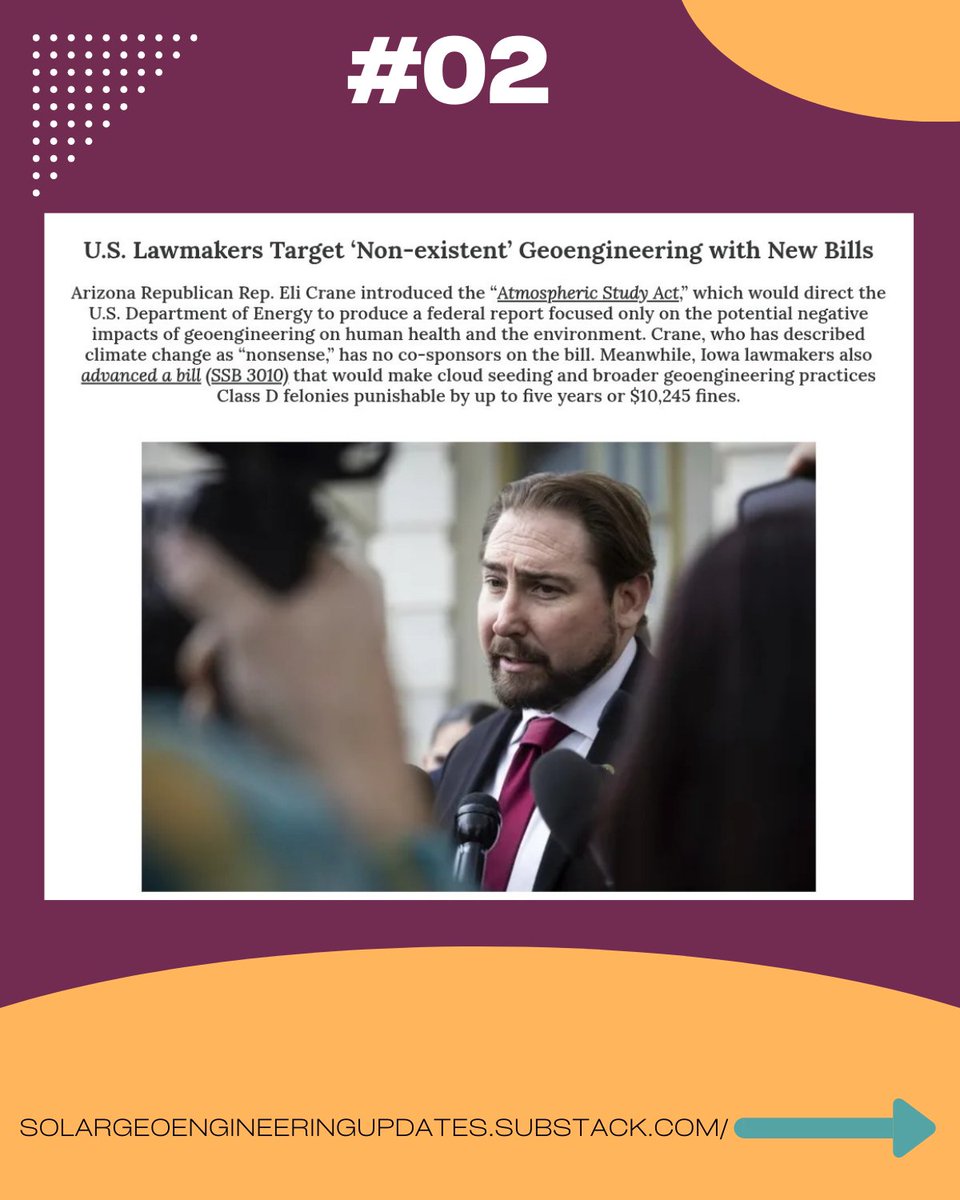
2️⃣ 𝗔𝗻𝘁𝗶-𝗴𝗲𝗼𝗲𝗻𝗴𝗶𝗻𝗲𝗲𝗿𝗶𝗻𝗴 𝗯𝗶𝗹𝗹𝘀 𝗶𝗻 𝘁𝗵𝗲 𝗨.𝗦. - New Arizona and Iowa state proposals target geoengineering, despite limited evidence and no active SRM programs.

3/11 Image
Read 12 tweets
Feb 5
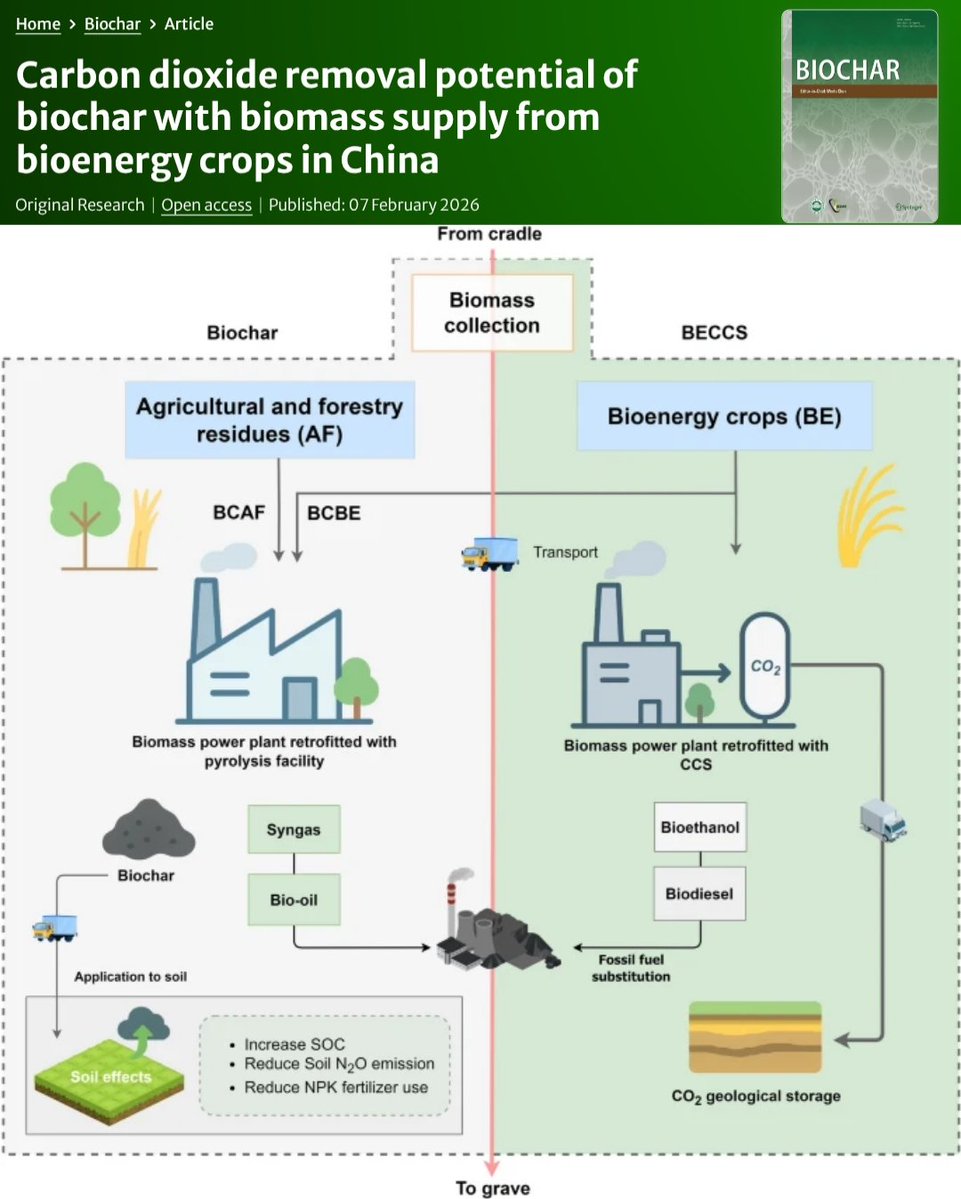
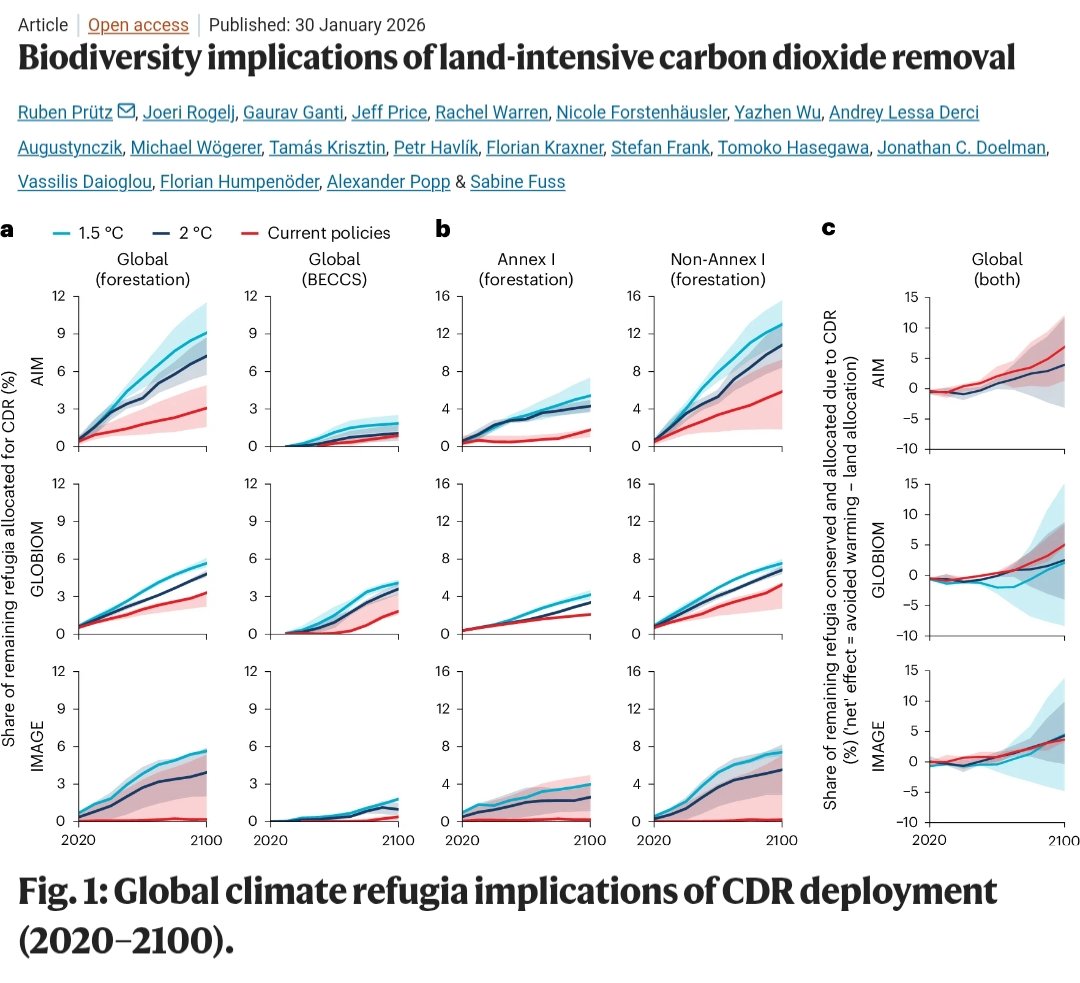
🚨Climate pathways to 1.5°C increasingly depend on land-intensive carbon dioxide removal (#CDR) like forestation and BECCS.

But new research shows these climate solutions could place major pressure on #biodiversity if deployed without safeguards.

Details🧵1/11 Image
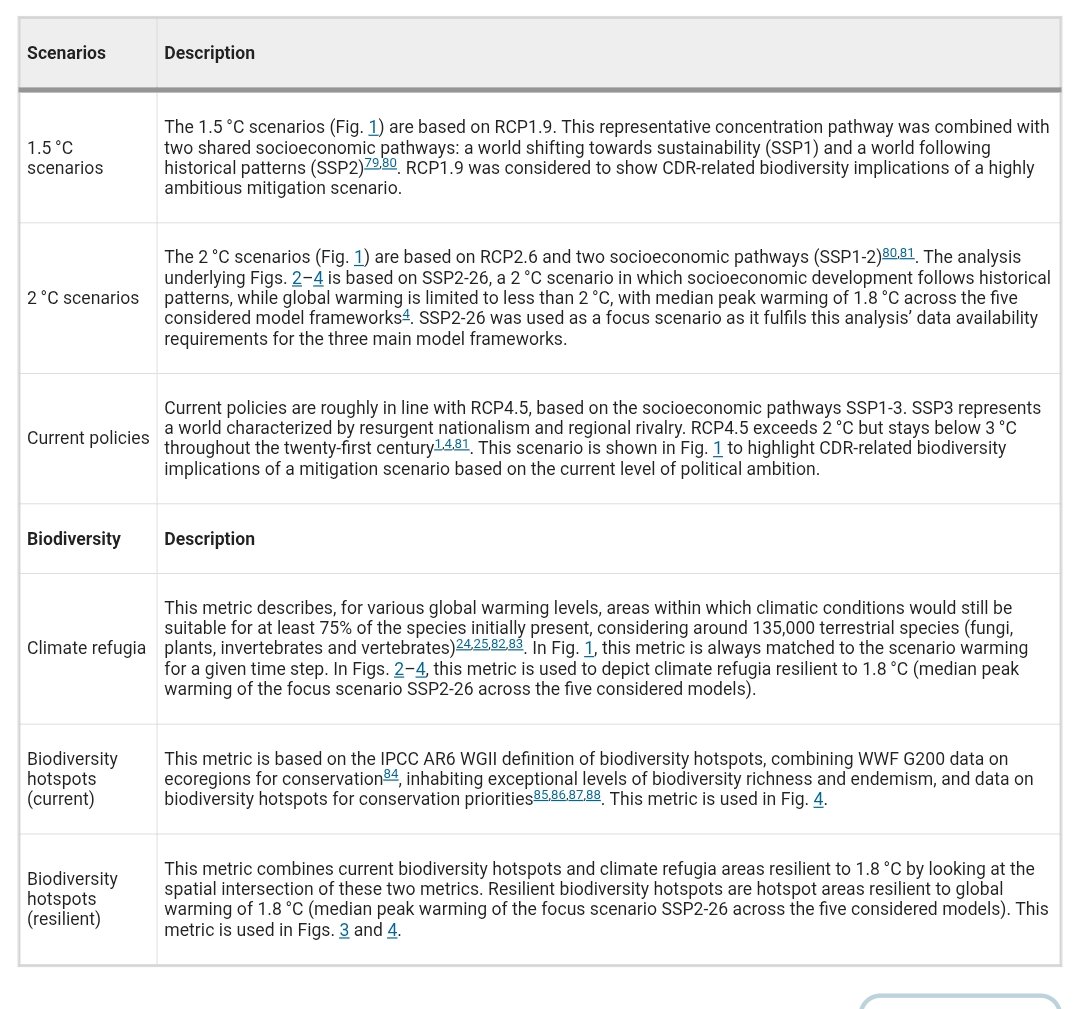
2/ Using five integrated assessment models, the study examines where large-scale CDR is projected to occur & and how often it overlaps with biodiversity hotspots and climate refugia, the places most critical for species survival. Image
3/ The analysis focuses on a moderate but realistic deployment level of 6 GtCO₂ per year:
• 3 GtCO₂/yr from forestation
• 3 GtCO₂/yr from BECCS
Even at this level, land pressures are already significant.
Read 12 tweets
Jan 30
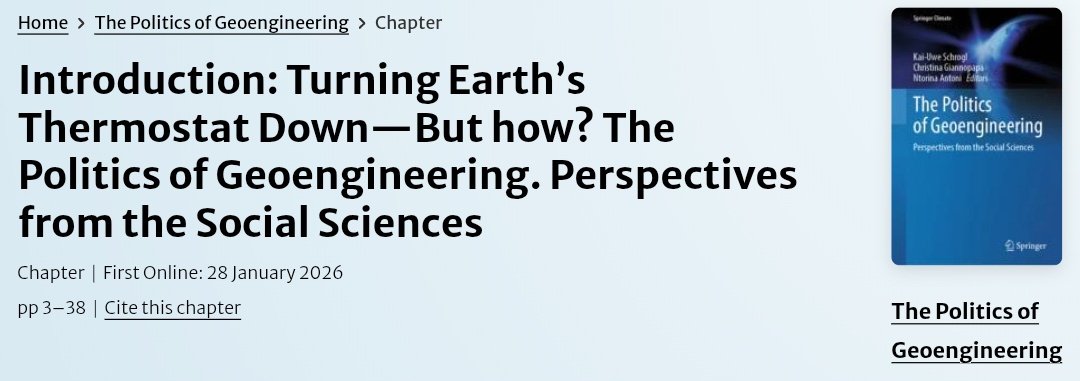
🚨The Politics of Geoengineering (book) is out, offering 1st comprehensive social science view of #geoengineering.

It examines political, legal, economic & societal dimensions of CDR & SRM, from Africa to the Asia-Pacific, amid urgent governance & ethical debates

Chapters🧵1/15 Image
2/ Chapter 01: Geoengineering has shifted from theory to contested policy, with technology outpacing governance. The analysis highlights political, legal, economic, and justice dimensions and calls for urgent global oversight.

link.springer.com/chapter/10.100…Image
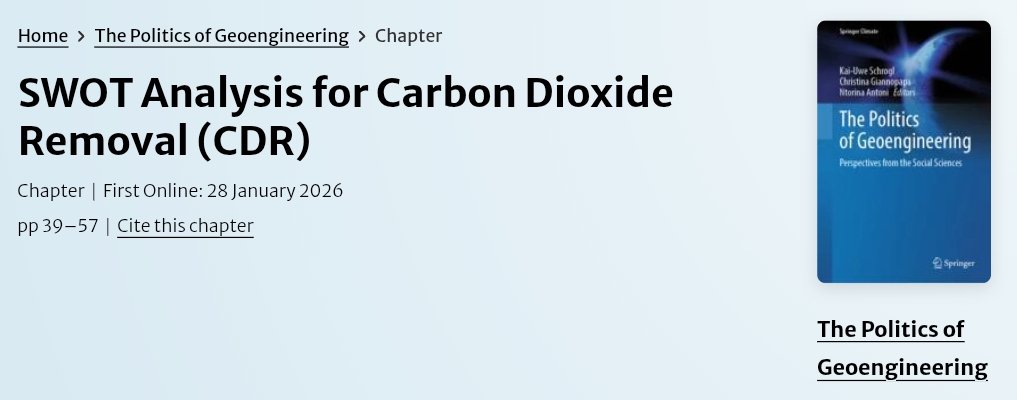
3/ Chapter 2 examines Carbon Dioxide Removal (CDR) as geoengineering, analyzing CO2 extraction, storage, and conversion, with SWOT insights on techniques and implications for sustainable climate action.

link.springer.com/chapter/10.100…Image
Read 16 tweets
Jan 21
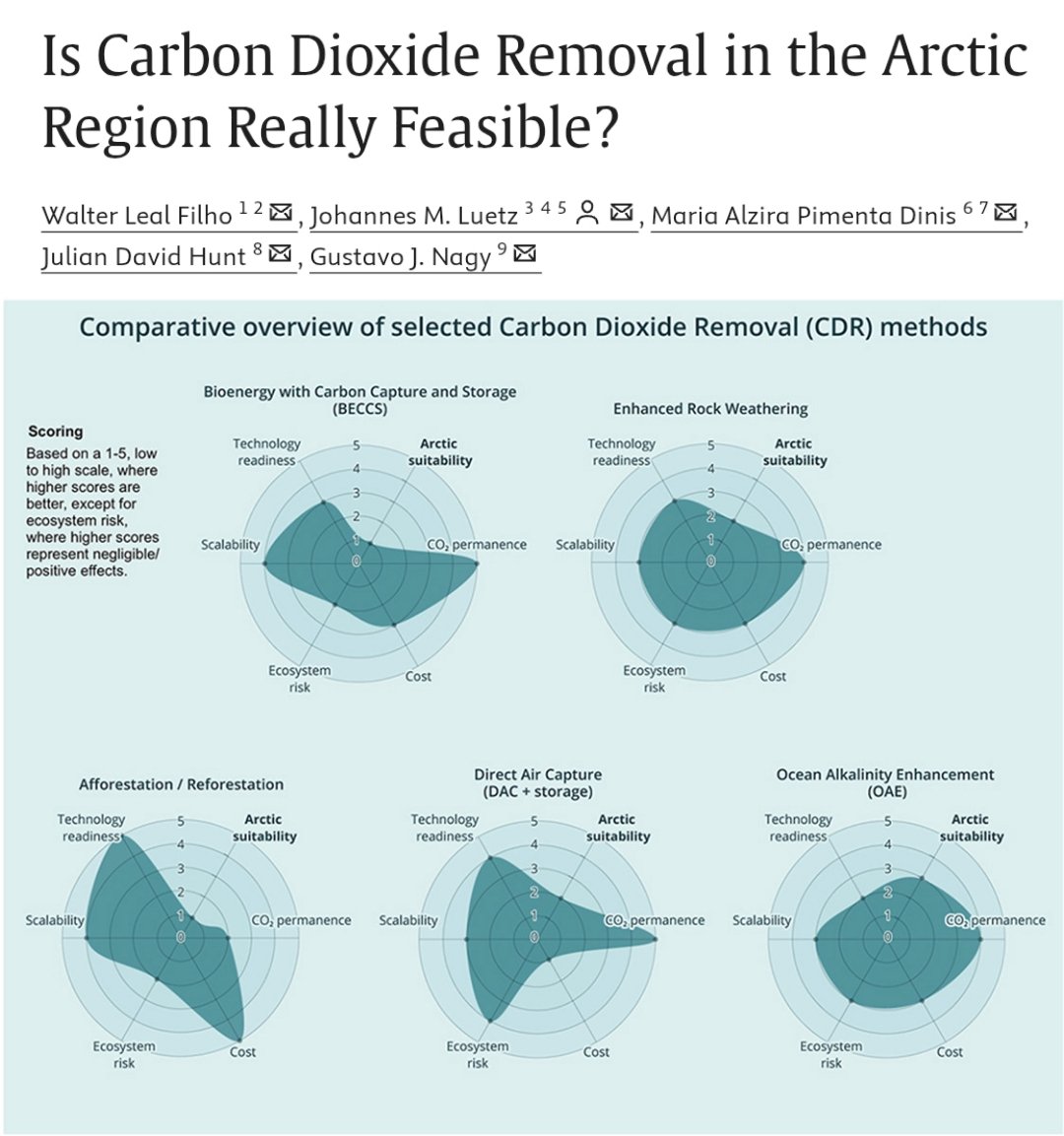
🚨Is carbon dioxide removal (#CDR) in the Arctic really feasible?

A new peer-reviewed study systematically assessed proposed Arctic CDR pathways and finds that feasibility is far more limited than often assumed.

DETAILS🧵1/14 Image
2/ As Arctic warms rapidly (4x) & attracts attention for climate interventions, can it host CDR at meaningful scale?

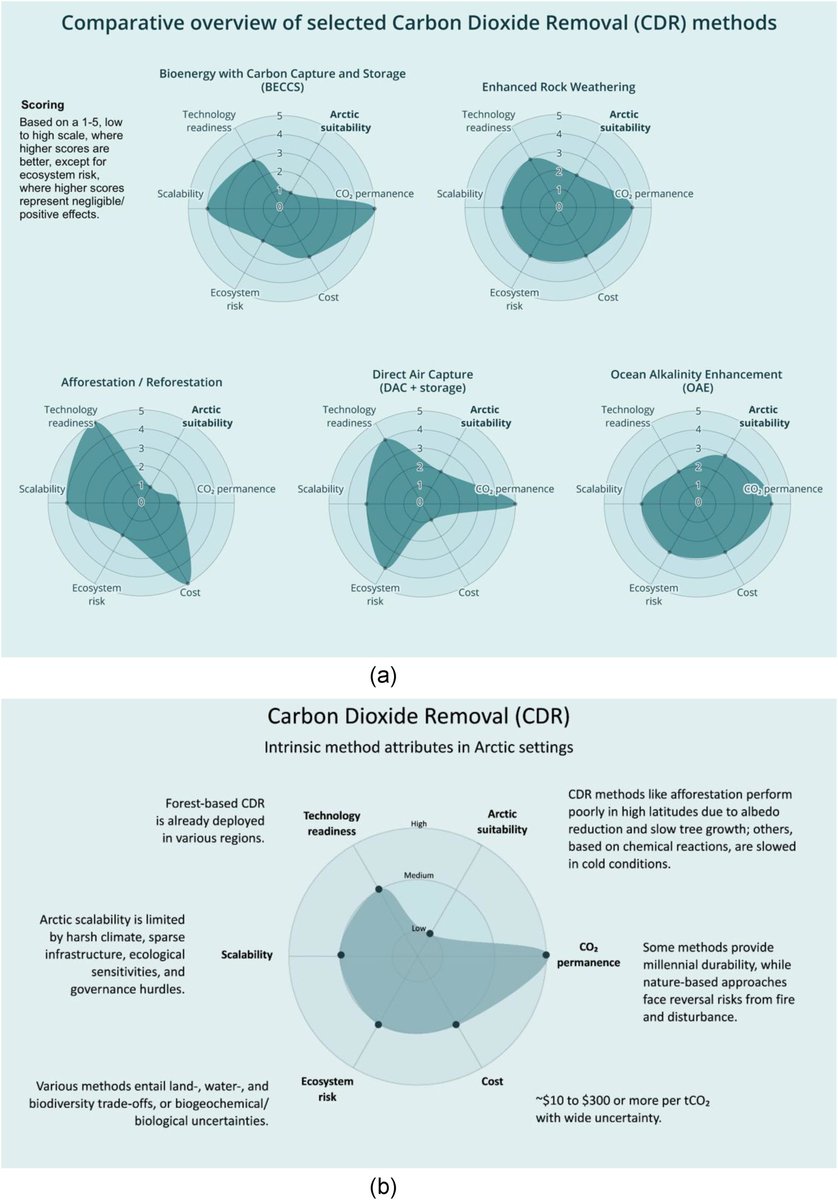
To answer this, authors conducted a comparative assessment of major CDR approaches proposed for Arctic regions, spanning both nature-based & engineered methods. Image
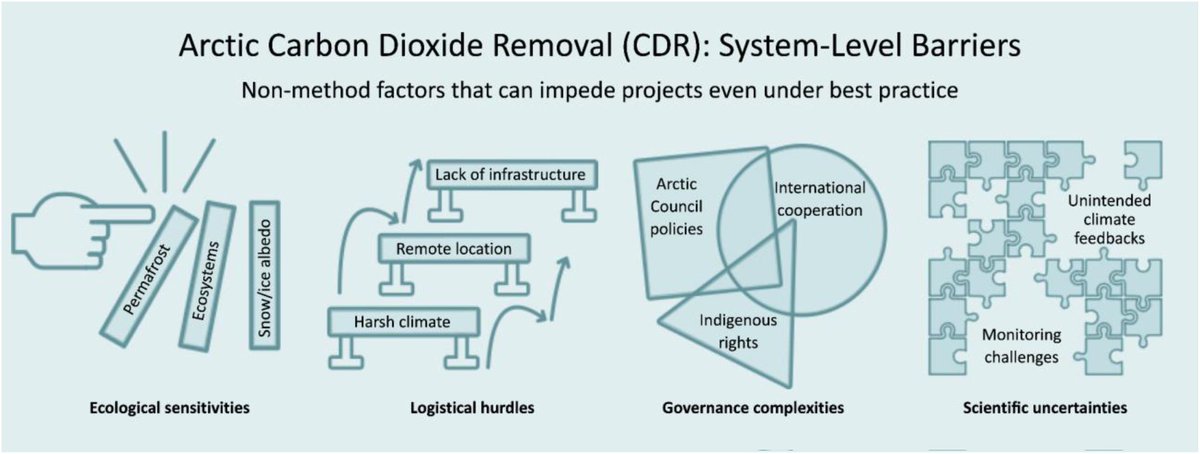
3/ The analysis draws on existing empirical studies, pilot projects, and modeling literature, evaluating each CDR pathway against biophysical constraints, technical readiness, environmental risks, and governance requirements. Image
Read 15 tweets
Jan 15
🚨2025 Year in Review: Solar Geoengineering Edition🚨

As we enter 2026, we’re excited to share our yearly summary for #SRM: "Solar Geoengineering in 2025: Rays of Hope, Clouds of Doubt."

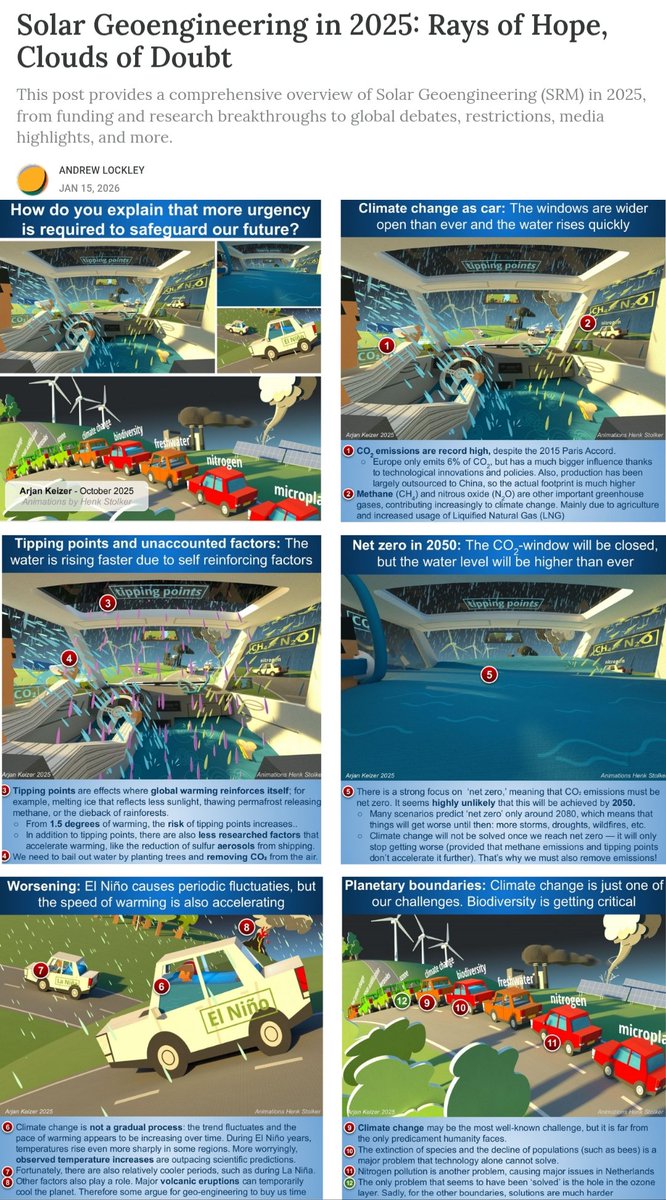
Here’s what we cover in this comprehensive review:🧵1/11 Image
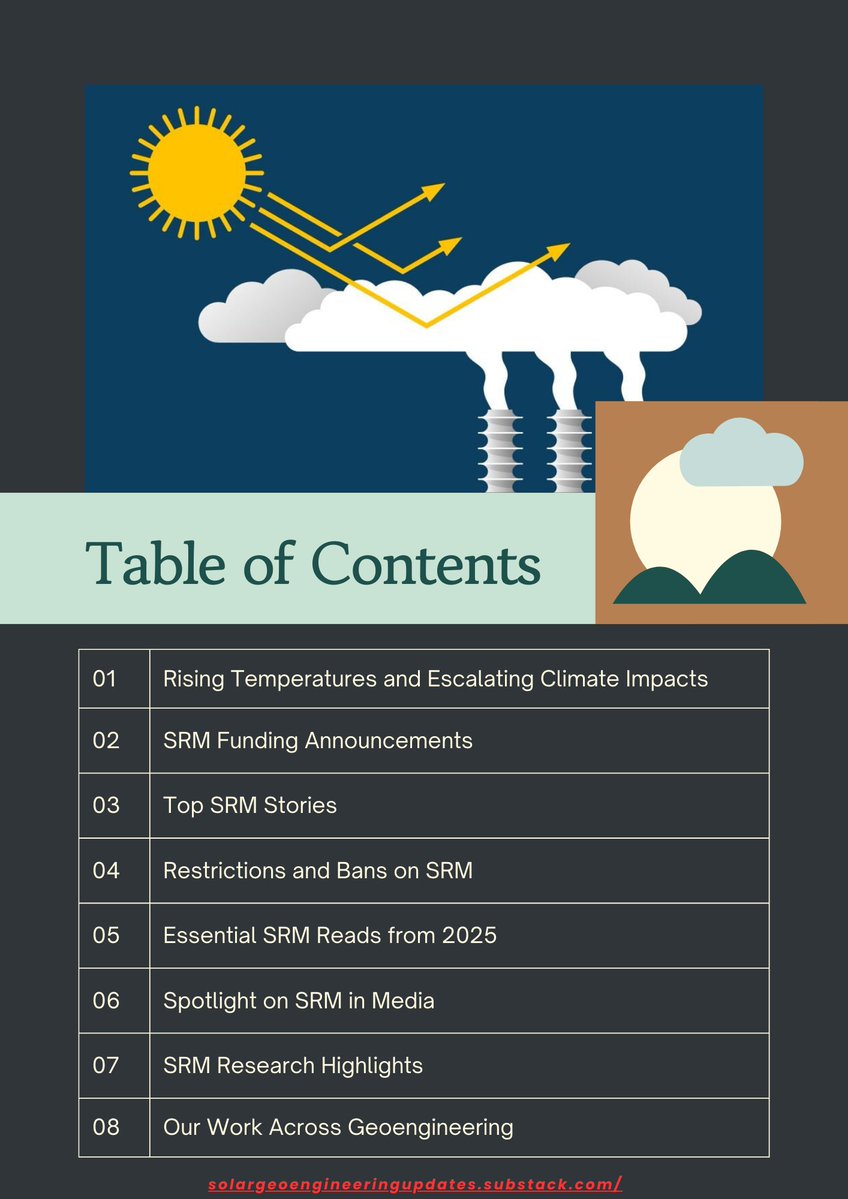
2/ 𝐖𝐡𝐚𝐭’𝐬 𝐢𝐧𝐜𝐥𝐮𝐝𝐞𝐝 𝐢𝐧 𝐨𝐮𝐫 𝟐𝟎𝟐5 𝐫𝐞𝐯𝐢𝐞𝐰?
1️⃣ Rising Temp & Escalating Climate Impacts
2️⃣SRM Funding Announcements
3️⃣Top SRM Stories
4️⃣Restrictions & Bans on SRM
5️⃣Essential SRM Reads
6️⃣SRM in Media
7️⃣Research Highlights
8️⃣Our Work Across Geoengineering Image
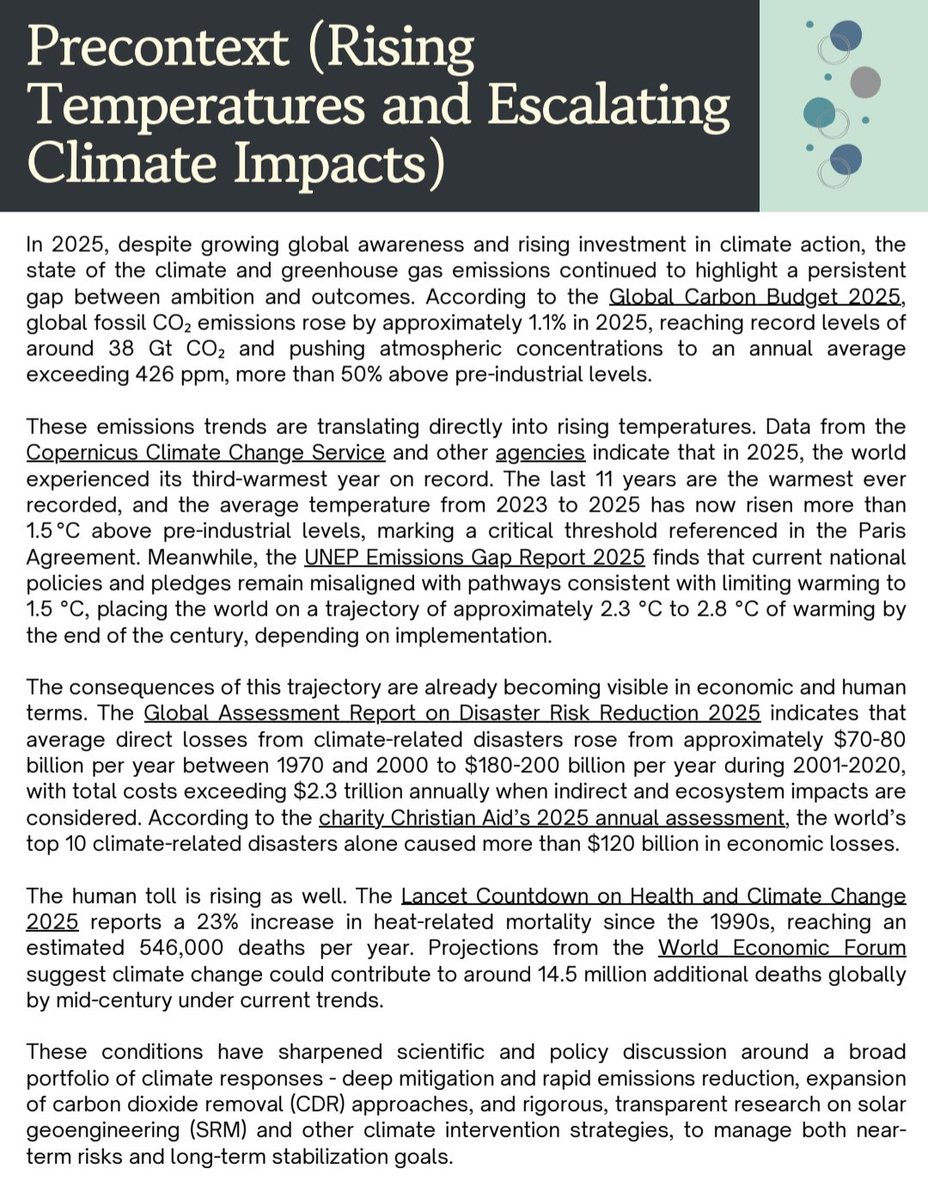
3/ 2025 was the third-warmest yr on record. @CopernicusEU shows the last 11 yrs were the warmest ever, with the global average temp in yrs 2023-25 exceeding 1.5 °C. Top climate disasters caused $120B+ in losses, intensifying debates over mitigation, CDR & SRM. Image
Read 12 tweets
Jan 8
🚨Oceans struggle to absorb Earth's carbon dioxide as microplastics invade their waters, a new study finds.

#CarbonSink #CDR #CarbonSequestration

DETAILS🧵1/12 Image
2/ The ocean is Earth’s largest carbon sink, absorbing vast amounts of CO₂ from the atmosphere.

But tiny plastic particles under 5 mm (microplastics) are now everywhere, from deep sea to Arctic ice, disrupting this natural system. Image
3/ When microplastics enter the ocean, they interact with phytoplankton, the microscopic plants that absorb atm CO₂ through photosynthesis.

Even tiny plastic particles can shade, stress, or damage these organisms, reducing their growth and carbon-fixing ability. Image
Read 13 tweets

Did Thread Reader help you today?

Support us! We are indie developers!


This site is made by just two indie developers on a laptop doing marketing, support and development! Read more about the story.

Become a Premium Member ($3/month or $30/year) and get exclusive features!

Become Premium

Don't want to be a Premium member but still want to support us?

Make a small donation by buying us coffee ($5) or help with server cost ($10)

Donate via Paypal

Or Donate anonymously using crypto!

Ethereum

0xfe58350B80634f60Fa6Dc149a72b4DFbc17D341E copy

Bitcoin

3ATGMxNzCUFzxpMCHL5sWSt4DVtS8UqXpi copy

Thank you for your support!

Follow Us!

:(