What if I told you there's ONE material that:
• Eliminates 90% of weeds
• Builds rich soil automatically
• Cuts watering needs in half
• Reduces garden work by 80%
It's MULCH.
Here's how proper mulching transforms your garden into a self-maintaining ecosystem: A THREAD 🧵
• Eliminates 90% of weeds
• Builds rich soil automatically
• Cuts watering needs in half
• Reduces garden work by 80%
It's MULCH.
Here's how proper mulching transforms your garden into a self-maintaining ecosystem: A THREAD 🧵

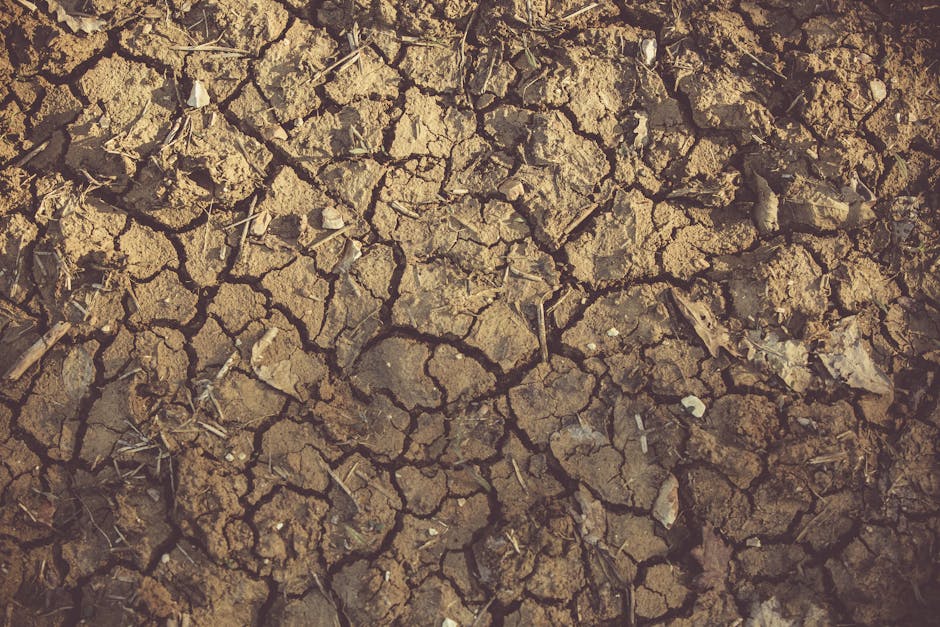
1. Bare soil is your garden's biggest energy drain.
• Uncovered earth loses water 10x faster than mulched surfaces
• Direct sunlight kills beneficial soil microorganisms essential for plant health
• Every watering session becomes a race against evaporation instead of deep soil penetration
Naked soil burns money and nutrients into thin air.
• Uncovered earth loses water 10x faster than mulched surfaces
• Direct sunlight kills beneficial soil microorganisms essential for plant health
• Every watering session becomes a race against evaporation instead of deep soil penetration
Naked soil burns money and nutrients into thin air.
2. The "neat and tidy" garden myth is sabotaging your productivity.
• Nature never leaves soil exposed—fallen leaves, grass, and plant debris create natural mulch
• Removing organic matter forces you to import expensive replacements from outside sources
• You're literally throwing away the materials that would build your soil for free
Fighting nature's mulch system creates more work, not less.
• Nature never leaves soil exposed—fallen leaves, grass, and plant debris create natural mulch
• Removing organic matter forces you to import expensive replacements from outside sources
• You're literally throwing away the materials that would build your soil for free
Fighting nature's mulch system creates more work, not less.

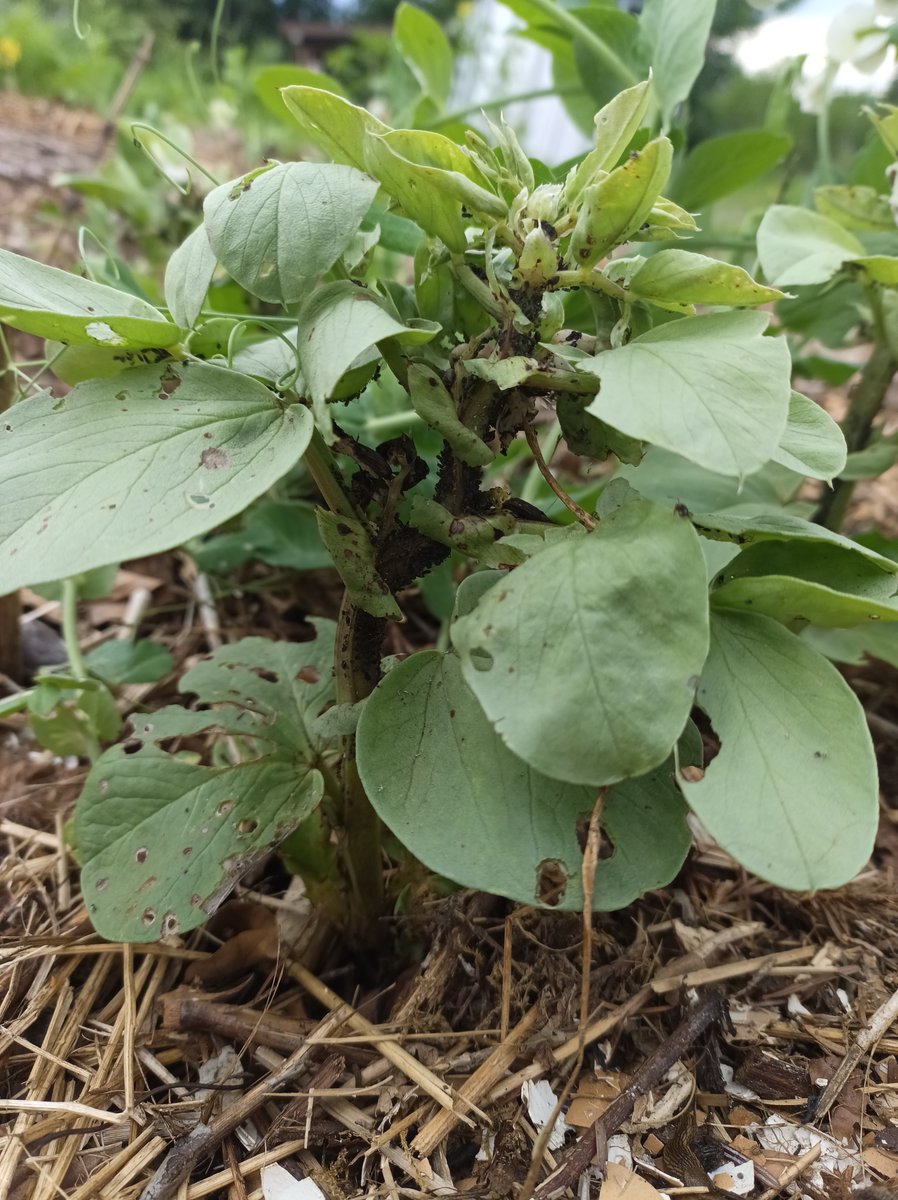
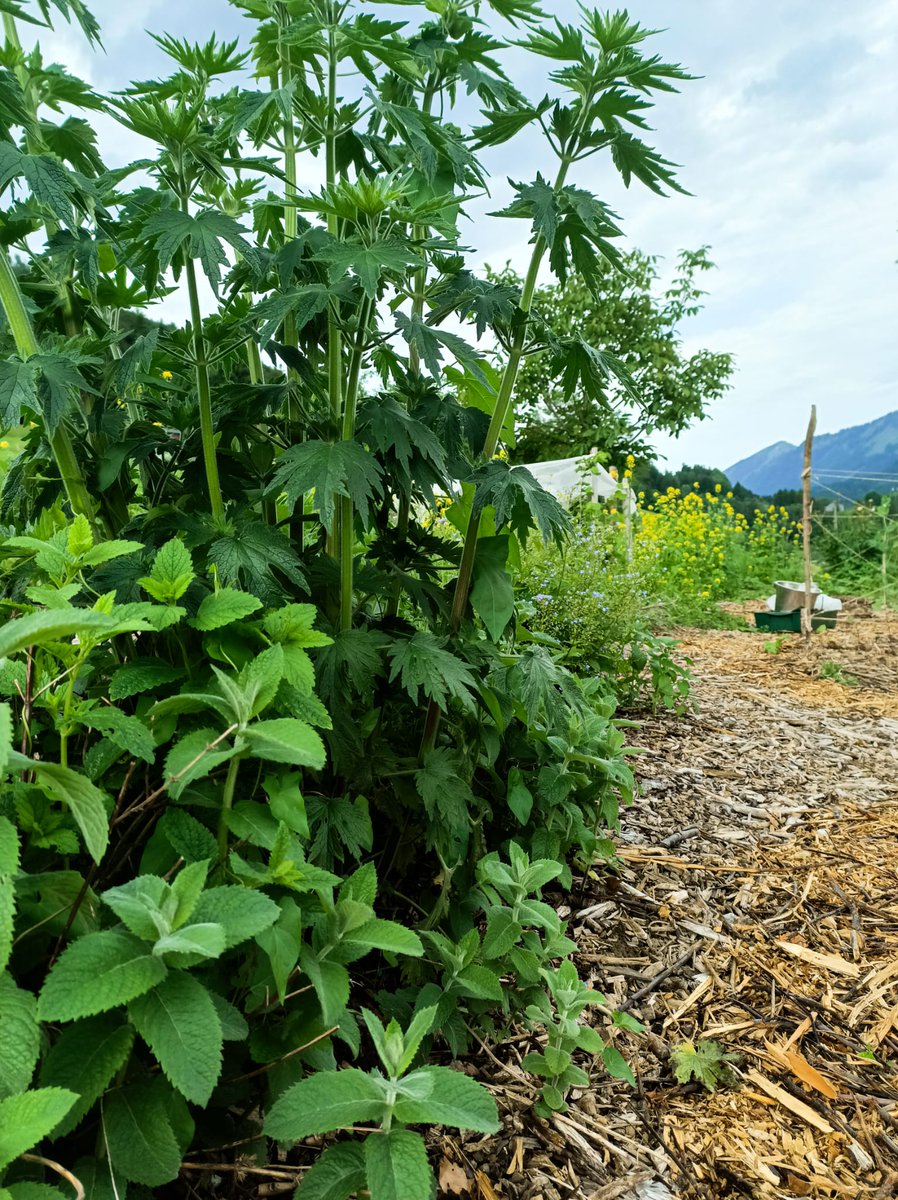
3. Wood chip pathways eliminate 90% of your weeding.
• Heavy wood chip mulch prevents light from reaching weed seeds beneath
• As chips decompose, they feed earthworms that improve soil structure
• Compacted paths become fertility-generating zones instead of maintenance problems
Turn your pathways into worm-breeding fertility factories.
• Heavy wood chip mulch prevents light from reaching weed seeds beneath
• As chips decompose, they feed earthworms that improve soil structure
• Compacted paths become fertility-generating zones instead of maintenance problems
Turn your pathways into worm-breeding fertility factories.
4. Different mulches serve different strategic purposes.
• Grass clippings provide quick nitrogen release for heavy feeders
• Leaves create slow-release nutrients while improving soil structure
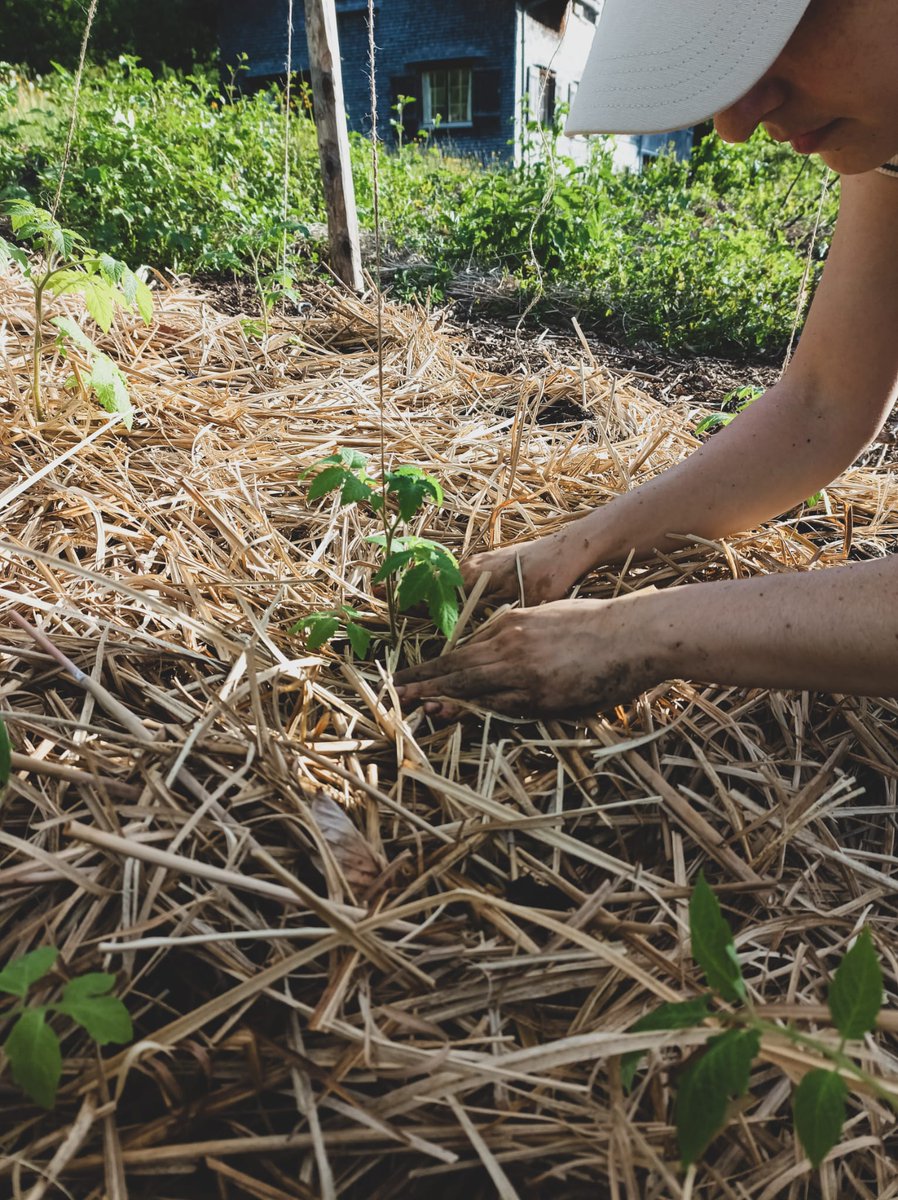
• Straw protects crops while allowing easy cultivation access
Match your mulch to your goals.
• Grass clippings provide quick nitrogen release for heavy feeders
• Leaves create slow-release nutrients while improving soil structure
• Straw protects crops while allowing easy cultivation access
Match your mulch to your goals.
5. Living mulches provide multiple benefits simultaneously.
• Low-growing herbs like thyme suppress weeds while providing harvest
• Nitrogen-fixing ground covers feed surrounding plants while protecting soil
• Flowering ground covers attract beneficial insects for natural pest control
Why choose function or beauty when you can have both?
• Low-growing herbs like thyme suppress weeds while providing harvest
• Nitrogen-fixing ground covers feed surrounding plants while protecting soil
• Flowering ground covers attract beneficial insects for natural pest control
Why choose function or beauty when you can have both?

6. Mulch creates microclimates that extend growing seasons.
• Organic matter moderates soil temperature swings throughout the year
• Moisture retention allows plants to survive dry periods without stress
• Protected root zones enable earlier planting and later harvests
Good mulch gives you more growing time.
• Organic matter moderates soil temperature swings throughout the year
• Moisture retention allows plants to survive dry periods without stress
• Protected root zones enable earlier planting and later harvests
Good mulch gives you more growing time.
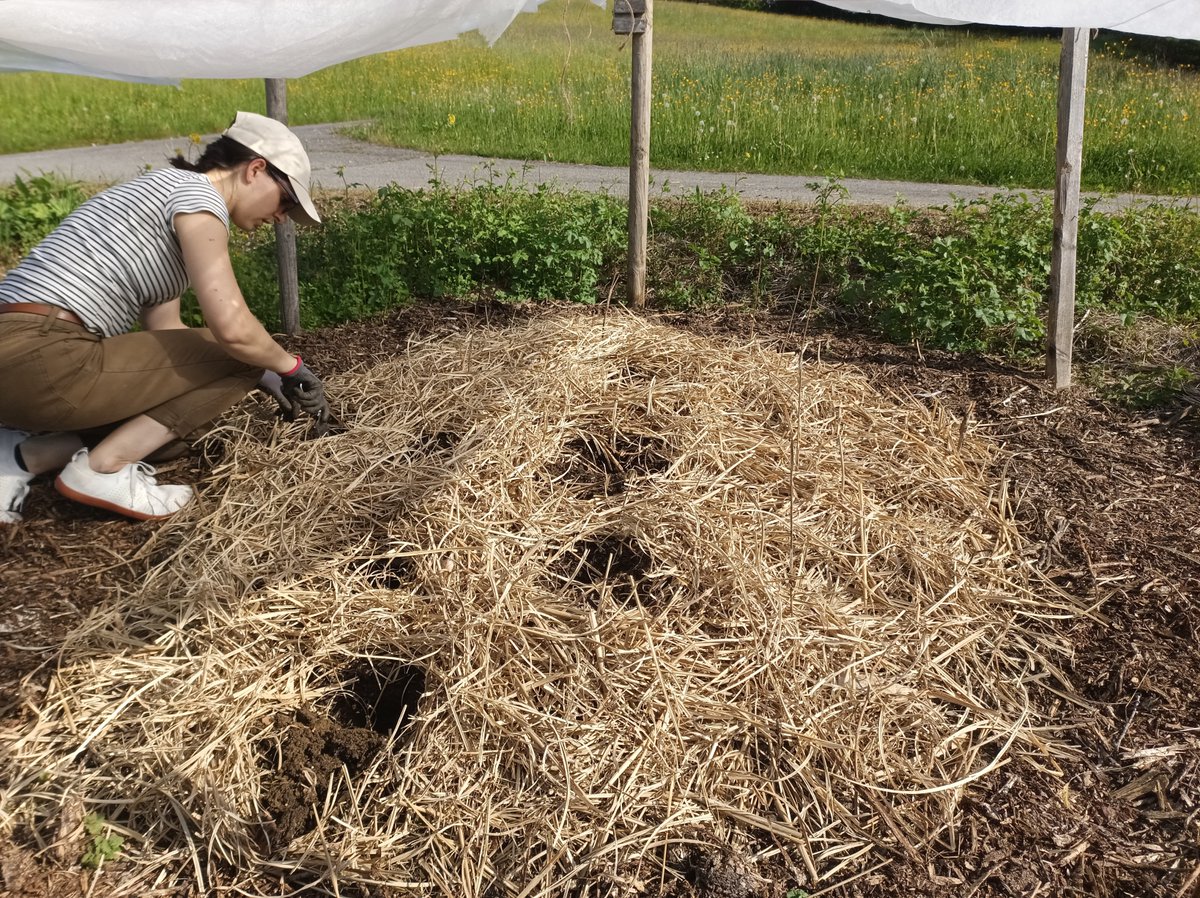
7. Sheet mulching converts lawn to garden without digging.
• Layer cardboard, organic matter, and soil over existing grass
• Materials decompose while suppressing unwanted vegetation beneath
• Create new growing beds with minimal labor and maximum long-term benefits
Transform problems into solutions with strategic layering.
• Layer cardboard, organic matter, and soil over existing grass
• Materials decompose while suppressing unwanted vegetation beneath
• Create new growing beds with minimal labor and maximum long-term benefits
Transform problems into solutions with strategic layering.
8. Mulch management becomes effortless with proper design.
• Position compost areas where finished material falls naturally into garden beds
• Design pathways that collect and direct organic matter where it's needed
• Use gravity and natural patterns to eliminate transport and spreading labor
Smart design makes mulch maintain itself.
• Position compost areas where finished material falls naturally into garden beds
• Design pathways that collect and direct organic matter where it's needed
• Use gravity and natural patterns to eliminate transport and spreading labor
Smart design makes mulch maintain itself.
Thanks for following along!
Spread mulch wisdom - retweet 🌀 the first post and help others work smarter, not harder.
Ready to go deeper? Our permaculture guide shows you how to apply these principles across your entire garden:
Build soil, reduce work, grow better food🌱thistle-thorn.kit.com/transformhomeg…
Spread mulch wisdom - retweet 🌀 the first post and help others work smarter, not harder.
Ready to go deeper? Our permaculture guide shows you how to apply these principles across your entire garden:
Build soil, reduce work, grow better food🌱thistle-thorn.kit.com/transformhomeg…
• • •
Missing some Tweet in this thread? You can try to
force a refresh