🧵1/ My frontline report inside Ukraine's drone wall protecting Dnipropetrovsk Oblast.
Mad-max style caged vehicles fill the roads near the front.
The russian motorcycle suicide assaults are relentless.
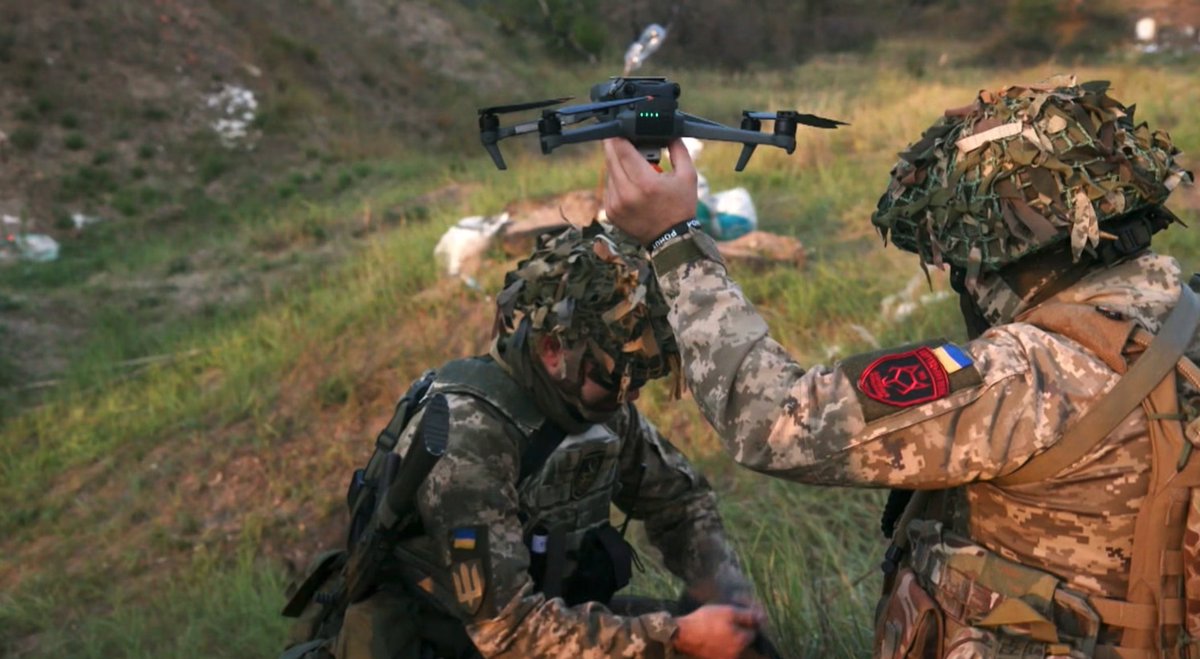
Ukrainian drone pilots have no breaks hunting russian soldiers.
Mad-max style caged vehicles fill the roads near the front.
The russian motorcycle suicide assaults are relentless.
Ukrainian drone pilots have no breaks hunting russian soldiers.

2/ The early morning begins with the crashing of artillery and the whistle of russian glide bombs raining down on Ukrainian positions in Donetsk Oblast, near the border with Dnipropetrovsk.
The russians storm throughout the day, attemping to push beyond Donetsk Oblast.
The russians storm throughout the day, attemping to push beyond Donetsk Oblast.
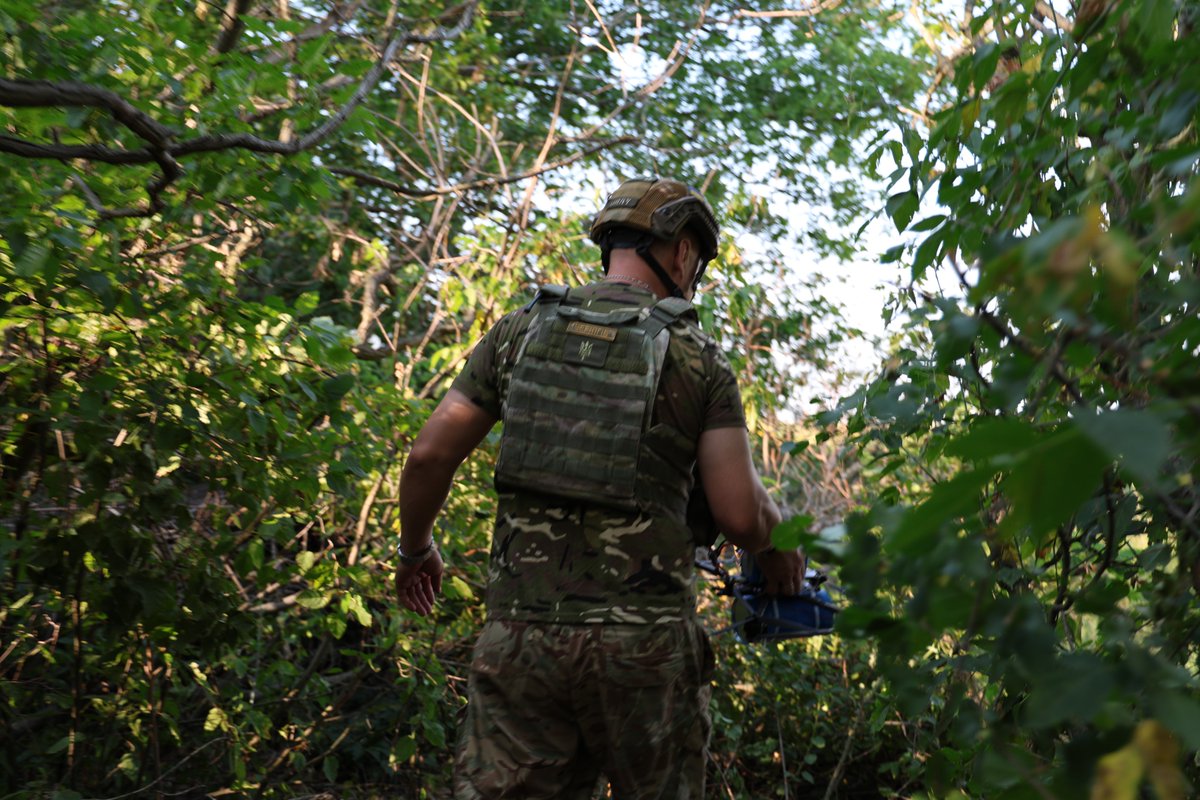
3/ Out on the open fields, russian troops press forward in relentless (suicide) waves, often attacking in groups of two or three.
They alternate between motorcycle assaults and cautious movements on foot, using treelines for cover as they inch toward Ukrainian positions.
They alternate between motorcycle assaults and cautious movements on foot, using treelines for cover as they inch toward Ukrainian positions.

4/ A string of drone units across different brigades hold this part of the front.
One of the main ones being the Unmanned Systems Battalion of Ukraine’s 110th Separate Mechanized Brigade.
Ukraine’s defenders use drones & technology as a force multiplier.
One of the main ones being the Unmanned Systems Battalion of Ukraine’s 110th Separate Mechanized Brigade.
Ukraine’s defenders use drones & technology as a force multiplier.
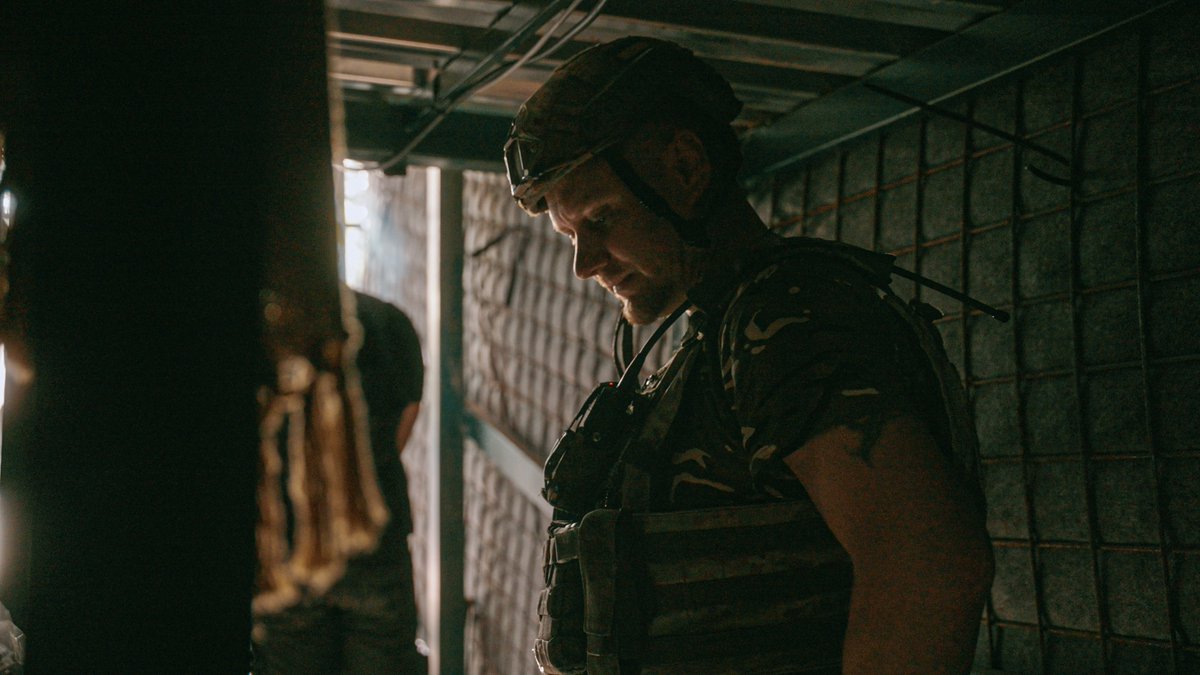
5/ Getting to the position on the front is very dangerous part.
Drone ambushes, especially by fiber-optic drones, are common across the front line.
“If you spot it in your rearview mirror, just pray that the road ahead is good and floor it,” Bohdan says.
Drone ambushes, especially by fiber-optic drones, are common across the front line.
“If you spot it in your rearview mirror, just pray that the road ahead is good and floor it,” Bohdan says.

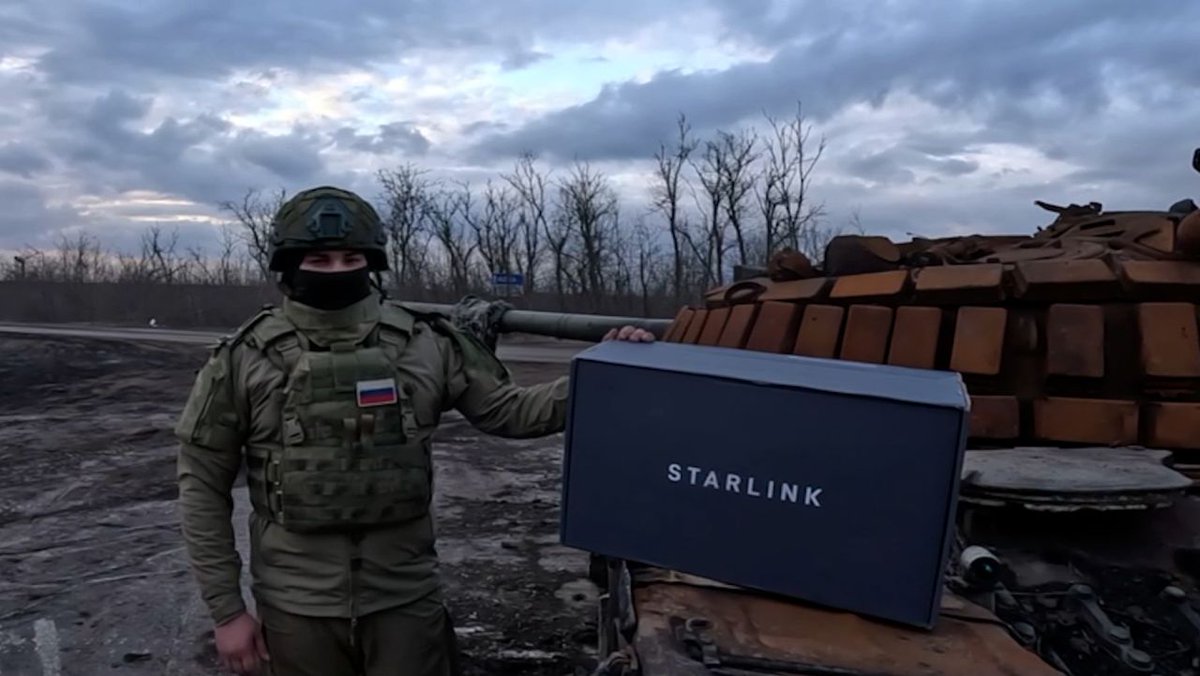
6/ russian forces also rely heavily on Starlink.
“Most of them use Starlink,” Bohdan says
“But sometimes they rely on relay setups, modems with signal boosters placed kilometers apart.”
At one point, they spot a russian starlink & send an FPV drone to destroy it.
“Most of them use Starlink,” Bohdan says
“But sometimes they rely on relay setups, modems with signal boosters placed kilometers apart.”
At one point, they spot a russian starlink & send an FPV drone to destroy it.
7/ Bohdan admitted that drones makes it easier to kill.
“Of course – it’s the safety of distance,” he says.
“You’re hovering six kilometers away – ten, even two – you don’t hear their last breath or how they scream. Or when their body starts convulsing after the final shot.”
“Of course – it’s the safety of distance,” he says.
“You’re hovering six kilometers away – ten, even two – you don’t hear their last breath or how they scream. Or when their body starts convulsing after the final shot.”
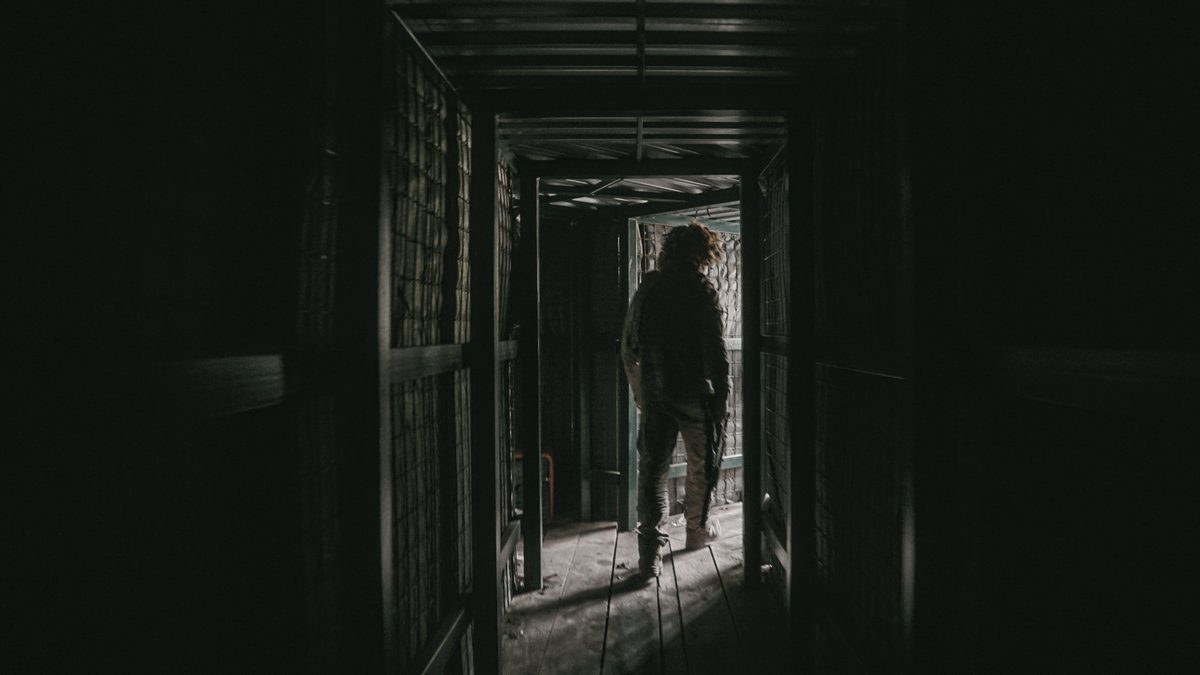
8/ Behind every FPV flight is someone like Serhii - the one arming the drones.
Wiring the detonators is precise, dangerous work.
“You set it so that everything explodes at once upon contact,” he explains.
Any mistake in wiring or arming the bomb can have fatal consequences.
Wiring the detonators is precise, dangerous work.
“You set it so that everything explodes at once upon contact,” he explains.
Any mistake in wiring or arming the bomb can have fatal consequences.
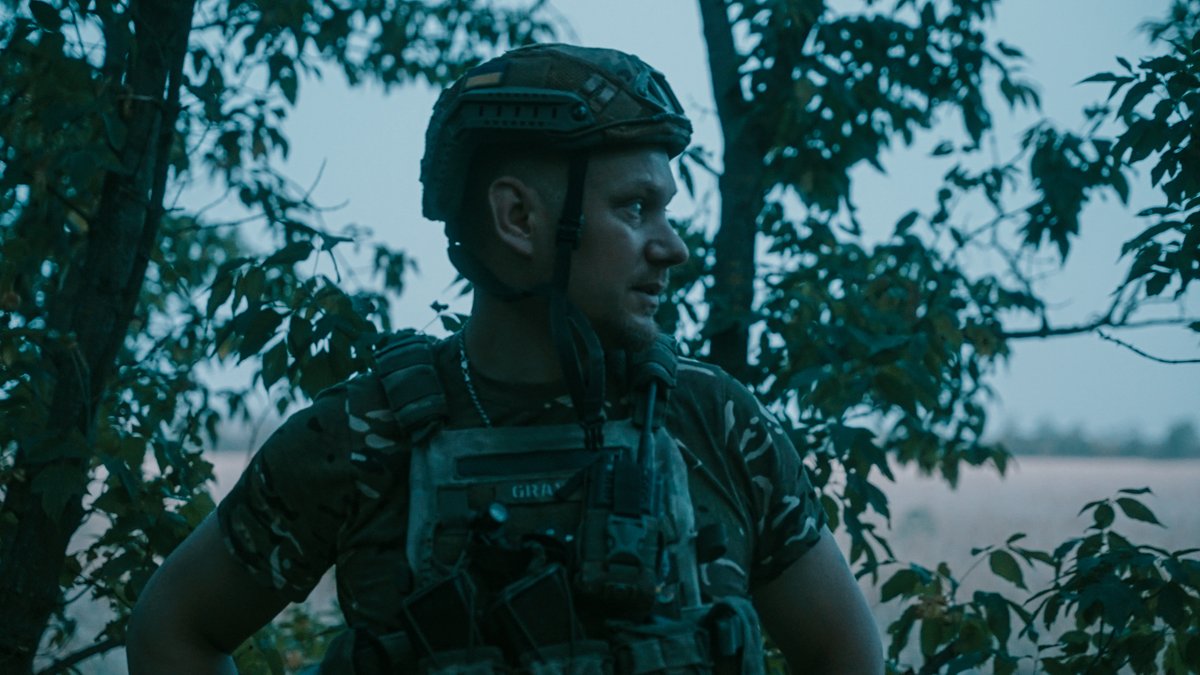
9/ In Ukraine’s early drone days, some soldiers improvised and lost hands or lives from the explosives.
Now, teams like this work methodically to reduce the risks.
“Don’t cut corners,” Serhii tells me.
“I do everything the way I was taught.”
Now, teams like this work methodically to reduce the risks.
“Don’t cut corners,” Serhii tells me.
“I do everything the way I was taught.”
10/ As russian forces step up their assault using motorcycles, they make a dash for the village, aiming to reach cover inside the houses.
“Artillery can flush them into yards or basements,” Andrii explains. “Then FPVs can chase them.”
“Artillery can flush them into yards or basements,” Andrii explains. “Then FPVs can chase them.”
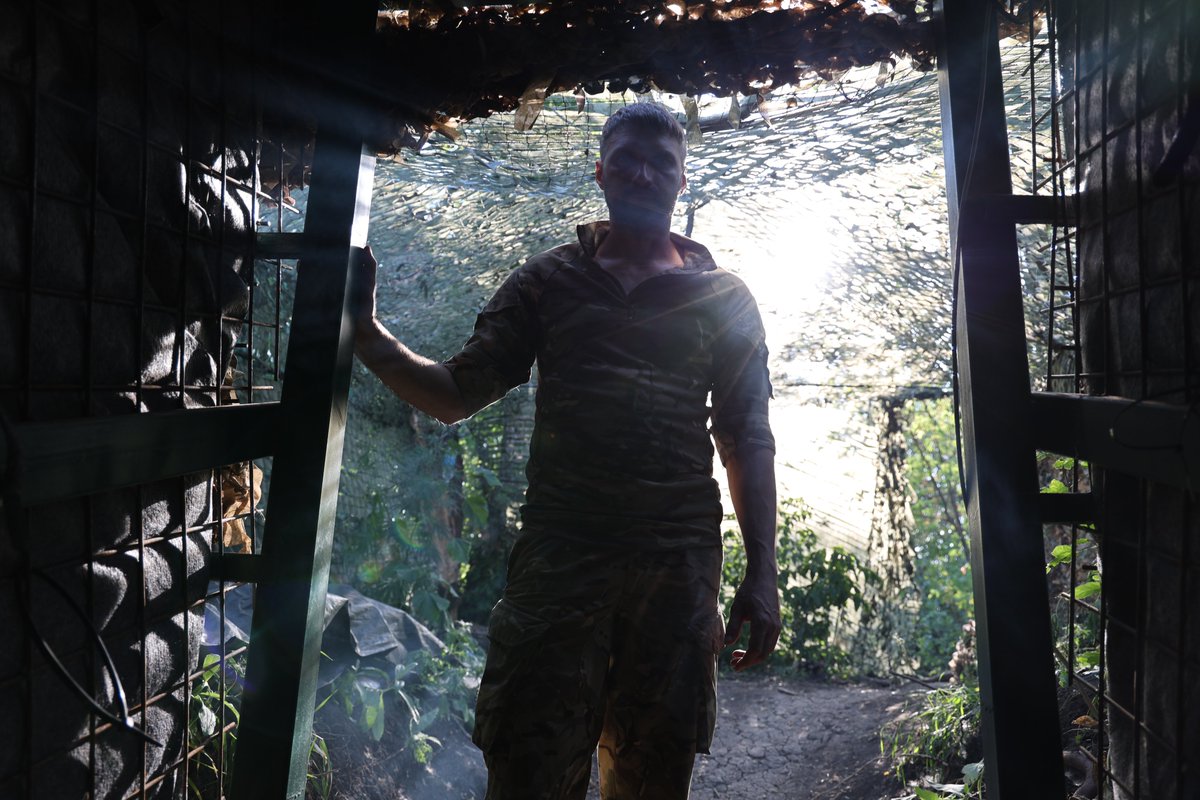
11/ Once they’re pinned inside, Bohdan flies multiple drones, striking from different angles to ensure he hits them – no matter where in the house they’re hiding.
“The most effective approach is combining drones with artillery.”
“The most effective approach is combining drones with artillery.”
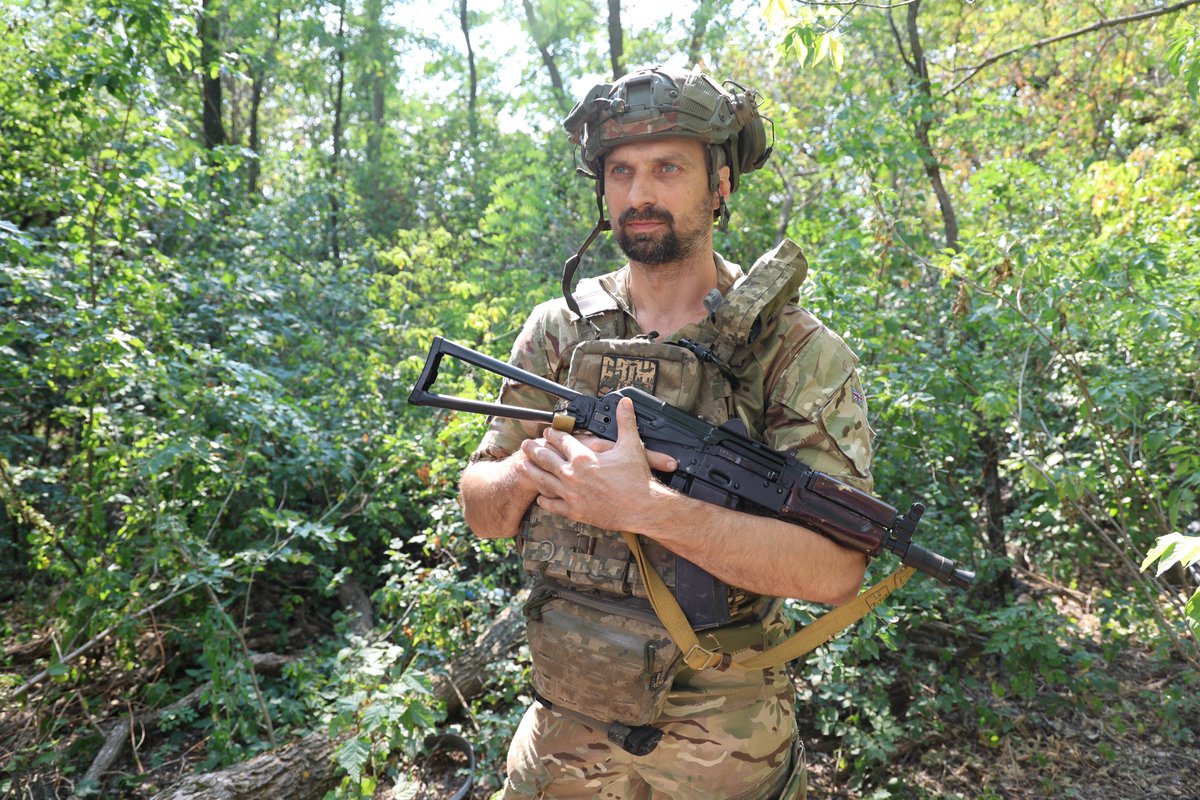
12/ Over the radio, Bohdan learns that russian communications have been intercepted.
A commander was heard promising the storm troops extra vacation time if they reached the Ukrainian position and survived the assault.
A commander was heard promising the storm troops extra vacation time if they reached the Ukrainian position and survived the assault.
13/ “We’re holding on with everything we have,” says Andrii.
“They’re taking land, but at such a cost that no army can afford it. They’re losing a tremendous number of troops.”
Everyday, Bohdans pilots dozens of FPVs, killing russian soldiers, but the meatgrinder never stops.
“They’re taking land, but at such a cost that no army can afford it. They’re losing a tremendous number of troops.”
Everyday, Bohdans pilots dozens of FPVs, killing russian soldiers, but the meatgrinder never stops.
• • •
Missing some Tweet in this thread? You can try to
force a refresh