🧵Hymn Histories: The Beautiful Story of “Be Thou My Vision”
Few songs are still sung after 1,200 years. “Be Thou My Vision” is one of them. I love it deeply, but so have Christians from medieval Ireland to modern churches worldwide. Here’s why and where it came from. 🧵👇🏼
Few songs are still sung after 1,200 years. “Be Thou My Vision” is one of them. I love it deeply, but so have Christians from medieval Ireland to modern churches worldwide. Here’s why and where it came from. 🧵👇🏼
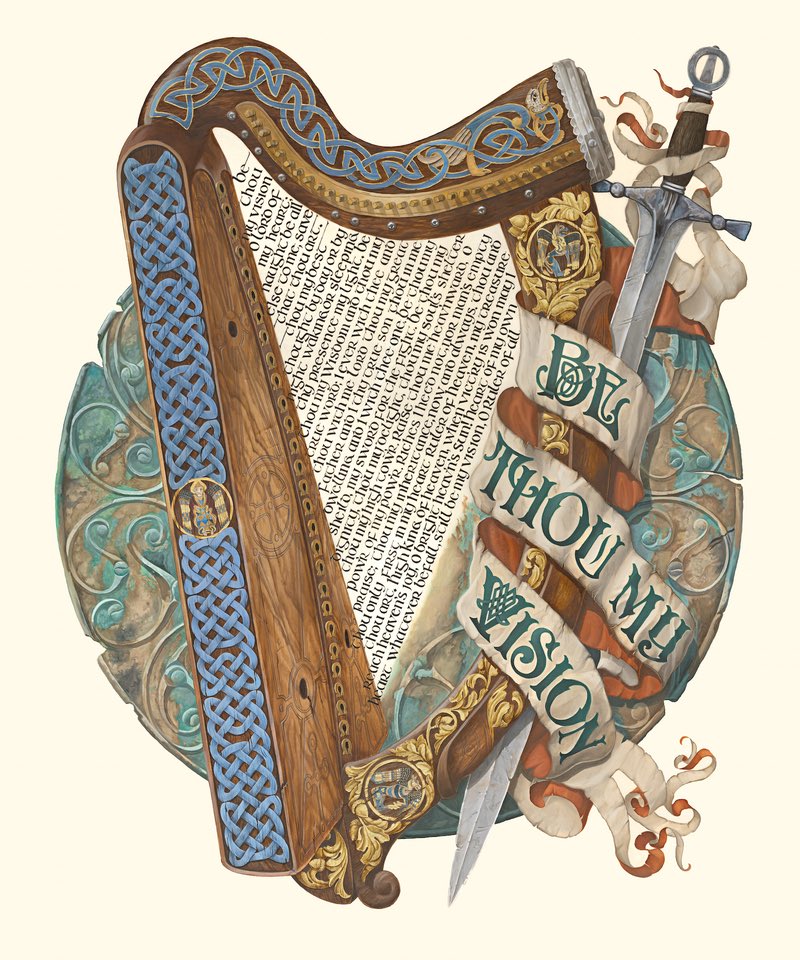
🧵 1. Roots in 6th-Century Ireland
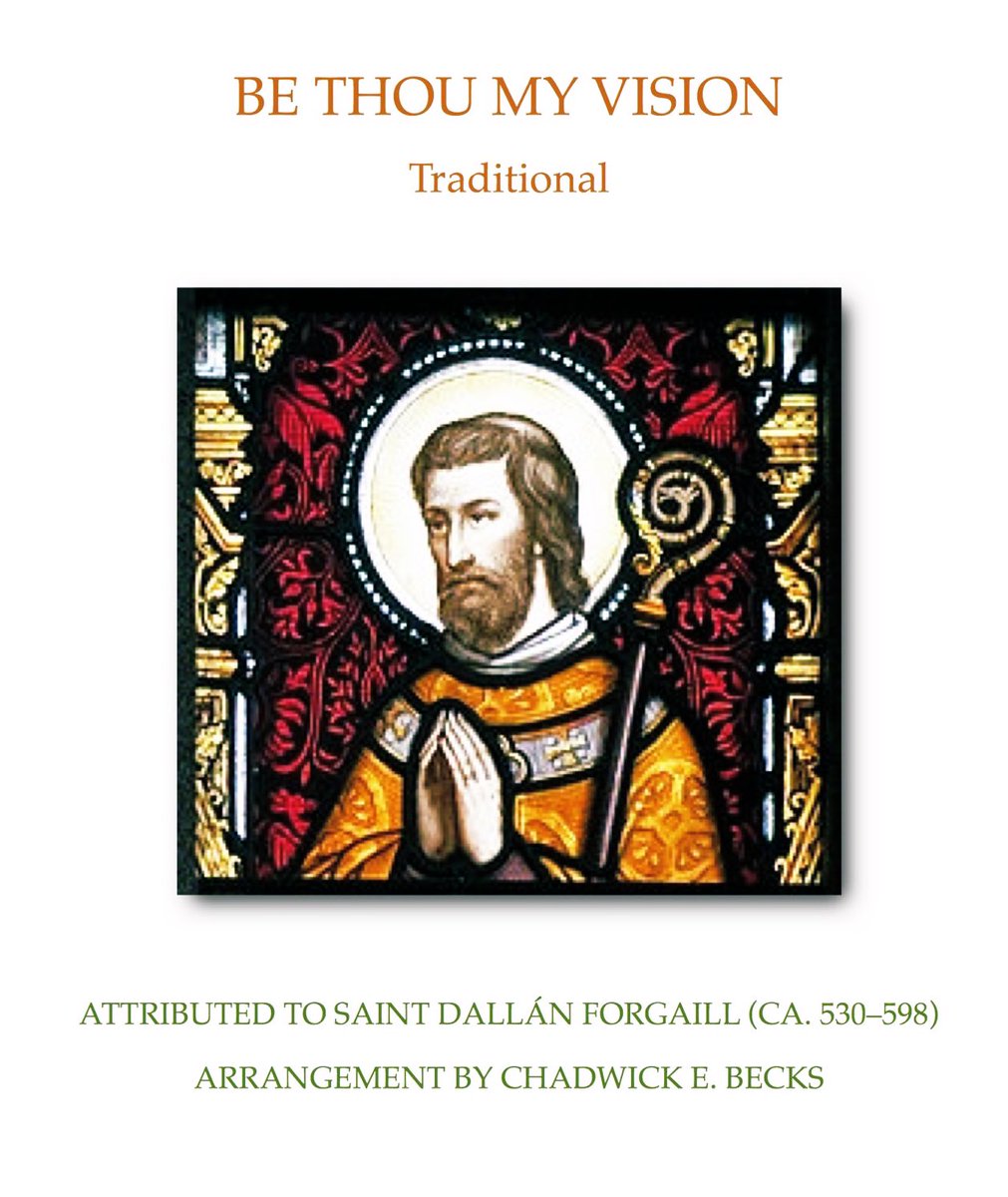
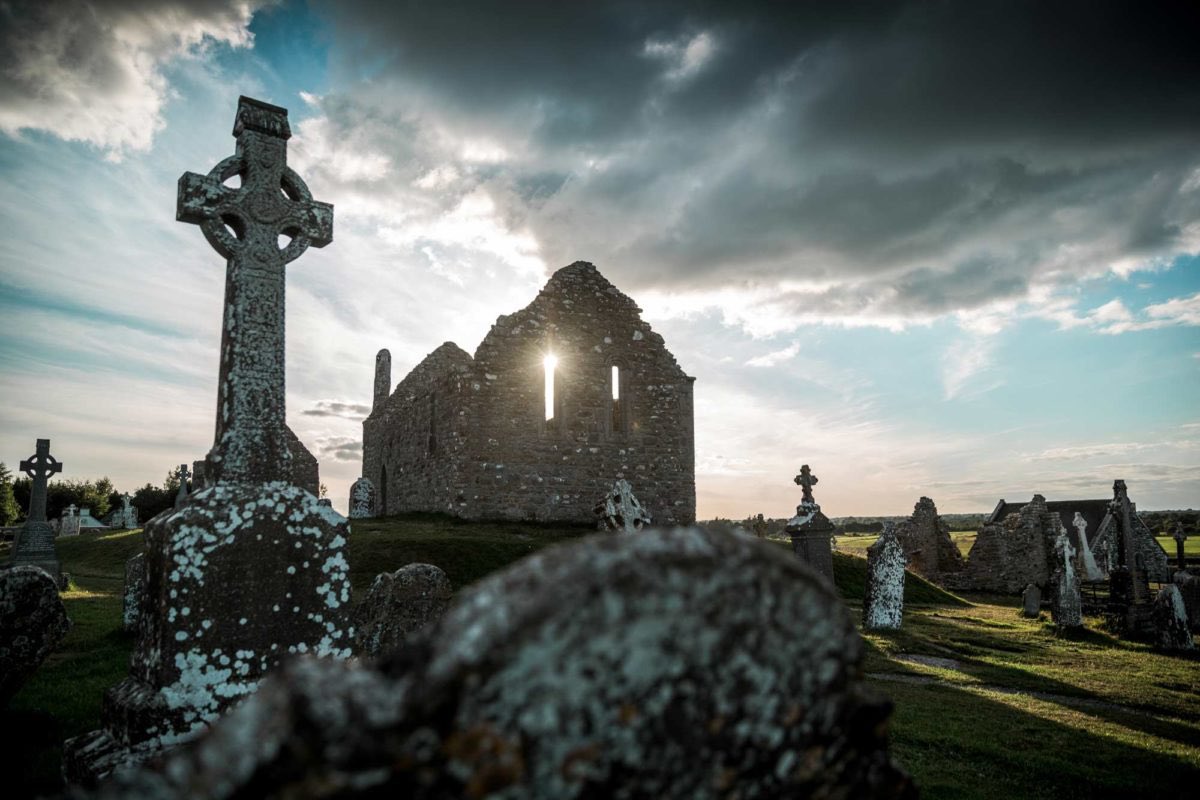
The original text began as a Gaelic poem, traditionally attributed to St. Dallán Forgaill, a 6th-century Irish monk and poet. Dallán, whose name means “little blind one,” reportedly lost his sight from intense study of Scripture. The poem was a personal prayer and an invocation to see life through God’s eyes and make Him the sole vision and treasure of the heart.
The original text began as a Gaelic poem, traditionally attributed to St. Dallán Forgaill, a 6th-century Irish monk and poet. Dallán, whose name means “little blind one,” reportedly lost his sight from intense study of Scripture. The poem was a personal prayer and an invocation to see life through God’s eyes and make Him the sole vision and treasure of the heart.
🧵 2. The Meaning Behind the Words
The Gaelic title “Rop Tú Mo Baile” means “Be my vision” or “Be my ruler.” Each line is steeped in Celtic Christian imagery with God as battle shield against spiritual enemies, as high tower of refuge, and as inheritance beyond earthly wealth. Calling Him “Lord of my heart” shows total surrender, while “Heart of my own heart” expresses deep union with Christ. It’s not just praise, it’s a whole-life prayer to see, think, and live entirely through God.
The Gaelic title “Rop Tú Mo Baile” means “Be my vision” or “Be my ruler.” Each line is steeped in Celtic Christian imagery with God as battle shield against spiritual enemies, as high tower of refuge, and as inheritance beyond earthly wealth. Calling Him “Lord of my heart” shows total surrender, while “Heart of my own heart” expresses deep union with Christ. It’s not just praise, it’s a whole-life prayer to see, think, and live entirely through God.
🧵 3. The Poem Nearly Forgotten
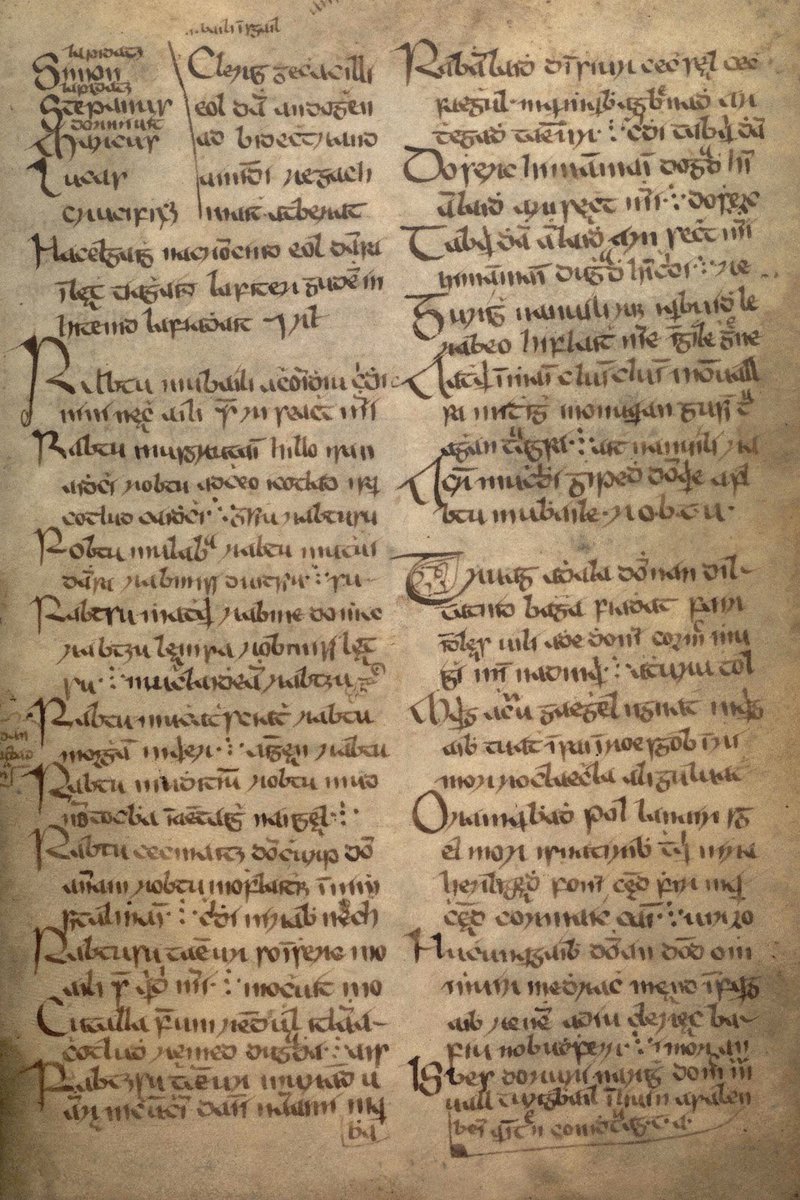
For centuries, the text lived in obscure manuscripts, passed down by monastic scribes. But as English became dominant in Ireland and Gaelic faded, the prayer was largely forgotten by the wider church. It wasn’t until the early 20th century that the words resurfaced thanks to a scholar with a passion for reviving Irish Christian heritage.
For centuries, the text lived in obscure manuscripts, passed down by monastic scribes. But as English became dominant in Ireland and Gaelic faded, the prayer was largely forgotten by the wider church. It wasn’t until the early 20th century that the words resurfaced thanks to a scholar with a passion for reviving Irish Christian heritage.
🧵 4. Mary Byrne’s Translations
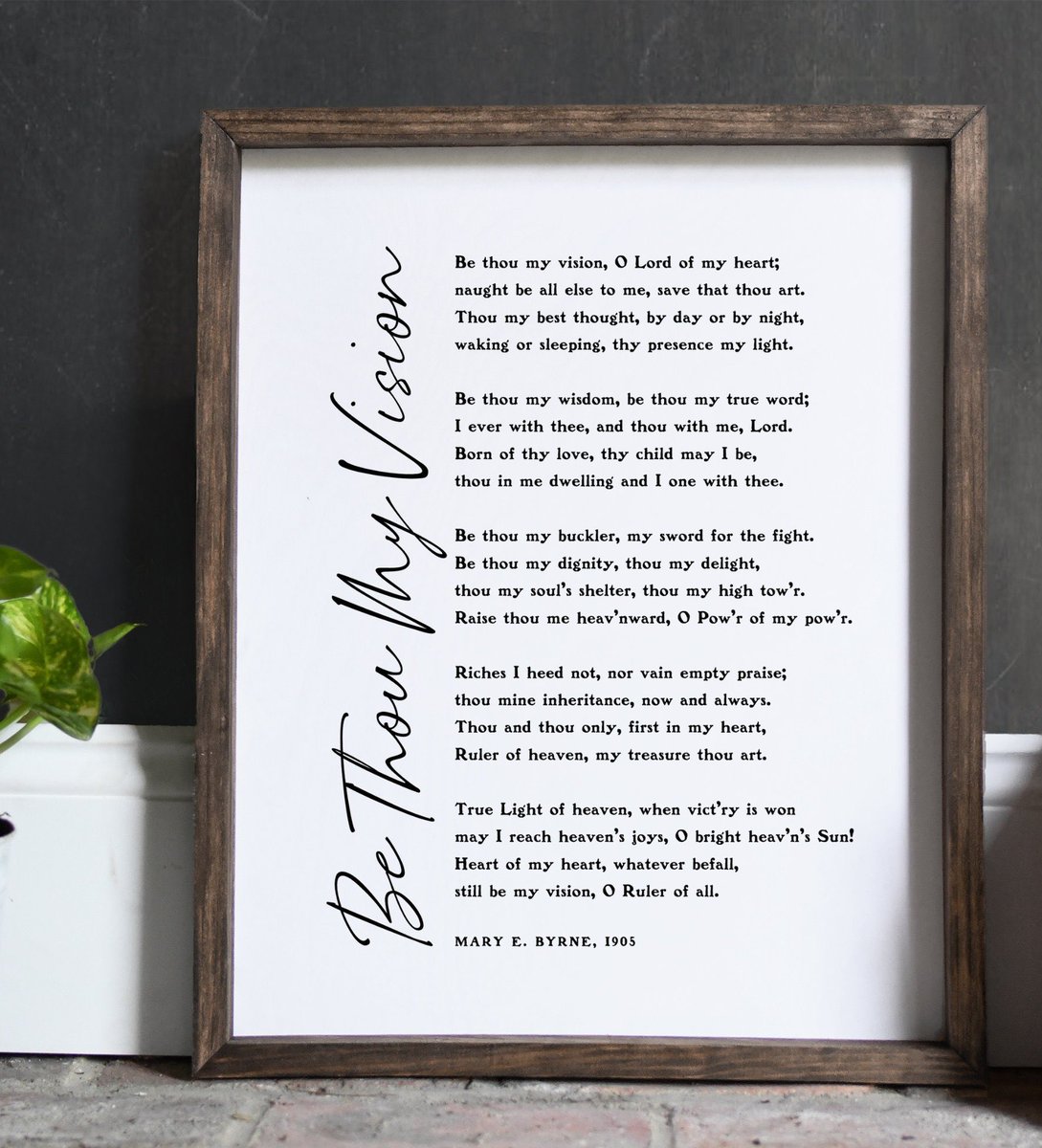
In 1905, linguist Mary E. Byrne translated the ancient Irish poem into literal English for the journal Ériu. While her version was accurate, it was not yet poetic or singable. It was a scholarly rendering meant to preserve meaning rather than inspire worship. But this translation laid the groundwork for the hymn we know today.
In 1905, linguist Mary E. Byrne translated the ancient Irish poem into literal English for the journal Ériu. While her version was accurate, it was not yet poetic or singable. It was a scholarly rendering meant to preserve meaning rather than inspire worship. But this translation laid the groundwork for the hymn we know today.
🧵 5. Verses Shaped for Worship
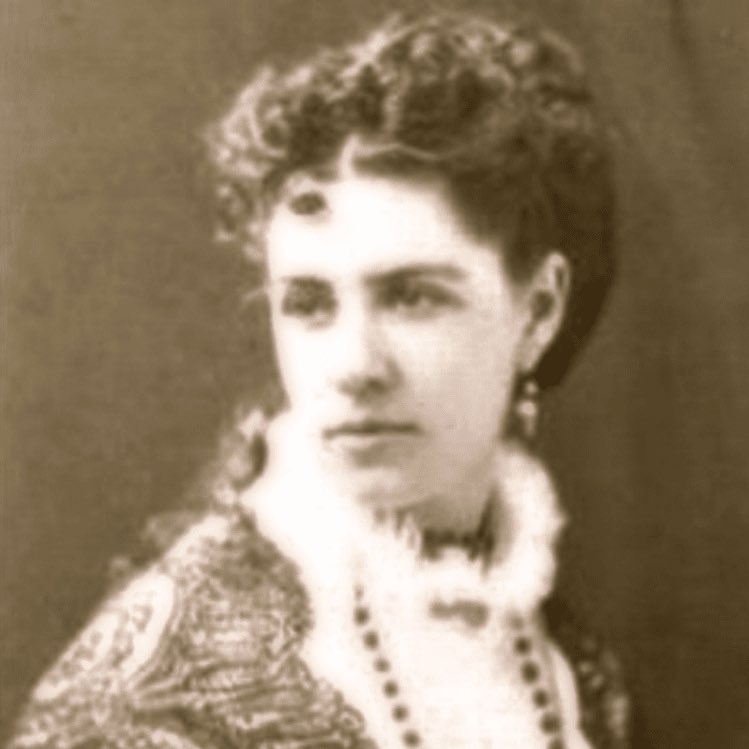
Seven years later, in 1912, Irish author and hymnwriter Eleanor Hull took Byrne’s translation and reshaped it into metered, poetic English. Hull’s reworking gave the hymn its lyrical flow while preserving the depth of the original text. The result was a seamless blend of ancient Celtic devotion and modern English worship.
Seven years later, in 1912, Irish author and hymnwriter Eleanor Hull took Byrne’s translation and reshaped it into metered, poetic English. Hull’s reworking gave the hymn its lyrical flow while preserving the depth of the original text. The result was a seamless blend of ancient Celtic devotion and modern English worship.
🧵 6. The Tune: Slane
The melody most associated with Be Thou My Vision (called Slane) is a traditional Irish folk tune. It’s named after the Hill of Slane, where St. Patrick is said to have lit a Paschal fire in defiance of the pagan High King. The tune’s modal, haunting beauty perfectly matched the ancient Irish prayer, creating a powerful union of text and melody.
The melody most associated with Be Thou My Vision (called Slane) is a traditional Irish folk tune. It’s named after the Hill of Slane, where St. Patrick is said to have lit a Paschal fire in defiance of the pagan High King. The tune’s modal, haunting beauty perfectly matched the ancient Irish prayer, creating a powerful union of text and melody.
🧵 7. The Impact and Legacy of “Be Thou My Vision”
Be Thou My Vision has crossed denominational, cultural, and generational boundaries. It is sung in cathedrals, evangelical churches, and rural chapels.
It is embraced by the whole church.
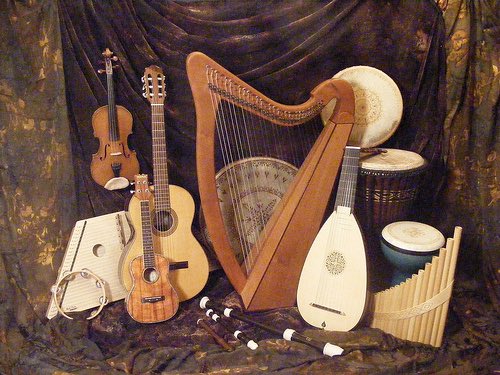
Its timeless melody and God-centered lyrics have inspired arrangements from choral and orchestral to modern band. Artists from Van Morrison to Audrey Assad, Phil Keaggy, the Gettys, Chris Tomlin, Shane & Shane, and Selah have recorded it. Its appeal endures because it captures the heart’s deepest longing… to see God as our vision, wisdom, and treasure.
Be Thou My Vision has crossed denominational, cultural, and generational boundaries. It is sung in cathedrals, evangelical churches, and rural chapels.
It is embraced by the whole church.
Its timeless melody and God-centered lyrics have inspired arrangements from choral and orchestral to modern band. Artists from Van Morrison to Audrey Assad, Phil Keaggy, the Gettys, Chris Tomlin, Shane & Shane, and Selah have recorded it. Its appeal endures because it captures the heart’s deepest longing… to see God as our vision, wisdom, and treasure.
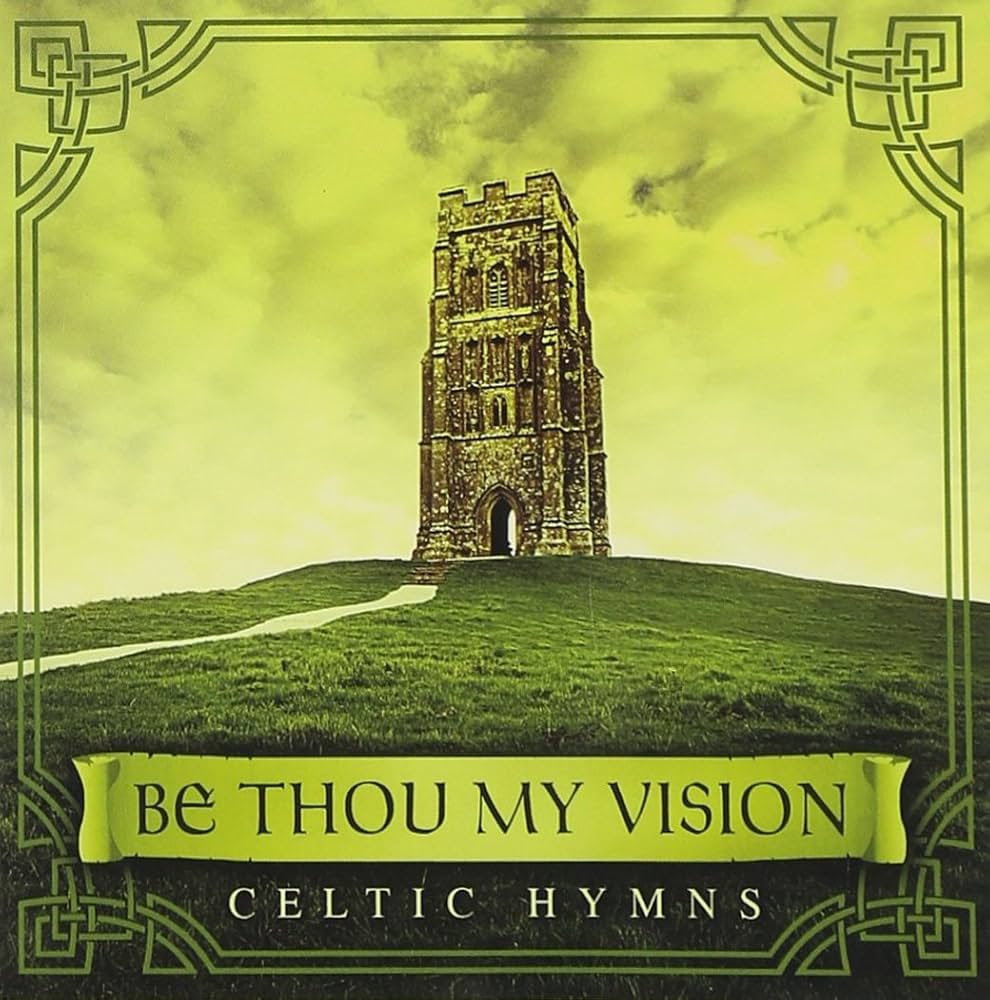
🧵 8. Sources & More Reading
Give this a share if you enjoyed so that more people can learn about this beautiful hymn! Below our sources are used for compiling this short thread.
Then Sings My Soul by Robert J. Morgan
Our Hymnody by John Telford
Mary E. Byrne’s 1905 translation in Ériu
Eleanor Hull’s 1912 text in Poem
Book of the Gael
#hymns #history #ireland #worship #faith #music #church #song #poetry #irish #bethoumyvision #gettys
Give this a share if you enjoyed so that more people can learn about this beautiful hymn! Below our sources are used for compiling this short thread.
Then Sings My Soul by Robert J. Morgan
Our Hymnody by John Telford
Mary E. Byrne’s 1905 translation in Ériu
Eleanor Hull’s 1912 text in Poem
Book of the Gael
#hymns #history #ireland #worship #faith #music #church #song #poetry #irish #bethoumyvision #gettys
• • •
Missing some Tweet in this thread? You can try to
force a refresh