Thread of historically verified flags and insignia of Muslim Bengal
Starting in chronological order we have the flag found in the Libro del Conosçimiento de todos los rregnos or Book of Knowledge of All Kingdoms, dated to the late 1300s, meaning this flag was contemporary with the Ilyas Shahi.
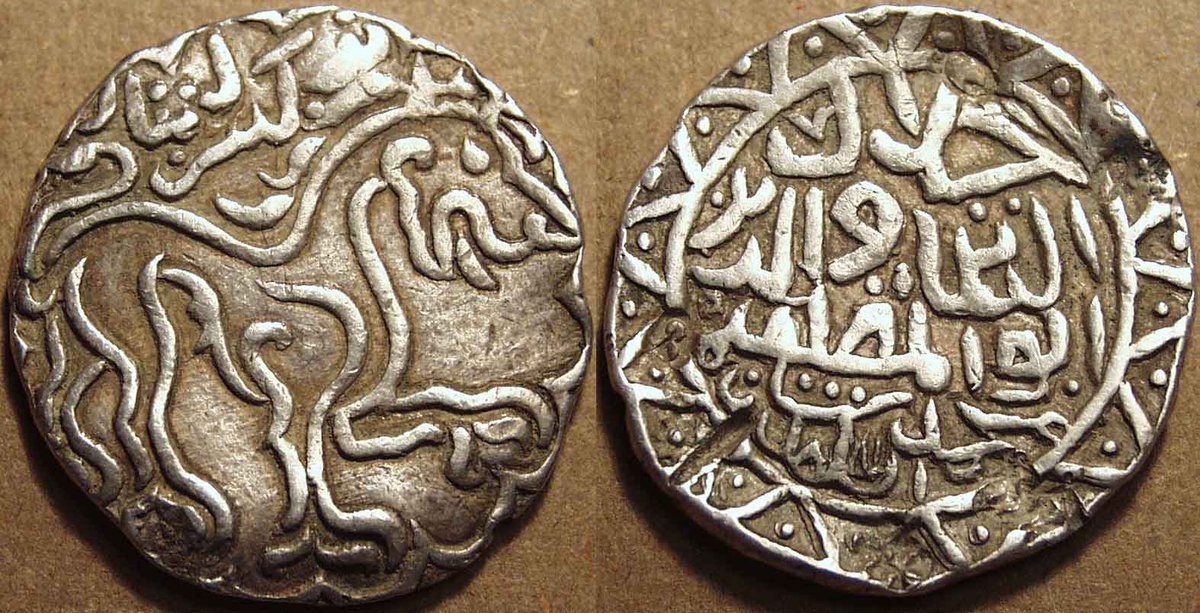
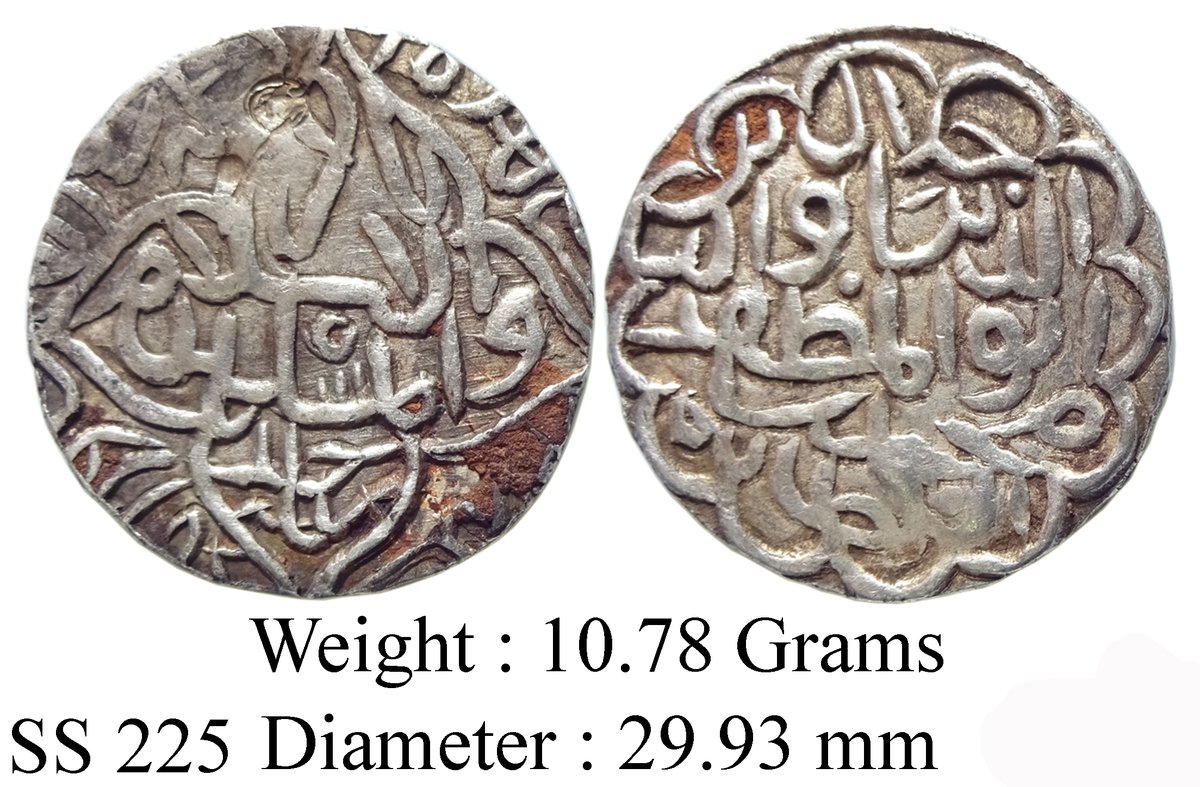
Another depiction from the late 1300s is the flag shown in the Catalan Altas World Map. The symbol of the lion bares a striking resemblance to the lion symbols used on the coins of Jalaluddin Muhammad Shah.

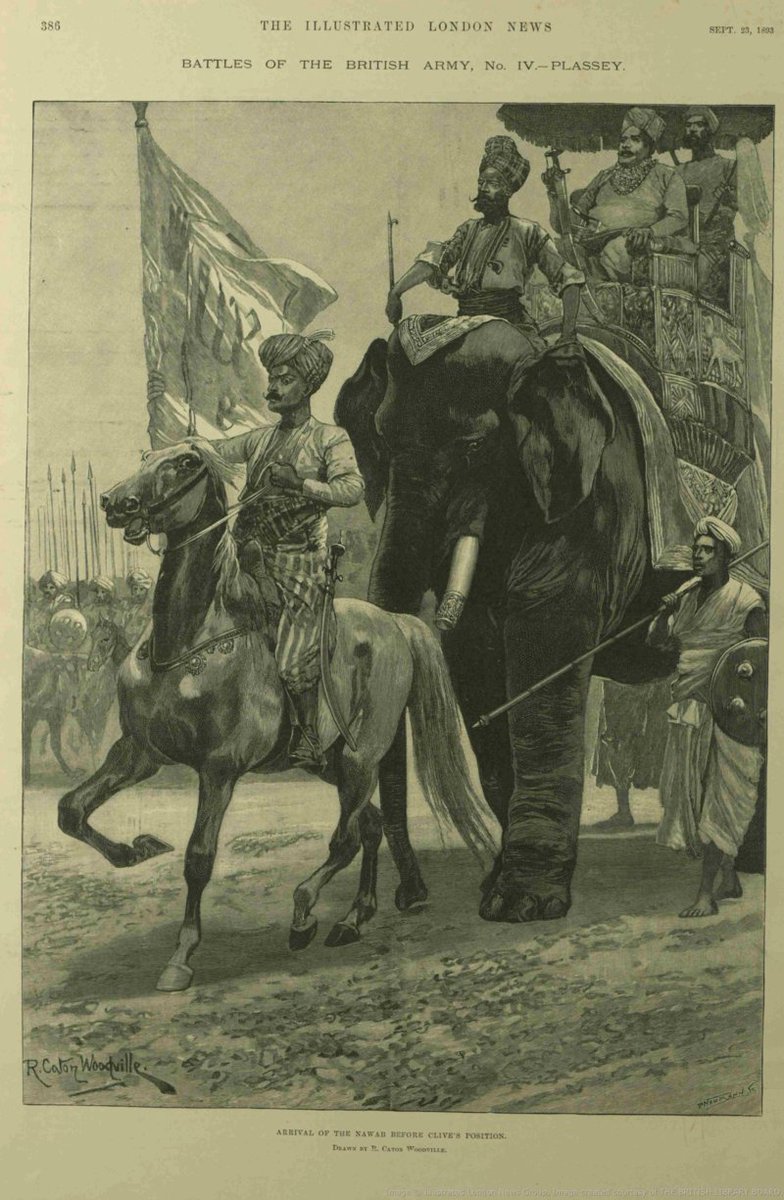
Personal standard of the Nawabs of Bengal, according to a 19th century British painting.

Flag of the Nawabs of Bengal according to "A general view of the flags which most nations bear at sea", a book by Alexander Justice in 1757.

Thanks to @boongali for bringing these to my attention.
• • •
Missing some Tweet in this thread? You can try to
force a refresh

Thread on GOPALA - PATRIARCH OF THE 400 YEAR PALA DYNASTY
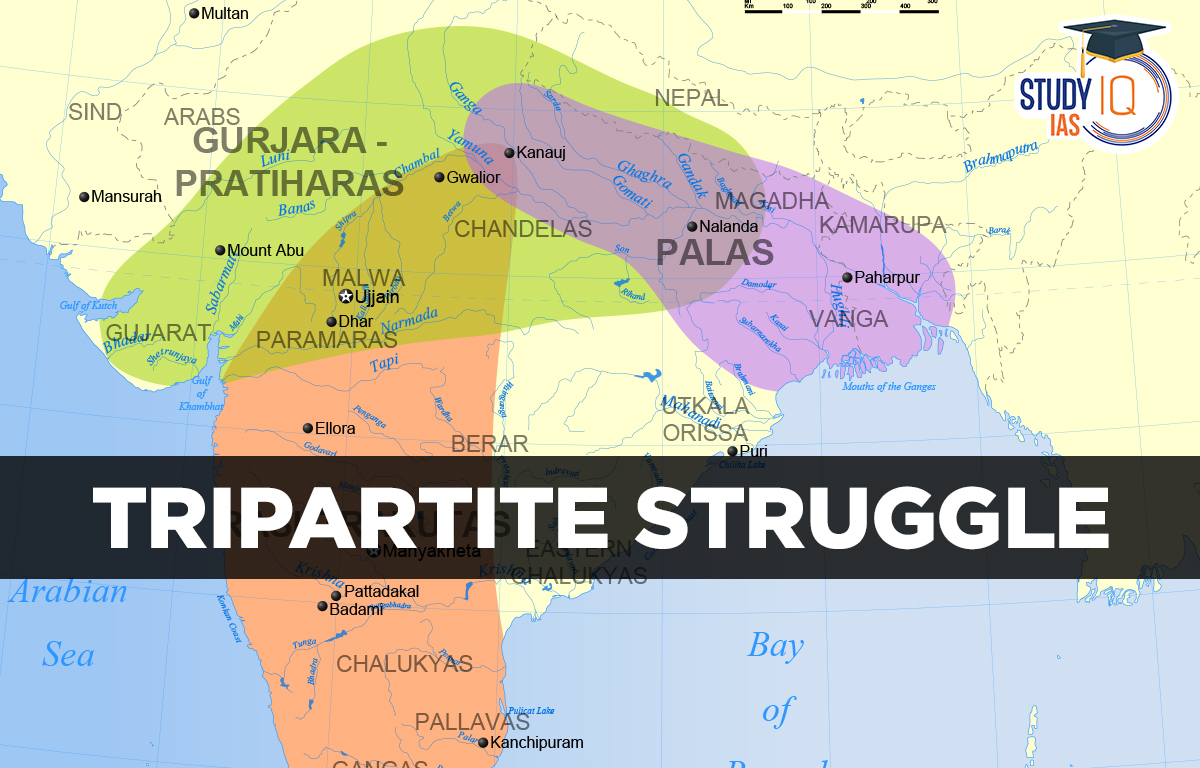
The Pala Empire stands out as a golden epoch in the history of South Asia. A dynasty that arose out of the soil of Bengal and stood for 4 centuries, playing a major role in the history of the subcontinent. The story of the Pala Empire begins with its founder, Gopala.
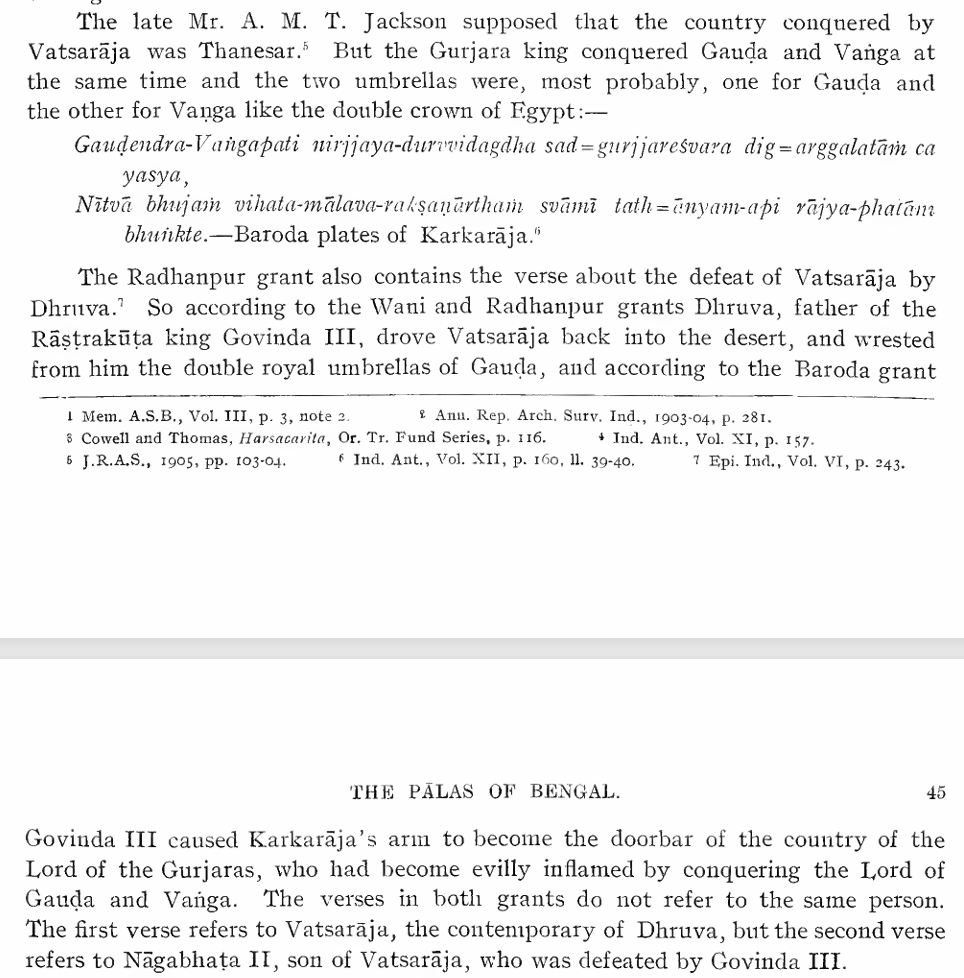
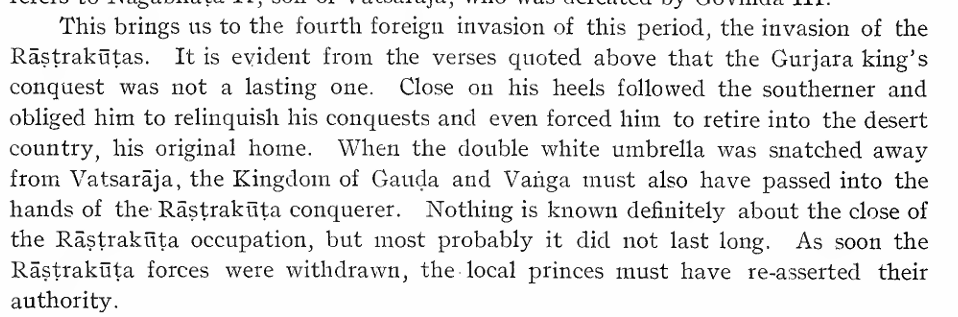
The Pala Empire was forged as steal in fire. Before the reign of Gopala, Bengal faced two repeat invasions. One from Vatsaraja, of the Pratihar Empire, and Govinda III, of the Rastrakutas. These two powers would go on to contest the fate of the subcontinent with the Palas.
Thread on General M.A.G Osmani – Supreme Commander of the Bangladesh Armed Forces – ‘Bangabir’
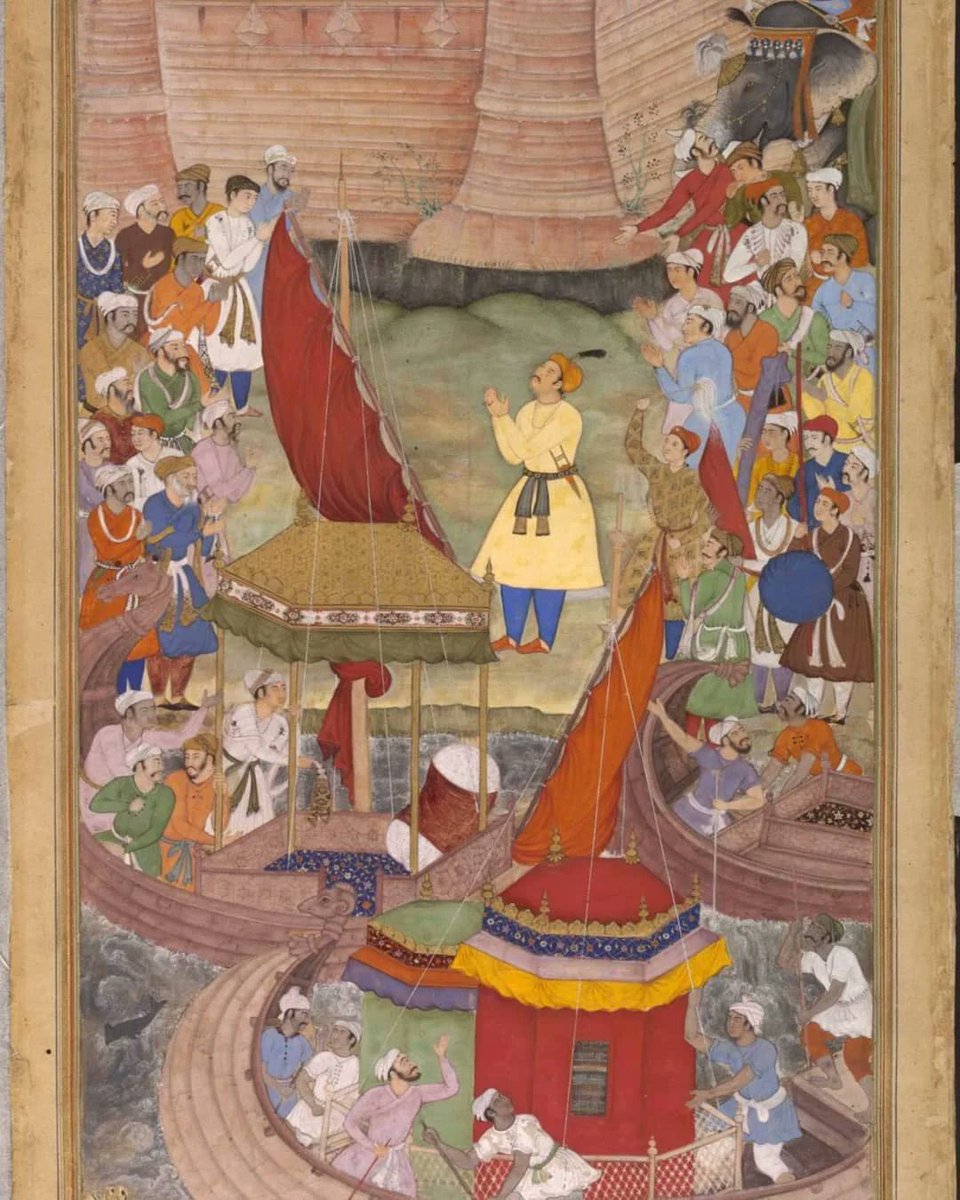
Born in 1918 in Osmaninagar, he hailed from an aristocratic lineage who traced their descent to Shah Jalal’s conquest of Sylhet. He would attend Aligarh University in 1930. It was there that he caught the attention UOTC, and was recommended to enlist by his instructors.
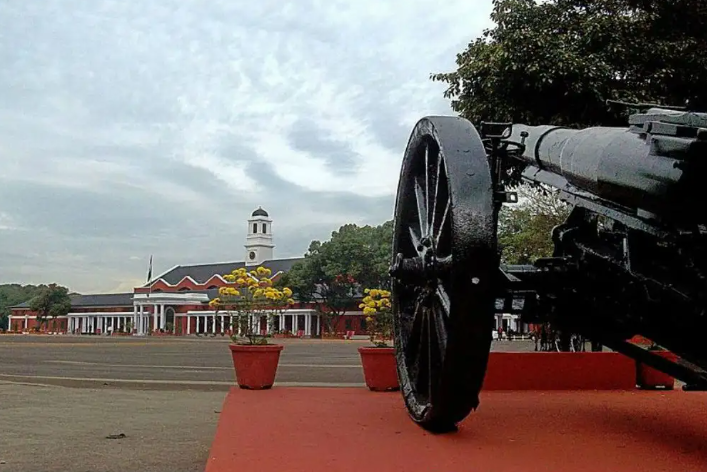
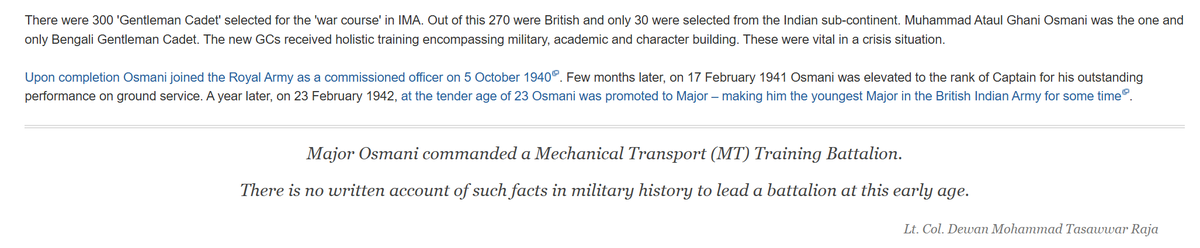
Osmani joined the IMA in 1940. He was selected out of a course of 300, where 30 were Indian, and he the sole Bengali. Commissioned in the royal army in Oct 1940, Captain by Feb 1941, and Major by Feb 1942, the youngest ever Major in the British Indian Army.
War hero of 1971, de facto leader of the 1st Bengal Lancers, Bangladesh's first tank regiment, and mastermind behind the August 15th 1975 coup against Sheikh Mujib.
Journalist Anthony Mascarenhas was eye witness to much of what occurred in 1970s 🇧🇩, including 15th Aug 1975.
(Note: the maternal family of Col. Farooq are actually descendants of Isa Khan, Mascerenhas most likely made this mistake due to not being familiar with Isa Khan).
In excepts we see the type of thinking that defined Farooq as a man, and the meticulous co-ordination and planning the allowed the coup to be successful.
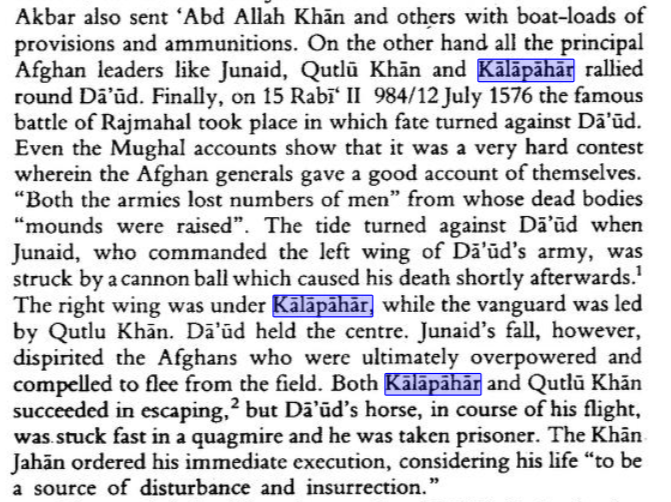
Muhammad Mothar Ali on the military career of Kalapahar (lit. Black Mountain), newly Muslim and formerly Brahmin general of the Karrani dynasty of Bengal.
(History of the Muslims of Bengal)
Campaigns of Kalapahar under Suleiman Shah against the Hindu kingdoms of Orissa and Kuch Bihar. (1567/8)
Role in the defence against the Mughal invasion under Suleiman's successor, Daud. (Battle of Rajmahal 1576).
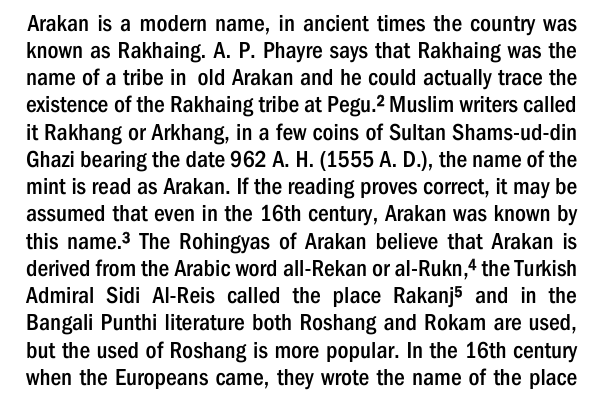
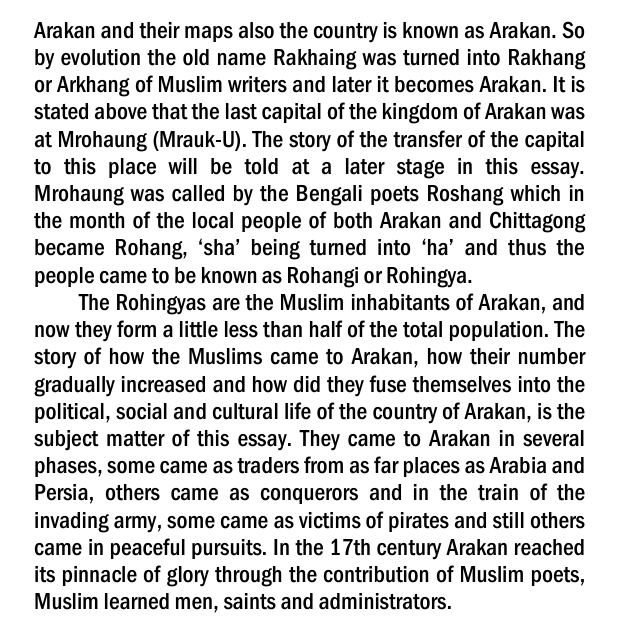
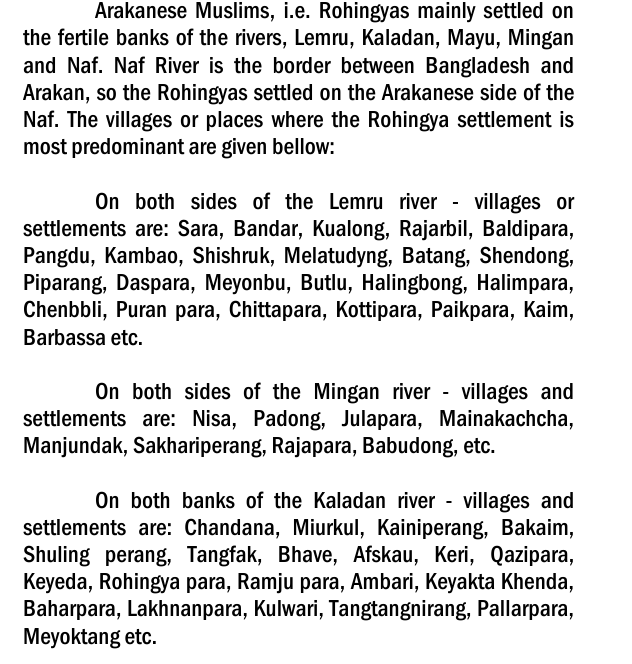
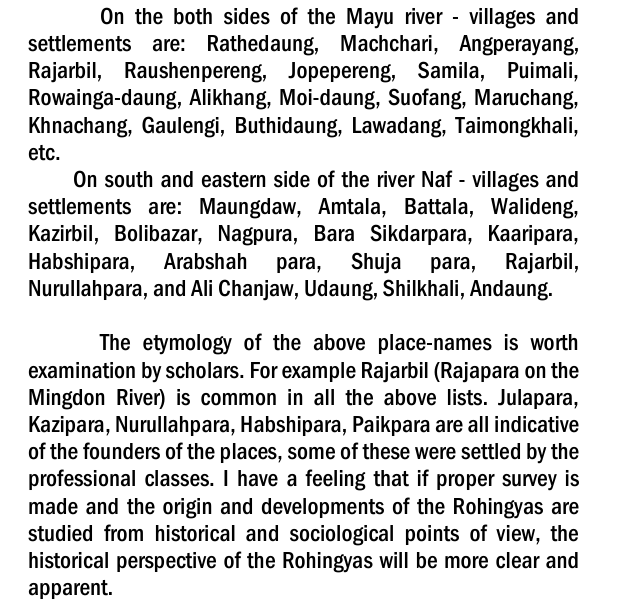
The Rohingya are one of the world’s most persecuted people, victim of multiple pogroms since Myanmar’s independence in 1948, and an active genocide since 2017. This is done on the basis of denying their identity, so we must consult historical sources to uncover the truth.
The Rohingya have several defining characteristics as a people. These are: their location in the (esp. Northern) Arakan region of Myanmar, their use of the Indo-Aryan Rohingya language, and their religion predominantly being Islam (although Rohingya Hindus exist).
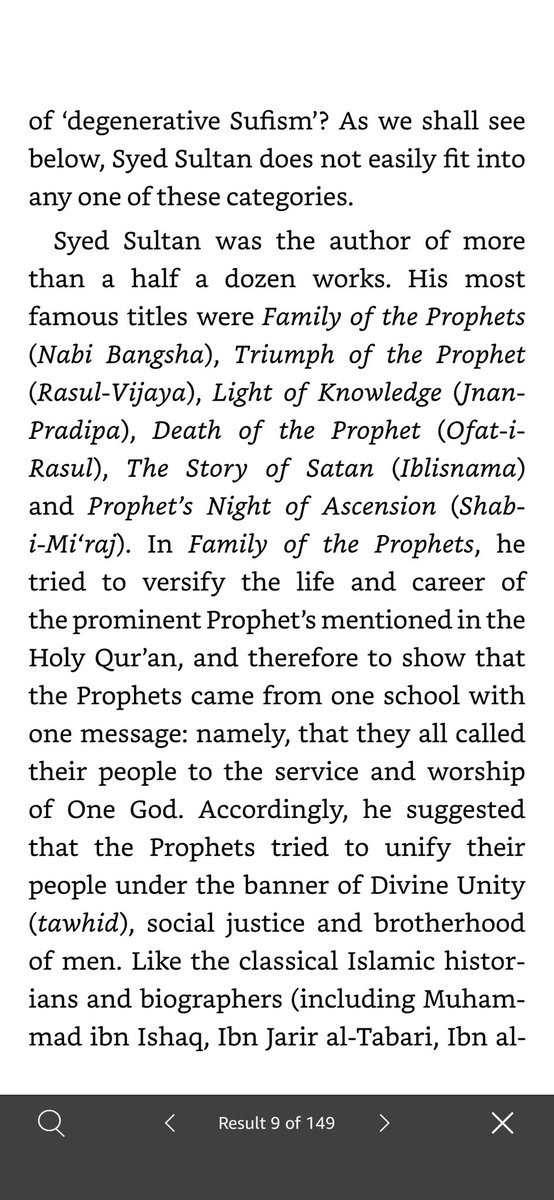
In commemoration of international mother language day, we remember Syed Sultan, 16th century Bengali language poet who played a fundamental role in Bengali Muslim culture for integrating the Islamic mythos into a Bengali literary world. 1/
Syed Sultan, a Sufi who lived and composed his works at the end of the 16th century, belonged to a long tradition of Bengali writers, both Hindu and Muslim, patronised by the independent Sultans of Bengal.
Sultan boasted an incredible catalogue of work (listed below). They all share the theme of taking core Islamic teachings and stories and transforming them into a universe familiar with his audience in the form of Bengali epic poetry.