In modern times, the Prodigal Son is reduced to only a story of forgiveness.
A part of the story becomes the whole, far from how the early Church read it.
Tertullian, Augustine, and Jerome saw more: humanity’s fall, Israel’s jealousy, the Church’s feast, and Heaven’s joy. 🧵
A part of the story becomes the whole, far from how the early Church read it.
Tertullian, Augustine, and Jerome saw more: humanity’s fall, Israel’s jealousy, the Church’s feast, and Heaven’s joy. 🧵

“A certain man had two sons…” (Luke 15:11)
The Father is God. The younger is humanity in Adam or the Gentiles who wandered.
The elder is Israel, faithful in service yet slow to rejoice in mercy. (Jerome, Ep. 21.4; Chrysologus, Sermo 1)
The stage is set for exile and return.
The Father is God. The younger is humanity in Adam or the Gentiles who wandered.
The elder is Israel, faithful in service yet slow to rejoice in mercy. (Jerome, Ep. 21.4; Chrysologus, Sermo 1)
The stage is set for exile and return.

“The younger… gathered all… took his journey into a far country…”
The “inheritance” is not only wealth but God’s gifts: life, reason, and freedom. The “far country” is alienation from God, not measured in miles. (Jerome, Ep. 21.39–41; 21.7.2)
Thus begins the self-chosen distance from the Father.
The “inheritance” is not only wealth but God’s gifts: life, reason, and freedom. The “far country” is alienation from God, not measured in miles. (Jerome, Ep. 21.39–41; 21.7.2)
Thus begins the self-chosen distance from the Father.
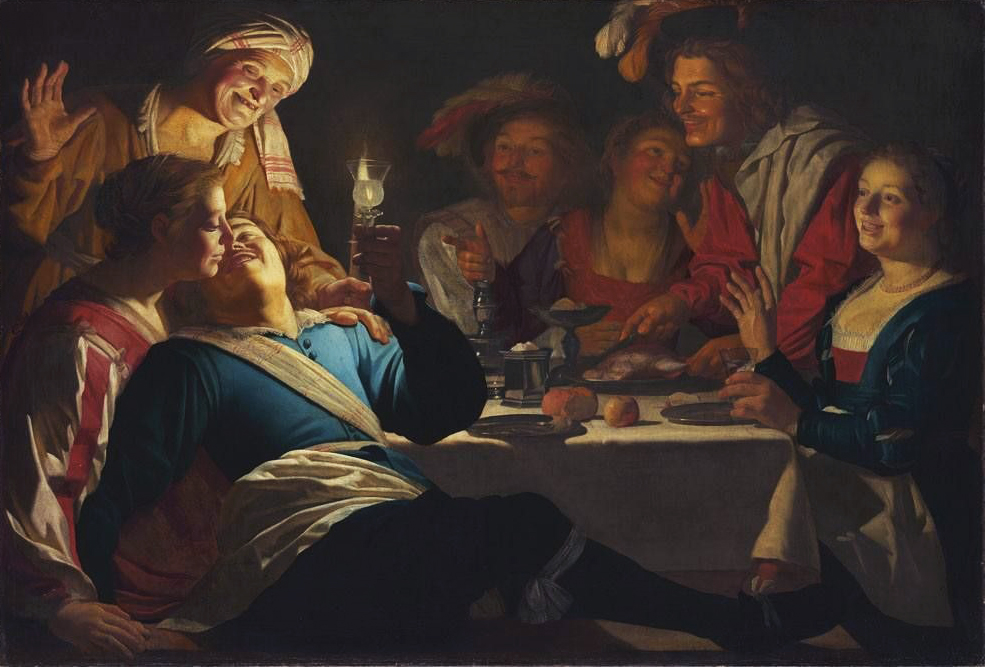
“He wasted his inheritance… joined himself to a citizen… fed swine… longed for husks…”
The “citizen” is the devil. The swine are demons. The husks are vices and empty “wisdom” that cannot feed the soul. (Jerome, Ep. 21.7; Chrysologus, Sermo 5.6)
From divine gifts to feeding swine, this is the image of sin’s descent.
The “citizen” is the devil. The swine are demons. The husks are vices and empty “wisdom” that cannot feed the soul. (Jerome, Ep. 21.7; Chrysologus, Sermo 5.6)
From divine gifts to feeding swine, this is the image of sin’s descent.
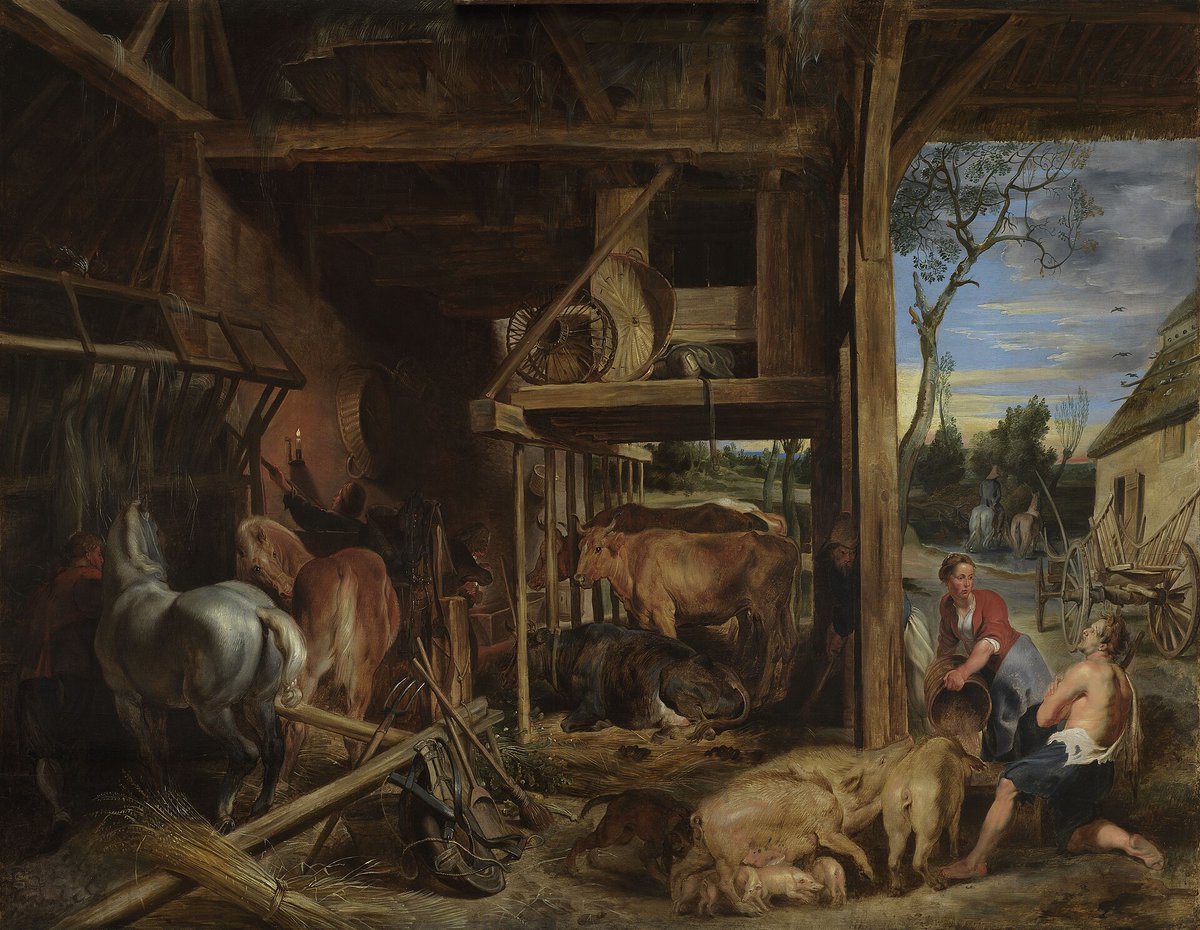
“When he came to himself…”
Sin clouds the mind and drives a man outside himself. Repentance is waking to truth, the mind restored to rule passion. (Cyril of Alex., Hom. on Luke 107)
Here begins the journey back, born of hunger for what was lost.
Sin clouds the mind and drives a man outside himself. Repentance is waking to truth, the mind restored to rule passion. (Cyril of Alex., Hom. on Luke 107)
Here begins the journey back, born of hunger for what was lost.

“I will arise and go to my father…”
The Father sees him far off and runs. Mercy meets the sinner before he reaches the door.
He embraces and kisses before even one word of reproach. (Ambrose, De Paenitentia II.18)
Forgiveness moves faster than the returning feet.
The Father sees him far off and runs. Mercy meets the sinner before he reaches the door.
He embraces and kisses before even one word of reproach. (Ambrose, De Paenitentia II.18)
Forgiveness moves faster than the returning feet.
“Bring forth the best robe…”
The “first robe” restores dignity lost in sin.
Ambrose calls it the garment of the Spirit.
Tertullian calls it the clothing of righteousness. (Ambrose, De Paen. II.18; Tert., De Pud. 9–10)
It is the covering of a son, not a servant.
The “first robe” restores dignity lost in sin.
Ambrose calls it the garment of the Spirit.
Tertullian calls it the clothing of righteousness. (Ambrose, De Paen. II.18; Tert., De Pud. 9–10)
It is the covering of a son, not a servant.
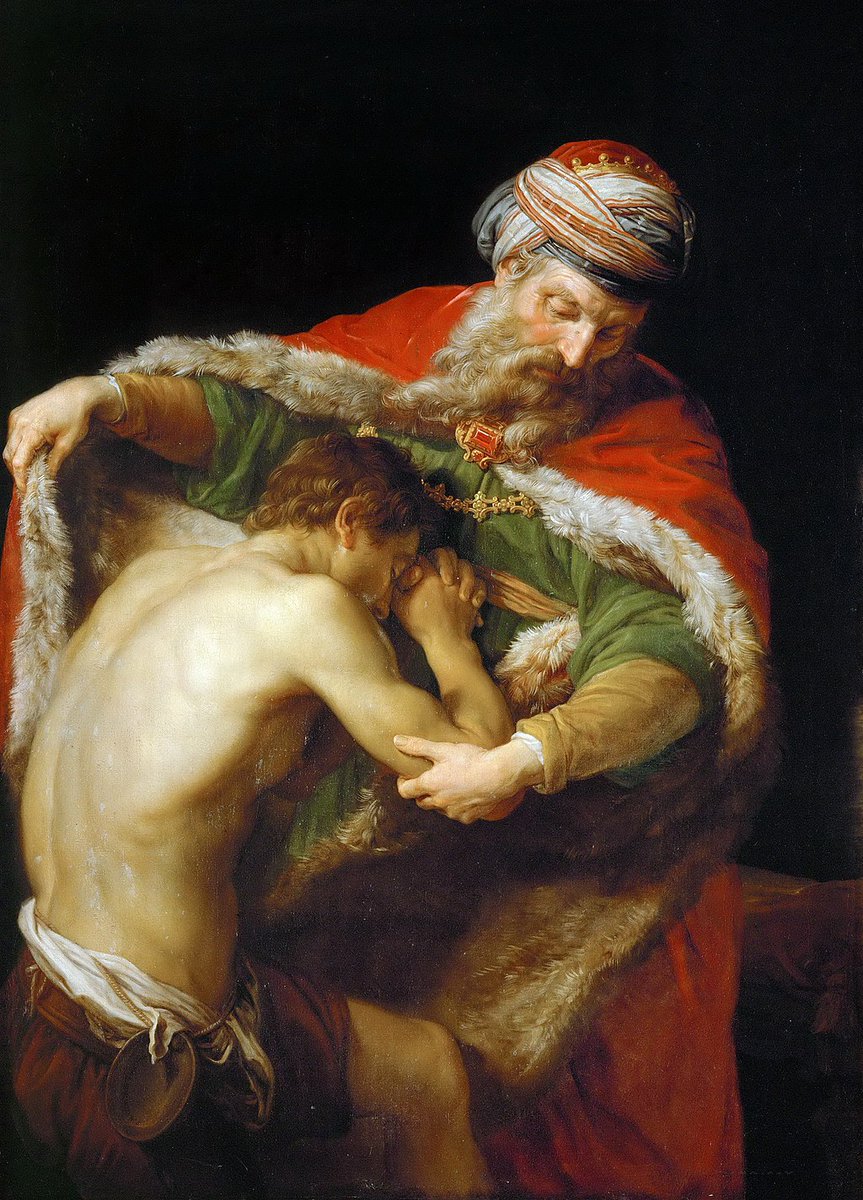
“Put a ring on his hand… sandals on his feet…”
The ring is the signet, the pledge of faith and the mark of baptism.
The sandals signify readiness for the Gospel and protection from the serpent’s bite. (Ambrose; Tertullian; Augustine, Serm. 112A; cf. Eph. 6:15)
Every gift prepares him to remain in the Father’s house.
The ring is the signet, the pledge of faith and the mark of baptism.
The sandals signify readiness for the Gospel and protection from the serpent’s bite. (Ambrose; Tertullian; Augustine, Serm. 112A; cf. Eph. 6:15)
Every gift prepares him to remain in the Father’s house.
“Kill the fatted calf…”
Christ Himself is signified, the slain Paschal Lamb.
The feast is the Eucharist, Heaven’s joy at reconciliation. (Ambrose, De Paen. II.18–19; Augustine, Serm. 112A; Tertullian, De Pud. 9–10)
Here the parable becomes a foretaste of eternity.
Christ Himself is signified, the slain Paschal Lamb.
The feast is the Eucharist, Heaven’s joy at reconciliation. (Ambrose, De Paen. II.18–19; Augustine, Serm. 112A; Tertullian, De Pud. 9–10)
Here the parable becomes a foretaste of eternity.
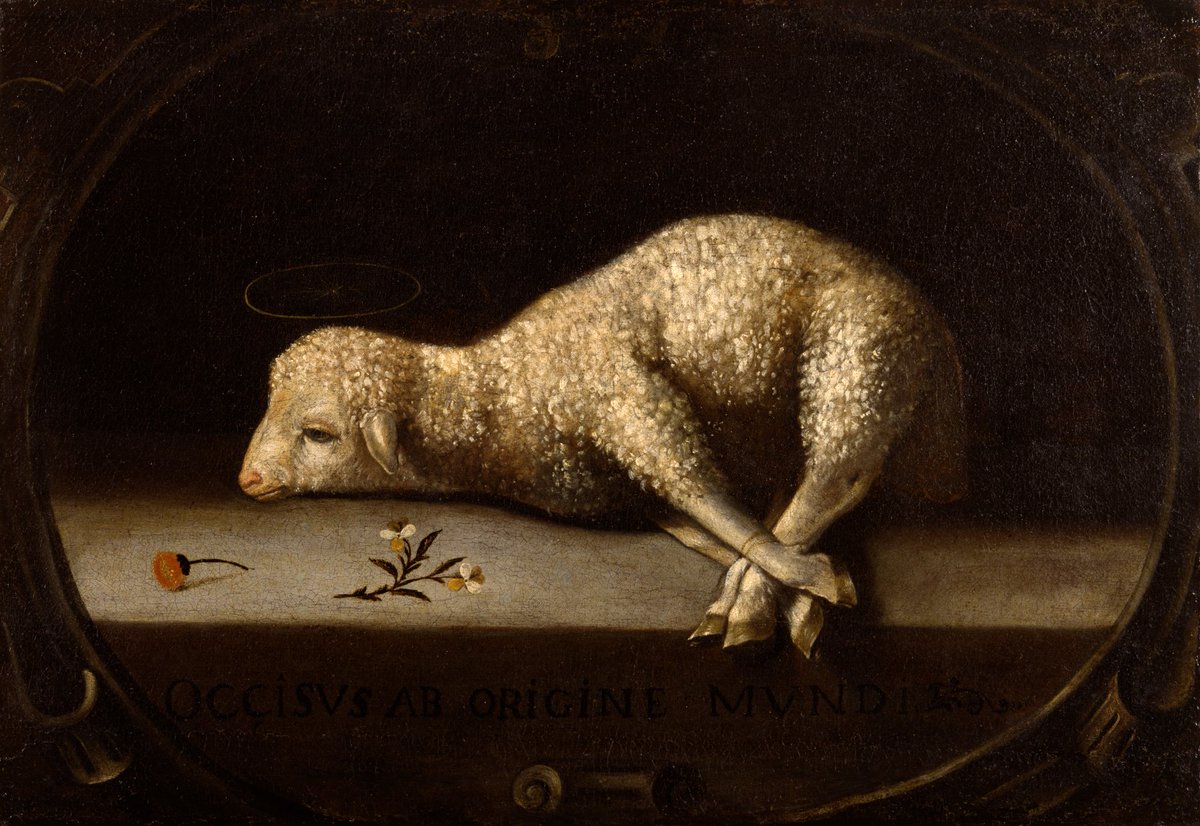
“These many years I have served you, and I never disobeyed your command” (Lk 15:29).
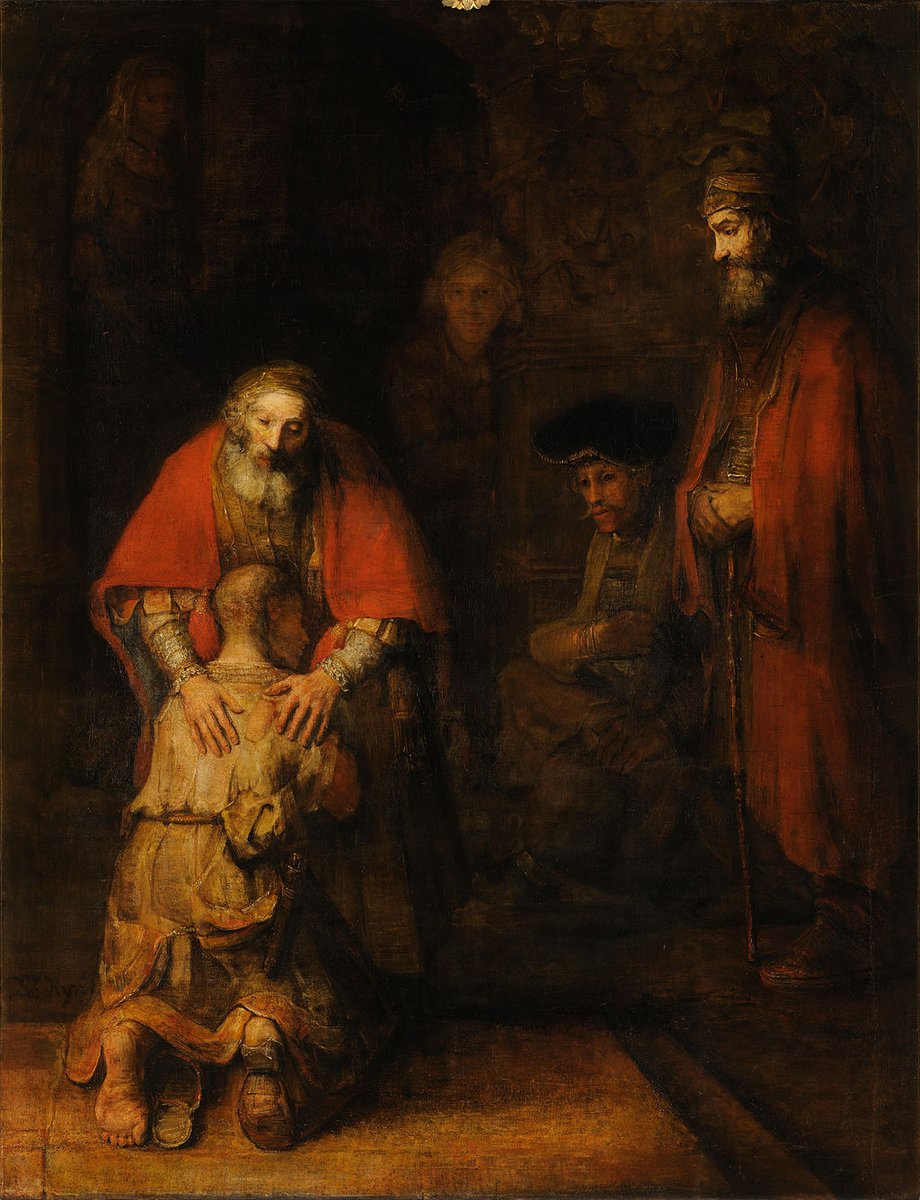
Augustine: the elder is Israel.
Jerome: envy has no wish to be saved.
“But he was angry and refused to go in. His father came out and entreated him” (Luke 15:28).
The Father still pleads.
Augustine: the elder is Israel.
Jerome: envy has no wish to be saved.
“But he was angry and refused to go in. His father came out and entreated him” (Luke 15:28).
The Father still pleads.
Follow @penn_williamE for more. New threads every weekday that celebrate our Catholic tradition!
If you enjoyed this, you might like my thread on St. John of the Cross's Dark Night of the Soul. His radical view on suffering:
If you enjoyed this, you might like my thread on St. John of the Cross's Dark Night of the Soul. His radical view on suffering:
https://x.com/penn_williamE/status/1955221228731408681
I’m curious if you’ve ever heard this allegorical view of the parable?
I think a lot of these early church commentaries are not talked enough about, buried in tradition. We need to celebrate them!
I think a lot of these early church commentaries are not talked enough about, buried in tradition. We need to celebrate them!
• • •
Missing some Tweet in this thread? You can try to
force a refresh