You're a Soviet railroad commissar. No markets. No prices. Just you and a mountain range between two cities. How do you decide where to build?
This simple question reveals why socialism always fails. 🧵
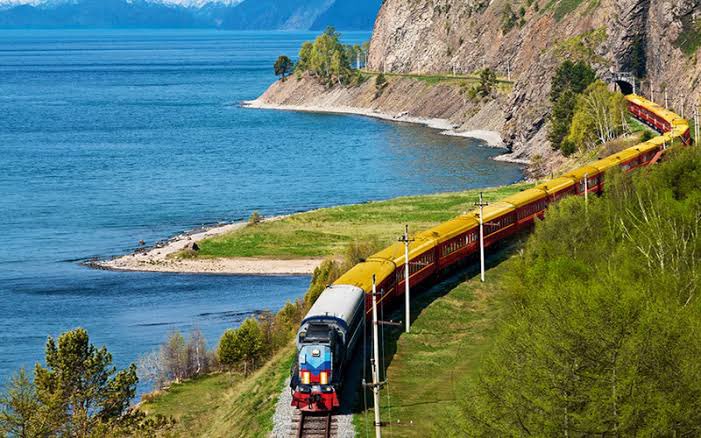
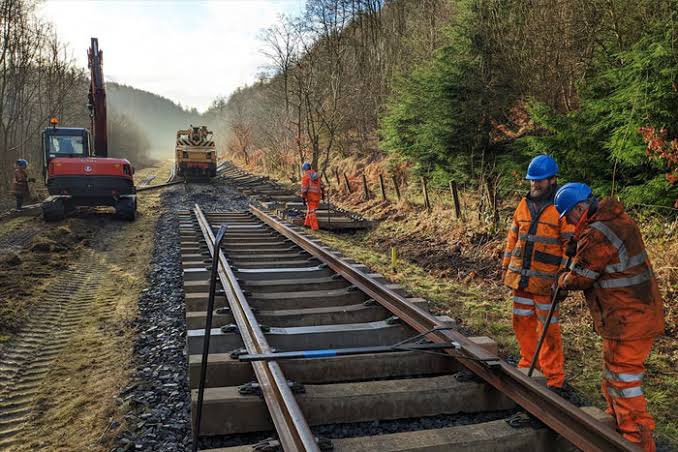
Through the mountains, you'd use less steel but massive engineering resources. Around the mountains, you'd use more steel but save engineering for other projects. Both steel and engineering are desperately needed elsewhere for irrigation, trucks, harbors, thousands of other uses.
To choose wisely, you'd need to know what millions of people know. What farmers know about crop yields. What grocers know about customer demand. What truckers know about delivery capacity. What families know about the meals they want to cook tonight.
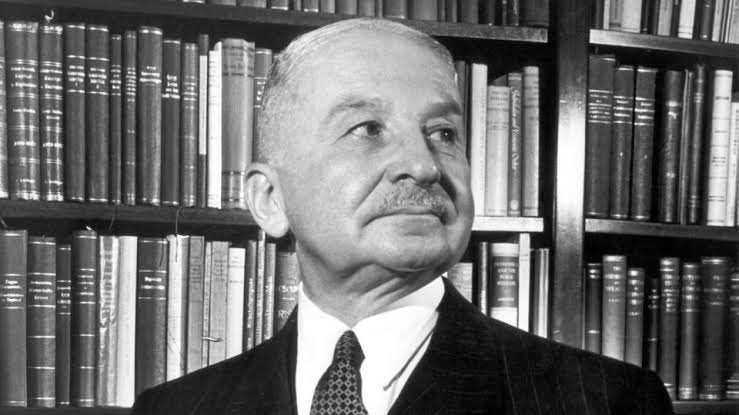
You'd need surveys of millions. By the time you processed the data, it would be obsolete. Even if people could articulate their preferences accurately, which they often can't until facing real choices. Ludwig von Mises called this "groping in the dark."
Now imagine you're not a commissar, but a railroad CEO in a market economy. Your goal isn't "the good of the nation" but profit. You calculate costs: engineering hours × price of engineering + steel tons × price of steel. You choose whatever costs less.
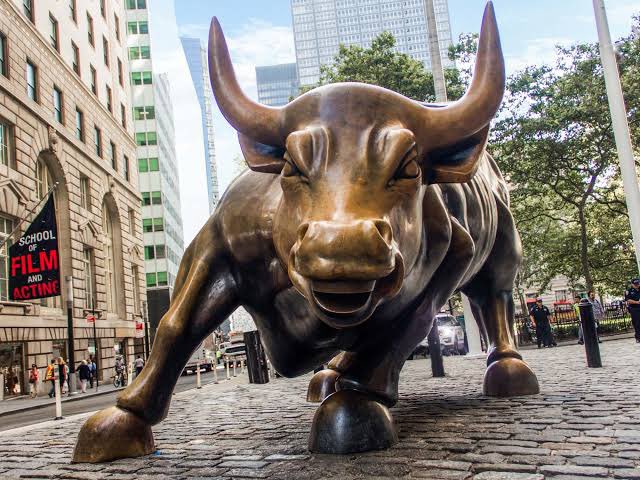
Here's the miracle: By choosing what's cheapest for your company, you automatically choose what's best for society. Those market prices you calculated with? They contain the knowledge and preferences of millions of people you'll never meet.

When customers want better produce, they offer grocers more. Grocers offer farmers more. Farmers offer more for irrigation. Irrigation companies offer engineers more. The price of engineering rises, signaling everyone that this resource just became more valuable.

Prices aren't just numbers. They're a distributed intelligence system that coordinates billions of decisions without anyone being in charge. No commissar needed. No surveys required. Just voluntary exchange revealing truth.

This is why socialism always fails and why markets always win. But most college students never learn this. They graduate thinking prices are arbitrary, that central planning could work "if done right."
What if you could be different? What if you could walk into any economics classroom and actually defend free markets with real arguments?
FINAL WEEK TO CHANGE THAT.
Applications for Students For Liberty's 2025-26 Local Coordinator Program in the US and Canada close August 16th. This is your chance to become the student who actually understands how the world works and can explain it to others.
Ready to stop being the only libertarian on campus?
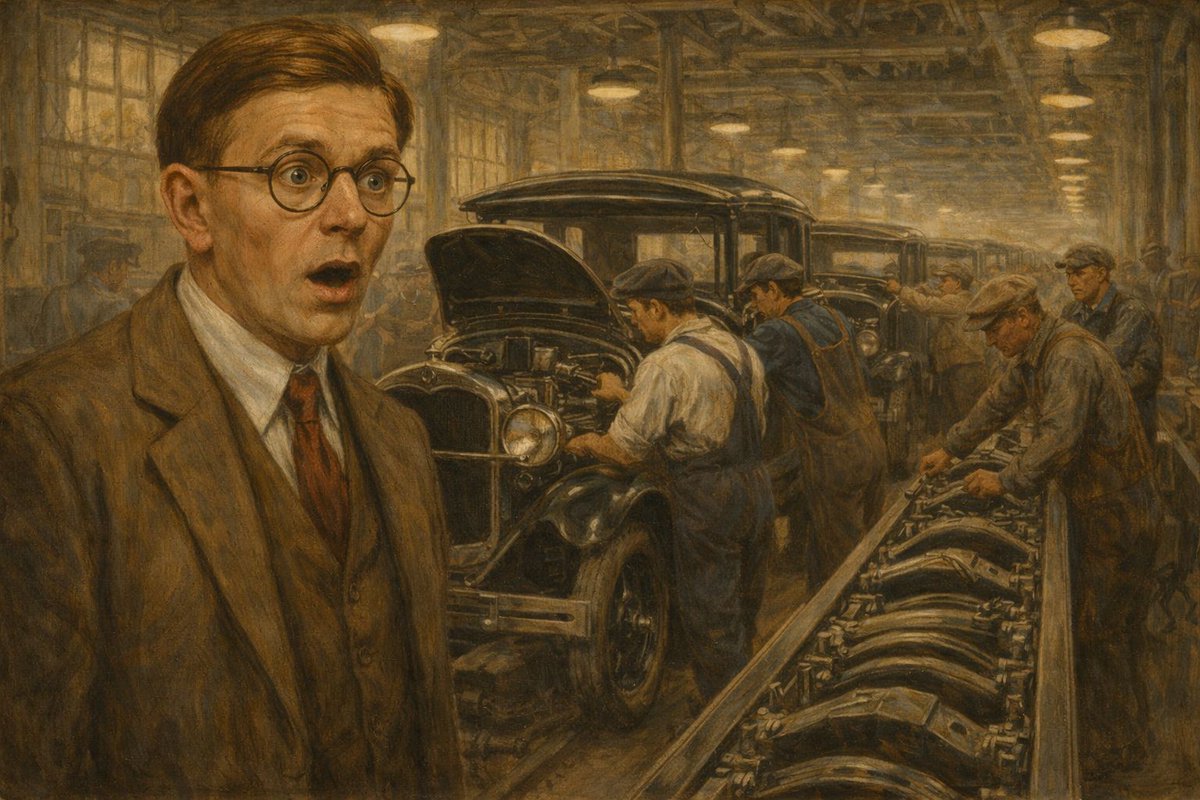
Ronald Coase set out to prove that Socialism was superior to the chaos of the market.
So he went to America to see how giant industries were actually managed.
What he found destroyed his worldview. And won him a Nobel Prize.
This is the story of how a young socialist became one of the most important economists of the 20th century by following evidence over ideology. 🧵
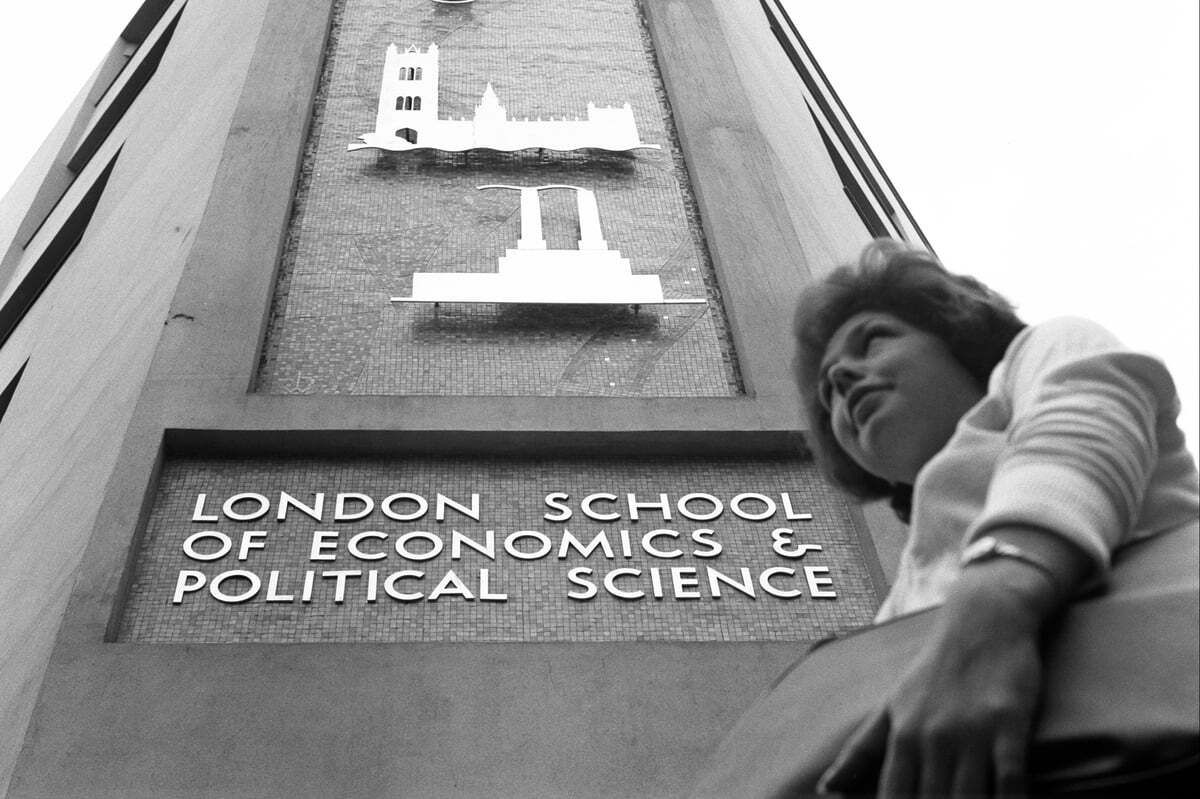
London, 1929. A 19-year-old economics student at LSE calls himself a "soft socialist."
The intellectual consensus seemed obvious: markets were chaos, central planning was science.
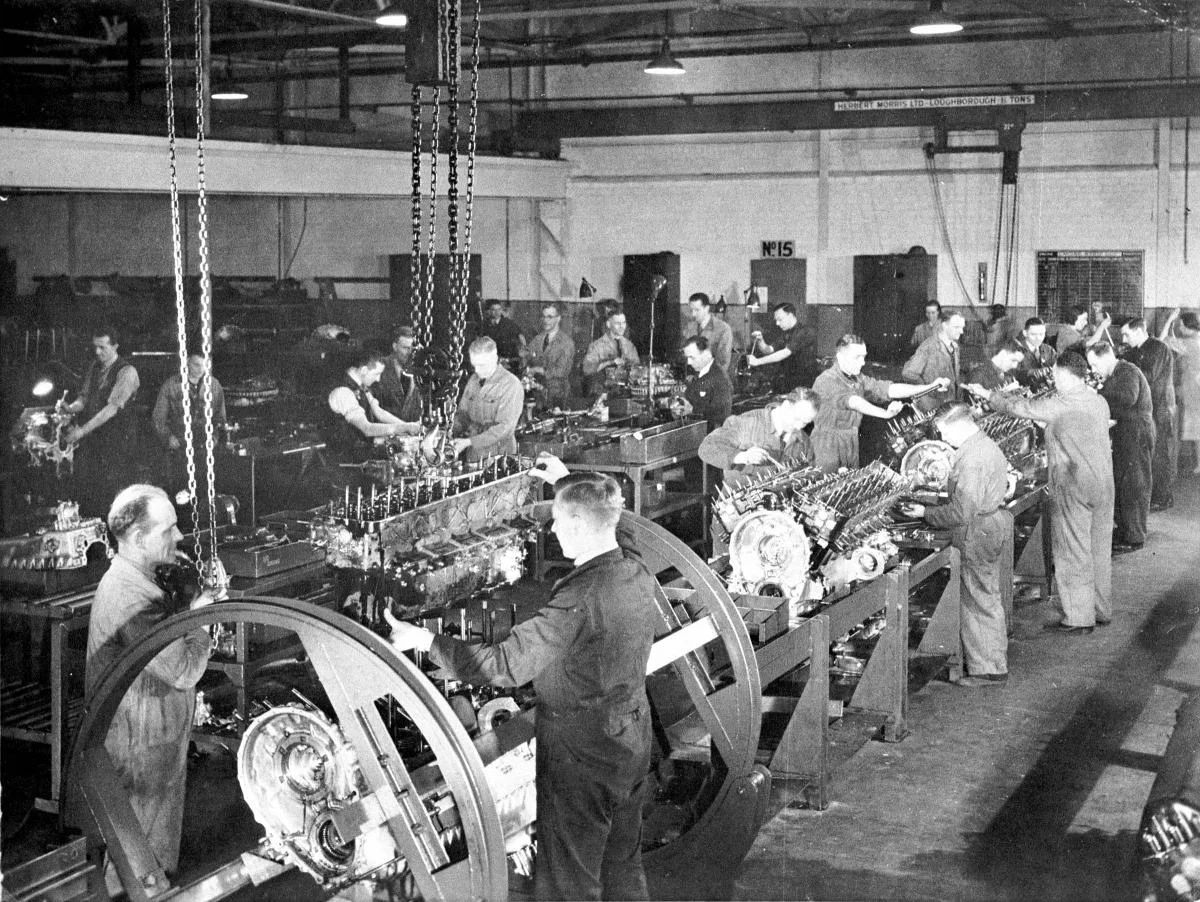
His professors had a compelling argument: businesses are already mini-planned economies. If planning works inside firms, why not scale it to entire nations?
For young Coase, the logic felt inevitable. Scientific management promised order. The invisible hand looked like randomness.
But in 1931, he won a scholarship that would change everything: a chance to study American industry firsthand.
He went expecting to document techniques for improving socialist planning. He found something that shattered his worldview instead.
Everyone Wants Democratic Transition for Venezuela
But how do you restore democracy in a kleptocratic state captured by criminal elites?
To understand the problem, you need to understand how Venezuela got here. This story is a stark reminder that freedom isn't lost overnight, but slowly dismantled, one piece at a time. 🧵
The Liberation Myth: Venezuela Started With a Promise
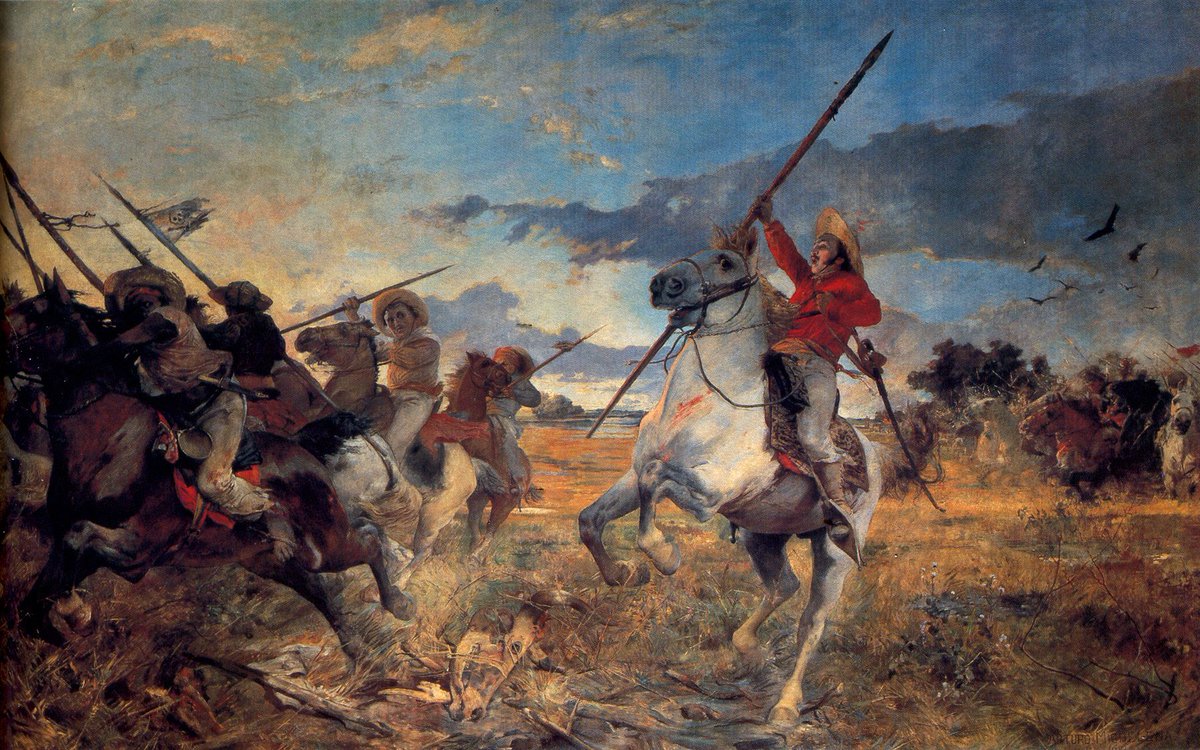
In 1811, Simon Bolivar liberated Venezuela from Spanish rule. He dreamed of a unified, free South America built on republican ideals.
But Bolivar's revolution created a nation, not stability. What followed was a century of chaos.
A Century of Strongmen: The 19th Century Belonged to Caudillos
After independence came civil wars, military coups, and regional warlords fighting for control. Venezuela cycled through dozens of governments.
Power didn't come from elections. It came from controlling enough armed men to take Caracas. Whoever seized the capital claimed to speak for the nation.
“I'm against Maduro, but I think what Trump did was wrong.”
This sentence sounds reasonable, balanced, and mature. The kind of thing a serious person would say to avoid seeming radical.
The problem is that this sentence is, morally, one of the worst possible positions on Venezuela. 🧵
Not because it's moderate. But because it's a conscious escape. That "but" isn't prudence. It's a silent plea for moral exoneration.
The attempt to appear sophisticated while avoiding the thing that morality often demands: to hierarchize evil. To say what is worse. To choose.
Let's be clear about what we're "balancing" here.
Under Maduro's "socialism of the 21st century," Venezuela collapsed into hyperinflation exceeding 1,000,000%. Systematic scarcity created mass starvation. Venezuelans resorted to eating dogs and scavenging trash to survive.
These aren't political talking points. These are documented atrocities.
They predicted the Great Depression. Then the 2008 crash. Then 2020's inflation surge.
A group of economists spent 150 years warning about the same pattern.
Nobody in power listened.
And every time, they were proven right.
This is the story of the Austrian School. 🧵
Modern economics had a fatal flaw.
For decades, mainstream economists treated the economy like a machine. Pull this lever, push that button, adjust interest rates here; boom, everything works perfectly.
But economies aren't machines. They're millions of people making billions of decisions every single day.
You can't predict human action with mathematical precision. The Austrian School understood this from day one.
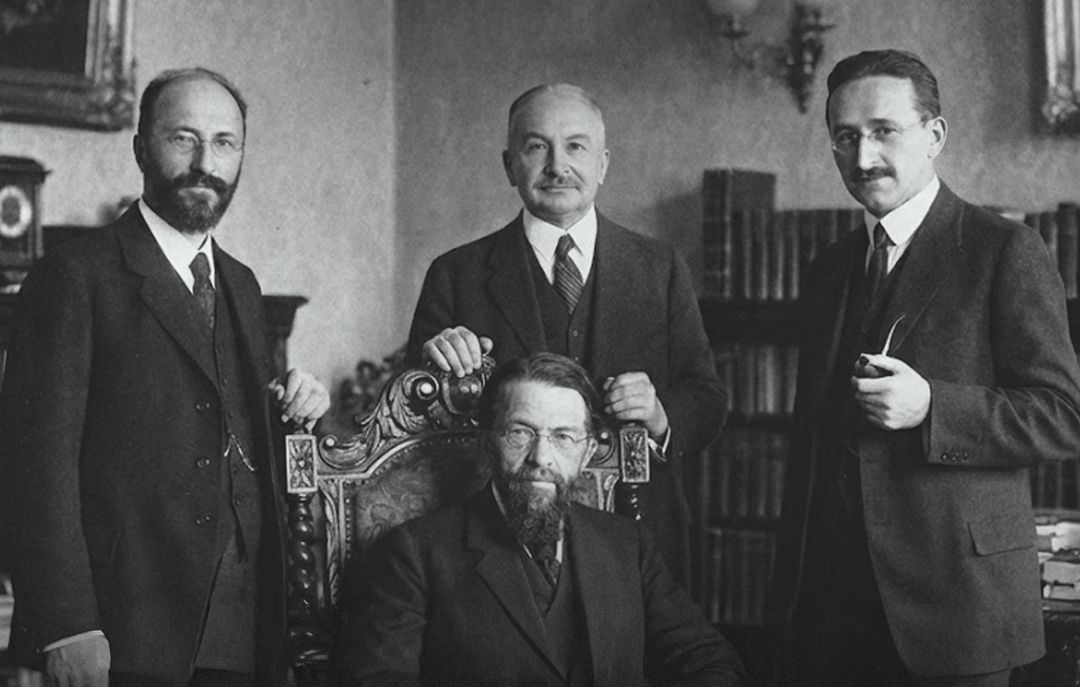
It started in Vienna in 1871 when Carl Menger published Principles of Economics and asked a deceptively simple question: Why do people value things?
His answer shattered centuries of economic thinking.
Value isn't objective. It's subjective, based on individual human needs and desires.
Not labor hours. Not production costs. Human preferences.
In 1968, historian Robert Conquest published research showing Stalin killed millions.
Western intellectuals called him a propagandist. A Cold War hack. A CIA plant.
Then the USSR collapsed. The archives opened.
And every number he predicted was proven correct; or too conservative. 🧵
The 1960s had a serious Soviet problem.
While Conquest documented mass murder in Ukraine and the Gulag, Harvard professors praised Stalin's industrialization. British intellectuals visited Moscow and declared the future had arrived.
Anyone questioning this got dismissed as a reactionary.
One British historian refused to look away.
Robert Conquest spent the 1960s piecing together evidence from refugee testimonies, leaked documents, and demographic data that didn't add up.
His 1968 book "The Great Terror" documented Stalin's purges with precision.