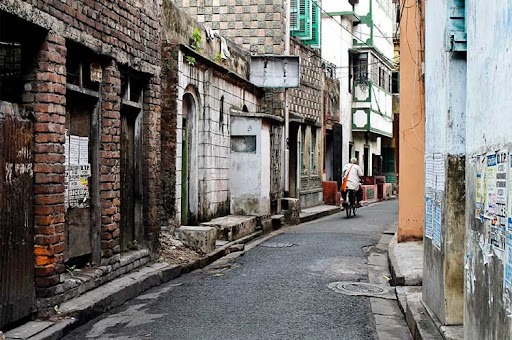
When Lord Krishna himself charged the defense to protect Bengal from Bargis! 🧵💥🤺
Back to 1740s, prior to Plassey, Bengal was already struggling with multiple issues including the Zamindari rules, advent of colonial businessmen, epidemics, droughts, but fiercest of them all
Back to 1740s, prior to Plassey, Bengal was already struggling with multiple issues including the Zamindari rules, advent of colonial businessmen, epidemics, droughts, but fiercest of them all

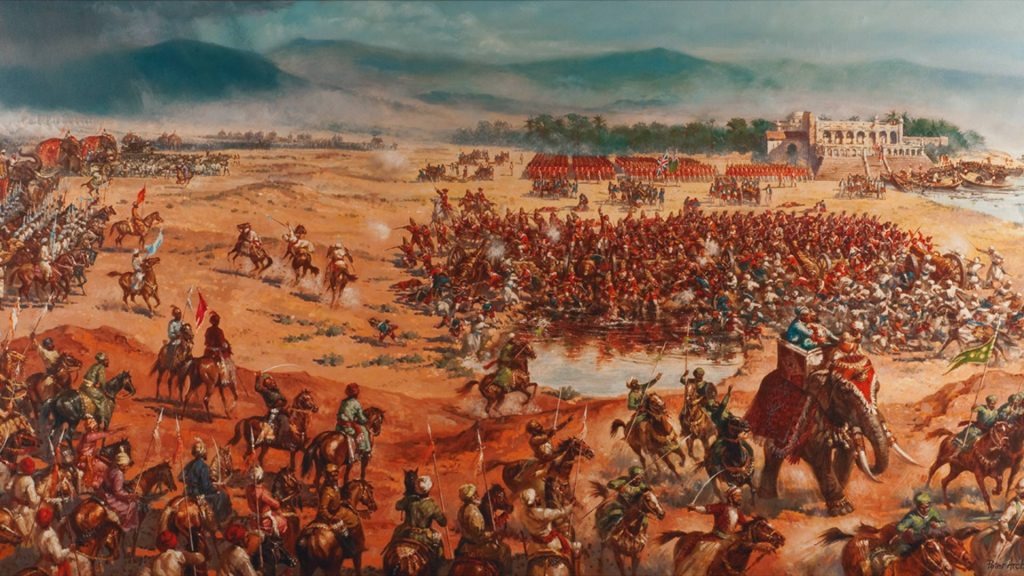
was the continuous & heinous attack of Bargi soldiers, their relentless looting of households so much so that even 300 years later, lullabies still mention them. Alivardi was reigning over Bengal when, in seeking revenge, the Orissa Nazim called upon Bargi troops
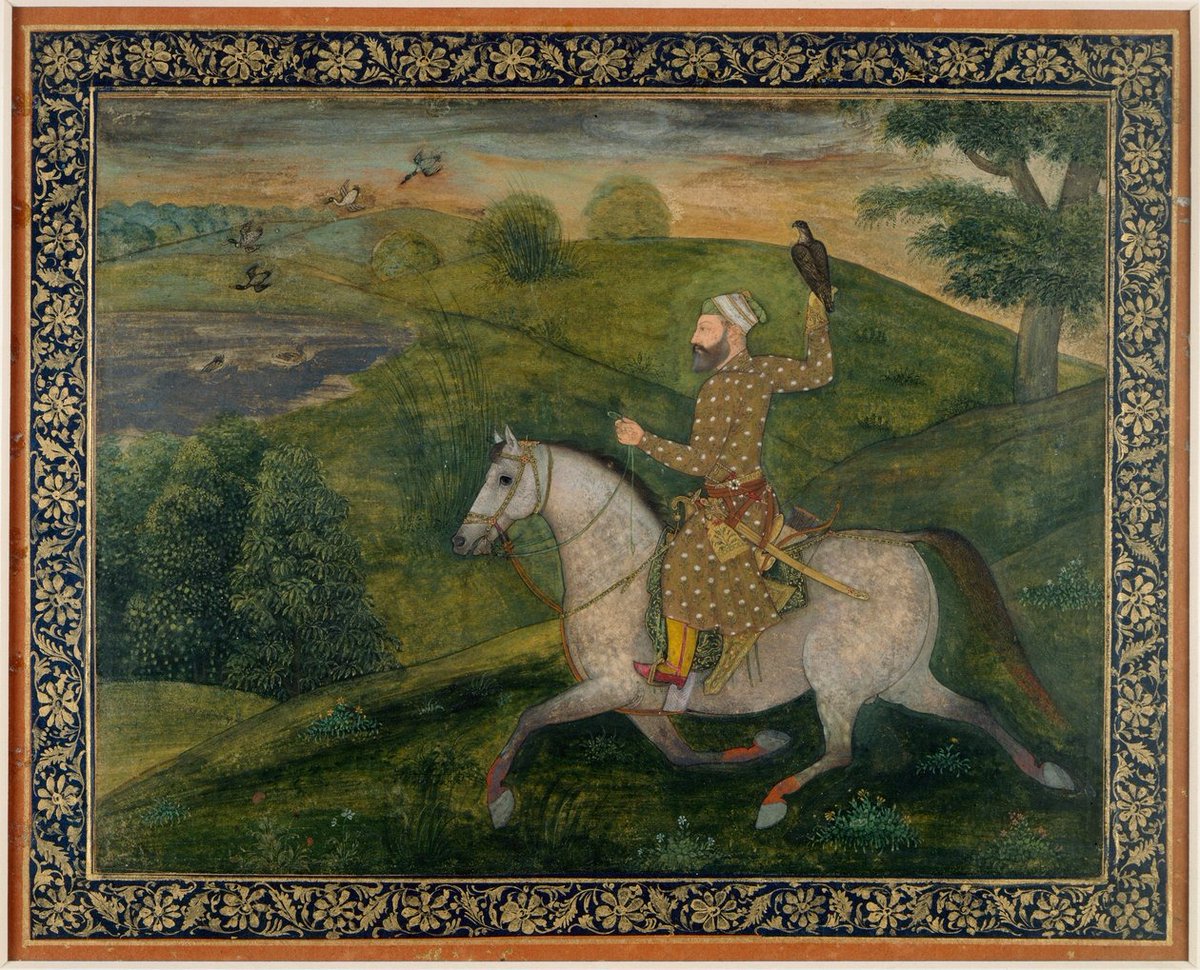
from Maharashtra under leadership of Bhaskar Pandit to unleash treacherous attacks on Bengal. Bhaskar represented the Bhonsles of Nagpur at the time. Bargi attacks continued for as long as 7 years, and more than 4 lakh Bengalis faced death due to their raids.

The entire Bengali economy was crippled by the looting granaries, countless women were harassed - kidnapped. Mangalkabyas including Annadamangal, have descriptions of such fierce stances of Bargis on Bengal. Mastering guerrilla warfare, it was almost impossible to repel them.
To safeguard Kolkata the canal or Maratha Ditch was dug along the border so they could not cross it. Later, it became Circular Road now AJC Bose Road. Bargi soldiers could not cross into Kolkata, but flourishing kingdom of Mallas faced the attack.

Mallabhum, helmed by the Malla King with its capital in Bishnupur and stretching over the current districts of Bankura, Bardhaman, Hooghly and almost the entire west, was regarded as flourishing as Wales in British records.
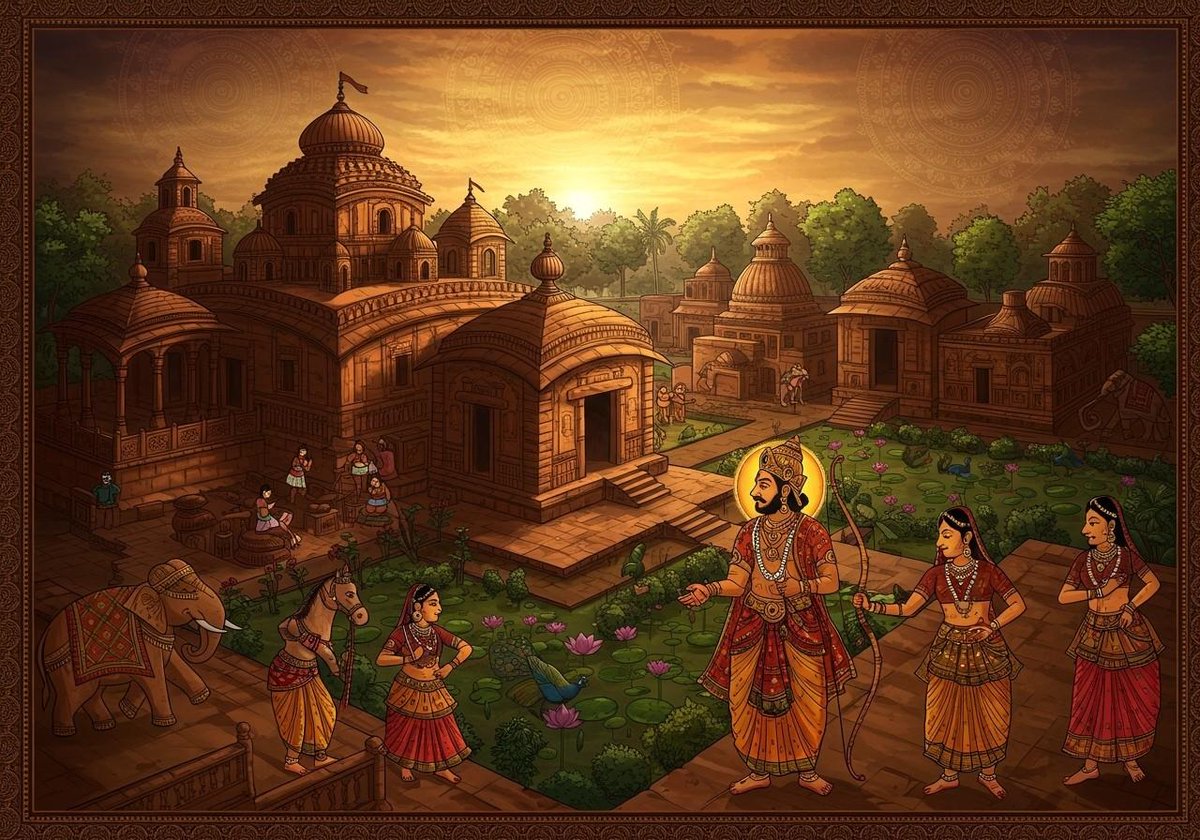
The Singha rulers of Malla regarded Madanmohan Jeu as their presiding deity, whose shrine is still a terracotta architectural marvel. Gopal Singha, the descendant at the time, in 1742 faced a blow when a Bargi army of fifty two thousand attacked Bishnupur including tthe temple.
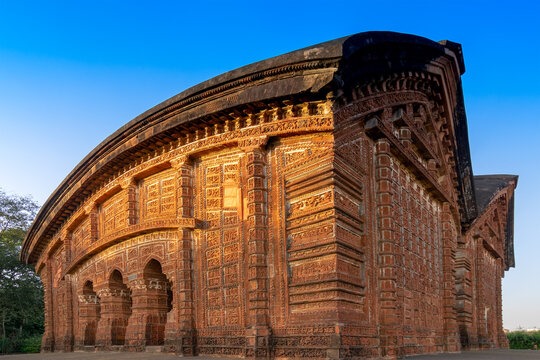
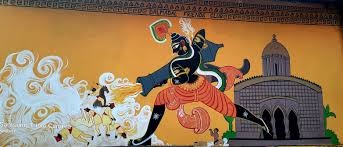
As legend goes, King lost hope, saying only Madanmohan could put up a resistance. It is said that Madanmohan Jeu (Krishna), in his boy form, went to Lalbandh from temple, took the 2 cannons Dal & Madal in his arms, loaded them with 80 maunds of powder, & retaliated against army.

One fire destroyed large section of the army, another charge made half of them retreat in fear. The next morning, while returning from battlefield Lord stopped at a curd seller’s to eat. The seller asked for payment, and Lord replied, I am the prince of Bishnupur, the King’s son
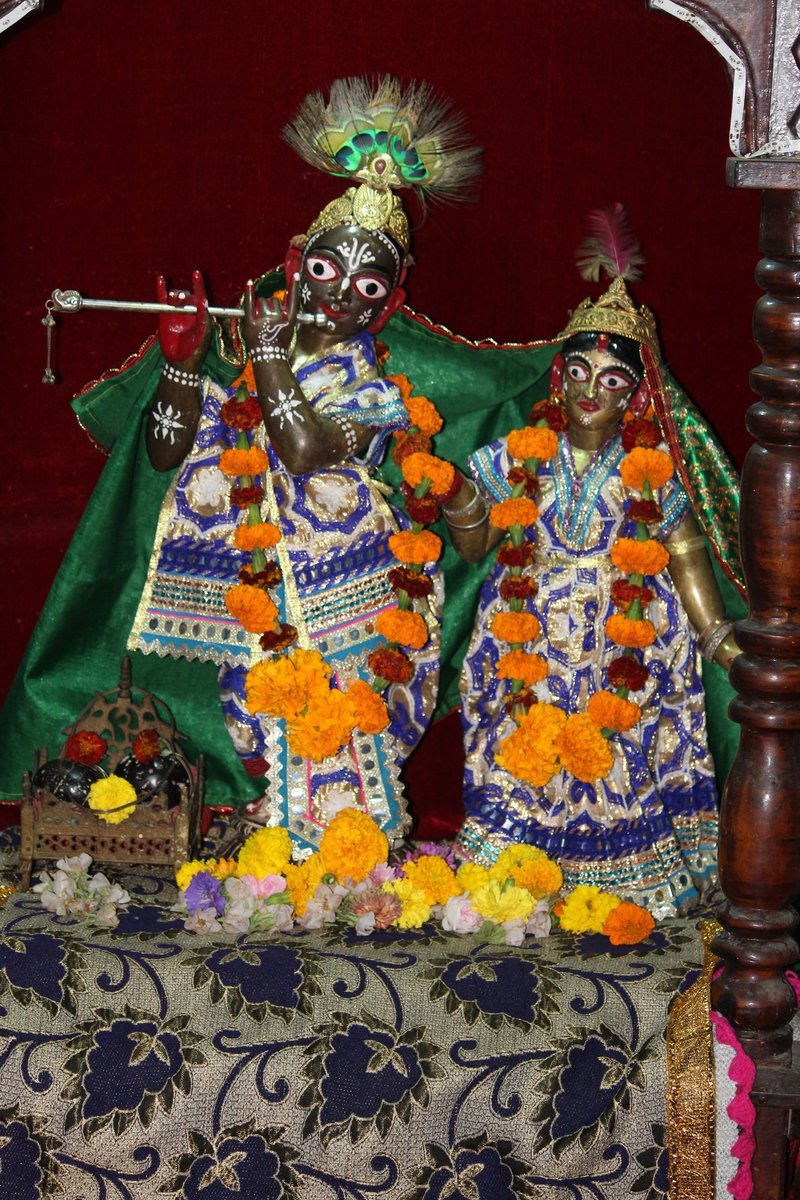
I am returning from battlefield and hence do not have money to pay. Instead, keep my golden bangle show it to the King & he will pay. When the seller went to King & gave him the bangle while narrating incident, King was shocked to discover that it was Madanmohan’s golden bangle.
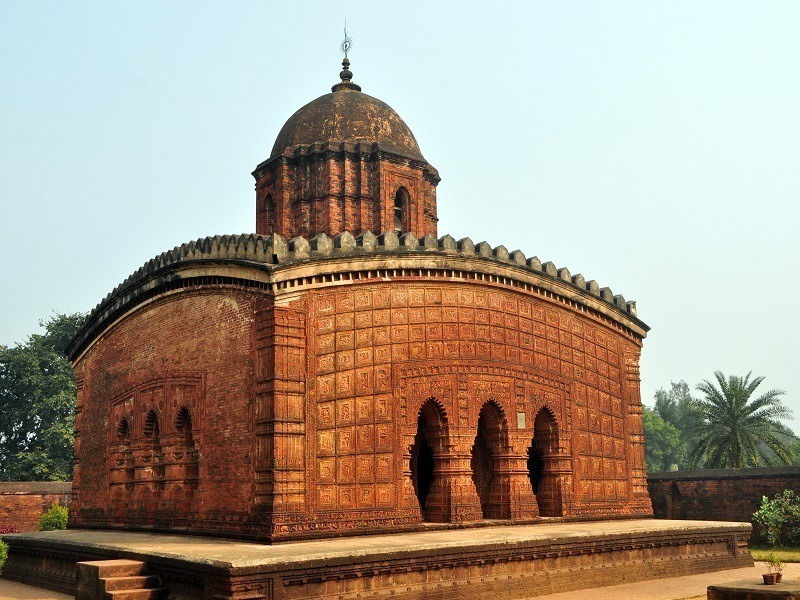
On visiting temple, the bangles from the idol were found missing. Hence, the word spread that Madanmohan himself came to battlefield, lifted the cannons and fought himself to save the city and Bengal from the heinous Bargis.
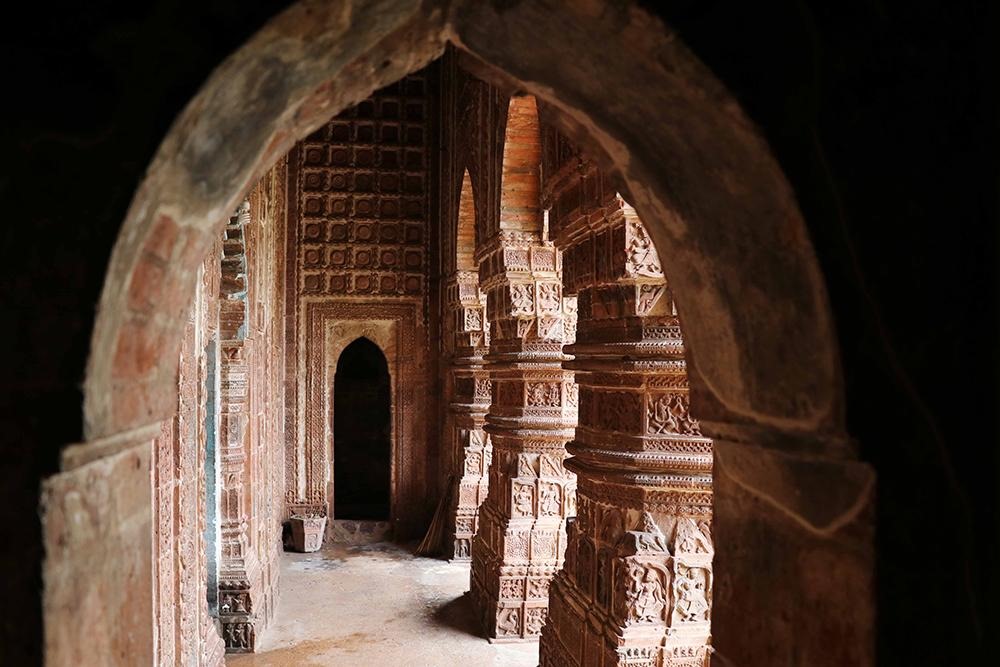
These are legends & folklores. History records that Gopal Singha used the Dalmadal against Bhaskar Pandit’s attack in 1740s and was successful in keeping the Bargis away from Mallabhum possibly with the help of his secret tribal army from Purulia-Chotanagpur region.

It's also said that the legend of Madanmohan is based on prince Krishna Singha son of Gopal Singha, who actually fired cannons & resisted the Bargi attacks which over time became synonymous to Madanmohan himself protecting Bishnupur. Even stories of tears of cannon is there too.
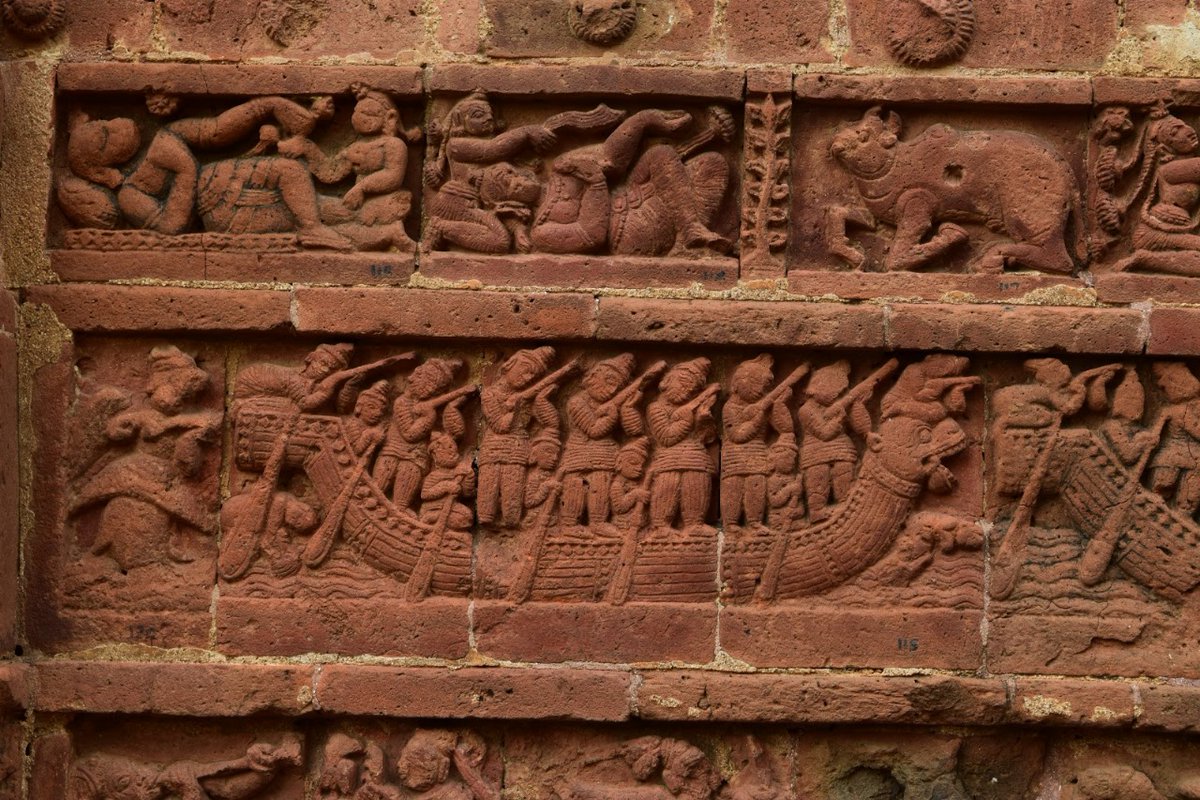
As they regarded Madanmohan as their deity, story may have spread as divine intervention & gradually taken the form of the current folklore.
Besides folklore, the specific cannon Dalmadal has fascinating historical importance, which makes it an interesting subject of discussion.
Besides folklore, the specific cannon Dalmadal has fascinating historical importance, which makes it an interesting subject of discussion.
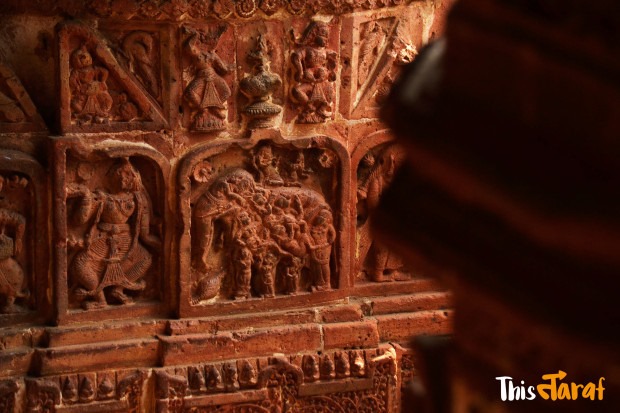
To ensure the security of Mallabhum, the Malla kings made multiple brilliant cannons for defense among them were Gorok, Charakbijli, Baghmuya, etc. but the Dalmadal was the biggest, most powerful, and most significant among them.
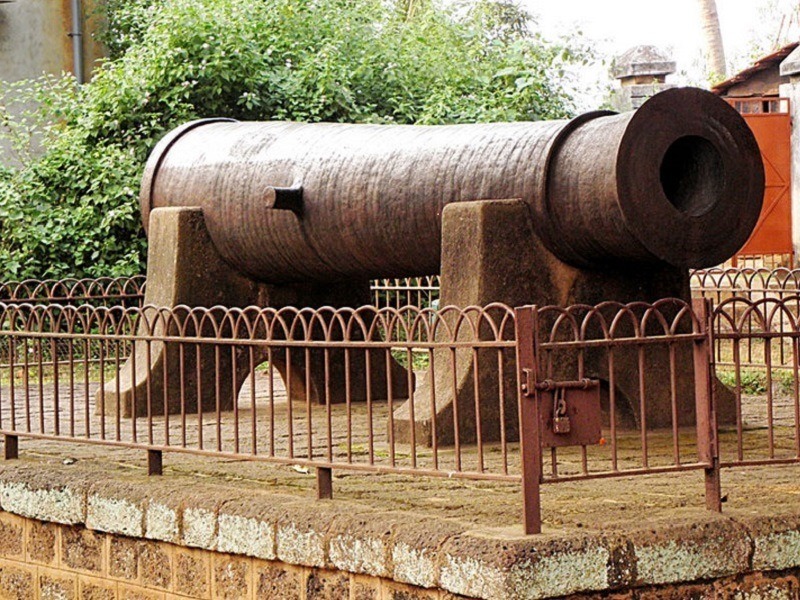
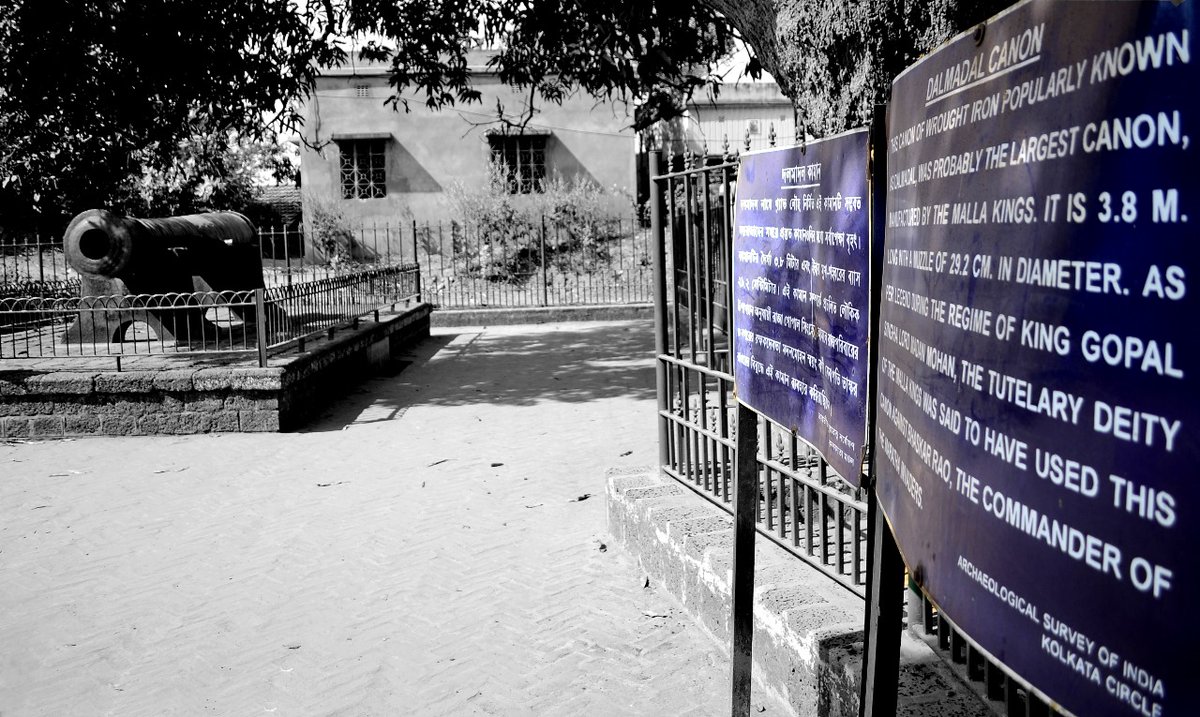
Allegedly Hambir instructed making of Dalmadal by Jagannath Ostad, records claim it cost 1.25 lakh rupees to make back in 1600s. With a length of 12.5 ft, breadth of 6 ft, weight of 24000 kg, it had a channel for loading powder and a rim for attaching wheels for transportation.
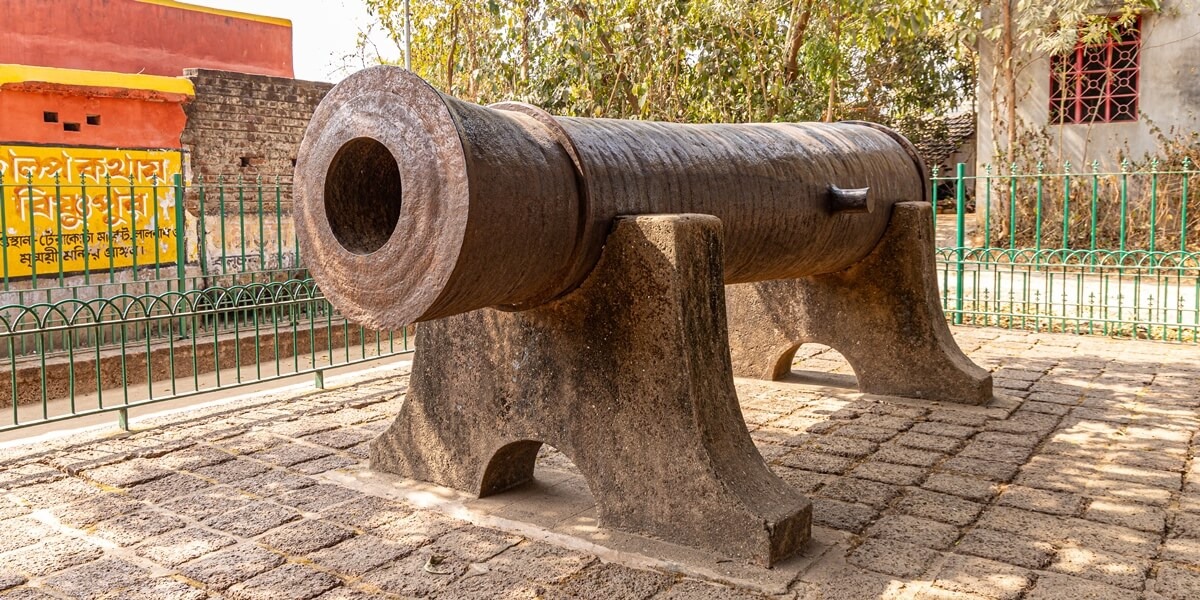
Metallurgists suggest Dalmadal was made by joining 63 small iron blocks, but at that time, melting & joining such huge pieces & bending them without a furnace capable of providing 1500°C heat was a technological splendour likely executed in the Kamandala of Bishnupur.
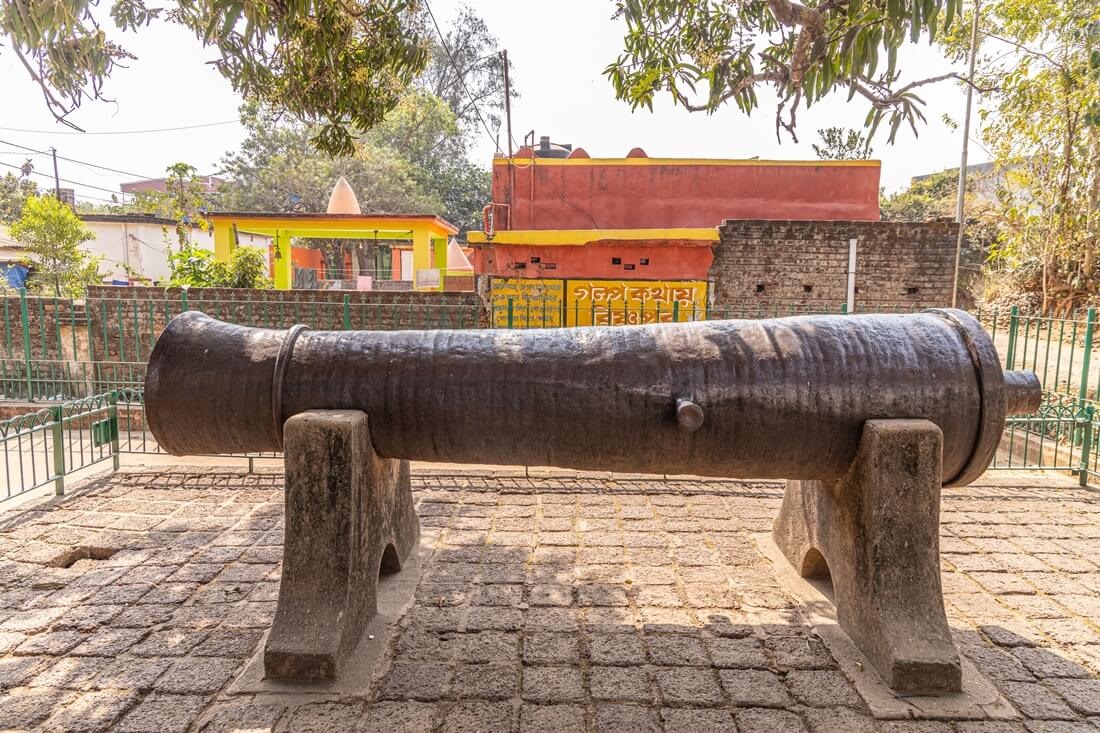
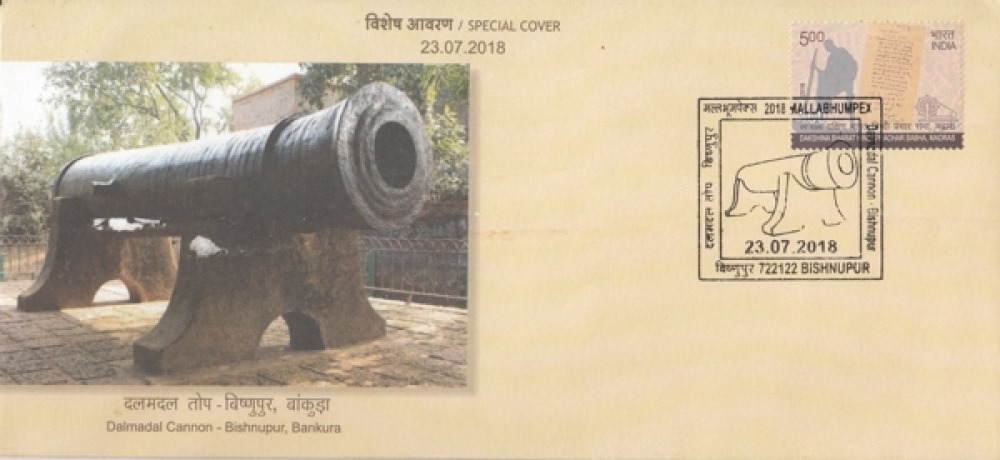
Regarding the name too many theories exist. According to scriptures, Dal & Madal were actually two separate cannons but the preserved one is a single larger cannon referred to as Dalmadal or Dalamardan. Historians say Dalmadal was named after Dharma Thakur’s place in Mallabhum.
Scholars suggest it came from the Sanskrit word Dalamardan, meaning taming the enemy group (Shatru Dal Mardan). The presiding deity of Bishnupur, Madanmohan Krishna, also has an interesting twist in his story. Said to have been brought to Bishnupur by Hambir,
this idol was originally worshipped by a close associate of Chaitanya Dev. Later, Gopal Singh’s descendant Chaitanya Singh mortgaged the invaluable idol to Gokul Das of Calcutta for a lump sum to repay loans.
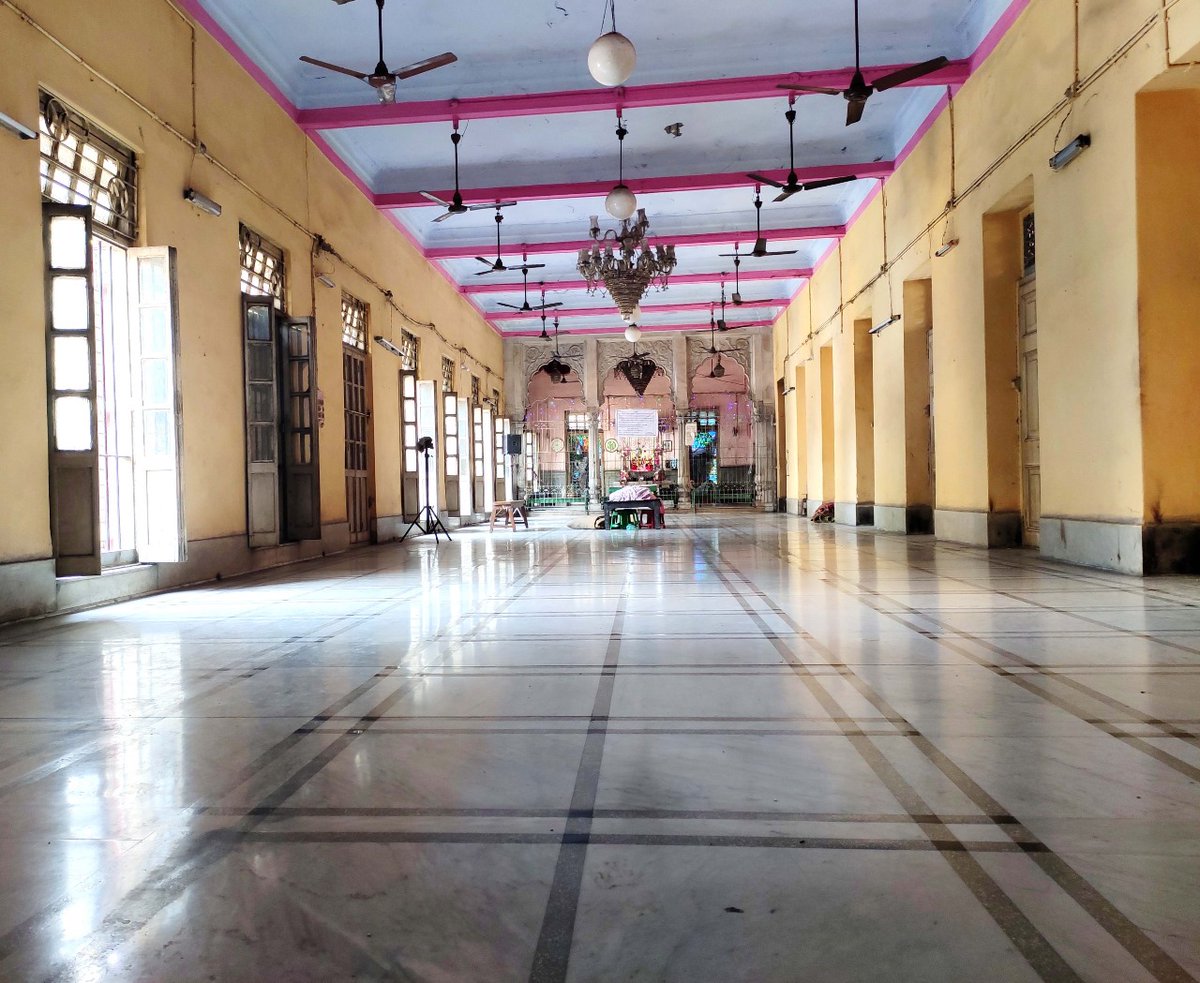
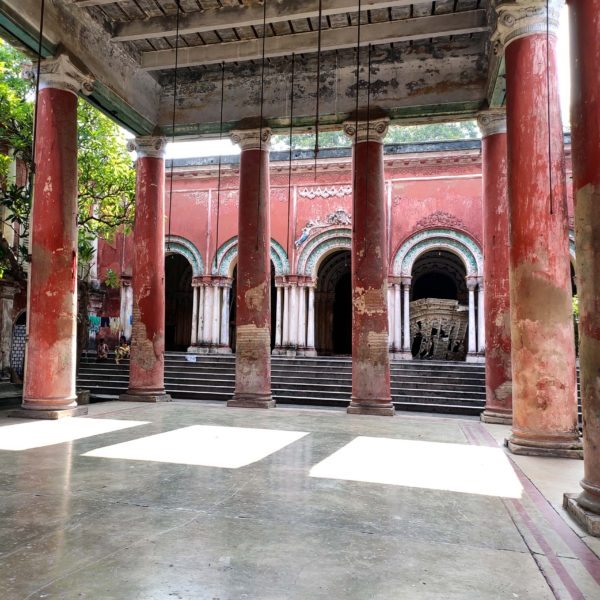
Unable to repay original Madanmohan remained in Calcutta, in marvellous temple at Kumartuli. Replica was installed in Bishnupur, but it was stolen, and 3rd replica is what is currently worshipped there.
The Dalmadal lay on same ground until the British government placed it on a constructed base in 1919, where it remains today as the plaque reads.
Dalmadal of Bishnupur above the folklores and legends of Madanmohan actually remains a brilliant symbol of the fierce resistance put up against the treacherous Bargi Maratha attacks, & a testament to a very significant chapter of history.
END 🧵💥 PC
END 🧵💥 PC
• • •
Missing some Tweet in this thread? You can try to
force a refresh