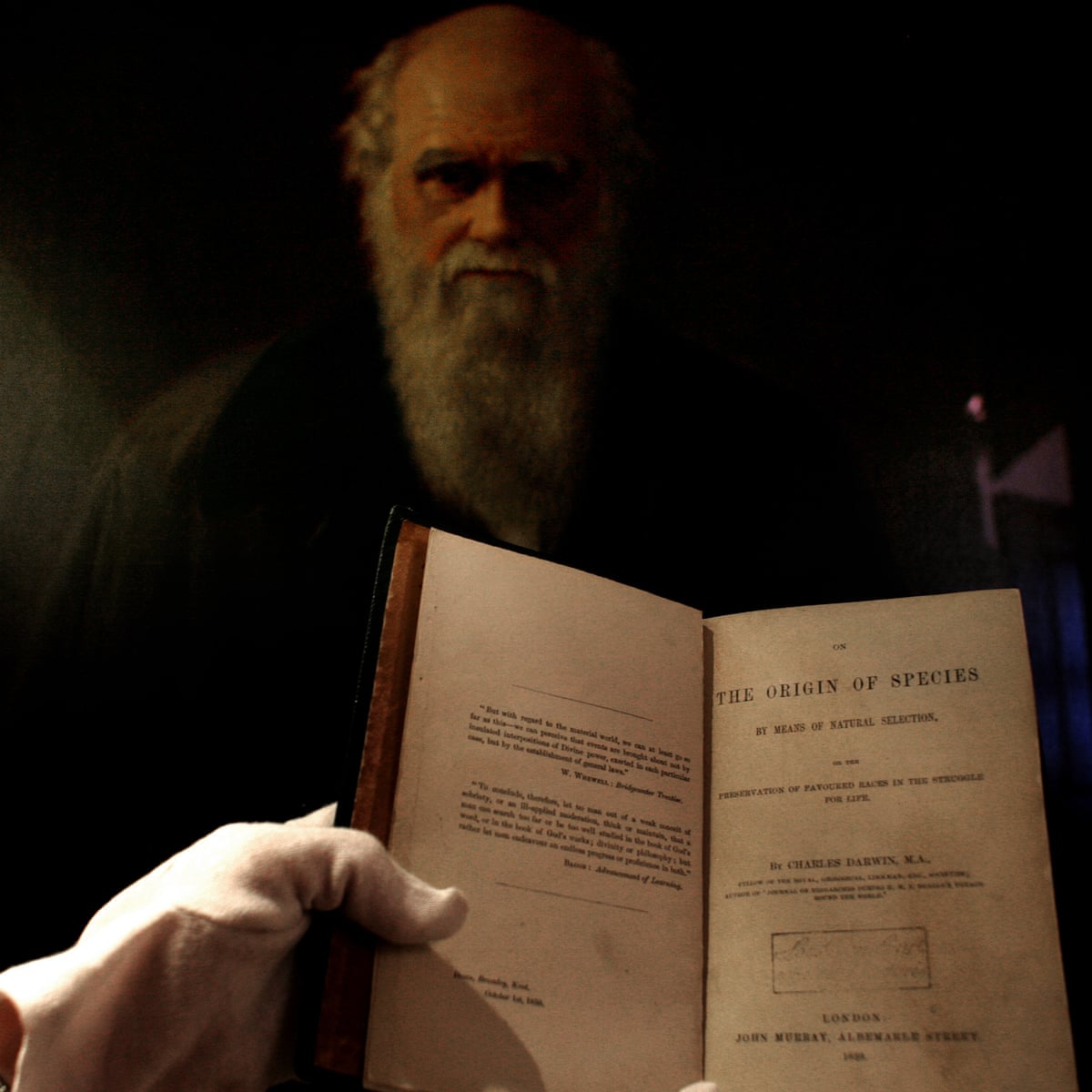
In 1859, Charles Darwin shook the world with 'On the Origin of Species'. He proposed natural selection: species change over time, and traits that improve survival are passed on to offspring.
It was revolutionary but not fully proven in his time. 🧵1/6
It was revolutionary but not fully proven in his time. 🧵1/6
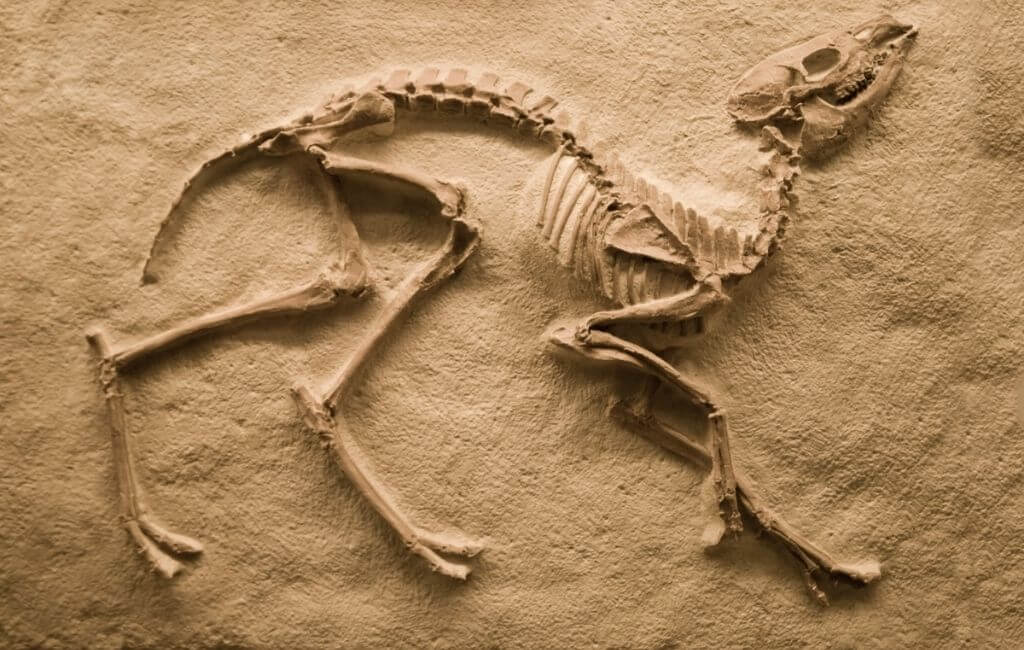
Darwin did not know about genetics. He observed patterns, fossils, and species variation but could not explain how traits were inherited. This gap led some to doubt evolution despite strong observational evidence. 🧵2/6
Gregor Mendel’s work on pea plants, rediscovered in 1900, explained inheritance. Traits are passed through discrete units called genes. This connected Darwin’s ideas to a mechanism and launched modern evolutionary biology. 🧵3/6
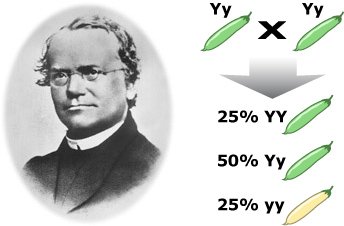
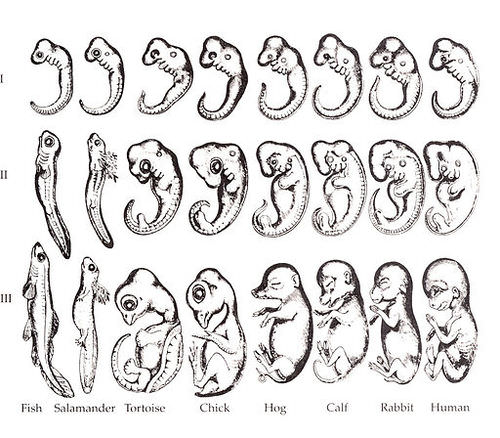
Through the 20th century, evidence grew from fossils, embryology, comparative anatomy, and later DNA sequencing. Life clearly changes over time, and evolution occurs through natural selection, mutation, genetic drift, and gene flow. 🧵4/6
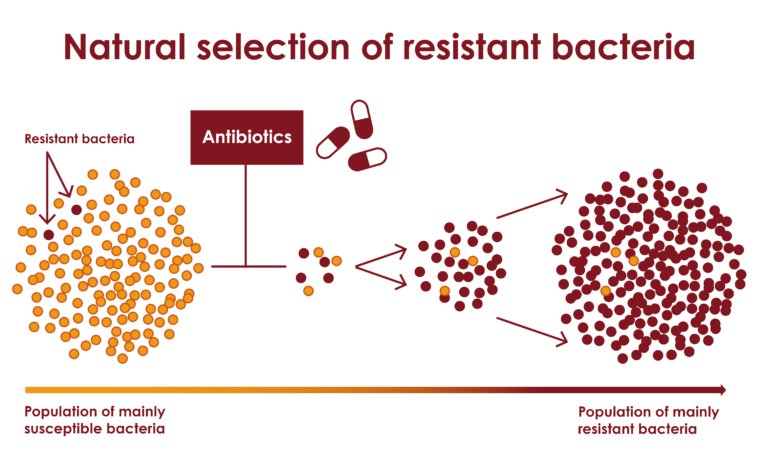
Today evolution is observable. Bacteria develop antibiotic resistance. Viruses like influenza and COVID-19 evolve constantly. Experiments show changes in real time. Evolution is a fact supported by overwhelming evidence. 🧵5/6
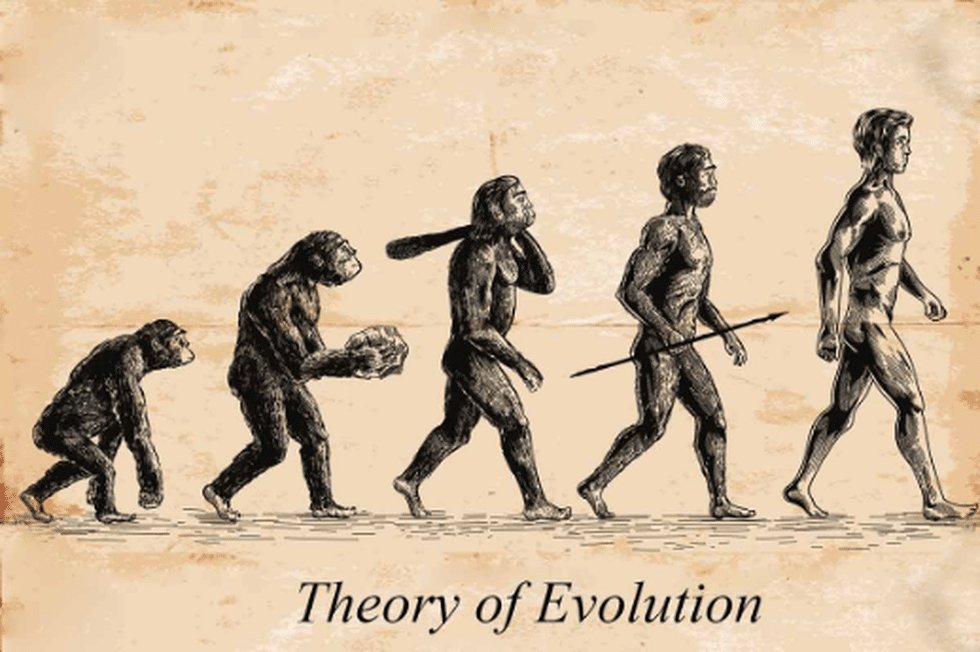
Science defines theory as a framework explaining facts. Evolution is both a fact because species change over time and a theory because natural selection explains how.
From Darwin to modern genetics, evolution is undeniably real. 🧵6/6
From Darwin to modern genetics, evolution is undeniably real. 🧵6/6
• • •
Missing some Tweet in this thread? You can try to
force a refresh