Once he pierced the side of Christ.
Blood and water flowed, and his blind eyes were healed.
"Truly this was the Son of God", he said.
From executioner to disciple, from soldier to martyr.
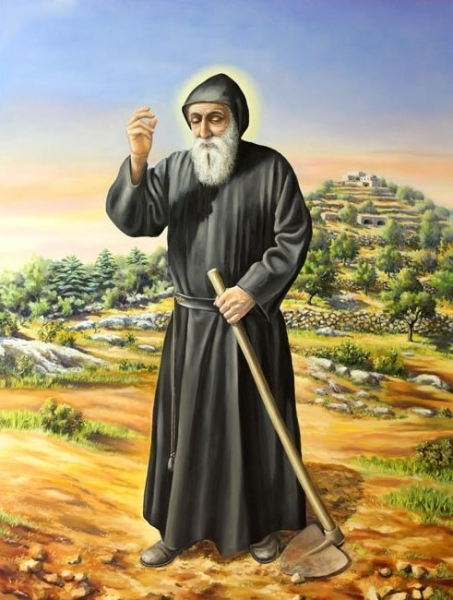
This is the life of St. Longinus, the roman centurion who became a saint - a 🧵
Blood and water flowed, and his blind eyes were healed.
"Truly this was the Son of God", he said.
From executioner to disciple, from soldier to martyr.
This is the life of St. Longinus, the roman centurion who became a saint - a 🧵

He was the Roman centurion stationed on Calvary.
Cold. Hardened. Carrying out orders of execution.
When Christ breathed His last, Longinus raised his spear.
Longinus had seen many men die in battle, but none like this. The man on the cross before him, Jesus of Nazareth, bore suffering not with curses or screams, but with divine serenity.
As the sky darkened at midday, and a terrible quake split the very rocks, something beyond mortal power was unfolding.
Cold. Hardened. Carrying out orders of execution.
When Christ breathed His last, Longinus raised his spear.
Longinus had seen many men die in battle, but none like this. The man on the cross before him, Jesus of Nazareth, bore suffering not with curses or screams, but with divine serenity.
As the sky darkened at midday, and a terrible quake split the very rocks, something beyond mortal power was unfolding.
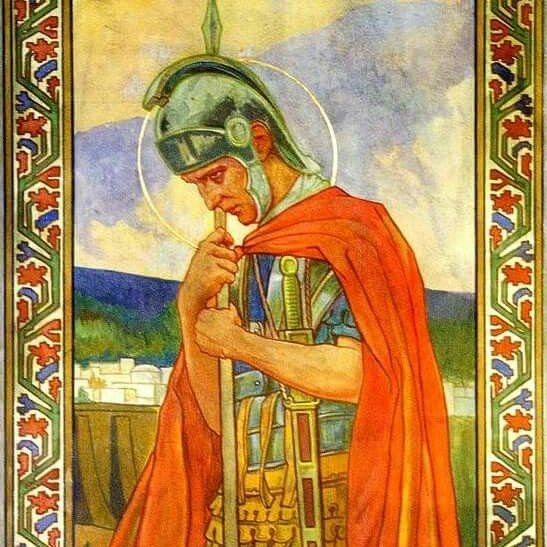
He pierced the side of the Crucified. Blood and water flowed.
It touched his failing eyes, and the soldier’s blindness was healed.
Grace struck deeper than the spear. The executioner became the witness: “Truly this was the Son of God.” (Mt 27,54)
It touched his failing eyes, and the soldier’s blindness was healed.
Grace struck deeper than the spear. The executioner became the witness: “Truly this was the Son of God.” (Mt 27,54)
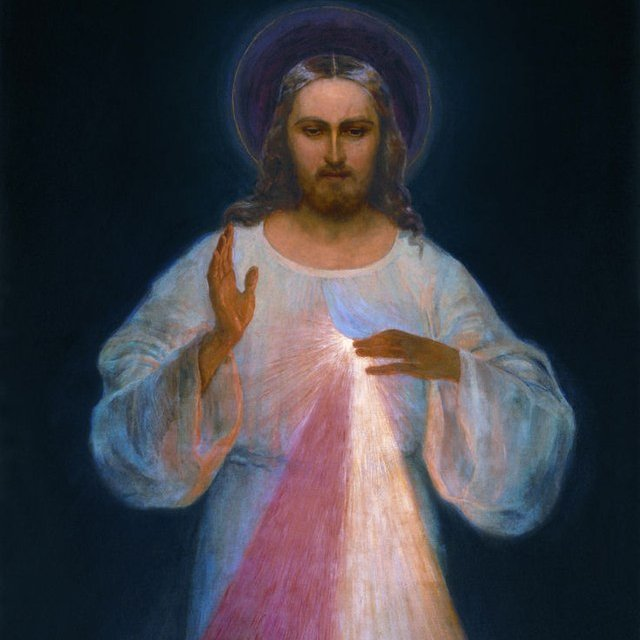
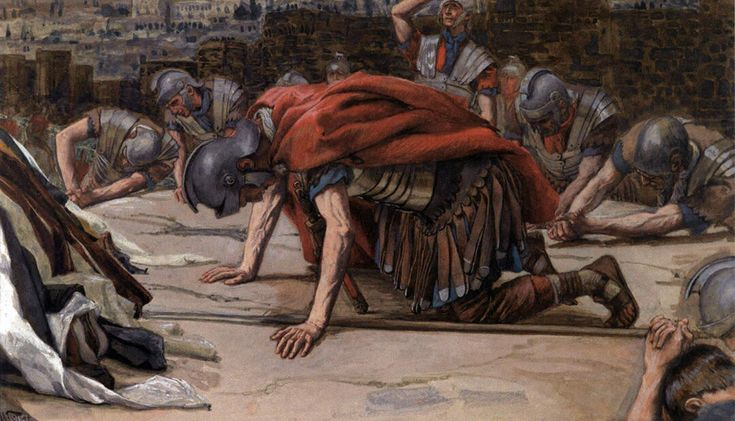
Longinus abandoned the army.
He cast off the idols of Rome.
The hand that once pierced the Savior now carried the Gospel.
He embraced a new allegiance to the King of Kings.
He cast off the idols of Rome.
The hand that once pierced the Savior now carried the Gospel.
He embraced a new allegiance to the King of Kings.

He returned to his homeland, Cappadocia.
There he preached Christ crucified and risen, converting pagans, baptizing multitudes.
The governor demanded he bow to idols.
The soldier of Christ refused.
He laughed at their lifeless statues:
“They are not gods. They cannot save.”
There he preached Christ crucified and risen, converting pagans, baptizing multitudes.
The governor demanded he bow to idols.
The soldier of Christ refused.
He laughed at their lifeless statues:
“They are not gods. They cannot save.”


Longinus stood tall, unbowed. They demanded he renounce Christ and return to the gods of Rome.
He laughed.
“I have served kings, but none greater than the One who reigns above all. No blade nor fire can undo what He has done!”
He laughed.
“I have served kings, but none greater than the One who reigns above all. No blade nor fire can undo what He has done!”

The governor’s face twisted in fury. If words would not break this man, pain would.
First, they took his eyes, a brutal mockery of the vision Christ had given him.
But even in darkness, Longinus stood strong: “I have seen the truth,” he declared, “and no man can blind me now.”
First, they took his eyes, a brutal mockery of the vision Christ had given him.
But even in darkness, Longinus stood strong: “I have seen the truth,” he declared, “and no man can blind me now.”

Still desperate to break him, the governor led Longinus to the temple of the gods, demanding he bow. Before him stood a massive idol, cold and lifeless.
Then they cut out his tongue, thinking they had stolen his voice. But the Heavens defied them, Longinus continued to speak clearly, his words thundering as if carried by God Himself.
The soldiers trembled, for they knew this was no ordinary man.
Then they cut out his tongue, thinking they had stolen his voice. But the Heavens defied them, Longinus continued to speak clearly, his words thundering as if carried by God Himself.
The soldiers trembled, for they knew this was no ordinary man.

But Longinus, even bloodied and beaten, stood defiant. His hand found the hilt of a discarded sword. And with one mighty strike, he cleaved the false god’s head from its body.
As the stone shattered, he roared for all to hear:
“NOW WE SHALL SEE IF THEY ARE GODS OR NOT!”
As the stone shattered, he roared for all to hear:
“NOW WE SHALL SEE IF THEY ARE GODS OR NOT!”

Enraged, the governor condemned him to death.
The one-time executioner now walked to his own execution with joy.
Longinus was beheaded, and crowned with eternal life.
The one-time executioner now walked to his own execution with joy.
Longinus was beheaded, and crowned with eternal life.

Saint Longinus was a soldier of Rome, but he died a warrior of Christ, and in that, he won the greatest battle of all.
The battle for his soul.
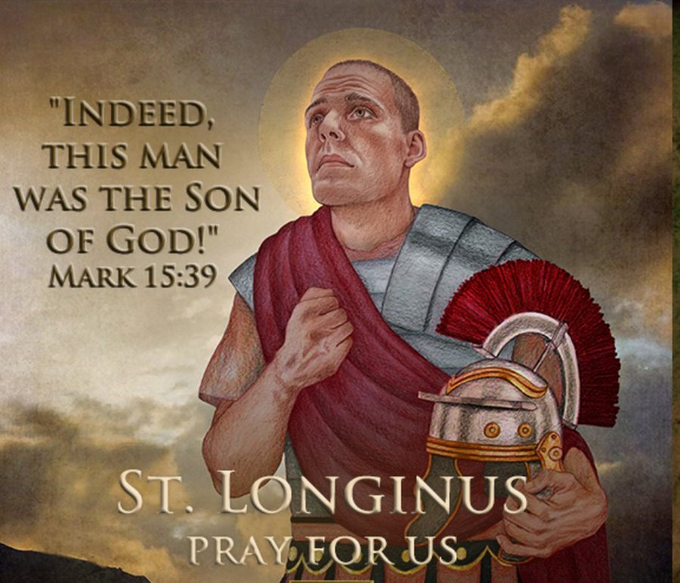
Saint Longinus, patron saint of soldiers and converts, pray for us!
The battle for his soul.
Saint Longinus, patron saint of soldiers and converts, pray for us!
• • •
Missing some Tweet in this thread? You can try to
force a refresh