Some places make headlines.
Others quietly outlive history.
Which ones matter more?
The ones that still hide secrets long after their empires died.
Here are 15 forgotten places that refused to disappear. 🧵👇
Others quietly outlive history.
Which ones matter more?
The ones that still hide secrets long after their empires died.
Here are 15 forgotten places that refused to disappear. 🧵👇

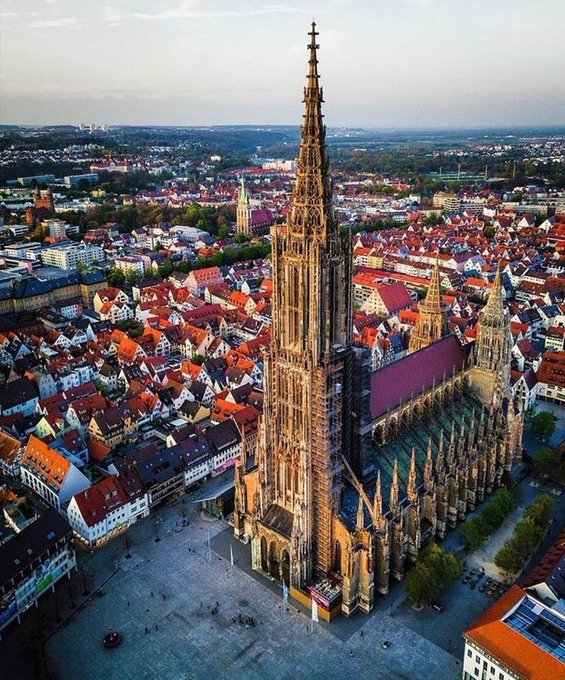
1. Ulm, Germany
This church survived 2 world wars, the fall of Napoleon, and the bombing of Hitler’s Reich.
It still has the tallest spire in the world.
500+ years later, Ulm Minster is the last one standing.
This church survived 2 world wars, the fall of Napoleon, and the bombing of Hitler’s Reich.
It still has the tallest spire in the world.
500+ years later, Ulm Minster is the last one standing.
2. Concordia, Sicily
It’s not in Athens. Or Rome.
But the Temple of Concordia is one of the best-preserved Greek temples on earth.
Built 2,500 years ago—and still glowing in the Sicilian sun.
It’s not in Athens. Or Rome.
But the Temple of Concordia is one of the best-preserved Greek temples on earth.
Built 2,500 years ago—and still glowing in the Sicilian sun.

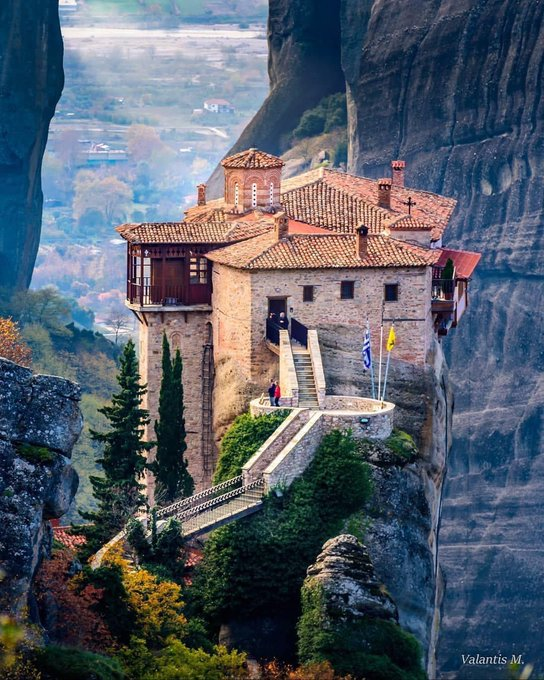
3. Meteora, Greece
When the Ottoman Empire spread across Europe, these monks climbed higher.
They built sanctuaries on rock pillars no army could reach.
Some are still active today.
When the Ottoman Empire spread across Europe, these monks climbed higher.
They built sanctuaries on rock pillars no army could reach.
Some are still active today.
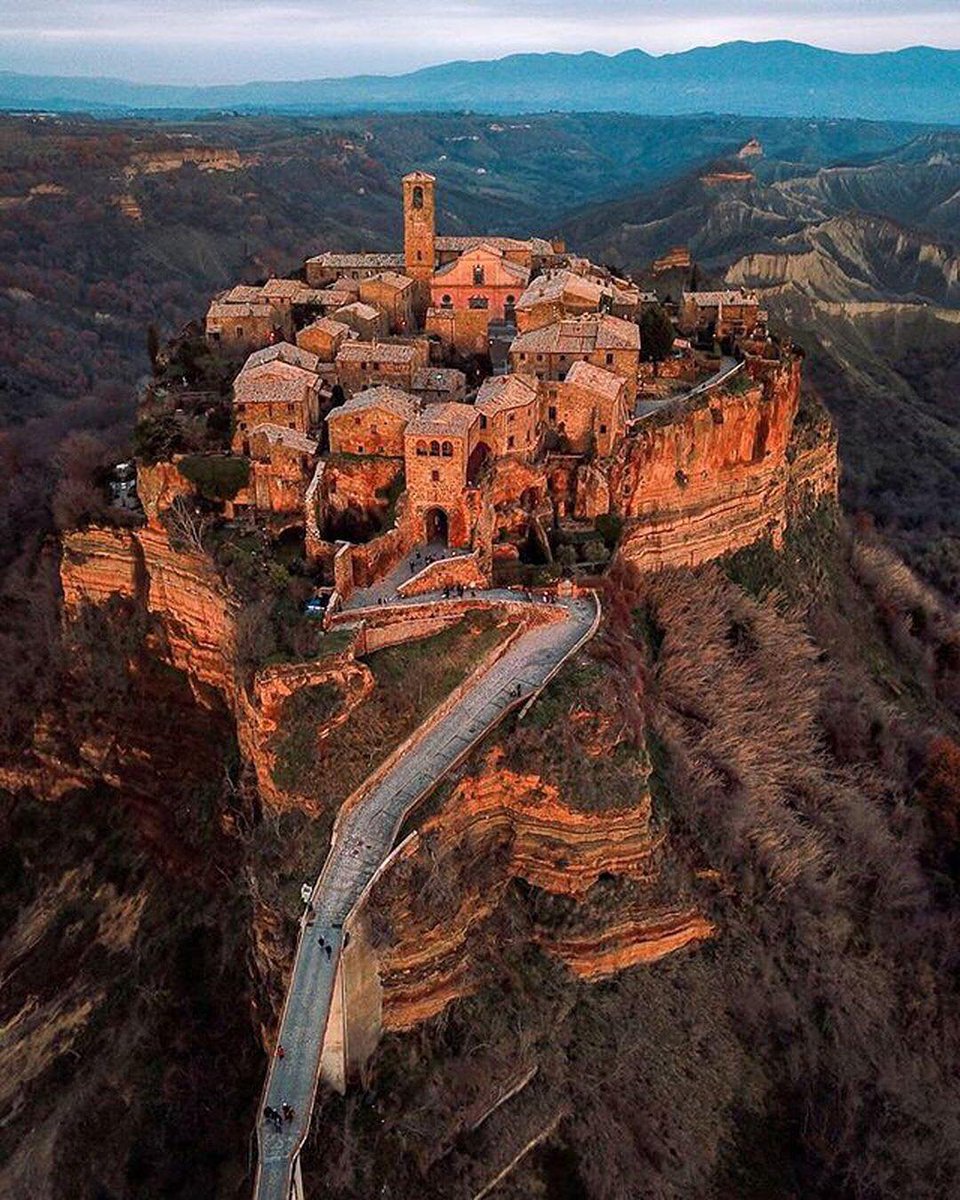
4. Civita di Bagnoregio, Italy
They called it “the dying town.”
Its cliffs are eroding. Its people left.
But it hasn’t fallen—yet.
And every morning, fog still wraps it like a secret.
They called it “the dying town.”
Its cliffs are eroding. Its people left.
But it hasn’t fallen—yet.
And every morning, fog still wraps it like a secret.
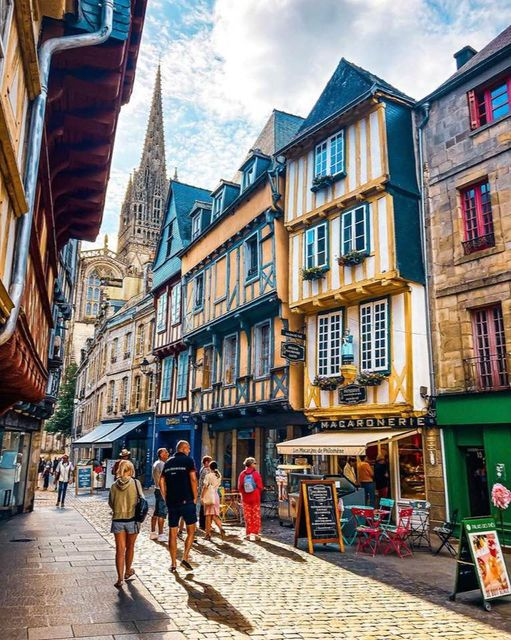
5. Brittany, France
The Romans tried to tame it.
The French kings claimed it.
But Brittany never forgot the Celts who came first.
Its coastlines still speak their language if you know where to listen.
The Romans tried to tame it.
The French kings claimed it.
But Brittany never forgot the Celts who came first.
Its coastlines still speak their language if you know where to listen.
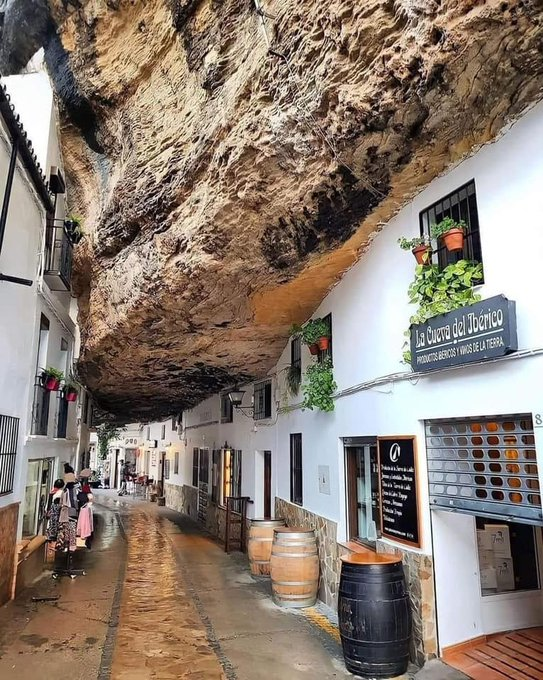
6. Setenil de las Bodegas, Spain
When you walk through this town, you're not just under rooftops.
You're under the actual cliff.
People still live here, sheltered by the same stone that protected Moorish rebels.
When you walk through this town, you're not just under rooftops.
You're under the actual cliff.
People still live here, sheltered by the same stone that protected Moorish rebels.
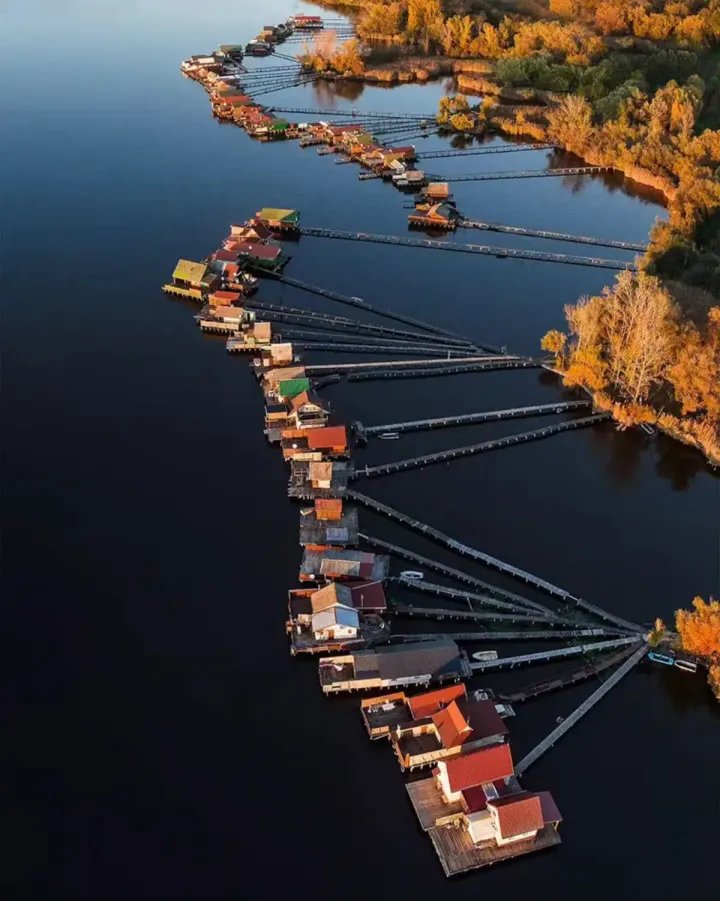
7. Bokodi, Hungary
No roads. No walls. No rush.
This floating village rests on a quiet lake. So quiet it missed every major war.
No roads. No walls. No rush.
This floating village rests on a quiet lake. So quiet it missed every major war.
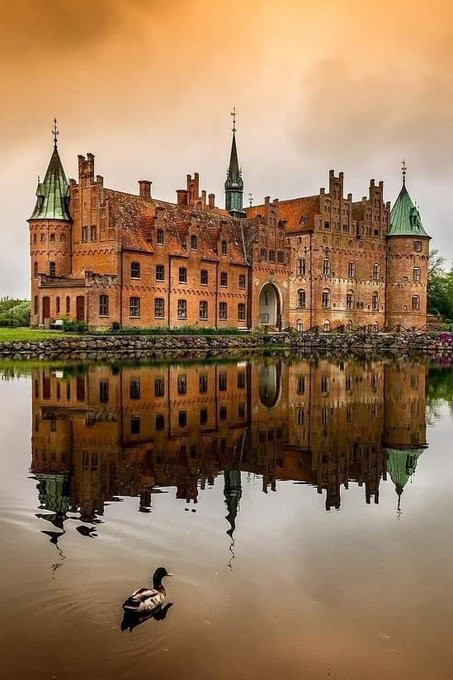
8. Egeskov Castle, Denmark
It looks like a fairy tale. But it was built to withstand siege.
Iron stakes beneath the moat. Hidden escape routes. Watch towers.
Today, it guards history instead of defending it.
It looks like a fairy tale. But it was built to withstand siege.
Iron stakes beneath the moat. Hidden escape routes. Watch towers.
Today, it guards history instead of defending it.
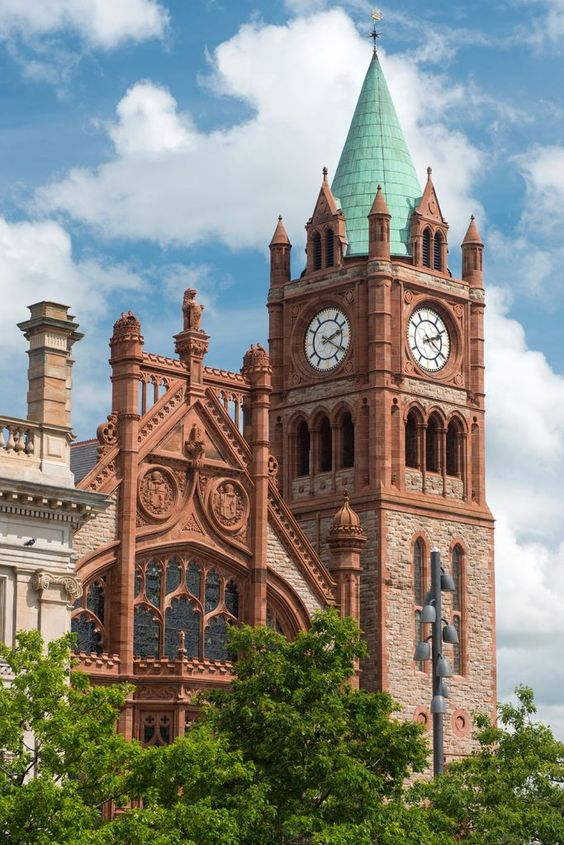
9. Derry, Northern Ireland
They tried to breach the walls in 1689. And failed.
Those same walls withstood every conflict since.
Walk them today, and you’re walking through defiance.
They tried to breach the walls in 1689. And failed.
Those same walls withstood every conflict since.
Walk them today, and you’re walking through defiance.
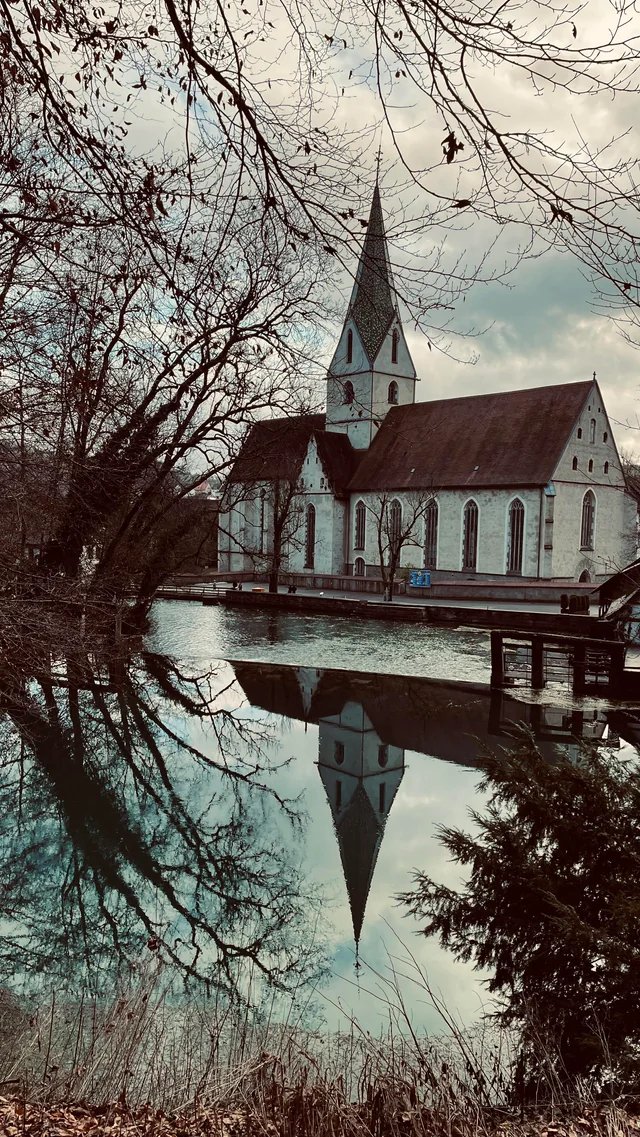
10. Blautopf, Germany
Medieval legends said it was bottomless. Some still believe it.
Blautopf’s blue spring hasn’t dried, faded, or aged.
It’s the same hue the Romans saw.
Medieval legends said it was bottomless. Some still believe it.
Blautopf’s blue spring hasn’t dried, faded, or aged.
It’s the same hue the Romans saw.
If you are enjoying this thread?
You’ll love our FREE newsletter that brings stories like these to your inbox:
newsletter.thecultureexplorer.com/subscribe
You’ll love our FREE newsletter that brings stories like these to your inbox:
newsletter.thecultureexplorer.com/subscribe
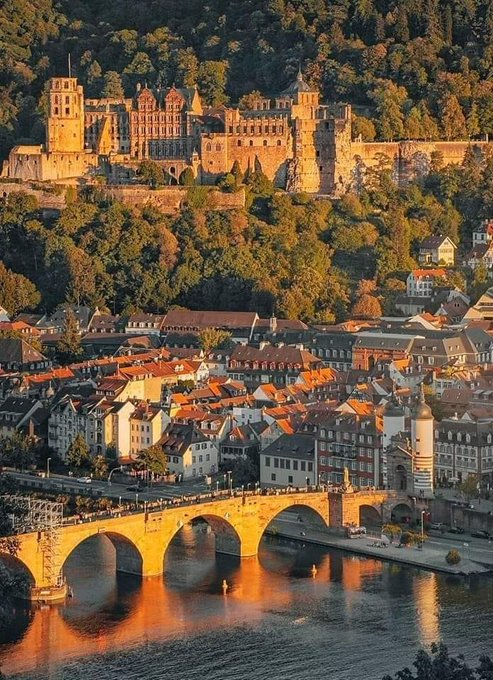
11. Greenland
No cities. No armies. No kings.
Just glaciers older than memory—and landscapes that rewrite your sense of time.
Here, the ice doesn't care who ruled.
No cities. No armies. No kings.
Just glaciers older than memory—and landscapes that rewrite your sense of time.
Here, the ice doesn't care who ruled.
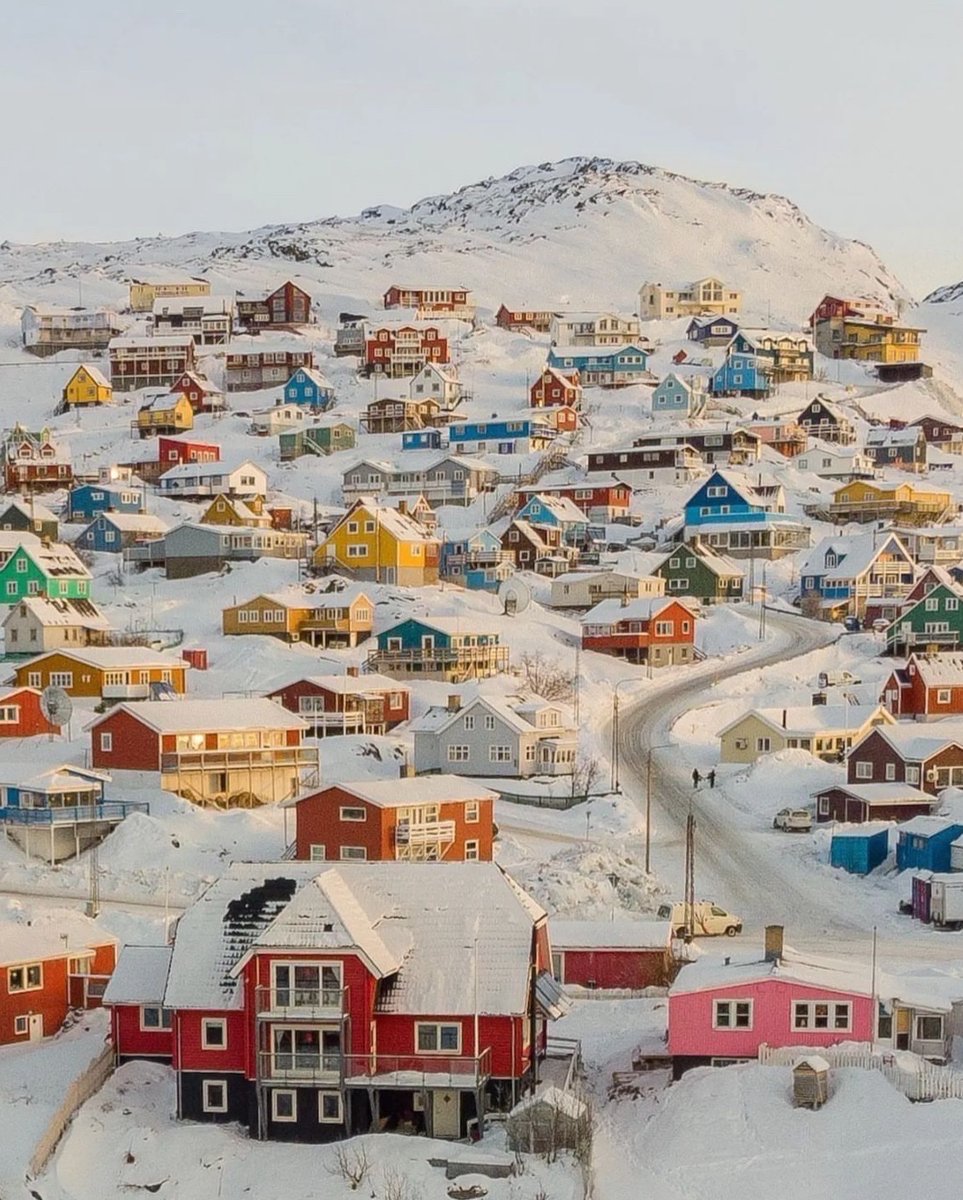
12. Malta
It should’ve fallen.
The Nazis bombed it over 3,000 times.
But Malta didn’t break.
Its stones still tell stories the world forgot.
It should’ve fallen.
The Nazis bombed it over 3,000 times.
But Malta didn’t break.
Its stones still tell stories the world forgot.
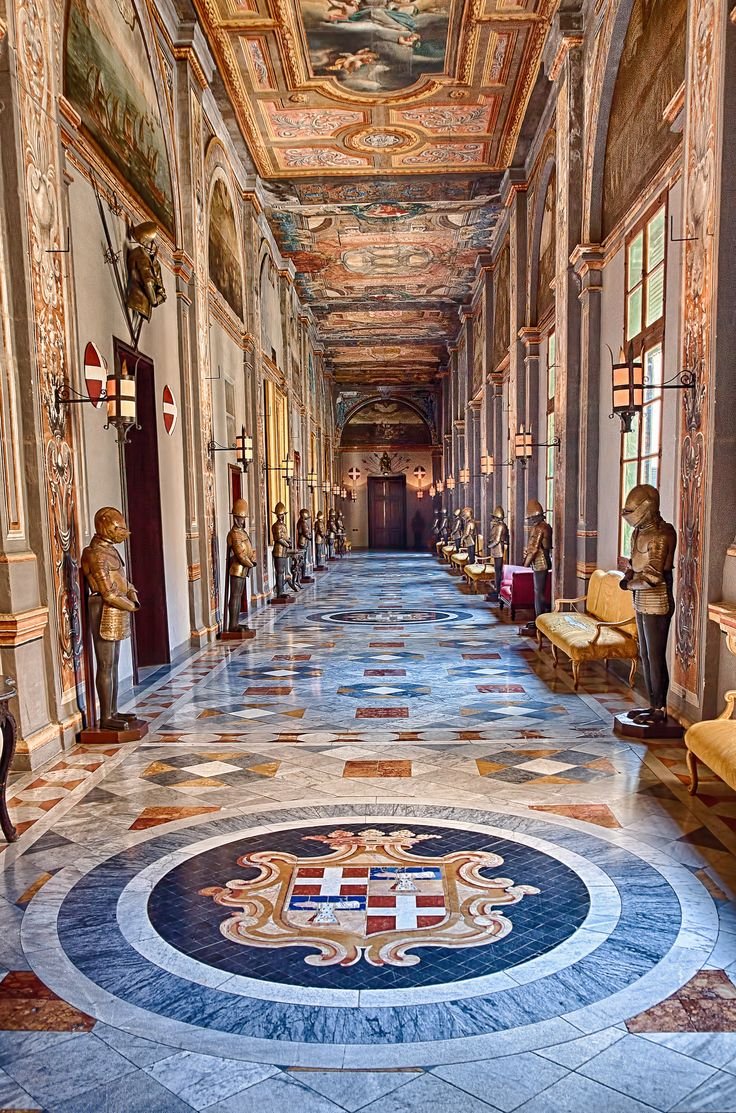
13. Dartlo, Georgia
No roads. No Wi-Fi. No rush.
This mountain village in the Caucasus still keeps watch from 6,000 feet up.
Nothing much happens here—except survival.
No roads. No Wi-Fi. No rush.
This mountain village in the Caucasus still keeps watch from 6,000 feet up.
Nothing much happens here—except survival.
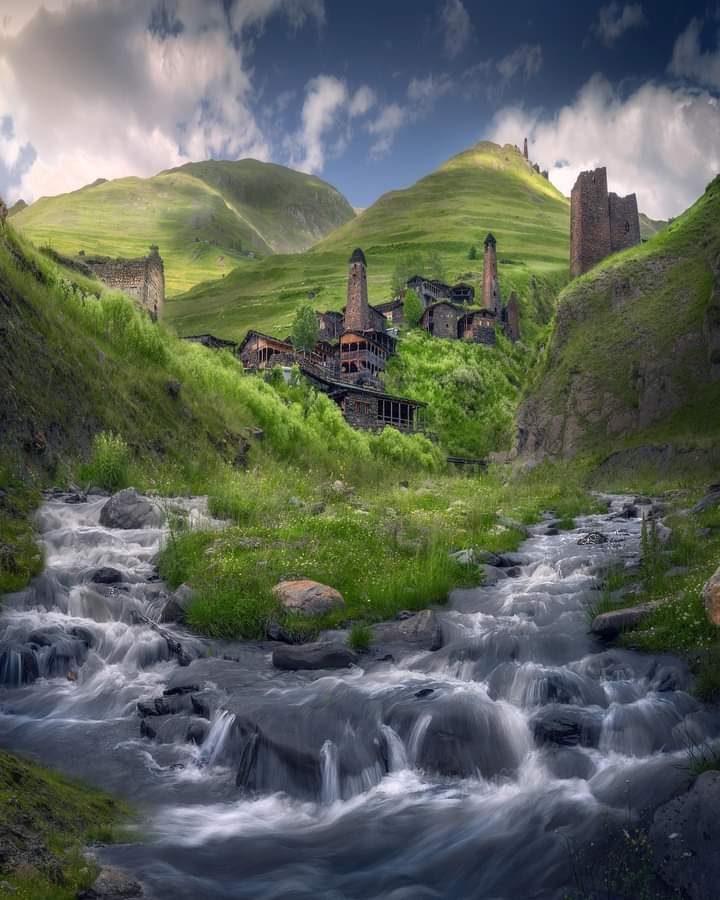
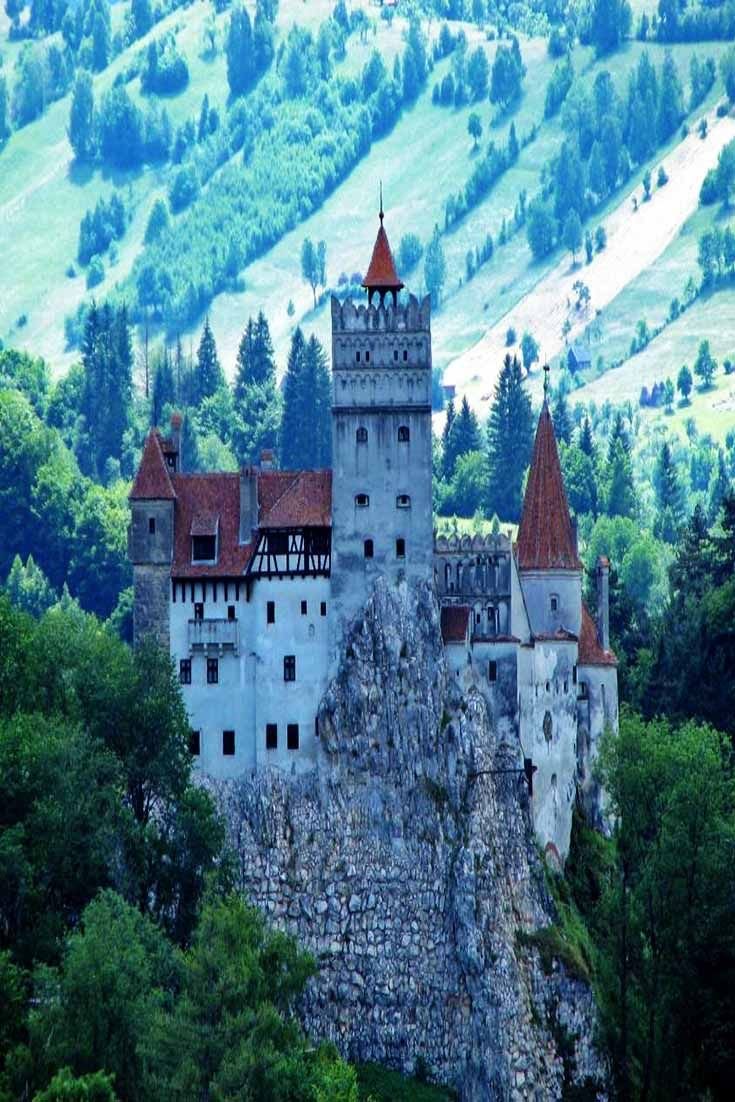
14. Transylvania, Romania
Dracula made it famous. But the real legends came first.
Ottoman invasions. Fortress towers. Secret tunnels.
And yet, the mountains remain still.
Dracula made it famous. But the real legends came first.
Ottoman invasions. Fortress towers. Secret tunnels.
And yet, the mountains remain still.
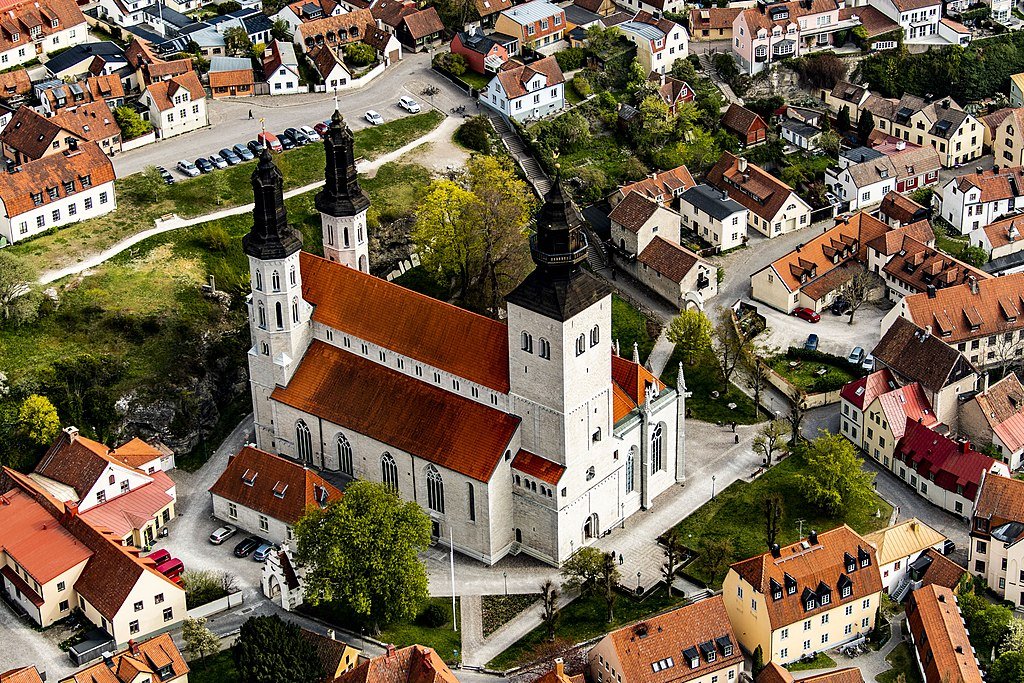
15. Gotland, Sweden
Once a Viking trading post. Then a Crusader fort.
Now, it’s a quiet island of ruins and ramparts—surrounded by silence.
It didn’t vanish. It just stopped shouting.
Once a Viking trading post. Then a Crusader fort.
Now, it’s a quiet island of ruins and ramparts—surrounded by silence.
It didn’t vanish. It just stopped shouting.
Which place would you add to the list?
The more hidden, the better.
The more hidden, the better.
• • •
Missing some Tweet in this thread? You can try to
force a refresh