In 1990, a Black Democratic legislator who ran Jesse Jackson's campaigns twice implemented Milton Friedman's free-market education ideas.
This is how liberty can win through unlikely alliances. 🧵
This is how liberty can win through unlikely alliances. 🧵
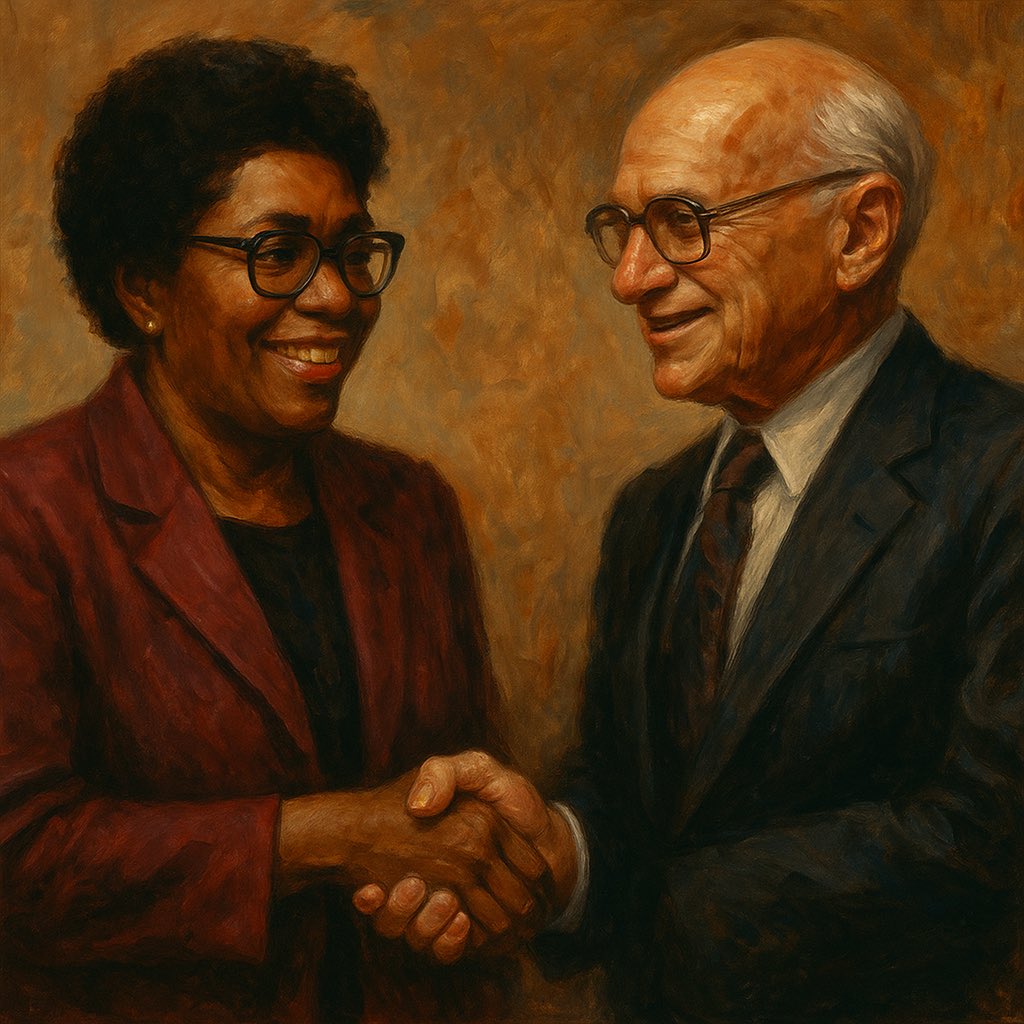
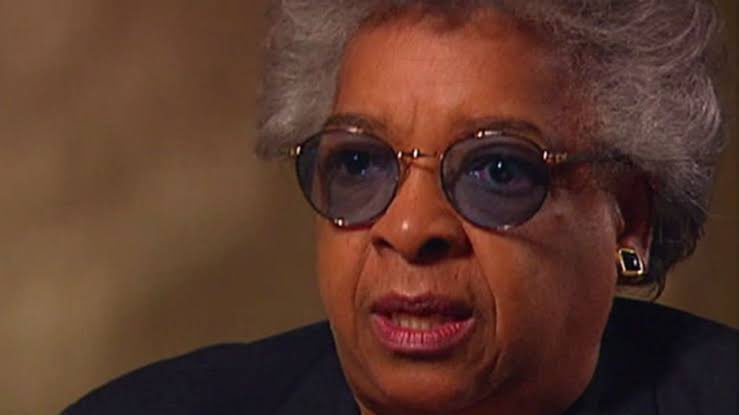
Meet Polly Williams and Milton Friedman. On paper, they had nothing in common.
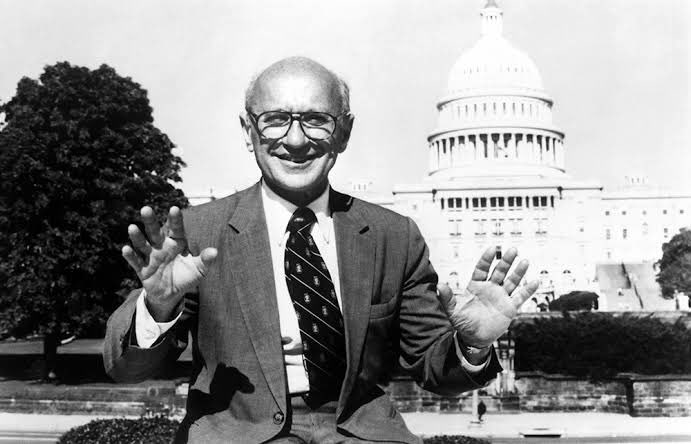
Friedman: Nobel Prize-winning economist, architect of free-market theory.
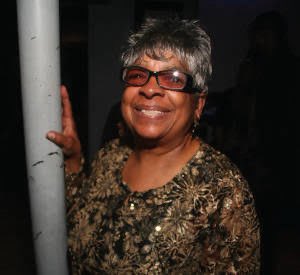
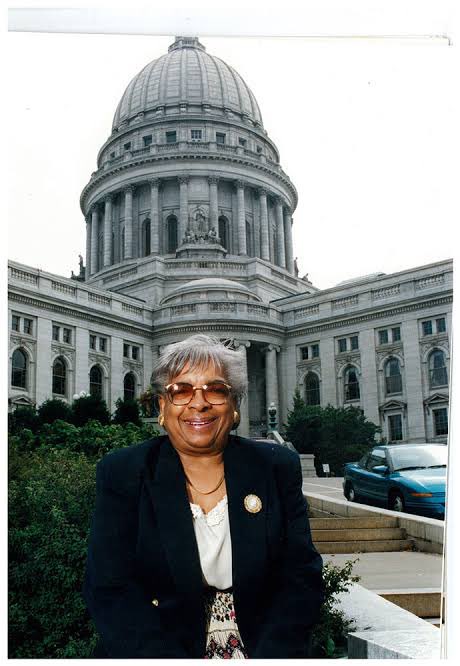
Williams: Former welfare recipient, inner-city Milwaukee representative, civil rights activist.
Yet together, they revolutionized American education.
Friedman: Nobel Prize-winning economist, architect of free-market theory.
Williams: Former welfare recipient, inner-city Milwaukee representative, civil rights activist.
Yet together, they revolutionized American education.
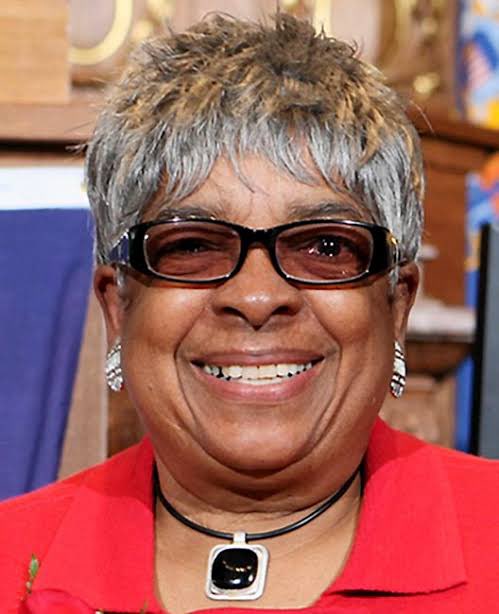
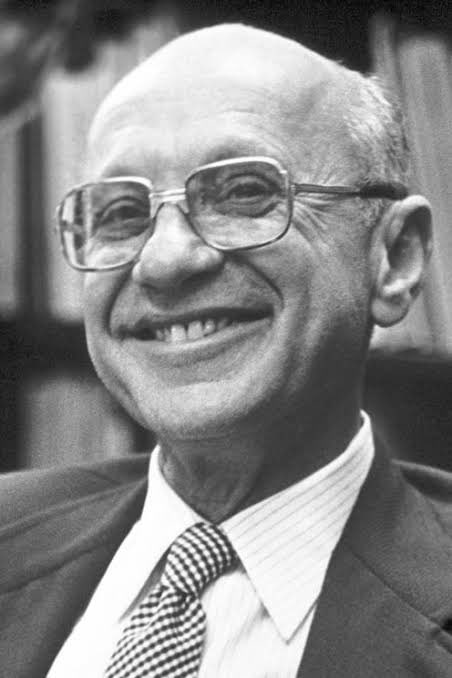
In 1955, Friedman published "The Role of Government in Education," arguing that parents should control education dollars through vouchers.
Competition would improve schools, he claimed. But for 35 years, it remained academic theory.
Williams would make it reality, though for completely different reasons.
Competition would improve schools, he claimed. But for 35 years, it remained academic theory.
Williams would make it reality, though for completely different reasons.
Williams wasn't interested in economic theory.
She was furious about forced busing that sent Black children on 45-minute rides across Milwaukee while white kids stayed in neighborhood schools.
"The burden of desegregation was put on Black children," she said. "Our children were being taken out of our community."
She was furious about forced busing that sent Black children on 45-minute rides across Milwaukee while white kids stayed in neighborhood schools.
"The burden of desegregation was put on Black children," she said. "Our children were being taken out of our community."

When the education establishment told frustrated parents "What do parents know? They're not educated," Williams had enough.
She wanted power in the hands of parents, especially low-income families who "always get left out" when programs claim to help them but benefit others instead.
She wanted power in the hands of parents, especially low-income families who "always get left out" when programs claim to help them but benefit others instead.
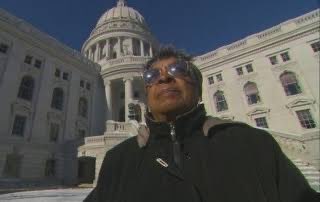
Williams formed what she called "The Unholy Alliance."
Out of 99 Assembly members, she needed 50 votes.
Her own Democratic Party opposed her.
The teachers' unions opposed her.
Liberal establishment opposed her.
So she worked with conservative Republicans who supported Friedman's market approach.
Out of 99 Assembly members, she needed 50 votes.
Her own Democratic Party opposed her.
The teachers' unions opposed her.
Liberal establishment opposed her.
So she worked with conservative Republicans who supported Friedman's market approach.
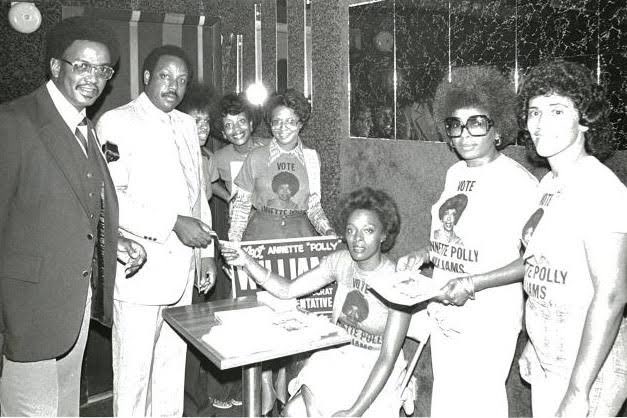
The coalition made strategic sense. Republicans got to pilot free-market education reform.
Williams got to empower low-income Black families trapped in failing schools.
Both sides focused on the outcome they wanted rather than ideological purity about who they worked with.
Williams got to empower low-income Black families trapped in failing schools.
Both sides focused on the outcome they wanted rather than ideological purity about who they worked with.
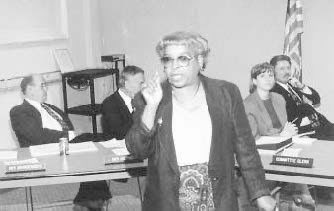
Williams insisted on three non-negotiable principles:
Only low-income families could qualify.
Parents—not bureaucrats—would choose schools.
Participating schools couldn't cherry-pick students.
This wasn't about helping the wealthy; it was about giving poor families the same choices rich families already had.
Only low-income families could qualify.
Parents—not bureaucrats—would choose schools.
Participating schools couldn't cherry-pick students.
This wasn't about helping the wealthy; it was about giving poor families the same choices rich families already had.
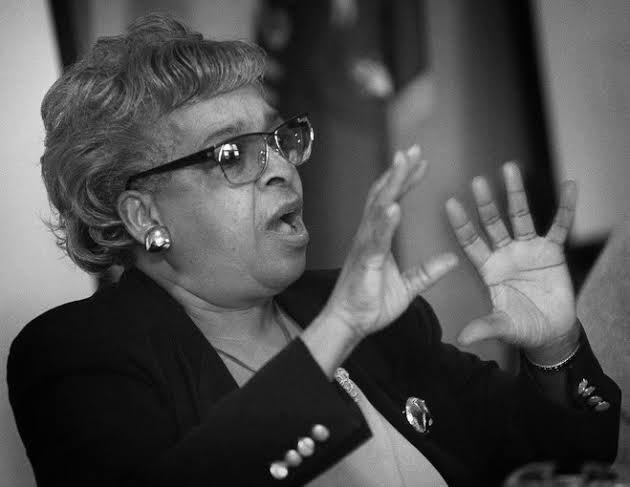
The opposition tried everything to stop them.
They proposed a fake choice program where the school district would select students based on "seven negative criteria"—essentially designing it to fail.
Williams rallied 200 parents to testify for three hours. Her colleagues couldn't vote against those parents.
They proposed a fake choice program where the school district would select students based on "seven negative criteria"—essentially designing it to fail.
Williams rallied 200 parents to testify for three hours. Her colleagues couldn't vote against those parents.
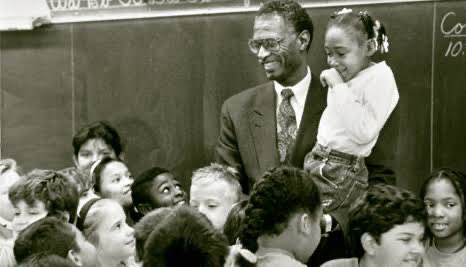
The Milwaukee Parental Choice Program launched with 1,000 students receiving $2,500 vouchers for private schools.
It was the first modern school choice program in America.
Not because of abstract economic theory, but because a grassroots leader found practical allies to solve real problems.
It was the first modern school choice program in America.
Not because of abstract economic theory, but because a grassroots leader found practical allies to solve real problems.
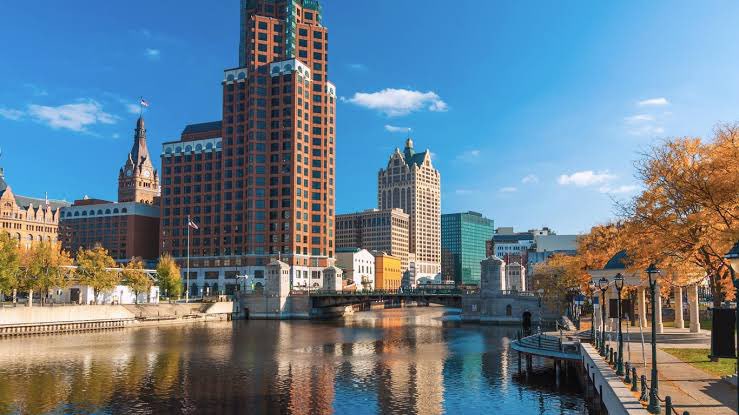
Williams understood something many liberty advocates miss: "Labels do not tell you much about me.
I'm not a liberal; I believe in what works."
She worked with Jack Kemp and Newt Gingrich because they shared her goal of empowering families, not because they shared her party affiliation.
I'm not a liberal; I believe in what works."
She worked with Jack Kemp and Newt Gingrich because they shared her goal of empowering families, not because they shared her party affiliation.
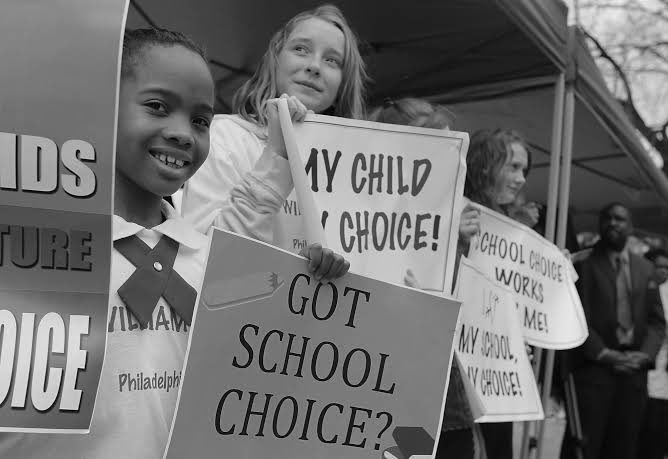
When asked if her Republican allies were sincere about helping Black families, Williams replied: "I don't care. I think they are, but they don't have to be.
They just have to sincerely want to push my agenda." Results mattered more than motivations.
They just have to sincerely want to push my agenda." Results mattered more than motivations.
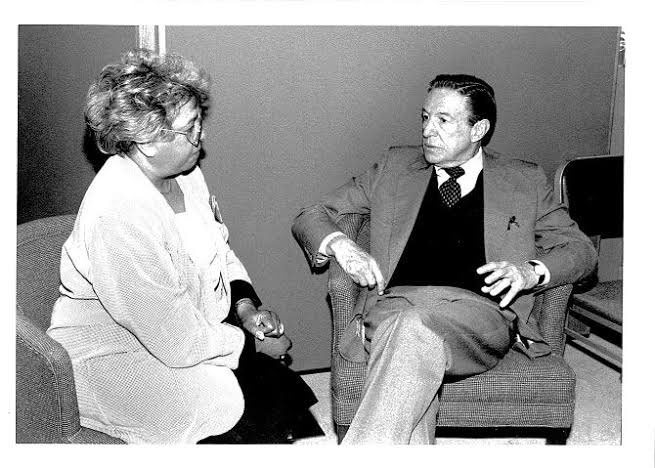
The lesson for today's liberty advocates is clear: Stop demanding ideological purity and start building coalitions around shared outcomes.
Williams proved that a welfare recipient and a free-market economist can both want to empower individuals—just for different reasons.
Williams proved that a welfare recipient and a free-market economist can both want to empower individuals—just for different reasons.
Whether you're fighting campus speech codes, occupational licensing, or administrative overreach, remember Williams' approach.
Find people who want the same practical outcomes you do, even if they arrive there from different philosophical starting points.
Find people who want the same practical outcomes you do, even if they arrive there from different philosophical starting points.
True liberty advances when we focus on empowering individuals rather than winning partisan battles.
Sometimes the best ally for free-market solutions is someone who's never read Hayek but knows firsthand what it means to be trapped by government systems.
Sometimes the best ally for free-market solutions is someone who's never read Hayek but knows firsthand what it means to be trapped by government systems.

Williams changed American education forever by understanding what many miss: politics is about building coalitions, not finding perfect ideological matches.
She got results by finding common ground with people who shared her goal of empowering families.
She got results by finding common ground with people who shared her goal of empowering families.
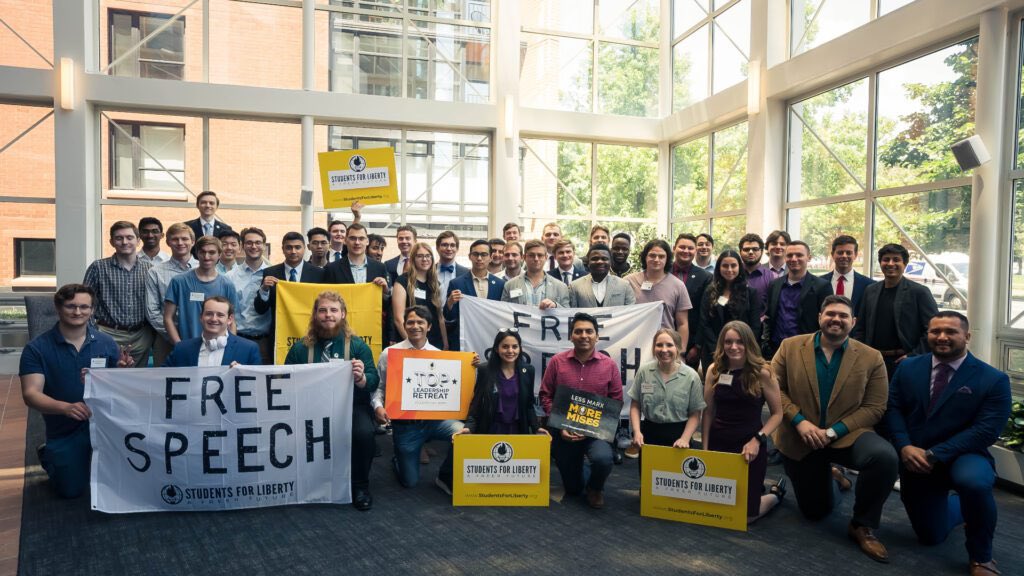
Ready to learn how to navigate hostile campus environments without compromising your principles? The College Survival Kit teaches you to debate professors, connect with allies, and turn setbacks into opportunities—just like Polly Williams did in Wisconsin.
Get your free copy: go.studentsforliberty.org/college-surviv…
Get your free copy: go.studentsforliberty.org/college-surviv…
• • •
Missing some Tweet in this thread? You can try to
force a refresh