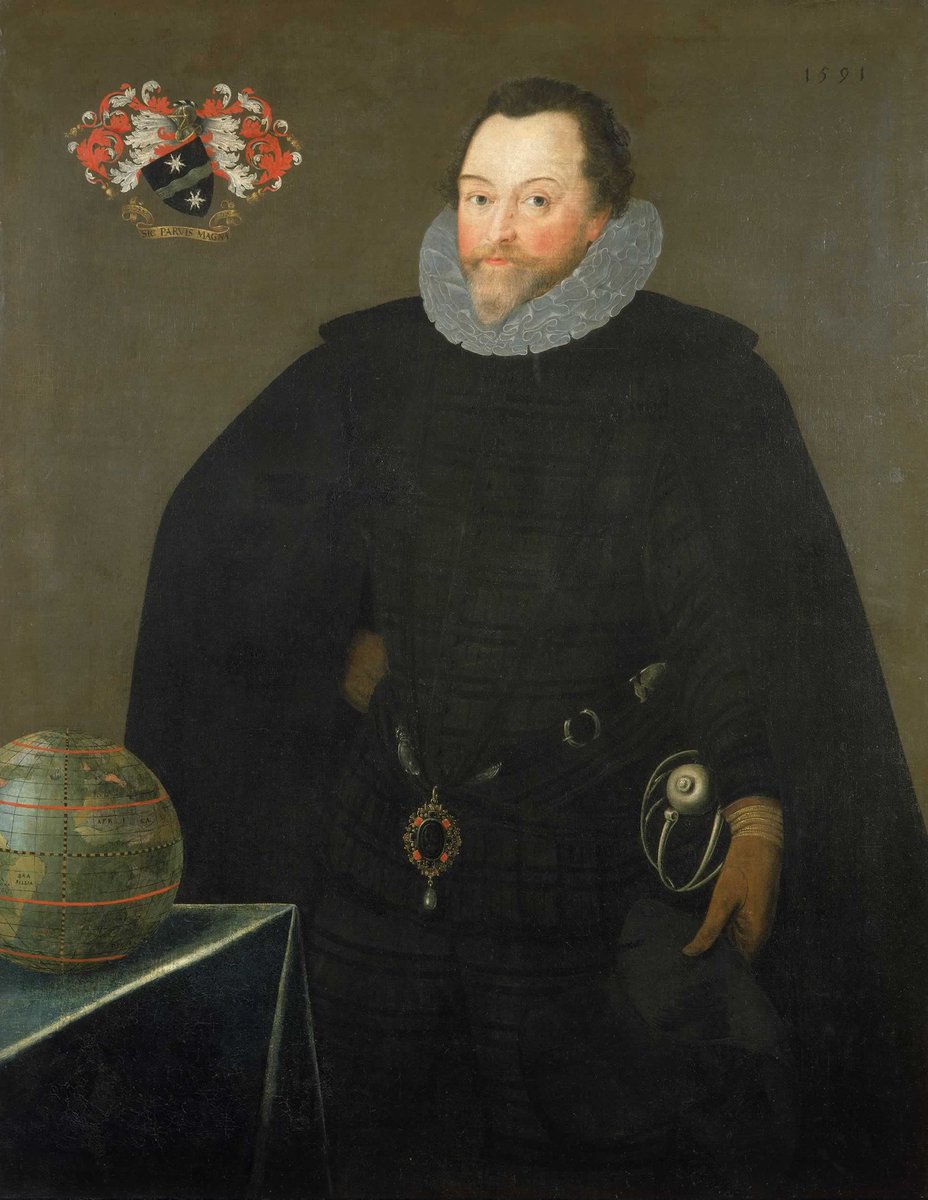
In 1607, a group of English colonists landed in Virginia with the aim of establishing a permanent settlement in the Americas.
This is the story of the founding of Jamestown.
A thread 🧵
This is the story of the founding of Jamestown.
A thread 🧵

England was desperate to catch up with their European counterparts, who had by now settled vast swathes of the Americas.
After failed attempts, most notably at Roanoke, they were keen to get this one right.
After failed attempts, most notably at Roanoke, they were keen to get this one right.

The London company of Virginia was launched on the 10th of April 1606 as a joint stock enterprise to raise capital for the founding of such a settlement.
Wealthy investors poured money into stocks hoping for a healthy return if the new settlers found gold or silver.
Wealthy investors poured money into stocks hoping for a healthy return if the new settlers found gold or silver.
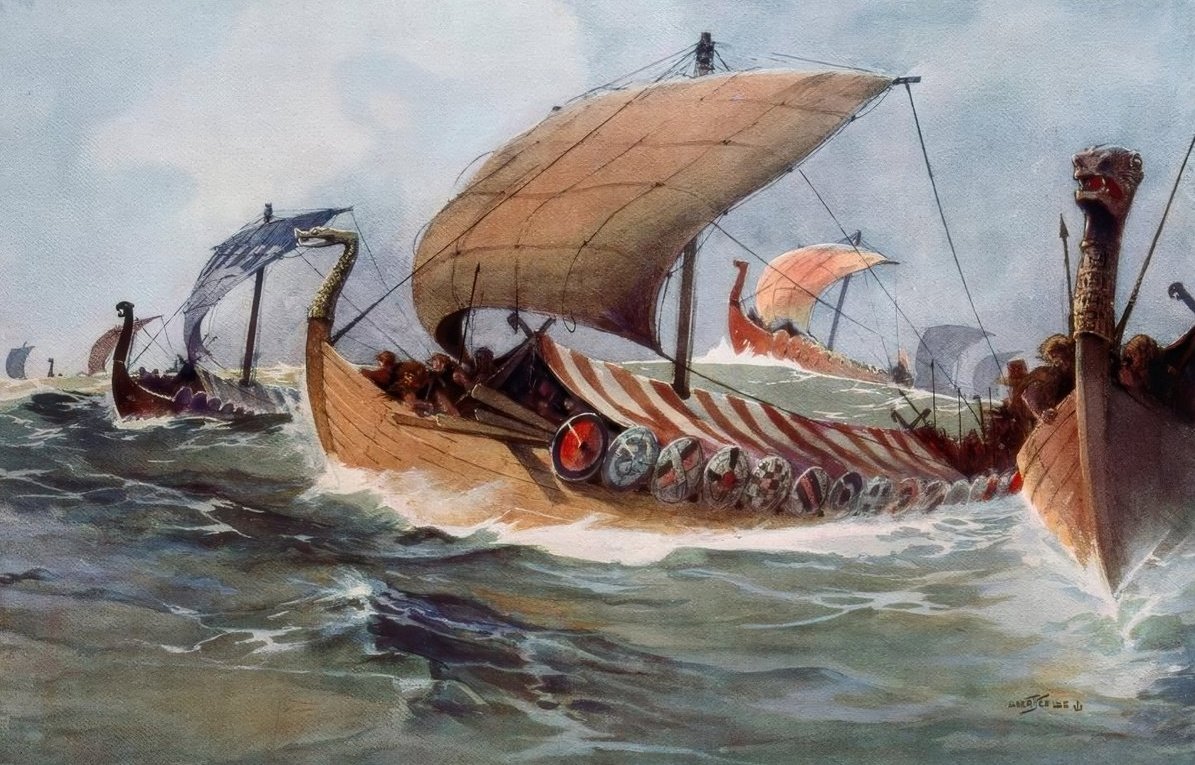
The company acquired 3 ships for the venture, the Susan Constant, Discovery and God Speed all under the command of Christopher Newport.
Recruitment then got underway with about 105 men and boys signing up for the enterprise.
Recruitment then got underway with about 105 men and boys signing up for the enterprise.
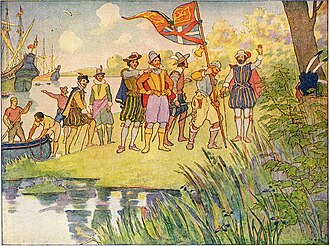
The group set sail on the 6th of December 1606.
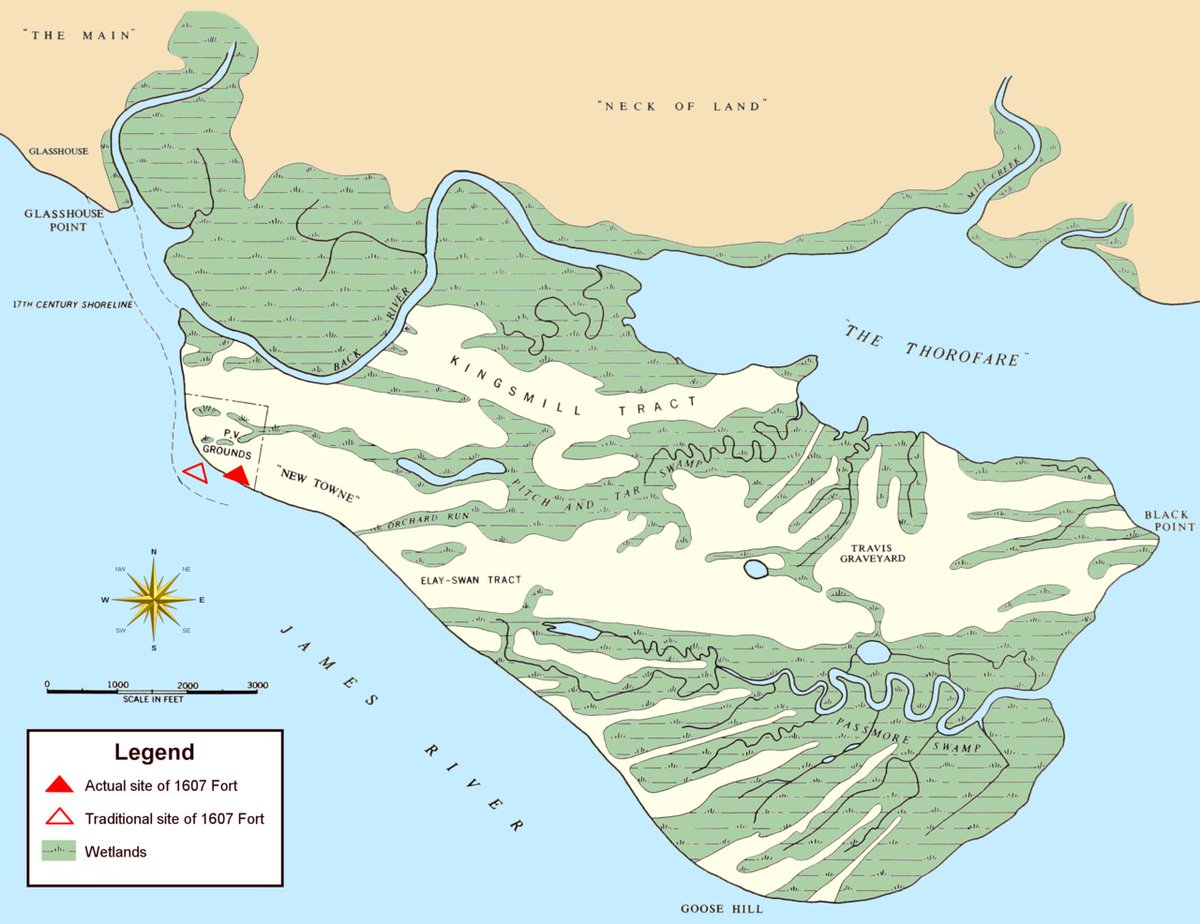
They landed the following April, and after some initial explorations they picked a spot on a peninsula about 40 miles inland.
It was picked for it's easily defensible position, deep water access and it was seemingly uninhabited.
They landed the following April, and after some initial explorations they picked a spot on a peninsula about 40 miles inland.
It was picked for it's easily defensible position, deep water access and it was seemingly uninhabited.
Upon their arrival they opened their orders from the company, which had remained sealed the entire journey.
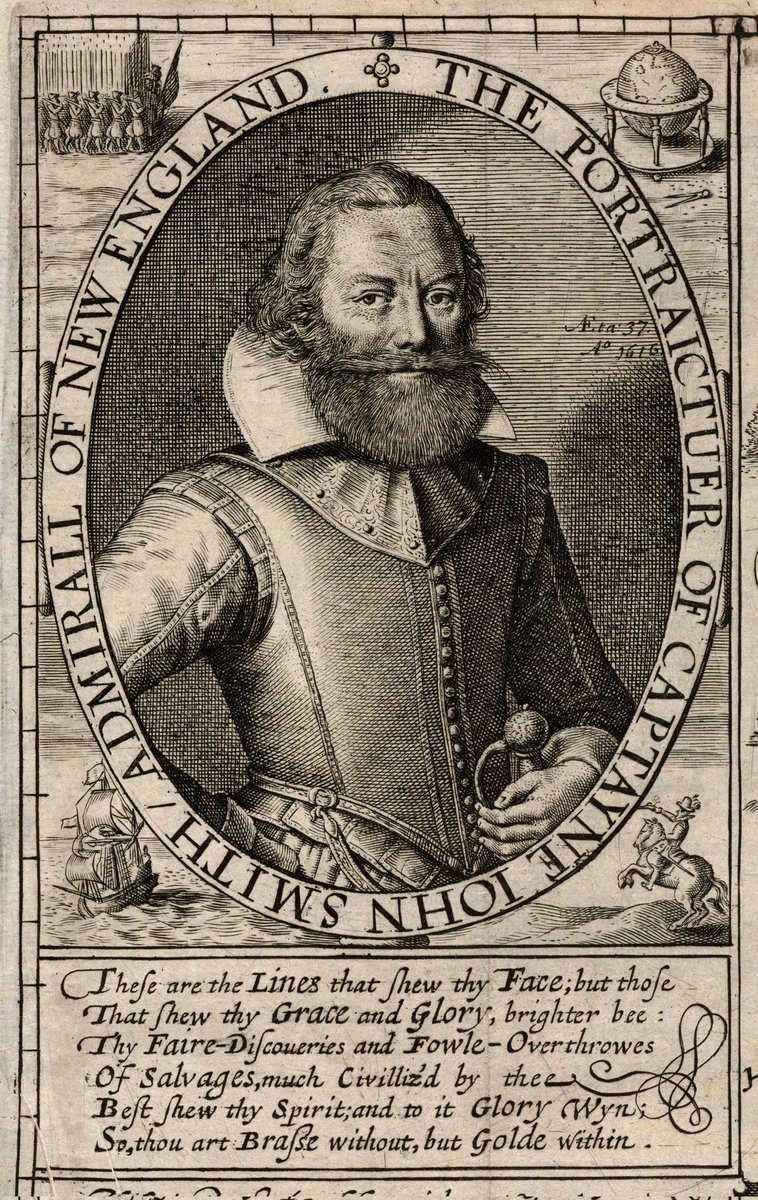
The orders elected Edward Winfield as the first president with a council of six beneath him, notably Captain John Smith was named as one of the six members.
The orders elected Edward Winfield as the first president with a council of six beneath him, notably Captain John Smith was named as one of the six members.
A fort was quickly constructed to protect against any would be attackers be they Spanish or Powhatan Indians.
Once the fort was constructed the colonists, mostly made up of upper class gentleman, began to search for signs of gold and silver.
Once the fort was constructed the colonists, mostly made up of upper class gentleman, began to search for signs of gold and silver.
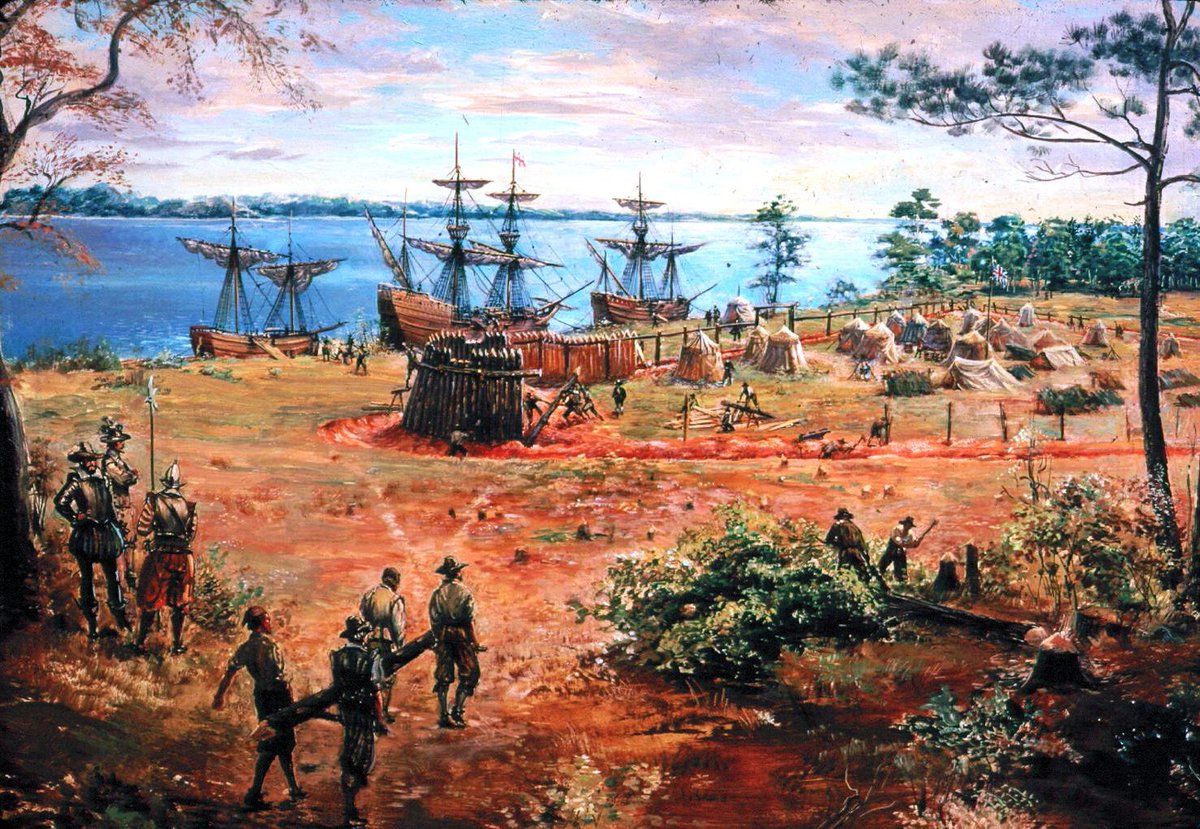
There was little effort put into farming, construction nor even searching for a viable water source.
Not quite what you would expect from a wanna be permanent colony, but they had investors to please.
Not quite what you would expect from a wanna be permanent colony, but they had investors to please.
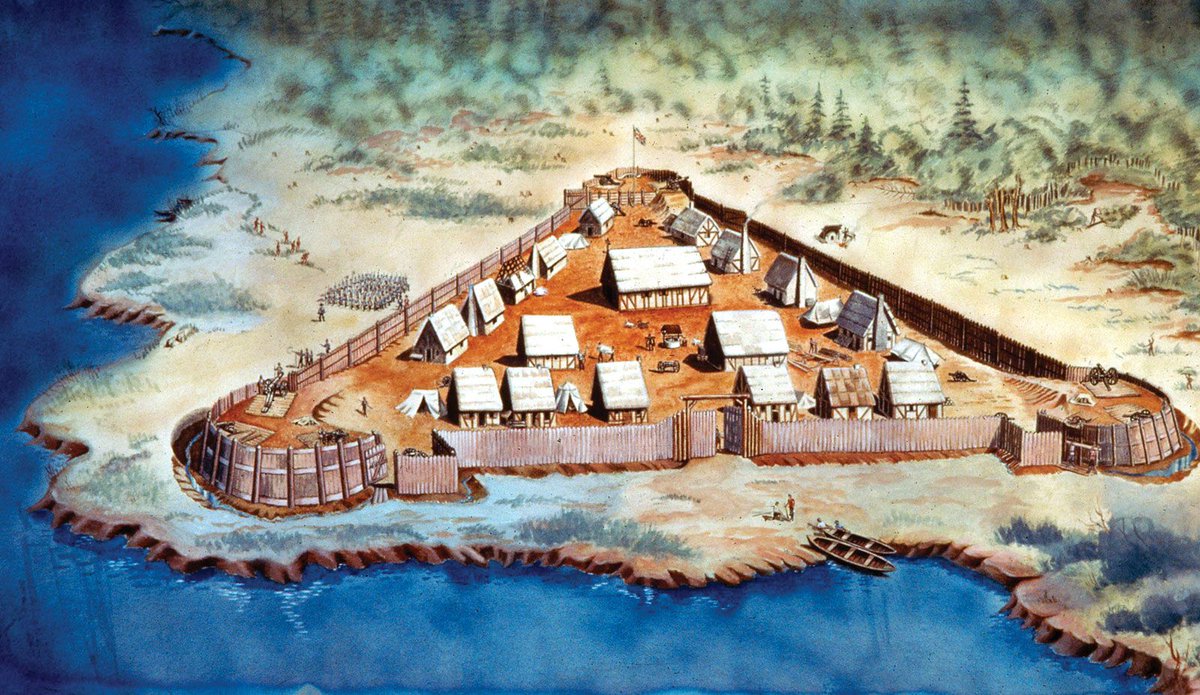
The location, whilst defensible was actually a swampy flat.
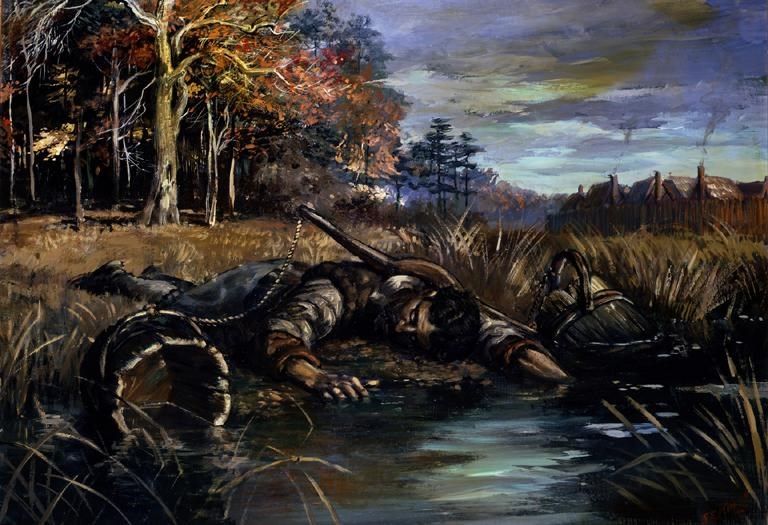
The water was contaminated and the men were subjected to attacks from mosquitoes which results in the death of many.
Another major issue was food shortages, the supplies they brought with them would not last forever.
The water was contaminated and the men were subjected to attacks from mosquitoes which results in the death of many.
Another major issue was food shortages, the supplies they brought with them would not last forever.
Initially the Powhawtan were willingly to trade food stuffs for goods and thus the colony was kept afloat.
However, this amicable relationship wavered during drought months which left the colonists at the mercy of the natives as well as the weather.
However, this amicable relationship wavered during drought months which left the colonists at the mercy of the natives as well as the weather.
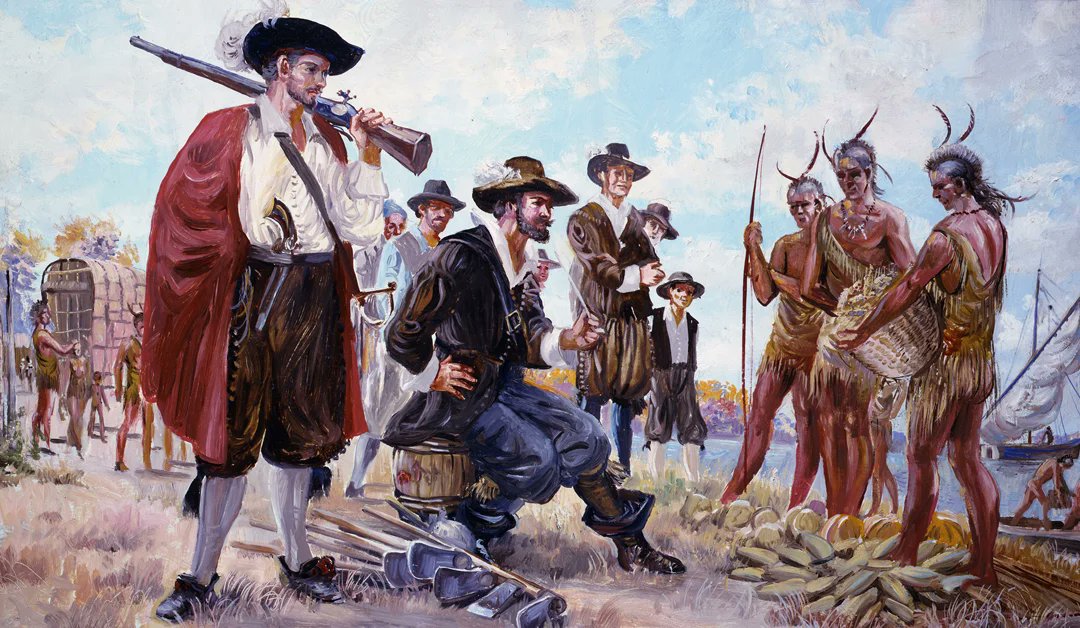
When reinforcements arrived in 1608 instead of plenty of workers, farmers and doctors, they brought them gold workers and refiners who organised excavations of the river bed.
One settler remarked:
"There was no talke, no hope, no worke, but dig gold, refine gold, load gold."
One settler remarked:
"There was no talke, no hope, no worke, but dig gold, refine gold, load gold."
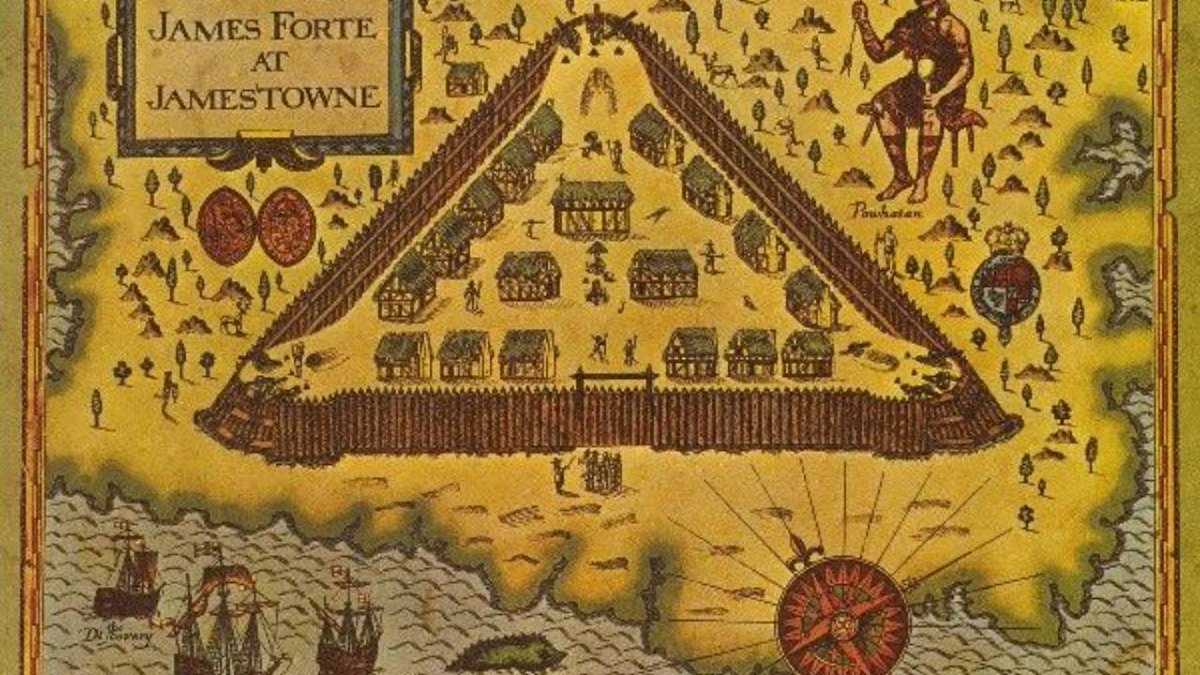
By 1608, the death toll of the settlers was staggering, over 60 of the original 105 were dead.
And then John Smith was elected president.
Smith reorganised the colony putting discipline and hard work above financial gain
His motto was:
"He that will not work, shall not eat".
And then John Smith was elected president.
Smith reorganised the colony putting discipline and hard work above financial gain
His motto was:
"He that will not work, shall not eat".
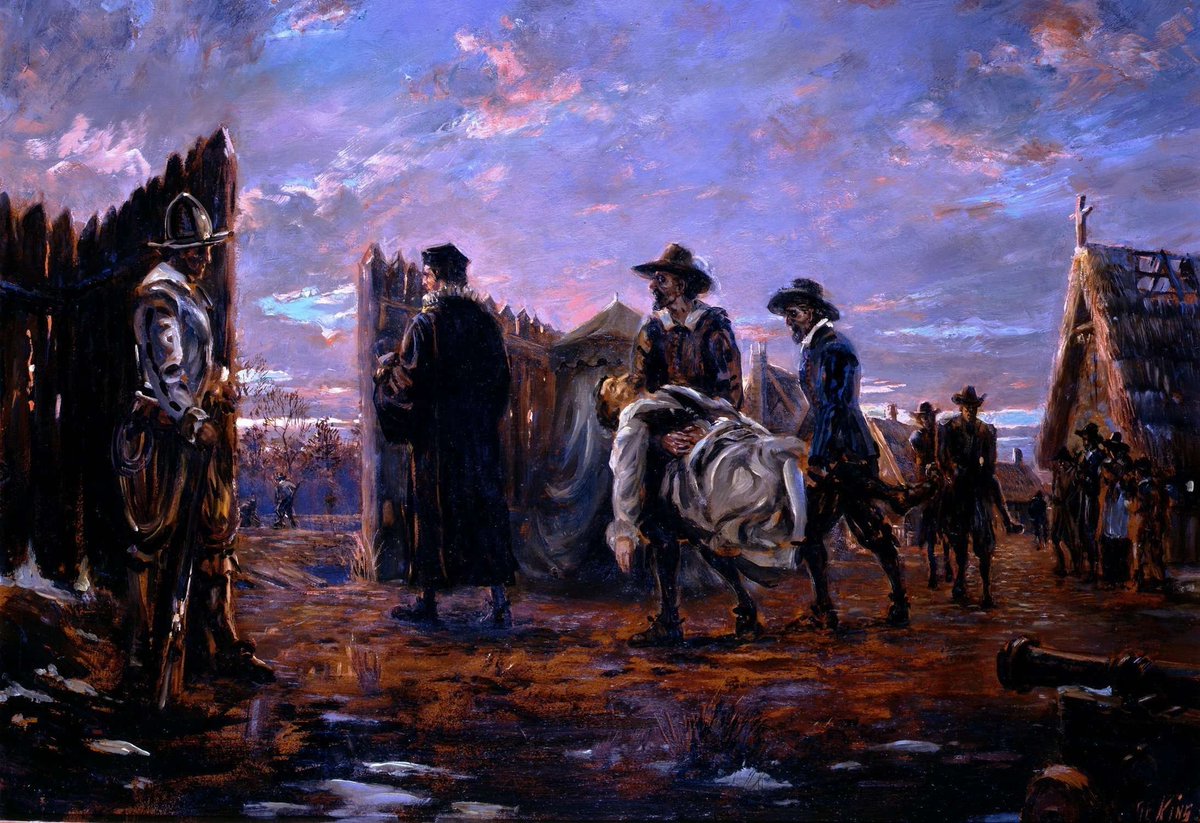
The fledgling colony was soon turned around under the tutelage of Smith.
He also attempted to open relations with Chief Powhatan, which very nearly resulted in his own death.
Luckily he was saved (twice) by the chief's own daughter Pocahontas.
He also attempted to open relations with Chief Powhatan, which very nearly resulted in his own death.
Luckily he was saved (twice) by the chief's own daughter Pocahontas.
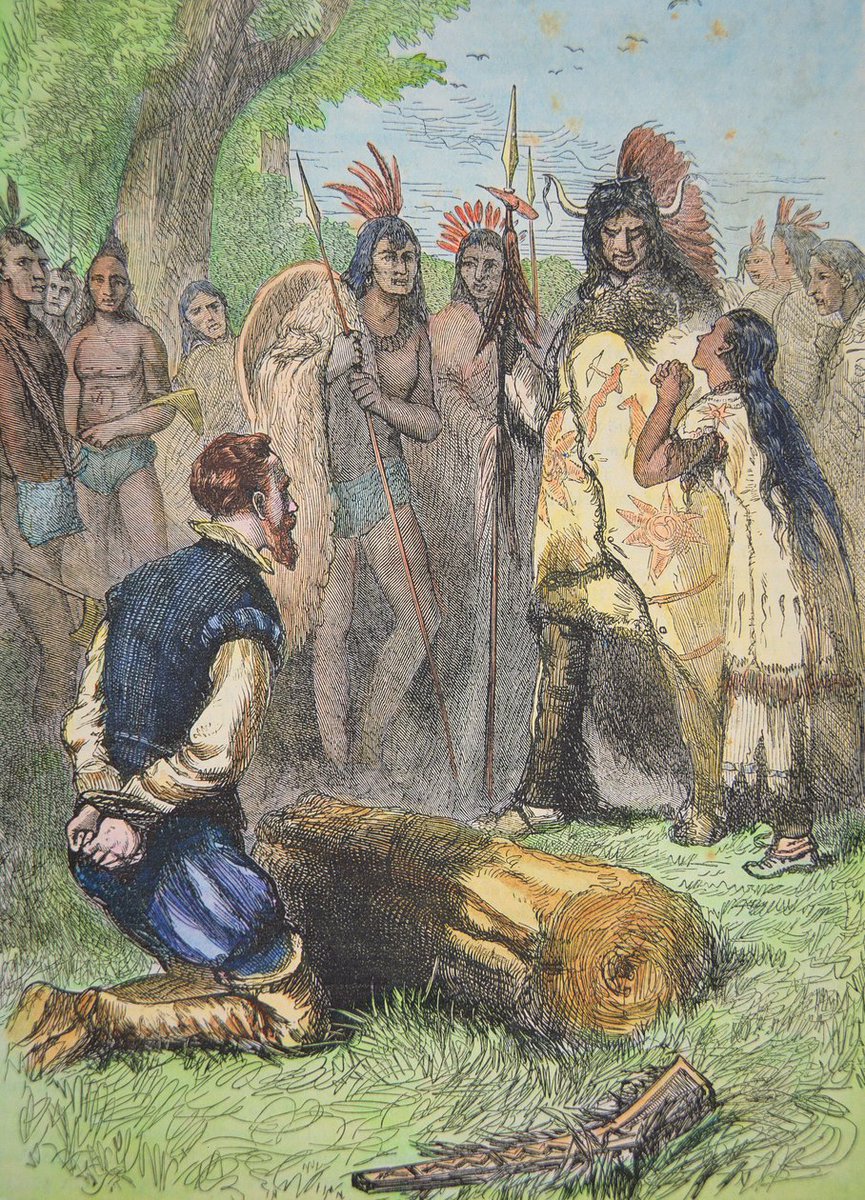
During Smith's presidency the colony began to flourish, houses were constructed, farms were tended, and explorations of the region were undertaken.
However, In late 1609, Smith was injured in a gun powder explosion and was forced to return to England.
However, In late 1609, Smith was injured in a gun powder explosion and was forced to return to England.
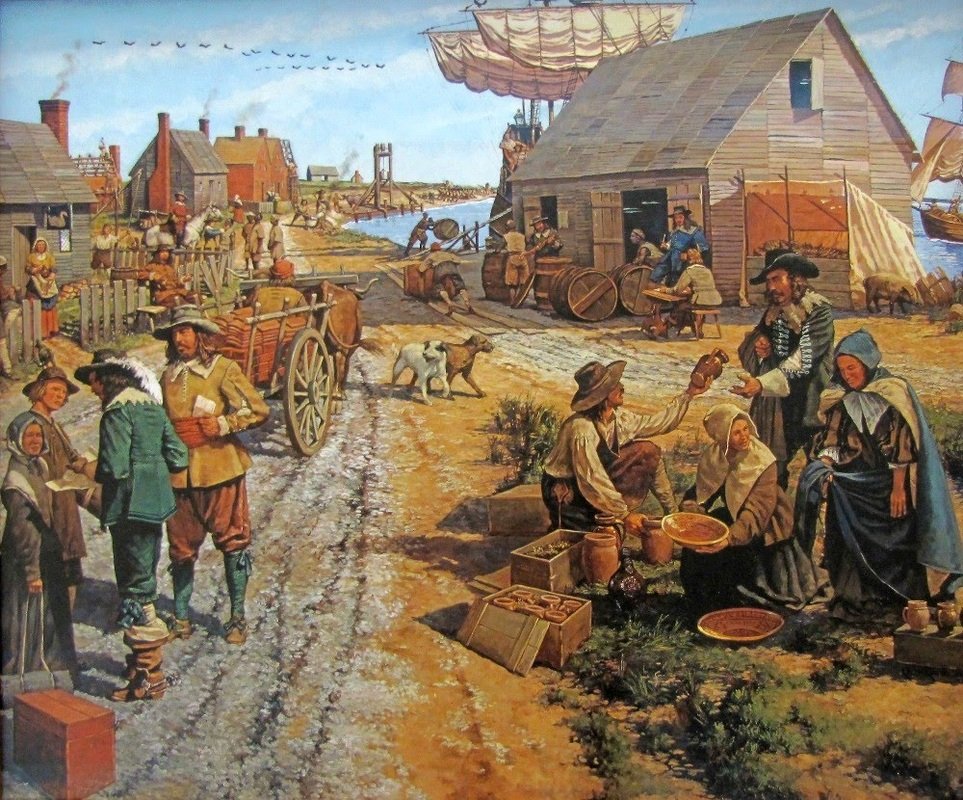
The years following Smith's departure are known as the starving times.
Pests, disease and drought wrecked the settlers crops and the Powhatan now held the view that the English had overstayed their welcome, and began to withhold food supplies.
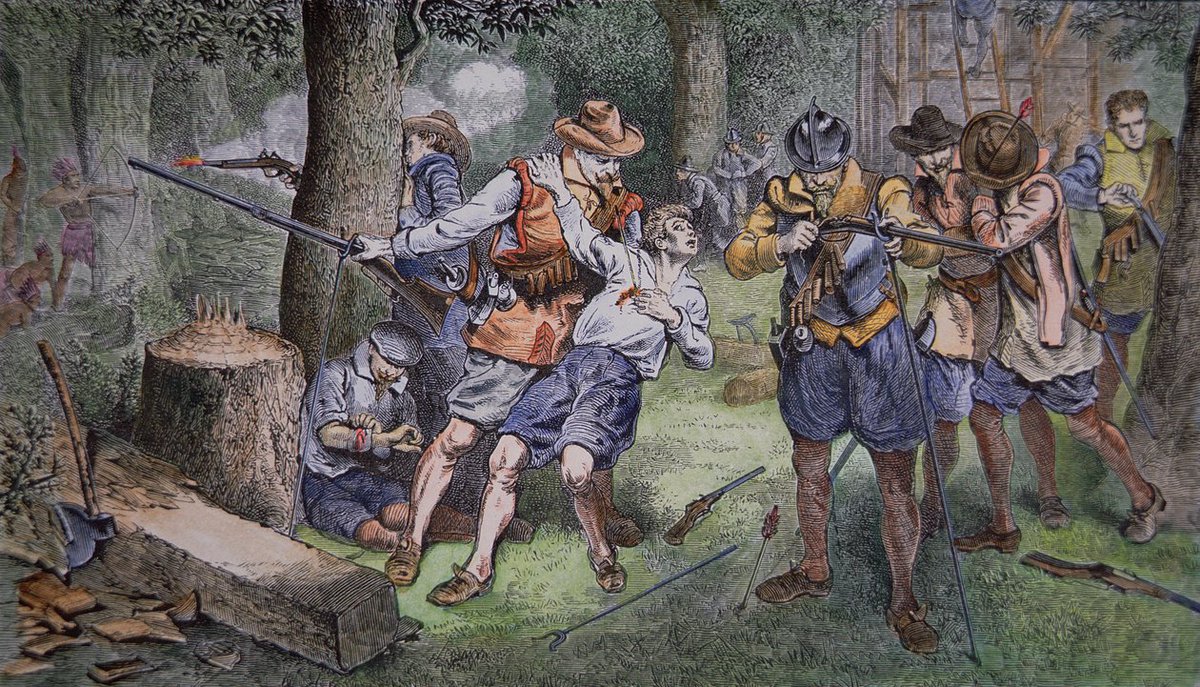
Hostilities often broke out.
Pests, disease and drought wrecked the settlers crops and the Powhatan now held the view that the English had overstayed their welcome, and began to withhold food supplies.
Hostilities often broke out.
The colony's fortunes were eventually turned around by a namesake of Smith's this time John Rolfe.
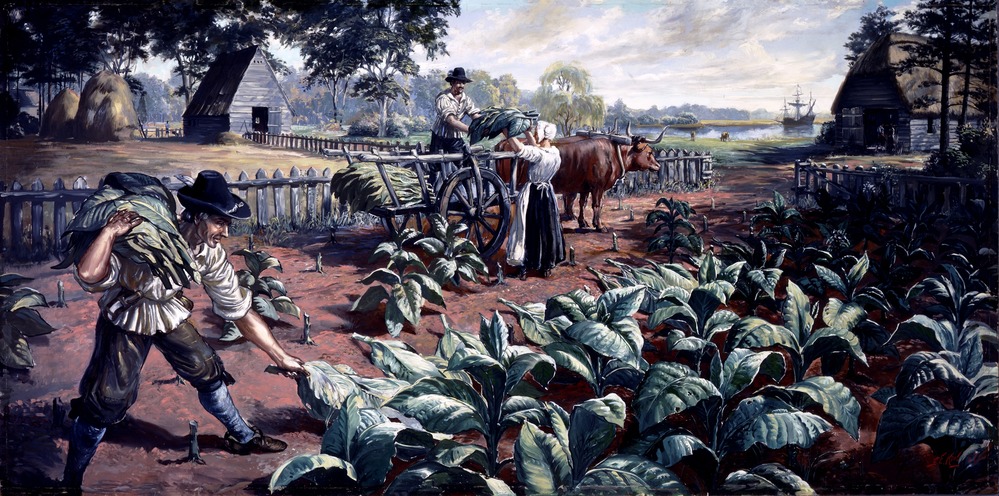
Rolfe pioneered Tabacco planting by using seeds from the West Indies in the fertile Virginia soil.
This resulted in excellent yields, which finally gave the colony a purpose.
Rolfe pioneered Tabacco planting by using seeds from the West Indies in the fertile Virginia soil.
This resulted in excellent yields, which finally gave the colony a purpose.
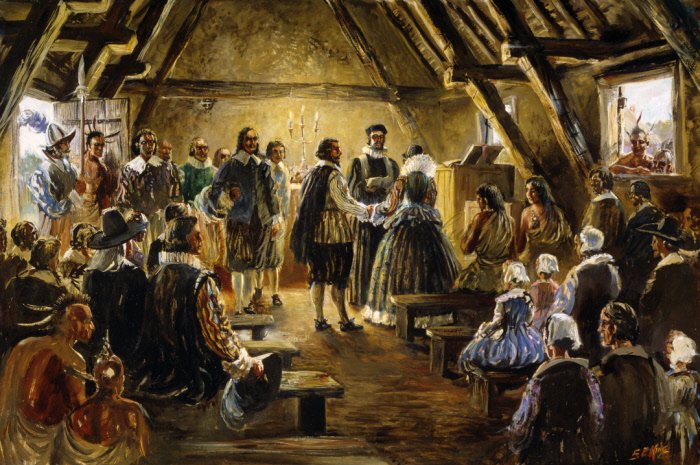
Rolfe also married Pocahontas which formed a Anglo-Powhatan alliance, which would last for the best part of a decade.
The Colony, after years of struggle and countless deaths, was finally set on the right path.
The Colony, after years of struggle and countless deaths, was finally set on the right path.
Through sheer determination and grit England had finally carved out that foothold in the new world that they had for so coveted.
And they were only just getting started...
And they were only just getting started...
• • •
Missing some Tweet in this thread? You can try to
force a refresh