✝️ Today we remember King Louis IX, King of France (1214-1270).
🧵
He was a devout Catholic monarch known for his piety, justice, and leadership of two Crusades, who was canonized as a saint for his exemplary Christian life and service to the Church.
"I think more of the church where I was baptized than of Rheims Cathedral where I was crowned (as King of France). It is a greater thing to be a child of God than to be the ruler of a Kingdom."
-- Louis IX
🧵
He was a devout Catholic monarch known for his piety, justice, and leadership of two Crusades, who was canonized as a saint for his exemplary Christian life and service to the Church.
"I think more of the church where I was baptized than of Rheims Cathedral where I was crowned (as King of France). It is a greater thing to be a child of God than to be the ruler of a Kingdom."
-- Louis IX
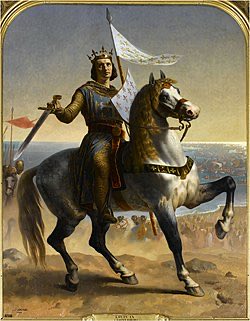
2/
Louis IX reigned as King of France from 1226 to 1270, known for his piety, justice, and charitable works.
He implemented significant legal reforms, establishing royal courts and promoting fair trials based on evidence rather than trial by combat.
Louis IX reigned as King of France from 1226 to 1270, known for his piety, justice, and charitable works.
He implemented significant legal reforms, establishing royal courts and promoting fair trials based on evidence rather than trial by combat.
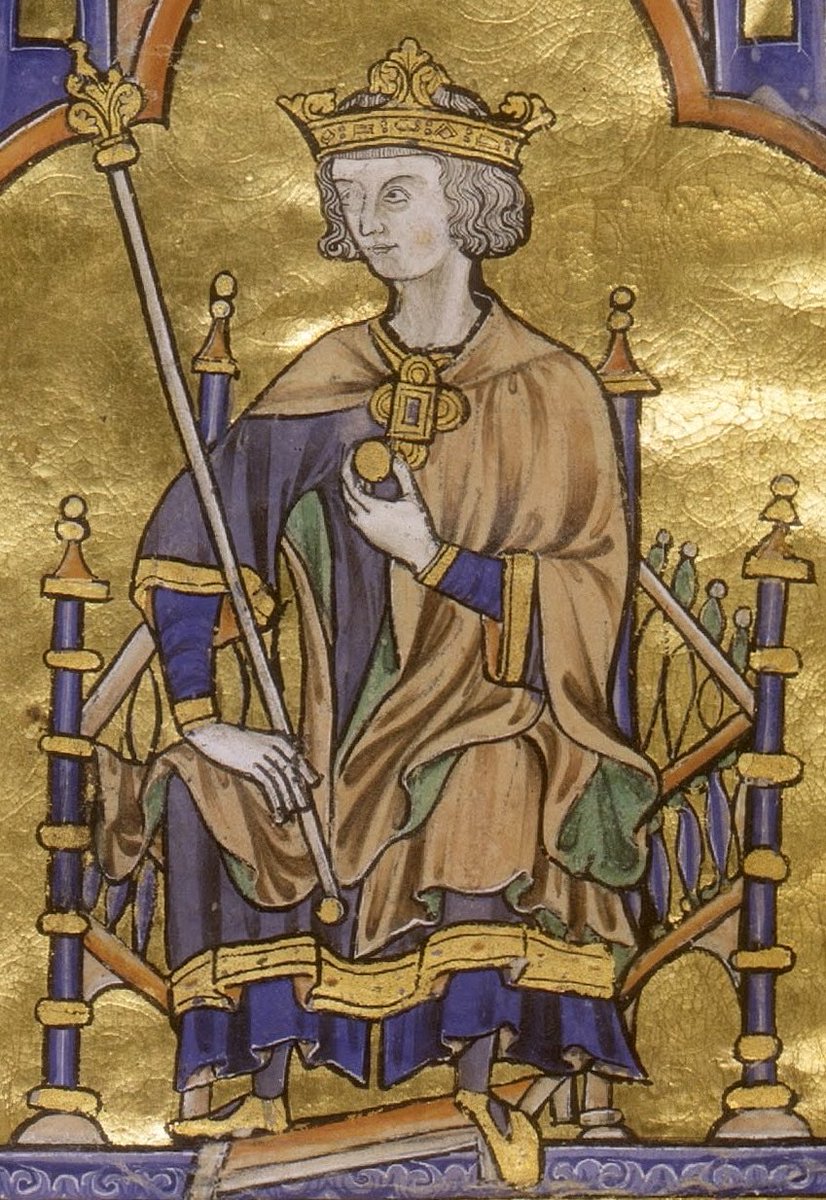
3/
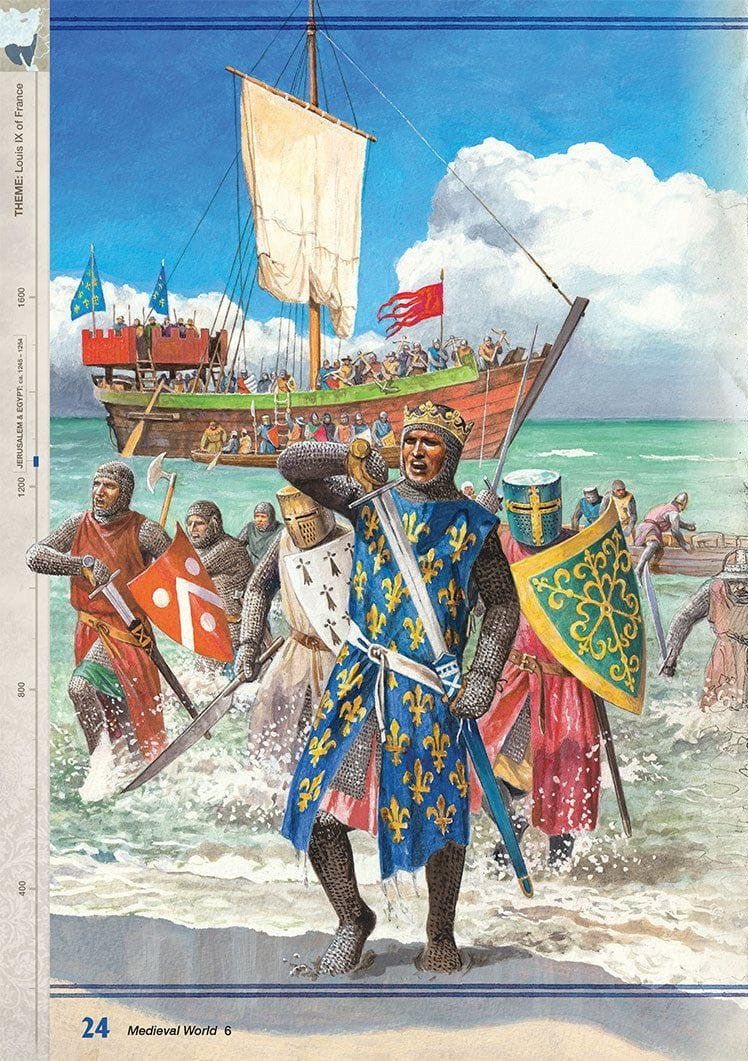
He led two Crusades (the Seventh and Eighth) to the Holy Land, demonstrating his commitment to defending Christendom.
In 1248, fulfilling a vow made during a serious illness, he embarked on the Seventh Crusade to the Holy Land.
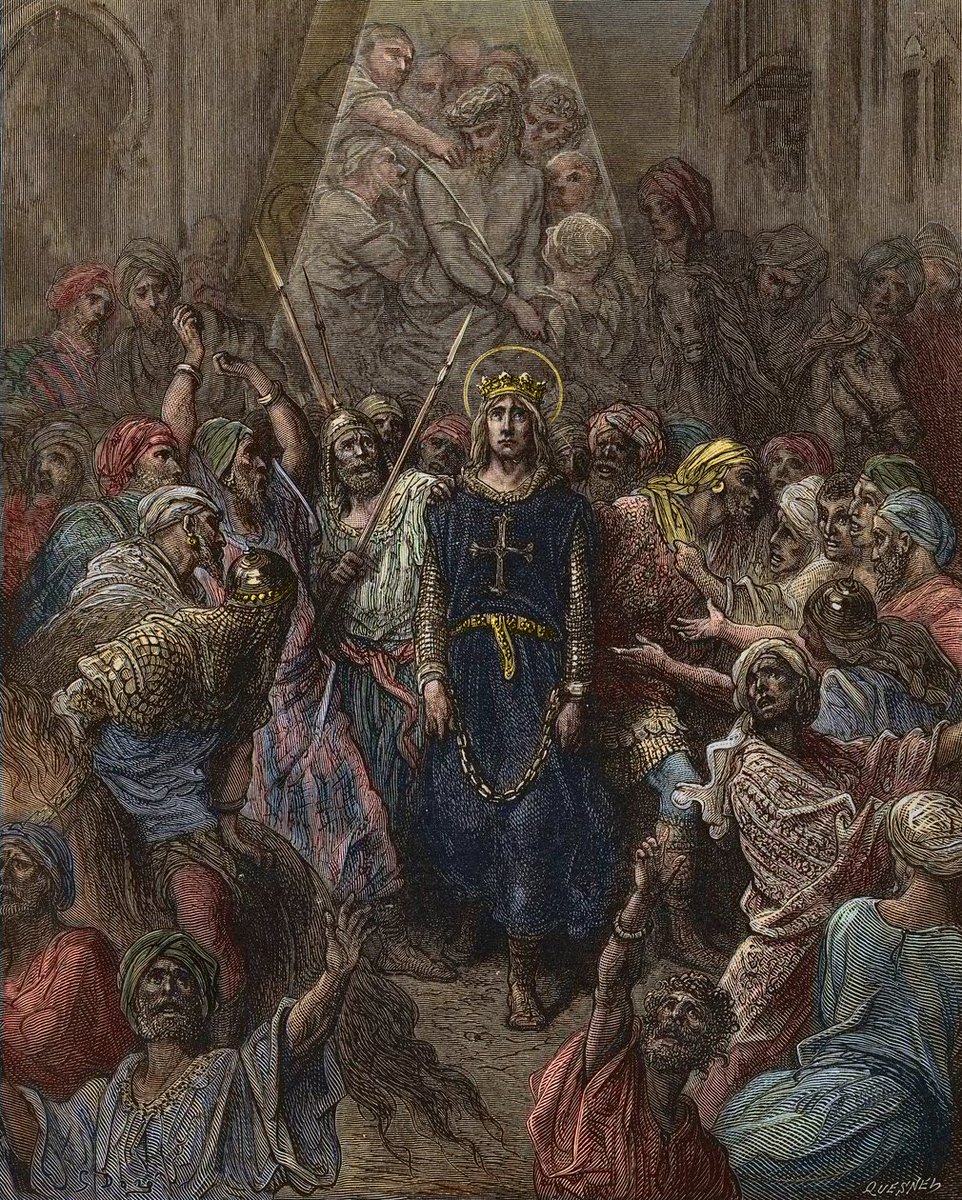
Although this expedition ended in failure and his capture by Egyptian forces, Louis's conduct during his imprisonment impressed even his captors, who were said to kneel when speaking to him.
After his release, he spent four years in the Holy Land, visiting holy sites and negotiating for the release of Christian prisoners.
Louis's final act of faith was his leadership of the Eighth Crusade in 1270. Landing in Tunis with the hope of converting the local emir, Louis and his army were instead struck by disease.
He led two Crusades (the Seventh and Eighth) to the Holy Land, demonstrating his commitment to defending Christendom.
In 1248, fulfilling a vow made during a serious illness, he embarked on the Seventh Crusade to the Holy Land.
Although this expedition ended in failure and his capture by Egyptian forces, Louis's conduct during his imprisonment impressed even his captors, who were said to kneel when speaking to him.
After his release, he spent four years in the Holy Land, visiting holy sites and negotiating for the release of Christian prisoners.
Louis's final act of faith was his leadership of the Eighth Crusade in 1270. Landing in Tunis with the hope of converting the local emir, Louis and his army were instead struck by disease.
4/
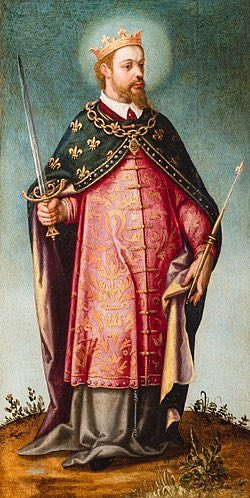
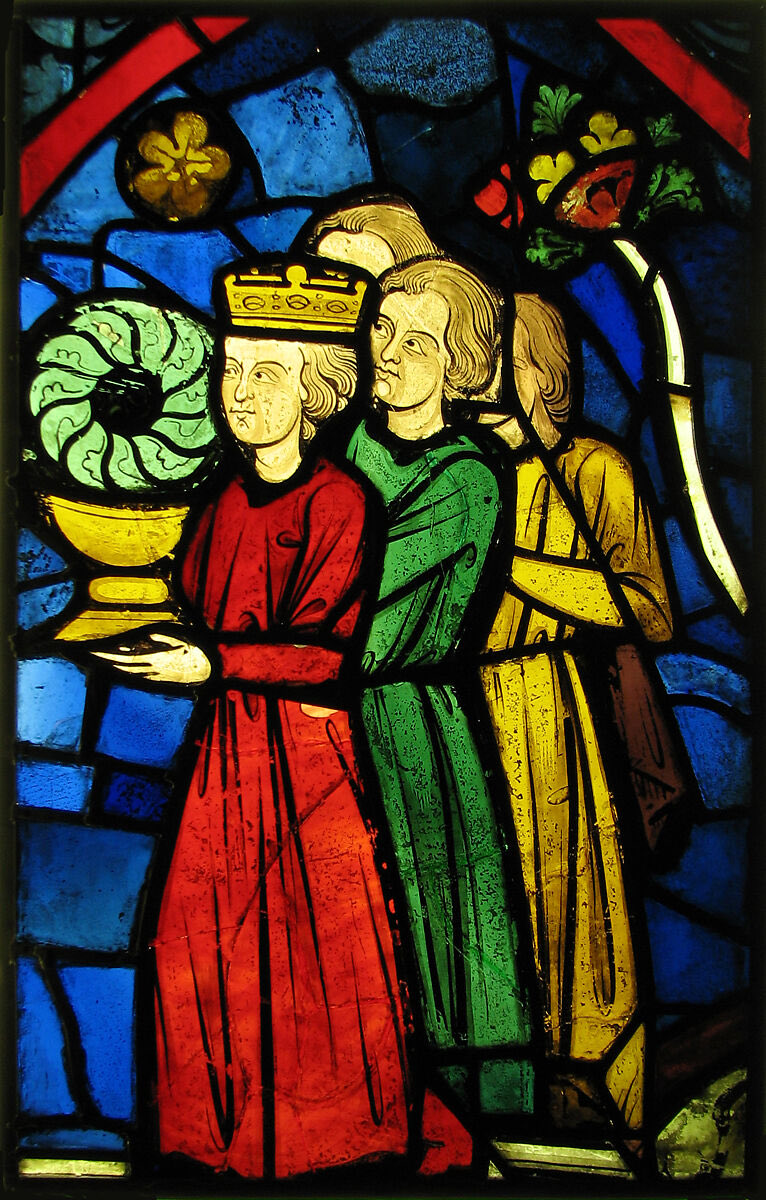
He founded numerous hospitals, monasteries, and churches, including the Sainte-Chapelle in Paris to house sacred relics.
He promoted education and scholarship, supporting the development of universities and inviting scholars like Thomas Aquinas to his court.
He founded numerous hospitals, monasteries, and churches, including the Sainte-Chapelle in Paris to house sacred relics.
He promoted education and scholarship, supporting the development of universities and inviting scholars like Thomas Aquinas to his court.
5/
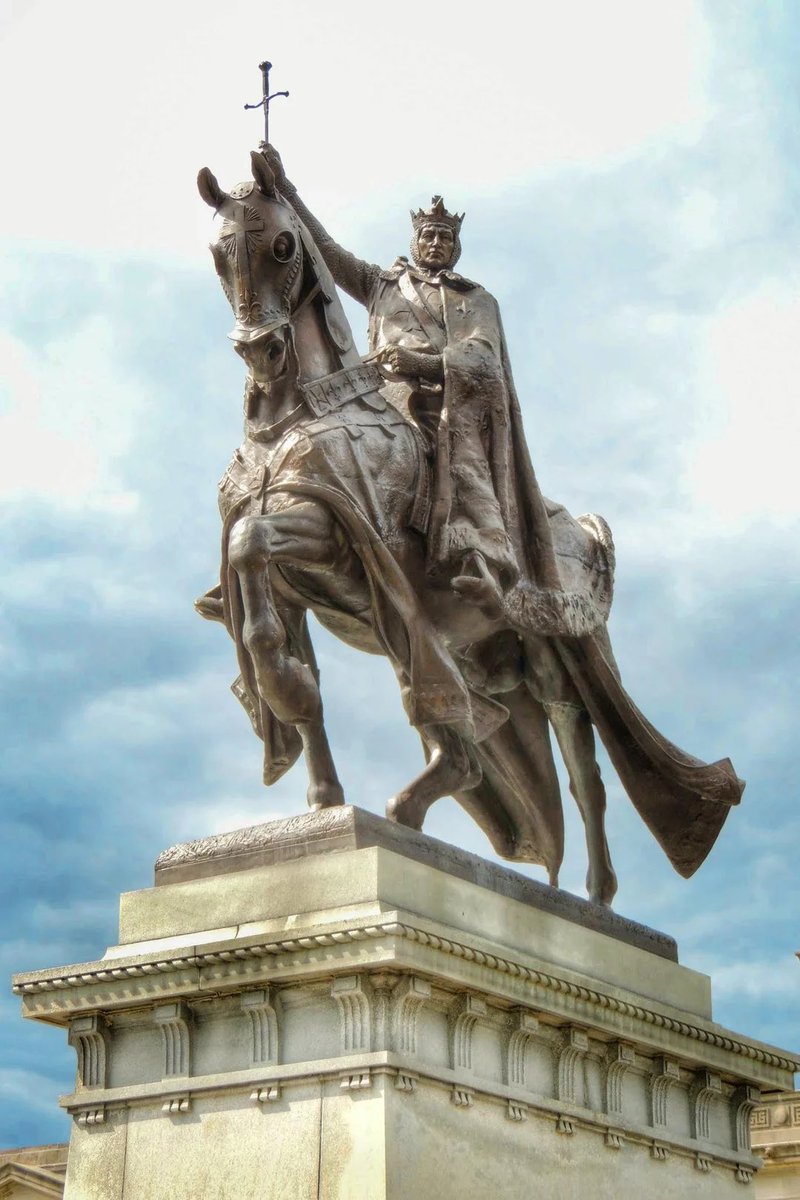
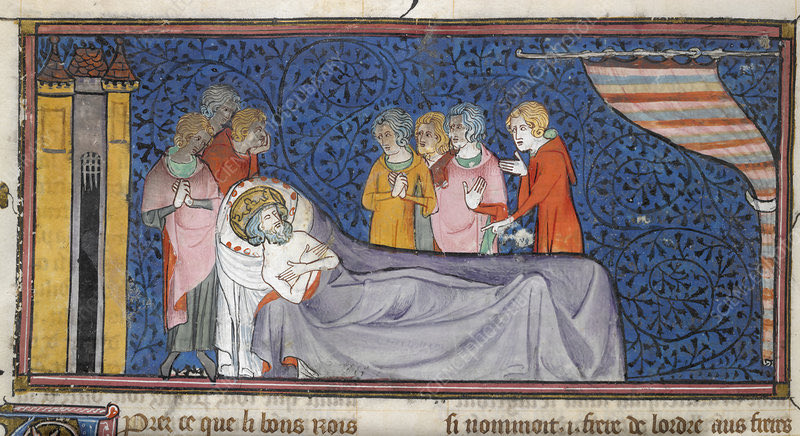
Whilst on the Eighth Crusade and In Tunis, the King and his army became ill and he succumbed to dysentery on August 25, 1270, his last words being a prayer for the people of Paris.
Louis IX was canonized in 1297, becoming the only French monarch to be declared a saint, and is remembered for his deep personal faith and Christian virtues.
Whilst on the Eighth Crusade and In Tunis, the King and his army became ill and he succumbed to dysentery on August 25, 1270, his last words being a prayer for the people of Paris.
Louis IX was canonized in 1297, becoming the only French monarch to be declared a saint, and is remembered for his deep personal faith and Christian virtues.


6/
Traditions associated with King Louis IX:
🇫🇷France: In Aigues-Mortes, medieval re-enactments, mystery plays, parades, and a medieval market are held around the feast day.
🇨🇦Canada: The feast is celebrated in parts of French Canada.
🇺🇸USA: In New Orleans, the Cathedral-Basilica of Saint Louis, King of France holds special Masses and commissions parish ministers and volunteers.
🇺🇸USA: In St. Louis, Missouri, the feast day is celebrated as the city's namesake.
🌍Global: Franciscan Third Order members may observe the feast day of their patron saint.
Traditions associated with King Louis IX:
🇫🇷France: In Aigues-Mortes, medieval re-enactments, mystery plays, parades, and a medieval market are held around the feast day.
🇨🇦Canada: The feast is celebrated in parts of French Canada.
🇺🇸USA: In New Orleans, the Cathedral-Basilica of Saint Louis, King of France holds special Masses and commissions parish ministers and volunteers.
🇺🇸USA: In St. Louis, Missouri, the feast day is celebrated as the city's namesake.
🌍Global: Franciscan Third Order members may observe the feast day of their patron saint.
7/
🙏🏻
O Almighty God,
who hast compassed us about with so great a cloud of witnesses:
Grant that we, encouraged by the good example of thy servant Louis, may persevere in running the race that is set before us,
until at length,
through thy mercy, we, with him, may attain unto thine eternal joy; through him who is the author and finisher of our faith,
thy Son Jesus Christ our Lord,
who liveth and reigneth with thee,
in the unity of the Holy Ghost,
ever one God, world without end. Amen.
"Blessed are those who hunger and thirst for righteousness, for they shall be satisfied."
-- Matthew 5:6
🙏🏻
O Almighty God,
who hast compassed us about with so great a cloud of witnesses:
Grant that we, encouraged by the good example of thy servant Louis, may persevere in running the race that is set before us,
until at length,
through thy mercy, we, with him, may attain unto thine eternal joy; through him who is the author and finisher of our faith,
thy Son Jesus Christ our Lord,
who liveth and reigneth with thee,
in the unity of the Holy Ghost,
ever one God, world without end. Amen.
"Blessed are those who hunger and thirst for righteousness, for they shall be satisfied."
-- Matthew 5:6
🧑🧑🧒🧒We’re a church without a building right now.
🙋🏻♂️Can you help us?
⛪️We can do so much more to bring people to Jesus and to serve the community if we had a building of our own.
🥅Please donate or share to reach our goal.
Thank you.
🙏🏻
👉🏻 democracythree.org/saveachurch
🙋🏻♂️Can you help us?
⛪️We can do so much more to bring people to Jesus and to serve the community if we had a building of our own.
🥅Please donate or share to reach our goal.
Thank you.
🙏🏻
👉🏻 democracythree.org/saveachurch
@threadreaderapp unroll
• • •
Missing some Tweet in this thread? You can try to
force a refresh