TENET was released 5 years ago today. The 11th feature film of director Christopher Nolan and his first trip into time-travel, the story behind the scenes will have you unsure if your entropy is coming or going…
1/52
1/52


After the success of World War II epic Dunkirk in 2017, Nolan was looking for a return to the kind of mind-bending science fiction film that helped make his name. The idea that intrigued him most was a time-travel concept he’d been grappling with for about 20 years.
2/52
2/52


Nolan pitched the idea to Warner Bros – a secret agent-style figure who discovered the ability to change the direction in which time travels, called Entropy – and they greenlit the film immediately. Nolan set about writing the screenplay, calling it Tenet.
3/52
3/52
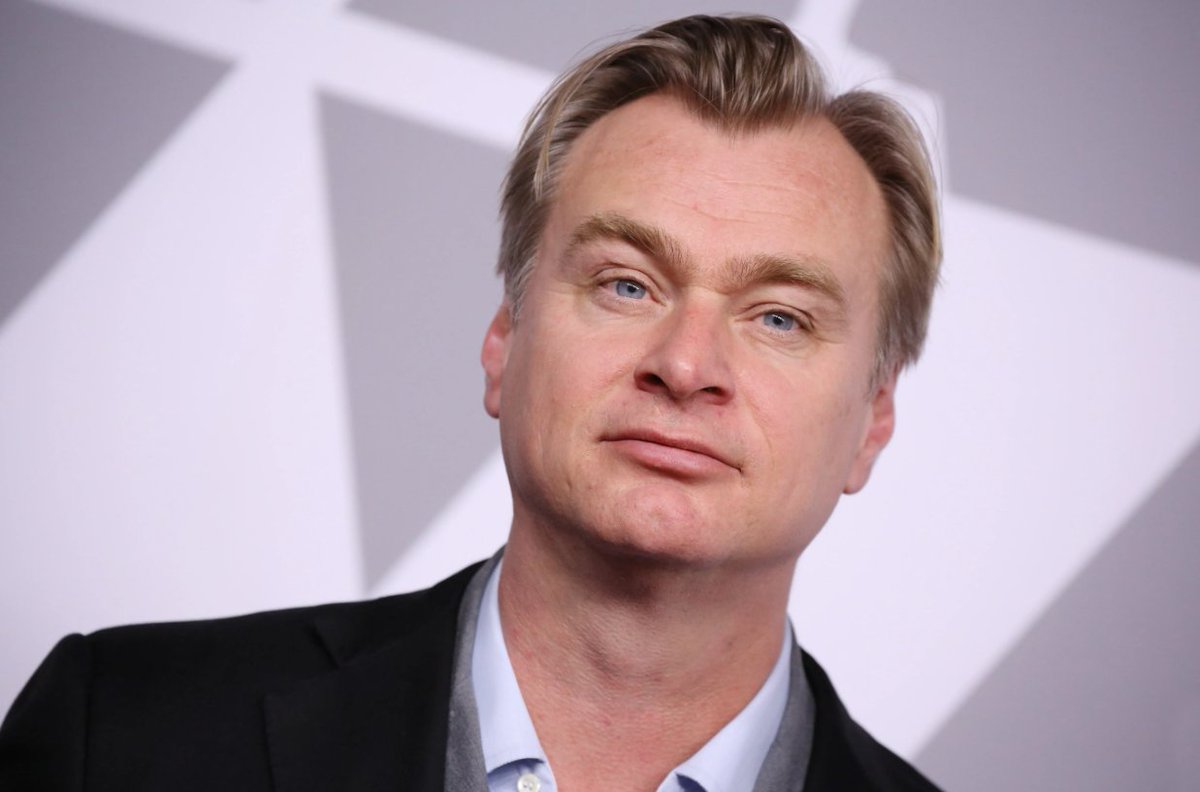
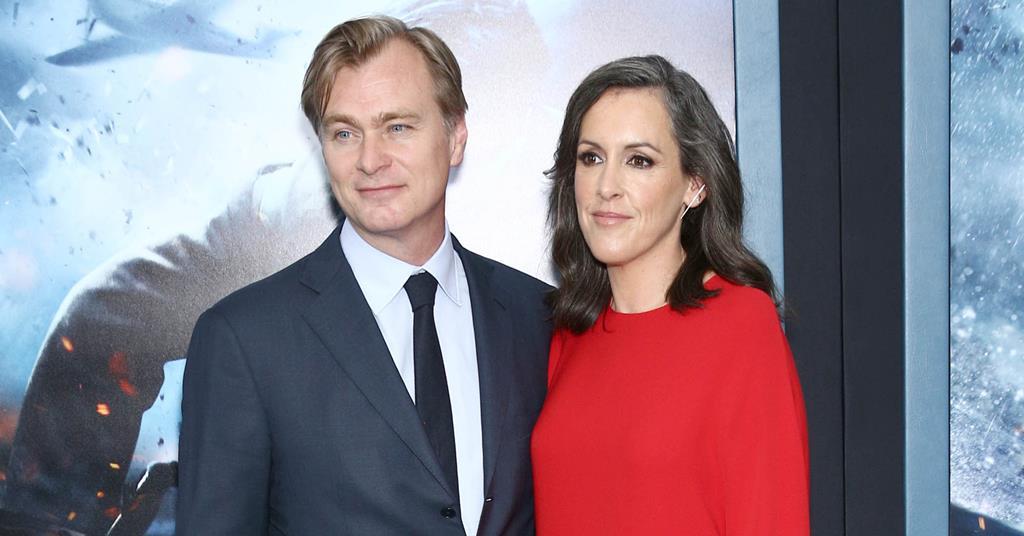
On completion of the script, the first person Nolan and his producer (and wife) Emma Thomas spoke to was John Papsidera, Nolan’s regular casting director, to discuss a potential cast. The idea was to reverse expectations by hiring major actors in supporting roles.
4/52
4/52
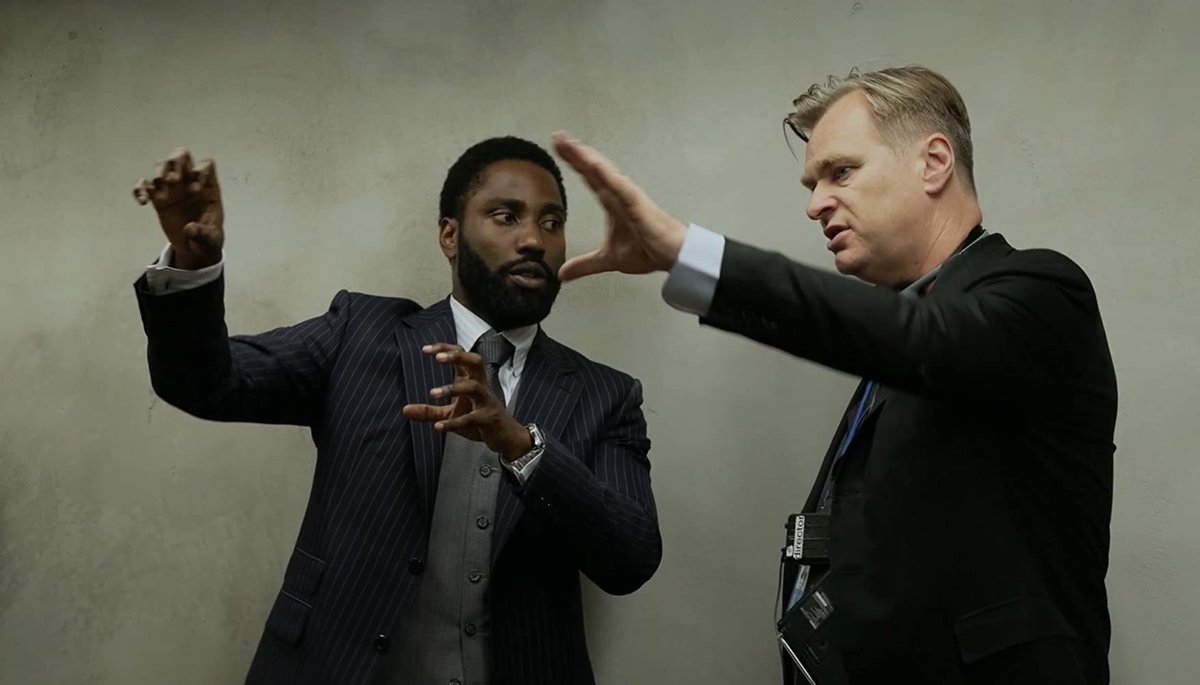
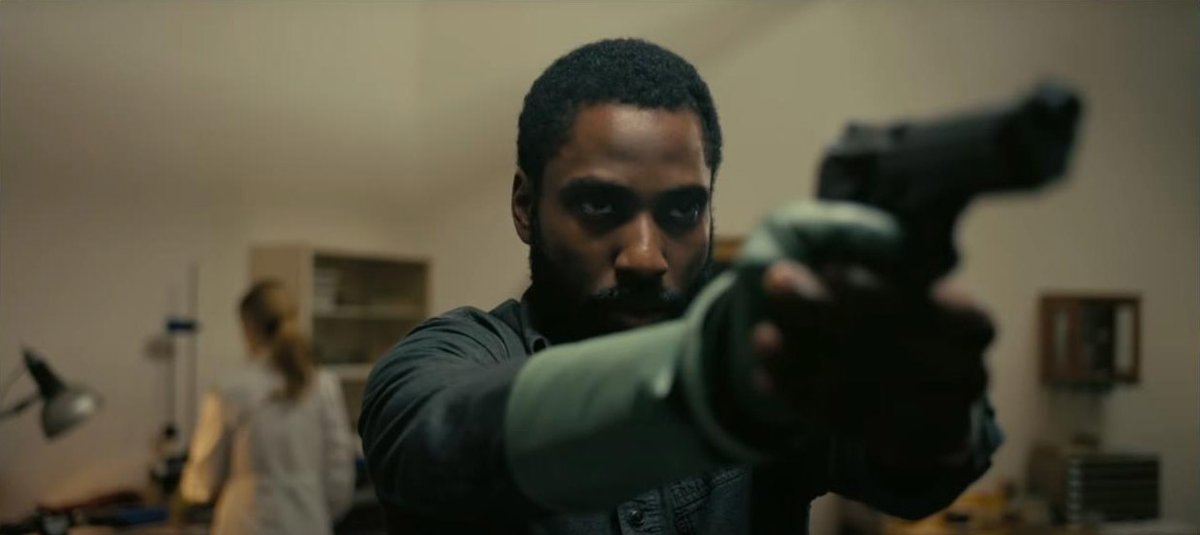
In the lead role of the Protagonist, Nolan cast John David Washington having been impressed with his performance in Spike Lee’s BlacKkKlansman and HBO comedy-drama series Ballers.
5/52
5/52
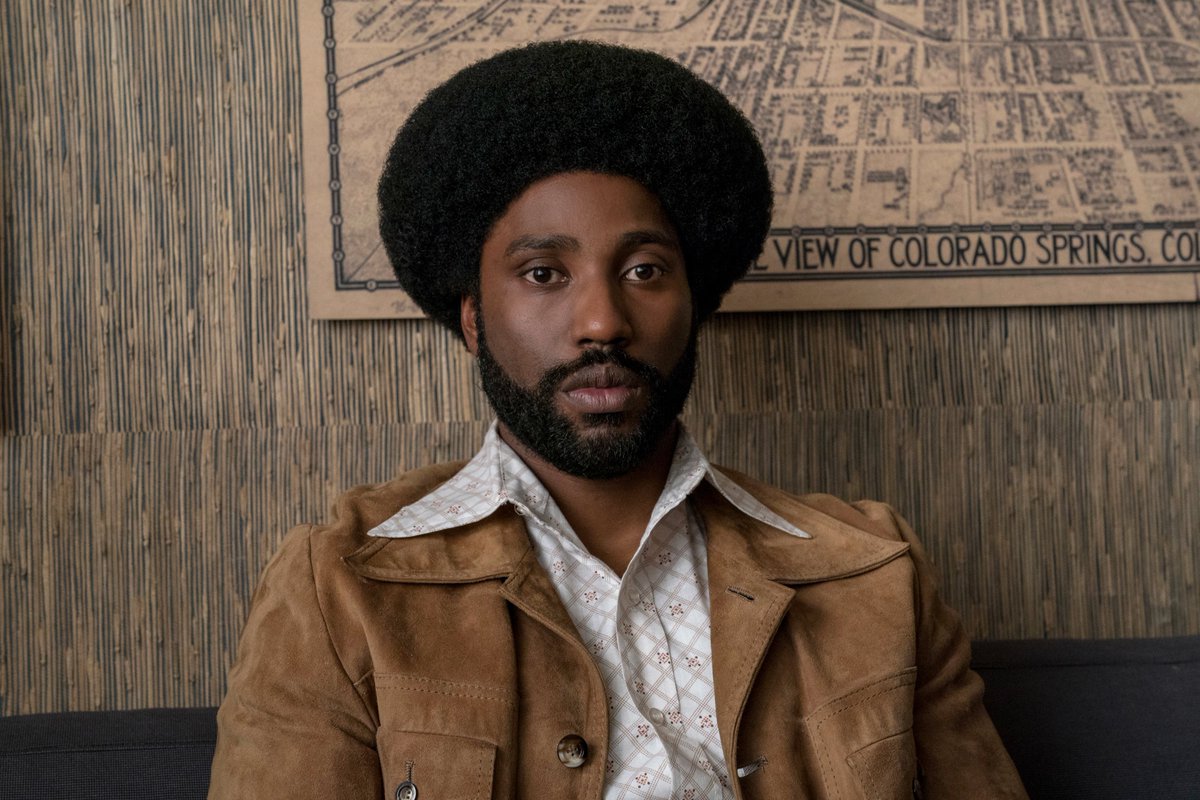
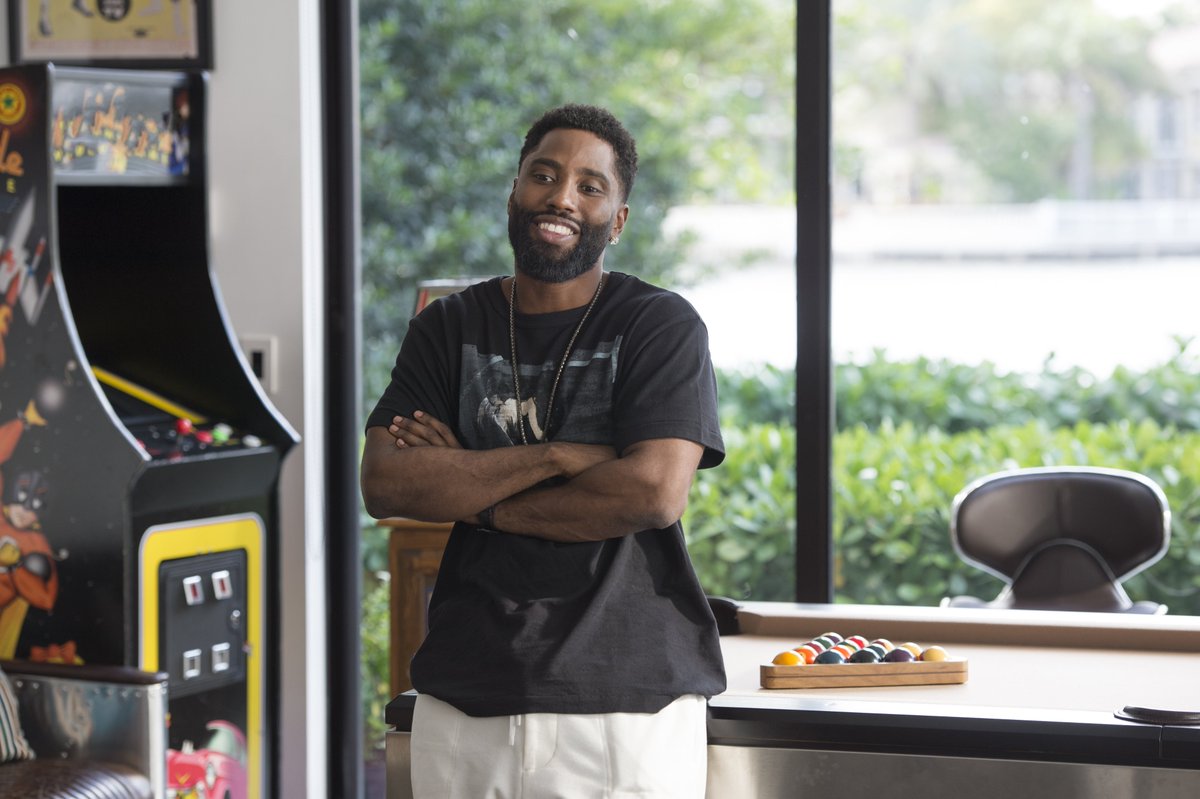
On being offered the role, Washington read the screenplay in a secluded office at the Warner Bros offices. He said it took him around 5 hours to finish as he kept having to flick back through the script “in pure amazement”.
6/52
6/52
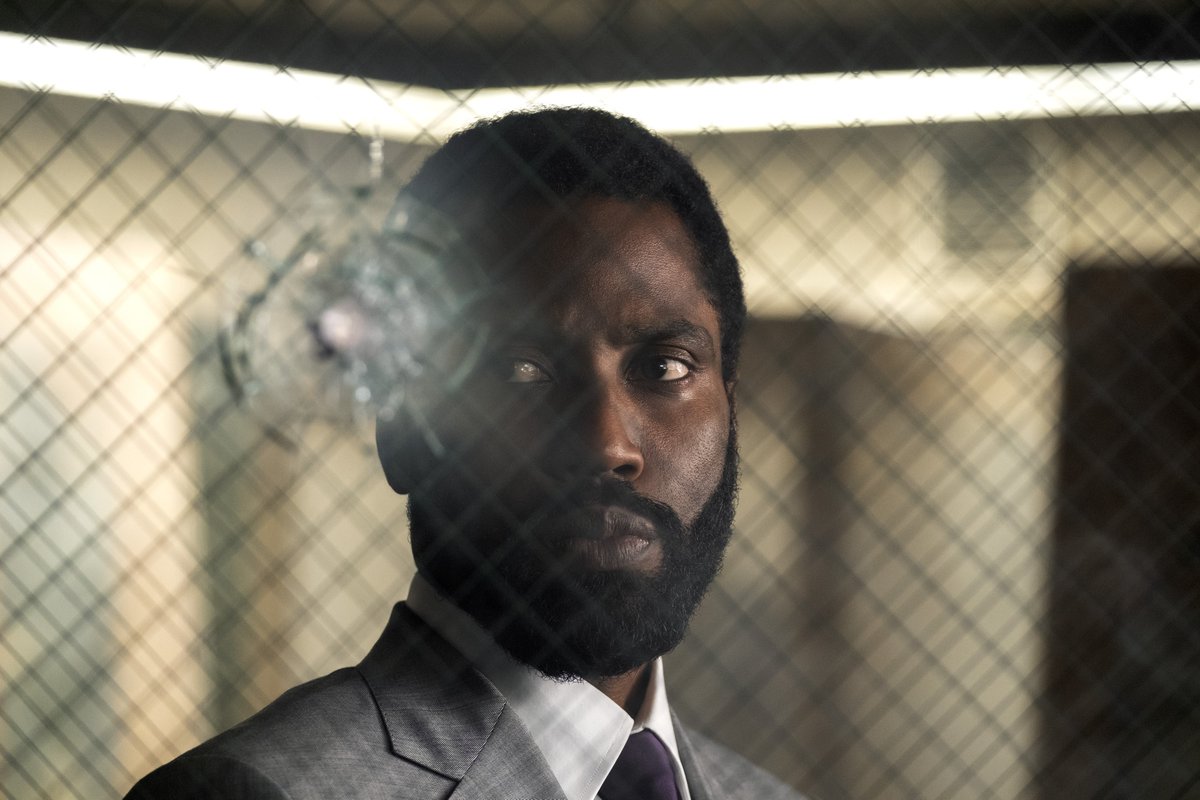
During filming, Washington kept a notebook handy in which he fleshed out the Protagonist’s backstory. And he later said that filming the action sequences was so relentless that he couldn’t run for a month after filming and at time “couldn’t get out of bed”.
7/52
7/52
The Protagonist’s sidekick is Neil, played by Robert Pattinson. Pattinson was cast after Nolan saw him in Good Time, and said his first meeting with the director was 3 hours long, after which he felt his blood sugar levels drop through concentrating so much.
8/52
8/52
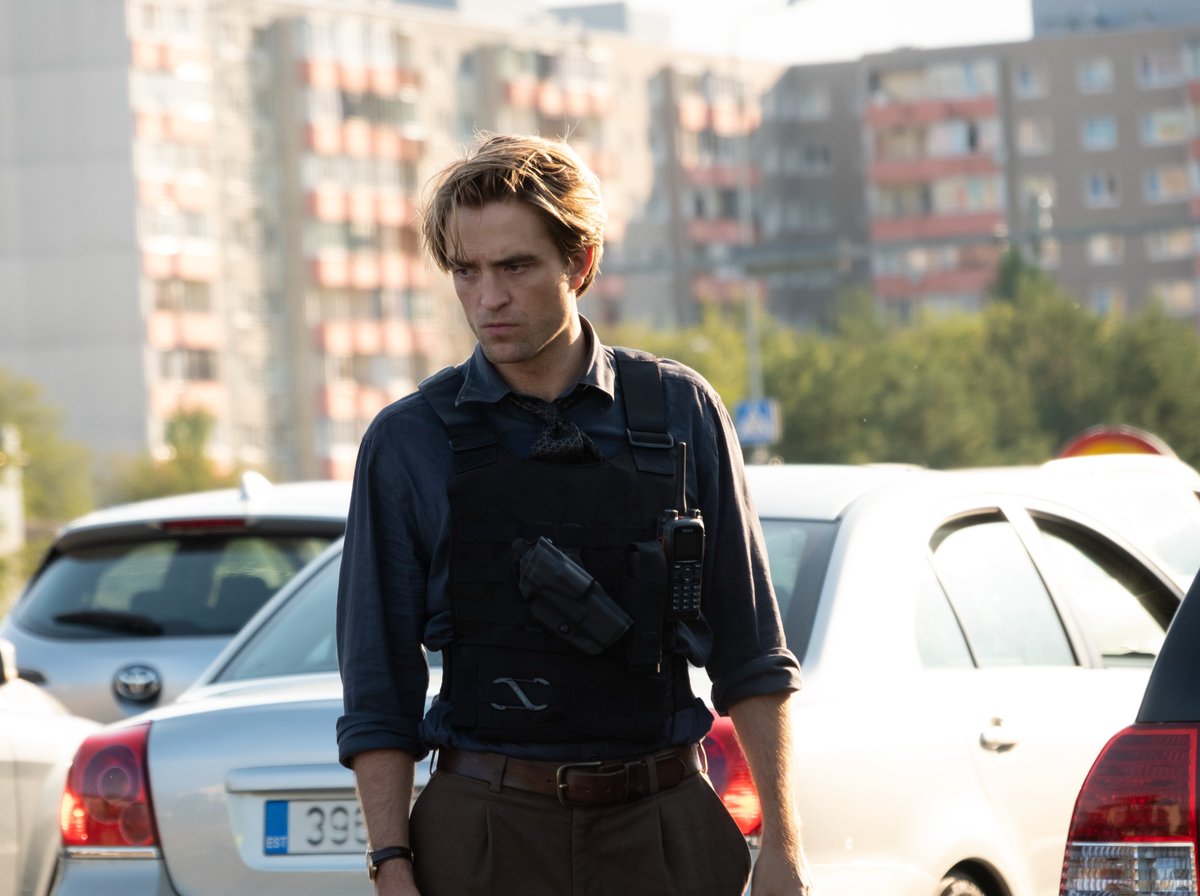
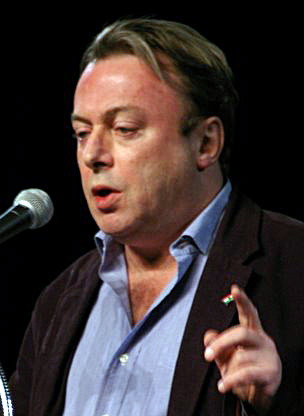
In developing the character’s traits, Pattinson said he took some inspiration from author and journalist Christopher Hitchens. Despite Neil and Pattinson both being British, Pattinson changed his accent, saying “if I just play myself, I feel like a fraud."
9/52
9/52
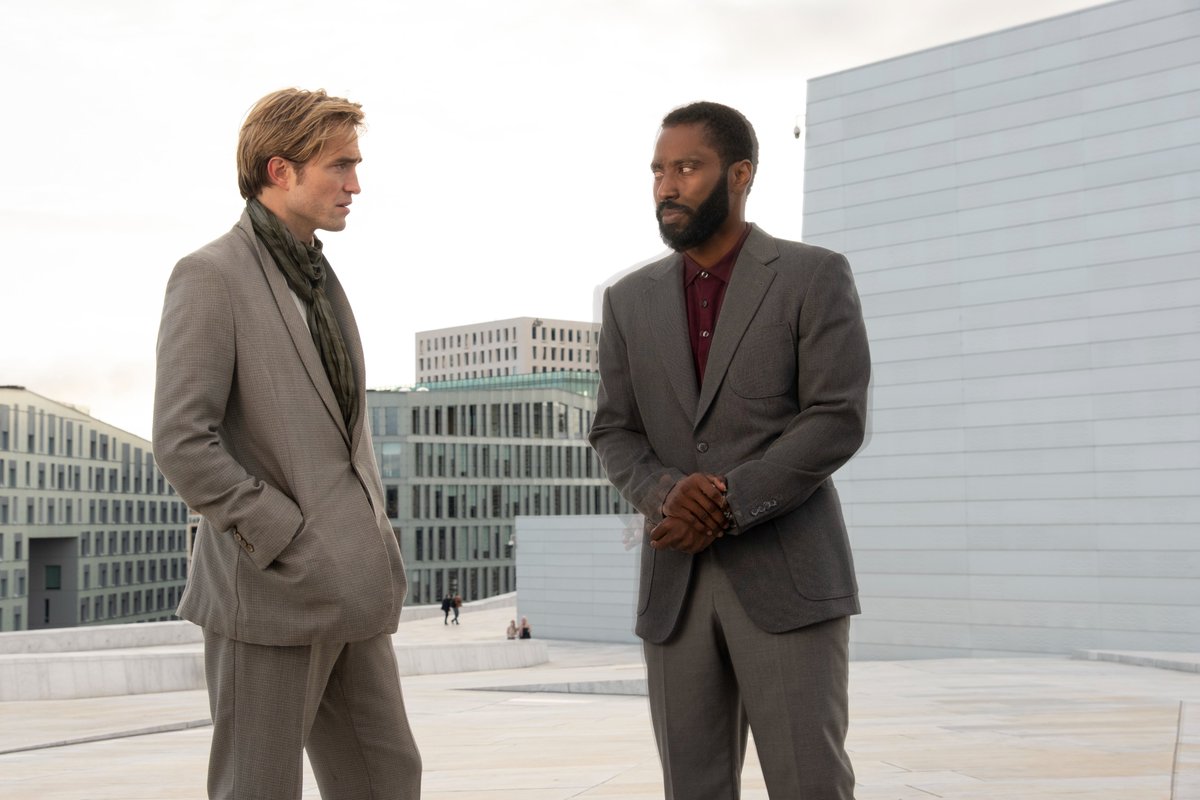
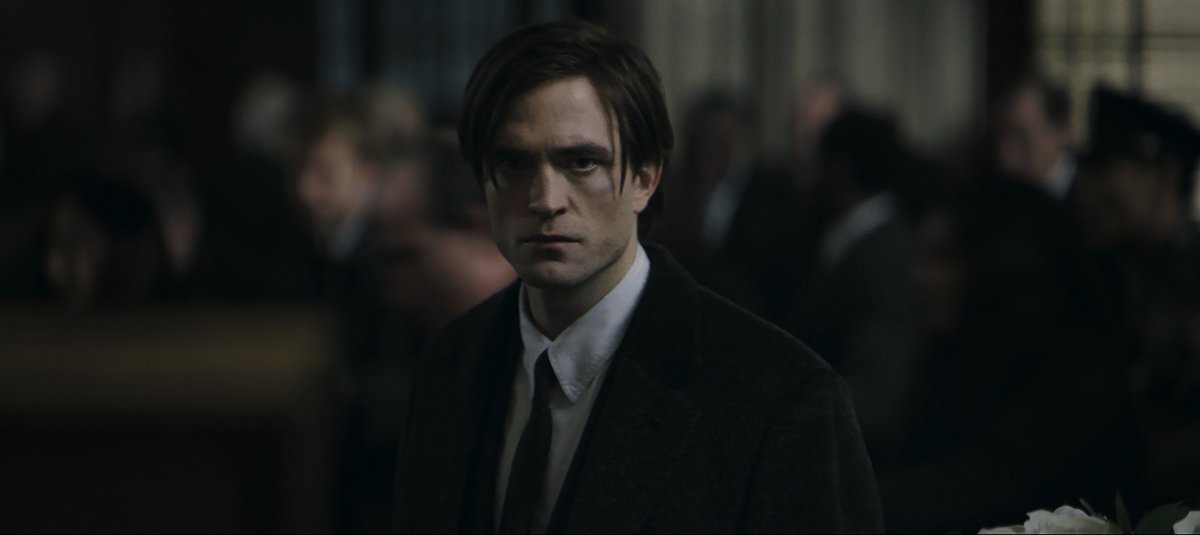
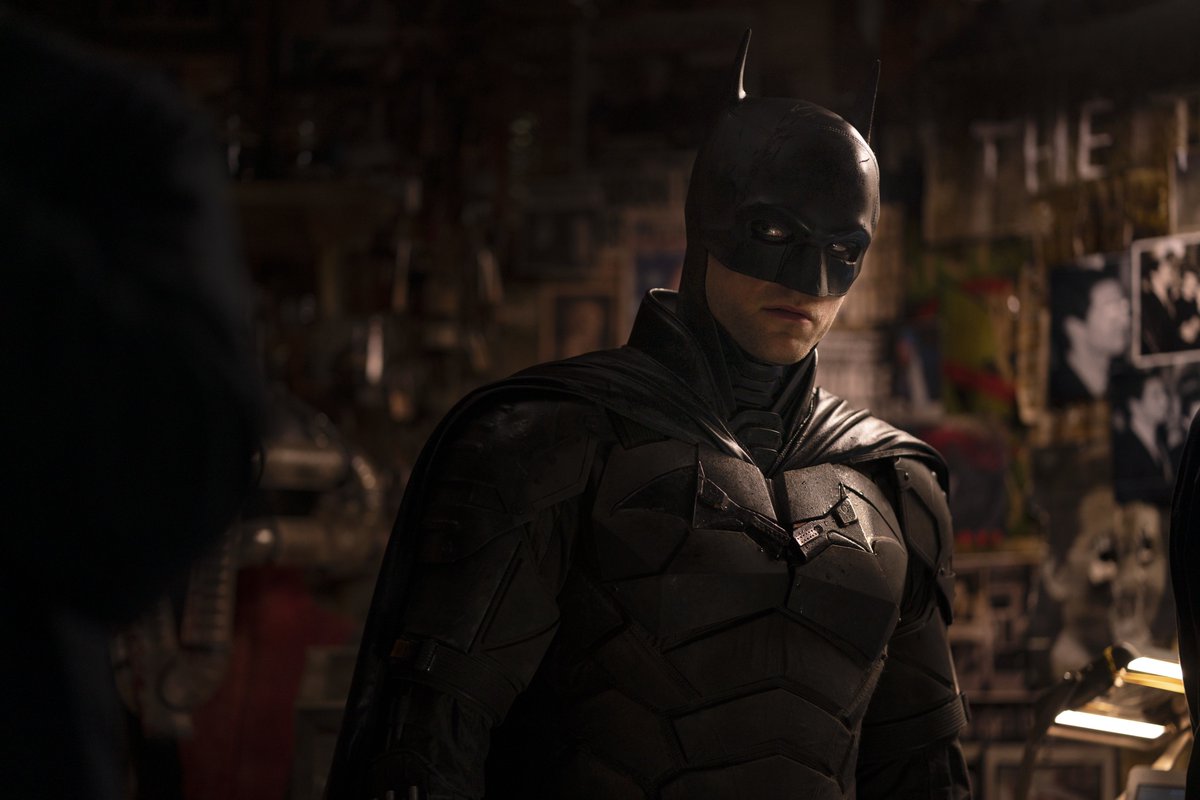
During filming, Pattinson received the news that he’d been cast by Matt Reeves as the new Batman. Despite not telling Nolan, Pattinson said The Dark Knight Trilogy director knew and congratulated him.
10/52
10/52
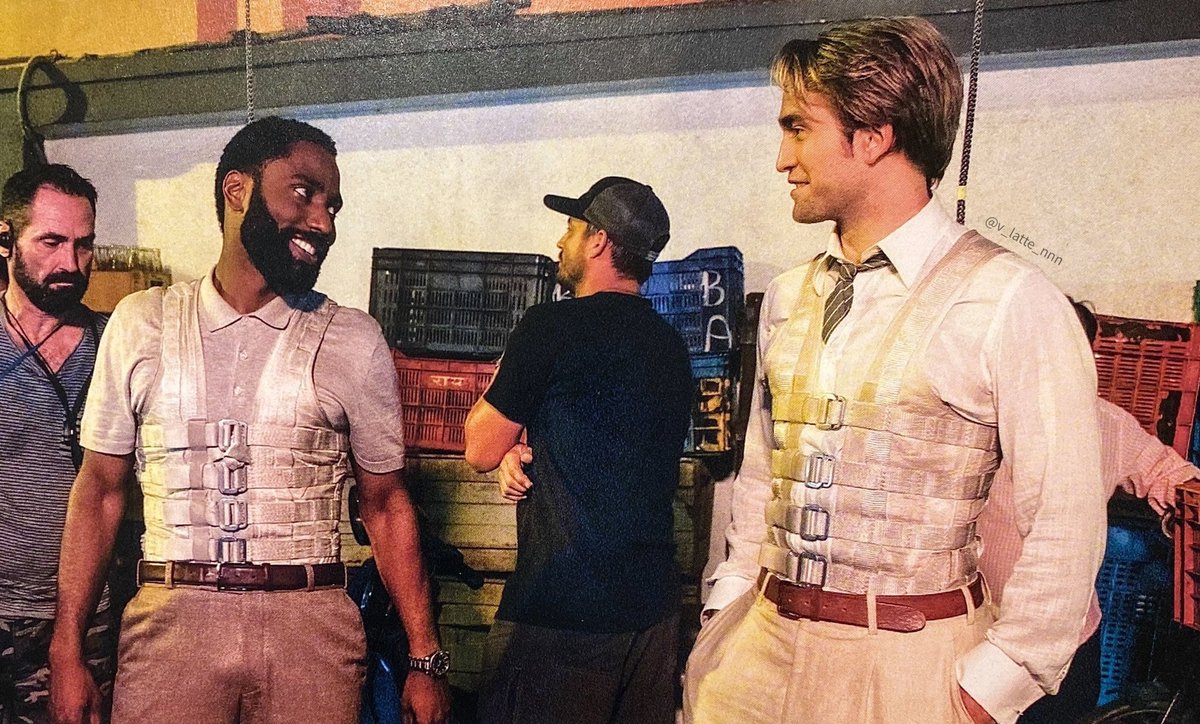
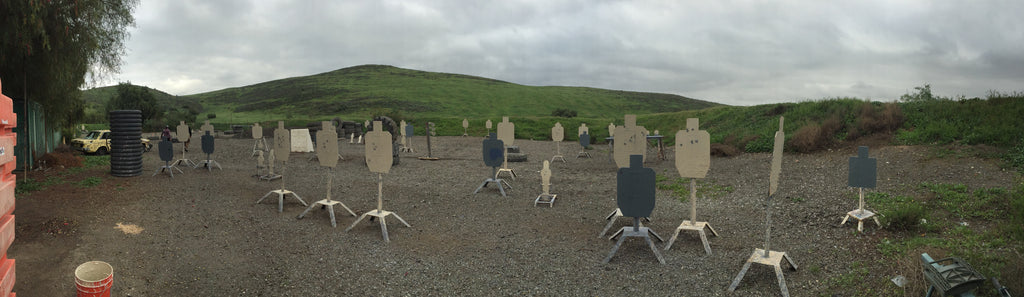
As intelligence agents, the Protagonist and Neil are proficient with handling firearms. As such, Washington and Pattinson were trained at the Taran Tactical range in Simi Valley, California.
11/52
11/52
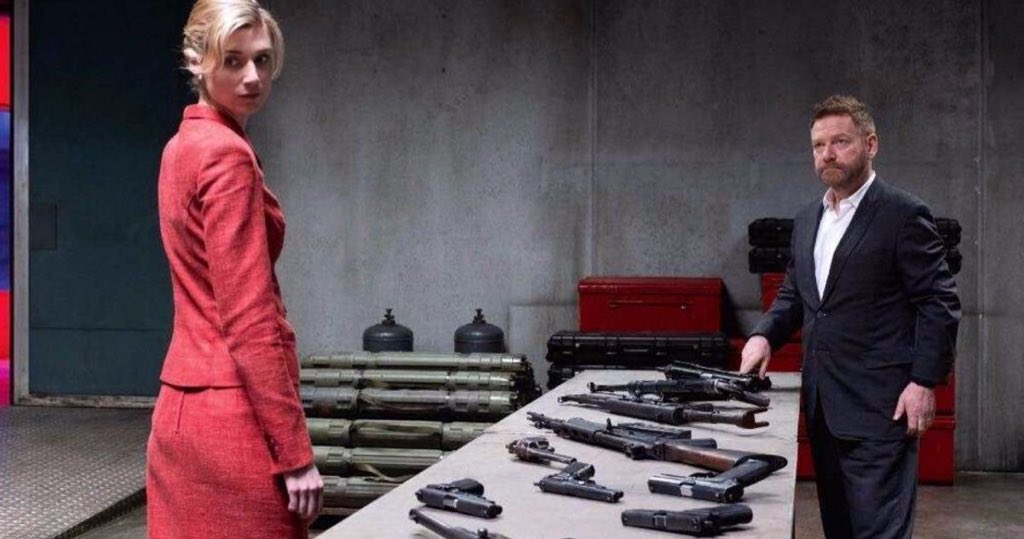
Nolan had written the part of female lead Katherine ‘Kat’ Barton as an older character but when Emma Thomas saw 28-year-old Elizabeth Debicki in Widows, she recommended her for the part. Nolan agreed, and rewrote the character.
12/52
12/52
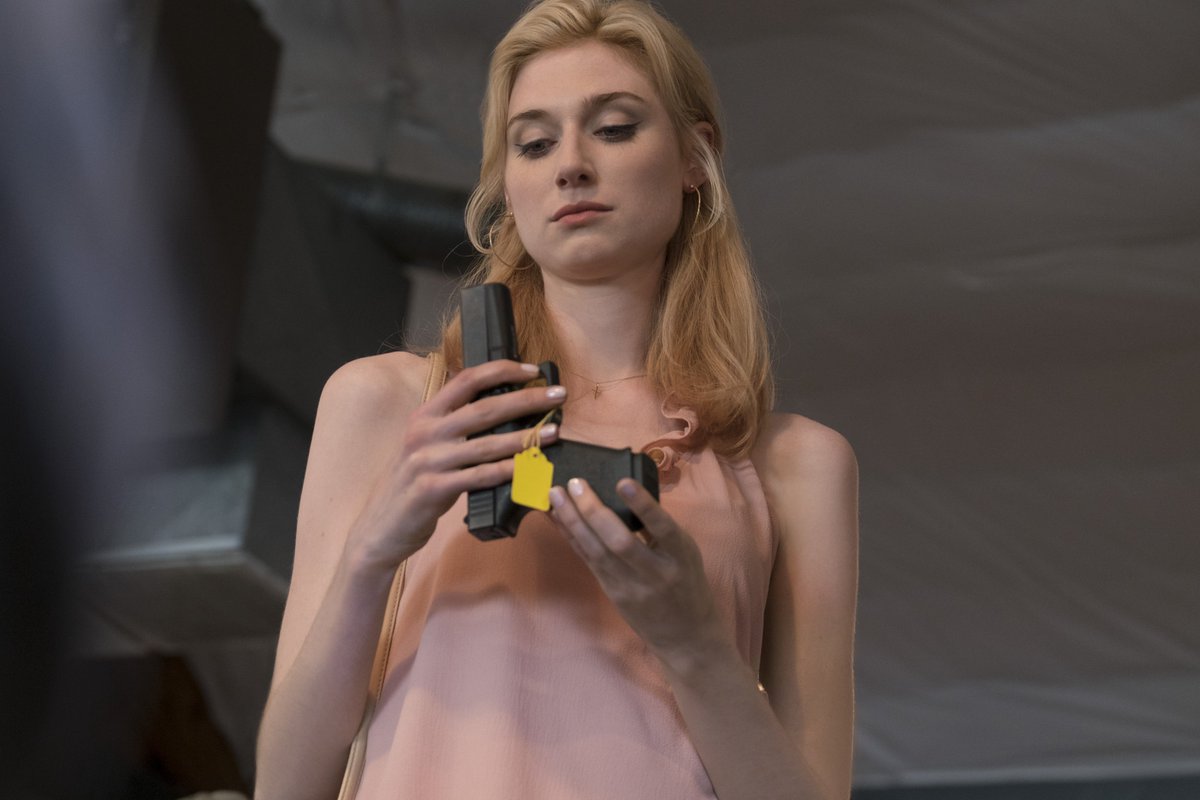
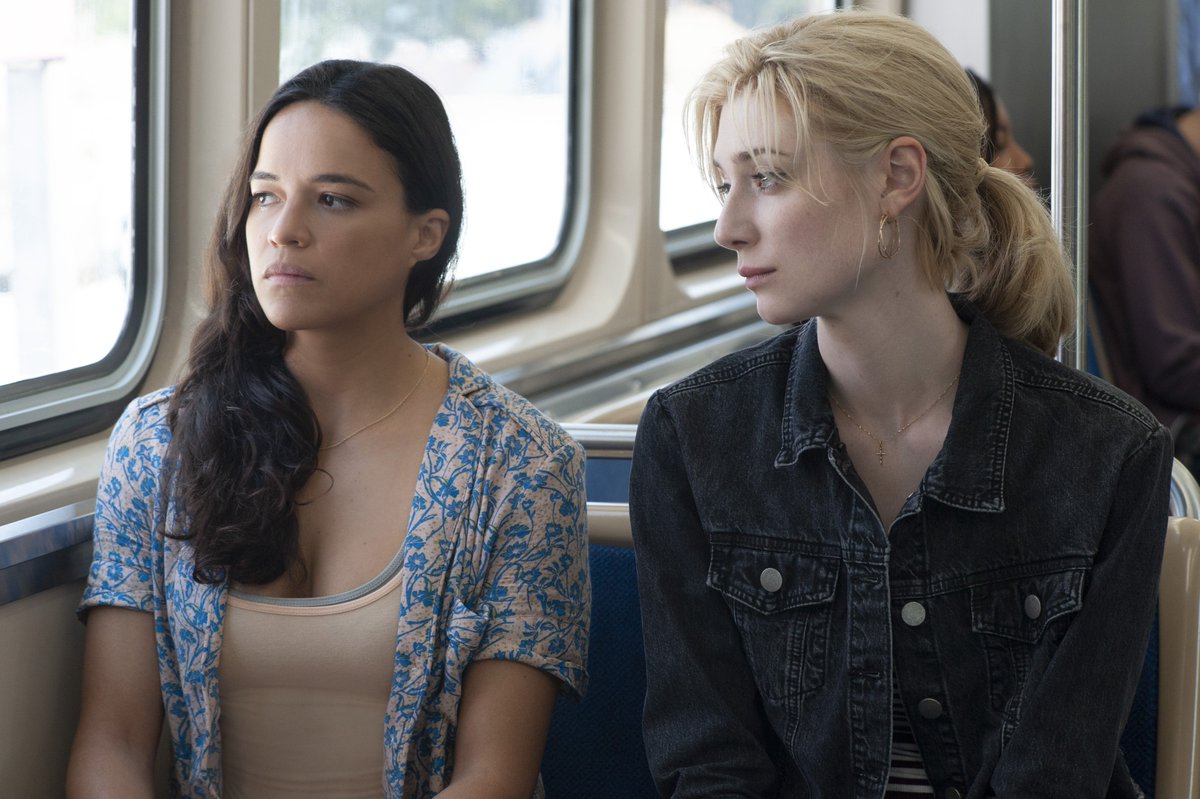
Despite Nolan directly offering Debicki the part of Kat, she insisted on auditioning to make sure Nolan was happy. Nolan said everyone was blown away by her test.
13/52
13/52

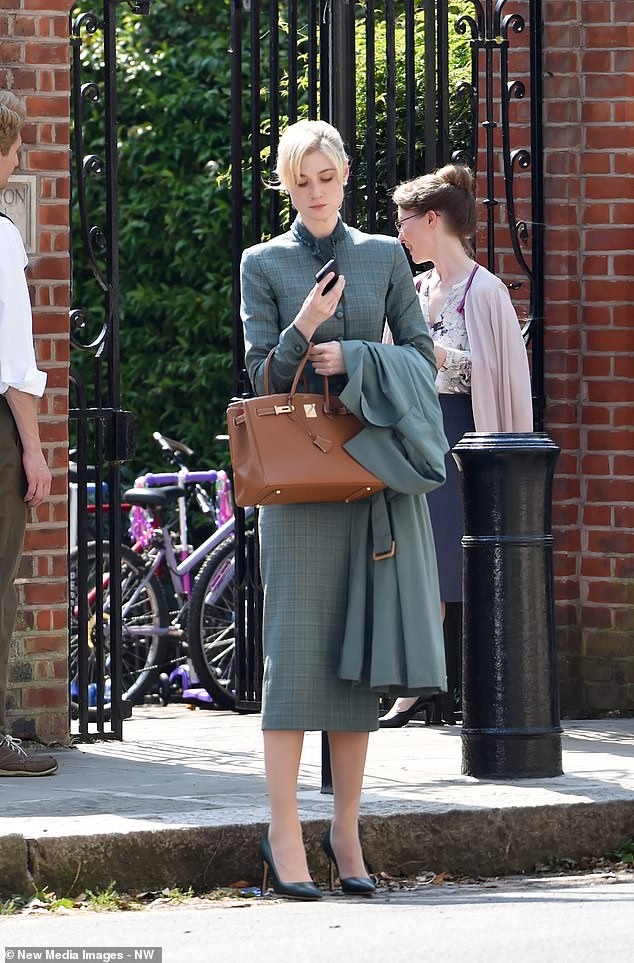
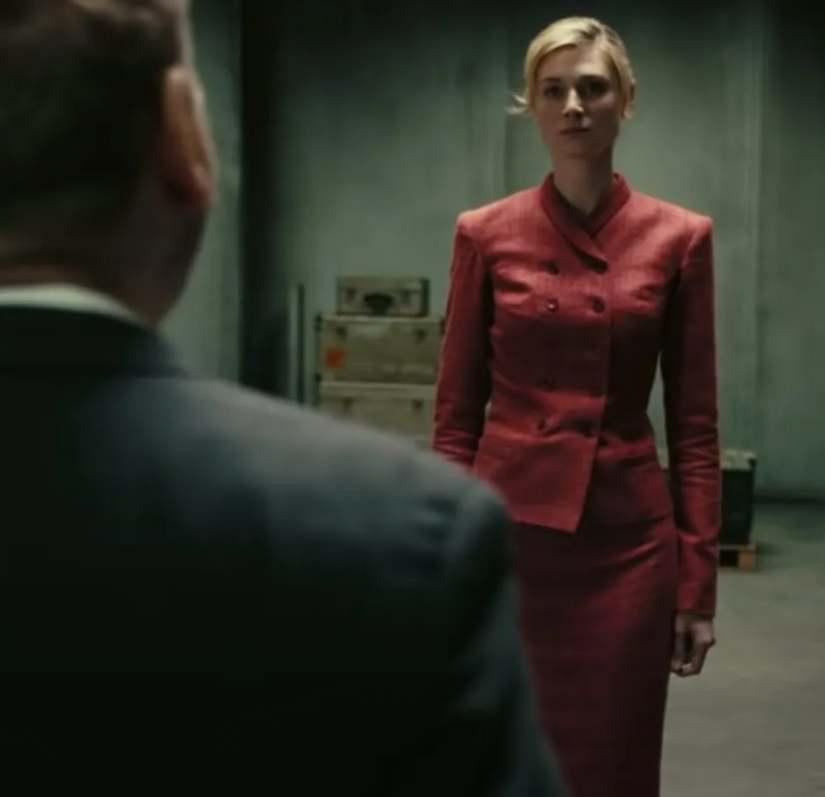
Debicki stands almost 6’3” in height and costume designer Jeffrey Kurland suggested to Nolan they take advantage of her being the tallest cast member. He dressed Debicki in heels and long skirts to intentionally accentuate her frame.
14/52
14/52
Nolan wanted Kenneth Branagh to play the antagonist, Russian oligarch Andrei Sator. Branagh was due to begin his own directorial project on Death On the Nile, but re-arranged his schedules. He said he read the script to Tenet more than any other film he had been in.
15/52
15/52
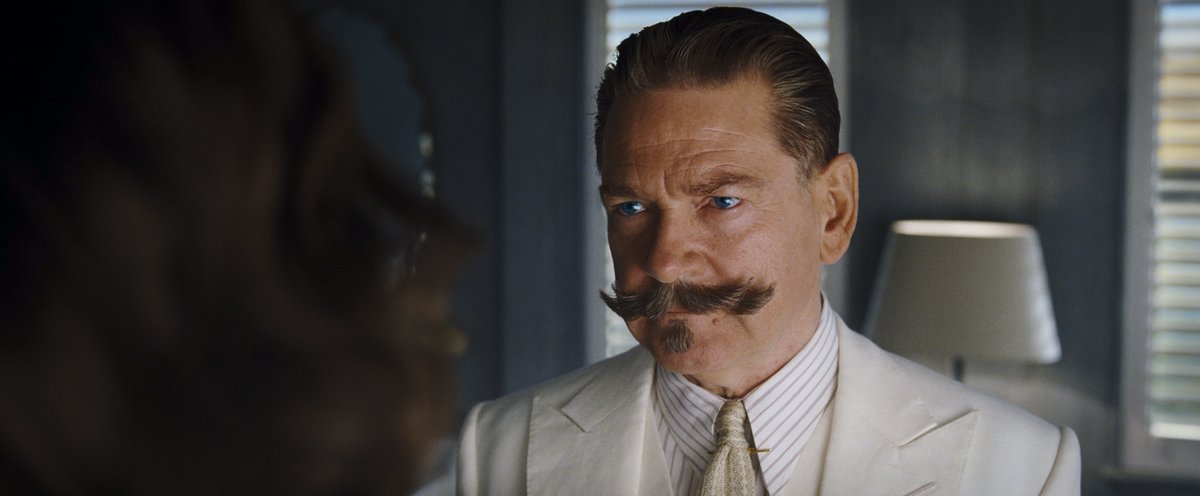
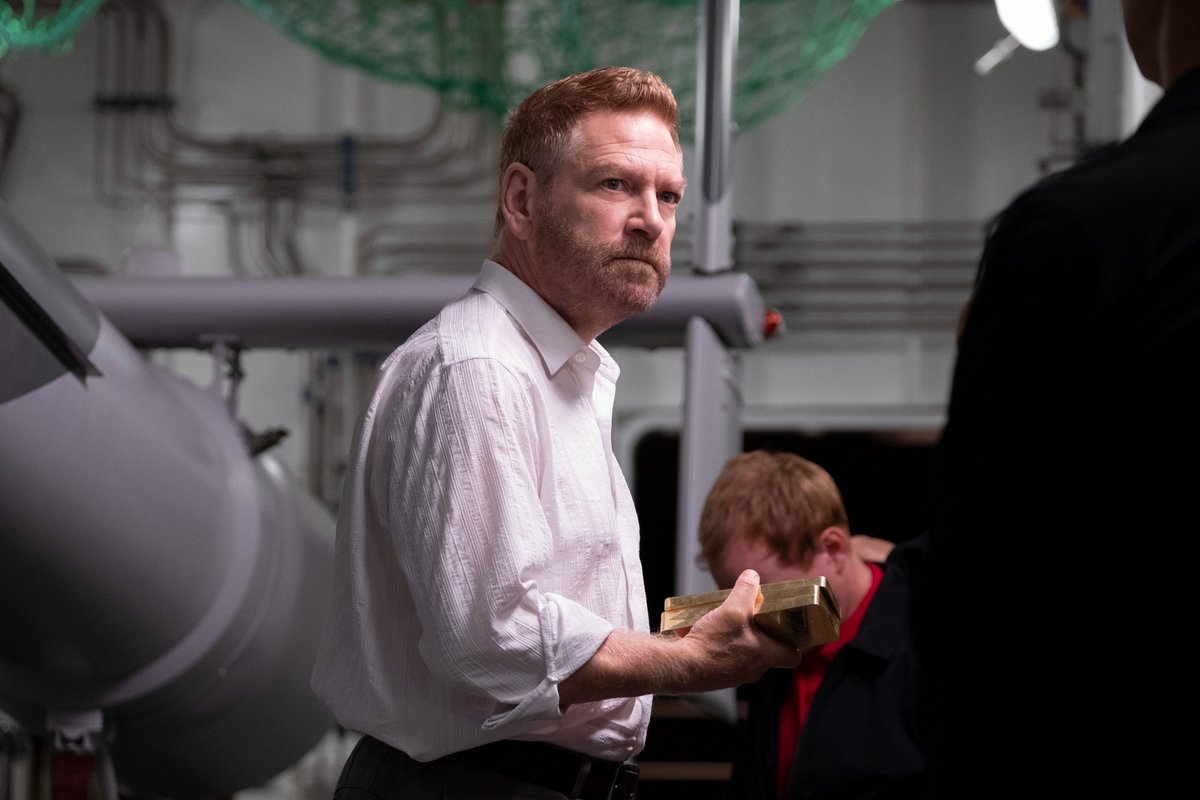
To play the scenes in which entropy is reversed, Branagh learned to speak his lines backwards. No mean feat by any standards, but even more so when he had to do it in a Russian accent.
16/52
16/52

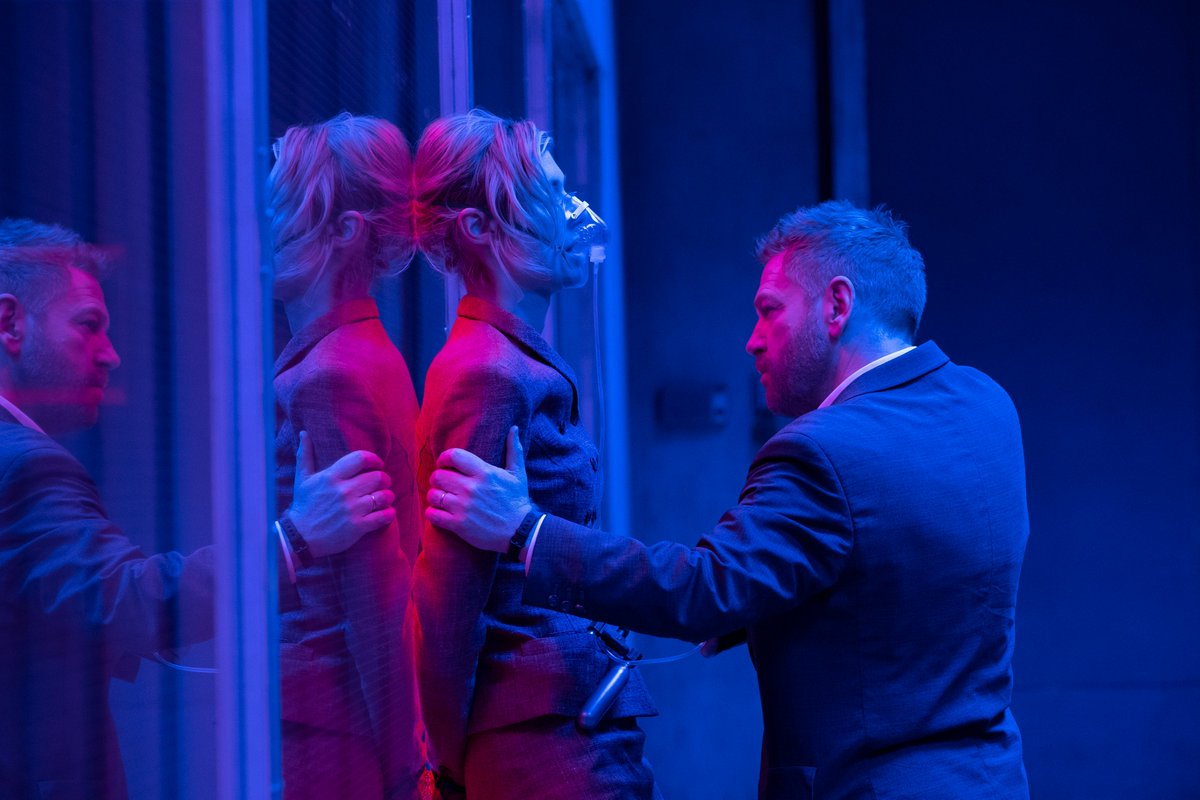
Sator and Kat are estranged partners in the film and, to lighten the mood on-set, Branagh and Debicki would play a game. They took turns in singing songs to which they didn’t know the words. Branagh was especially good at ad-libbing Les Miserables lyrics, apparently.
17/52
17/52
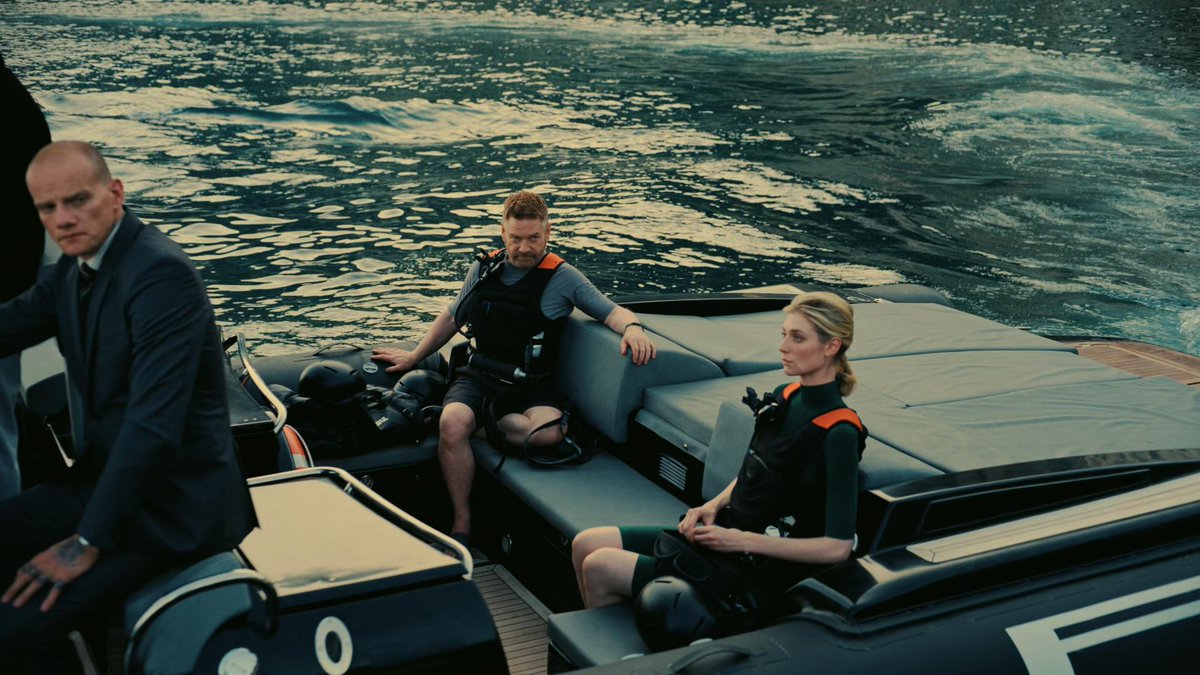
The support cast is fleshed out by Dimple Kapadia, Aaron Taylor-Johnson, Clemence Poesy, and Michael Caine. They all said they read the script under tight security, and Caine was only given the lines to the scenes he was in.
18/52
18/52
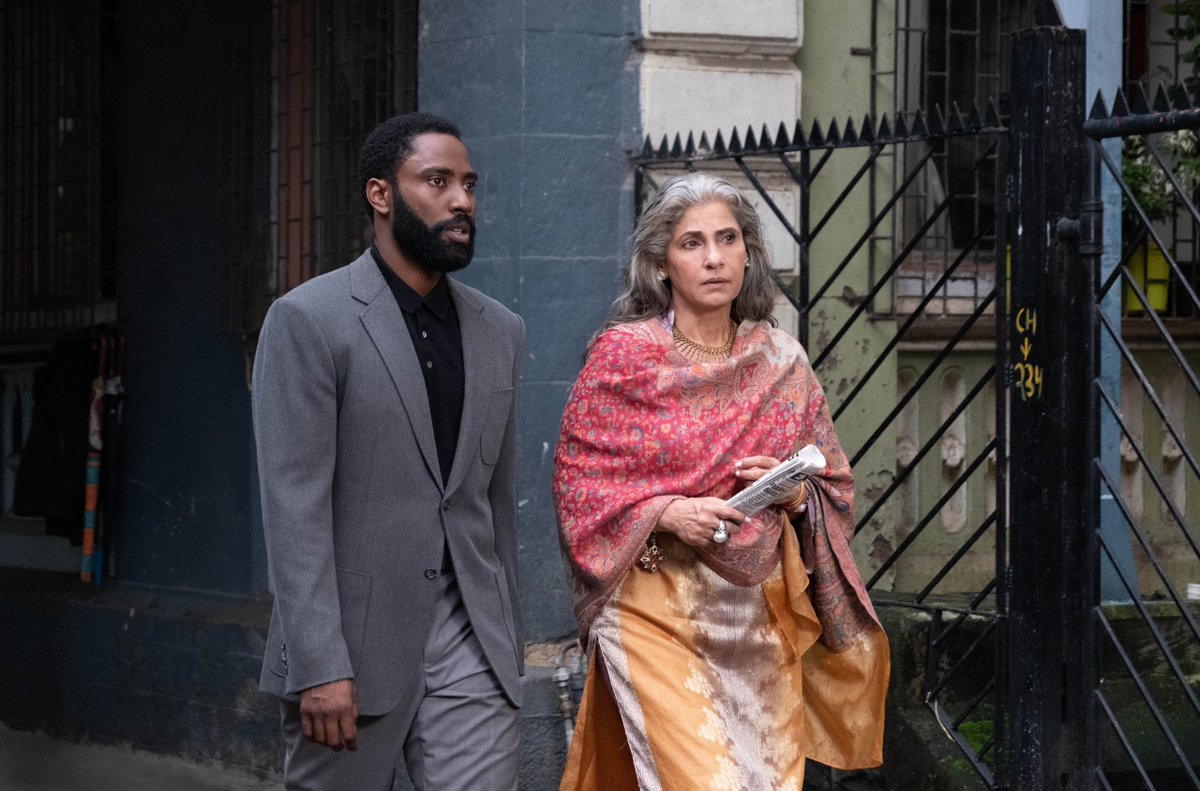
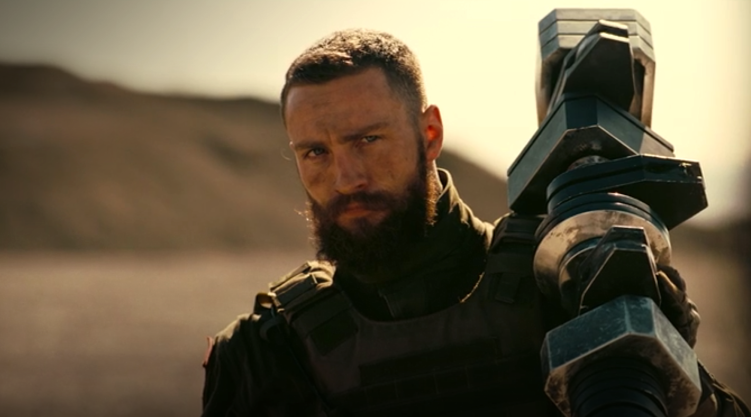
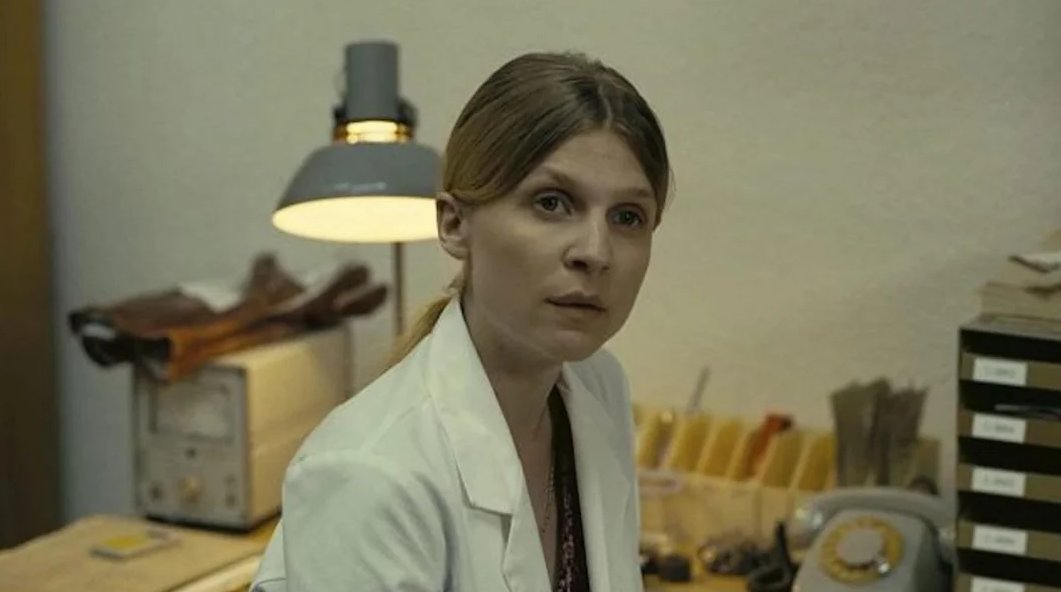
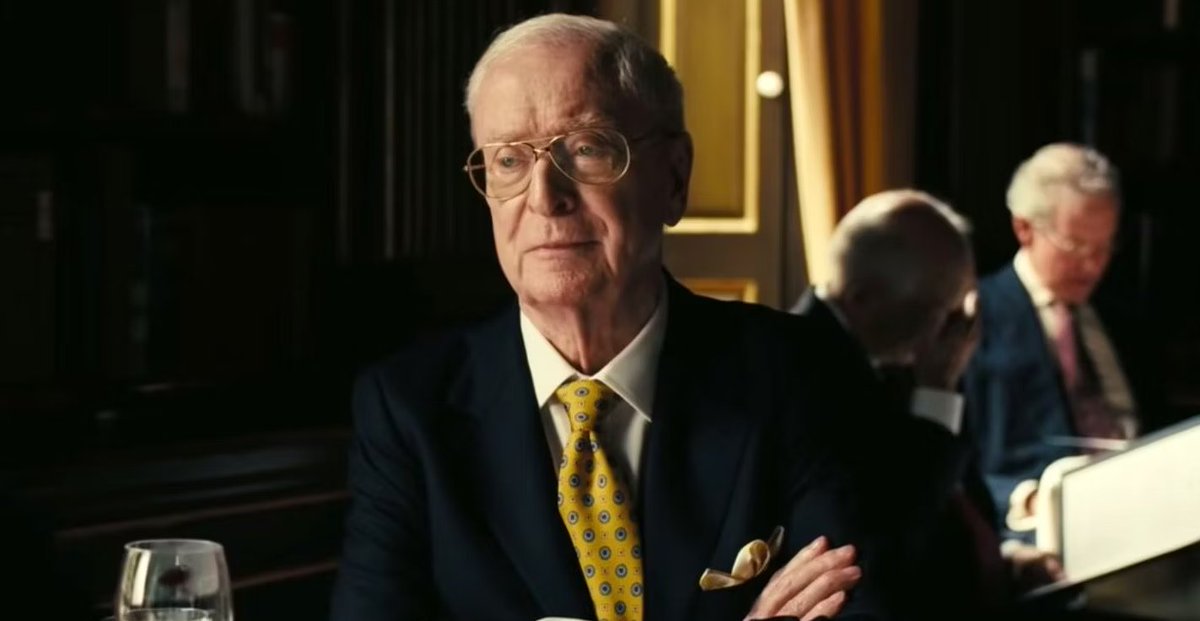
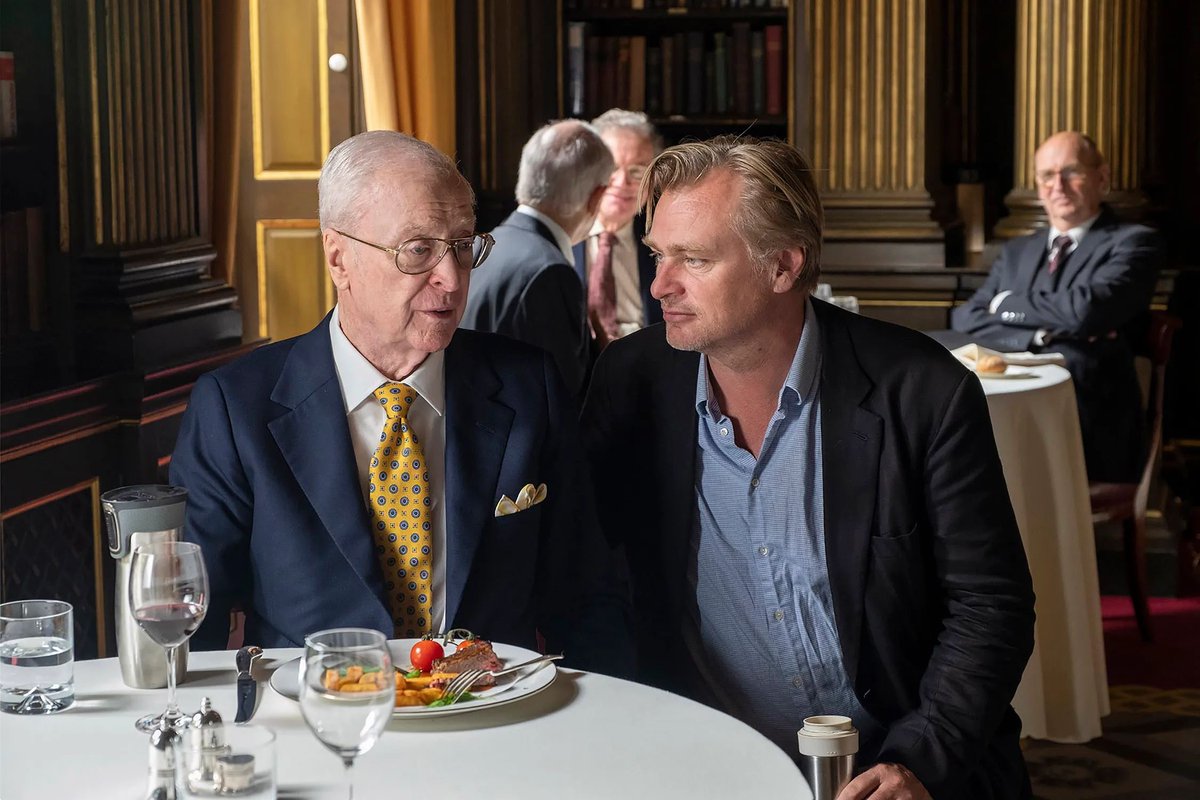
The film also marks the 8th and last time Caine – a long-time Nolan collaborator – would appear in a Nolan movie. As such, the final line spoken to his character (Sir Michael Crosby) is “Goodbye, Sir Michael.”
19/52
19/52
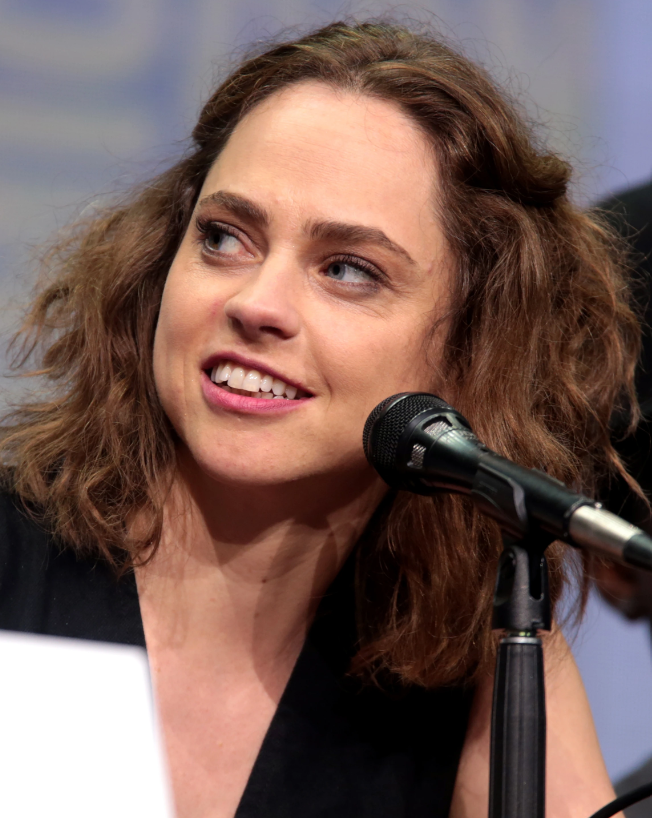
Actors in smaller roles didn’t get access to the script at all. Yuri Kolokolnikov (Volkov) and Fiona Dourif (Wheeler) reportedly auditioned reading lines from The Matrix and Westworld (the HBO show created by Nolan’s brother, Jonathan), respectively.
20/52
20/52
As with Interstellar, Nolan brough in physicist Kip Thorne to act as script consultant and make sure the science in the movie was based in some kind of reality. Nolan said Thorne “helped out with the ideas I wanted to explore with time and quantum physics.”
21/52
21/52

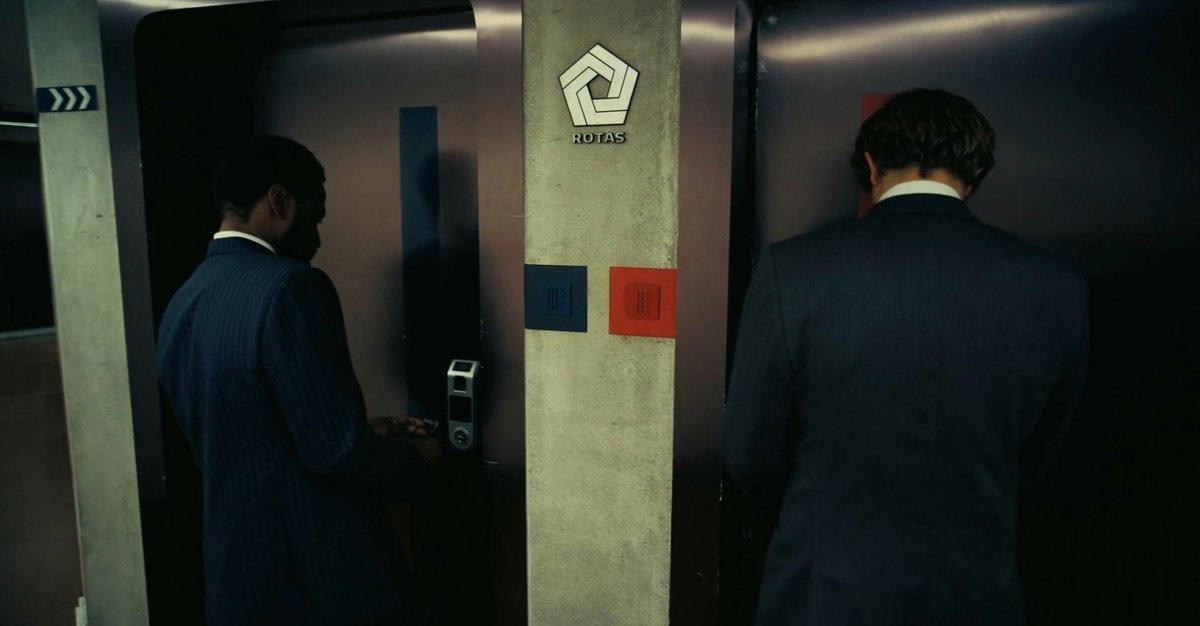
The palindromic Latin word square Sator was an influence. Dating back to the times of Pompeii, the square contains 5 words: Sator, Arepo, Tenet, Opera, and Rotas and all of those words are used in the film…
22/52
22/52
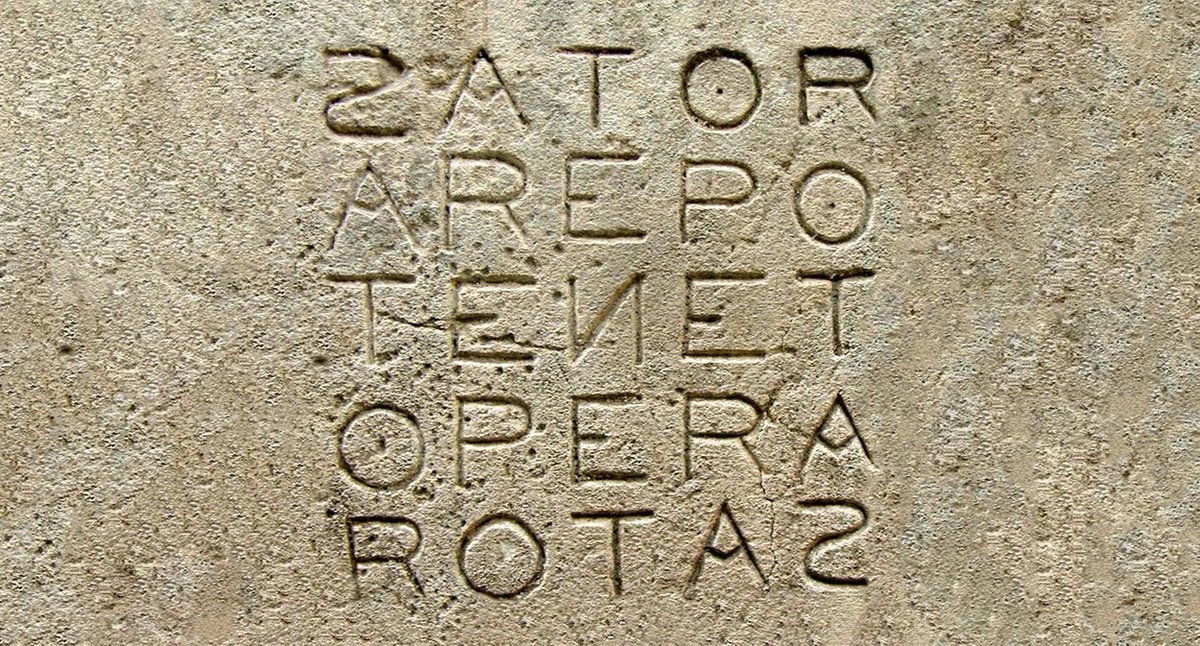
Tenet is the name of the organisation; Sator is the name of the villain; Kat’s lover was named Arepo; the opening sequence takes place at the opera; Rotas is the name of a security company in the movie.
23/52
23/52
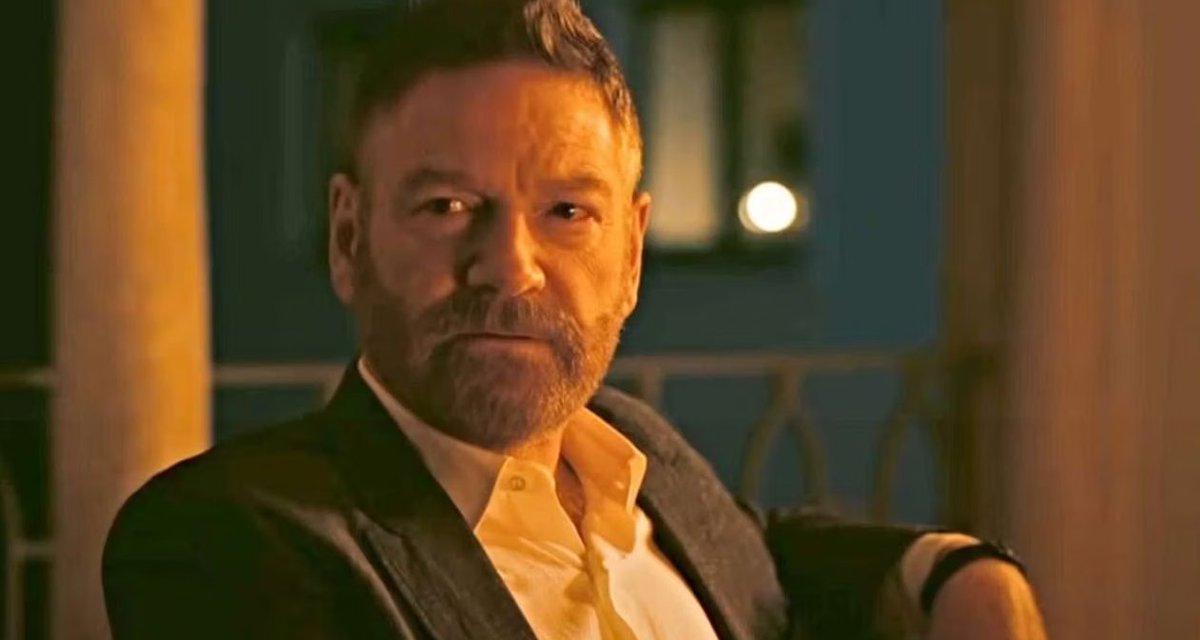
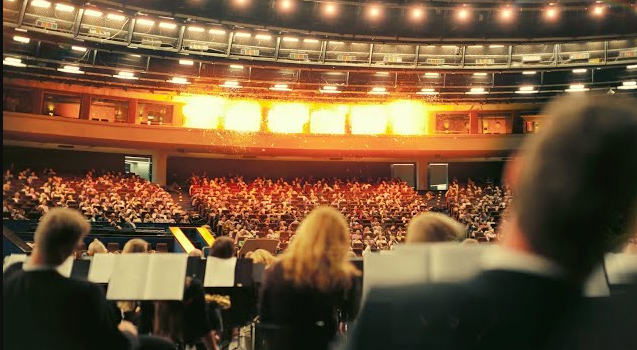
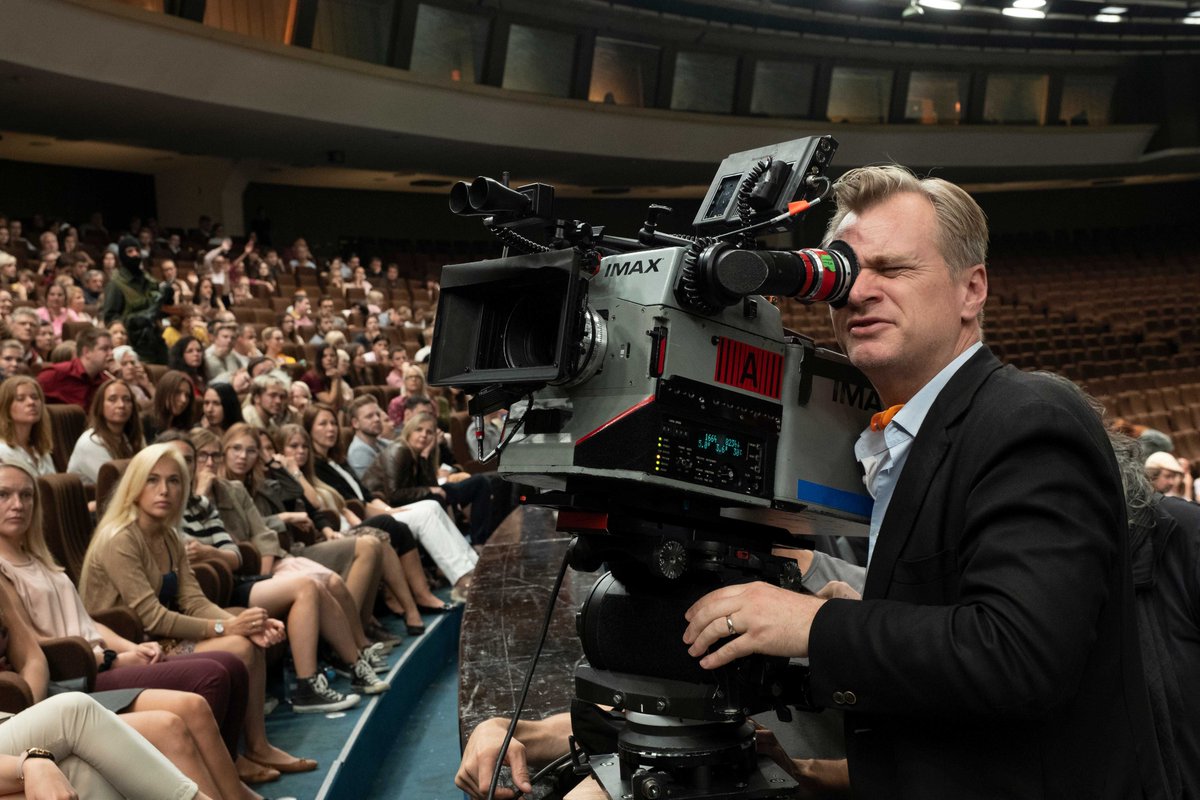
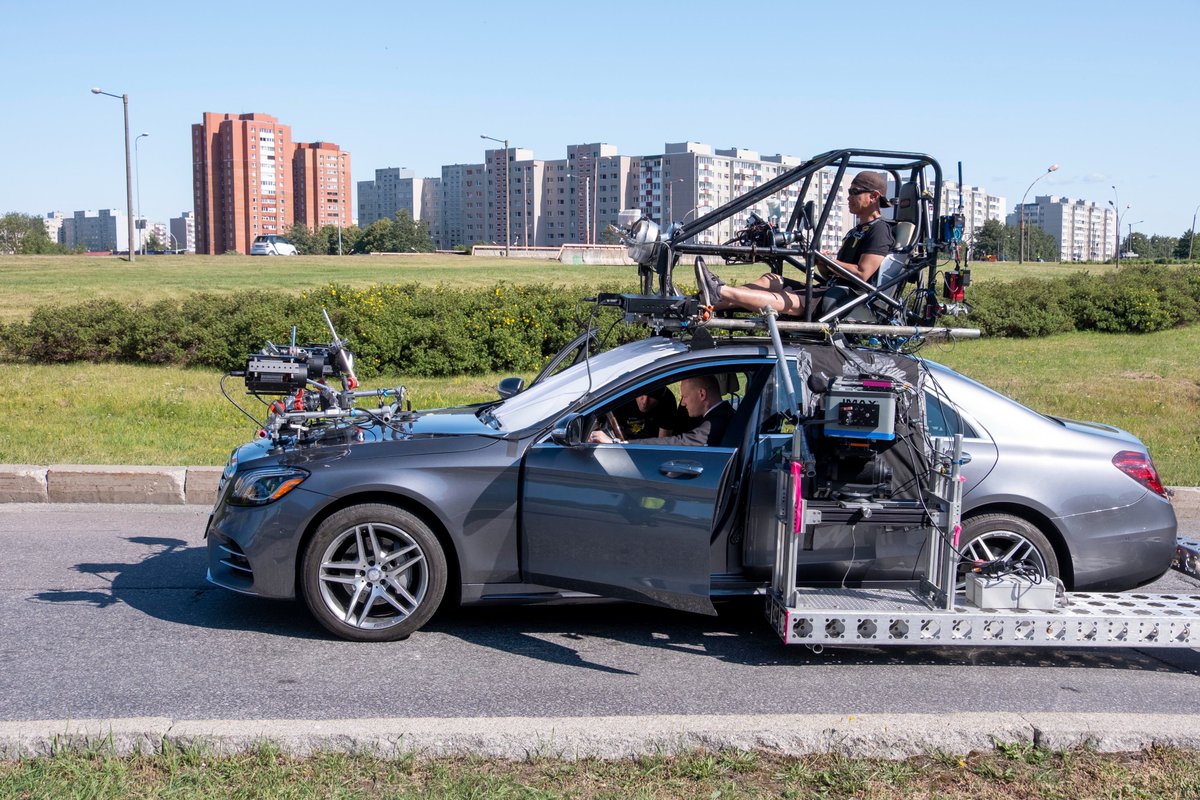
The film marked the third collaboration between Nolan and Director of Photography Hoyte Van Hoytema. Filming in IMAX, Van Hoytema had custom rigs created that would allow him to move a camera 360 degrees within a moving car.
24/52
24/52
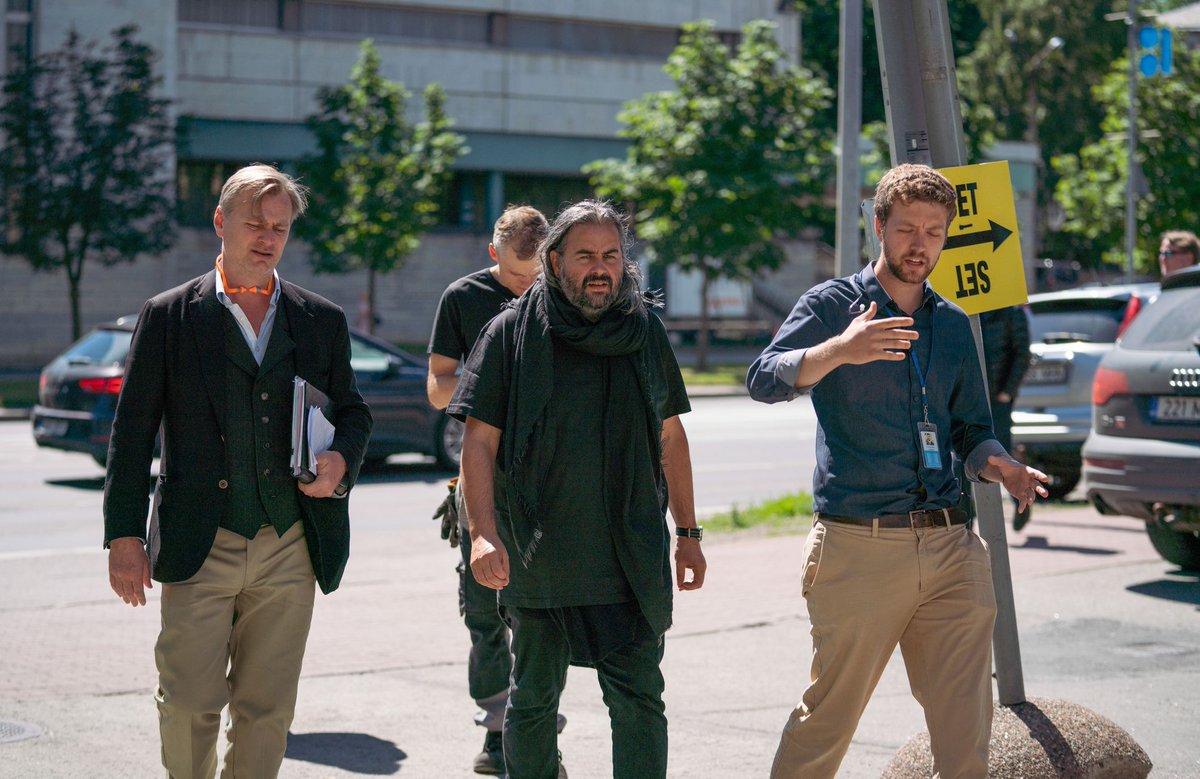
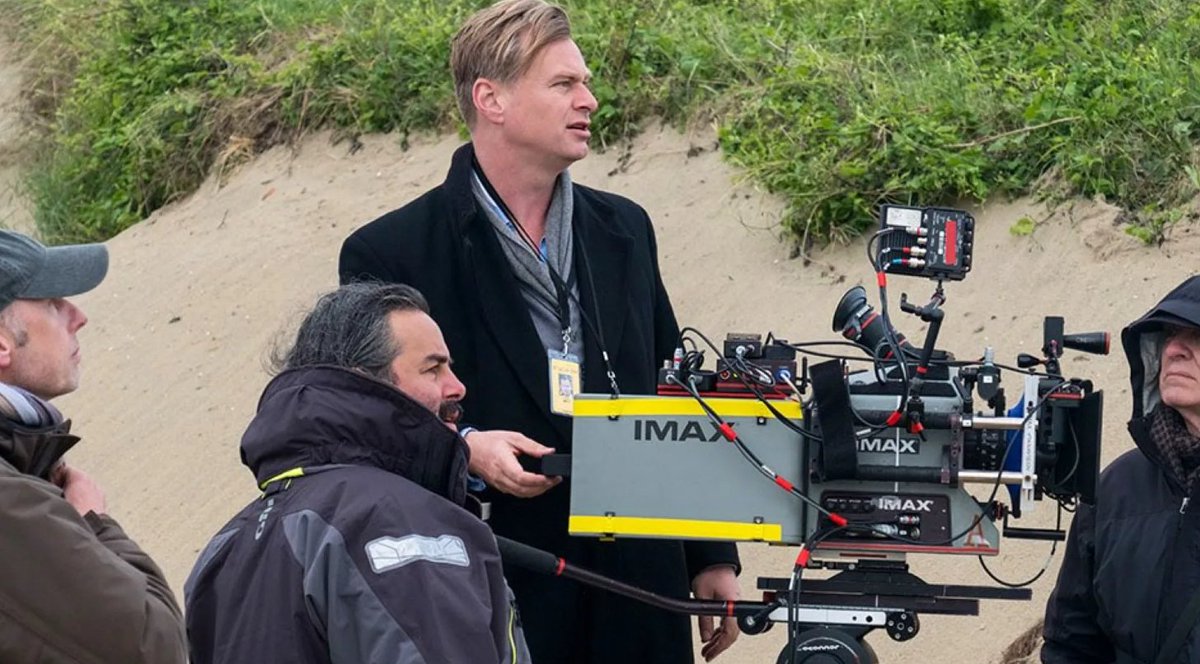
To achieve as many in-camera effects as possible, IMAX worked with Nolan and Van Hoytema’s team to build custom machines that allow them to shoot forwards and backwards more easily. Around 1.6m ft of IMAX footage was shot – a record, according to Van Hoytema.
25/52
25/52
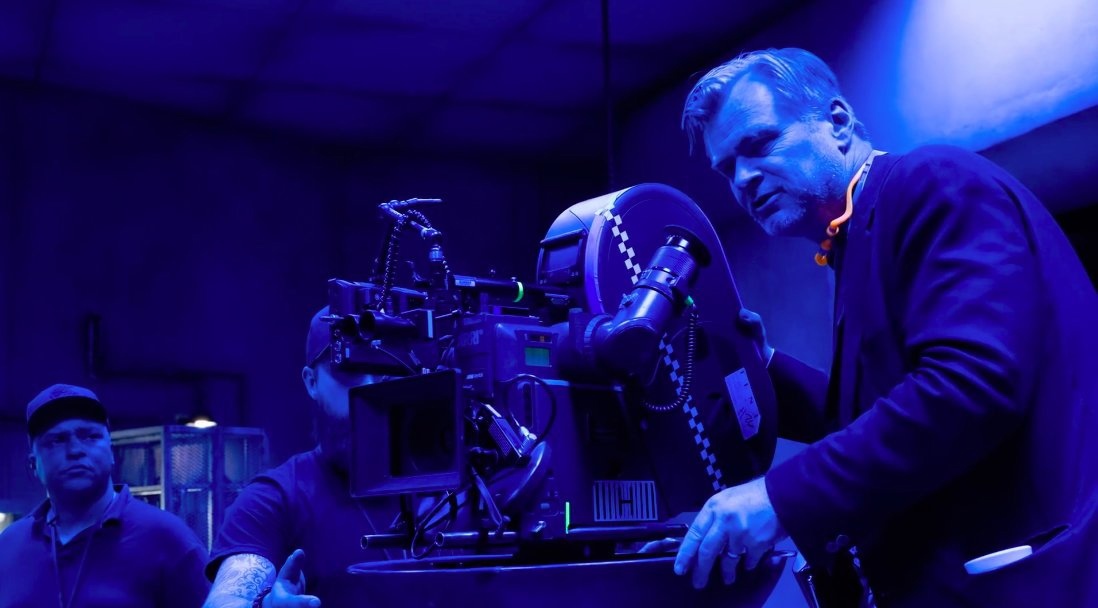
Throughout the film, red lighting is used when time is moving forward, and blue when it is reversed. Nolan took this from the Doppler Shift, which states that light turns red as it moves further away (and is stretched) and blue as it is closer.
26/52
26/52
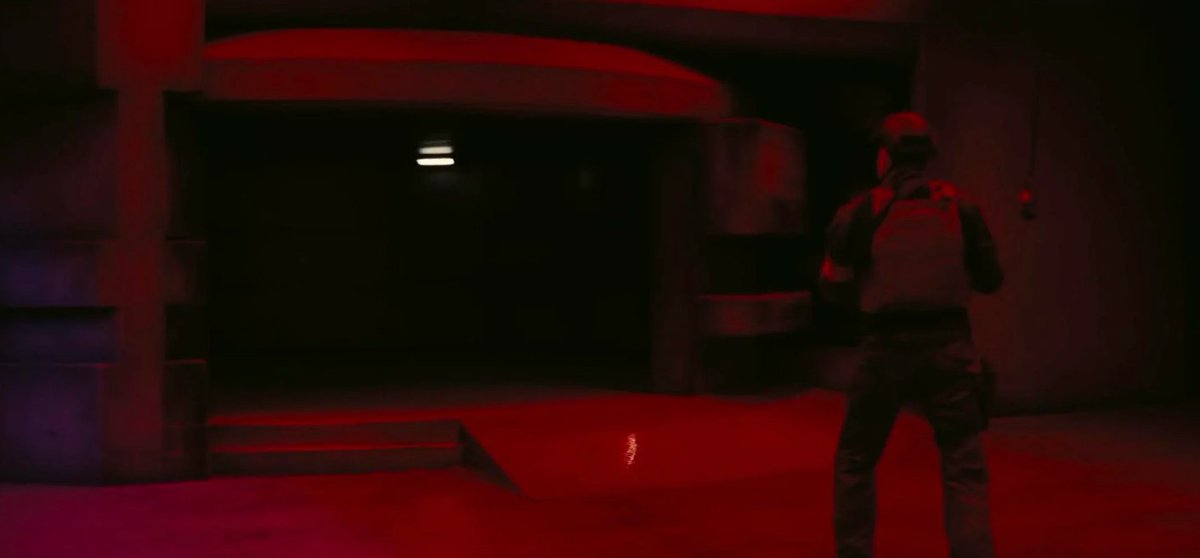
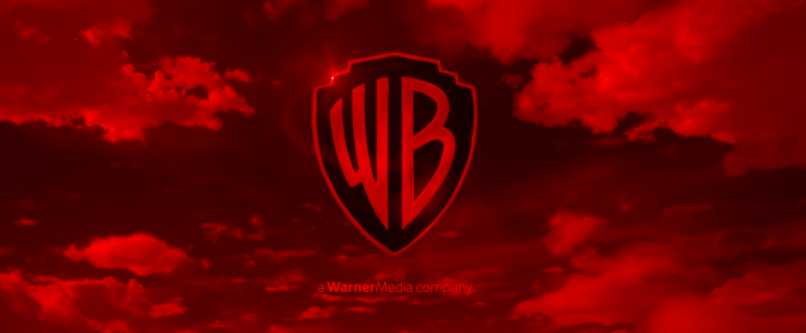
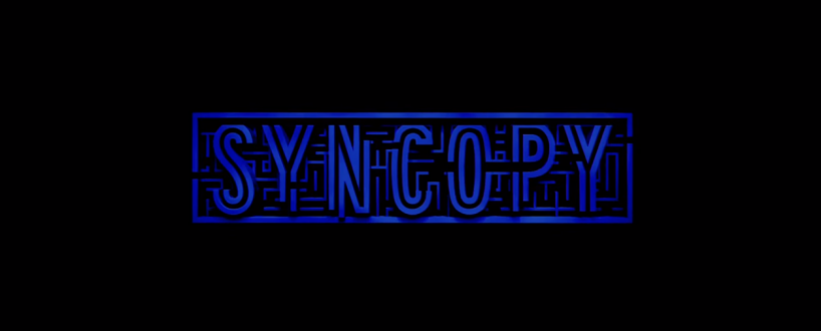
To reflect this further, the studio idents that begin the movie for Warner Bros and Syncopy (Nolan’s production company) are shaded red and blue, respectively.
27/52
27/52
Nolan’s regular composer, Hans Zimmer, was unavailable due to working on Dune. As such, Nolan hired Oscar-winner Ludwig Göransson to write the score.
28/52
28/52
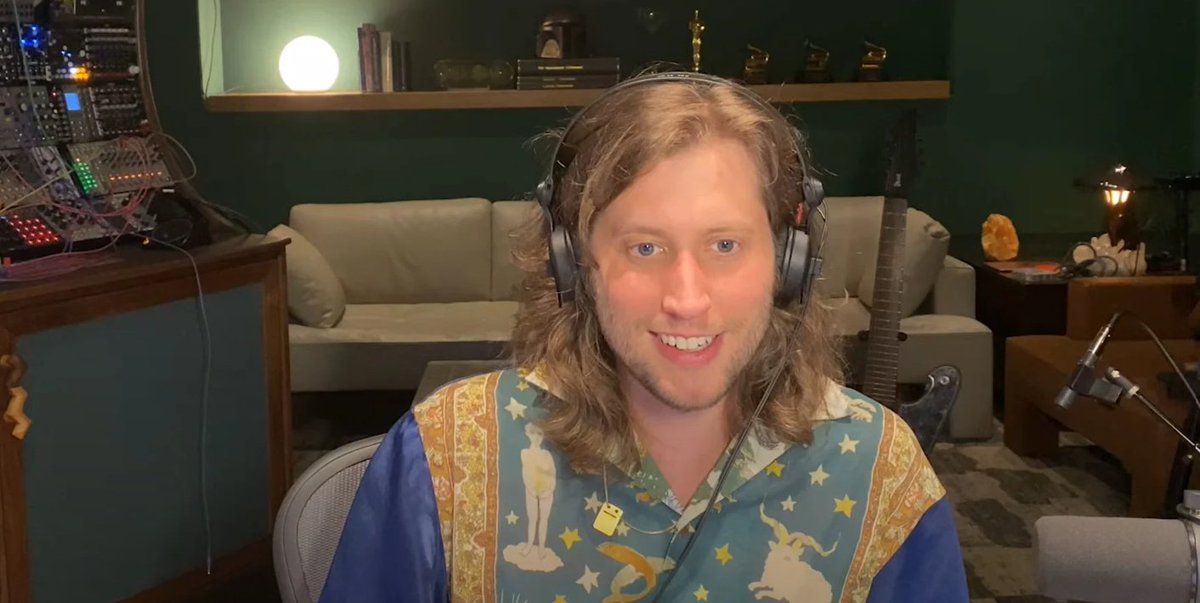
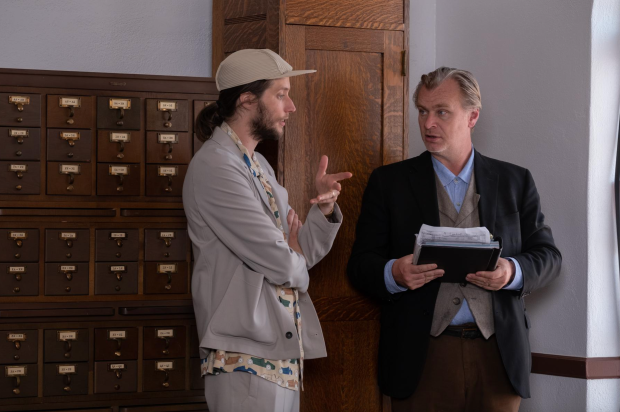
Göransson used retrograde composition to create melodies that sound the same when played forwards or backwards. He also had Nolan breathe into a microphone, distorted it, and incorporated it into some pieces.
29/52
29/52
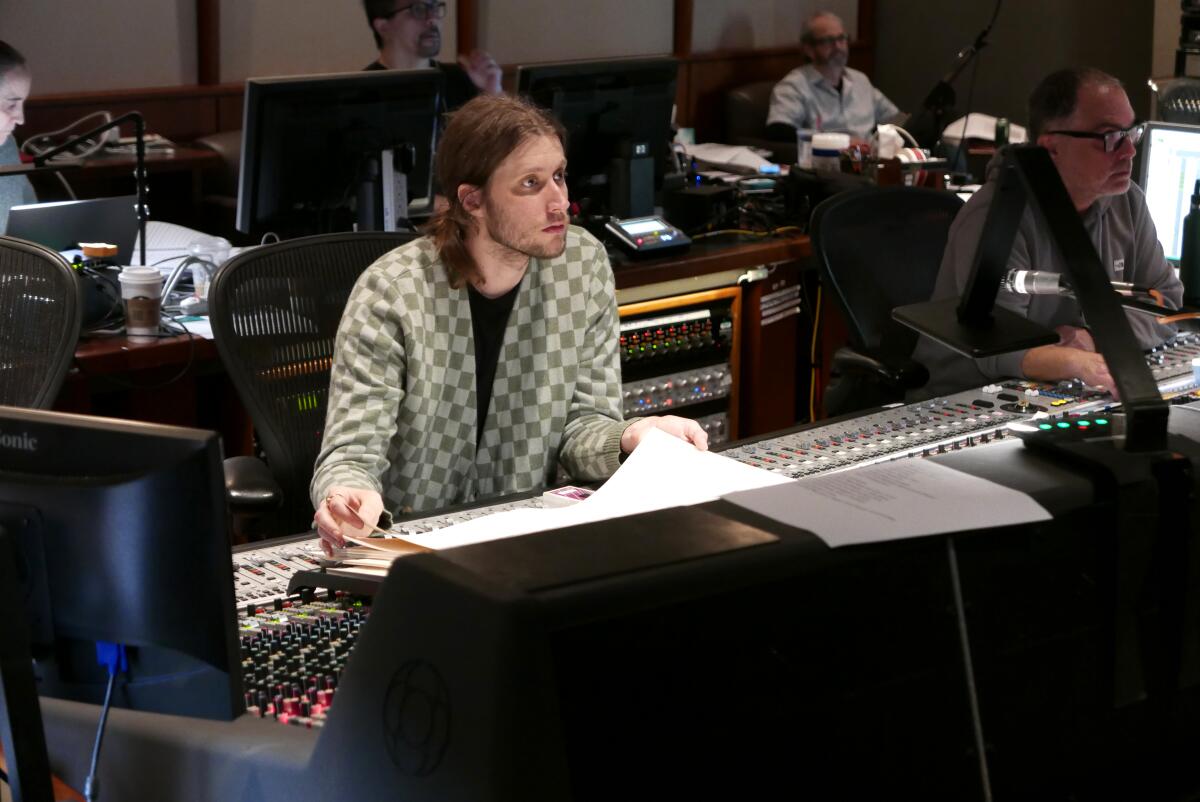
The coronavirus pandemic struck when Göransson was around 80% of the way through recording sessions. With musicians under lockdown, Göransson finished the sessions by recording them in their own homes.
30/52
30/52
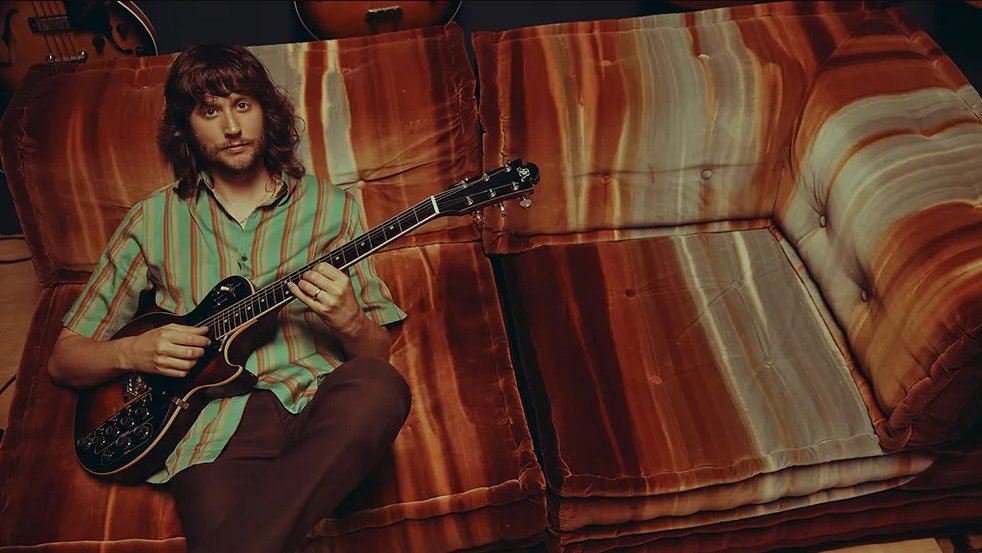
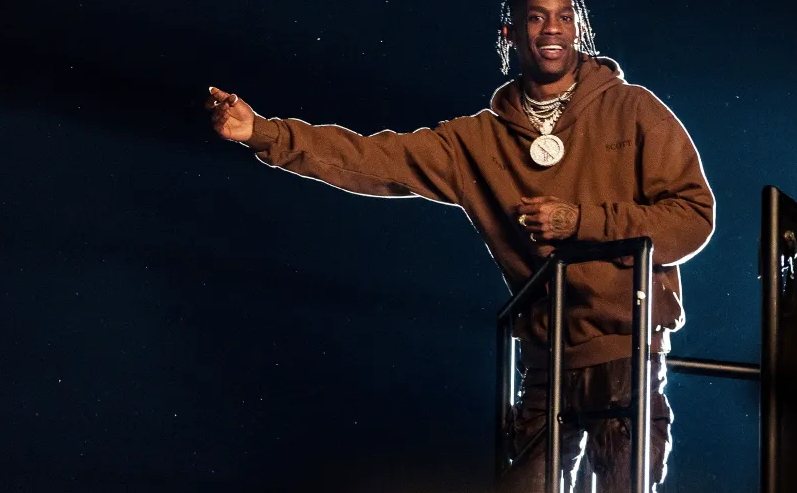
The soundtrack also features The Plan, a song written by Göransson, Travis Scott, and Wonda Gurl, which plays over the end credits. Performed by Scott, Nolan was inspired by the James Bond-series, where each film has its own custom-written theme song.
31/52
31/52

Costume designer Jeffrey Kurland said he read the script 6 times before discussing anything with Nolan. In dressing the three main characters of the Protagonist, Neil, and Sator, Kurland used a different tailor for each and had them cut the suits in different ways.
32/52
32/52
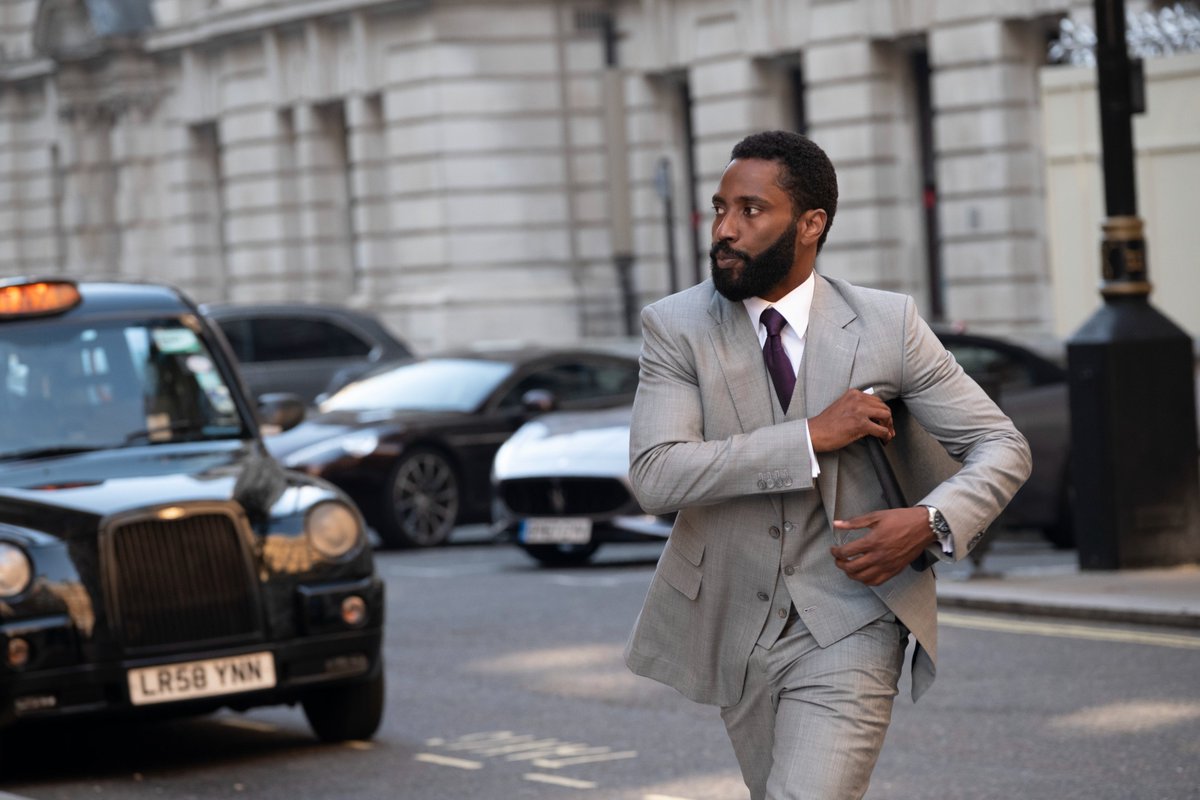
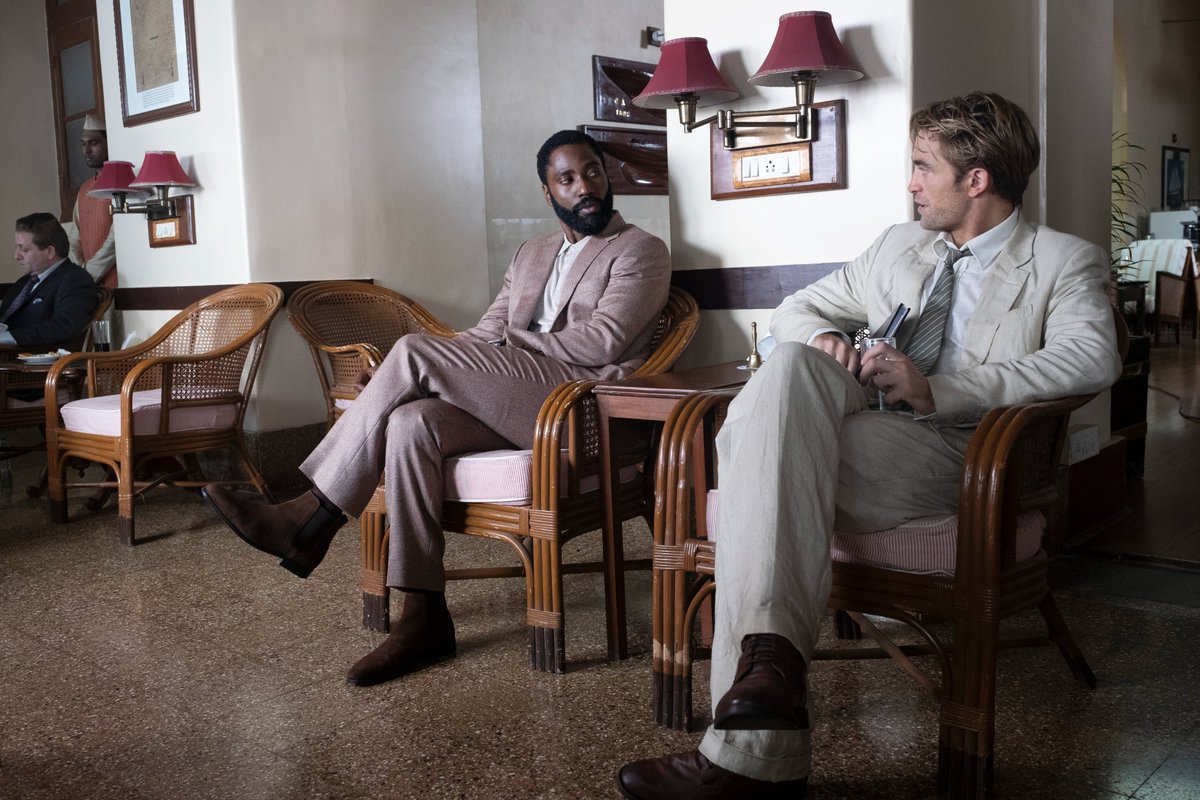
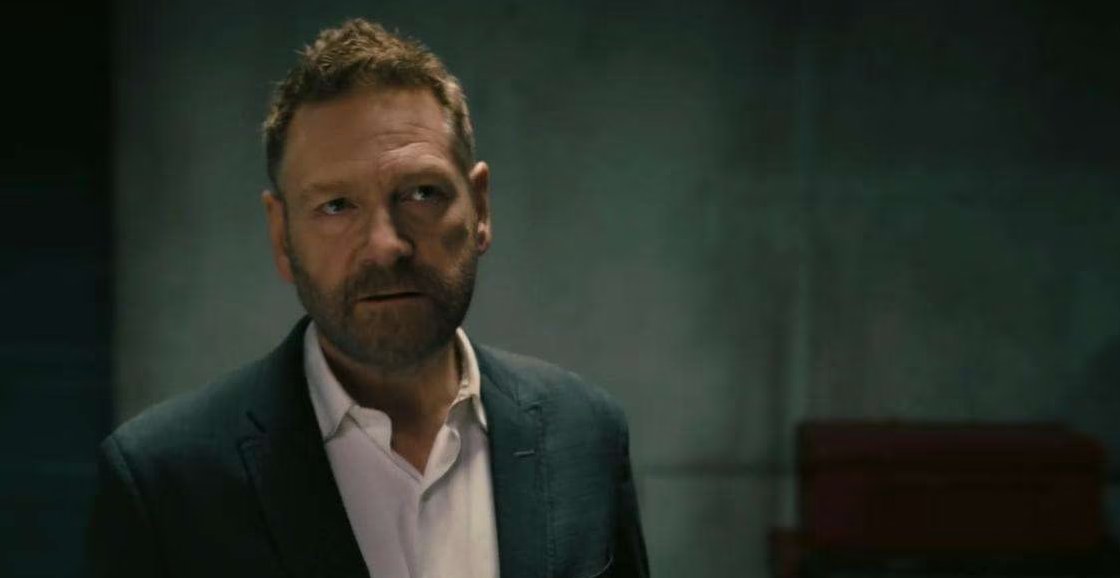
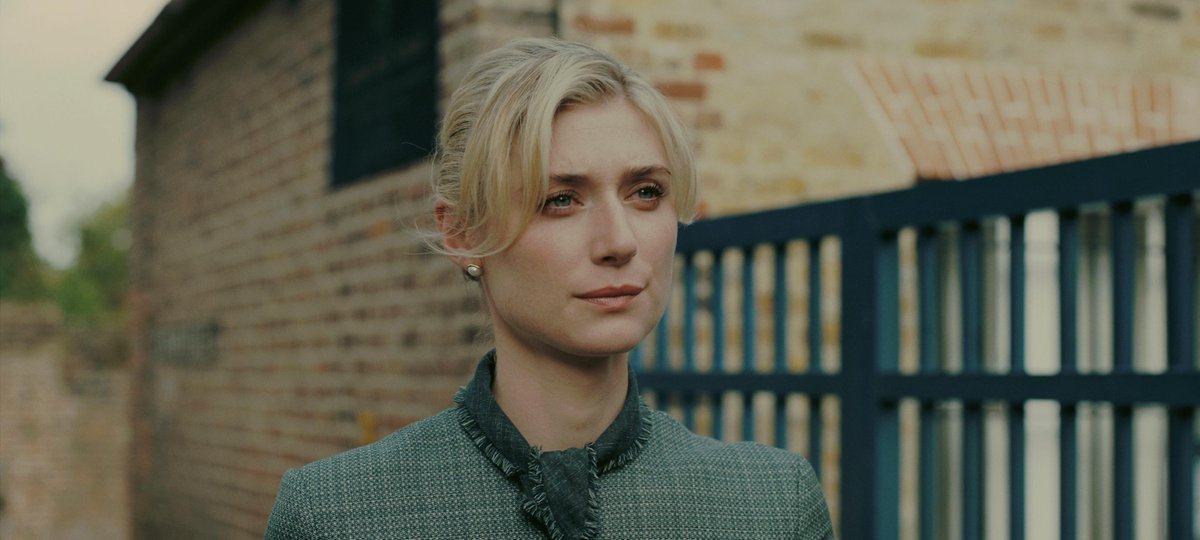
In designing Kat’s suits, Kurland took inspiration from 1940s and 50s tailoring, and also more contemporary styles. He said Kat dresses both conservative and stylish, reflecting her vulnerability and “very closed” personality.
33/52
33/52
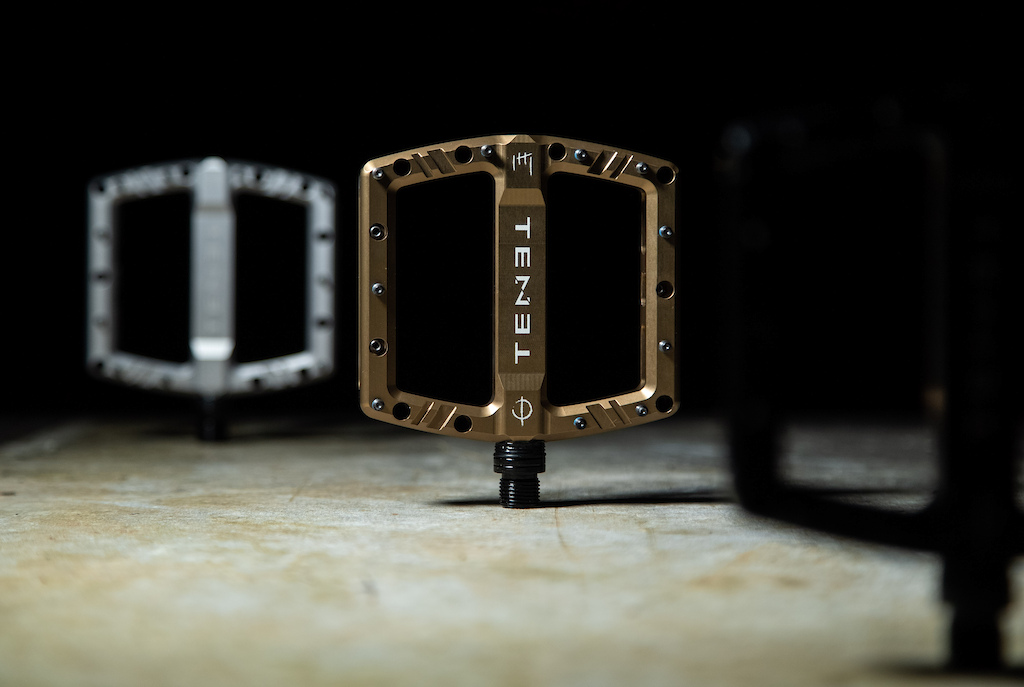
The logo design proved a bit troublesome. Nolan had always stylised the word ‘Tenet’ so it was symmetrical, but it turned out a bicycle manufacturer had done so already. Nolan reportedly sent the company a letter asking if they minded him doing the same.
34/52
34/52
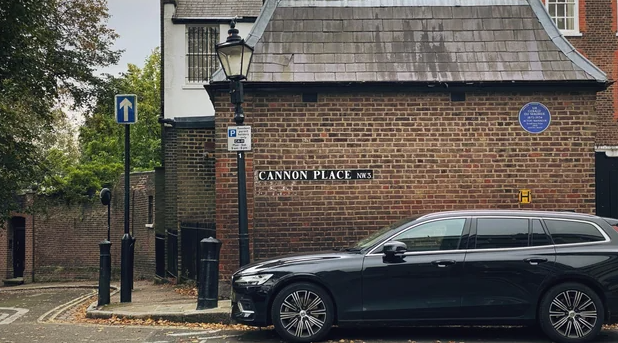
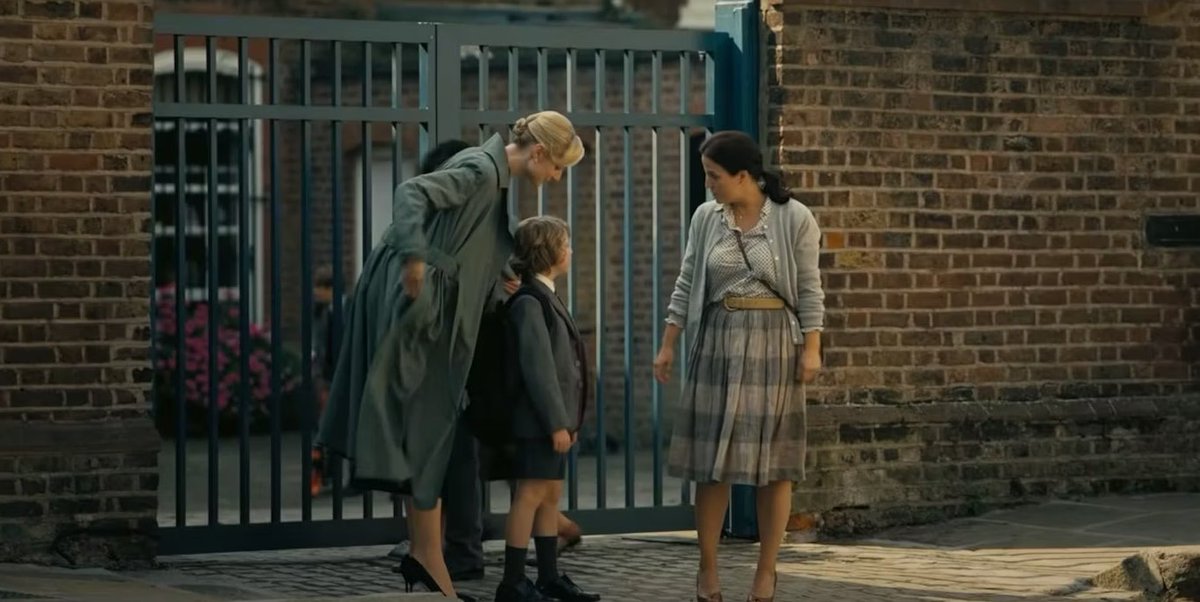
Production designer Nathan Crowley was tasked with finding the location to shoot the scenes set at the school of Max (Kat’s son). He found Cannon Hall in London, a private residence that had once belonged to famous author Daphne Du Maurier.
35/52
35/52
The film contains only 280 effects shots, and no CGI; everything was created practically. In shooting the scenes where time is inverted, Nolan would shoot them twice – once forwards and then again, with everybody performing the scene backwards.
36/52
36/52
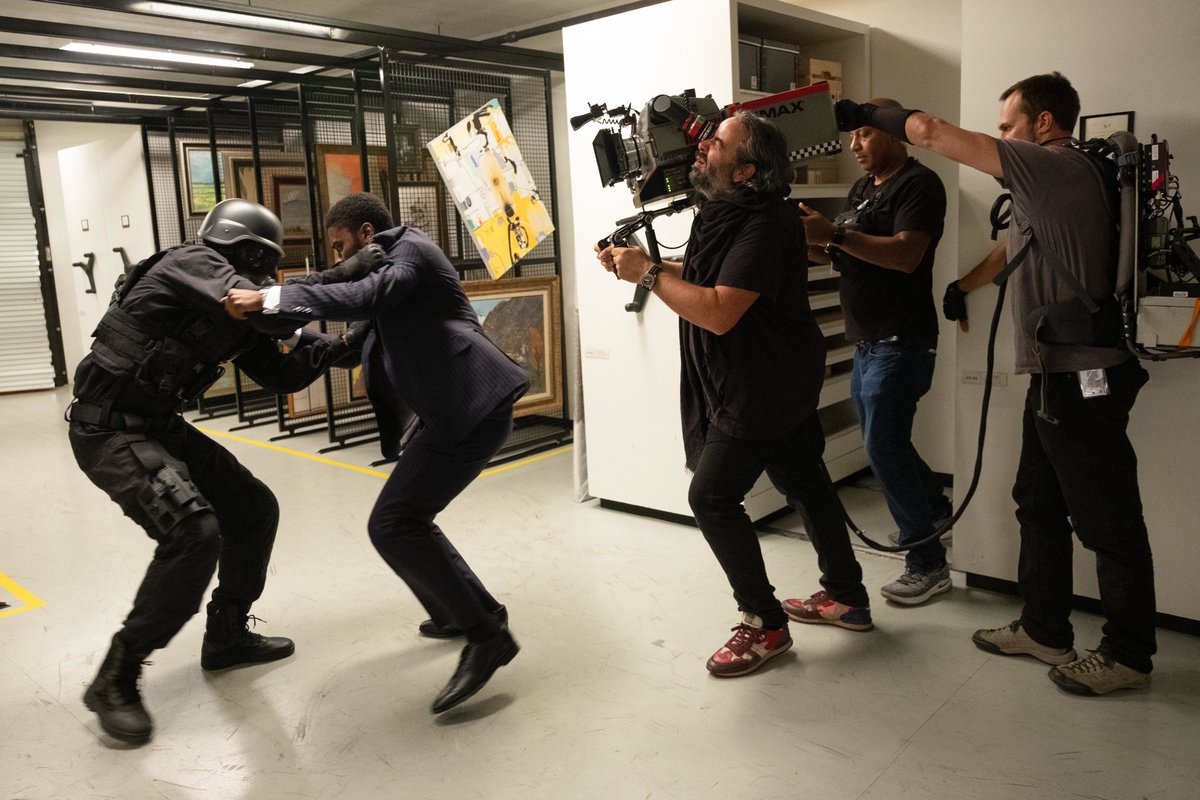
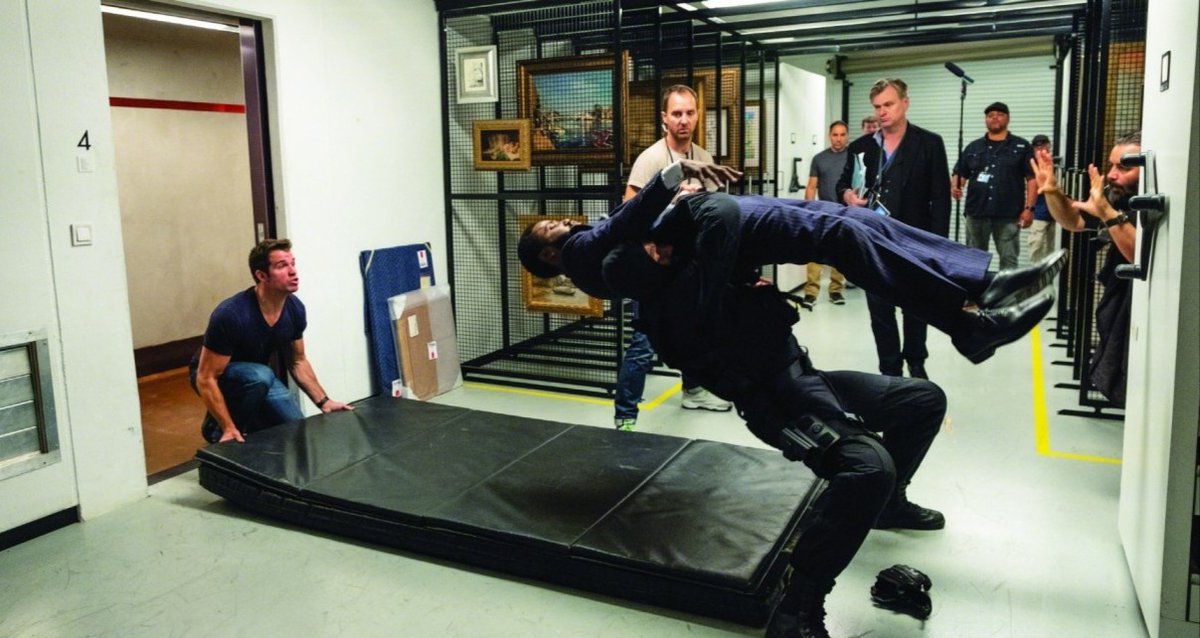
Pattinson said he also did some of the stunt driving himself for the film, including the scene where Neil and the Protagonist are in a car chase. Pattinson was driving a BMW with IMAX camera rigged to the bonnet, and said he could barely see anything.
37/52
37/52
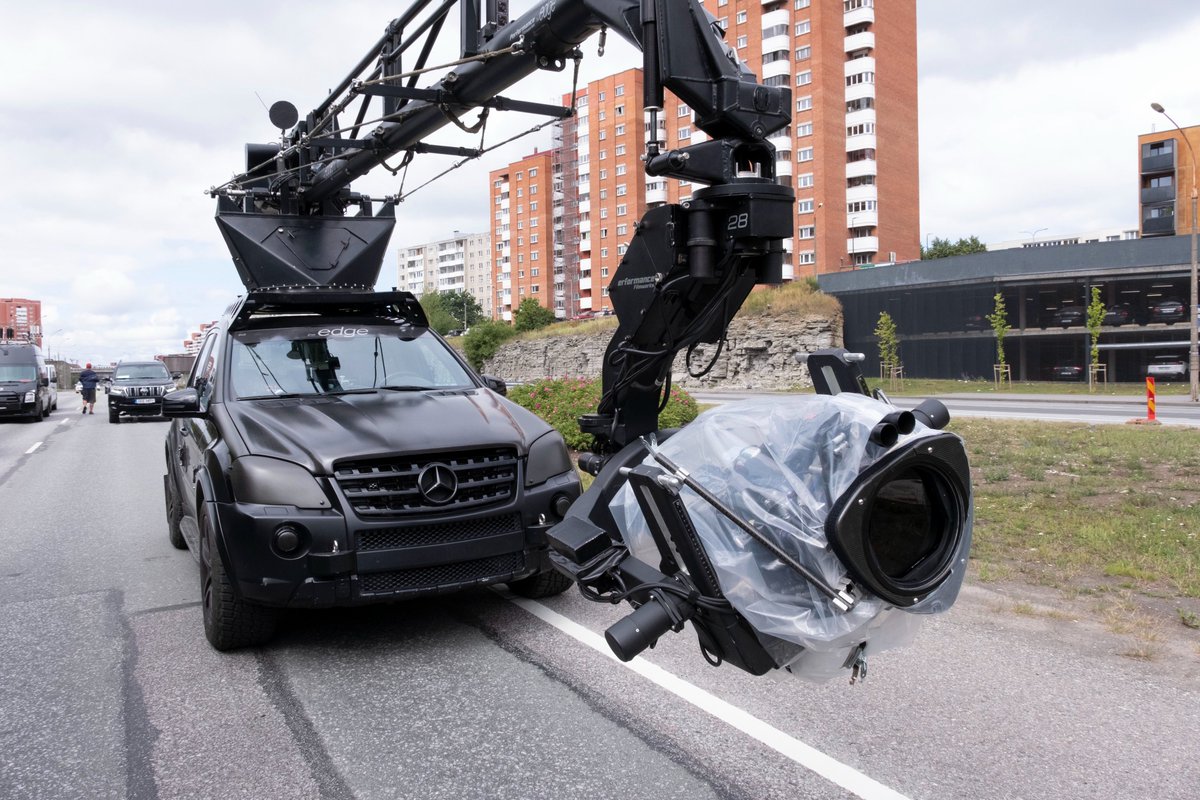
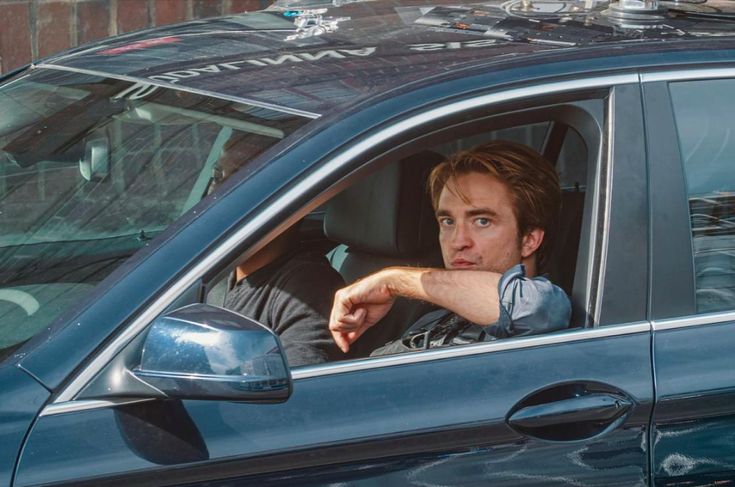
The movie was filmed in seven countries: Denmark, Estonia, India, Italy, Norway, the UK, and the US. And Nolan did not prepare a movie watchlist for his cast and crew (as he usually does) as he wanted them to work from memory rather than directly recreating anything.
38/52
38/52
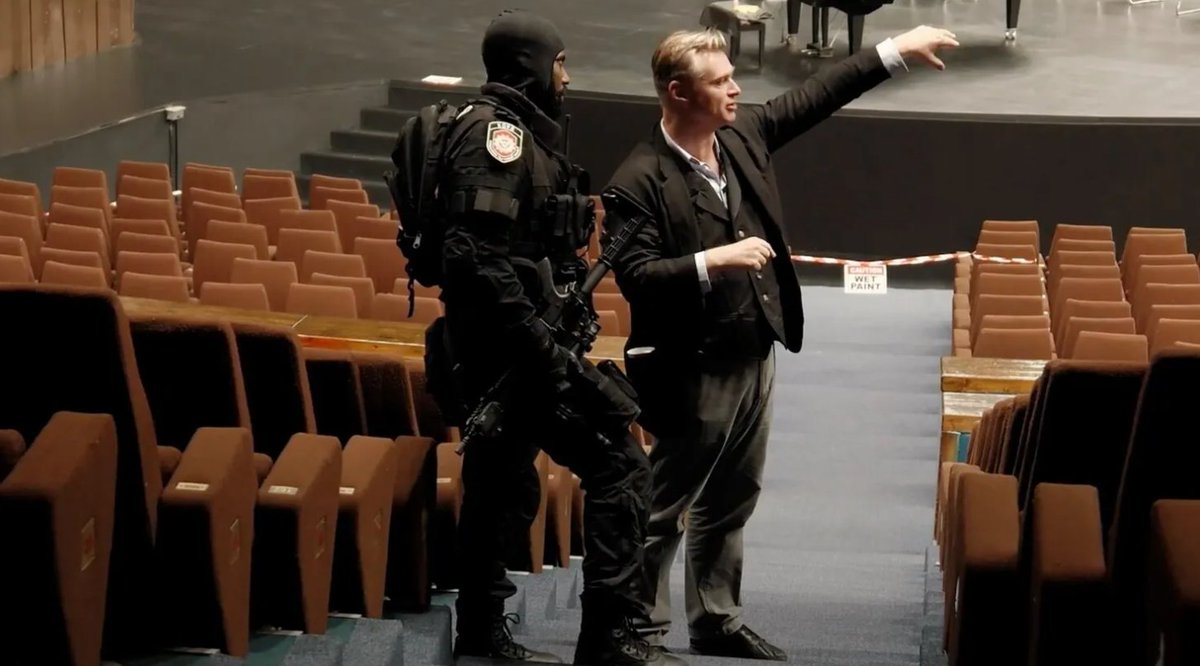
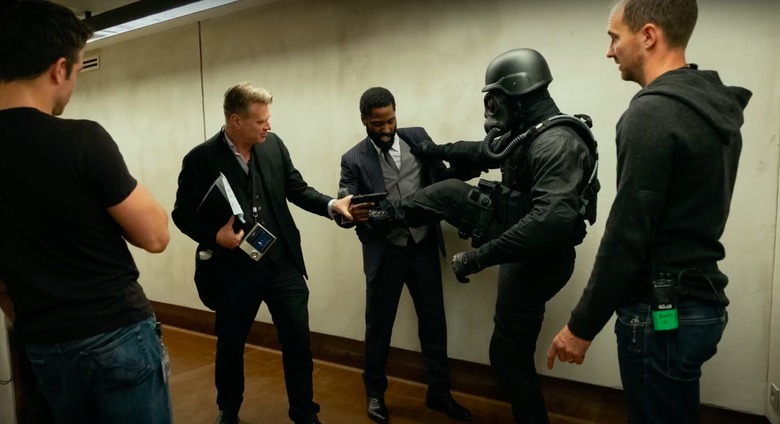
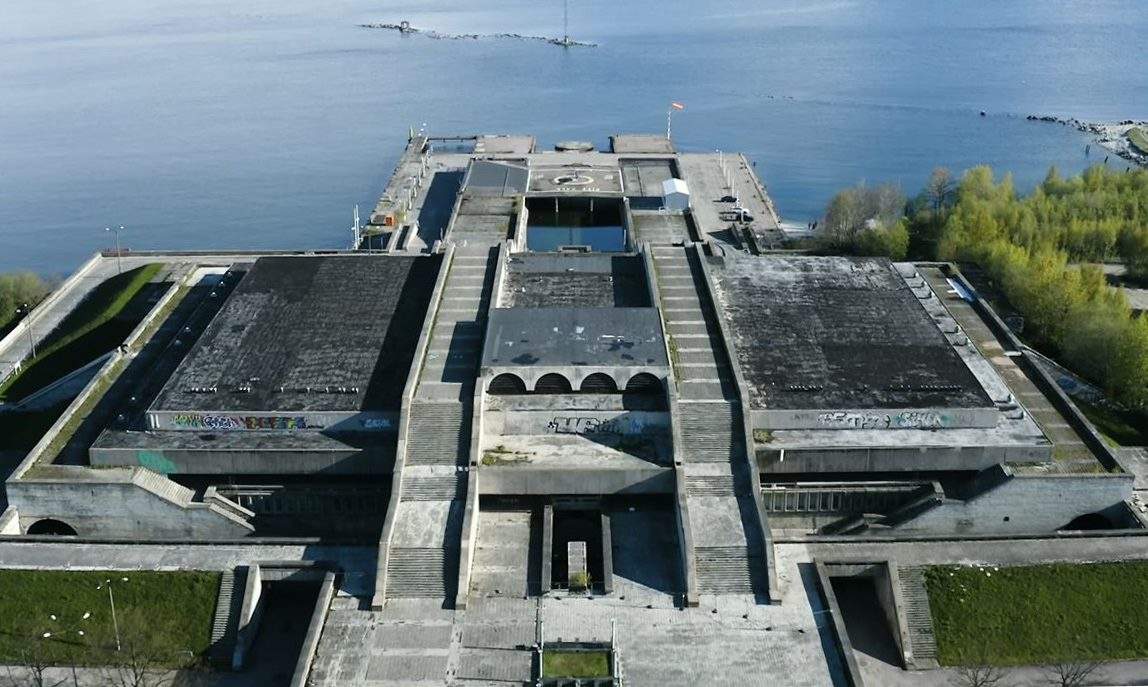
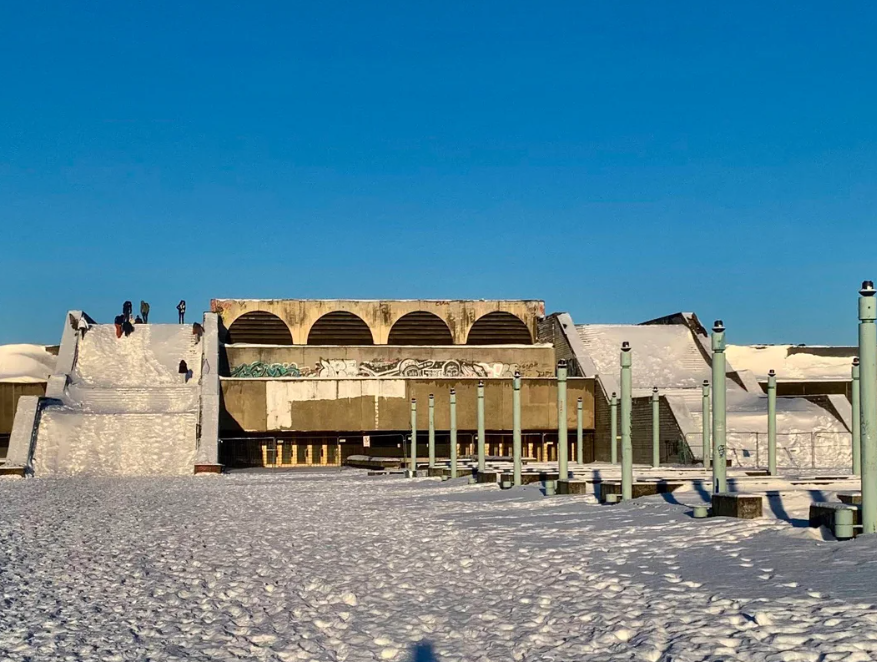
The Kiev opera house-set opening was filmed in Estonia at a hall built for the 1980 Moscow Olympics. It had run into disrepair, so Nathan Crowley and his team had to redress the whole arena to be suitable for 3500 extras.
39/52
39/52
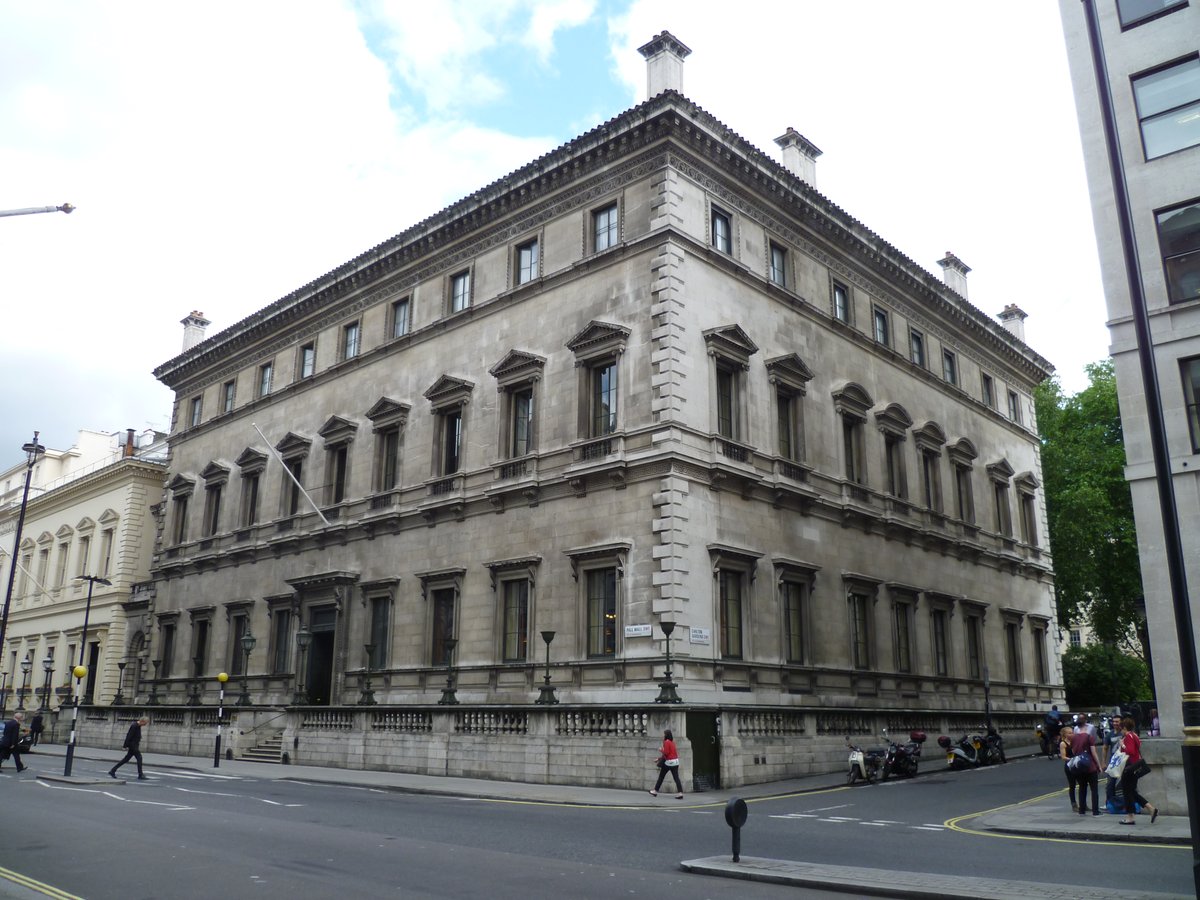
The club where the Protagonist meets British agent Michael Crosby is the Reform Club in London, where two Bond movies had shot. And the waiter is played by Jeremy Theobald, who had starred in Nolan’s earliest films, like Following and Doodlebug.
40/52
40/52

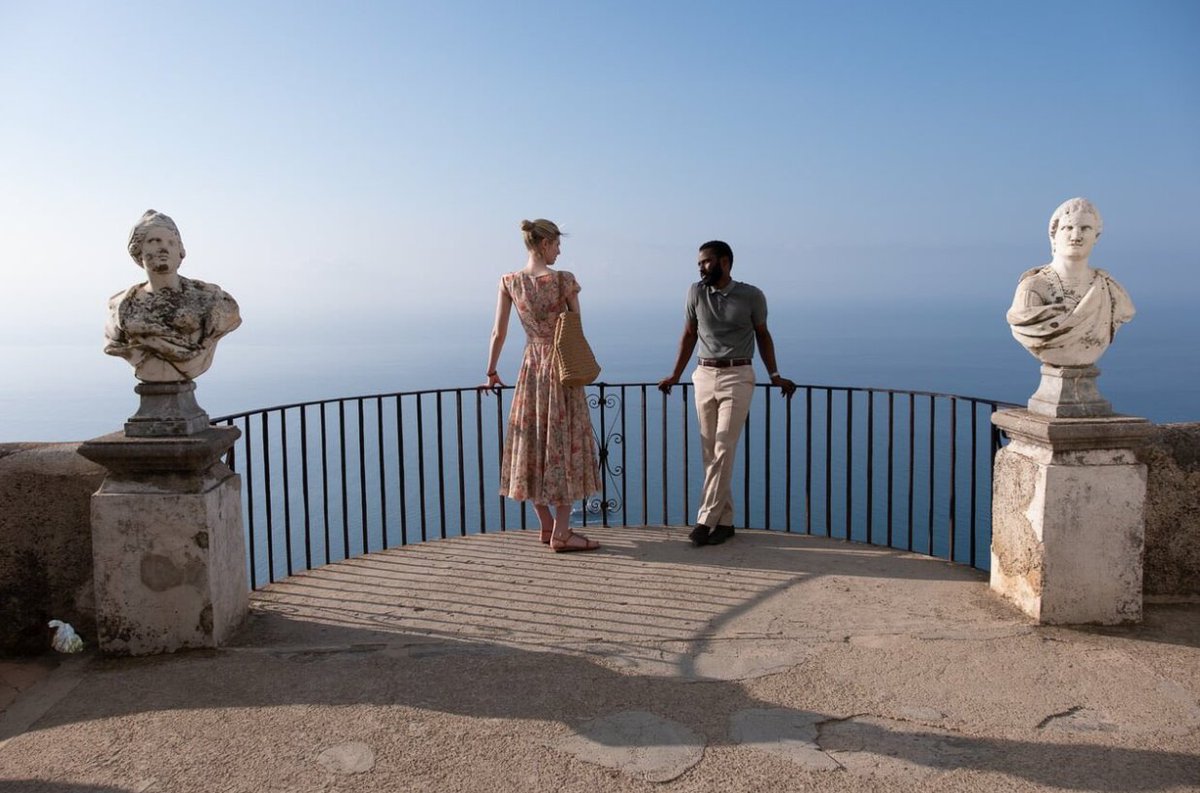
The scene where the Protagonist meets Kat on a terrace over a very steep cliff was filmed at the Infinity Terrace on the Amalfi Coast in Italy. It’s a real place, no green screen CGI was used.
41/52
41/52

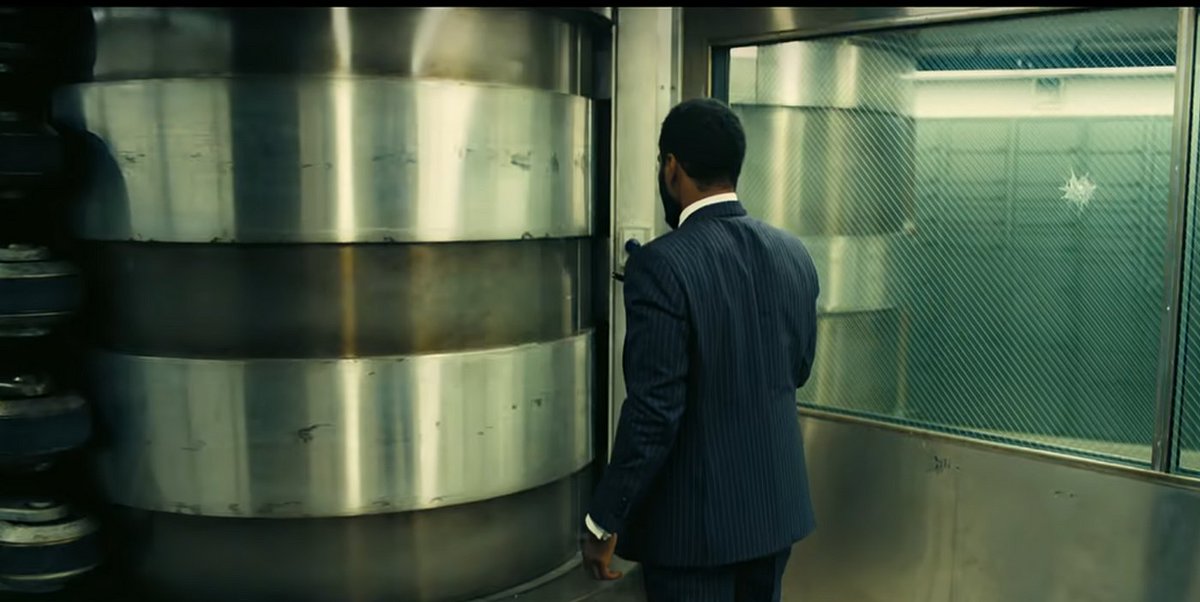
4 turnstiles (the time-reversal devices) were made for the film. They were all different – one was large enough that a car fit inside – and they were constructed at different locations: Estonia, California, and the Warner Bros studio.
42/52
42/52
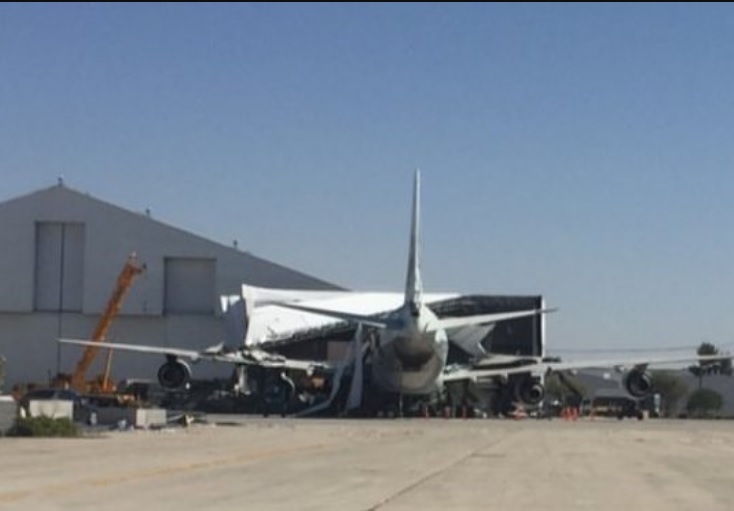
The big midpoint set piece is the plane crash at the Norwegian Freeport. Nolan had planned to use miniatures, until he was told it would be a similar to buy an old plane and crash it for real. As such, the production bought a real 747 and drove it into a hangar.
43/52
43/52
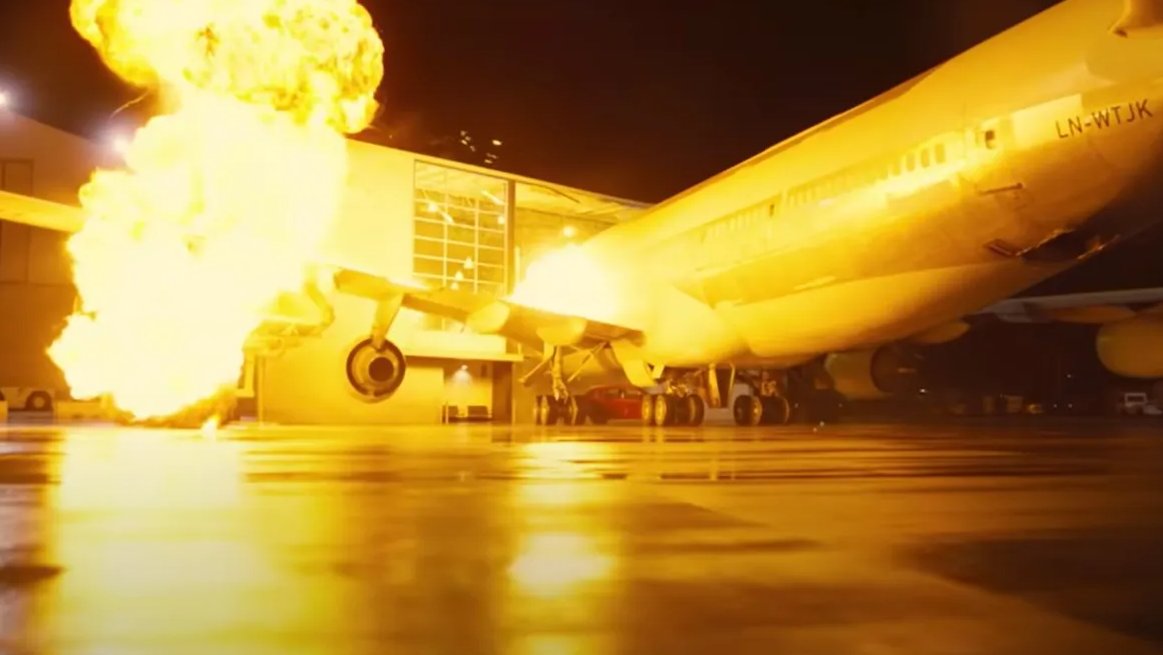
For safety reasons, the 747 couldn’t be moved under its own power so stunt driver Jim Wilkey had to get a license to drive a two vehicle to pull the plane, before a cable took over. It took weeks of preparation and planning before filming the sequence.
44/52
44/52
The inverted car chase sequence was shot over 3 weeks in Estonia. Production had 8km of a 6-lane highway closed down and a team of 20 stunt drivers were assembled to shoot the cars moving forwards and backwards.
45/52
45/52

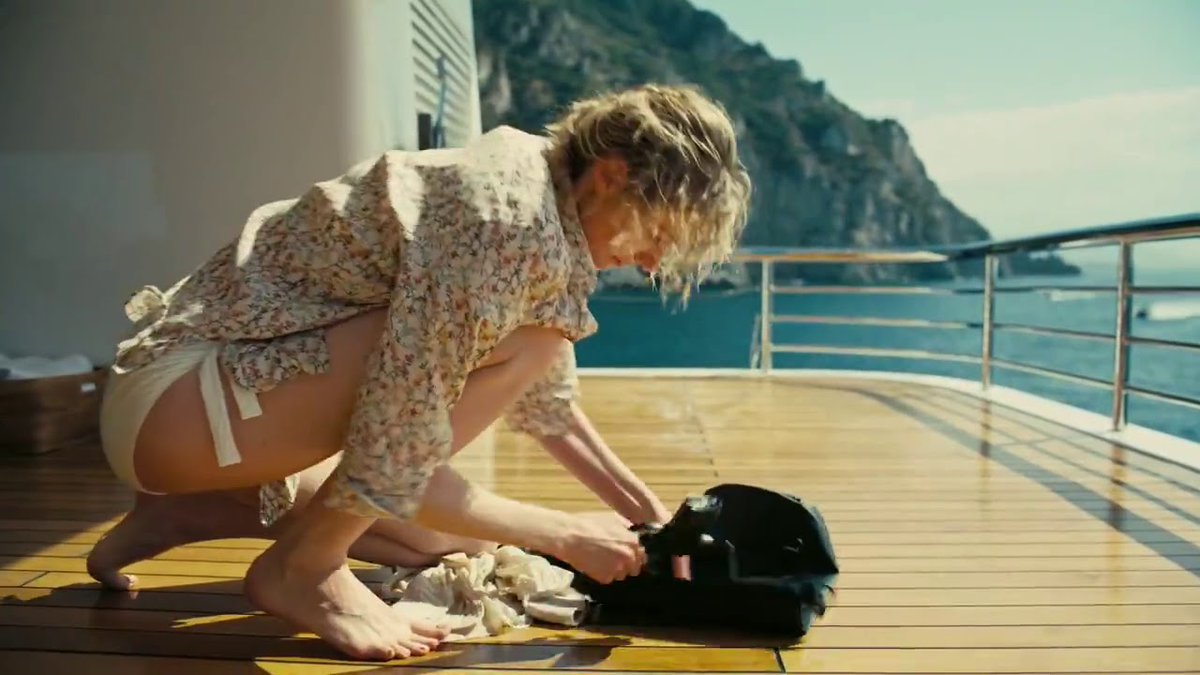
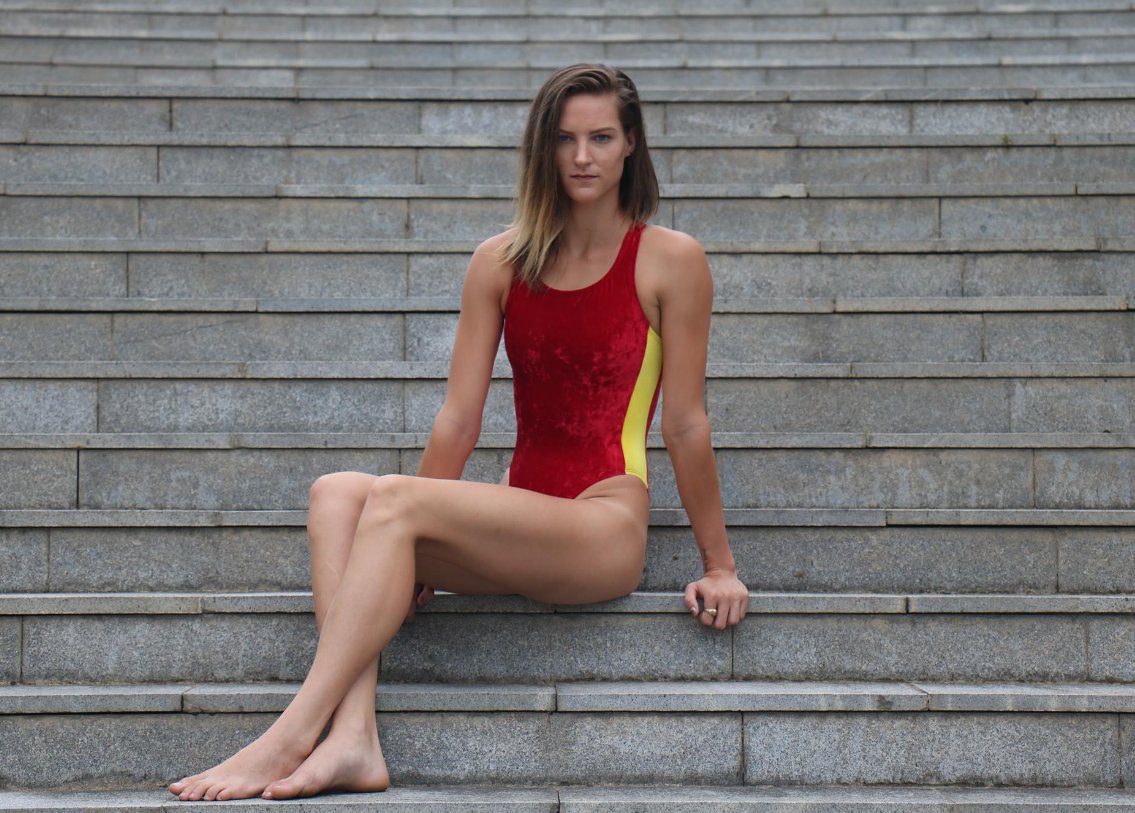
In the final act, Kat leaves Sator’s yacht by diving from it. The drop was 55ft, so too high for Elizabeth Debicki to perform herself. As such, professional high diver Jessica Macauley was hired to perform the stunt.
46/52
46/52
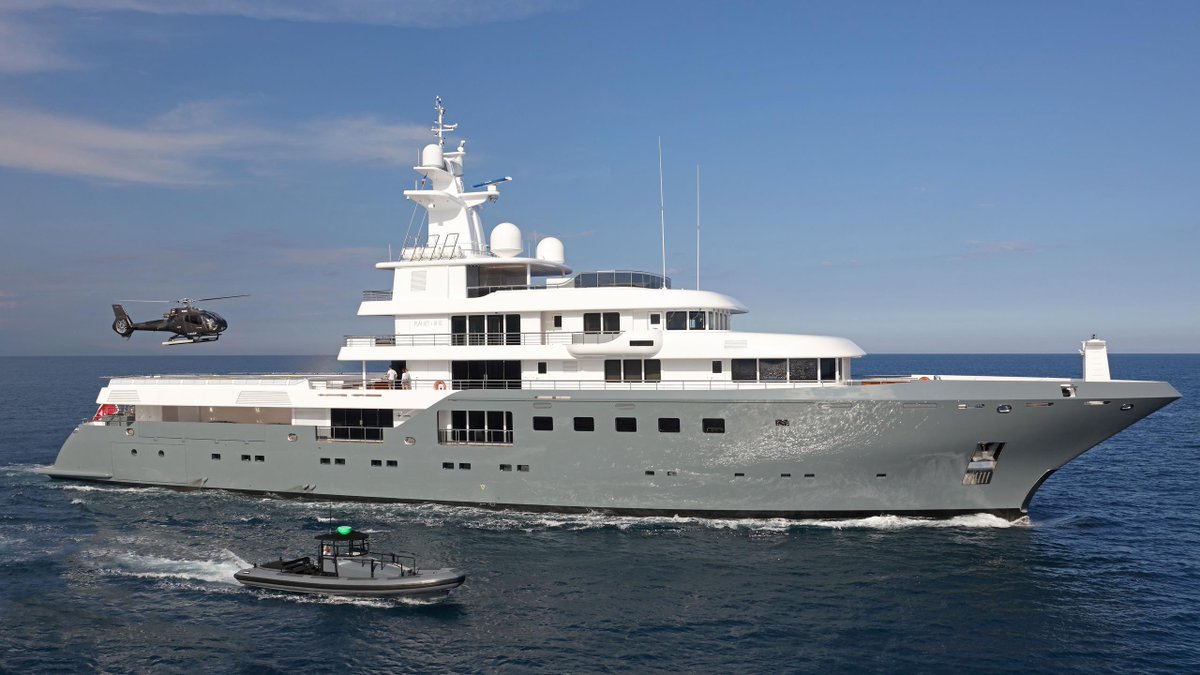
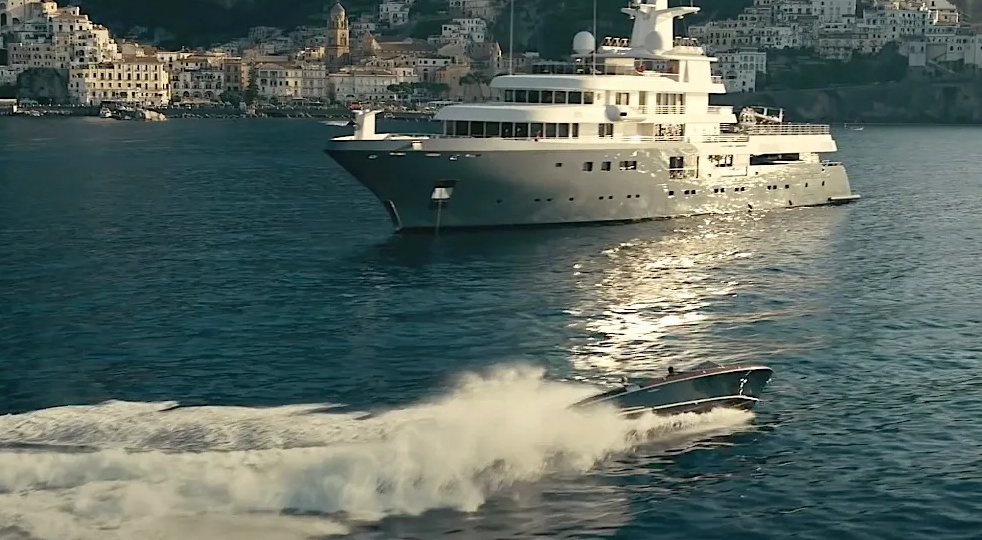
Sator’s superyacht is, in real life, called the Planet Nine and owned by billionaire Nathaniel Rothschild. It is 240ft long, has six decks and its own helicopter landing pad. It was insured for a reported $100m.
47/52
47/52
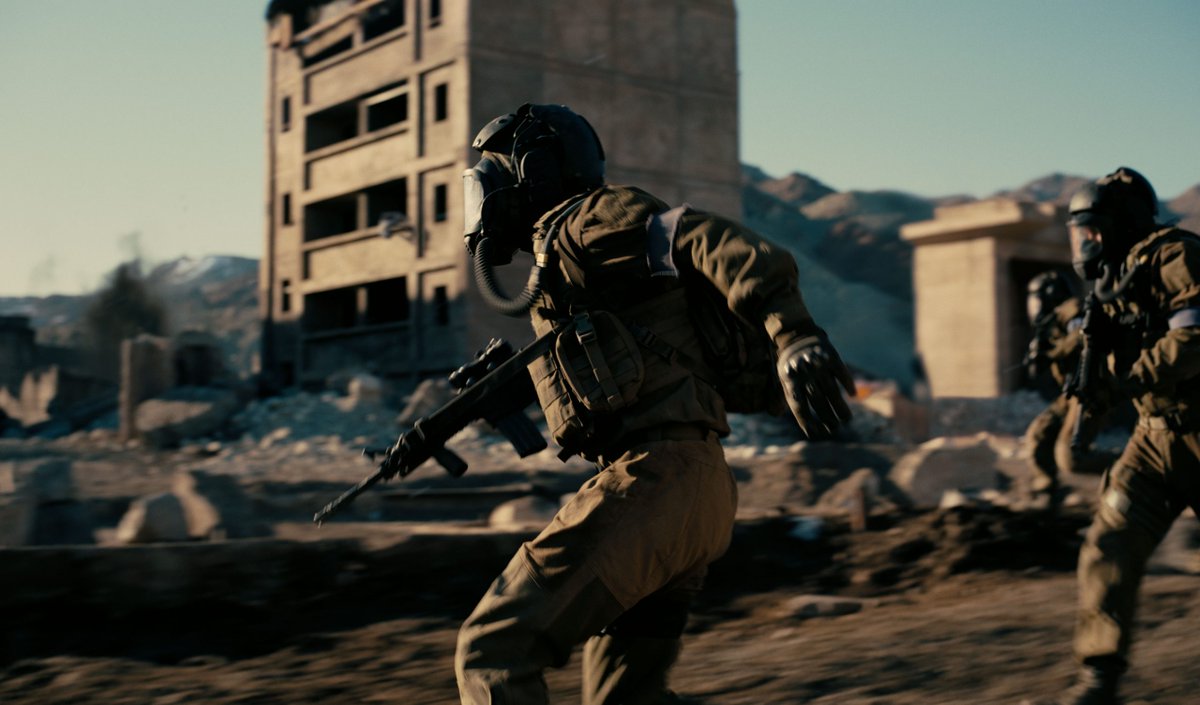
The climactic battle sequence was shot across three locations in California. It involved the whole stunt team as well as hundreds of extras. Due to the demands of the scenes, all extras were required to have had previous experience in the military.
48/52
48/52
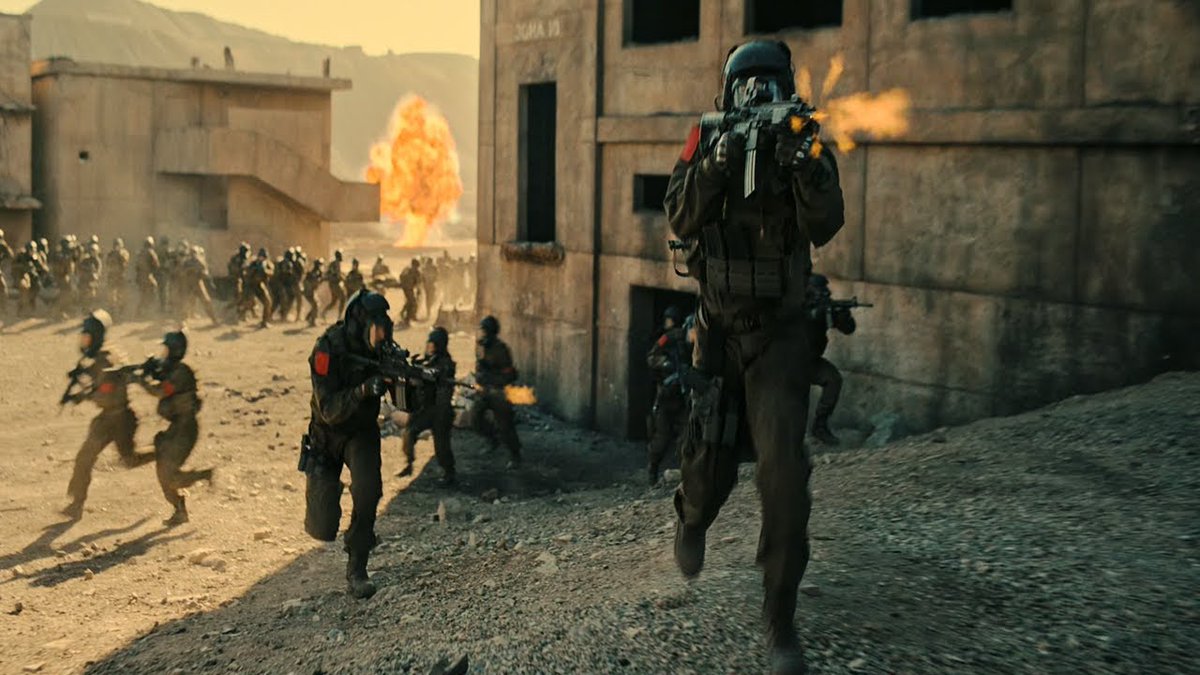
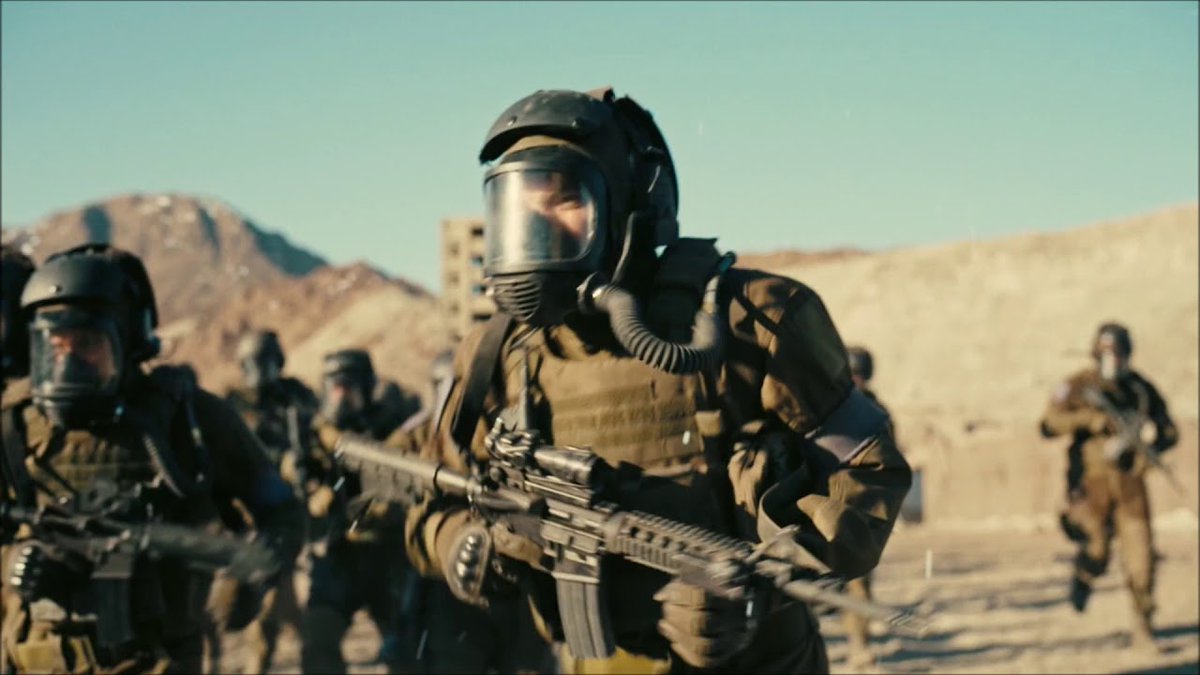
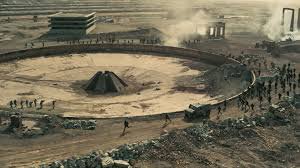
The buildings were a mixture of real structures (in Eagle Mountain, California), sets, and miniatures. The shot of the building exploding/imploding at the same time was achieved by filming the top of one model, the bottom of another, and compositing the footage.
49/52
49/52
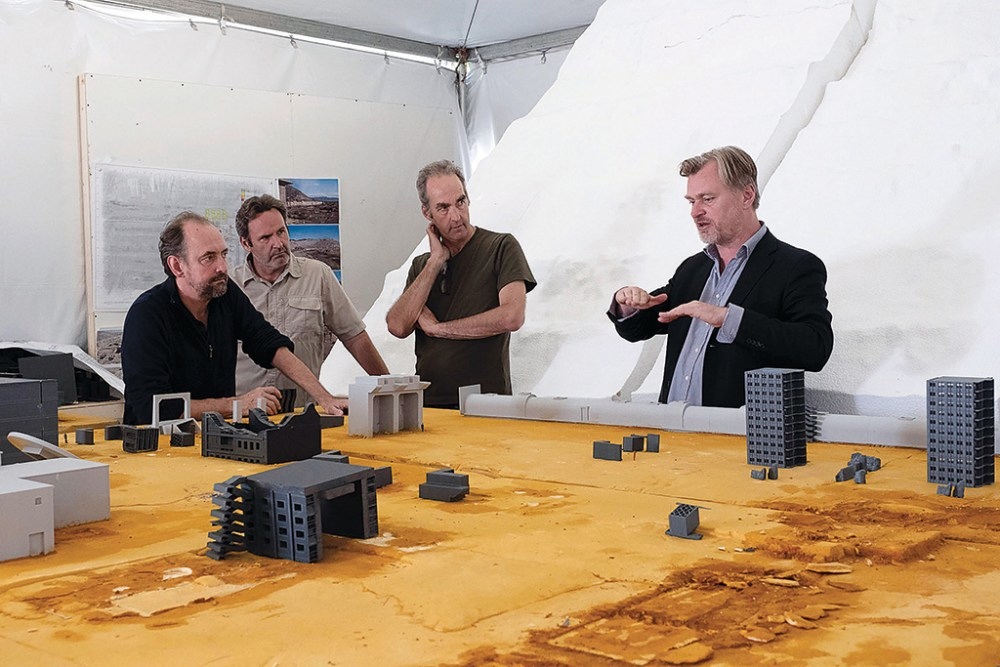
Tenet was scheduled to release in July but postponed due to the pandemic. At the same time, WB made the decision to release some films simultaneously in cinemas and on HBO Max. Nolan disagreed with the policy and, as a result, ended his working relationship with WB.
50/52
50/52
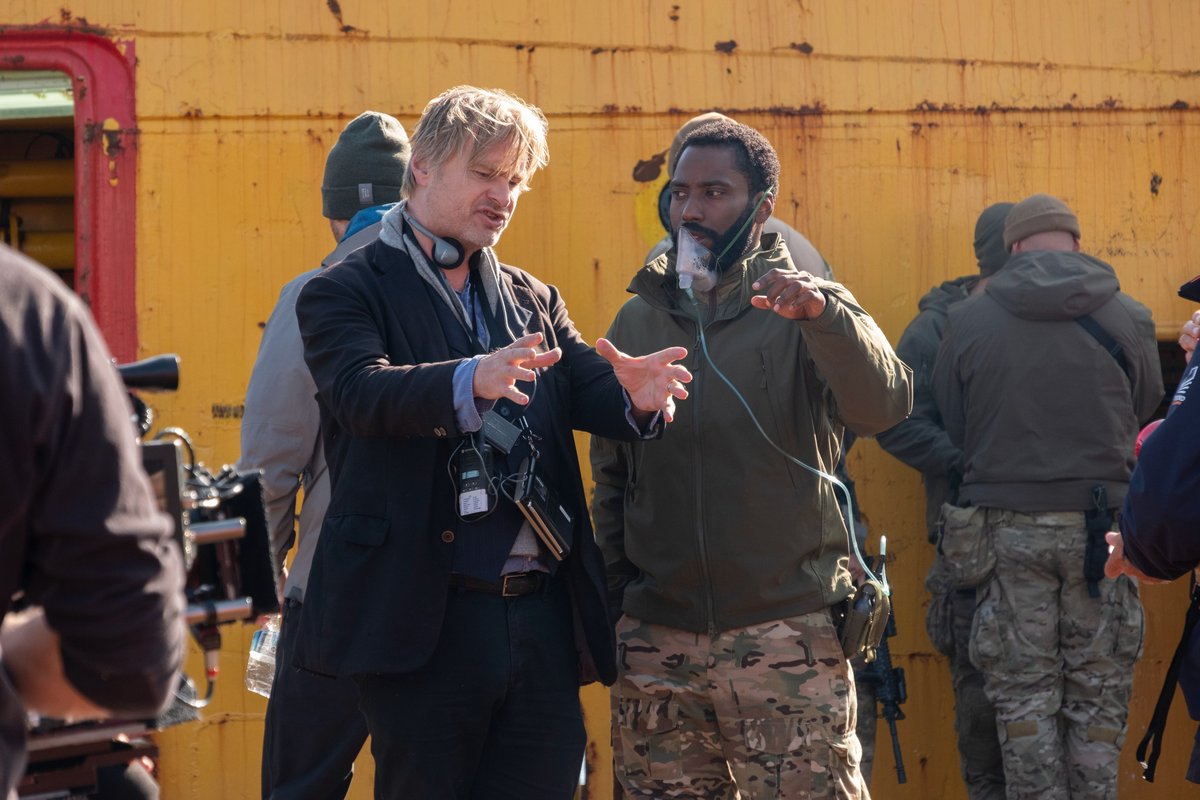
Despite the pandemic and studio fallout, Tenet just about made money. From a production budget of $205m (making it Nolan’s most expensive movie), the film grossed $365.9m worldwide.
51/52
51/52

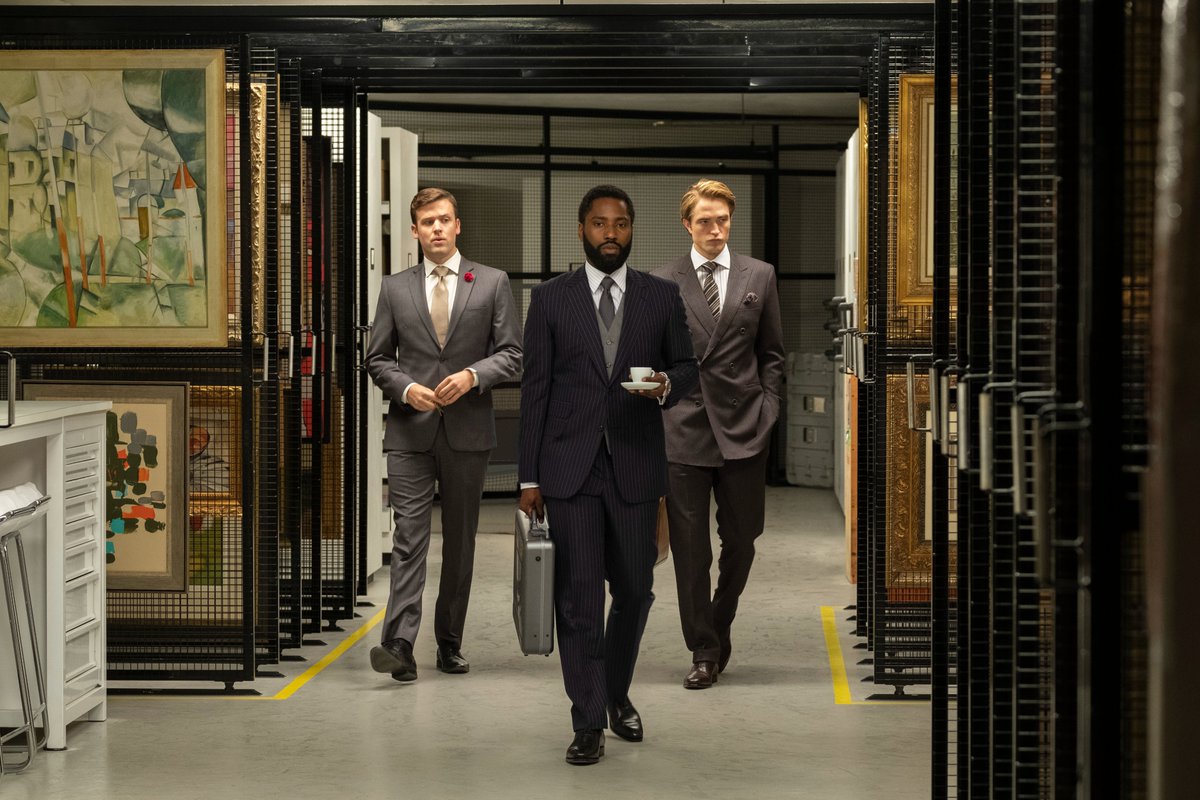
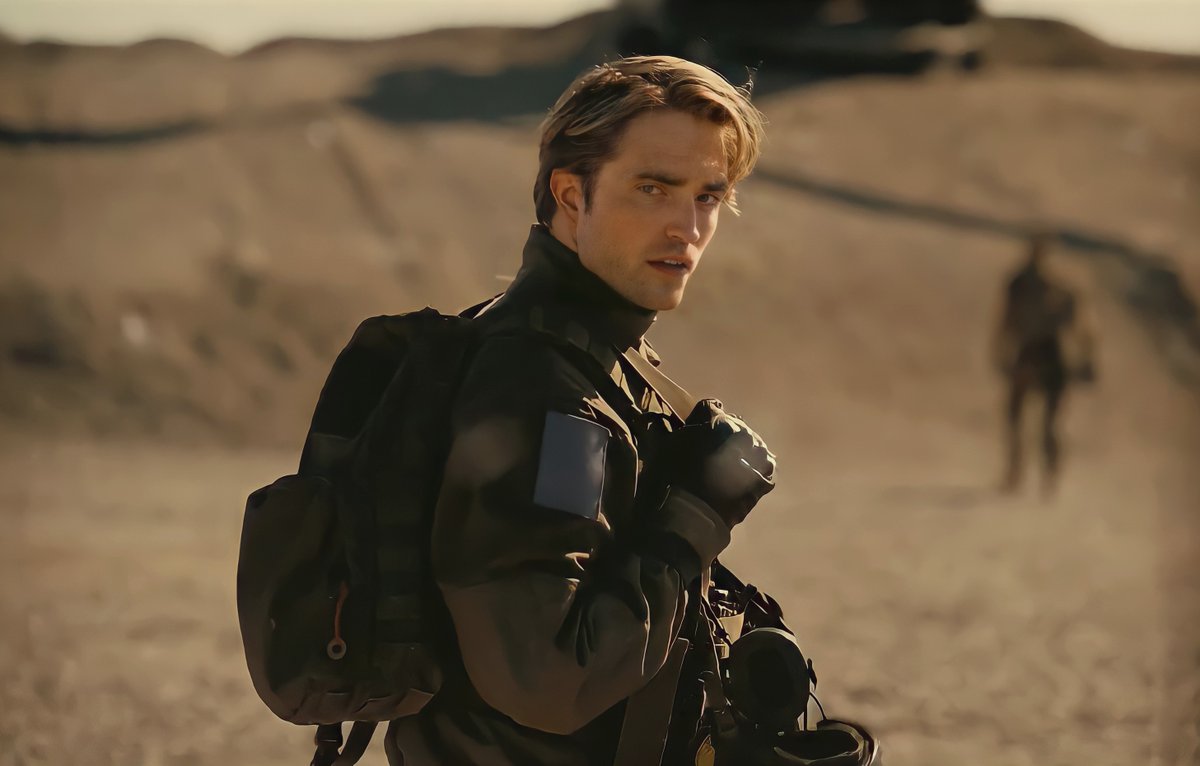
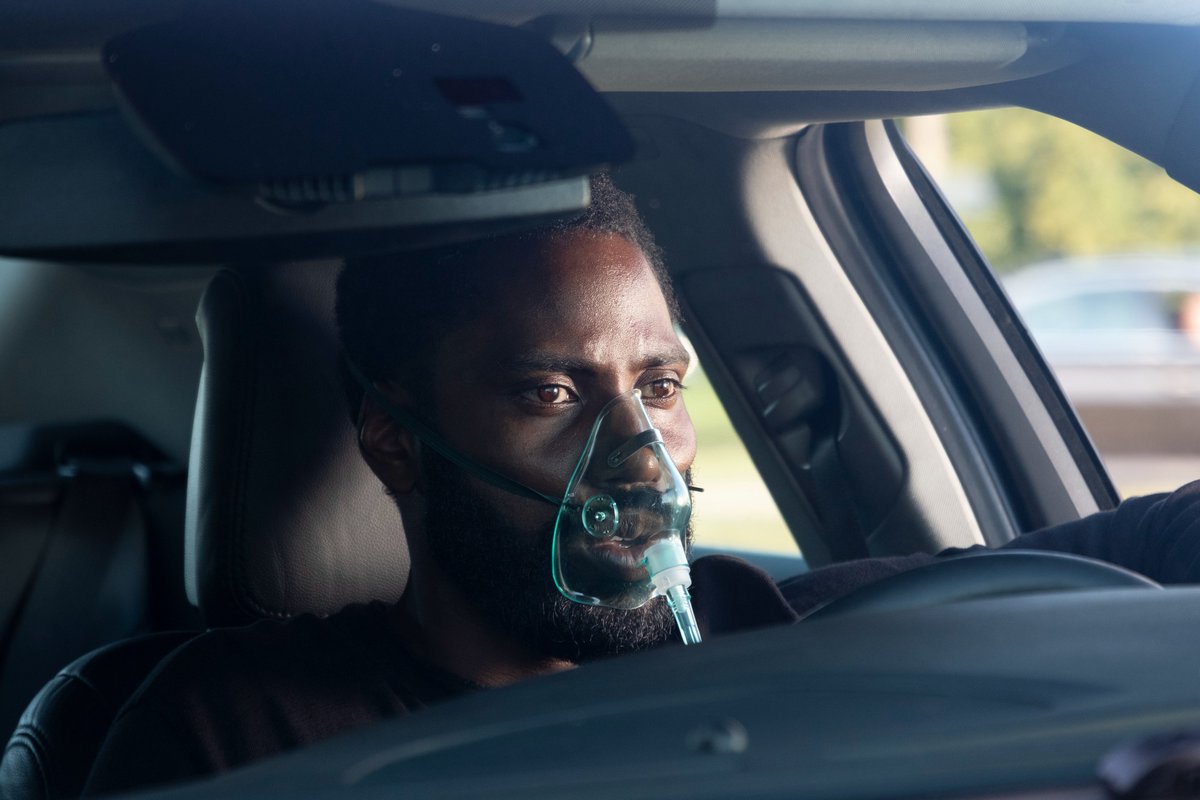
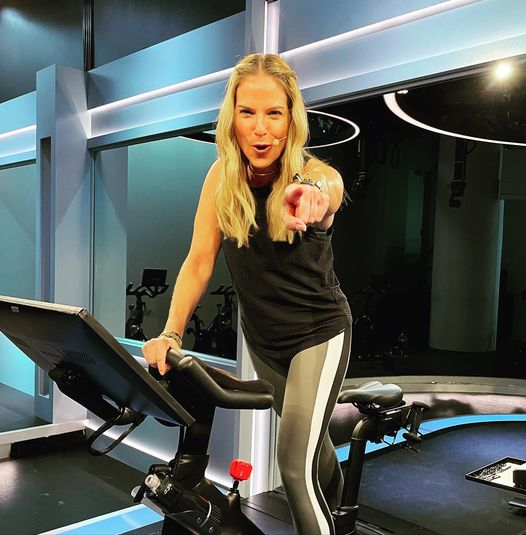
Finally… during the pandemic lockdown, Nolan was doing a peloton class from home. His instructor, Jenn Sherman, didn’t know Nolan was there and told the class she had just seen Tenet, saying “what the f*** was going on in that movie?”
52/52
52/52
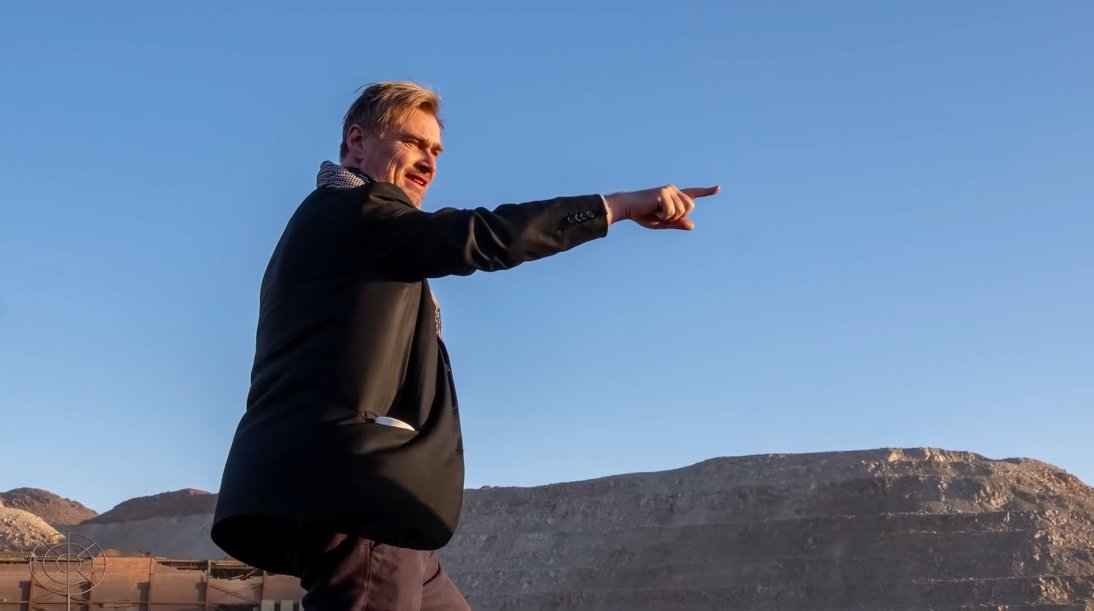
If you liked our making of story of TENET, please share the opening post.
https://x.com/ATRightMovies/status/1960271743077020122
Our latest podcast is on AMADEUS. Full of big laughs and opinions so please give it a listen.
alltherightmovies.com/podcast/amadeu…
alltherightmovies.com/podcast/amadeu…
• • •
Missing some Tweet in this thread? You can try to
force a refresh