Thread: The History of Palestinian Rejections of Statehood Offers – A Pattern of Maximalism Over Peace
The Palestinians have been offered their own state numerous times but have rejected it.
Why? Because accepting would mean recognizing Israel's existence and committing to a two-state solution. Instead, leaders pursued the goal of eradicating Israel entirely.
🧵 1/25
The Palestinians have been offered their own state numerous times but have rejected it.
Why? Because accepting would mean recognizing Israel's existence and committing to a two-state solution. Instead, leaders pursued the goal of eradicating Israel entirely.
🧵 1/25
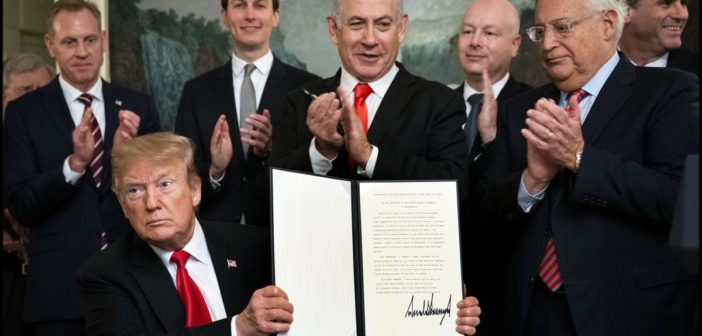
Starting early: In 1937, the British Peel Commission proposed partitioning Palestine into Jewish and Arab states.
The Jewish side accepted; Arab leaders rejected it outright, refusing any Jewish sovereignty. This set a pattern of rejectionism to avoid recognizing a Jewish state.
🧵 2/25
The Jewish side accepted; Arab leaders rejected it outright, refusing any Jewish sovereignty. This set a pattern of rejectionism to avoid recognizing a Jewish state.
🧵 2/25
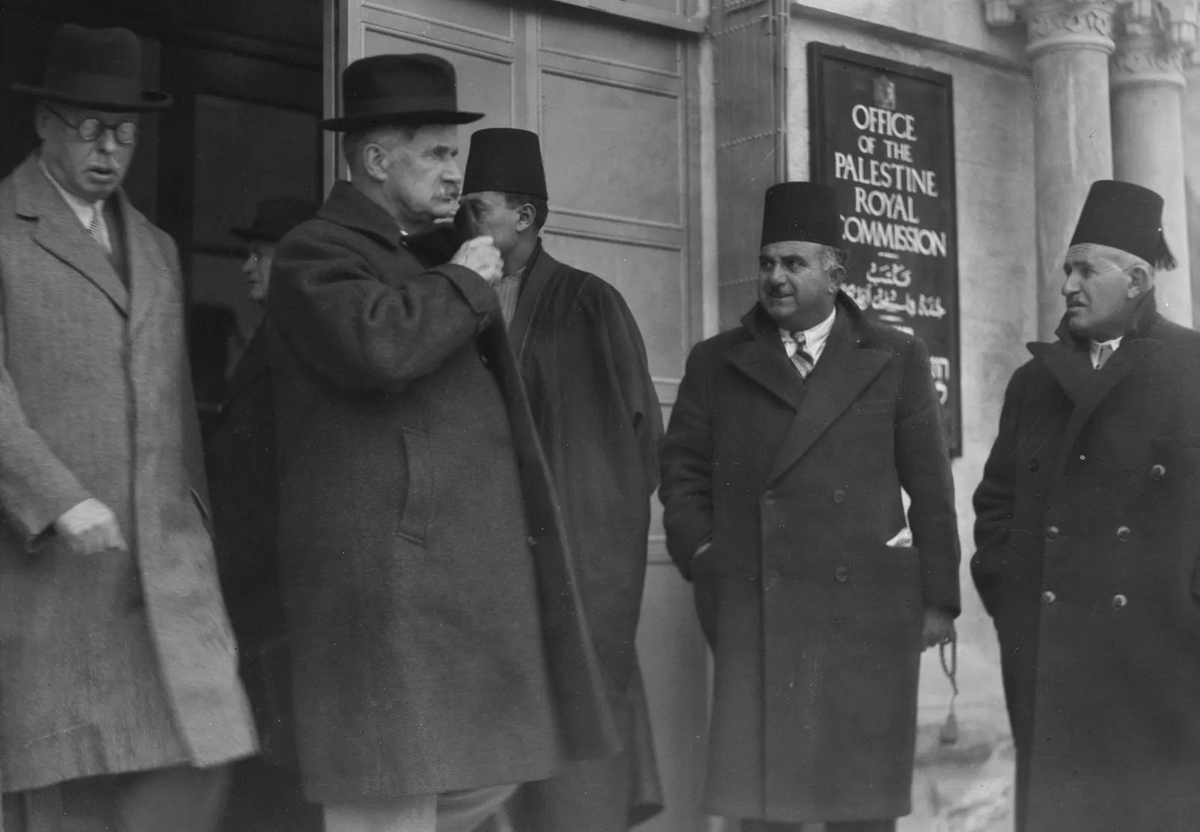
Fast forward to 1947: The UN Partition Plan (Resolution 181) offered to divide Palestine into independent Jewish and Arab states, with Jerusalem internationalized.
The Jews accepted; Palestinian Arabs and surrounding Arab states rejected it, leading to war in 1948. Goal? No Israel at all.
🧵 3/25
The Jews accepted; Palestinian Arabs and surrounding Arab states rejected it, leading to war in 1948. Goal? No Israel at all.
🧵 3/25
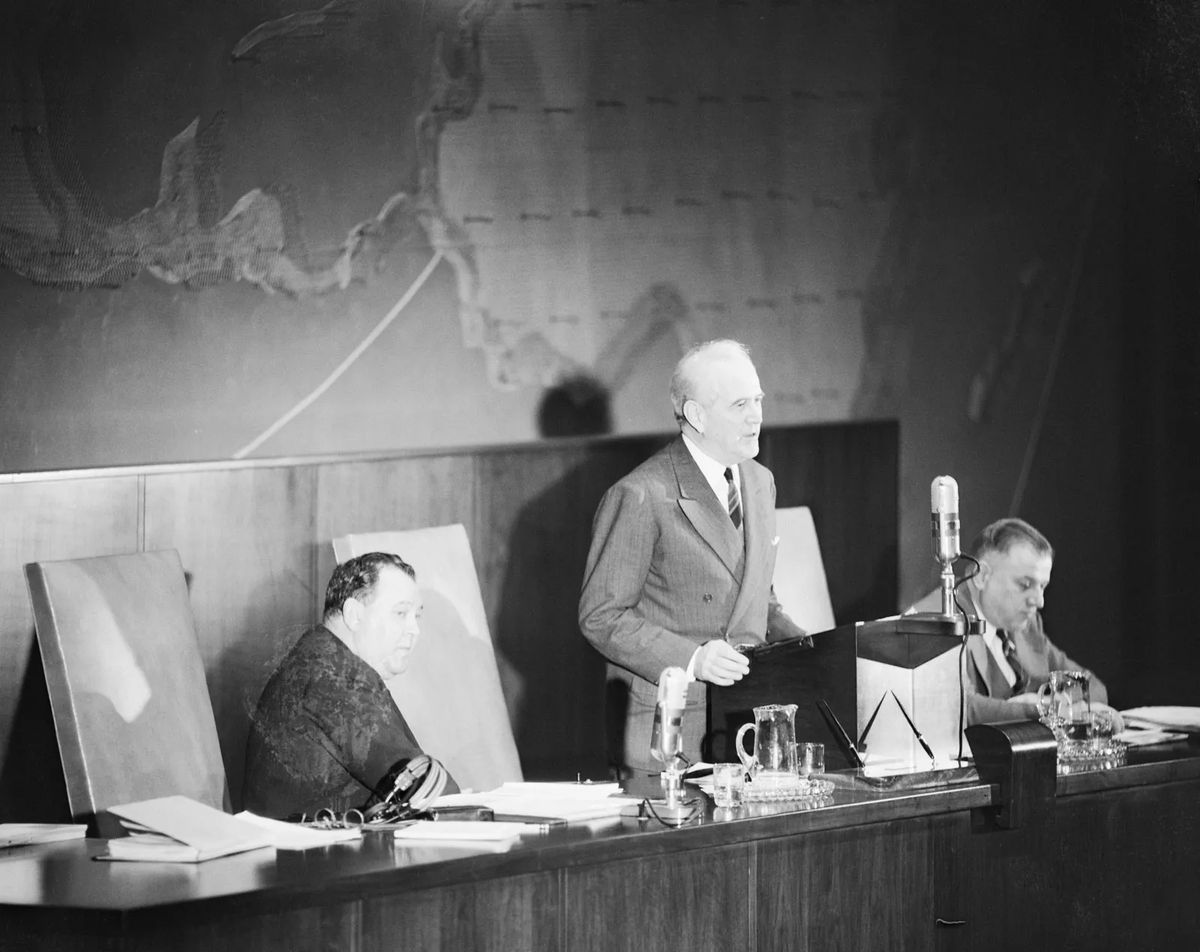
After Israel's independence in 1948, multiple armistice agreements were signed in 1949, but Arab states and Palestinians refused peace treaties that would recognize Israel.
Jordan annexed the West Bank, Egypt controlled Gaza – no push for a Palestinian state then, as the focus was on destroying Israel.
🧵 4/25
Jordan annexed the West Bank, Egypt controlled Gaza – no push for a Palestinian state then, as the focus was on destroying Israel.
🧵 4/25

In 1967, after the Six-Day War, Israel captured territories and offered to return most for peace (via UN Resolution 242).
Arab leaders met in Khartoum and issued the "three no's": no peace, no recognition, no negotiation with Israel. Palestinians aligned with this, prioritizing Israel's elimination.
🧵 5/25
Arab leaders met in Khartoum and issued the "three no's": no peace, no recognition, no negotiation with Israel. Palestinians aligned with this, prioritizing Israel's elimination.
🧵 5/25

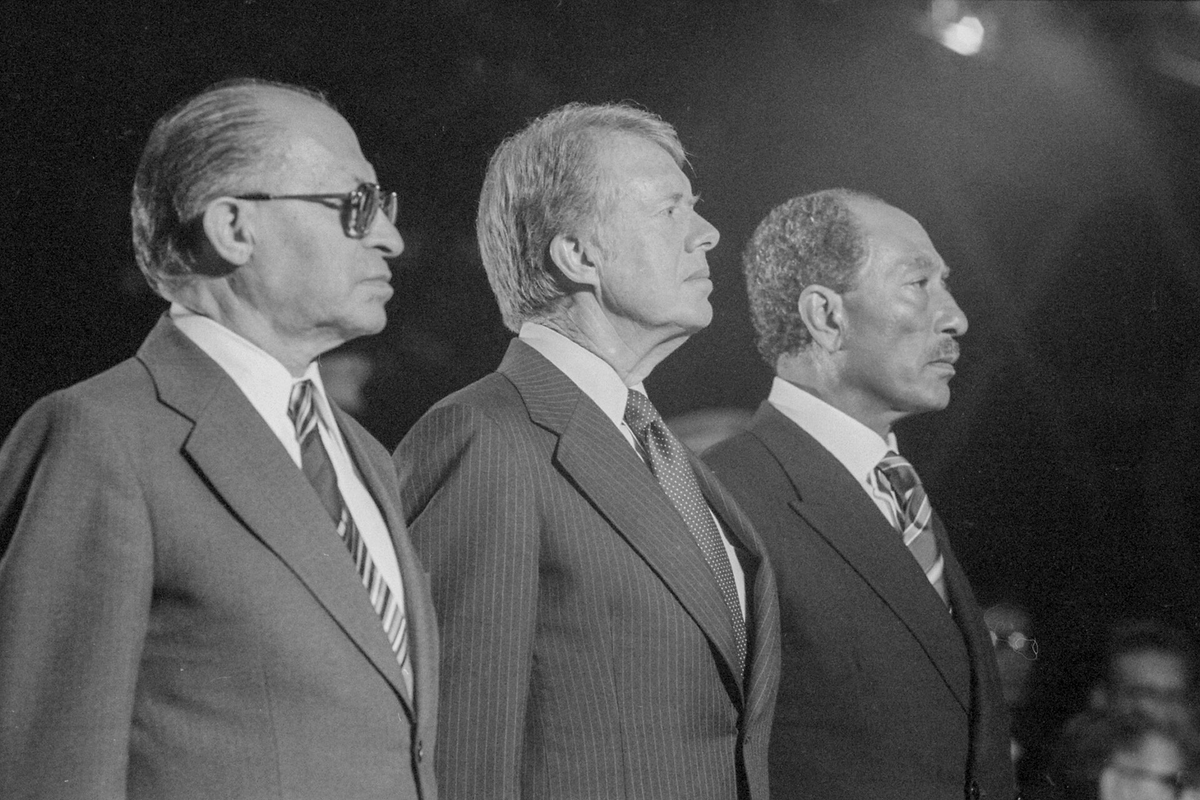
1978-1979: The Camp David Accords between Israel and Egypt included a framework for Palestinian autonomy in the West Bank and Gaza, leading toward self-governance and potentially statehood.
The PLO, led by Yasser Arafat, rejected it, calling it a betrayal and refusing any deal implying Israel's permanence.
🧵 6/25
The PLO, led by Yasser Arafat, rejected it, calling it a betrayal and refusing any deal implying Israel's permanence.
🧵 6/25
In 1982, the Reagan Plan proposed Palestinian self-government in association with Jordan, building on the Camp David Accords.
PLO rejected it, insisting on full independence without recognizing Israel first. Maximalism won again.
🧵 7/25
PLO rejected it, insisting on full independence without recognizing Israel first. Maximalism won again.
🧵 7/25
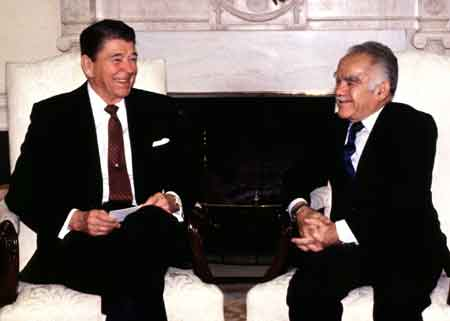
The 1991 Madrid Conference invited Palestinians to negotiations, leading to the 1993 Oslo Accords.
While PLO accepted interim self-rule, they dragged feet on full recognition and amendments to their charter calling for Israel's destruction until 1996 – and even then, it was half-hearted.
🧵 8/25
While PLO accepted interim self-rule, they dragged feet on full recognition and amendments to their charter calling for Israel's destruction until 1996 – and even then, it was half-hearted.
🧵 8/25
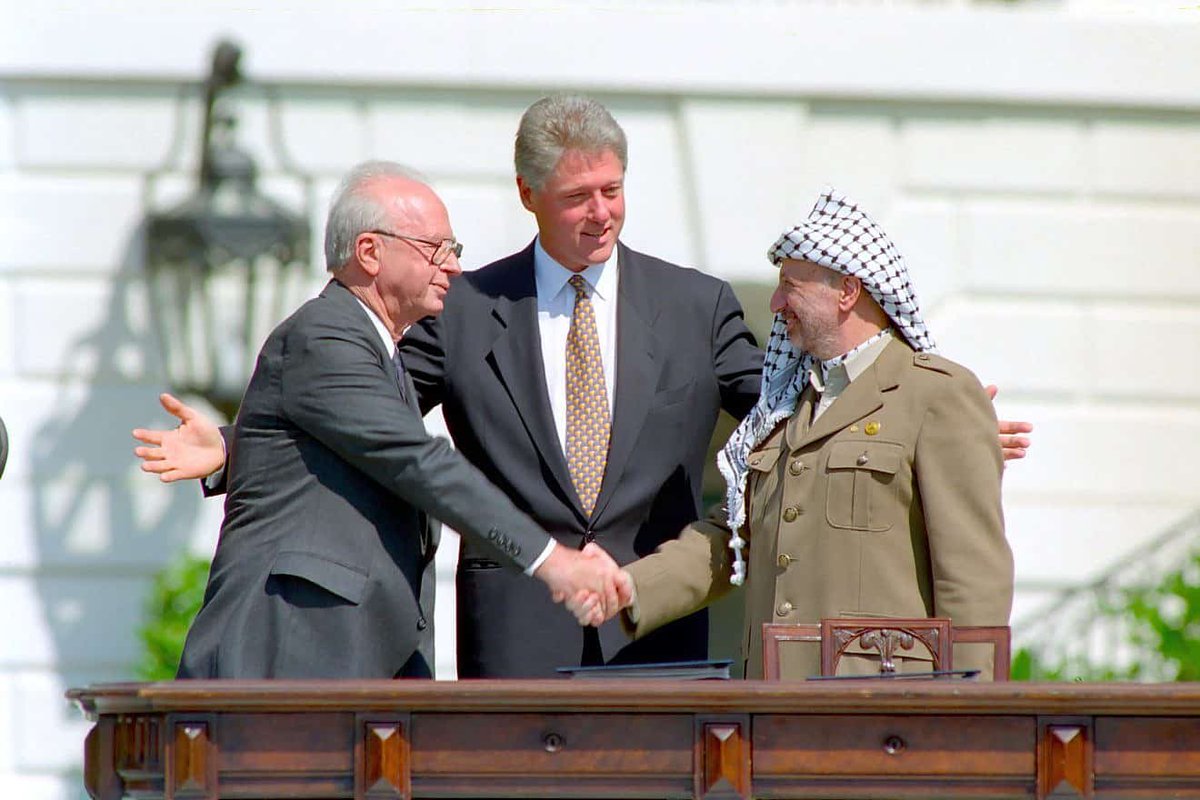
Oslo promised a path to statehood, but Palestinian violence (Second Intifada) derailed it.
Critics note PLO's covenant (pre-1996) explicitly rejected Israel's existence, showing reluctance to truly accept two states.
🧵 9/25
Critics note PLO's covenant (pre-1996) explicitly rejected Israel's existence, showing reluctance to truly accept two states.
🧵 9/25
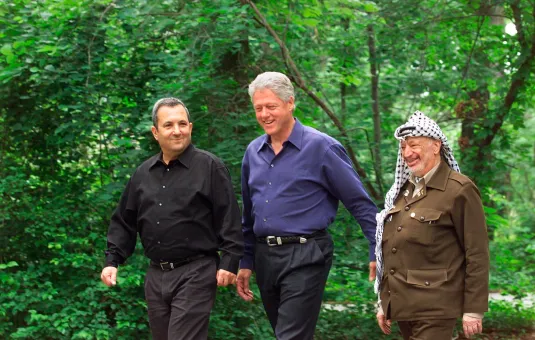
Year 2000: At the Camp David Summit under President Bill Clinton, Israeli PM Ehud Barak offered Palestinians ~91% of the West Bank, all of Gaza, and East Jerusalem as capital.
Arafat rejected without a counteroffer, sparking the Second Intifada. The reason? No full "right of return" to flood Israel demographically.
🧵 10/25
Arafat rejected without a counteroffer, sparking the Second Intifada. The reason? No full "right of return" to flood Israel demographically.
🧵 10/25
2001: The Taba Talks continued Clinton's efforts, with Israel offering even more concessions (94-96% of the West Bank).
Palestinians walked away, refusing to budge on demands that would undermine Israel's Jewish character.
🧵 11/25
Palestinians walked away, refusing to budge on demands that would undermine Israel's Jewish character.
🧵 11/25
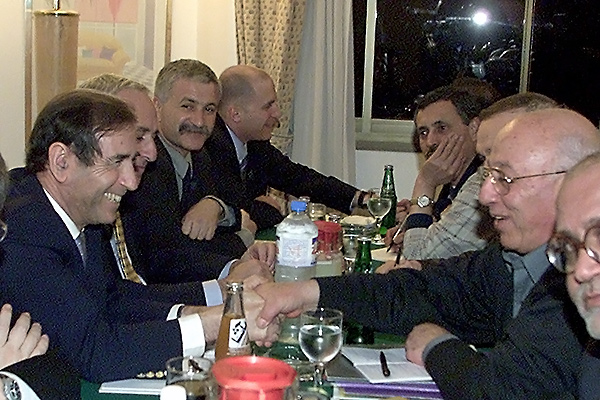
In 2002, the Arab Peace Initiative offered normalization if Israel withdrew to the 1967 lines – but Palestinians supported it conditionally, while their leaders (Arafat) continued incitement against recognizing Israel as a Jewish state.
🧵 12/25
🧵 12/25
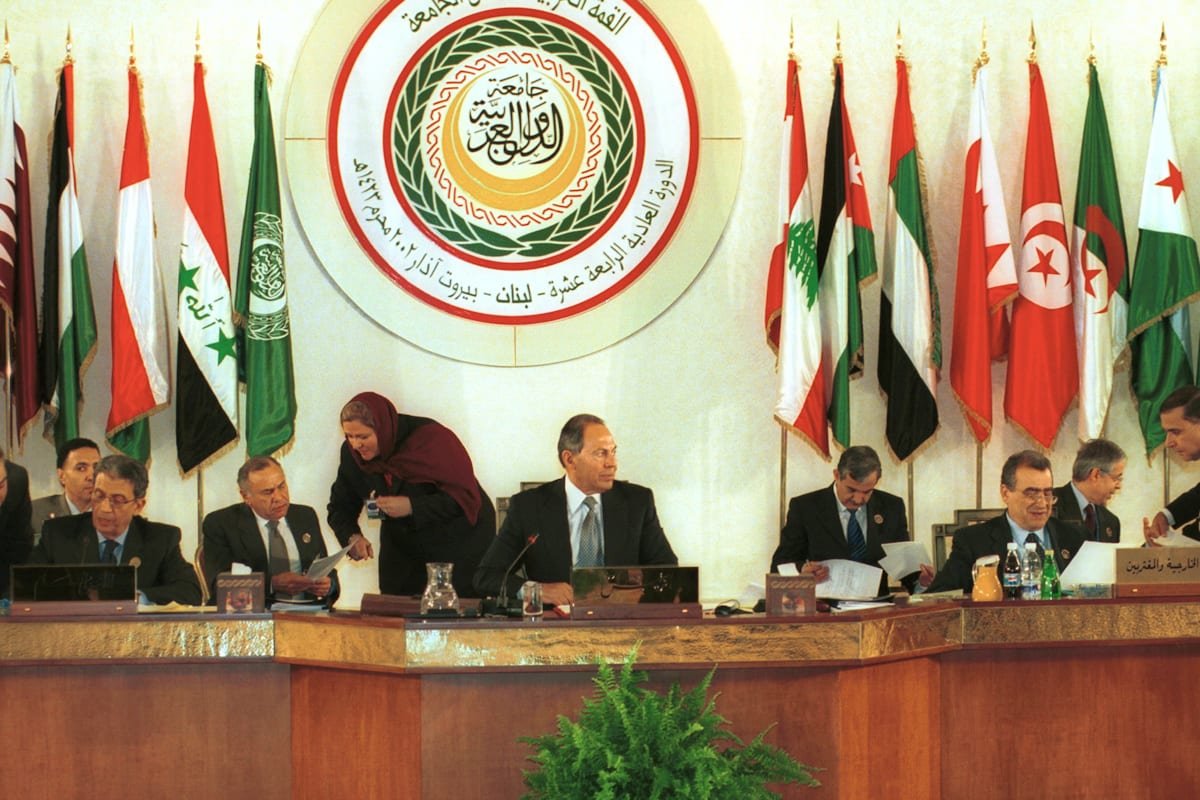
2005: Israel unilaterally disengaged from Gaza, evacuating all settlements and troops – a de facto opportunity for Palestinians to build state institutions there.
Instead, in the 2006 elections, they chose Hamas, whose charter calls for Israel's destruction.
🧵 13/25
Instead, in the 2006 elections, they chose Hamas, whose charter calls for Israel's destruction.
🧵 13/25
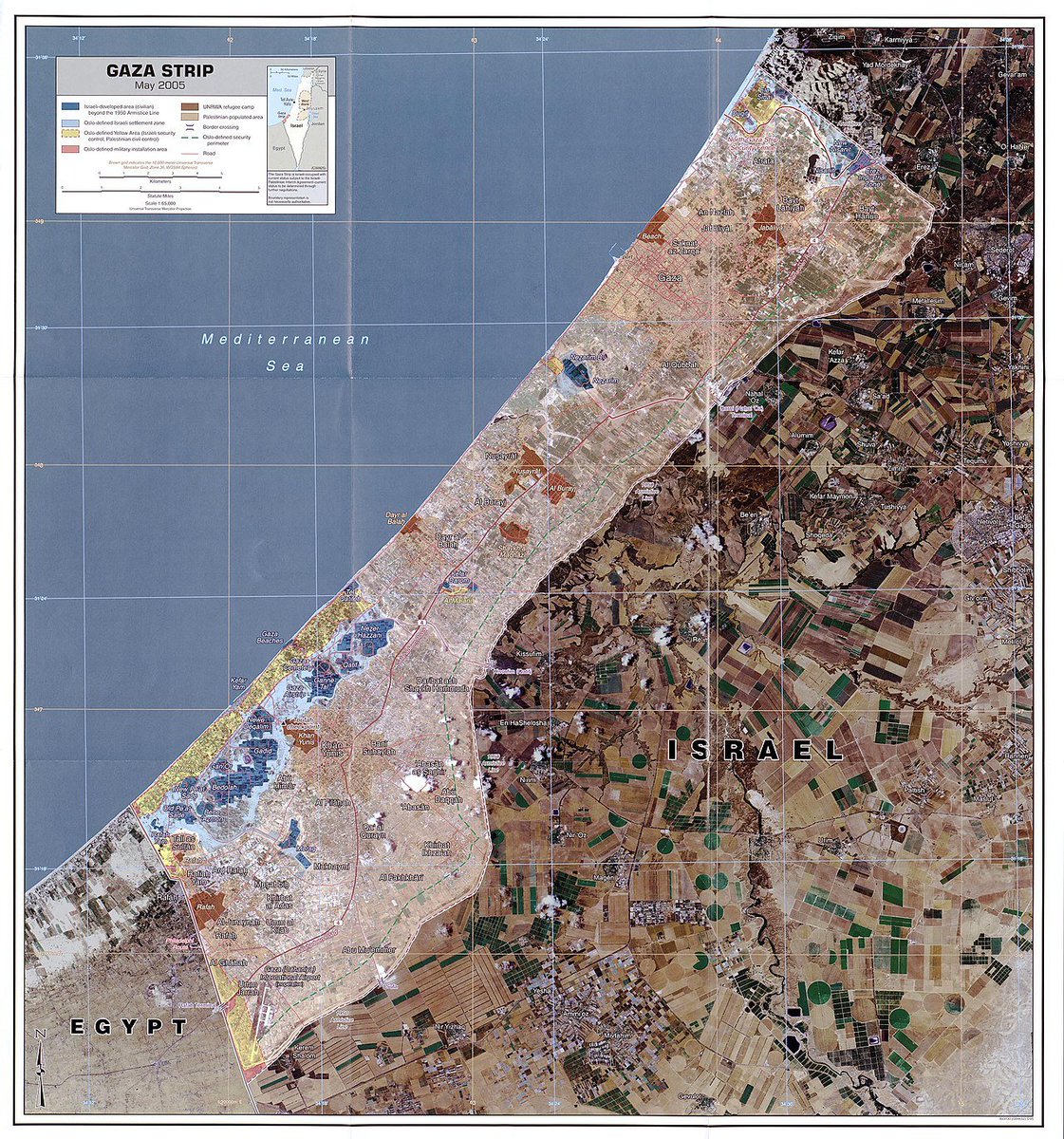
Post-2005: Gaza could have been a model for statehood, but Hamas's victory led to civil war with Fatah in 2007.
Hamas's rule turned Gaza into a launchpad for attacks, rejecting any peace that recognizes Israel.
🧵 14/25
Hamas's rule turned Gaza into a launchpad for attacks, rejecting any peace that recognizes Israel.
🧵 14/25

2008: Israeli PM Ehud Olmert offered the President of the Palestinian Authority, Mahmoud Abbas, 93.7% of the West Bank (with swaps for 100%), all of Gaza, safe passage between them, and a shared Jerusalem.
Abbas never responded formally, effectively rejecting it. Why? Refusal to recognize Israel as Jewish state.
🧵 15/25
Abbas never responded formally, effectively rejecting it. Why? Refusal to recognize Israel as Jewish state.
🧵 15/25
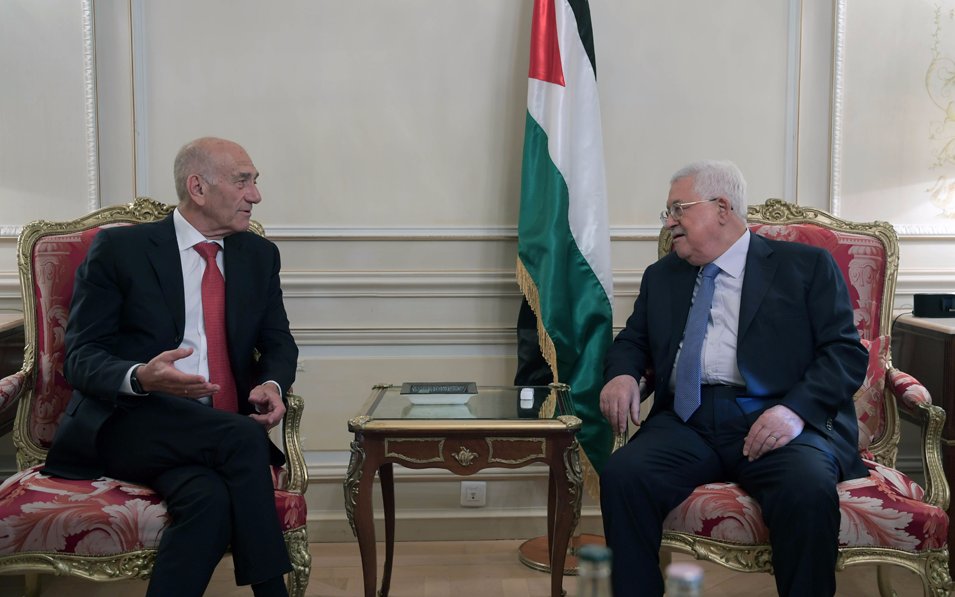
In 2013-2014, US Secretary of State John Kerry mediated talks. Israel released prisoners; Palestinians applied to UN agencies in violation, collapsing the talks.
PA President Abbas refused to recognize Israel as a Jewish state, a key demand for ending claims.
🧵 16/25
PA President Abbas refused to recognize Israel as a Jewish state, a key demand for ending claims.
🧵 16/25

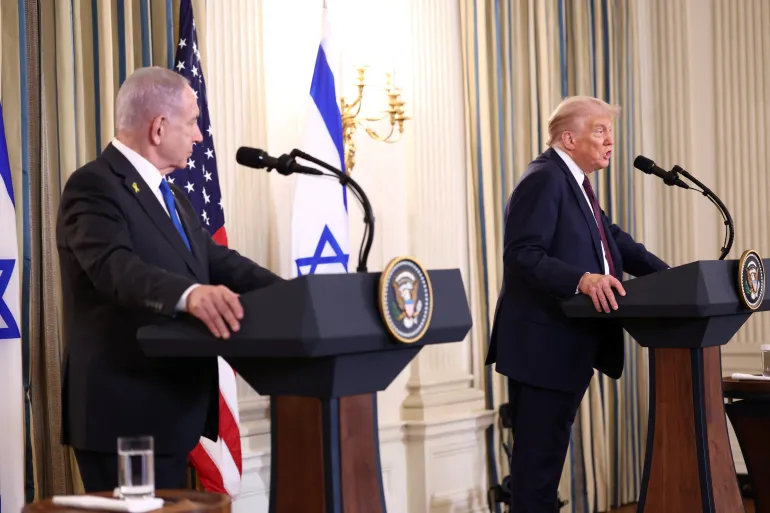
2020: The Trump "Deal of the Century" offered Palestinians a state on ~70% of the West Bank/Gaza, with economic aid.
It was rejected immediately by the PA, who boycotted talks, clinging to maximalist demands like full 1967 borders without swaps.
🧵 17/25
It was rejected immediately by the PA, who boycotted talks, clinging to maximalist demands like full 1967 borders without swaps.
🧵 17/25
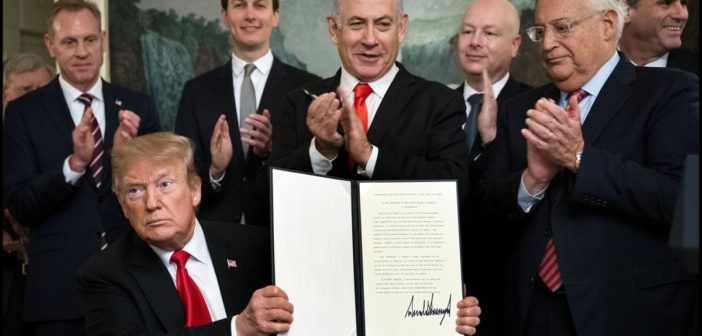
Now, on recognition: The PLO's 1964 Charter denied Israel's legitimacy, calling for "armed struggle" to liberate all Palestine. Even after 1988 "recognition" of UN 242, they suspended it in 2018, showing ongoing refusal.
🧵 18/25
🧵 18/25
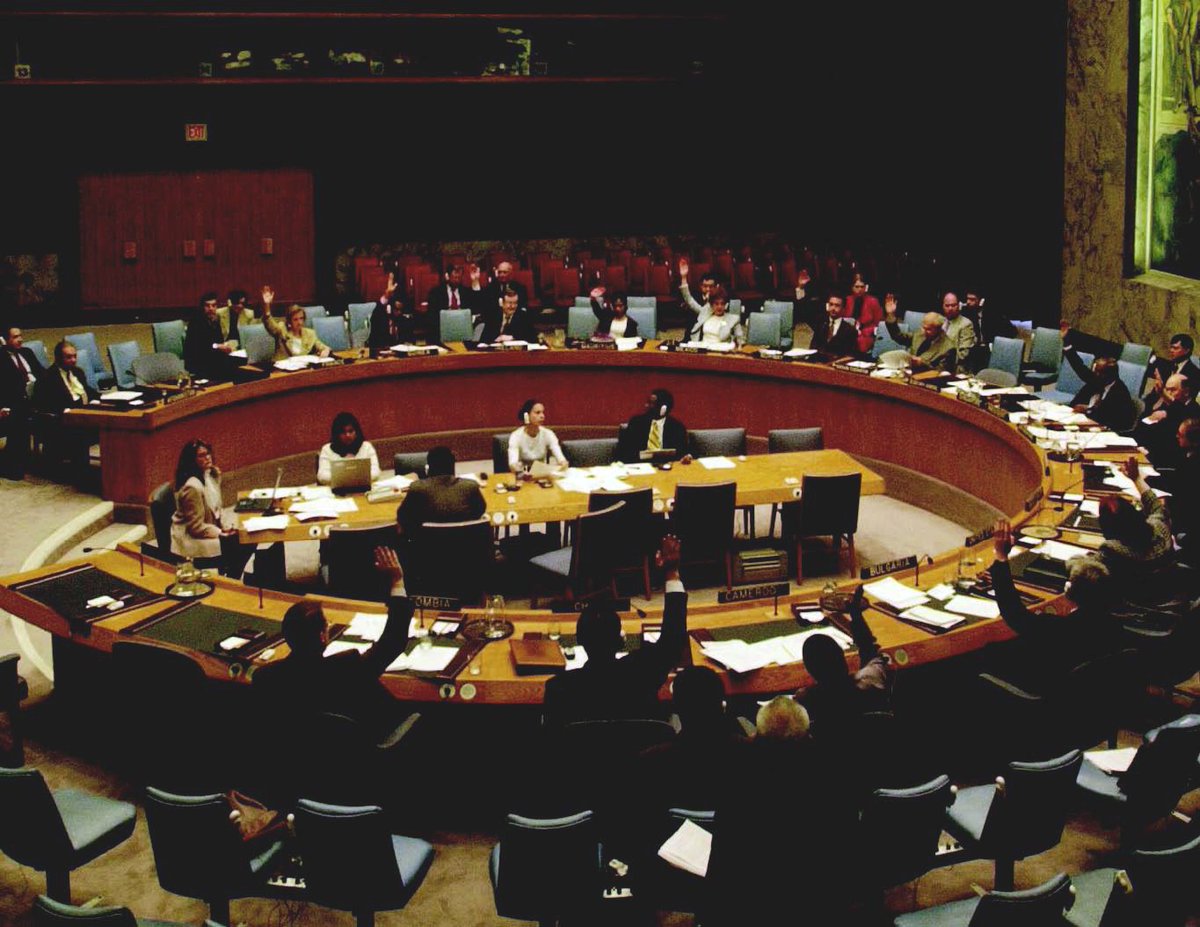
Fatah, as PLO's main faction, claims to recognize Israel via the Oslo Accords from 1993, but leaders like Abbas refuse to acknowledge it as a "Jewish state," enabling future claims on all land. Maps in PA schools show no Israel.
🧵 19/25
🧵 19/25
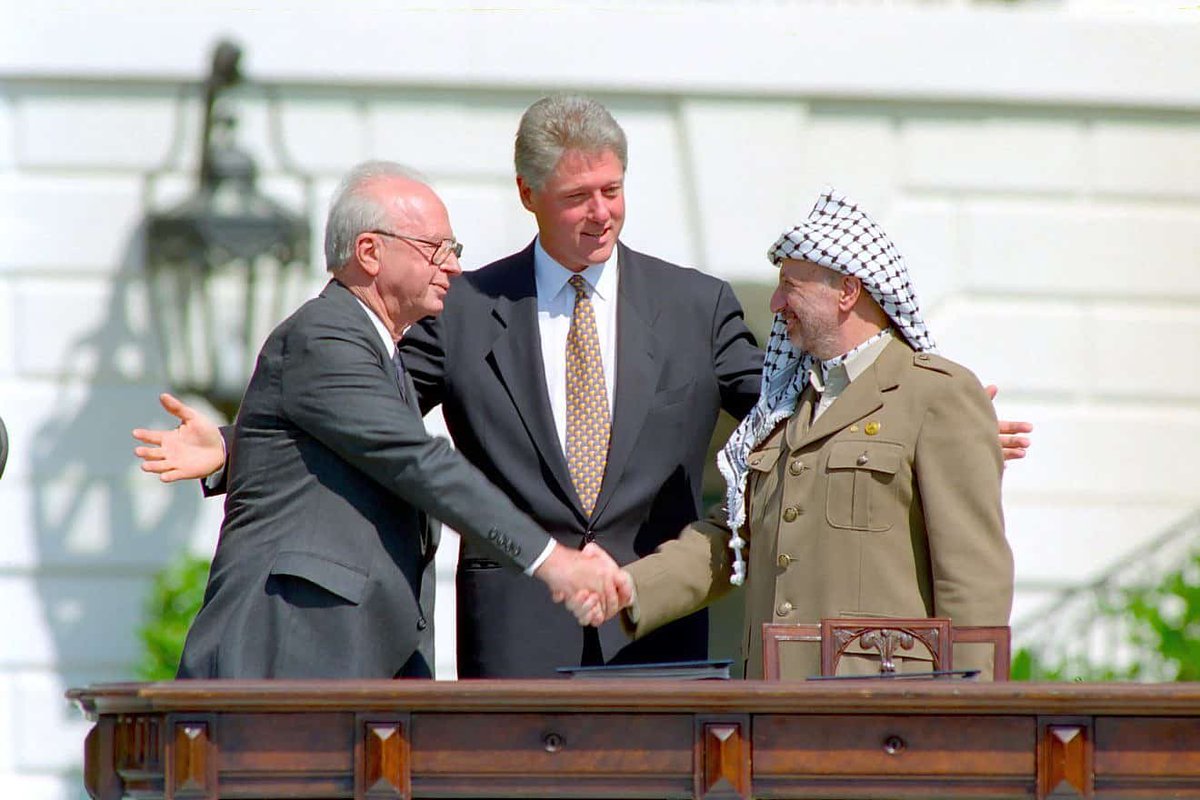
Example: In 2014, Abbas said that the Palestinians would "never" recognize Israel as Jewish, blocking two-state viability as it leaves the door open for a demographic takeover of Israel via the resettlement of so-called “refugee descendants.”
🧵 20/25
🧵 20/25
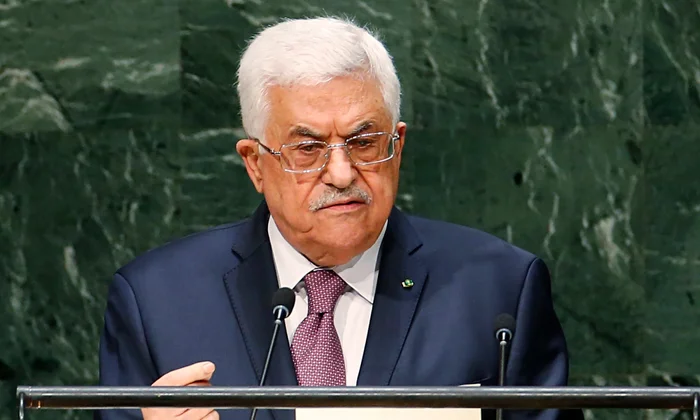
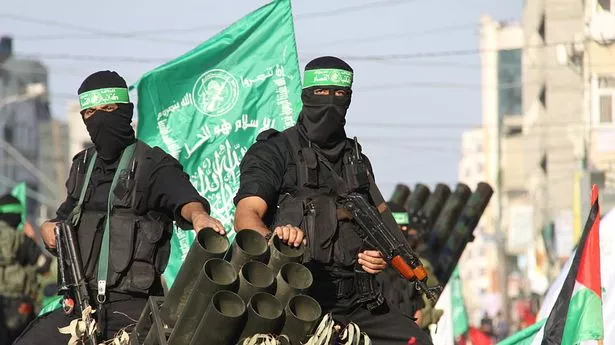
Hamas is explicit: Their original 1988 Charter calls for jihad to destroy Israel, rooted in antisemitic tropes.
A new Hamas policy document from 2017 accepts the 1967 borders temporarily but still rejects Israel's existence long-term.
🧵 21/25
A new Hamas policy document from 2017 accepts the 1967 borders temporarily but still rejects Israel's existence long-term.
🧵 21/25
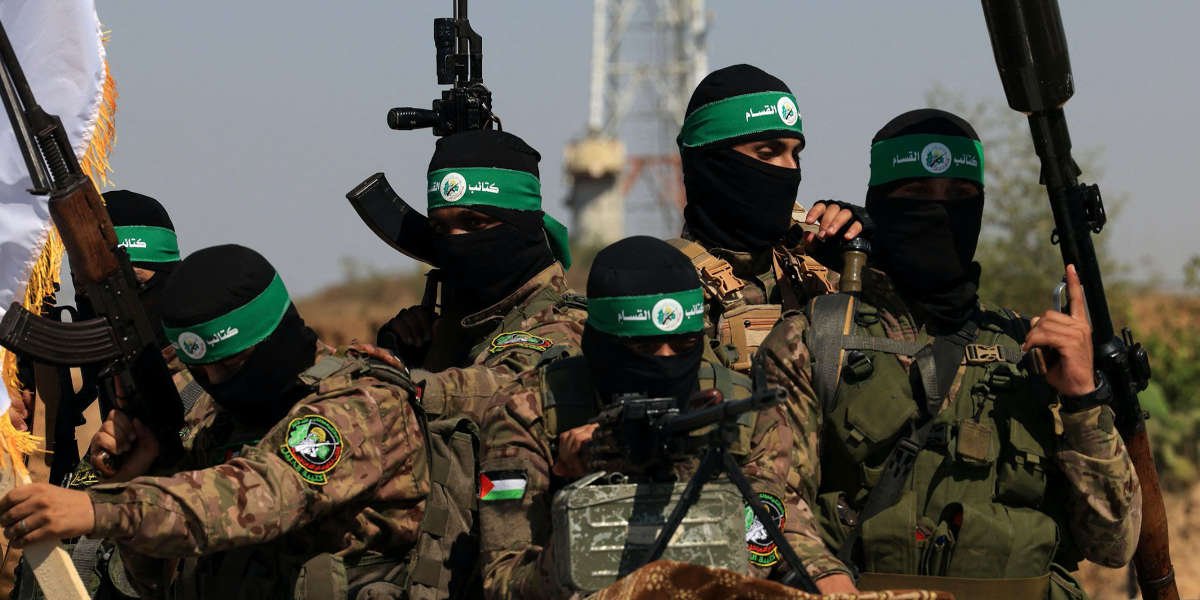
Hamas leaders repeatedly state: No recognition, no peace. In the 2023-24 ceasefire talks, they demanded terms ensuring Israel's weakening, not coexistence. Their actions, like the Oct. 7th Massacre, aim at eradication.
🧵 22/25
🧵 22/25

Fatah-Hamas unity attempts fail partly because Hamas won't renounce violence or recognize Israel, as demanded by the Quartet (US, EU, UN, Russia).
This makes two-state impossible under current leadership.
🧵 23/25
This makes two-state impossible under current leadership.
🧵 23/25

Overall, from 1937 to 2020, at least 10+ offers were rejected.
Critics argue that the offers weren't fair, but history shows Palestinian leaders prioritized "from the river to the sea" over pragmatic statehood, dooming peace.
🧵 24/25
Critics argue that the offers weren't fair, but history shows Palestinian leaders prioritized "from the river to the sea" over pragmatic statehood, dooming peace.
🧵 24/25

Until the Palestinians truly recognize Israel's right to exist as a Jewish state and abandon their maximalism, the two-state solution will remain elusive.
🧵 25/25
🧵 25/25
• • •
Missing some Tweet in this thread? You can try to
force a refresh