Today in 1498, Michelangelo was commissioned to carve the Pietà sculpture.
At just 23 years old, Michelangelo obsessed over this work for the next 18 months.
What emerged was the Renaissance’s defining masterpiece…here’s the incredible story 🧵👇🏼
At just 23 years old, Michelangelo obsessed over this work for the next 18 months.
What emerged was the Renaissance’s defining masterpiece…here’s the incredible story 🧵👇🏼

In 1498, Michelangelo Buonarroti accepted a daunting commission from French Cardinal Jean de Bilhères…
He was to carve a life sized Virgin Mary holding Christ, from a single marble block.
It was to be “more beautiful than any work in marble to be seen in Rome today…”
He was to carve a life sized Virgin Mary holding Christ, from a single marble block.
It was to be “more beautiful than any work in marble to be seen in Rome today…”

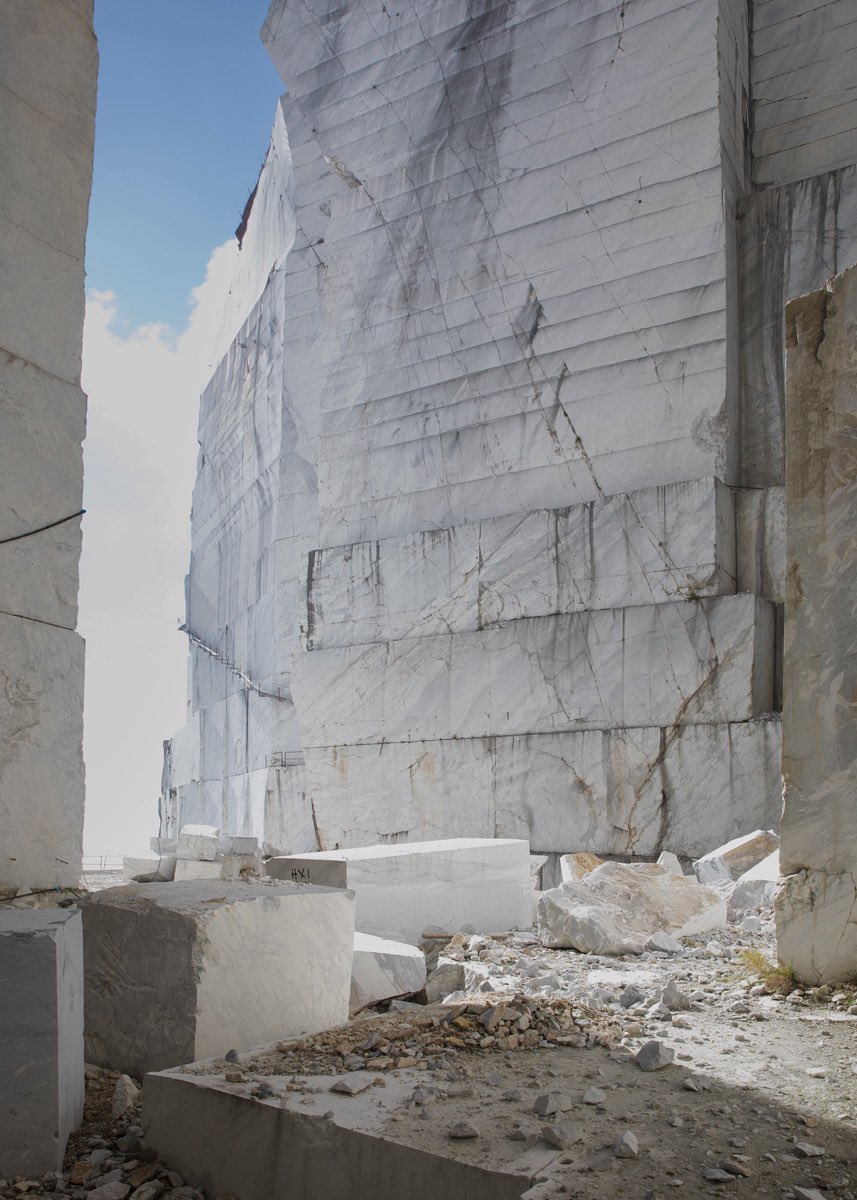
The young artist spent nine harsh months in the frozen quarries of Carrara, personally selecting a flawless 4 ton block of translucent white marble that he believed already contained the figures inside.
Back in his cramped Roman workshop, Michelangelo worked obsessively for nearly two years.
He strapped candles to his head for night work and often sleeping in his clothes beside the sculpture.
He strapped candles to his head for night work and often sleeping in his clothes beside the sculpture.
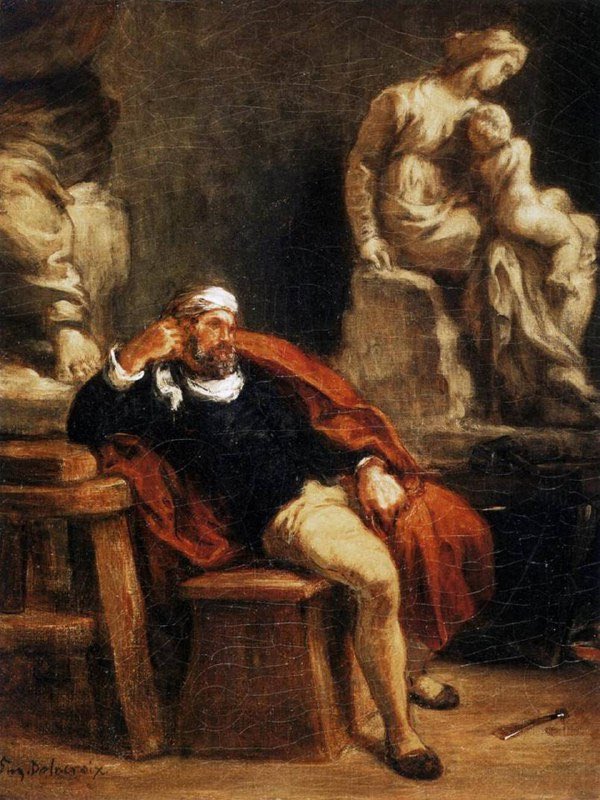
His apprentice Piero watched with concern as the sculptor pushed himself to near starvation, barely eating or resting while working with chisels he had forged himself.
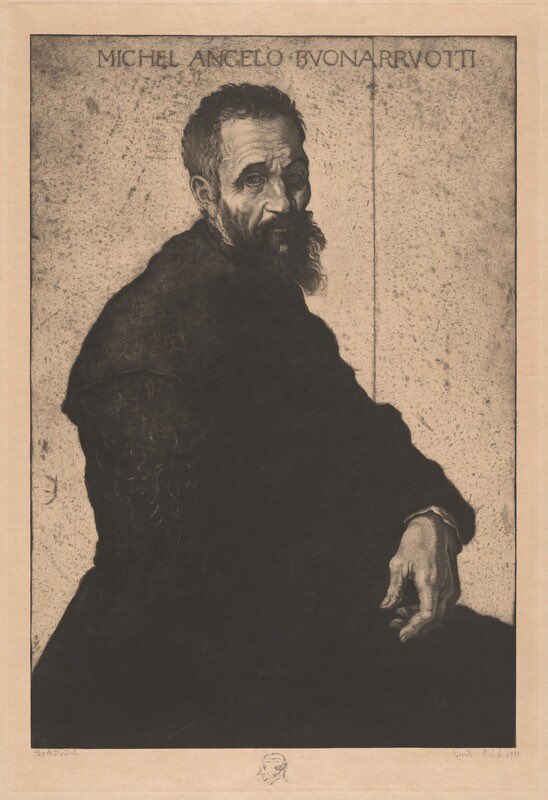
The main challenge for Michelangelo was, how could a small woman realistically support a full grown man’s body without looking awkward or unbalanced?
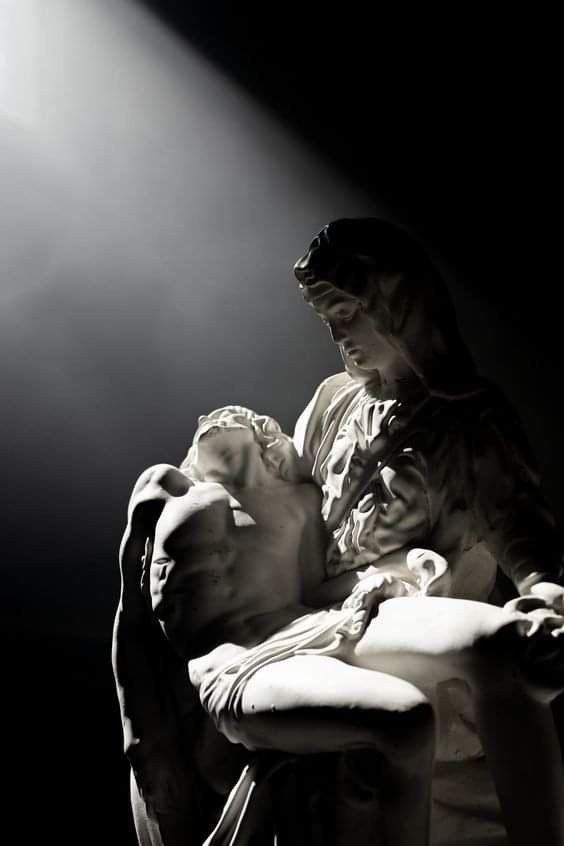
Michelangelo’s solution was brilliant.
He secretly enlarged Mary’s body beneath beautifully carved drapery, hiding so well that viewers never notice she would tower over Christ if standing.
He secretly enlarged Mary’s body beneath beautifully carved drapery, hiding so well that viewers never notice she would tower over Christ if standing.
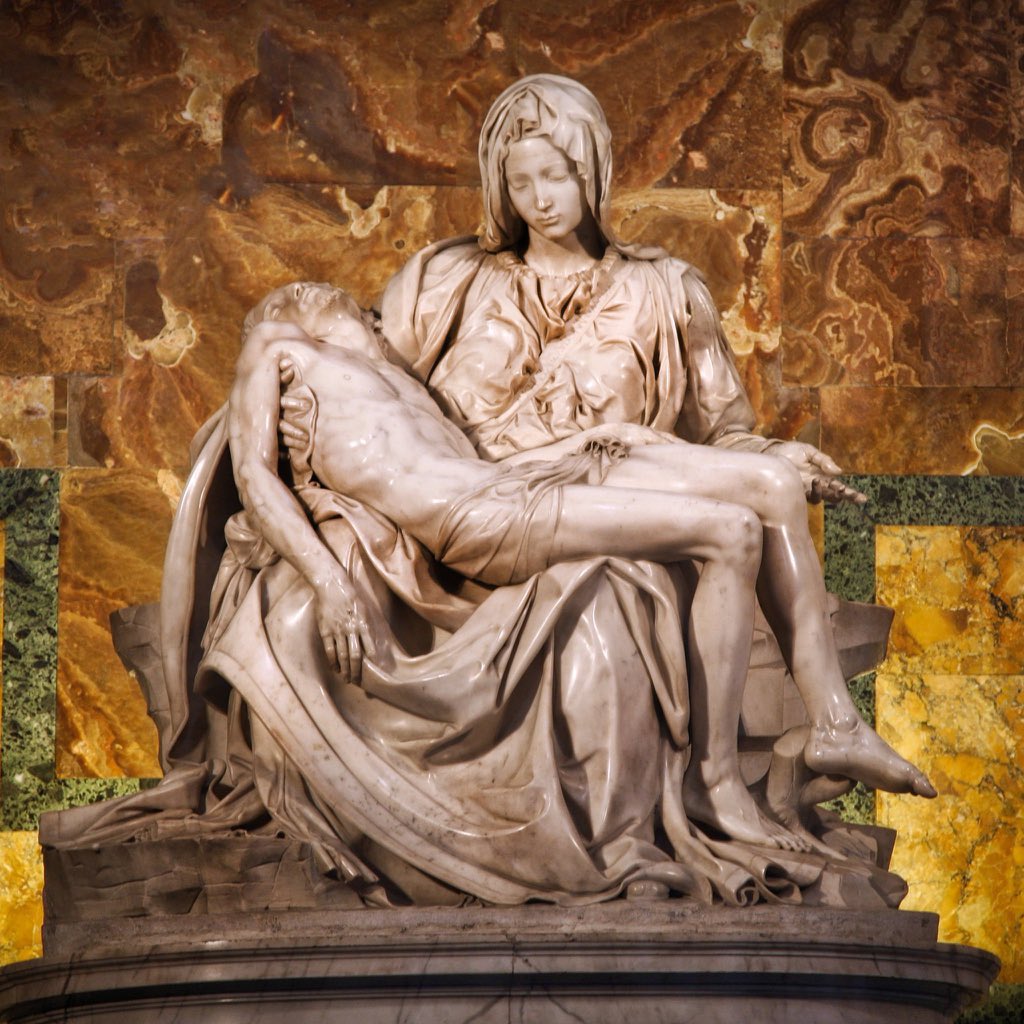
Using knowledge from years of illegally dissecting corpses in monastery crypts, he carved Christ’s anatomy so precisely that individual veins appeared beneath the marble skin.
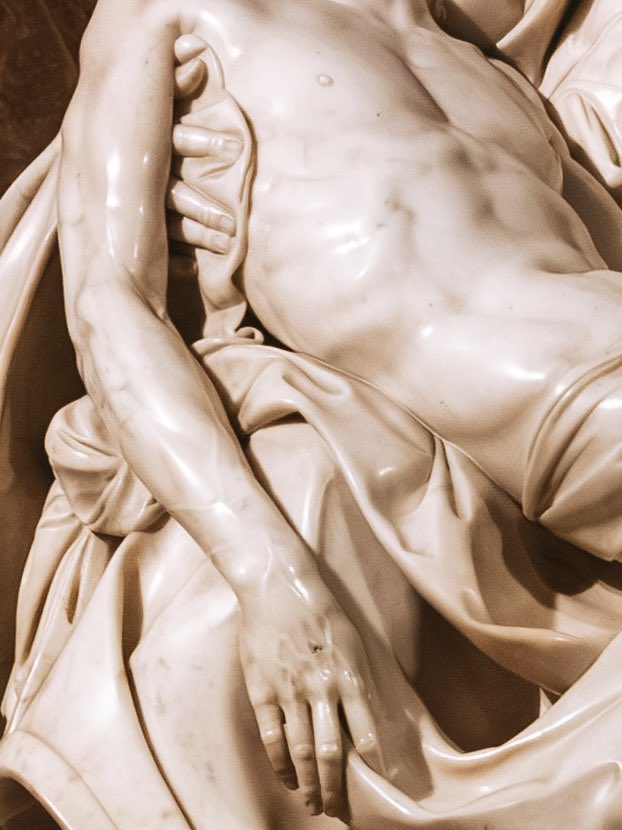
Michelangelo also pioneered a deep drilling technique that created drapery folds so realistic the marble looked like actual cloth you could touch and move.
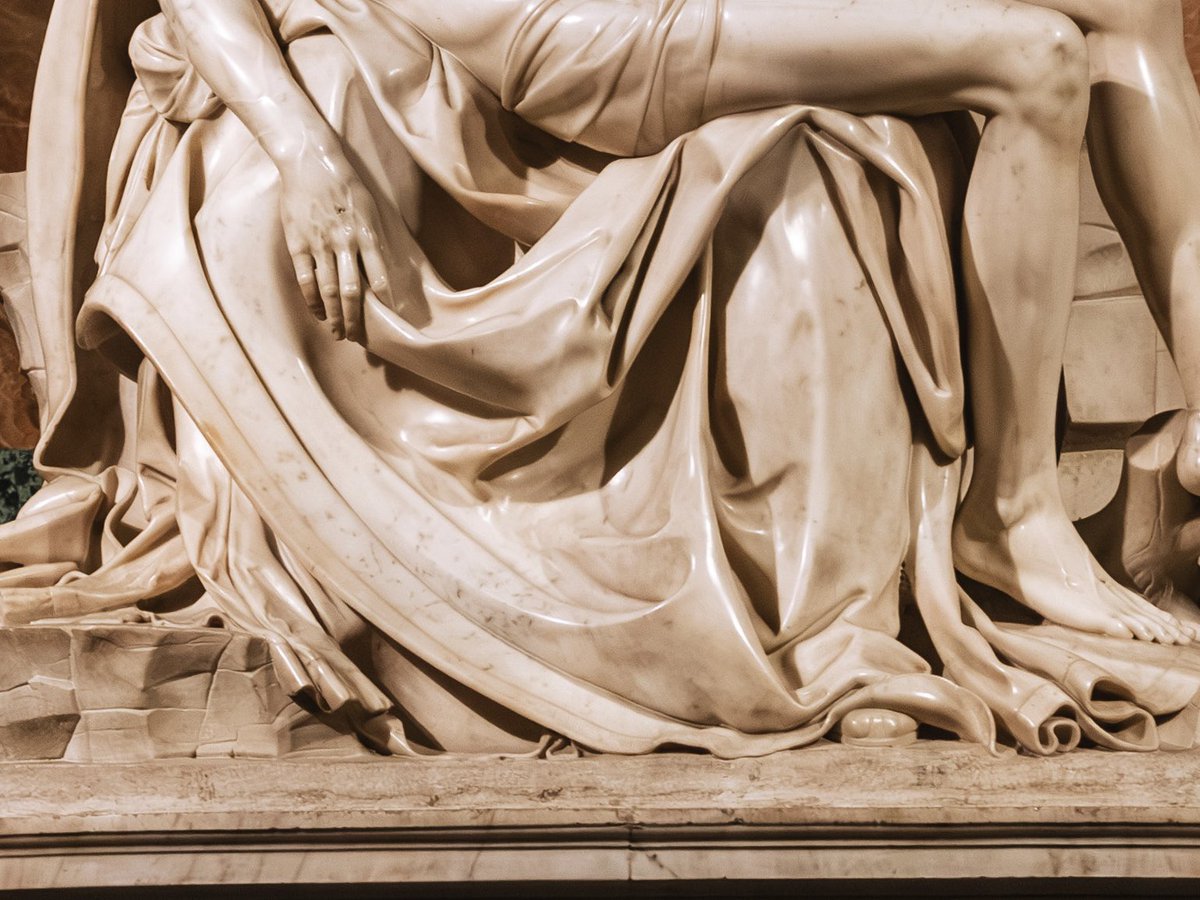
The polishing alone took months.
Michelangelo created mirror smooth flesh that seemed translucent and warm, but for the fabric he used rougher textures that contrasted and captured shadows.
Michelangelo created mirror smooth flesh that seemed translucent and warm, but for the fabric he used rougher textures that contrasted and captured shadows.
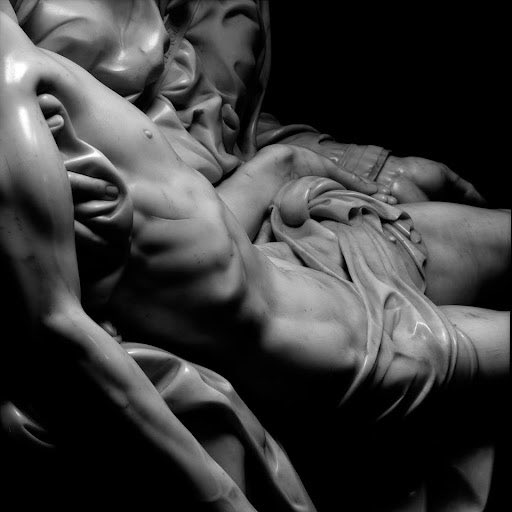
When unveiled in 1499, Giorgio Vasari called it “a miracle that a formless block of stone could ever have been reduced to a perfection that nature is scarcely able to create in the flesh.”
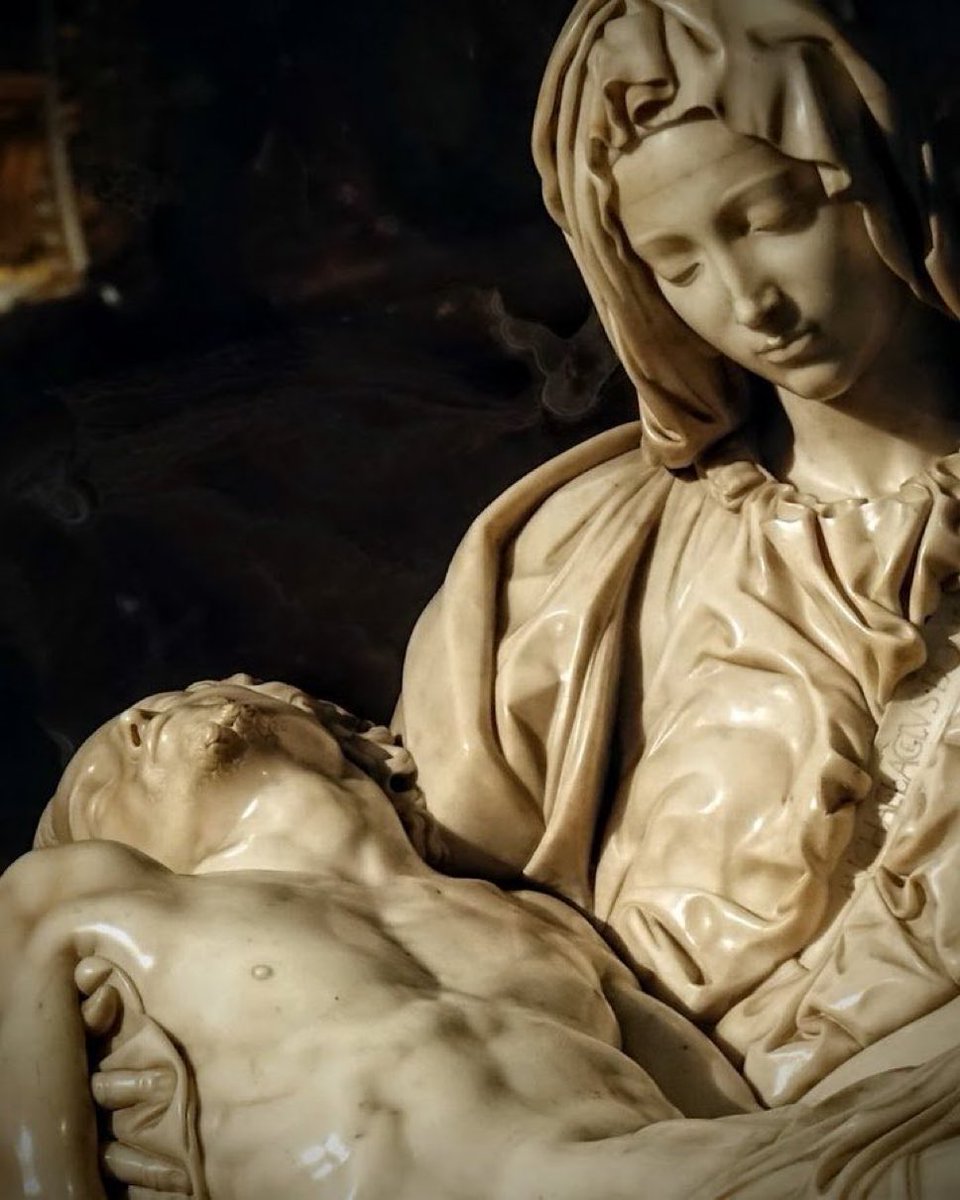
Soon after, Michelangelo overheard Lombard tourists crediting his masterpiece to another sculptor.
He became angry and returned that night with hammer and chisel.
He became angry and returned that night with hammer and chisel.
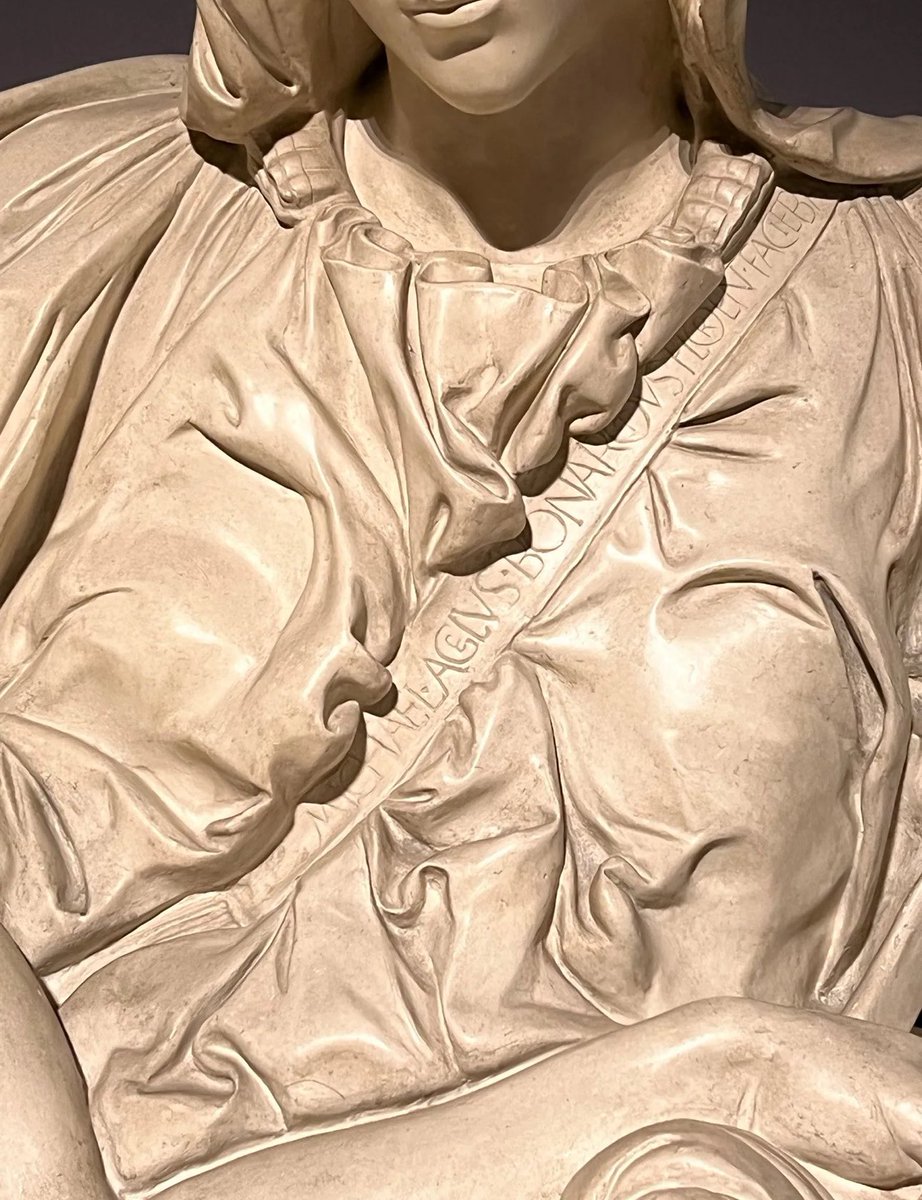
By flickering candlelight, he carved across Mary’s sash: “Michelangelo Buonarroti, Florentine, was making this”
He said this instead of “made” as an ode to ancient artists like Apelles who viewed works as never truly finished.
He said this instead of “made” as an ode to ancient artists like Apelles who viewed works as never truly finished.
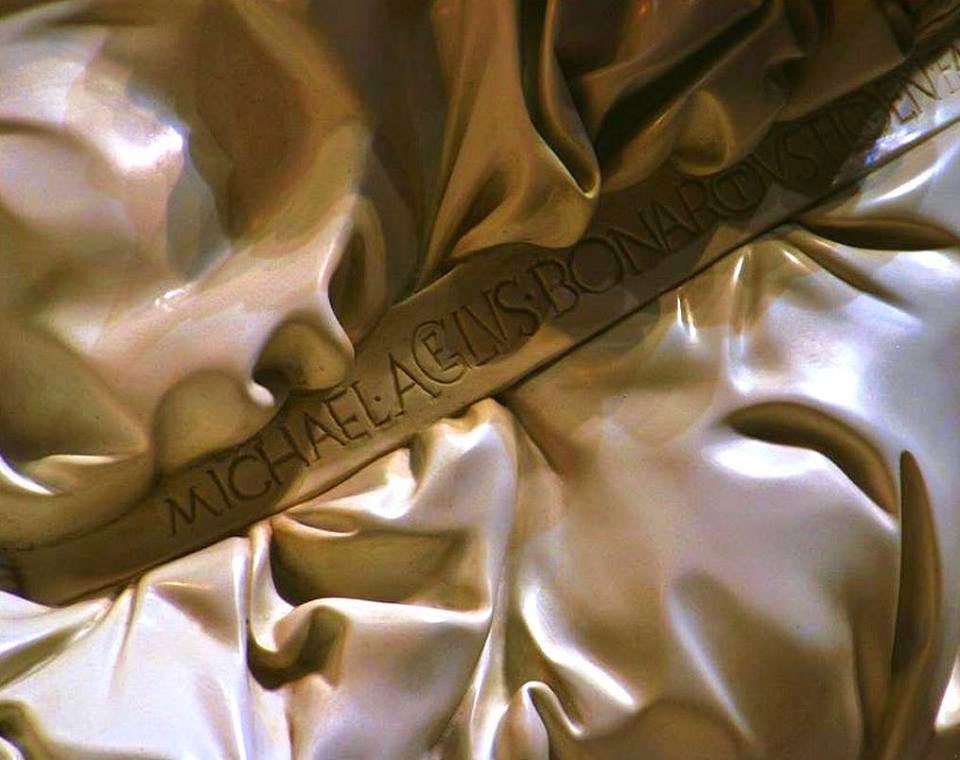
Michelangelo later regretted this “outburst of pride” and never signed another work.
It was a weak moment that created a flaw in an otherwise perfect creation.
It was a weak moment that created a flaw in an otherwise perfect creation.
Cardinal Bilhères unfortunately died before seeing the completed masterpiece.
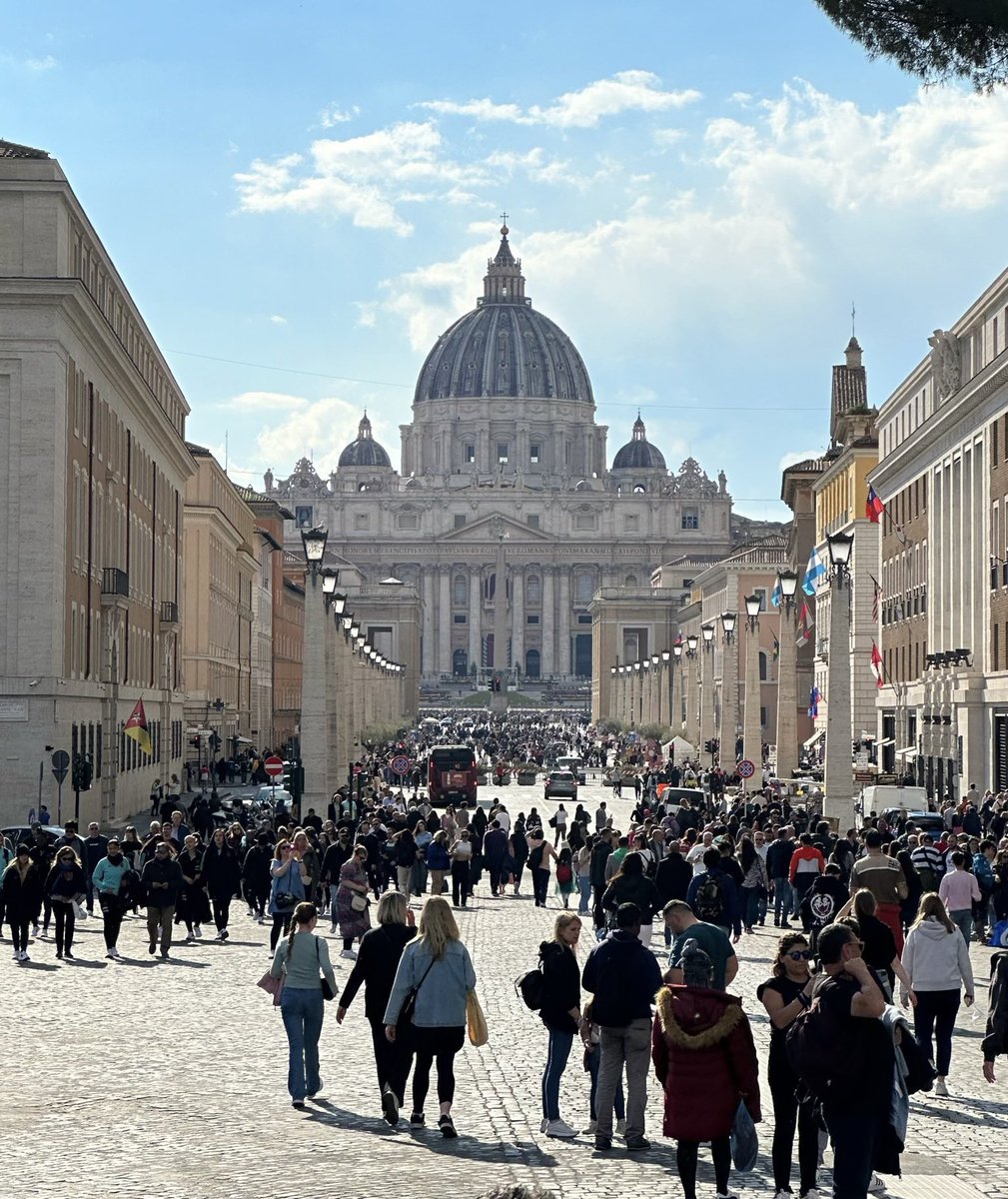
The first home of the pietà was the Cardinal’s funerary chapel, until the new basilica was built and the statue was moved to its current location.
The first home of the pietà was the Cardinal’s funerary chapel, until the new basilica was built and the statue was moved to its current location.
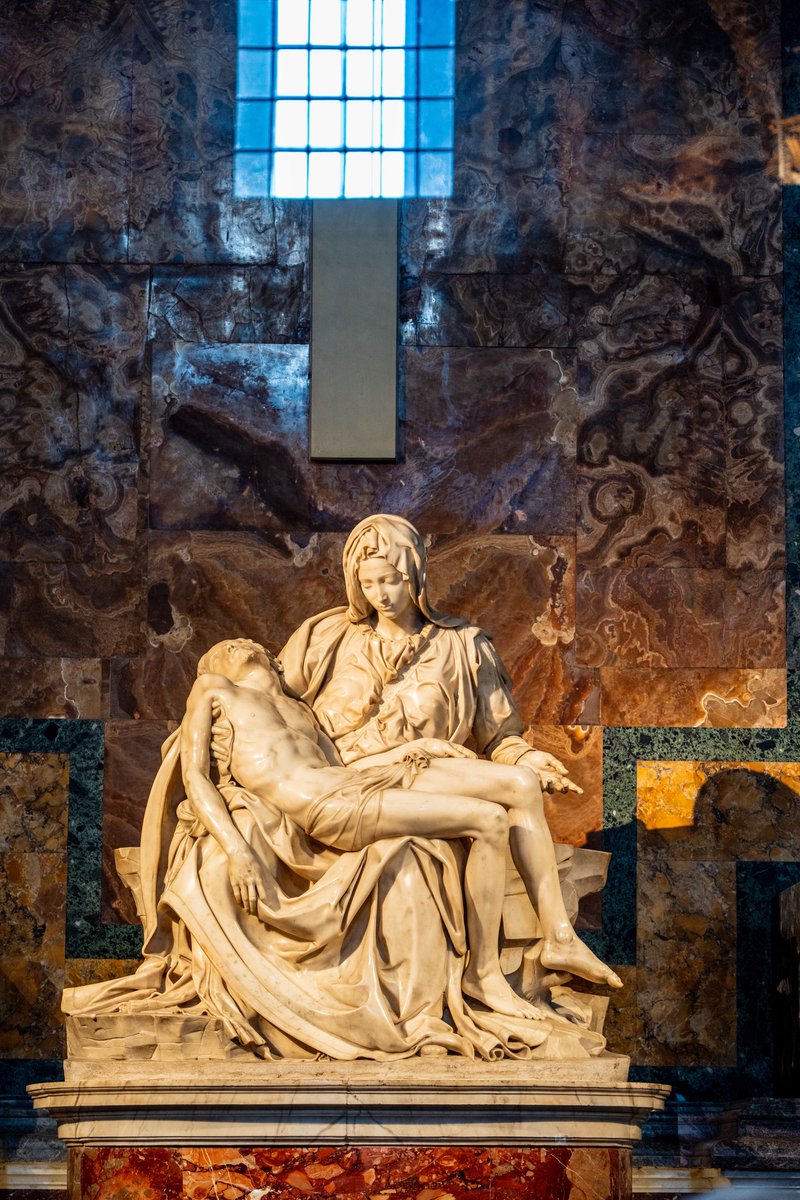
La Pietà’s impact on Michelangelo’s career was immediate and transformative.
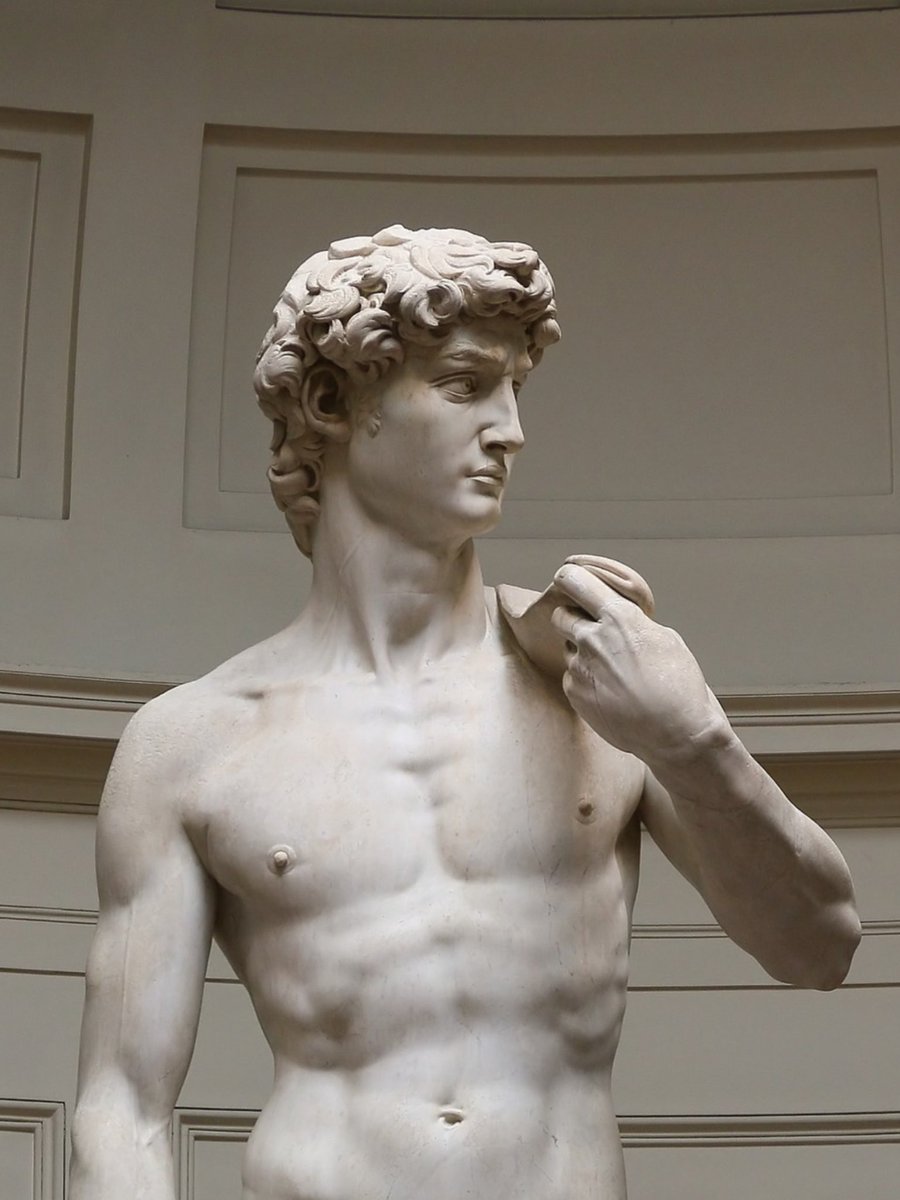
“Famous right after it was carved,” it directly led to the commission for David and established him as one of the leading artists of his time at just 24 years old!
“Famous right after it was carved,” it directly led to the commission for David and established him as one of the leading artists of his time at just 24 years old!
• • •
Missing some Tweet in this thread? You can try to
force a refresh