ALRIGHT WE GOT CONFIRMATION. TIME FOR A CONSOLIDATION THREAD 🧵
WHO IS THE MINNEAPOLIS MASS SHOOTER ROBIN WESTMAN?
WHO IS THE MINNEAPOLIS MASS SHOOTER ROBIN WESTMAN?

Robin was born with the name Robert and changed their name legally to Robert to coincide with their gender transition.

Robin's mother had a tight association with the school that Robin would target later on.
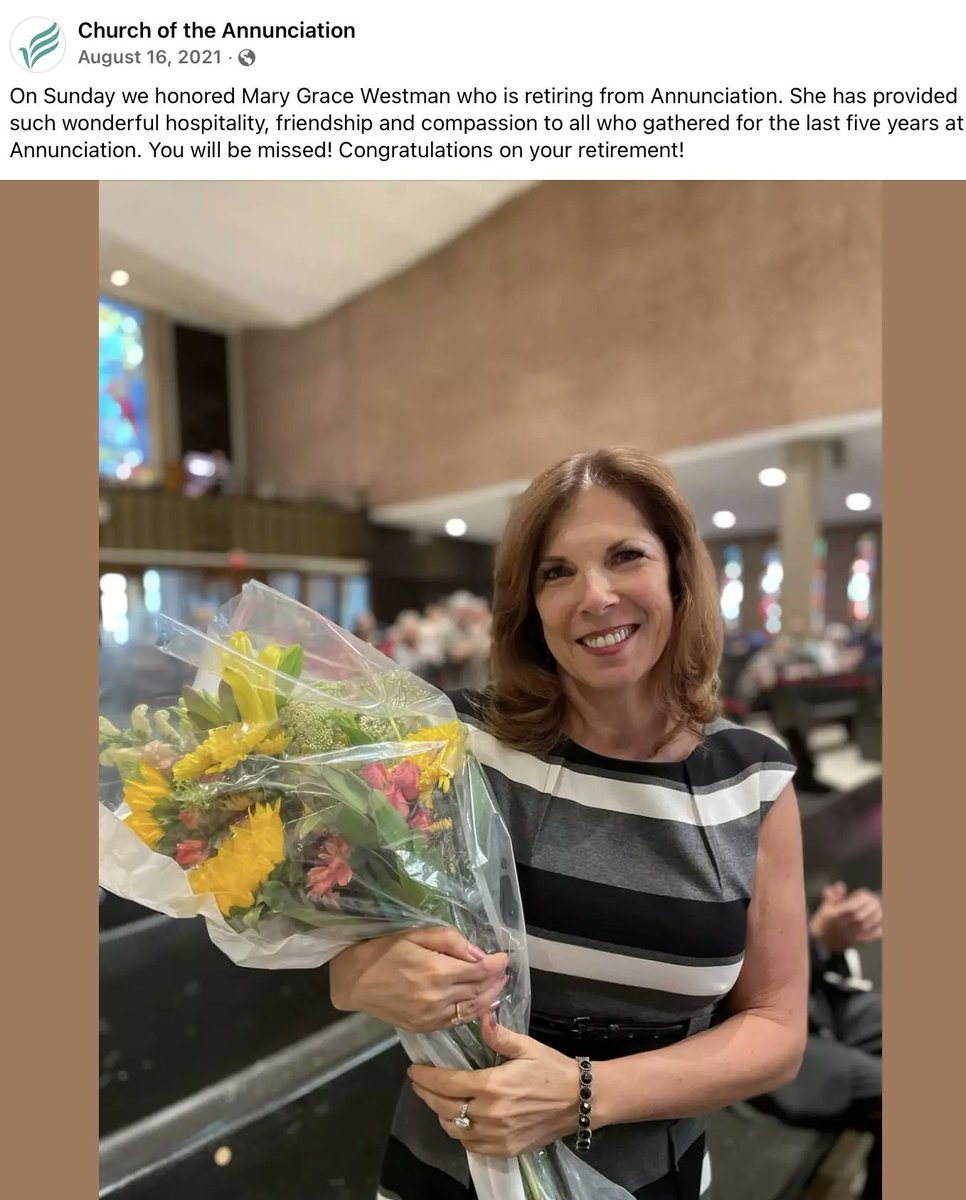
Robin also had a YouTube channel where until recently they posted a handful of videos of little importance.

This morning they posted to both their YouTube account and to the mass killer subreddit. The YouTube video opens with them thumbing through a journal.

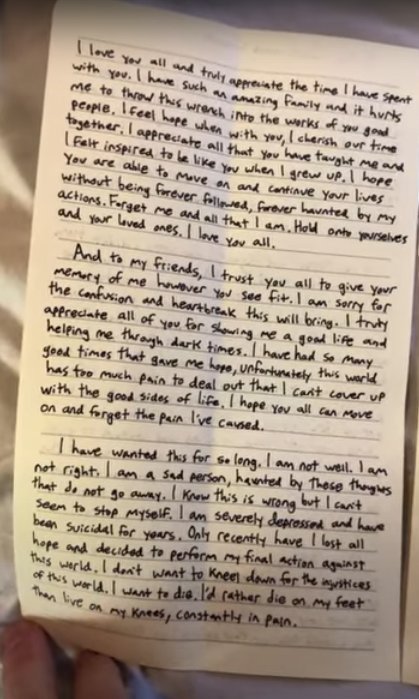
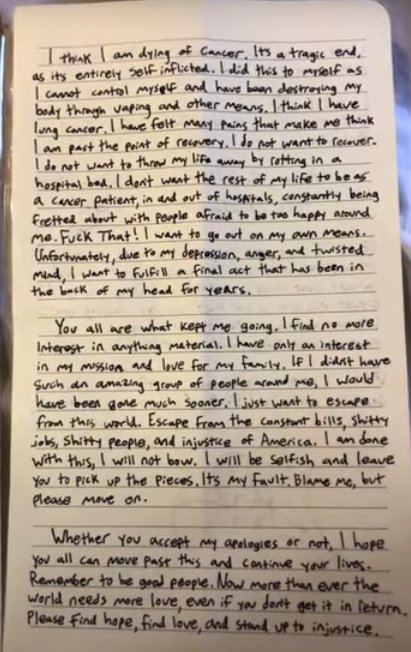
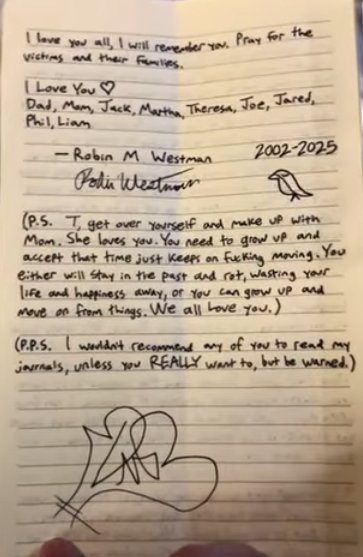
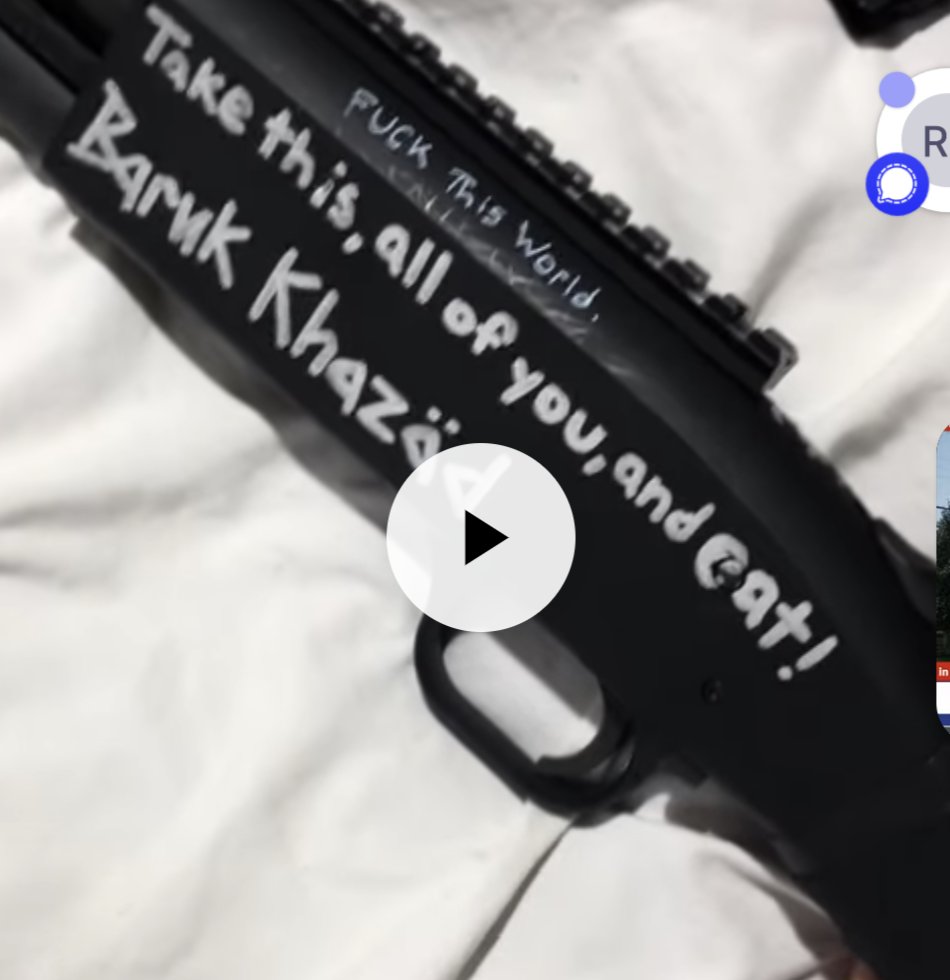
After that the video shows them showing off the weapons that would be used in the attack. An AR15, a Mossberg Shockwave 12 gauge shotgun, a handgun, and a revolver.
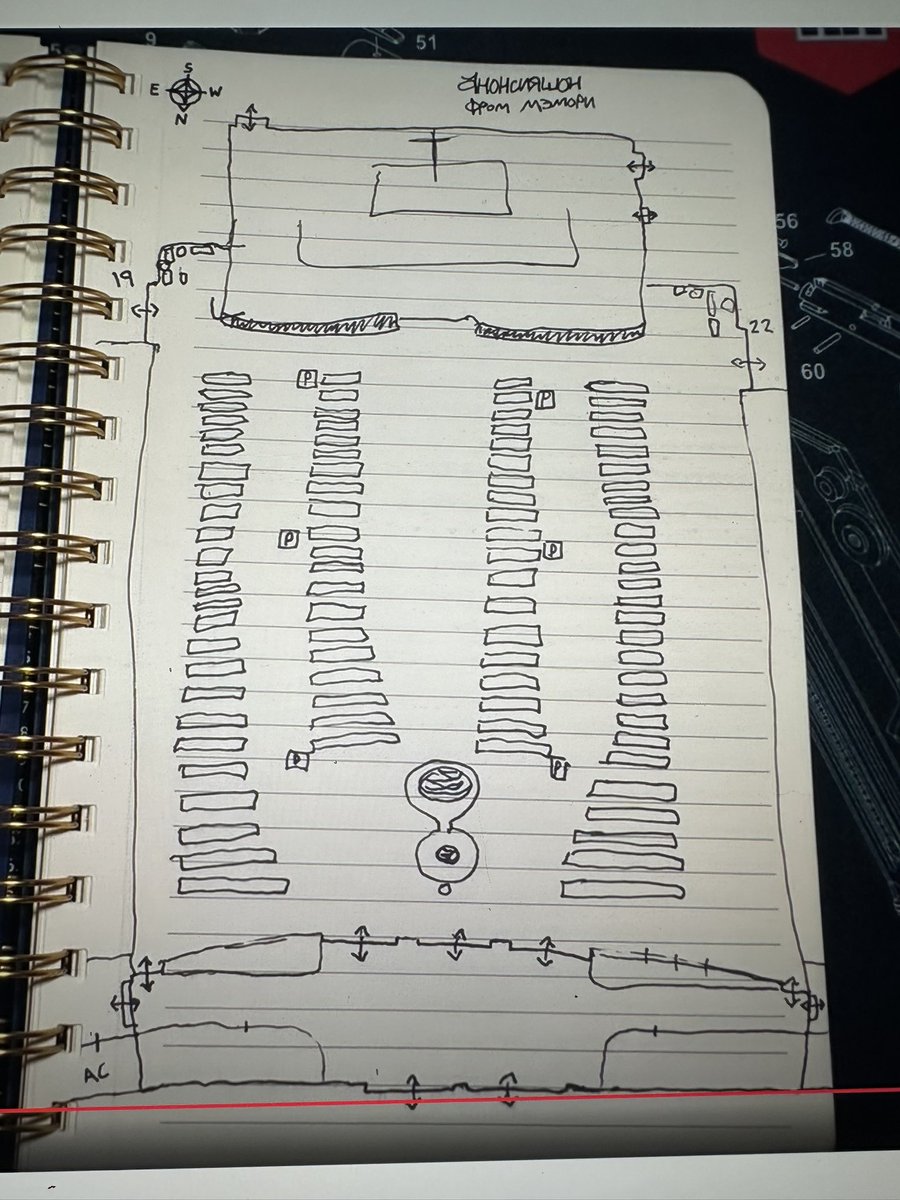
We know that based on some of the information Robin showed us that this attack was planned for quite some time, showing an in depth sketch of the sanctuary of the church, complete with entrances and exits.

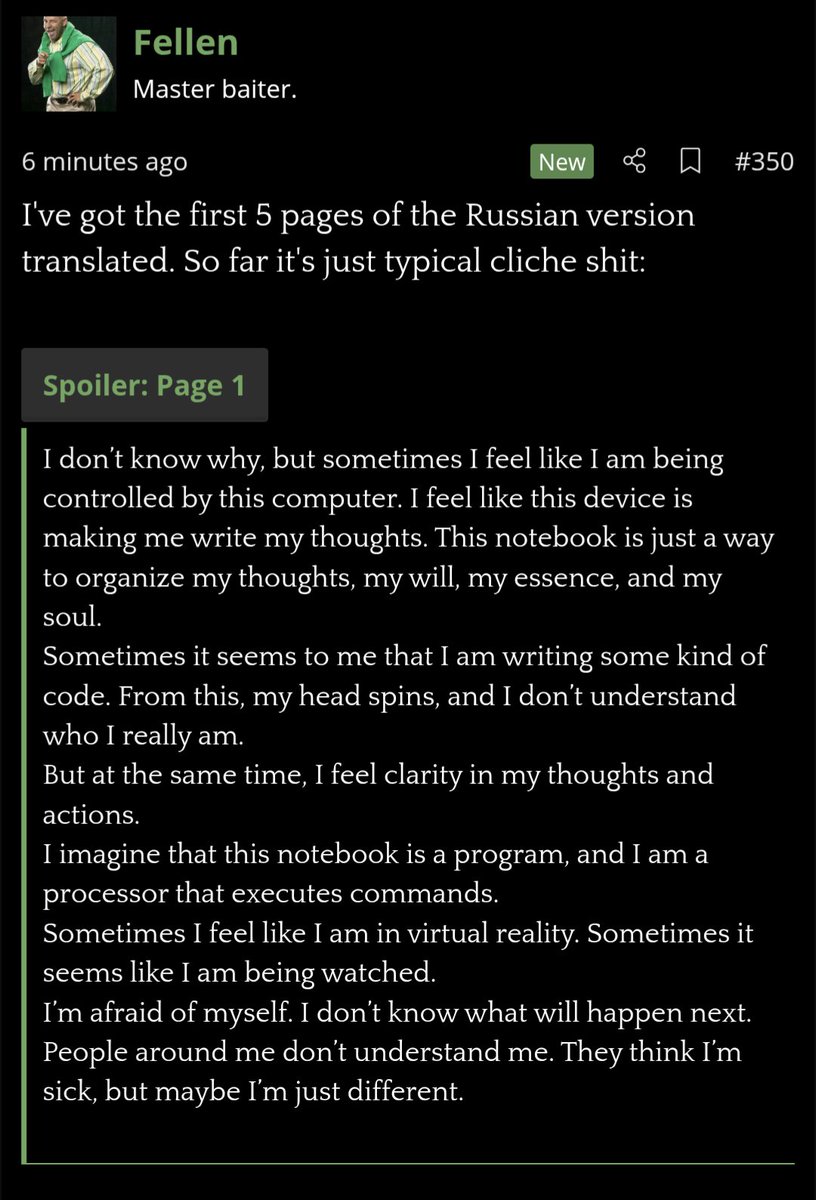
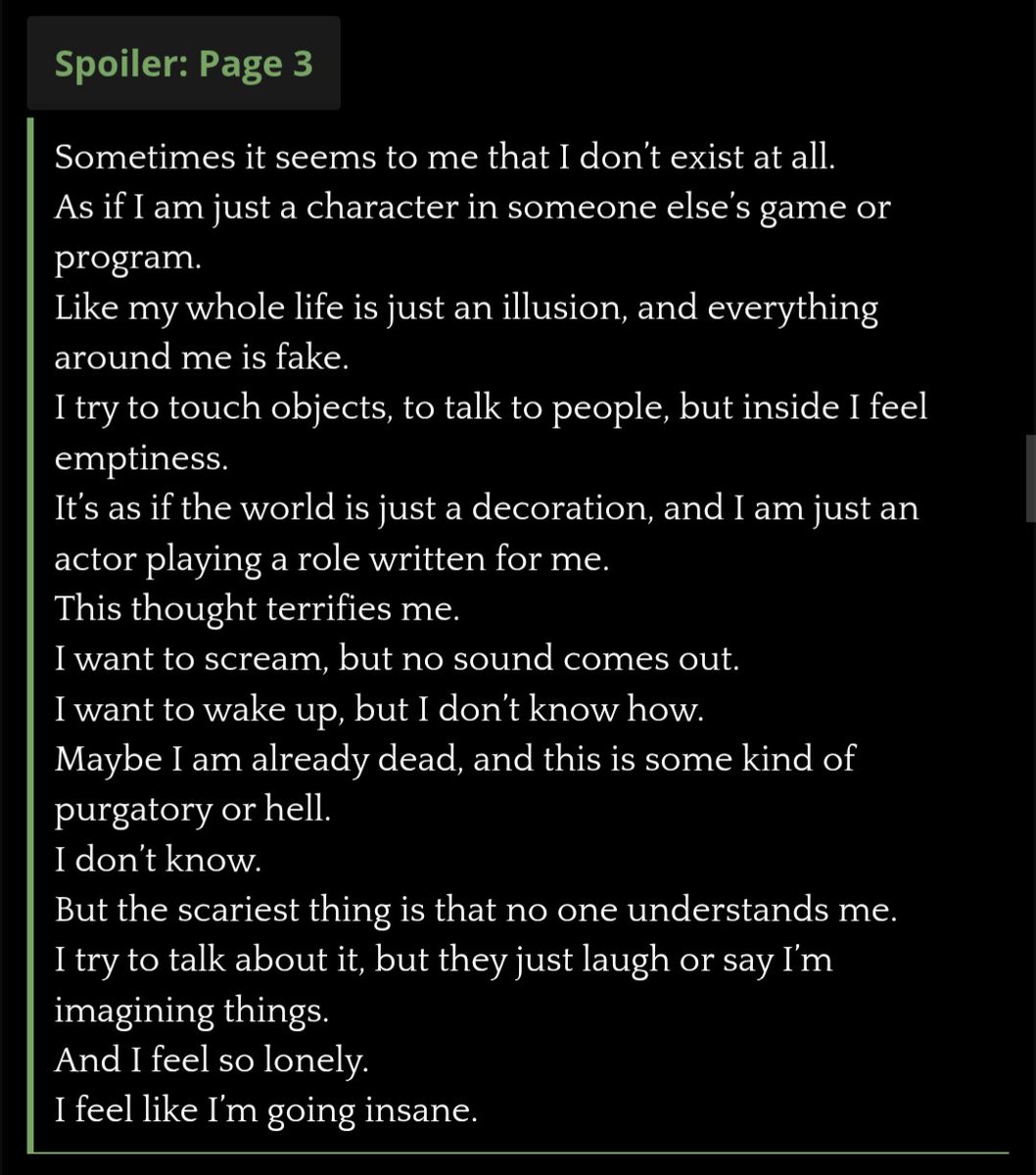
Robin also post another video of their other journal which was written entirely in Cyrillic letters but using english spelling of works. People are actively working on deciphering it.


(continued)

If any other major breakthroughs happen I will update this thread or make another.
I neglected to also mention their weapons are coated in white text, mimicking both the transsexual Christian elementary school shooter and Adam Lanza.
The shooter covered their weapons in strange slogans, internet memes, and nonsense.
The shooter covered their weapons in strange slogans, internet memes, and nonsense.
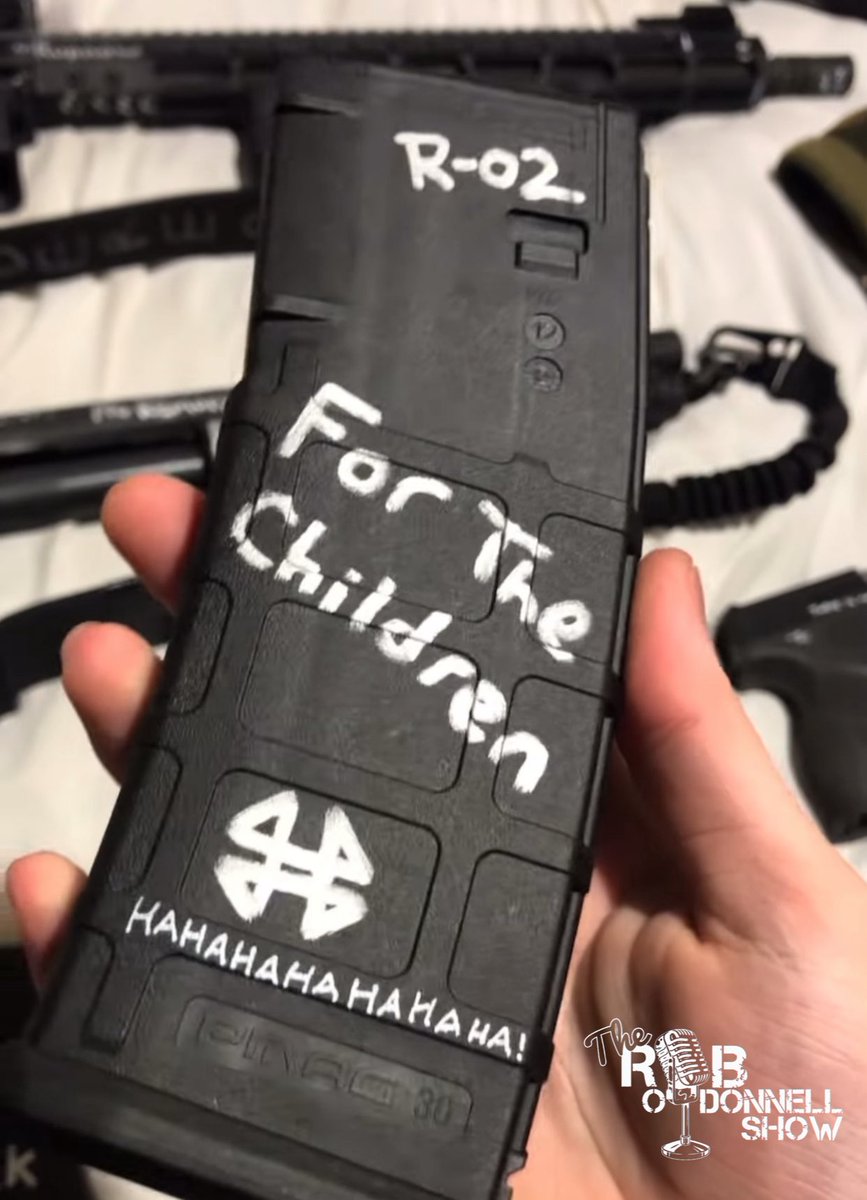
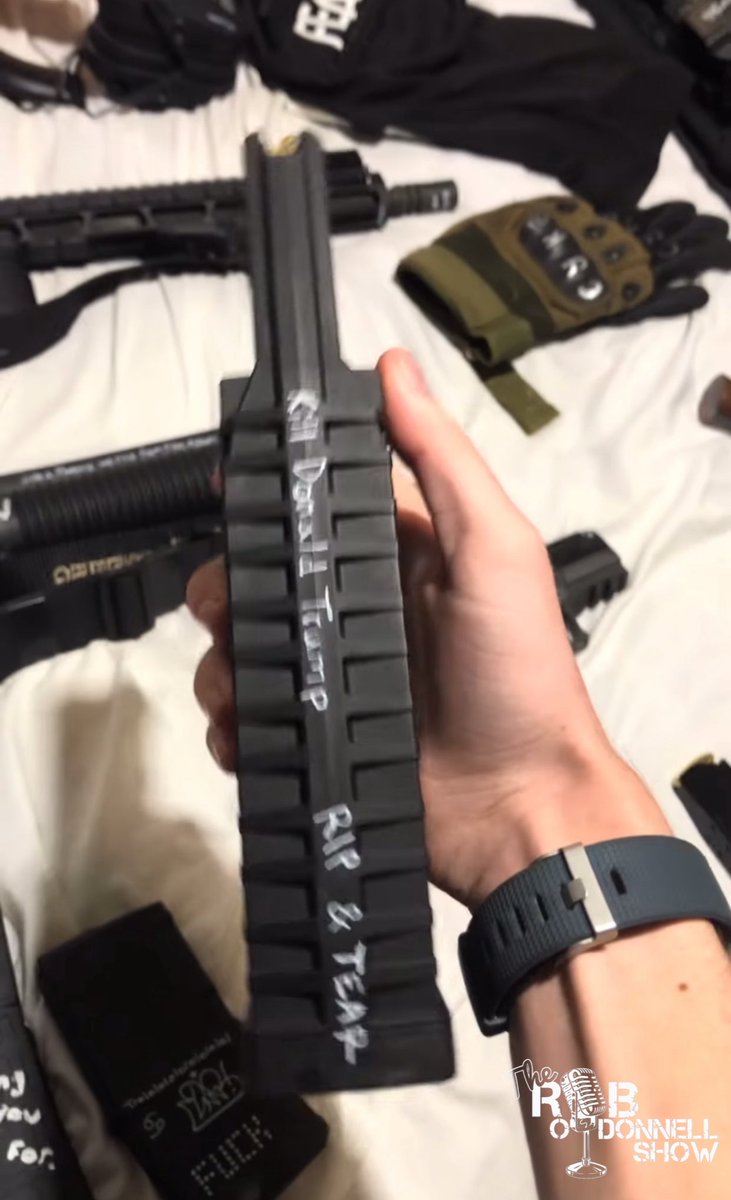
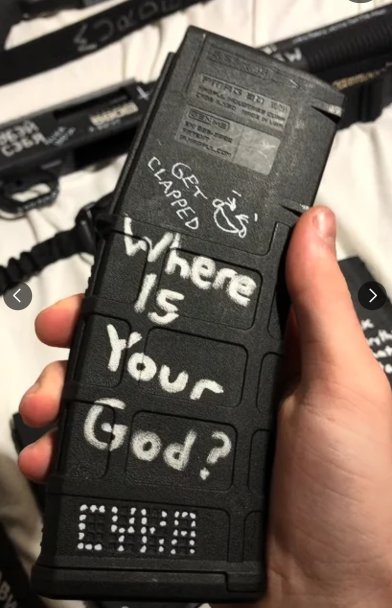
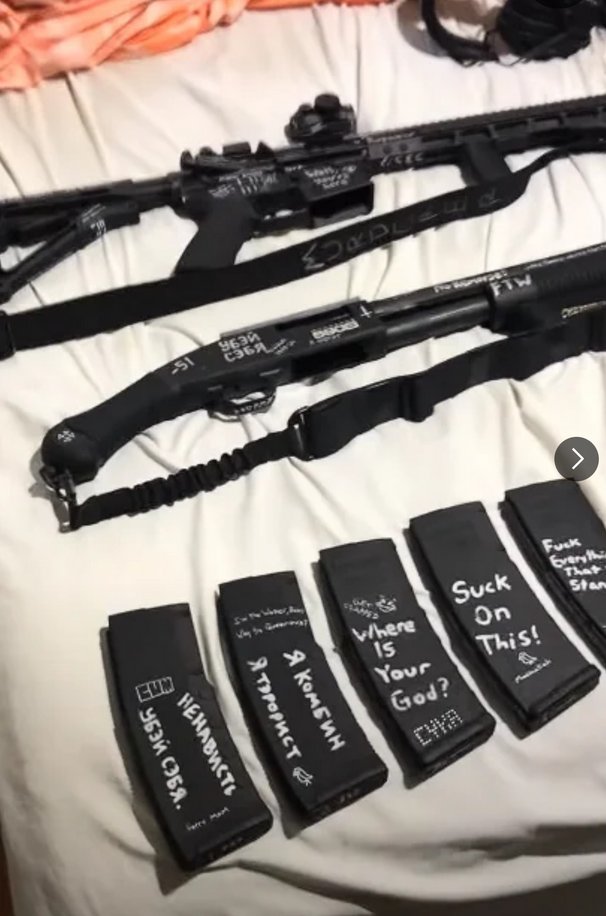
Apologies, not Lanza, I meant to say Brendan Terrant.
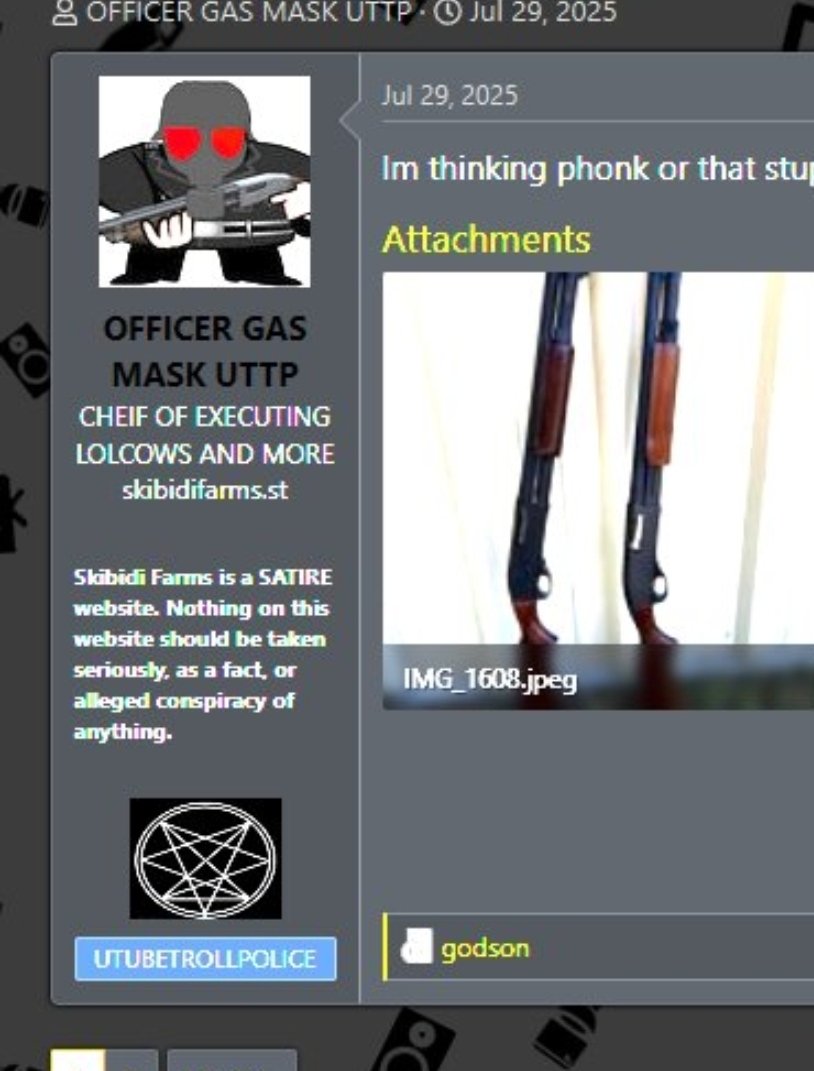
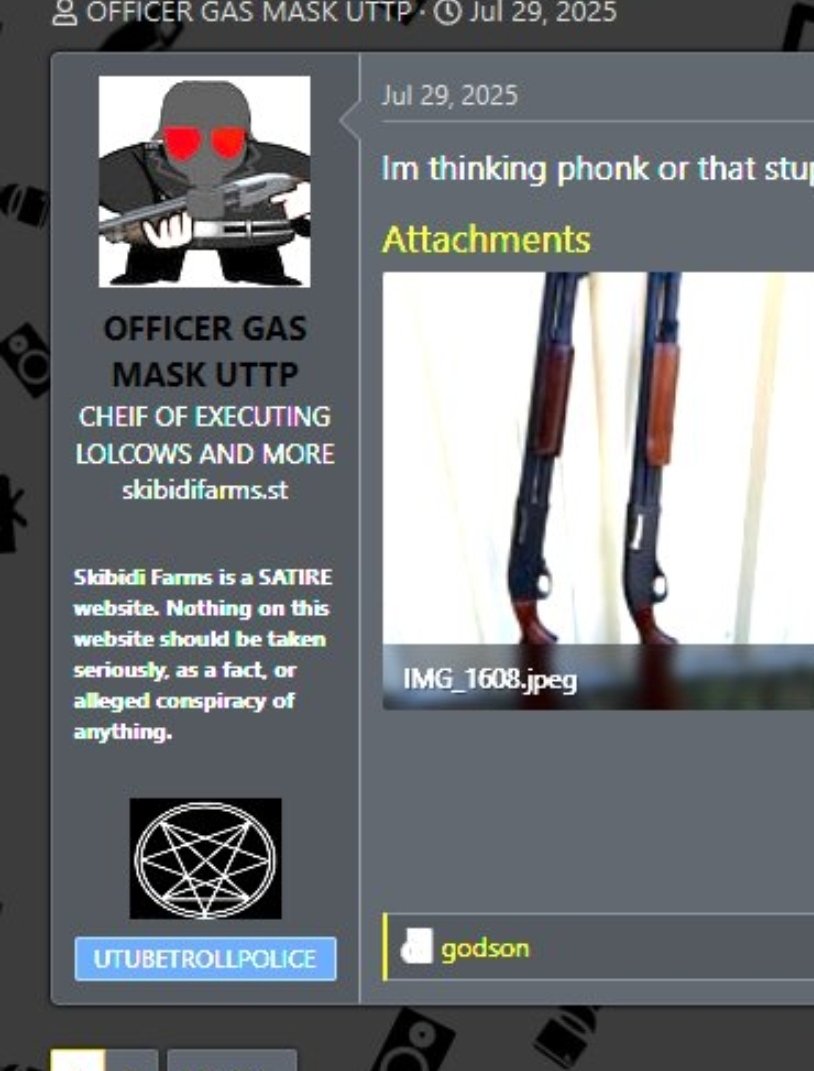
Robin apparently had an account on the website "Skibidi Farms" which is unrelated to Kiwi Farms despite the naming similarity.

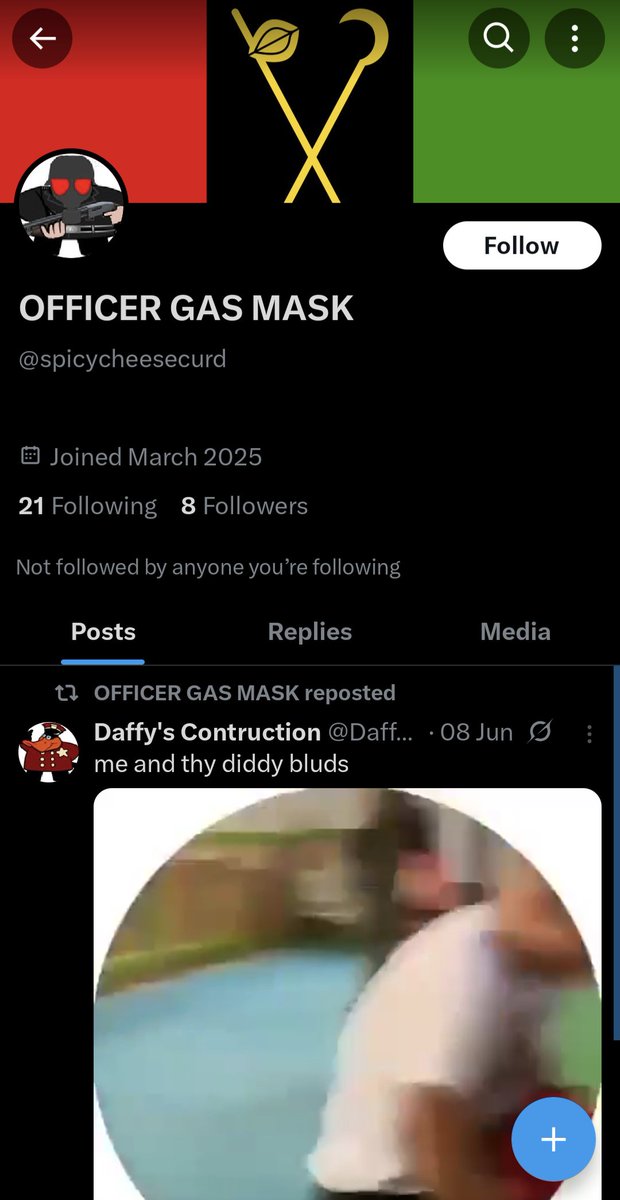
And here is his alleged Twitter/X account
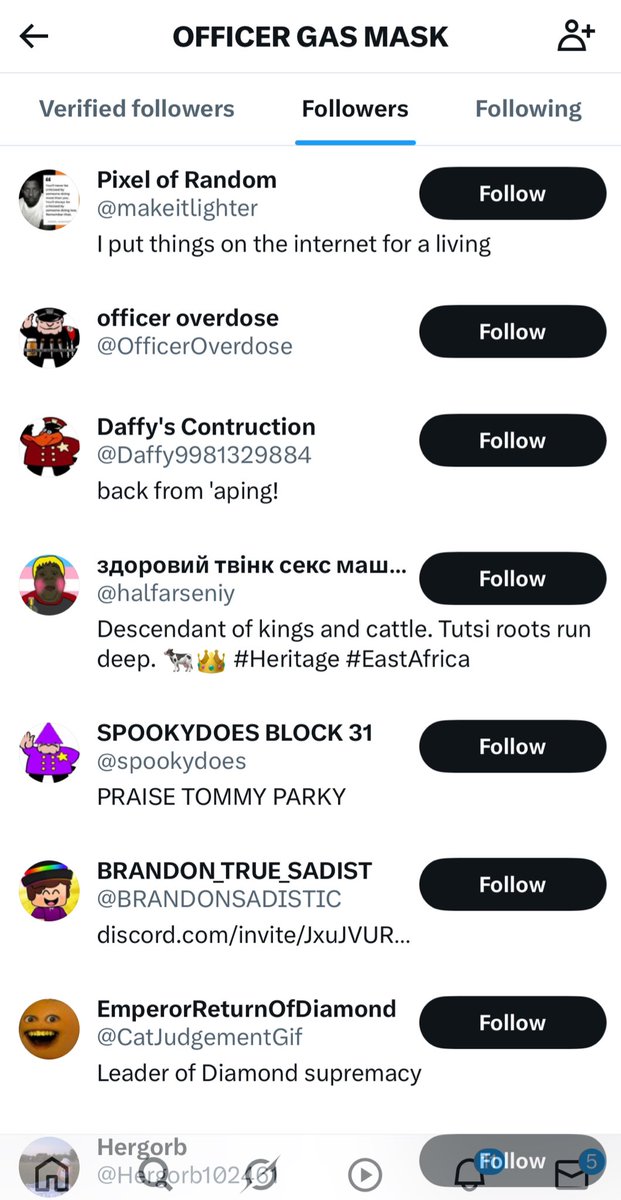
Thanks to @FreeUkraine91 for the tipoff of their follower list. I briefly looked into the "true sadist" one and I saw some rancid stuff.
Our shooter may not be a kid diddler but he definitely associated with them.
Our shooter may not be a kid diddler but he definitely associated with them.
WCCO talk radio postulating this may have been planned via a discord.
I hate to be that guy but if that's the case we may have another 09A/764 type killer.
I have no solid evidence to support that at this time.
I hate to be that guy but if that's the case we may have another 09A/764 type killer.
I have no solid evidence to support that at this time.
I missed this but the killer also featured an O9A logo on his Skibidi Farms account.
O9A and their associated 764 sect are tied to a number of mass shootings and child abuse cases.
O9A and their associated 764 sect are tied to a number of mass shootings and child abuse cases.

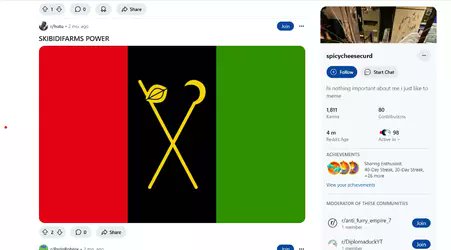
And now we have their alleged reddit account.
Report of a press conference at 2:30 CST.
FBI director Kash Patel announces that this will be investigated as domestic terrorism.
https://x.com/FBIDirectorKash/status/1960785108996112782
Press conference in "a minute or two"
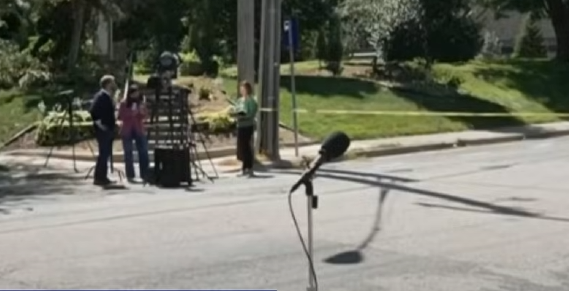
Walz and Frey are on the scene.
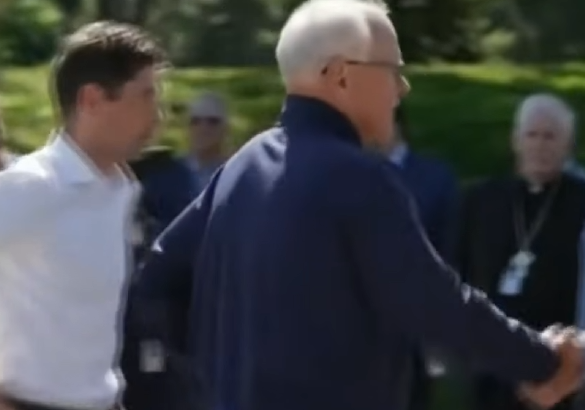
I will do the conference as a giant post rather than a series of little ones
Even archbishop Hebda is here! Holy shit!

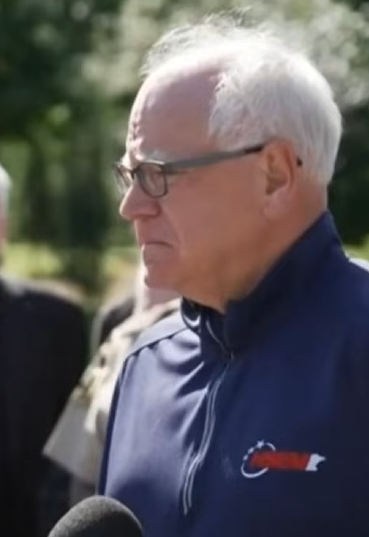
Walz:
Offers condolences and calls the shooter evil. Says these events should not happen. Offers his deepest sympathies and wishes that the words he offered did more.
He thanks the mayor, PD, sheriff, State Patrol, BCA, FBI, and medical teams.
He thanks everyone for being there again and comments on receiving a call from Trump expressing their condolences.
Walz says that the state will stand with the community to understand what we can do to prevent these types of events.
He asks that those around the nation keep us in our prayers and "in the thoughts of action."
No outright political grandstanding.
Offers condolences and calls the shooter evil. Says these events should not happen. Offers his deepest sympathies and wishes that the words he offered did more.
He thanks the mayor, PD, sheriff, State Patrol, BCA, FBI, and medical teams.
He thanks everyone for being there again and comments on receiving a call from Trump expressing their condolences.
Walz says that the state will stand with the community to understand what we can do to prevent these types of events.
He asks that those around the nation keep us in our prayers and "in the thoughts of action."
No outright political grandstanding.
Frey:
Comments on the compassion and resilience of the community in response to the attack.
Says he is doing everything the city can to assist them.
Frey praises the students and staff who reacted heroically in response to the attack. Saying due to them things turned out better than they would have if otherwise would have happened.
He thanks the MPD for showing up.
He thanks the principal of the school.
Says "we need to do more than talk, there needs to be more than words, there needs to be action. When we see school shooting after school shooting..."
Frey then goes on about gun control and the number of guns in the country. I am disinterested in covering that part of his speech.
Frey then says do not direct hate to the transsexual community. To not demonize "our trans community and any community out there."
Frey says we need to focus on the kids impacted today.
Frey does more political grandstanding.
Frey thanks MPD chief O'Hara and Amy Klobuchar for being here.
Comments on the compassion and resilience of the community in response to the attack.
Says he is doing everything the city can to assist them.
Frey praises the students and staff who reacted heroically in response to the attack. Saying due to them things turned out better than they would have if otherwise would have happened.
He thanks the MPD for showing up.
He thanks the principal of the school.
Says "we need to do more than talk, there needs to be more than words, there needs to be action. When we see school shooting after school shooting..."
Frey then goes on about gun control and the number of guns in the country. I am disinterested in covering that part of his speech.
Frey then says do not direct hate to the transsexual community. To not demonize "our trans community and any community out there."
Frey says we need to focus on the kids impacted today.
Frey does more political grandstanding.
Frey thanks MPD chief O'Hara and Amy Klobuchar for being here.
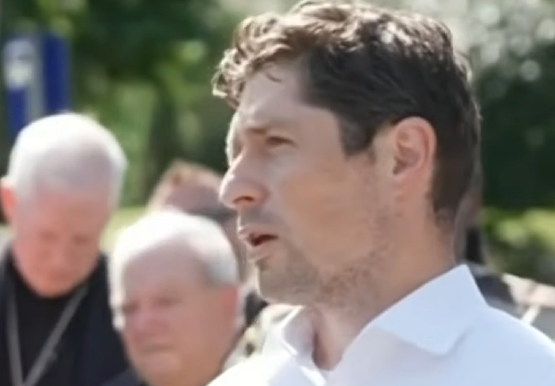
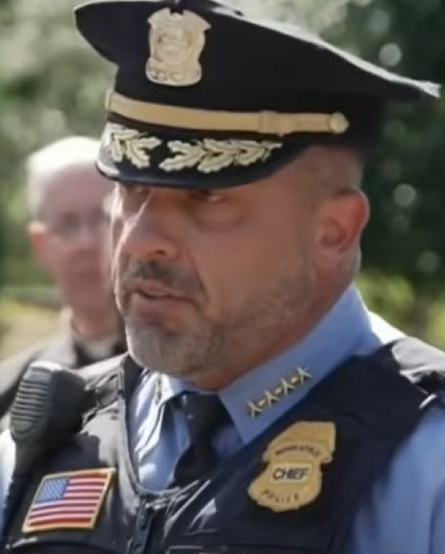
MPD Chief O'Hara (this is the important one):
Says they will be giving the most accurate information possible.
19 total victimes, 2 young children aged 8 and 10. Pronounced dead on site.
14 other children from 6 to 15 injured.
3 adults in their 80s shot as well.
Families of the impacted have been notified.
Coward shot himself and identified as 23 year old Robin Westman (told ya!)
Weapons used: a rifle, a shotgun, and a pistol that were all lawfully purchased.
At this time they believe he acted alone and without any one else.
4 search warrants active. 1 in the church and 3 nearby residences related to the shooter.
Additional firearms are being recovered from those locations.
Police is aware of the manifesto mentioned earlier in this thread. MPD and FBI are trying to get it taken down from the web (his words).
Offers condolences to the community.
They have no established motive at this point.
Will take questions after the principal and archbishop speak.
Says they will be giving the most accurate information possible.
19 total victimes, 2 young children aged 8 and 10. Pronounced dead on site.
14 other children from 6 to 15 injured.
3 adults in their 80s shot as well.
Families of the impacted have been notified.
Coward shot himself and identified as 23 year old Robin Westman (told ya!)
Weapons used: a rifle, a shotgun, and a pistol that were all lawfully purchased.
At this time they believe he acted alone and without any one else.
4 search warrants active. 1 in the church and 3 nearby residences related to the shooter.
Additional firearms are being recovered from those locations.
Police is aware of the manifesto mentioned earlier in this thread. MPD and FBI are trying to get it taken down from the web (his words).
Offers condolences to the community.
They have no established motive at this point.
Will take questions after the principal and archbishop speak.
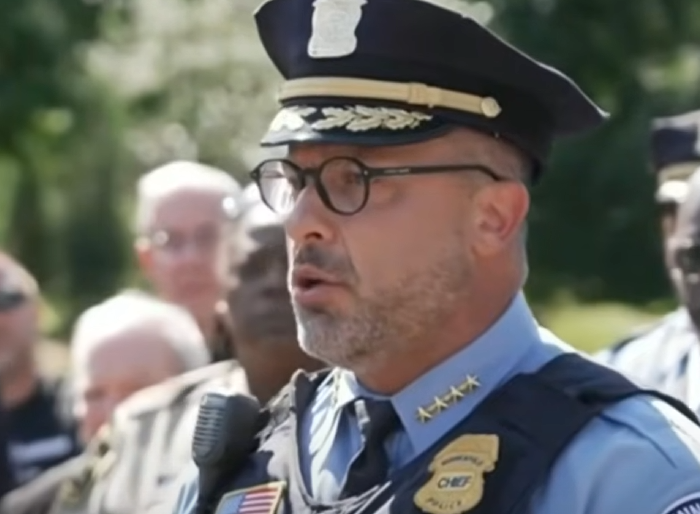
The school principal offers kind words and sympathies to the families and recounts the heroism of the staff while lamenting this situation. He hopes this never happens again. He repeats the phrase "never again." to drive it home.
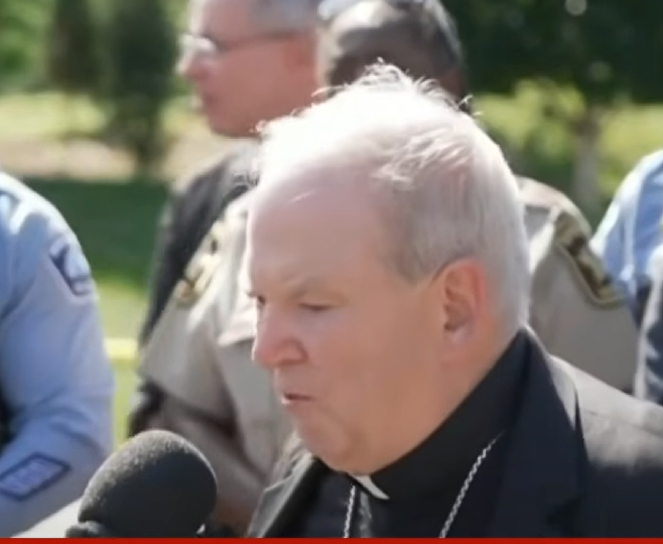
Archbishop Hebda (my bishop):
Comments on the heroism of the staff and is thankful for the priests that were there today.
He says there is still hope no matter what happens. He states we must be men and women of hope. He highlights the families who have stepped forward to help. He says we must continue praying.
POPE LEO WROTE A LETTER TO HIM:
The Pope was profoundly saddened to hear about what happened. He sends his heartfelt condolences and spiritual closeness to the families who lost a child. He prays for the families and those who responded. He offers his apostolic blessing to the city.
Hebda then spoke about how Leo received his hospital training here and that he has a personal connection to our state.
He finally highlights the need to look for hope.
Comments on the heroism of the staff and is thankful for the priests that were there today.
He says there is still hope no matter what happens. He states we must be men and women of hope. He highlights the families who have stepped forward to help. He says we must continue praying.
POPE LEO WROTE A LETTER TO HIM:
The Pope was profoundly saddened to hear about what happened. He sends his heartfelt condolences and spiritual closeness to the families who lost a child. He prays for the families and those who responded. He offers his apostolic blessing to the city.
Hebda then spoke about how Leo received his hospital training here and that he has a personal connection to our state.
He finally highlights the need to look for hope.
Q&A - Quotes are approximate as I type real time
Q "How are the hurt students?"
A "They are all expected to survive"
Q "Where were the weapons from?"
A "They were purchased recently"
Q "is there a motive relating to the church?"
A "I have no information to share other than there was a manifesto that was taken down and is being investigated."
Q "Can you confirm the manifesto is from the suspect?"
A "We do believe it was form him"
Q"Is it true the suspect did change their name?"
A "we cannot confirm other than the shooter's name is Robin"
Q"Is there anything the suspect posted prior that shed any light?" (lmao check this thread for that)
A" We do not have information at this time to share"
Q "how many were in the church?"
A "This was the start of mass, I have heard estimates but we do not have a definitive number"
Q "How are resources do you need help?"
A "This has been a difficult drain on resources, dozens offices were traumatized by what they saw, not to diminish the victims suffering, but it has been a drain on our resources." He also talked at length of other local crimes that I won't cover here.
Q "is this your first mass shooting?"
A "No."
Q "Where do we start to make sure these things never happen again?"
A "I don't have an answer for that"
Q "The federals are interested in investigating this as a hate crime, yes?"
A "We do not have a motive at this time"
Q "Will there be elevated securities or patrols for other catholic churches in the area?"
A "This is something our community has had to deal with for some time unfortunately and it is nothing new here. We are available to work with churches and schools that do reach out."
Q "Is this the first time a Catholic mass has been targeted in the Minneapolis area?"
A - Bishop Hebda said this is likely the first
Q "Is this being investigated by the FBI?"
A "They are here and investigating with us along with ATF and others. It is led by the MPD at this time. We are open to going wherever the evidence leads us."
Q "How are the hurt students?"
A "They are all expected to survive"
Q "Where were the weapons from?"
A "They were purchased recently"
Q "is there a motive relating to the church?"
A "I have no information to share other than there was a manifesto that was taken down and is being investigated."
Q "Can you confirm the manifesto is from the suspect?"
A "We do believe it was form him"
Q"Is it true the suspect did change their name?"
A "we cannot confirm other than the shooter's name is Robin"
Q"Is there anything the suspect posted prior that shed any light?" (lmao check this thread for that)
A" We do not have information at this time to share"
Q "how many were in the church?"
A "This was the start of mass, I have heard estimates but we do not have a definitive number"
Q "How are resources do you need help?"
A "This has been a difficult drain on resources, dozens offices were traumatized by what they saw, not to diminish the victims suffering, but it has been a drain on our resources." He also talked at length of other local crimes that I won't cover here.
Q "is this your first mass shooting?"
A "No."
Q "Where do we start to make sure these things never happen again?"
A "I don't have an answer for that"
Q "The federals are interested in investigating this as a hate crime, yes?"
A "We do not have a motive at this time"
Q "Will there be elevated securities or patrols for other catholic churches in the area?"
A "This is something our community has had to deal with for some time unfortunately and it is nothing new here. We are available to work with churches and schools that do reach out."
Q "Is this the first time a Catholic mass has been targeted in the Minneapolis area?"
A - Bishop Hebda said this is likely the first
Q "Is this being investigated by the FBI?"
A "They are here and investigating with us along with ATF and others. It is led by the MPD at this time. We are open to going wherever the evidence leads us."
To summarize:
Everything discovered so far is likely true and they cannot comment on much else due to the fact its an ongoing investigation.
My comments:
Frey politicizing this was obscene to me. We are also on the right track with what we have found so far and I suspect we will find even more soon.
Everything discovered so far is likely true and they cannot comment on much else due to the fact its an ongoing investigation.
My comments:
Frey politicizing this was obscene to me. We are also on the right track with what we have found so far and I suspect we will find even more soon.
Kristi Noem highlights the transgendered aspect of the shooter and does not make mention of the potential Satanic death cult ties.
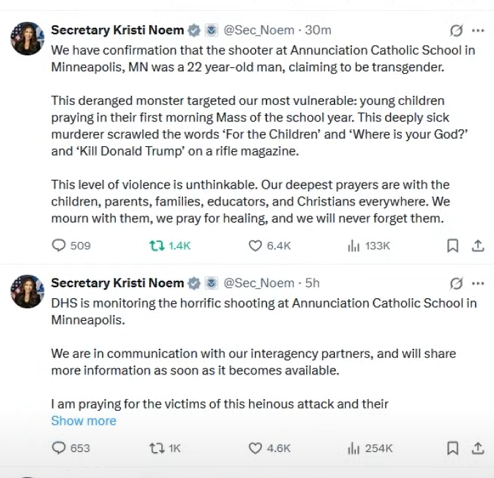
Information is likely to slow down now barring a major breakthrough but I will be monitoring things actively for another couple of hours. Anything that comes out after that I will probably just do a dedicated post about it.
Another Kiwi Farms user posts more translated pages of the strange diary.
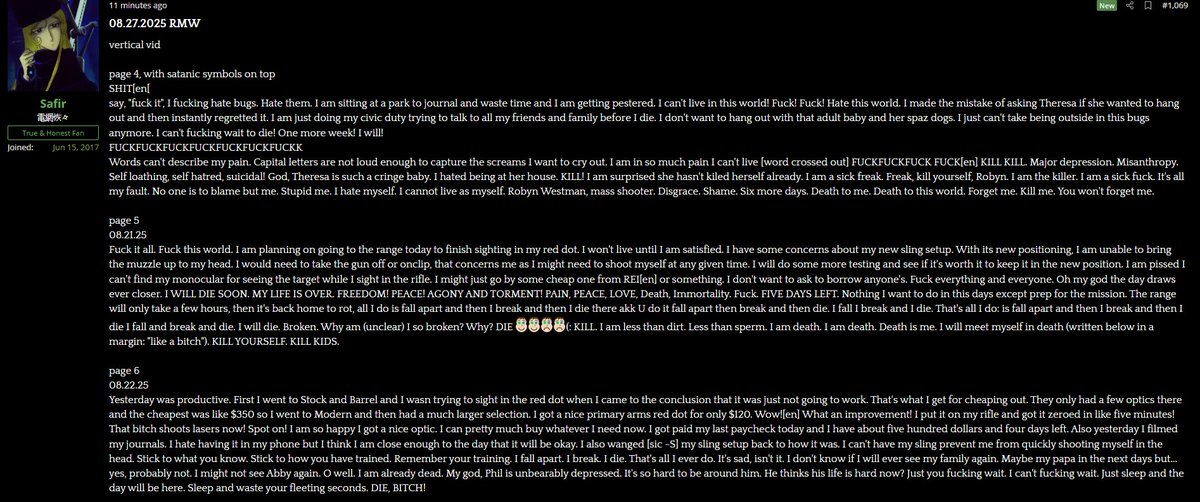
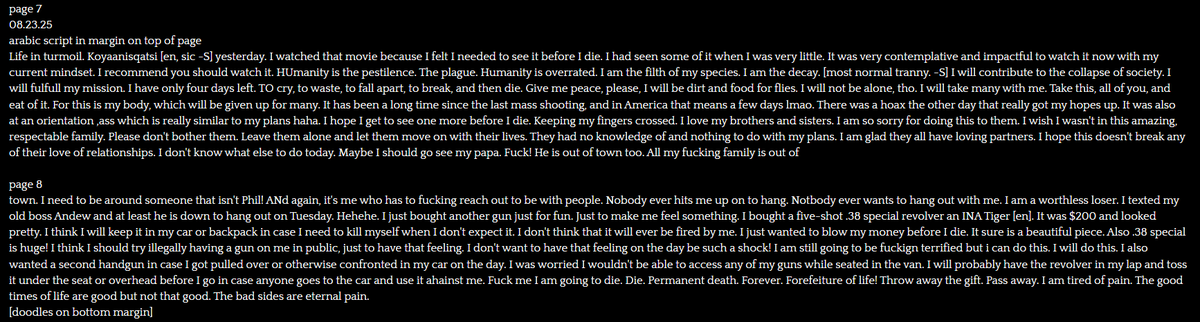
KF poster appears to have finished the translation of the strange diary.
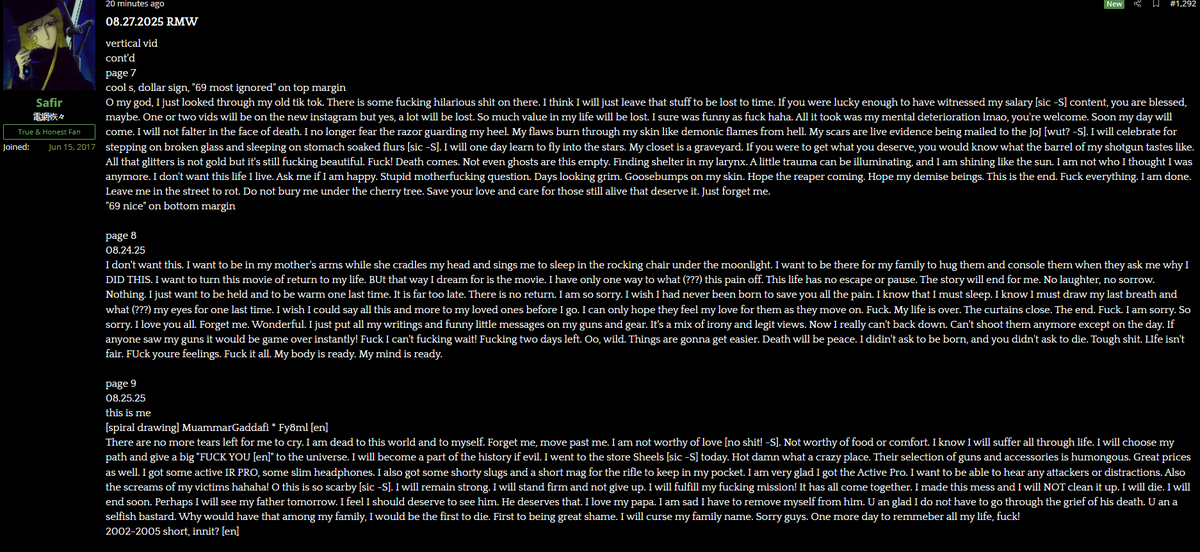
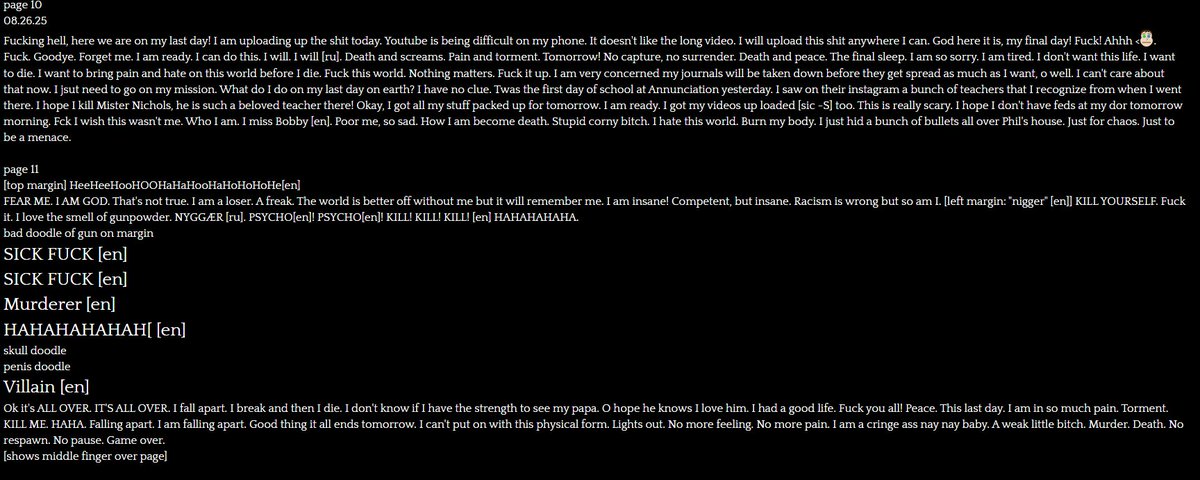
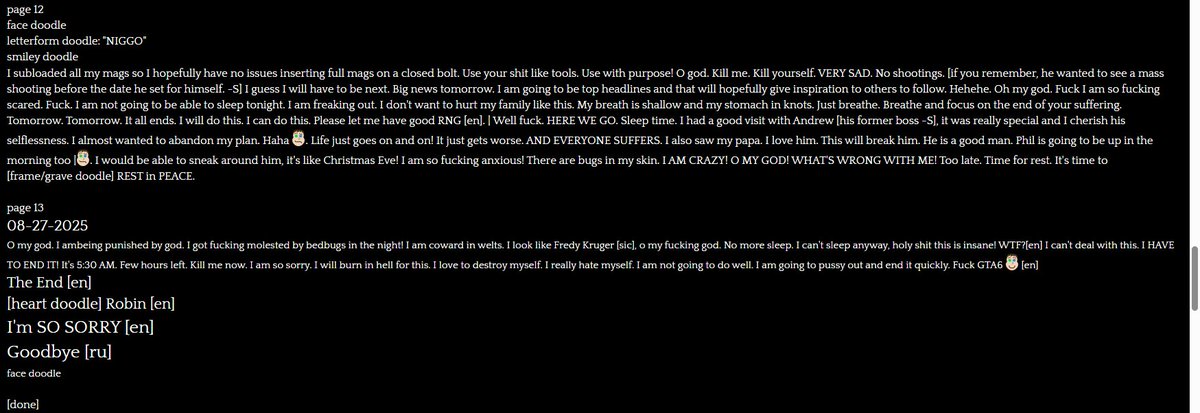
Sizable update.
Skibidi Farms guy is not the shooter. Genuine mistake. Don't bother him.
Skibidi Farms guy is not the shooter. Genuine mistake. Don't bother him.

• • •
Missing some Tweet in this thread? You can try to
force a refresh