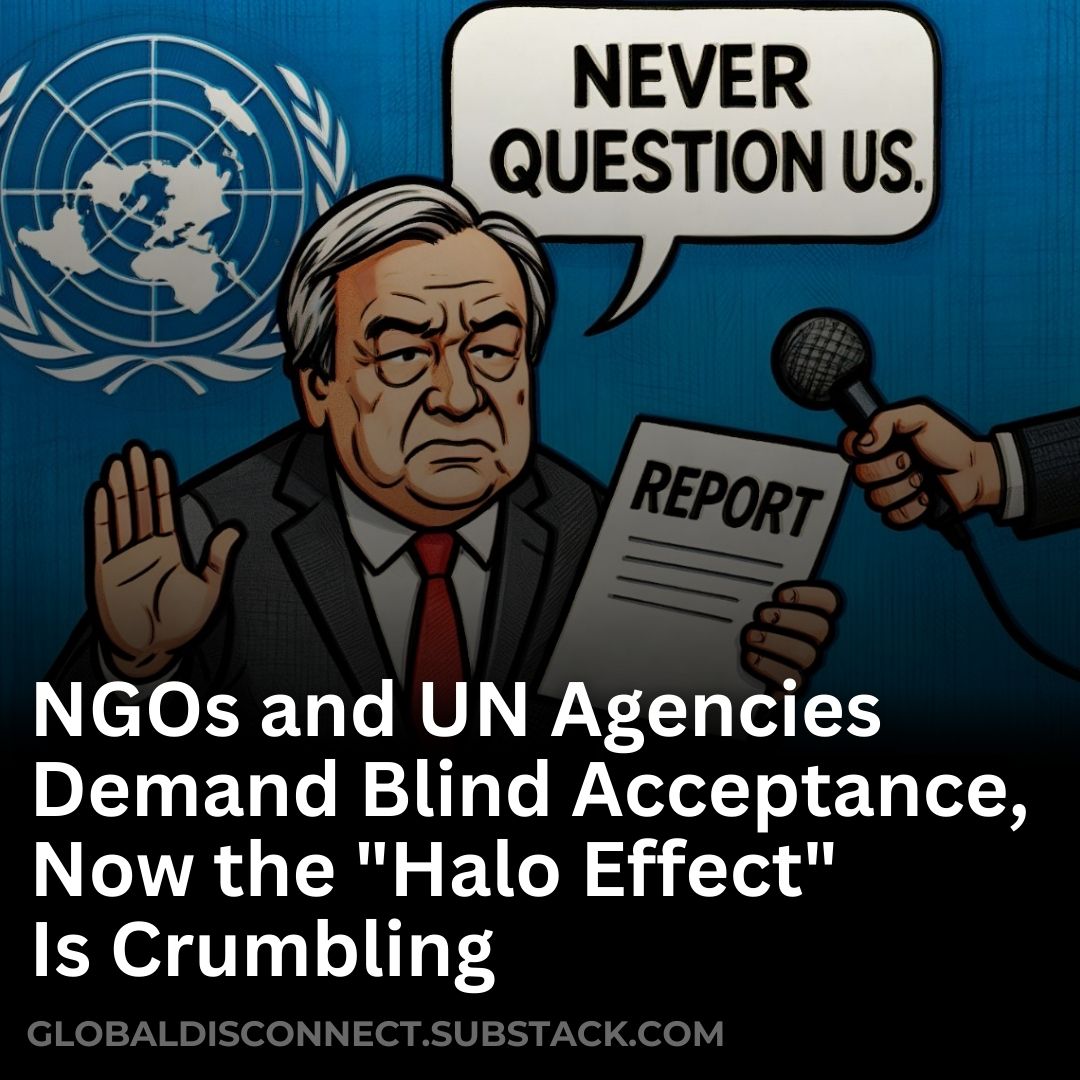
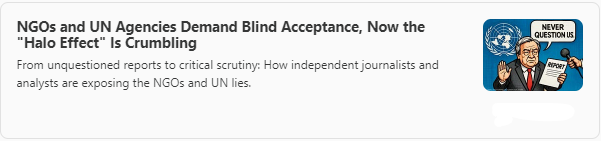
🧵For decades UN/NGOs relied on what @NGOmonitor calls the “Halo Effect”—their reports accepted as gospel. Now, when flaws are exposed, they demand we ignore definitions, evidence & contradictions.
Never question the UN or big NGOs is the unspoken rule. The “Halo Effect,” the aura of credibility surrounding these organizations—means that their findings were virtually immune to fact-checking and often amplified by the media.
Oct 7 shattered the old rule of blind trust. Now journalists, researchers, technologists & citizens are dissecting UN/NGO claims with open-source data. The “Halo Effect” is cracking—exposing who wrote the reports, how data is twisted, what was ignored, & the agendas behind it.
The latest example: IPC’s “famine” declaration in Gaza City. Their own rules require evidence of mortality, malnutrition & lack of food access. Instead, they sidestepped standards, cherry-picked data & used shaky methods. The authors, anything but neutral.
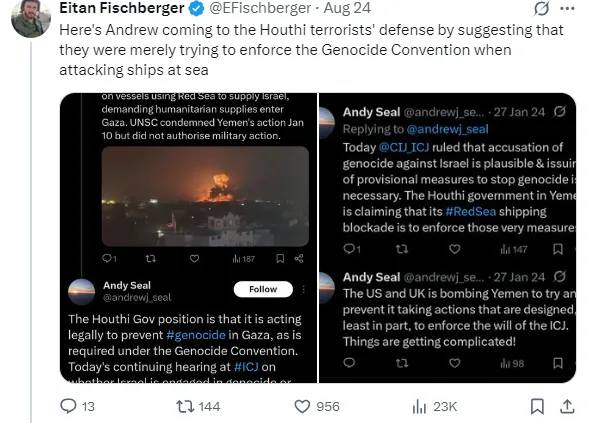
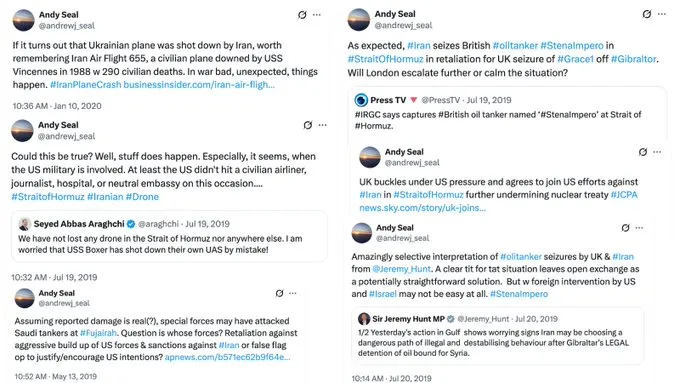
@EFischberger exposed a key IPC author openly supporting terror targeting Israelis. @HillelNeuer showed he shares IRGC propaganda, pushes anti-US conspiracies & even excused Iran’s killing of 176 civilians. A nutcase who backs the Houthis & Iran’s regime.
@EFischberger made it all the way to the UN. The U.S. envoy slammed the IPC “famine” report and its author: “One of its key authors has a long record of bias against Israel, including justifying Houthi terrorist attacks on Israeli civilians.”
Two days ago, MFA DG Eden Bar Tal demanded the IPC retract its Gaza report. He slammed it as forged: data was manipulated, contradictory evidence hidden, rules broken—all to push Hamas’ fake starvation narrative. “The report was fabricated for a purpose,” he said.
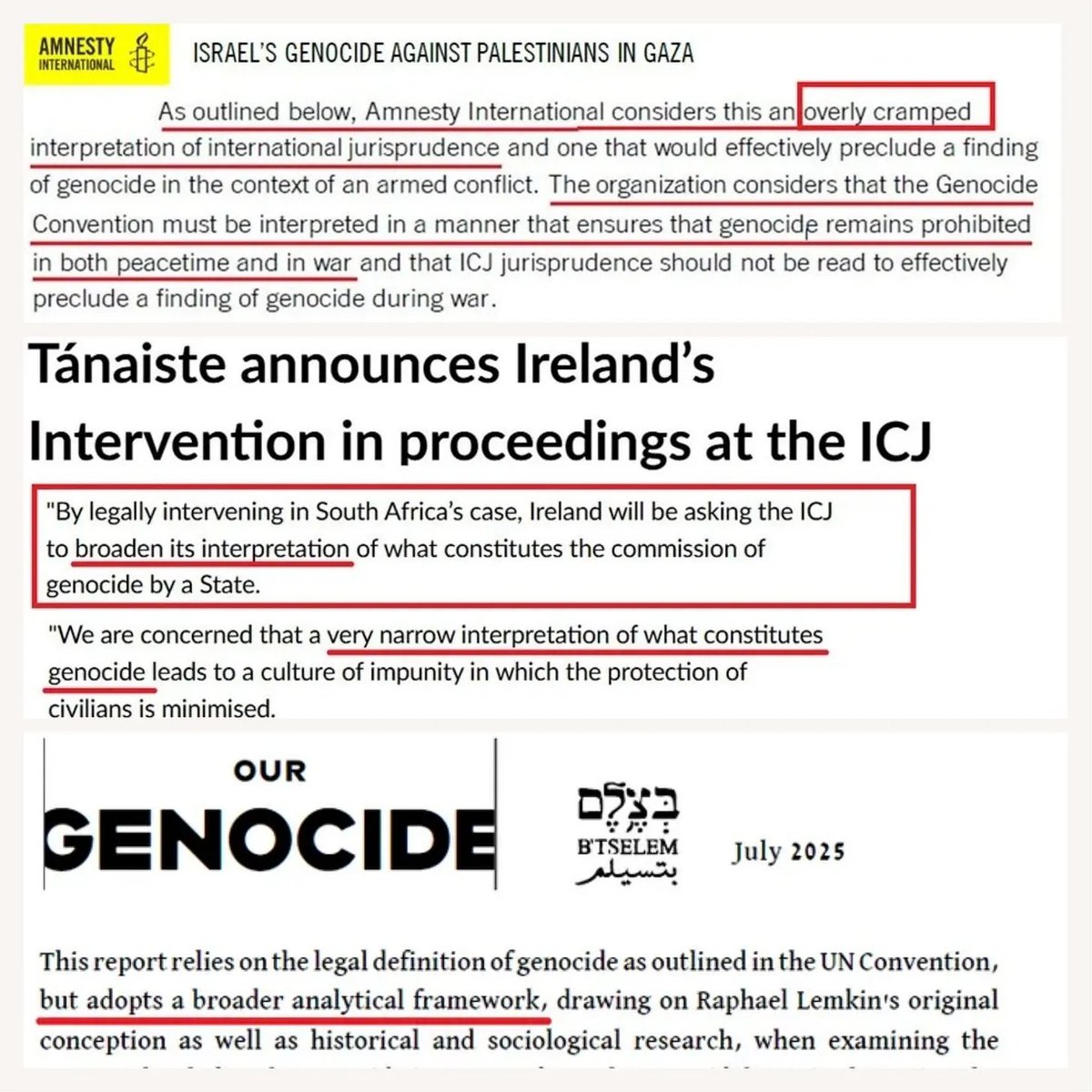
The Halo Effect lets groups like the IPC push reports unquestioned. Once scrutiny hits, it’s clear: they’re redefining terms like “genocide,” ignoring evidence, and dressing propaganda as science—expecting the world to accept their manipulated conclusions as gospel.
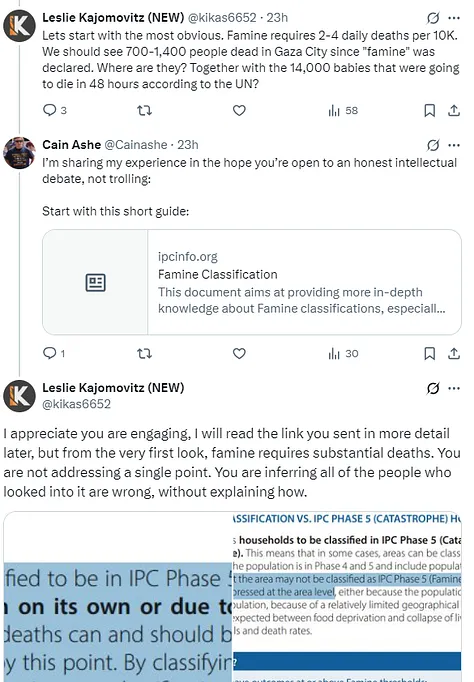
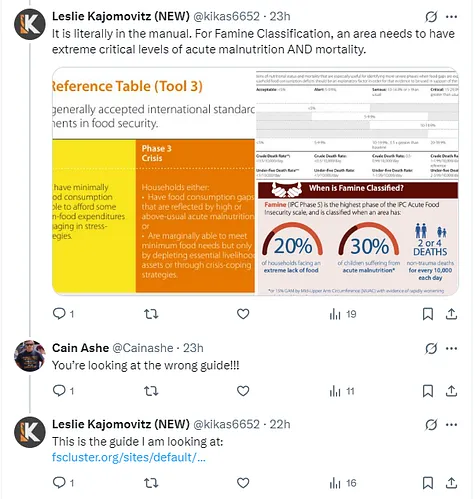
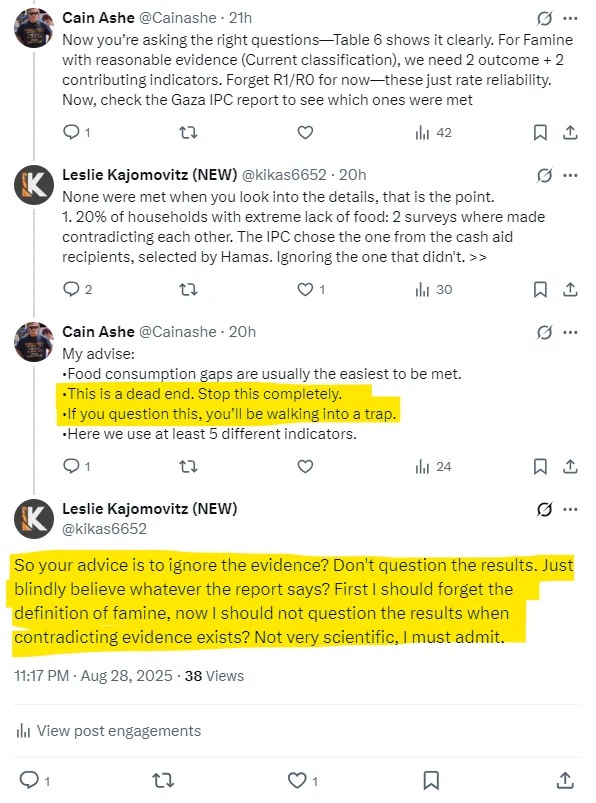
One example: someone claiming to have helped write IPC standards argued with me on X. He called my critique “dis/misinformation.” I responded with a full thread showing the IPC guide’s standards were ignored, cherry-picked, and even fabricated.
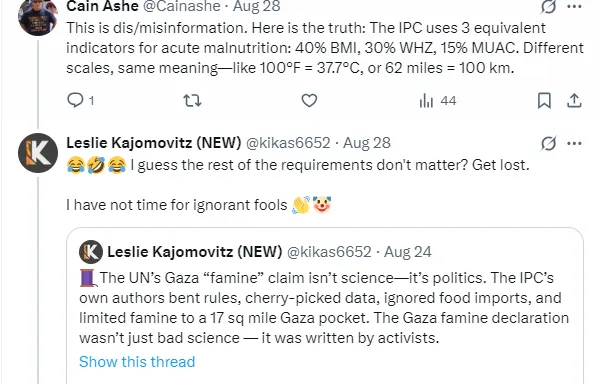
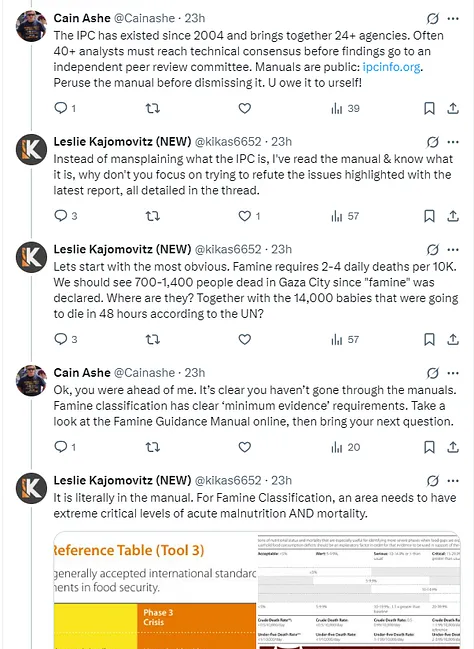
He tried to dismiss the concerns, claiming I hadn’t read the manual and that he helped write it. I flagged the key issue: no evidence of people dying of starvation, required to declare famine. He pointed to another version, same rule repeated, he tried to ignore the core problem
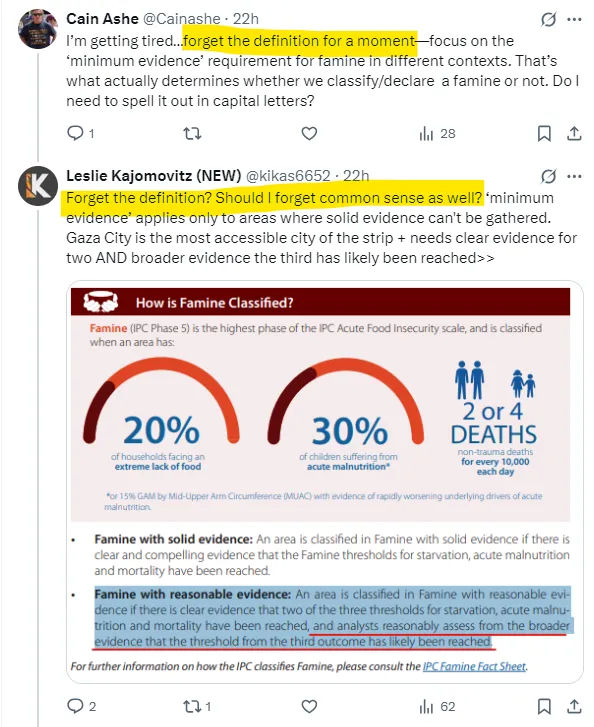
And then it got interesting. When he could no longer deny the requirement, he wanted me to “forget the definition of famine.”
The expectation is clear: we must ignore established definitions, forget the meaning of the word.
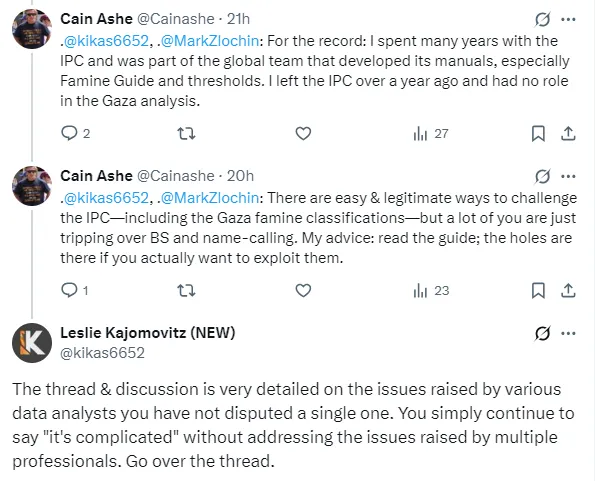
Throughout the conversation, he never addressed a single substantive point on the report’s many methodological issues. Instead, he kept repeating variations of:
“You don’t understand how it works.”
“Declaring famine is complicated.”
“I helped write the standards.”
When I flagged more issues he told me to Ignore the evidence! "If you question this, you’ll be walking into a trap.” A supposed author of global famine standards telling people to forget definitions & dismiss evidence.
The UN wants us to ignore facts. UNICEF Exec. Dir. Catherine Russell said “It’s kind of obscene… arguing about whether the methodology works. We know children are dying… I am tired of a discussion about… are we giving the right information or not?”
The expectation is clear, no one should ever question theses organizations. Rather than addressing the flaws, everyone—from those who establish the standards to top UN officials—wants us to forget definitions, ignore evidence, & accept their conclusions.
Bad data drives bad policy, fuels manipulated narratives, & erodes trust. Many are now exposing the lies: who wrote the report, how data was twisted, & which agendas it serves. The Halo Effect is crumbling—accuracy and credibility matter
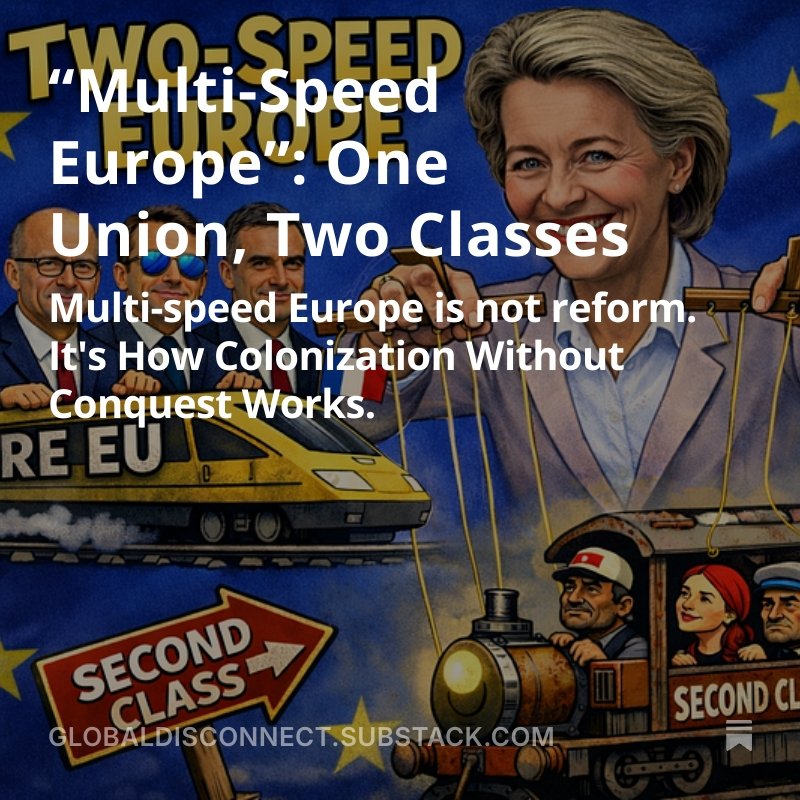
🧵Every few years, Europe "rediscovers" the same idea: two-speed Europe, multi-speed Europe, variable geometry. The terminology changes, but the premise remains the same — some EU states should integrate deeper and faster, while others are pushed to "second class" States.
Two-speed Europe” is the idea that the EU should formally accept unequal integration. A core group would advance deeper integration, while others are left out—bound by Brussels’ rules but excluded from decision-making. Sold as flexibility, turns an informal imbalance into a permanent hierarchy
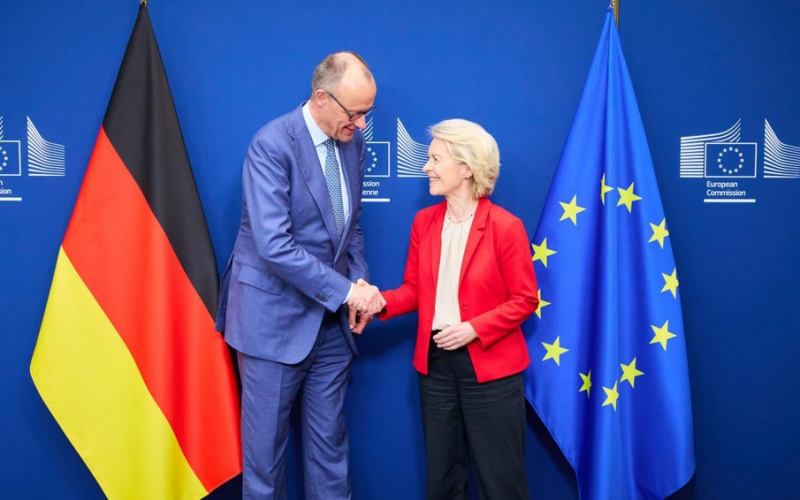
What’s new isn’t the idea, but the confidence behind it. Germany has revived it openly, France backs it, others quietly agree. Sold as realism, it dodges the truth: the problem isn’t tiers, it’s the EU itself. Multi-speed Europe isn’t reform—it’s an admission of failure.
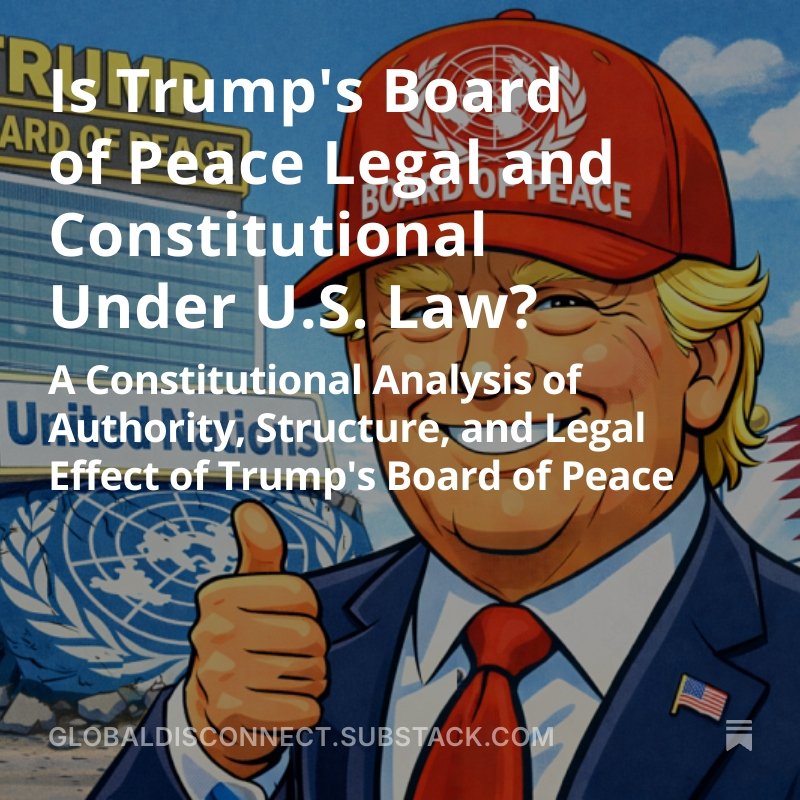
🧵Almost no one is asking the most important question about Trump’s “Board of Peace”: Is it even constitutional? Here’s why Trump’s “Board of Peace” raises serious constitutional issues that no one is talking about.
“Minilateralism,” Non-Binding Commitments, and Why Labels Do Not End the Treaty Inquiry
Some describe the Board as a form of executive “minilateralism,” akin to informal contact groups created without Senate ratification.
The problem, U.S. constitutional law turns on substance, not labels. The Charter does not describe a temporary forum; it creates an enduring institution with legal personality—meaning the capacity to act as an independent legal entity under international law.
Legal personality is decisive because it transforms a diplomatic gathering into a standing organization capable of: Owning property, Entering contracts, Suing and being sued, Acting independently of its member states
Under U.S. law, such status cannot be self-declared. It requires either congressional authorization or designation under the International Organizations Immunities Act (IOIA). The Board satisfies neither. As a result, its claimed legal personality has no domestic legal grounding, even as the United States becomes politically and institutionally bound by creating, staffing, and chairing it.
“Non-binding” does not mean constitutionally irrelevant. As MedellĂn v. Texas makes clear, obligations may be non-self-executing in U.S. courts yet still bind the United States politically and diplomatically.
Expiration clauses do not cure this problem when renewal authority rests solely with the Chairman, enabling conditional perpetuity outside democratic oversight.
Immunities, Domestic Law, and the Limits of Executive Authority
The Charter goes further by asserting that the Board itself shall “ensure” privileges and immunities through agreements negotiated by its own officials. While defenders argue this merely contemplates host-state agreements subject to domestic law, the post explains that this misunderstands how immunity works in the United States.
Under U.S. law, immunity is derivative, not inherent. It can arise only through: Congressional authorization (via statute or treaty), or Presidential designation under the IOIA, which itself presupposes lawful U.S. participation
An organization created unilaterally by the President cannot bootstrap itself into immunity. Executive agreements cannot displace Congress’s control over jurisdiction, courts, liability, or regulatory enforcement. Even if no immunity is ultimately granted, the constitutional problem arises from constructing a framework that treats immunity as an expected institutional attribute, negotiated by executive authority and potentially administered by a self-perpetuating Chairman.
Invocations of UN practice or Security Council resolutions do not resolve this. UN immunities in the U.S. exist because Congress enacted implementing statutes. International endorsement cannot override domestic separation of powers.
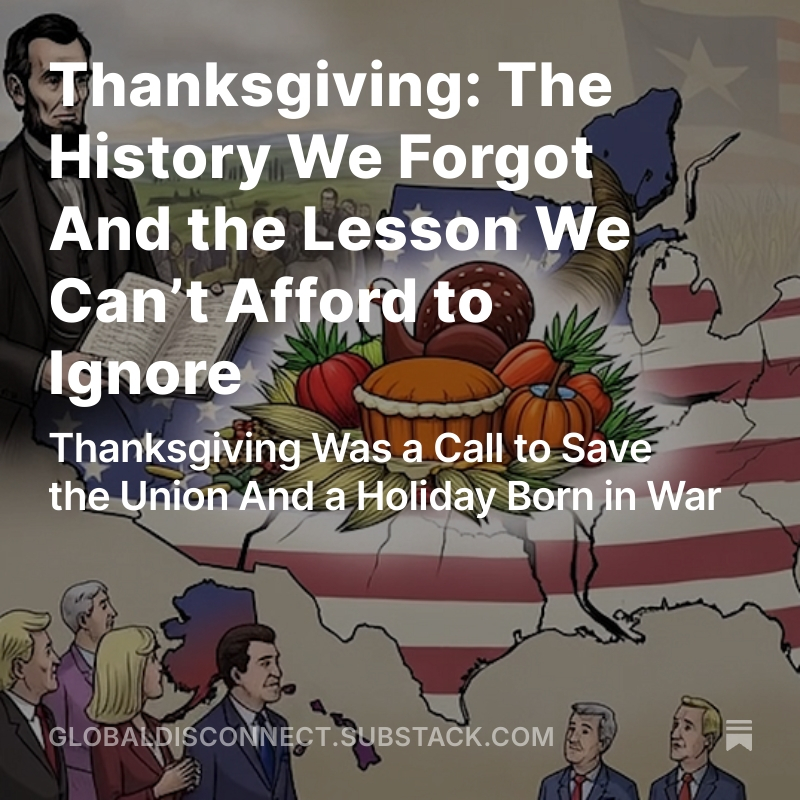
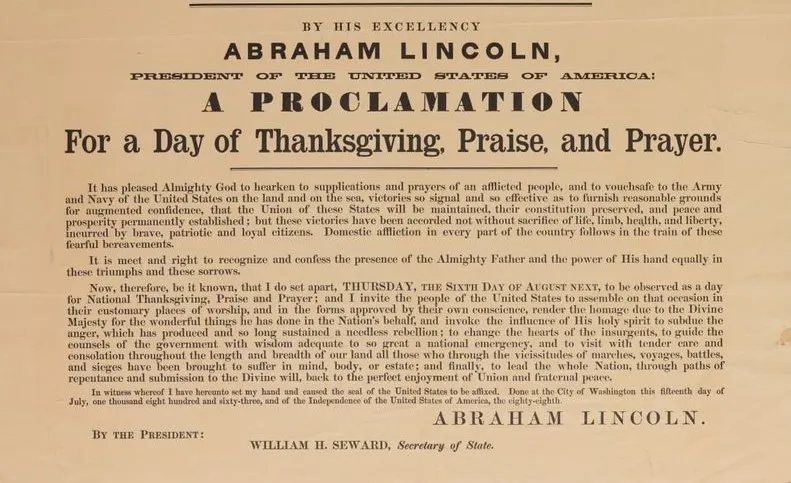
🧵Thanksgiving wasn’t born in a peaceful colonial feast—it was created by Lincoln in 1863 as a wartime ritual to hold a fractured nation together. Today’s polarized America faces its own internal divide and foreign adversaries eager to exploit it. The holiday’s lesson is clear: unity is national security and the only way to save a divided nation.
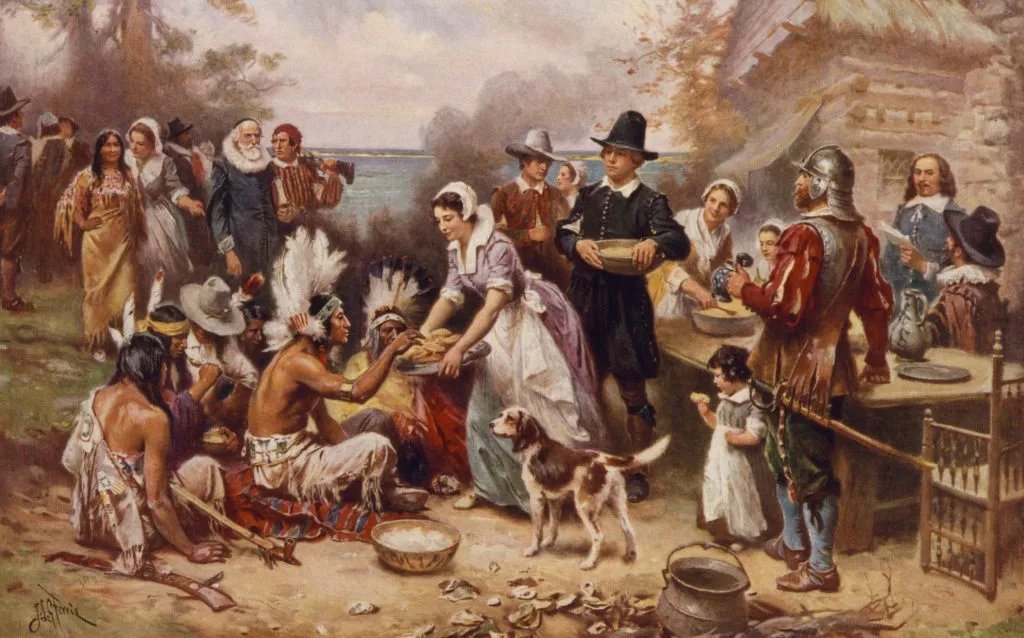
The myth most people imagine Thanksgiving as a colonial harvest ritual. But the holiday we celebrate today—this national pause for unity—was invented during the Civil War. Yes, Plymouth had a 1621 meal, but it wasn’t called Thanksgiving, wasn’t a tradition and it wasn't repeated.
The first real national Thanksgiving was proclaimed on November 26, 1863, in the middle of the Civil War. Lincoln issued it four months after Gettysburg, as the Union was still burying its dead. Thanksgiving wasn’t born from abundance. It was born from national desperation.
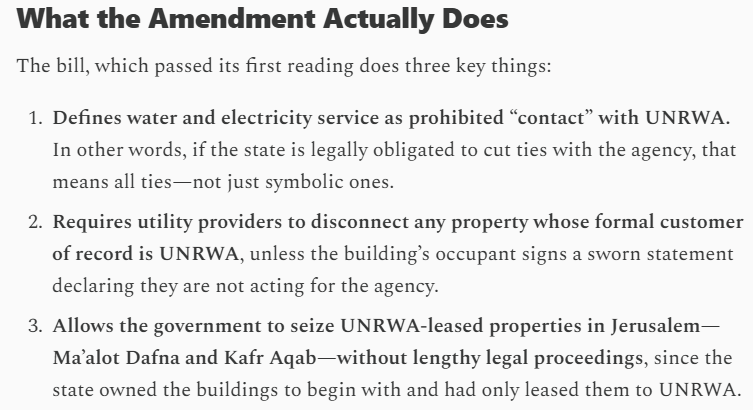
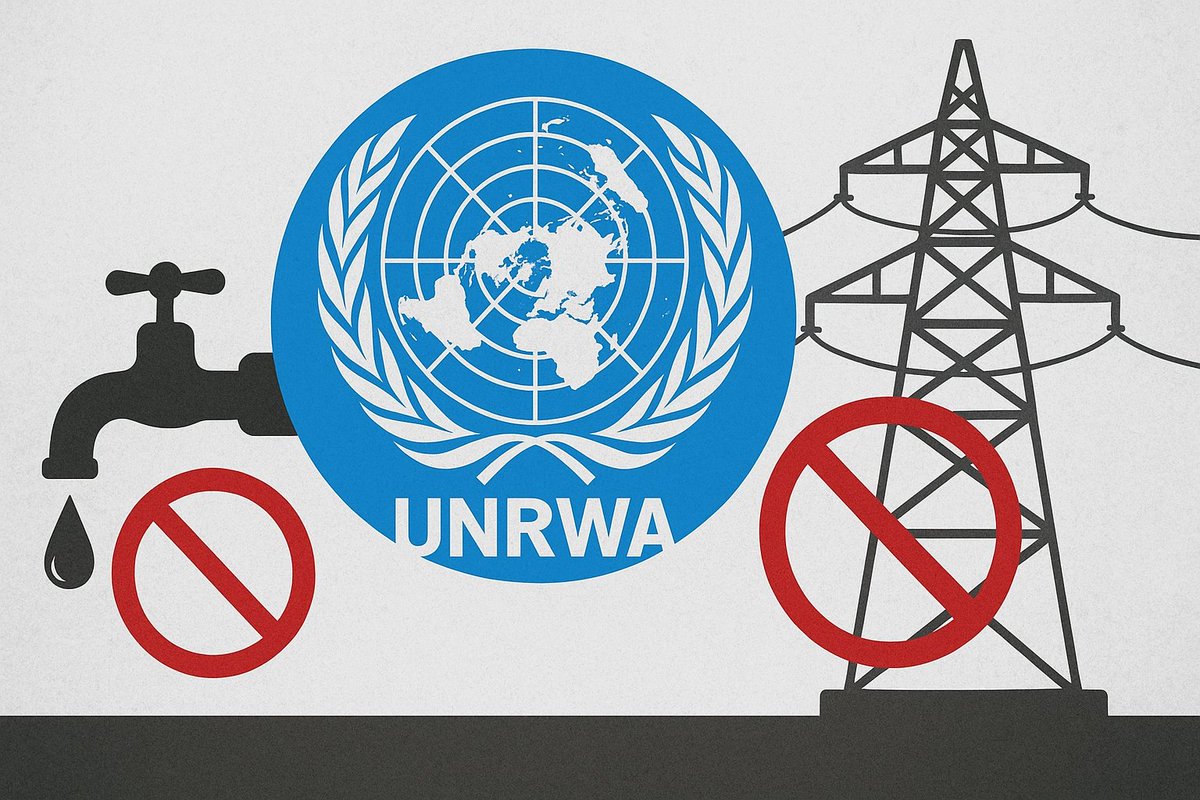
🧵Israel is passing a new law to “cut water & electricity” to UNRWA. This amendment enforces the 2024 law banning UNRWA from operating in East Jerusalem, clarifying that utilities to its offices—which the agency refuses to close—count as prohibited contact.
If you read the headlines about the Knesset voting to cut water and electricity to UNRWA, you would think Israel suddenly woke up one morning and passed new “draconian” legislation targeting the UN agency. In reality, that narrative is not just misleading—it is factually wrong.
This isn’t about cutting water or electricity to homes or refugee camps—those aren’t supplied by Israeli companies. The amendment targets UNRWA’s East Jerusalem offices, which the agency refused to vacate. It simply enforces the law.
🧵Trump selling the F-3, the world’s most advanced stealth fighter to a regime that doesn’t even recognizes Israel’s existence is not only reckless, it’s potentially illegal. U.S. law requires any defense sale to the Middle East preserves Israel’s Qualitative Military Edge. (QME)
Since 2008, U.S. law has required presidents to ensure Israel keeps a clear military edge. Under the Arms Export Control Act, any Middle East arms sale must be certified as not harming Israel’s QME—a mandate reaffirmed in later defense laws. It isn’t custom. It’s statutory.
Even downgraded export F-35s alters the balance. QME law requires that no sale diminish Israel’s edge—and stealth can’t be partially exported. Once Saudi Arabia has the F-35, the gap collapses. Israel’s superiority is gone—precisely what the law forbids.
🧵Many believe only Security Council resolutions “under Chapter VII” are binding. That’s a myth. The UN Charter makes clear that legal force comes from the Council’s authority and the resolutions' operative language—not from magic words.
Article 25 of the Charter, obligates UN members to carry out Security Council decisions. Chapter VII adds enforcement tools like sanctions or force, but doesn’t limit the resolution's binding authority.
Operative verbs determine whether a UN Security Council resolution is binding: “Decides” & “Demands” bind states; “Calls upon,” “Urges,” “Recommends,” & “Welcomes” do not. Binding force comes from wording, not Chapter VII.