
VO2Max - How Walking Can Create an Elite VO2Max
Many people think that the only way to raise VO2Max is by doing HIIT.
But you can achieve a high VO2Max just with walking.
Walking is arguably the superior way to build it 🧵
Many people think that the only way to raise VO2Max is by doing HIIT.
But you can achieve a high VO2Max just with walking.
Walking is arguably the superior way to build it 🧵
In 2001, there was a landmark paper published. They took a VO2Max measurement at baseline and tracked the cohort for 10.7 years.
What they found was an inverse correlation between VO2max and all cause mortality.
What they found was an inverse correlation between VO2max and all cause mortality.

This paper has been referenced for years, and many people believe that VO2max is one of the best proxy metrics for longevity?
But the data in this study was collected in the mid 80’s to mid 90’s, before HIIT was ever popularized.
So the way the people achieved high VO2max in the study was from low level aerobic exercise.
But the data in this study was collected in the mid 80’s to mid 90’s, before HIIT was ever popularized.
So the way the people achieved high VO2max in the study was from low level aerobic exercise.
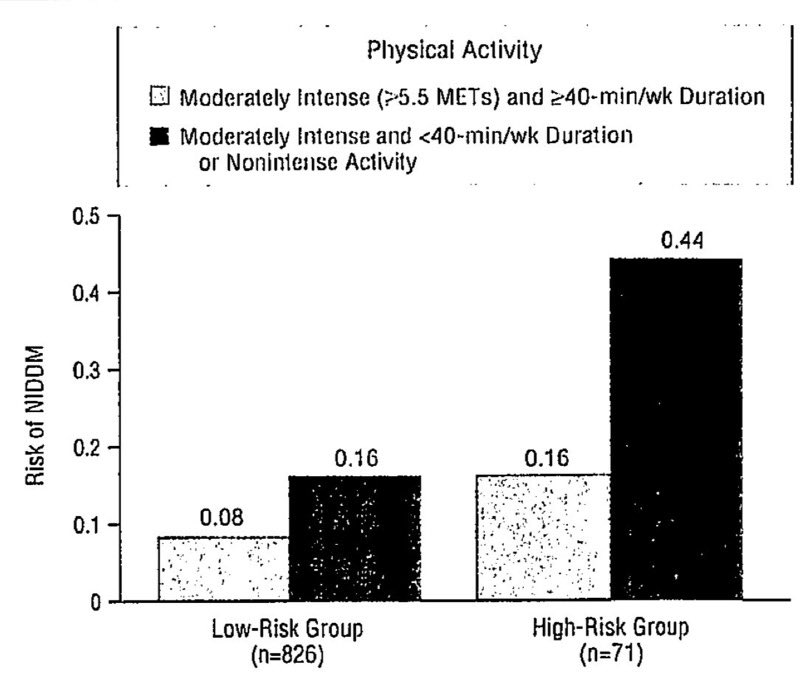
In a related analysis from the same KIHD dataset, most of the activity in the low-risk group was below 5.5 METs or too short to count as sustained moderate/vigorous.
Translation: the bulk of it was steady, moderate intensity movement, not HIIT or intense bursts.
Translation: the bulk of it was steady, moderate intensity movement, not HIIT or intense bursts.

Subsistence Populations Have High VO2max
The mean VO2max for men ages 20-40 is 56.7.
The mean VO2max for men ages 20-40 is 56.7.
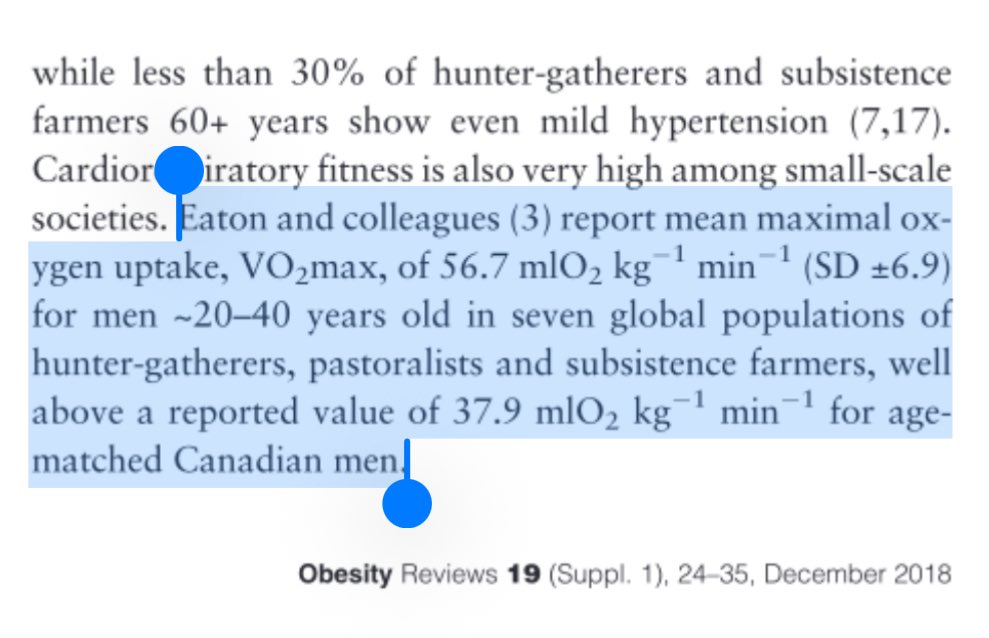
But they achieve this just by walking. Just low and moderate intensity movement.
About 135 minutes of low level movement per day.
About 135 minutes of low level movement per day.

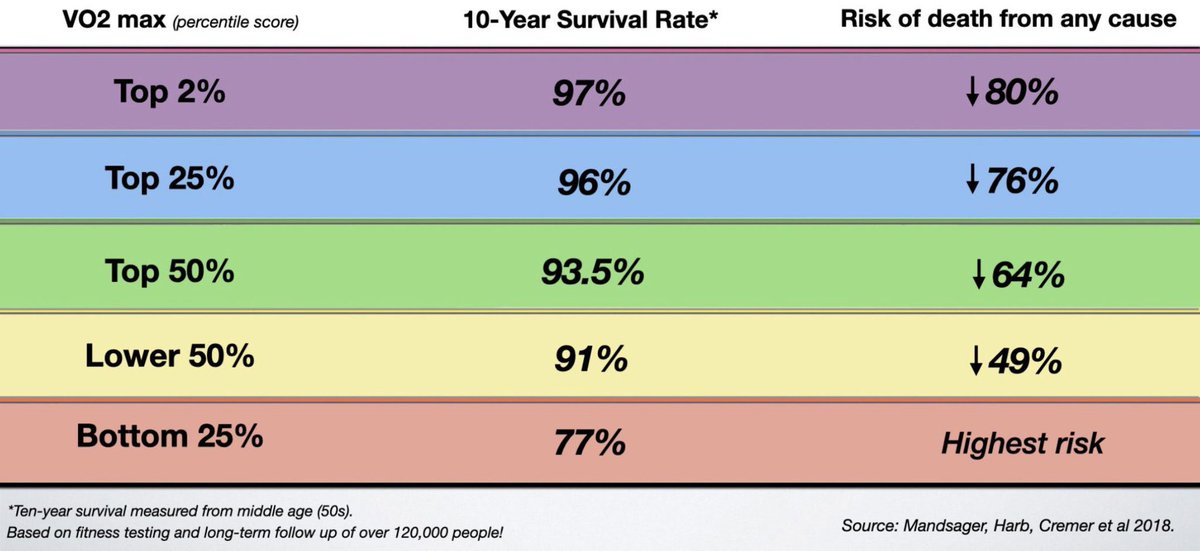
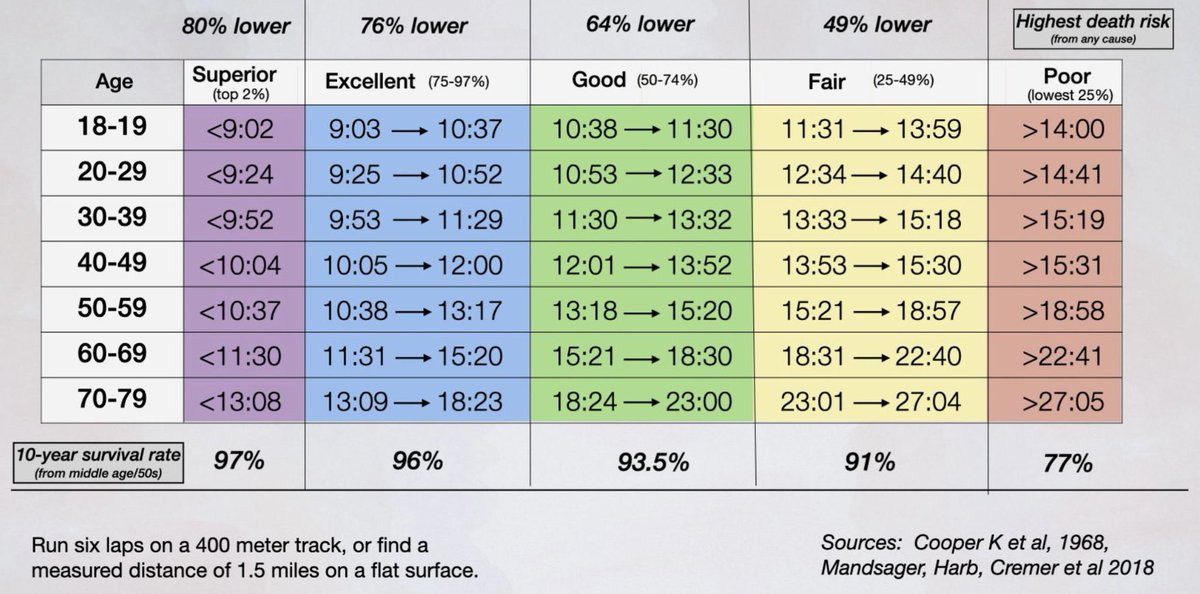
And while there are athletic benefits of getting a higher VO2max, there are marginal longevity benefits for higher VO2max.
Moving from the top 25% to the top 2% has marginal benefit in terms of survival rate, and risk of death of any cause.
Moving from the top 25% to the top 2% has marginal benefit in terms of survival rate, and risk of death of any cause.
But it’s important to note that in hunter gatherer populations, deaths from cardiovascular disease are negligible, even above 60 years of age.
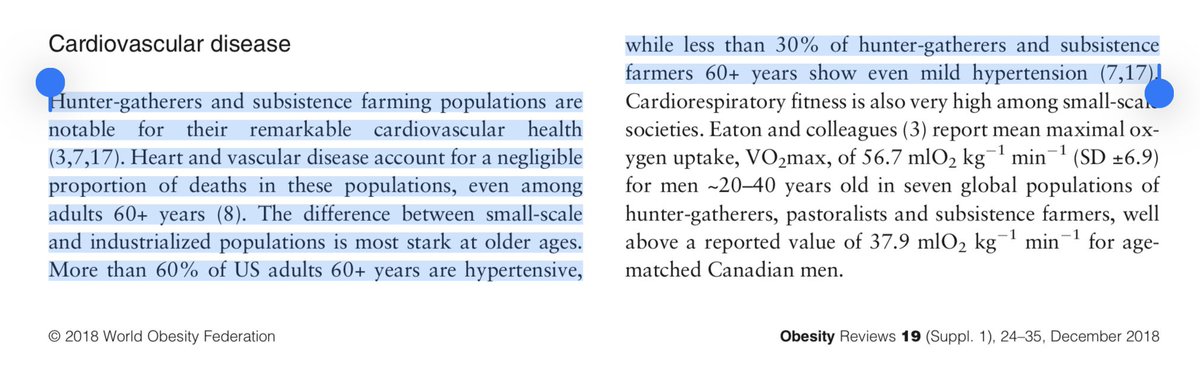
They have exceptional bloodwork, low fasting glucose, great blood pressure, low LDL, but wouldn’t be considered elite by modern standards.
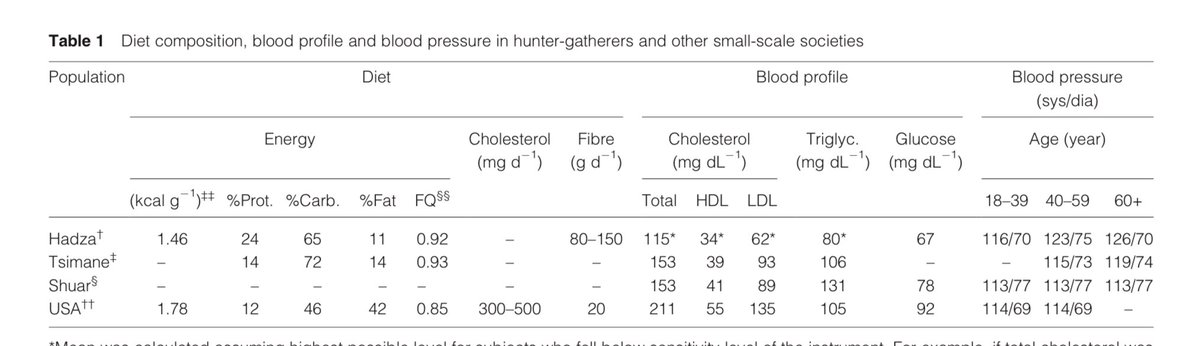
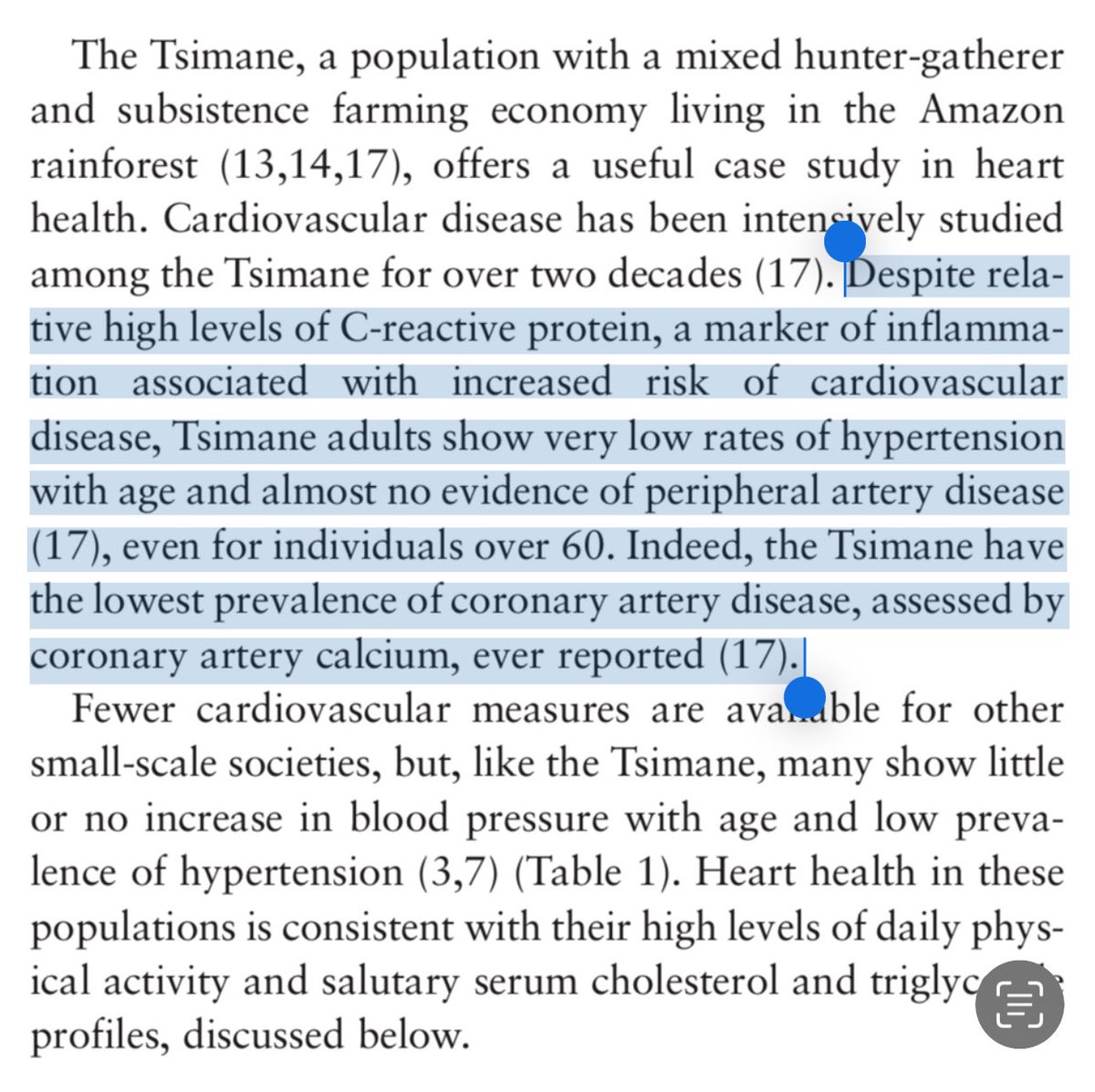
But even the Tsimane, with modest LDL, and high rates of C reactive protein, a marker associated with increased cardiovascular risk, still have the lowest rates of CAC ever recorded.
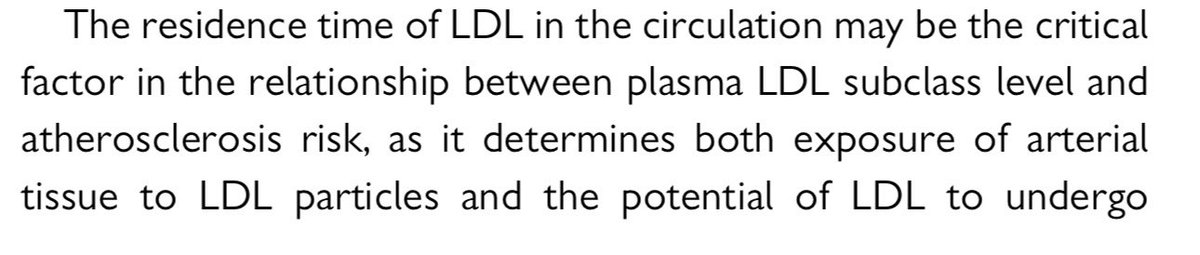
This likely comes down to how fast they clear LDL.
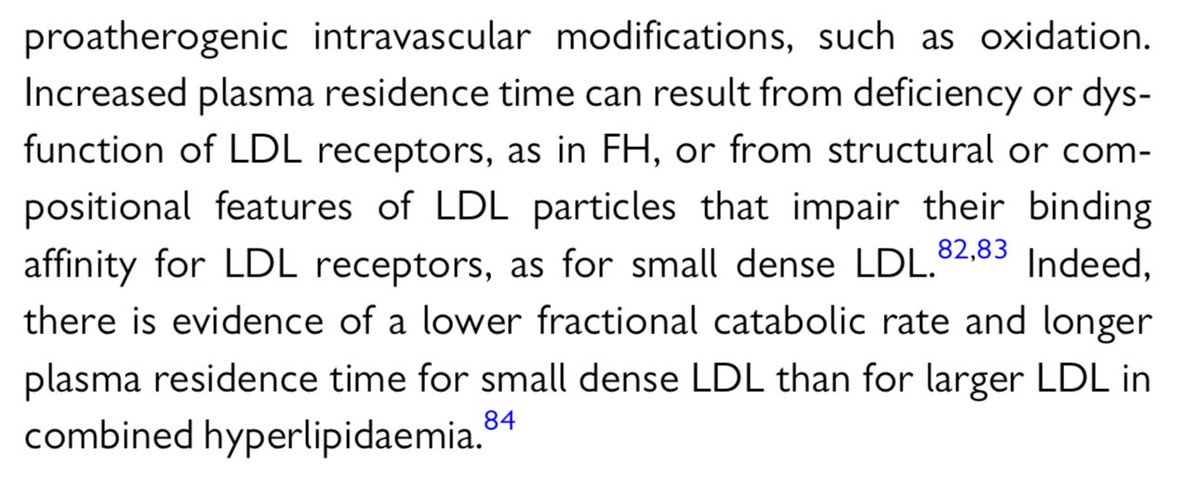
In a consensus statement from the European Atherosclerosis Society:
“The residence time of LDL in the circulation may be the critical factor in the relationship between plasma LDL subclass level and atherosclerosis risk, as it determines both exposure of arterial tissue to LDL particles and the potential of LDL to undergo proatherogenic intravascular modifications, such as oxidation.”
In a consensus statement from the European Atherosclerosis Society:
“The residence time of LDL in the circulation may be the critical factor in the relationship between plasma LDL subclass level and atherosclerosis risk, as it determines both exposure of arterial tissue to LDL particles and the potential of LDL to undergo proatherogenic intravascular modifications, such as oxidation.”
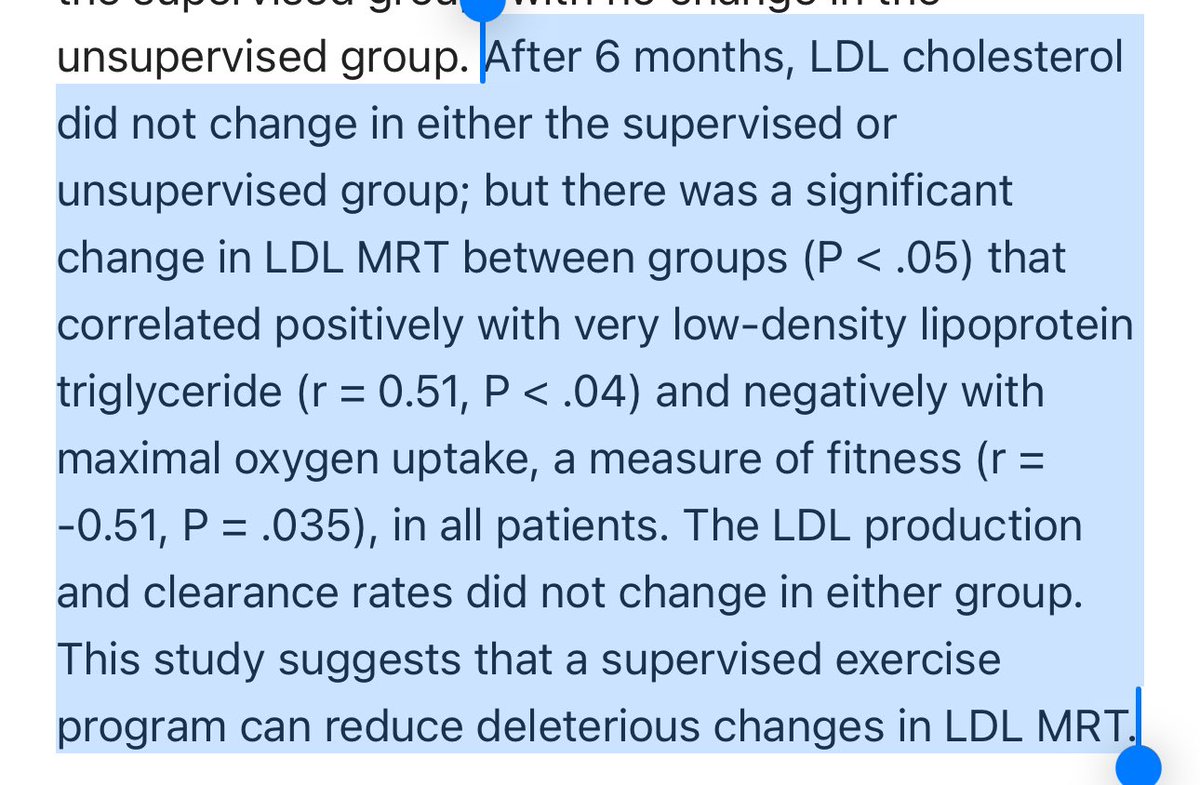
And we see this in kinetic tracer studies. A single weekly supervised aerobic workout in T2D patients resulted in a positive change in mean residence time (MRT) for LDL.
Less exposure = less opportunity for retention.
Less exposure = less opportunity for retention.

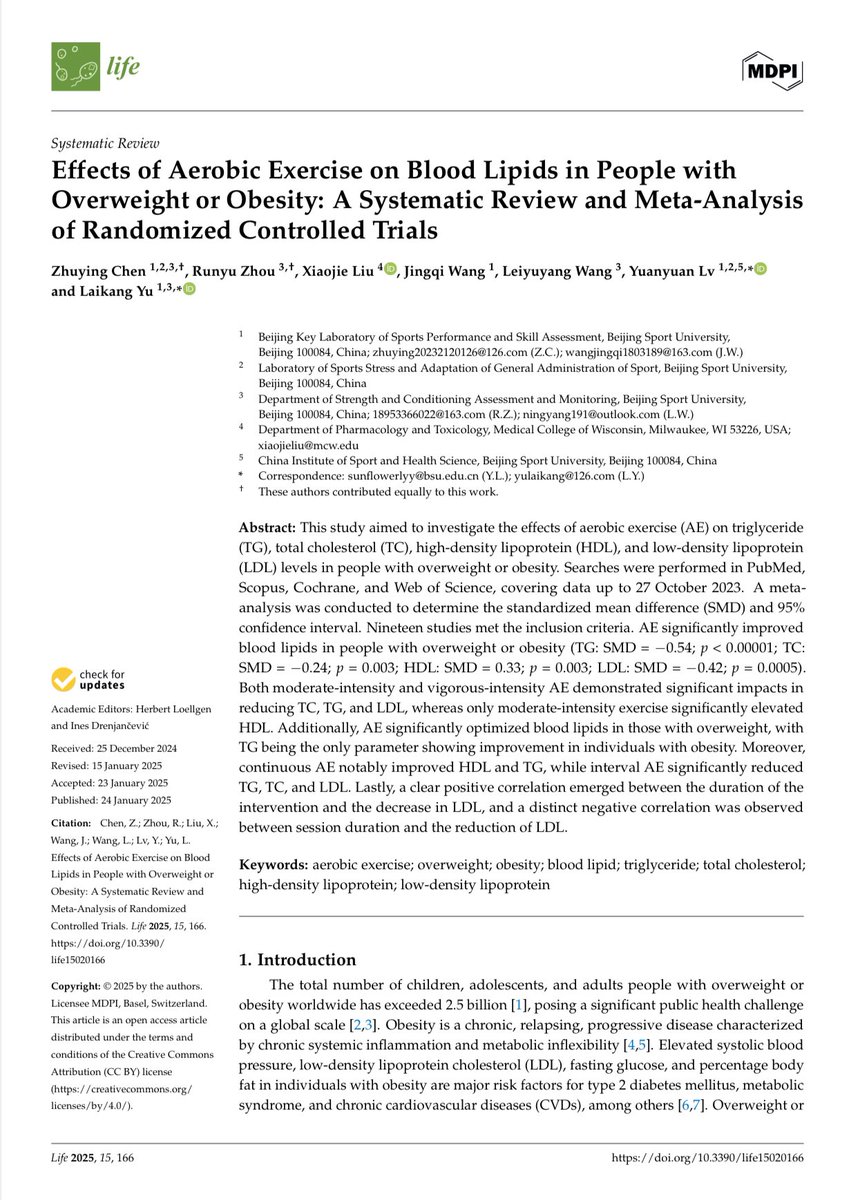
And we see the same thing in a meta analysis.
A new meta-analysis of 19 RCTs in overweight/obese (n=646) shows aerobic exercise improves blood lipids: lower LDL, TG, TC & increased HDL.
Interval training lowered LDL/TC more than continuous, while moderate continuous exercise raised HDL most.
Longer programs had bigger LDL effects
A new meta-analysis of 19 RCTs in overweight/obese (n=646) shows aerobic exercise improves blood lipids: lower LDL, TG, TC & increased HDL.
Interval training lowered LDL/TC more than continuous, while moderate continuous exercise raised HDL most.
Longer programs had bigger LDL effects
But these RCTs were just 30–60 min on a treadmill/cycle, 3–5x/week.
Compare that to subsistence people walking 12–18 km/day, carrying loads, burning 2–3× more energy every day.
Those volumes shorten LDL residence time dramatically.
Hunter gatherers have much higher clearance
Compare that to subsistence people walking 12–18 km/day, carrying loads, burning 2–3× more energy every day.
Those volumes shorten LDL residence time dramatically.
Hunter gatherers have much higher clearance
But it’s not just clearance, it’s higher mitochondrial density.
PGC-1a activation -> chronic aerobic movement upregulates mitochondrial biogenesis, oxidative enzymes, capillary density, the machinery that lets you actually oxidize fat/glucose efficiently.
PGC-1a activation -> chronic aerobic movement upregulates mitochondrial biogenesis, oxidative enzymes, capillary density, the machinery that lets you actually oxidize fat/glucose efficiently.
While both HIIT and walking will activate PGC-1a, it comes down to total activation. While HIIT creates a higher amplitude, you can really only perform it twice a week, whereas, with walking, you can do it every day.
This study compared PGC-1a activation between HIIT and steady state.
“A single isocaloric bout of high-intensity cycling (~80% VO₂max) raises skeletal muscle PGC‑1a mRNA ~10×, versus ~3–4× after low-intensity (~40% VO2max), showing that exercise intensity, not just volume, is key for metabolic signaling.”
“A single isocaloric bout of high-intensity cycling (~80% VO₂max) raises skeletal muscle PGC‑1a mRNA ~10×, versus ~3–4× after low-intensity (~40% VO2max), showing that exercise intensity, not just volume, is key for metabolic signaling.”
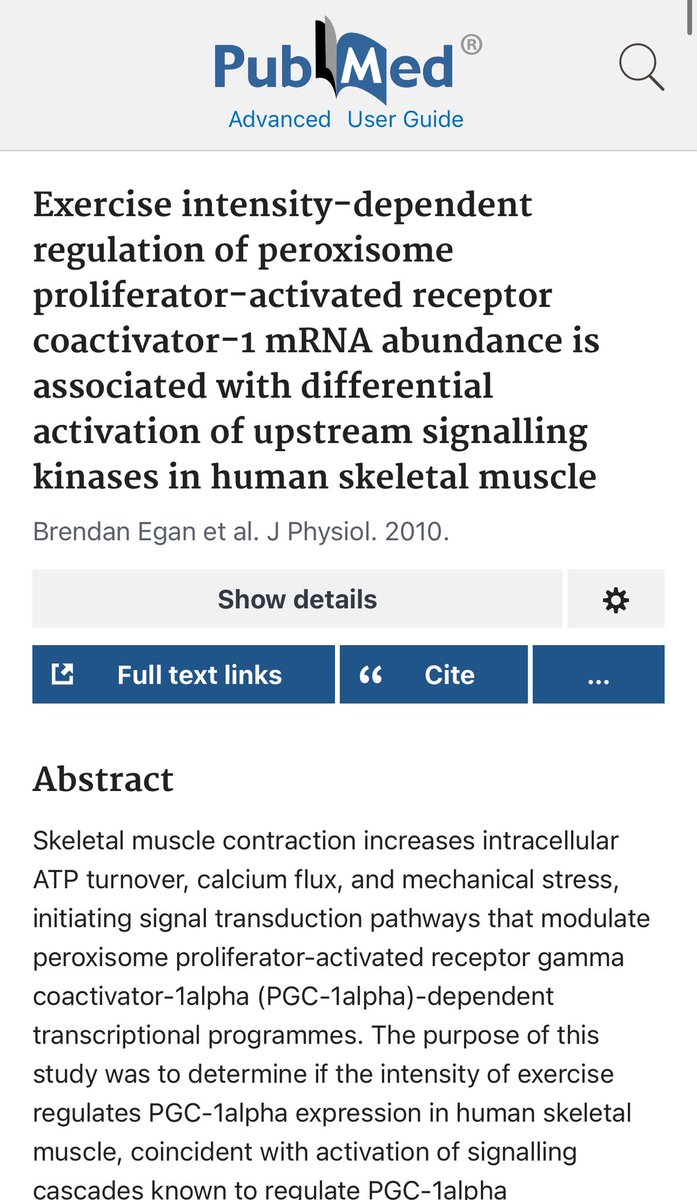
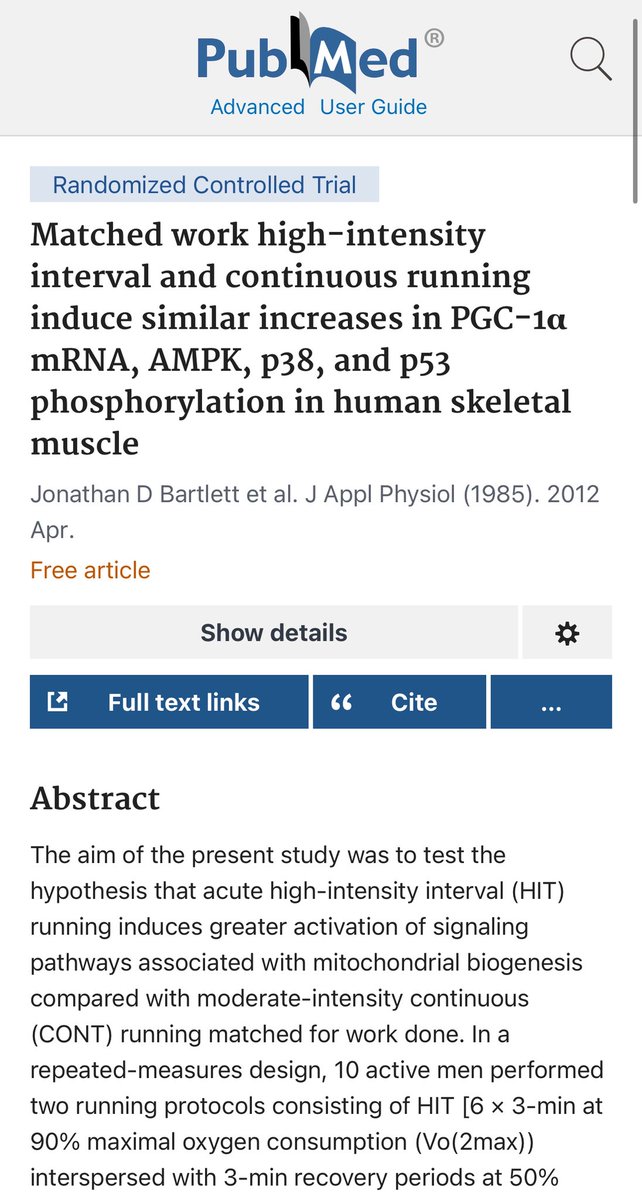
But, when work is matched, there is the same level of PGC-1a activation.
They used oxygen consumption (VO2) as the work proxy, ensuring total oxygen cost (and therefore energy expenditure) of the two trials was the same.
They used oxygen consumption (VO2) as the work proxy, ensuring total oxygen cost (and therefore energy expenditure) of the two trials was the same.
And this is where walking absolutely dwarfs VO2max.
Walking 15k steps a day: ~875 L/week
HIIT 2x/week: ~250-300 L/week
Even though your VO2max may be lower than an athlete, you’re getting superior clearance, and superior PGC-1a activation.
Walking 15k steps a day: ~875 L/week
HIIT 2x/week: ~250-300 L/week
Even though your VO2max may be lower than an athlete, you’re getting superior clearance, and superior PGC-1a activation.
And while aerobic exercise can reduce coronary events by ~30%, in this study, there was no difference in all cause mortality between the sedentary group, and the vigorous running group!
The benefits conferred to the lower intensities.
Maybe it’s different with HIIT, but we don’t know.
The benefits conferred to the lower intensities.
Maybe it’s different with HIIT, but we don’t know.

So in summary:
1) You can achieve an elite VO2max from walking alone
2) The biggest benefit comes from being in the top quartile of VO2max
3) Continuous movement helps clear LDL (and glucose)
4) Vigorous exercise may have negative benefit
5) Walking long distances daily trumps HIIT in both clearance, and PGC-1a activation.
6) ~15k steps a day will put you in hunter gatherer range.
1) You can achieve an elite VO2max from walking alone
2) The biggest benefit comes from being in the top quartile of VO2max
3) Continuous movement helps clear LDL (and glucose)
4) Vigorous exercise may have negative benefit
5) Walking long distances daily trumps HIIT in both clearance, and PGC-1a activation.
6) ~15k steps a day will put you in hunter gatherer range.
@Mark_Sisson @Alan_Couzens and I are going to make walking cool again.
• • •
Missing some Tweet in this thread? You can try to
force a refresh




