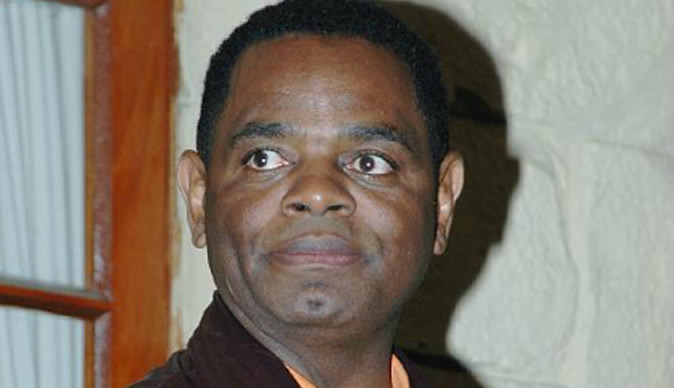
🧵 Mutumwa Mawere — The Tycoon ZANU Made and Unmade
1/
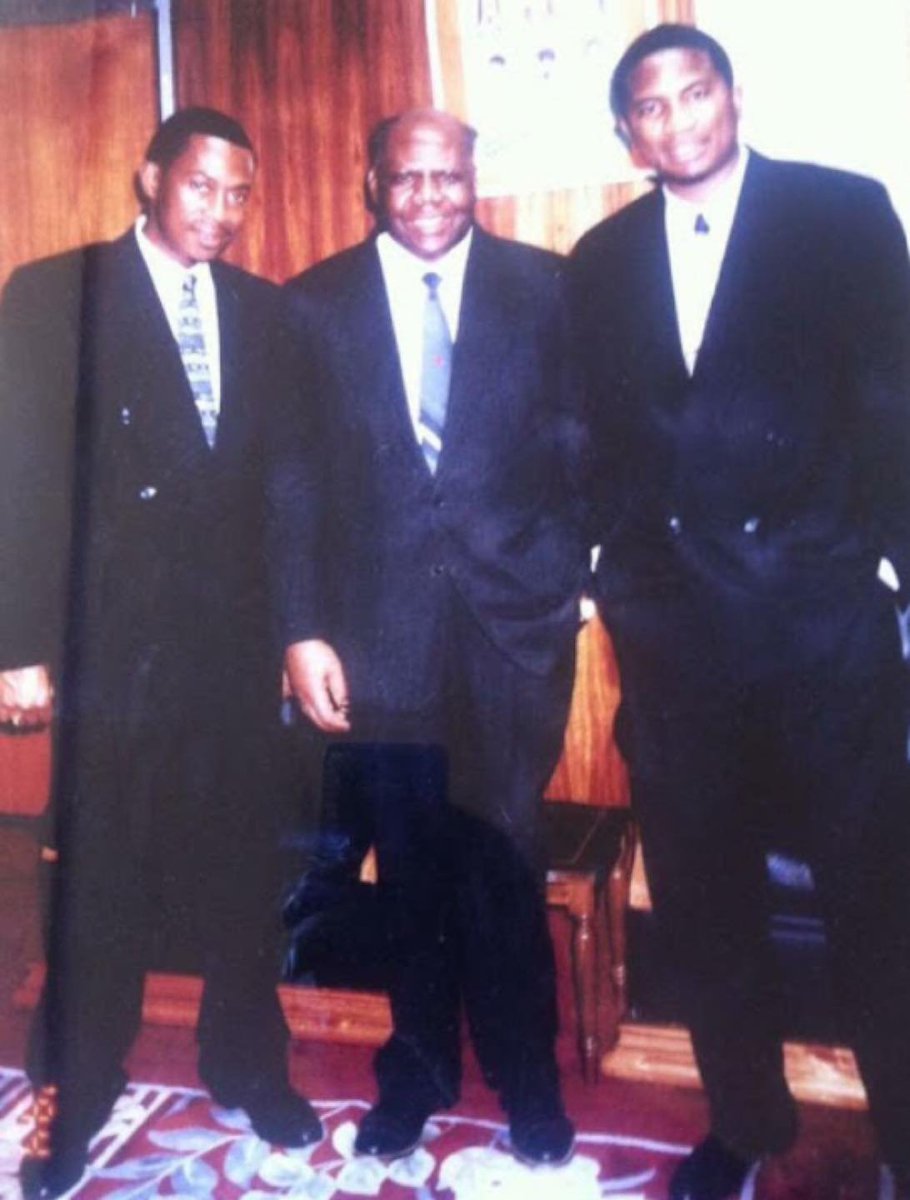
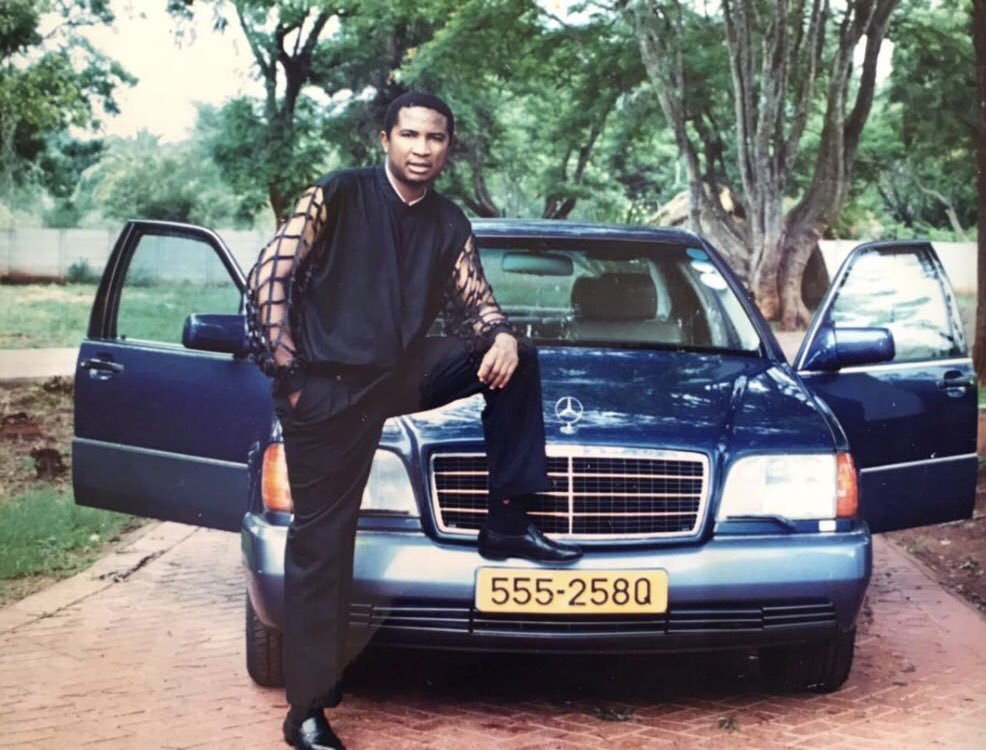
In the late 1990s, he embodied Zimbabwe’s new dream.
From Bindura to sprawling empires, his rise was meteoric.
But in Zimbabwe, brilliance is always conditional — until ZANU takes it back.
His rise was only the beginning of a certain fall.
1/
In the late 1990s, he embodied Zimbabwe’s new dream.
From Bindura to sprawling empires, his rise was meteoric.
But in Zimbabwe, brilliance is always conditional — until ZANU takes it back.
His rise was only the beginning of a certain fall.

2/
An economist by training.
A World Bank Young Professional.
Later a Senior Investment Officer at the IFC.
He spoke the language of the IMF and World Bank.
A sharp mind returning home to build.
An economist by training.
A World Bank Young Professional.
Later a Senior Investment Officer at the IFC.
He spoke the language of the IMF and World Bank.
A sharp mind returning home to build.
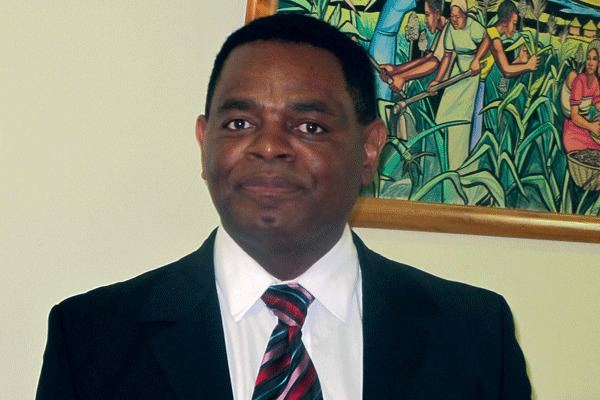
Back in Harare, he moved with power.
He built ties with Mnangagwa.
Worked with Zvobgo.
Had Mugabe’s ear.
Not just a businessman.
A political insider with intellect to match.
He built ties with Mnangagwa.
Worked with Zvobgo.
Had Mugabe’s ear.
Not just a businessman.
A political insider with intellect to match.
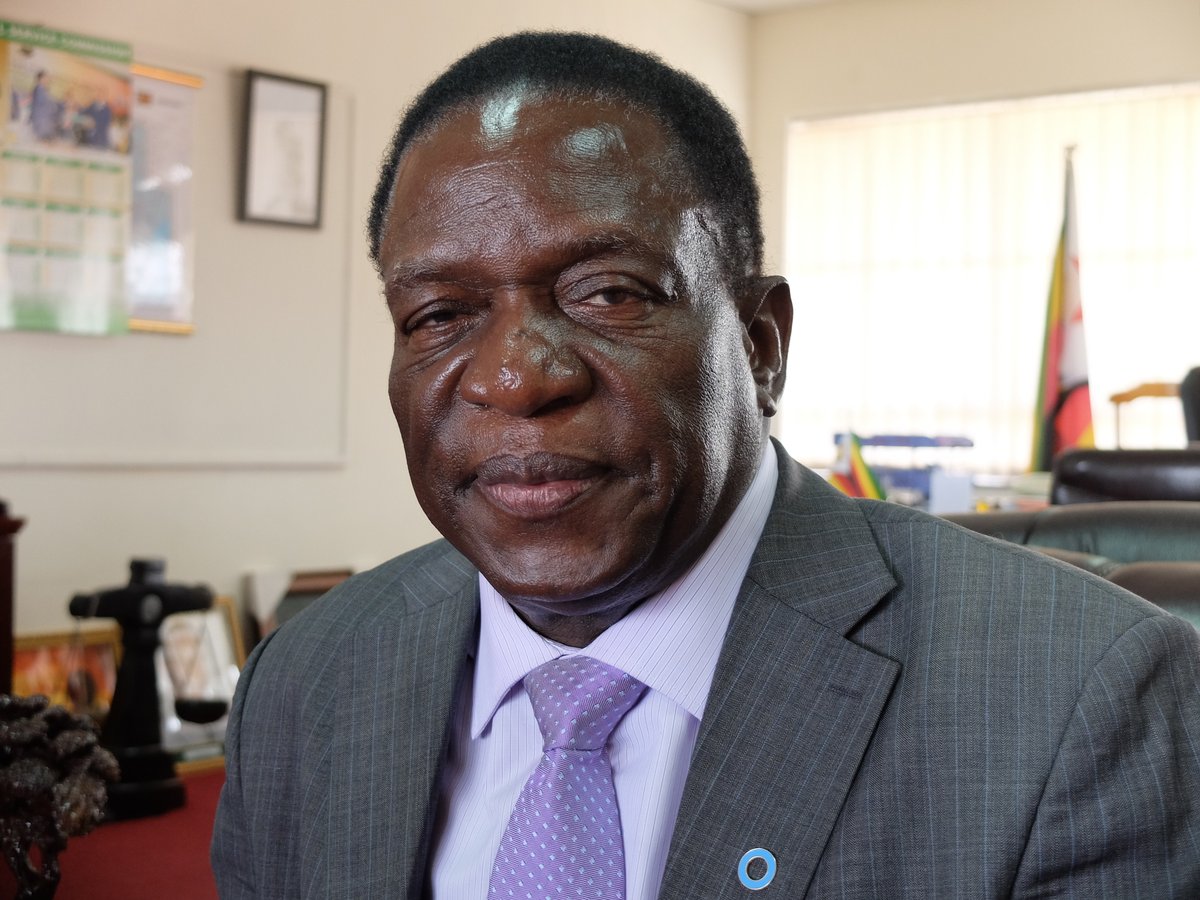
4/
In 1998, he pulled off his boldest move.
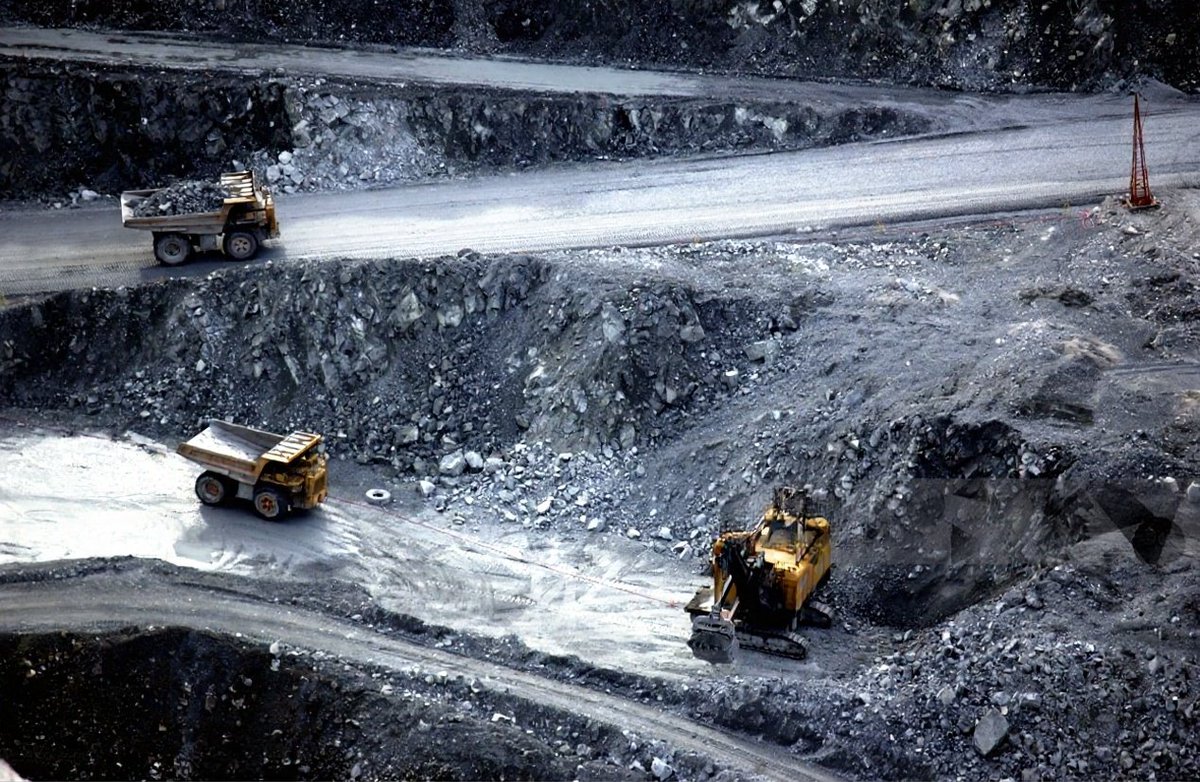
The acquisition of Shabanie & Mashaba Mines (SMM).
Backed by a US$60m government guarantee.
Overnight, he became the face of indigenisation.
But the guarantee was a noose — the state always held the chain.
In 1998, he pulled off his boldest move.
The acquisition of Shabanie & Mashaba Mines (SMM).
Backed by a US$60m government guarantee.
Overnight, he became the face of indigenisation.
But the guarantee was a noose — the state always held the chain.
5/
Through Africa Resources Ltd (ARL), his empire spread:
– SMM Holdings (asbestos)
– First Bank Corporation (banking)
– ZimRe Holdings (insurance)
– Turnall (construction materials)
– Ferrochrome smelters.
– Agro-industry.
– Manufacturing.
It was dazzling.
Zimbabwe had never seen a black tycoon on this scale.
Through Africa Resources Ltd (ARL), his empire spread:
– SMM Holdings (asbestos)
– First Bank Corporation (banking)
– ZimRe Holdings (insurance)
– Turnall (construction materials)
– Ferrochrome smelters.
– Agro-industry.
– Manufacturing.
It was dazzling.
Zimbabwe had never seen a black tycoon on this scale.
6/
In Zimbabwe, patronage is a leash, not protection.
The hand that feeds also tightens the noose.
Mawere's Indigenisation was never ownership.
It was wealth on loan — until ZANU called it back.
In Zimbabwe, patronage is a leash, not protection.
The hand that feeds also tightens the noose.
Mawere's Indigenisation was never ownership.
It was wealth on loan — until ZANU called it back.
7/
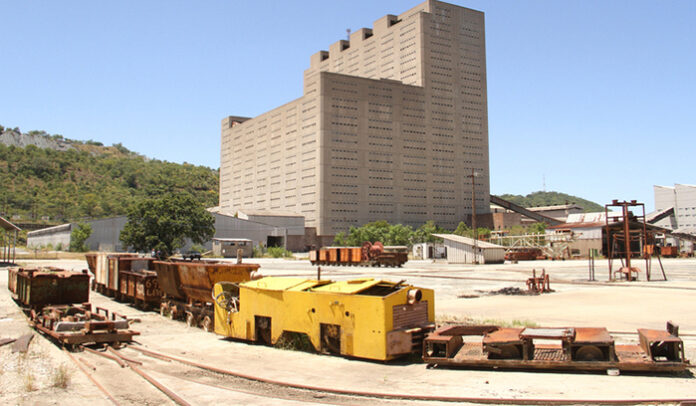
On 6 September 2004, the government seized Shabanie & Mashaba Mines.
The pretext was externalisation: US$18.46m (≈ US$30m today).
Mawere had already been specified under the Prevention of Corruption Act.
A new law — the Reconstruction of State-Indebted Insolvent Companies Act — was written for him alone.
One man.
One empire.
One law.
One destruction.
On 6 September 2004, the government seized Shabanie & Mashaba Mines.
The pretext was externalisation: US$18.46m (≈ US$30m today).
Mawere had already been specified under the Prevention of Corruption Act.
A new law — the Reconstruction of State-Indebted Insolvent Companies Act — was written for him alone.
One man.
One empire.
One law.
One destruction.
8/
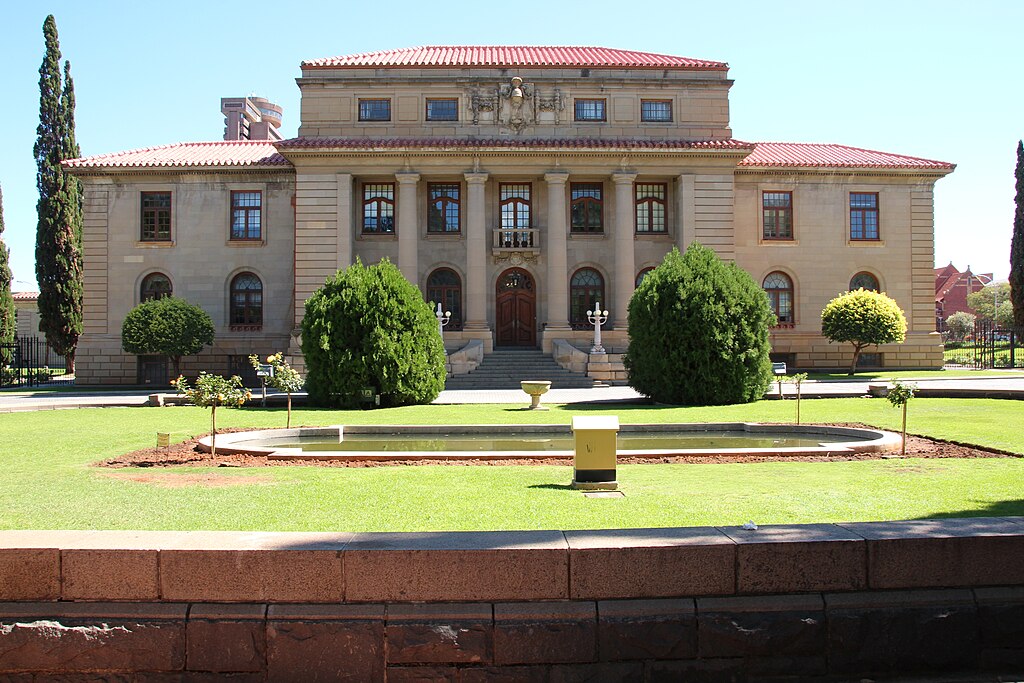
In 2012, South Africa’s Supreme Court of Appeal confirmed it.
R18m diverted through a cession scheme.
He was brilliant.
He was guilty.
A tycoon undone by his own hand.
In 2012, South Africa’s Supreme Court of Appeal confirmed it.
R18m diverted through a cession scheme.
He was brilliant.
He was guilty.
A tycoon undone by his own hand.
9/
But guilt was not enough.
In Zimbabwe, the state rewrote the rules to finish him.
The Reconstruction Order stripped him of ownership.
A state-appointed administrator took over.
Verdicts no longer mattered.
Power had already passed sentence.
But guilt was not enough.
In Zimbabwe, the state rewrote the rules to finish him.
The Reconstruction Order stripped him of ownership.
A state-appointed administrator took over.
Verdicts no longer mattered.
Power had already passed sentence.
10/
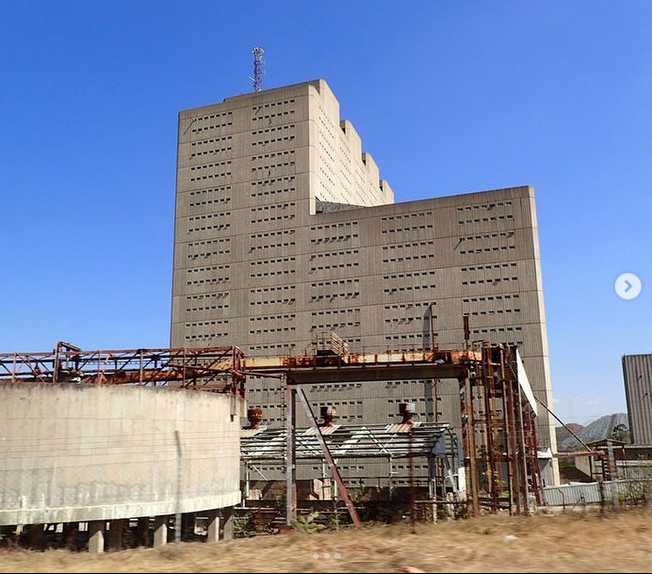
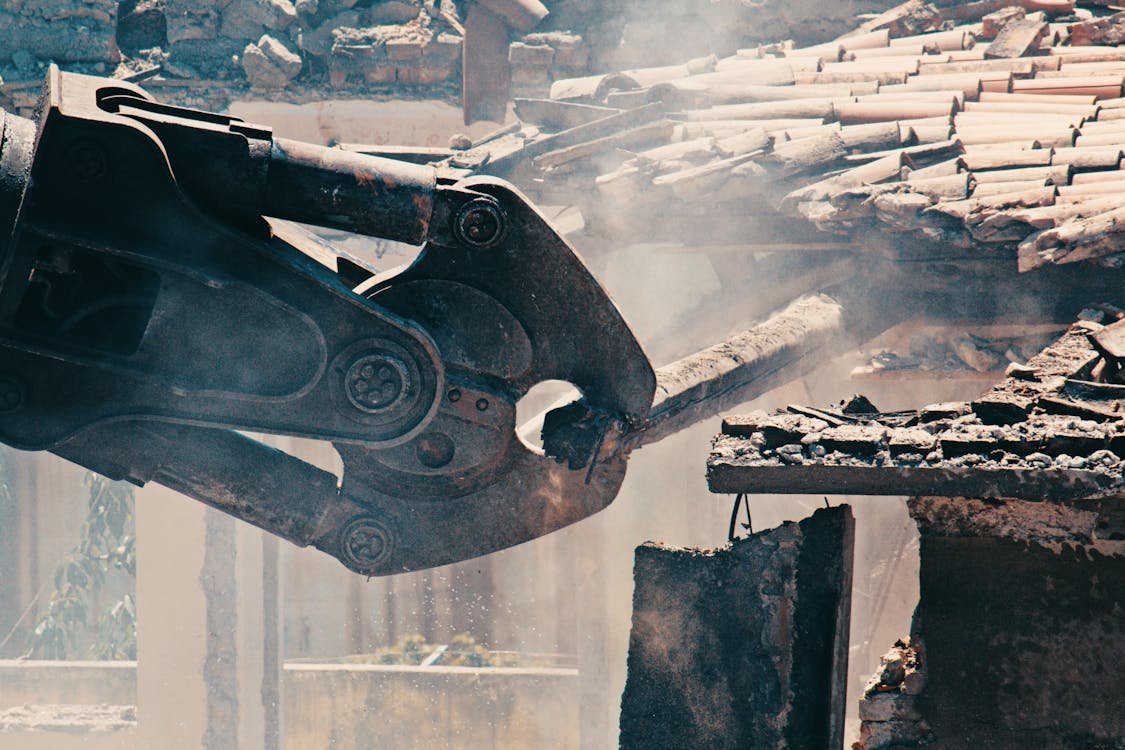
The fallout was ruin.
SMM collapsed.
Thousands lost jobs.
A whole town reduced to dust.
Not sanctions.
Not drought.
Financial devastation by ZANU-PF.
And by its chosen tycoon.
The fallout was ruin.
SMM collapsed.
Thousands lost jobs.
A whole town reduced to dust.
Not sanctions.
Not drought.
Financial devastation by ZANU-PF.
And by its chosen tycoon.
11/
Mawere was not alone.
Before him, Roger Boka rose and fell.
Both fed by Mnangagwa and Mugabe.
Both destroyed by the same hands.
Mawere was not alone.
Before him, Roger Boka rose and fell.
Both fed by Mnangagwa and Mugabe.
Both destroyed by the same hands.

12/
You can be brilliant.
You can be complicit.
You can even be both.
But in Zimbabwe, some wealth is never yours.
It is borrowed.
Unless you toe the party line —
or until Zanu factional battles decide your fate.
You can be brilliant.
You can be complicit.
You can even be both.
But in Zimbabwe, some wealth is never yours.
It is borrowed.
Unless you toe the party line —
or until Zanu factional battles decide your fate.
Sources / Further Reading:
– South Africa Supreme Court of Appeal, Africa Resources Ltd v. Shabanie & Mashaba Mines (2012).
– Zimbabwe’s Reconstruction of State-Indebted Insolvent Companies Act (2004).
– Mawere, M. Zimbabwe’s Lost Asbestos Empire (personal writings/interviews).
– Global Witness, Zimbabwe’s Mining Sector and State Capture (2002–2005 context).
– Business Day (SA), The Fall of Mutumwa Mawere (2004).
– South Africa Supreme Court of Appeal, Africa Resources Ltd v. Shabanie & Mashaba Mines (2012).
– Zimbabwe’s Reconstruction of State-Indebted Insolvent Companies Act (2004).
– Mawere, M. Zimbabwe’s Lost Asbestos Empire (personal writings/interviews).
– Global Witness, Zimbabwe’s Mining Sector and State Capture (2002–2005 context).
– Business Day (SA), The Fall of Mutumwa Mawere (2004).
• • •
Missing some Tweet in this thread? You can try to
force a refresh