The 1970’s: hijackings, kidnappings, and terror swept across Europe.
From the shadows of the Cold War rose a counter-terrorist brotherhood, men forged by fire, bound by duty to their homeland.
A thread on the French Warrior Elite. 🧵👇
From the shadows of the Cold War rose a counter-terrorist brotherhood, men forged by fire, bound by duty to their homeland.
A thread on the French Warrior Elite. 🧵👇

It all started In 1972, when the world watched in horror.
At the Munich Olympics, terrorists slaughtered Israeli athletes on live TV.
Europe realized: it was defenseless against a new enemy.
At the Munich Olympics, terrorists slaughtered Israeli athletes on live TV.
Europe realized: it was defenseless against a new enemy.

France took notice. The police were unprepared, the military was too heavy-handed and not trained for these types of situations.
What was needed was precision, speed, and absolute discipline.
What was needed was precision, speed, and absolute discipline.

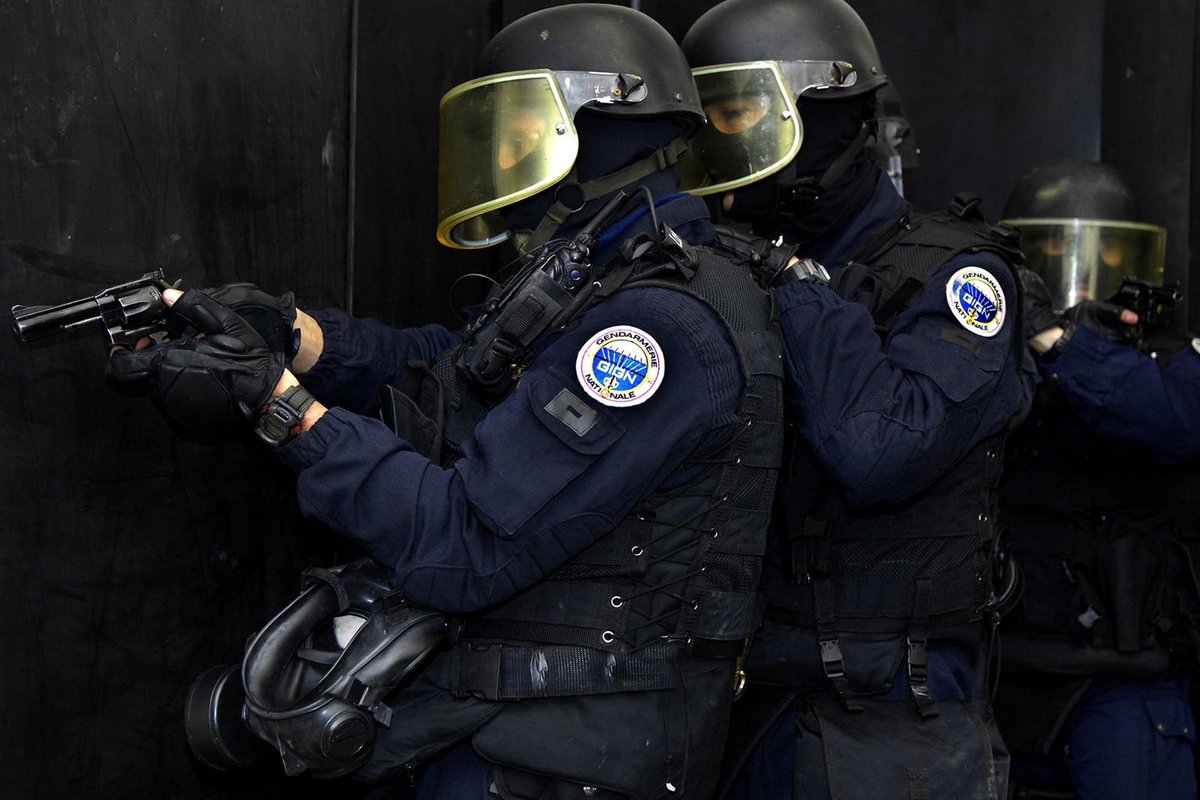
In 1973, the answer was born: Groupe d’Intervention de la Gendarmerie Nationale.
The GIGN. A unit of warriors in uniform, but ghosts in action.
(Got to love the Renault 5 here)
The GIGN. A unit of warriors in uniform, but ghosts in action.
(Got to love the Renault 5 here)

The first group was tiny , 15 men, deliberately kept small to ensure quality over quantity.
This elite model influenced other nations (Germany’s GSG 9 was founded the same year, Britain’s SAS counterterror wing was reinforced, etc.).
This elite model influenced other nations (Germany’s GSG 9 was founded the same year, Britain’s SAS counterterror wing was reinforced, etc.).
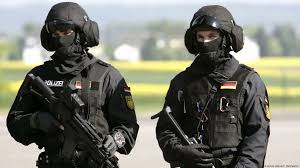
These men were not built to fight wars, but to end hostile encounters with speed and devastating precision.
To strike swiftly, act decisively, and preserve as many lives as possible.
To strike swiftly, act decisively, and preserve as many lives as possible.
Selection was brutal. Out of hundreds of candidates, only a handful survived.
Those who passed became part of the elite brotherhood.
Those who passed became part of the elite brotherhood.
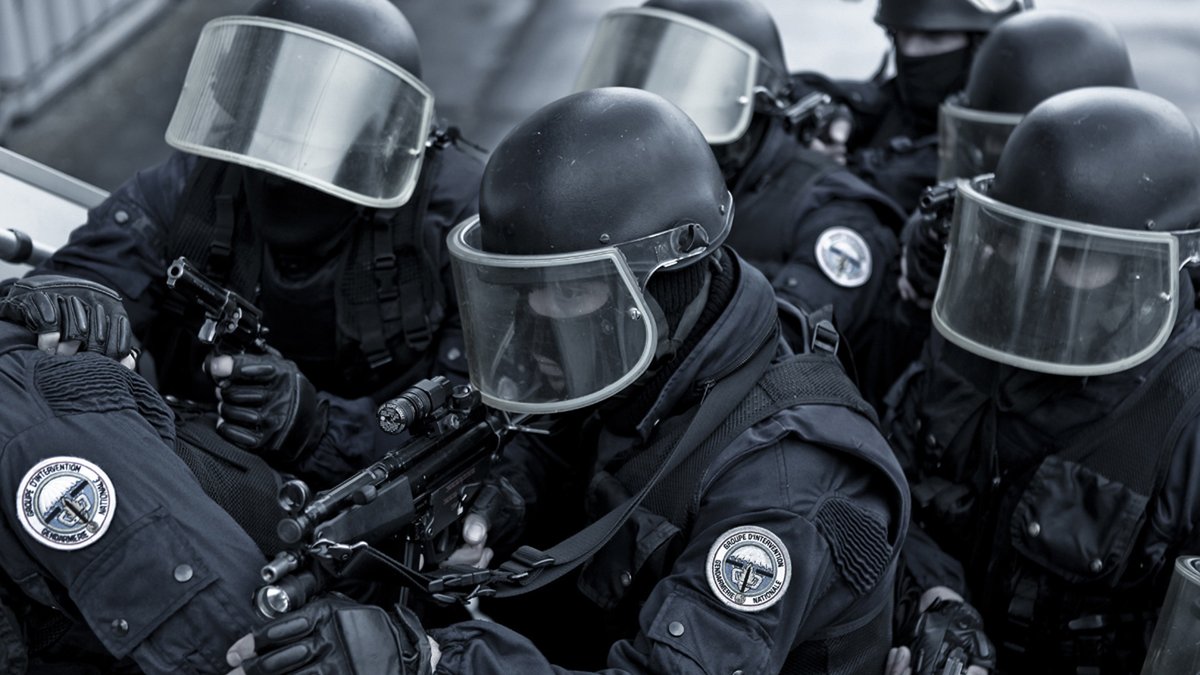
They trained everywhere: in forests and deserts, on planes and ships, in cities and villages.
If hostages could be taken there, GIGN would be ready.
If hostages could be taken there, GIGN would be ready.
Sniping was an art. Negotiation, a weapon. Close combat, instinct.
Each man mastered a craft, but trained to step into any role if one fell.
Specialists by design. Interchangeable by necessity.
Each man mastered a craft, but trained to step into any role if one fell.
Specialists by design. Interchangeable by necessity.

Their motto said it all: “S’engager pour la vie”, “To commit to life.”
Every bullet fired, every door breached, was to save the innocent.
Every bullet fired, every door breached, was to save the innocent.

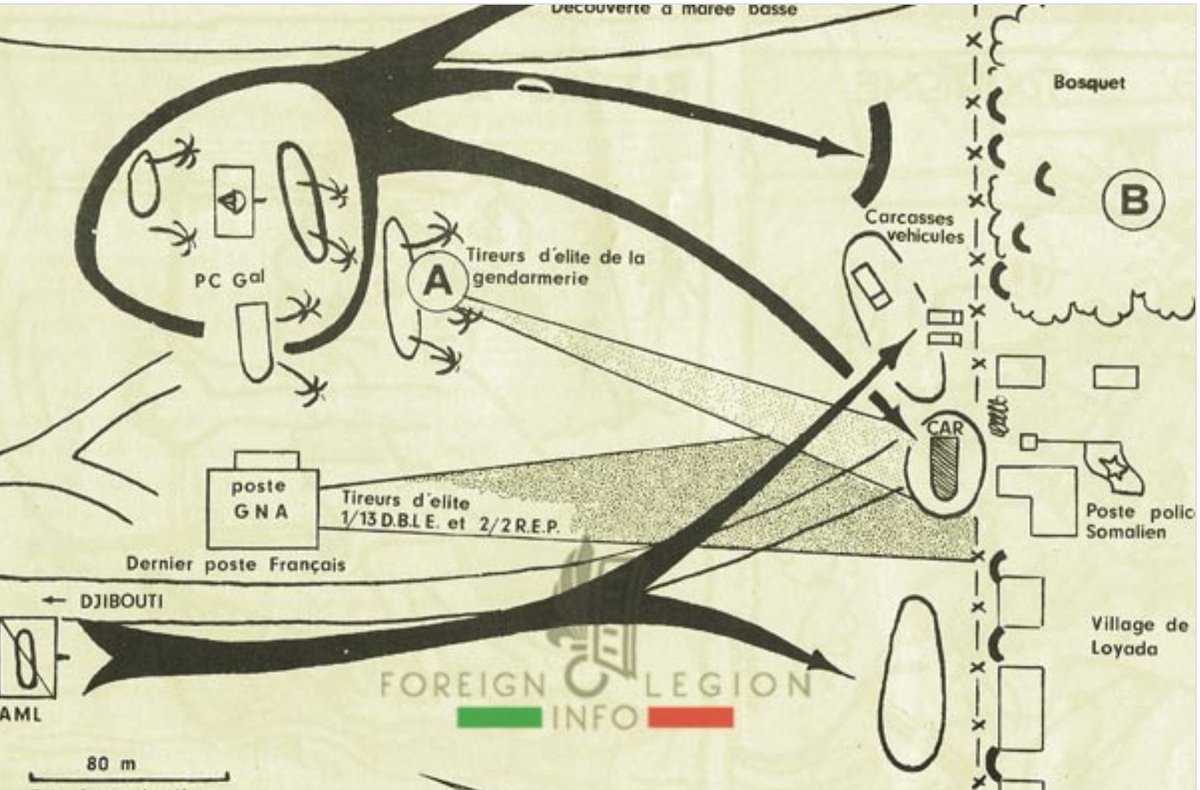
Their first big test came in 1976: Somali militants hijacked a school bus in Djibouti, packed with 31 French children.
GIGN stormed the bus. Four terrorists dead, sadly, not all children made it out alive.
The message, however, was clear: France had answer to terrorism.
GIGN stormed the bus. Four terrorists dead, sadly, not all children made it out alive.
The message, however, was clear: France had answer to terrorism.
But the mission that sealed their legend came in December 1994.
Air France Flight 8969.
Four armed terrorists seized an Airbus A300 in Algiers, demanding to fly it into Paris.
Air France Flight 8969.
Four armed terrorists seized an Airbus A300 in Algiers, demanding to fly it into Paris.

The plane landed in Marseille. Passengers were beaten, executed.
The world held its breath. France unleashed GIGN.
In a blinding assault, masked men stormed the aircraft. Explosions, gunfire, screams.
Minutes later, silence.
The world held its breath. France unleashed GIGN.
In a blinding assault, masked men stormed the aircraft. Explosions, gunfire, screams.
Minutes later, silence.
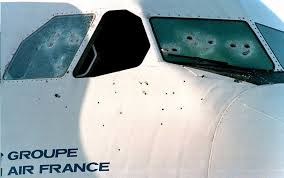
All 4 terrorists were dead. 173 hostages lived.
GIGN walked off the plane, weapons still hot. Their reputation became legendary.
GIGN walked off the plane, weapons still hot. Their reputation became legendary.
From that day, GIGN became a model for the world, studied, copied, feared.
GIGN protects French presidents abroad, dismantles organized crime, and hunts down terrorists.
GIGN protects French presidents abroad, dismantles organized crime, and hunts down terrorists.

I've checked for figures and according to their own statistics they conduct around 100-200 operations a year.
These are day to day high risk ops that happen on a weekly basis, such as counter-terrorist raids, high risk arrests, VIP protection and ending armed sieges.
These are day to day high risk ops that happen on a weekly basis, such as counter-terrorist raids, high risk arrests, VIP protection and ending armed sieges.
Even though their numbers are small, barely a few hundred, their reach is vast.
Wherever France is threatened, GIGN stands ready
Wherever France is threatened, GIGN stands ready

Half a century after Munich, terrorism still lurks. But the lesson was not forgotten.
Out of the hostile forces that still threaten western civilization, France forged a warrior elite as the answer.
Out of the hostile forces that still threaten western civilization, France forged a warrior elite as the answer.
Thanks for sticking with me, I hope you enjoyed reading. If so, follow me @GodPlaysCards and try the Legacy App.
It is a great way to learn on the go, track your journeys, collect the past, and discover hidden gems.
It is a great way to learn on the go, track your journeys, collect the past, and discover hidden gems.
• • •
Missing some Tweet in this thread? You can try to
force a refresh