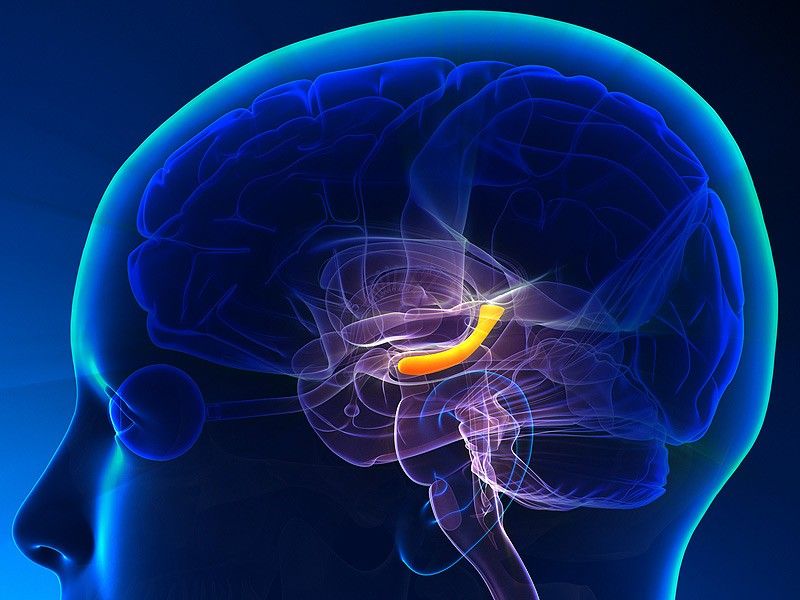
If your psoas muscle is tight, you'll feel anxious no matter what you try.
Most people don't realize this one muscle can matter more than stress management.
Here are 10 cheat codes to train your psoas and feel like 20 again:
1. Do a constructive rest pose for 10 minutes daily
Most people don't realize this one muscle can matter more than stress management.
Here are 10 cheat codes to train your psoas and feel like 20 again:
1. Do a constructive rest pose for 10 minutes daily
The psoas is the only muscle linking spine to legs, making it central to all movement and stability.
For the first exercise: lie on your back, knees bent, feet flat. Let gravity do the work.
Studies show it's the safest way to begin psoas relaxation.

For the first exercise: lie on your back, knees bent, feet flat. Let gravity do the work.
Studies show it's the safest way to begin psoas relaxation.

Here's why this muscle controls your mental state:
Your psoas sends safety signals to your brain. When chronically tight, your brain thinks you're in constant danger.
This triggers anxiety, depression, and racing thoughts. It's not "all in your head," it's real physiology.
Your psoas sends safety signals to your brain. When chronically tight, your brain thinks you're in constant danger.
This triggers anxiety, depression, and racing thoughts. It's not "all in your head," it's real physiology.
2. Never foam roll your psoas directly.
Your psoas sits next to your aorta, kidneys, and major nerves.
Aggressive pressure here can cause life-threatening injuries.
Zero peer-reviewed studies show safe protocols for deep psoas release with tools.
Your psoas sits next to your aorta, kidneys, and major nerves.
Aggressive pressure here can cause life-threatening injuries.
Zero peer-reviewed studies show safe protocols for deep psoas release with tools.

3. Breathe into your belly, not your chest.
Your psoas and diaphragm share the same vertebrae. When your psoas is tight, you can't take full breaths.
Try 4-4-4-4 breathing: inhale 4, hold 4, exhale 4, hold 4. This activates your vagus nerve.
Your psoas and diaphragm share the same vertebrae. When your psoas is tight, you can't take full breaths.
Try 4-4-4-4 breathing: inhale 4, hold 4, exhale 4, hold 4. This activates your vagus nerve.
4. Do the wind-relieving pose correctly.
Lie on your back, draw one knee to chest, then slowly slide the other leg straight out.
Keep your pelvis stable - don't let your lower back arch.
This lengthens your psoas while maintaining proper alignment.
Lie on your back, draw one knee to chest, then slowly slide the other leg straight out.
Keep your pelvis stable - don't let your lower back arch.
This lengthens your psoas while maintaining proper alignment.

5. Do the couch stretch for 2 minutes daily
Most people think anxiety lives in their head.
But here's what 99% miss: Your psoas muscle is hardwired to your nervous system's alarm system.
When it's tight, your brain gets a constant signal that you're in danger...
Most people think anxiety lives in their head.
But here's what 99% miss: Your psoas muscle is hardwired to your nervous system's alarm system.
When it's tight, your brain gets a constant signal that you're in danger...
6. Stand up every 30 minutes.
Prolonged sitting creates chronic psoas contraction.
Set a timer. Stand, breathe, move. This breaks the stress-tension cycle before it builds.
Prolonged sitting creates chronic psoas contraction.
Set a timer. Stand, breathe, move. This breaks the stress-tension cycle before it builds.
7. Practice the active supine stretch.
From constructive rest, hug one knee to chest, then slowly walk the other foot away from your hips.
Feel the stretch from your hip socket all the way up to your 12th thoracic vertebra.
Hold for 2-3 minutes each side.
From constructive rest, hug one knee to chest, then slowly walk the other foot away from your hips.
Feel the stretch from your hip socket all the way up to your 12th thoracic vertebra.
Hold for 2-3 minutes each side.
8. Master the low lunge properly.
Step one foot forward, drop back knee down. Keep pelvis neutral by engaging your core.
Press your front foot into the floor and lengthen your spine.
Most people arch their back, negating the stretch.
Step one foot forward, drop back knee down. Keep pelvis neutral by engaging your core.
Press your front foot into the floor and lengthen your spine.
Most people arch their back, negating the stretch.

9. Use systematic relaxation.
Lie in corpse pose with knees bent. Move your awareness through your body from head to feet.
This teaches your nervous system to release chronic tension patterns stored in your psoas.
Lie in corpse pose with knees bent. Move your awareness through your body from head to feet.
This teaches your nervous system to release chronic tension patterns stored in your psoas.

10. Learn your nervous system signals.
Your psoas is wired to your reptilian brain. When tight, it signals constant danger.
Recognize fight-or-flight: shallow breathing, tense shoulders, tight gut.
Then use movement, breathing, or rest to reset.
Your psoas is wired to your reptilian brain. When tight, it signals constant danger.
Recognize fight-or-flight: shallow breathing, tense shoulders, tight gut.
Then use movement, breathing, or rest to reset.

Advanced technique: PNF stretching.
A 2022 study with 100 participants found PNF techniques were significantly more effective than other methods.
Contract for 10 seconds, then stretch for 10 seconds. 3 reps per side. This engages your nervous system for deeper release.
A 2022 study with 100 participants found PNF techniques were significantly more effective than other methods.
Contract for 10 seconds, then stretch for 10 seconds. 3 reps per side. This engages your nervous system for deeper release.
The key insight from all of this?
Your psoas affects your entire nervous system.
When you release physical tension systematically, your mind follows.
If you want to master your mind, master your body.
Start with just one stretch and add others over time.
Your psoas affects your entire nervous system.
When you release physical tension systematically, your mind follows.
If you want to master your mind, master your body.
Start with just one stretch and add others over time.
Some of you reading may be thinking: "This helps with physical tension, but I'm dealing with deeper mental health challenges."
If you're struggling with anxiety, depression, or overwhelming stress, body work alone isn't enough.
You deserve comprehensive support.
If you're struggling with anxiety, depression, or overwhelming stress, body work alone isn't enough.
You deserve comprehensive support.
So, I created a free resource on how to heal them including the best tools, techniques and the exact action steps to take.
It took me over 10 years to learn this.
If you're interested, follow + comment "Mental" on the first post of the thread & I'll DM it to you.
It took me over 10 years to learn this.
If you're interested, follow + comment "Mental" on the first post of the thread & I'll DM it to you.
Thanks for reading.
If you enjoyed this thread, you'll love this one:
I dive deep into the most evidence-based techniques to lower chronic cortisol and improve your brain health:
If you enjoyed this thread, you'll love this one:
I dive deep into the most evidence-based techniques to lower chronic cortisol and improve your brain health:
https://x.com/mchale_in_flow/status/1957427383633686960
What are your thoughts on the psoas? Let me know in the comments.
& If you enjoyed this thread...
Follow me @mchale_in_flow for more health-related content like this.
Repost the first tweet to help more people see it.
& If you enjoyed this thread...
Follow me @mchale_in_flow for more health-related content like this.
Repost the first tweet to help more people see it.
https://twitter.com/1934257517892100096/status/1962509488529060149
If you are curious about the evidence and literature on this, here are some sources:
indwellcounseling.com/blog/blog-1
psychiatryinstitute.com/releasing-trau…
yoga-forever.com/articles-1/cal…
integrativetherapiesandwellness.com/blog/stress-br…
awakeninghealingctr.com/blog/the-psoas…
Hope this helps!
indwellcounseling.com/blog/blog-1
psychiatryinstitute.com/releasing-trau…
yoga-forever.com/articles-1/cal…
integrativetherapiesandwellness.com/blog/stress-br…
awakeninghealingctr.com/blog/the-psoas…
Hope this helps!
• • •
Missing some Tweet in this thread? You can try to
force a refresh