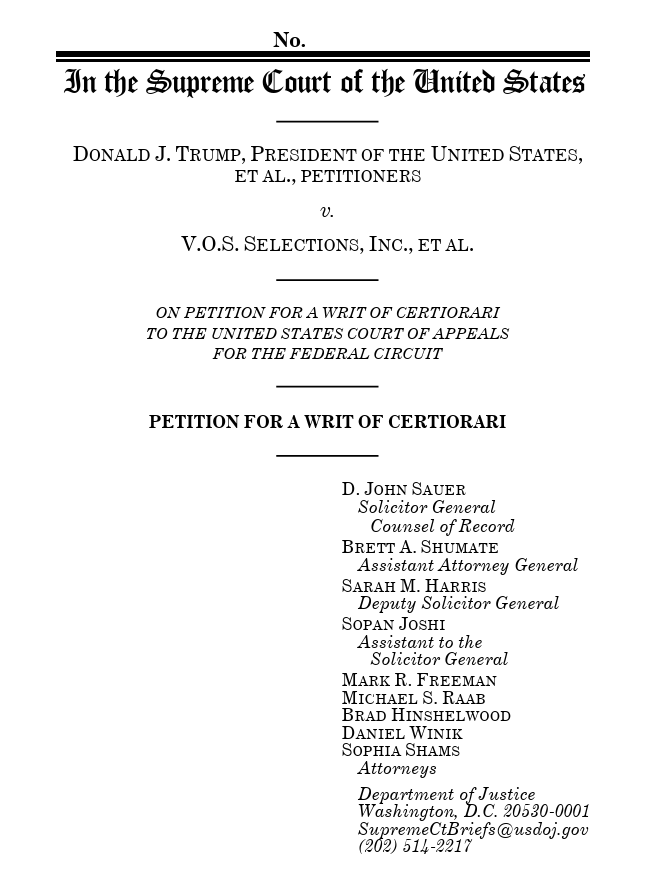
As others have noted, @AGPamBondi, SG Sauer, and @TheJusticeDept sought certiorari today in the Supreme Court on tariffs and seek a quick argument and resolution. Want to quickly flag a few of their arguments. 1/
First, they emphasize the gravity of trying to unscramble the tariff egg at this point. Enjoining the tariffs would upend a complex, global framework of intricate trade agreements with untold potential consequences. 2/
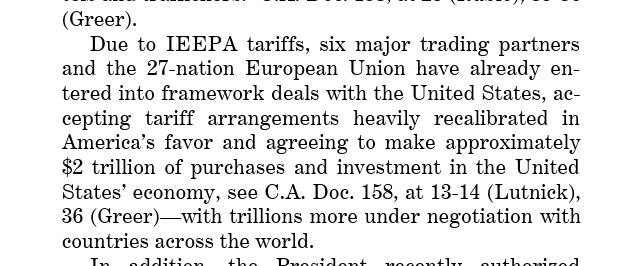
Second, they cite extraordinary declarations filed below from Cabinet Secretaries about the importance of the tariffs to American economic security. I say these are extraordinary because Secretaries rarely personally attest to facts in court. Yet here they have. 3/
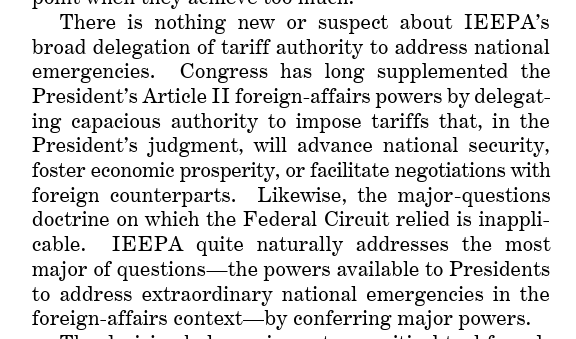
Third, they emphasize the breadth of the statutory text. I am skeptical about the major questions doctrine here. Foreign affairs has long exuded presidential discretion. And IEEPA confers powers on the President directly rather than an agency head. Both big distinctions. 4/
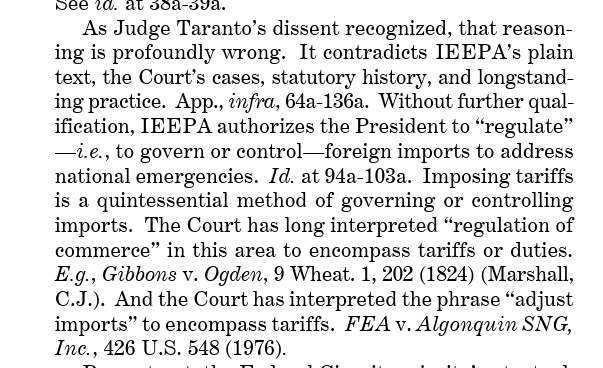
Fourth, they underscore the point above by focusing on the history and emphasizing that Congress *did* intend to confer major powers on the President in IEEPA. In short, this is an elephant in an elephant hole. 5/
Finally, they emphasize the urgency of quick resolution given that global trade hangs in the balance. Legal uncertainty gives leverage to our foreign counter-parties. To make good deals, the President needs legal certainty. 6/
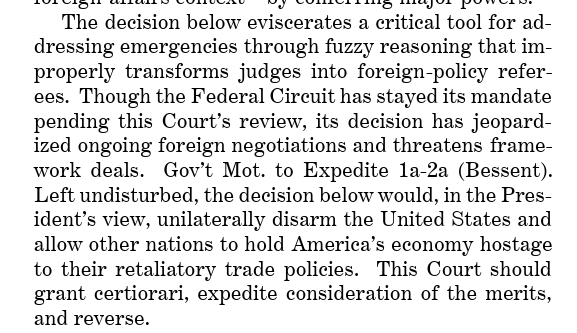
Prediction: the Court will hear the case on a quick timetable, stay any injunction against the tariffs while the case is pending, and ultimately rule for the Administration on the basis of some or all of the above points. We will see soon enough. /end
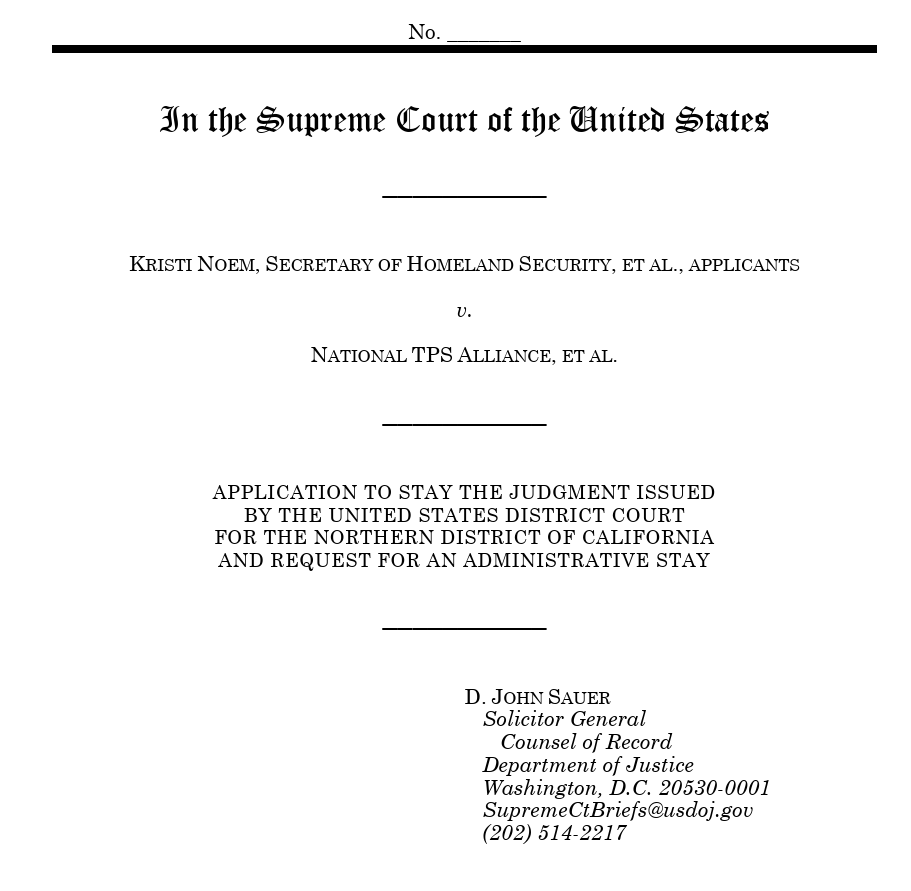
We haven't discussed the litigation about temporary protected status before, but I want to highlight SG Sauer's application from last night. The issue is important on its own, but this is another glaring example of lower court defiance. And @TheJusticeDept is getting fed up. 1/
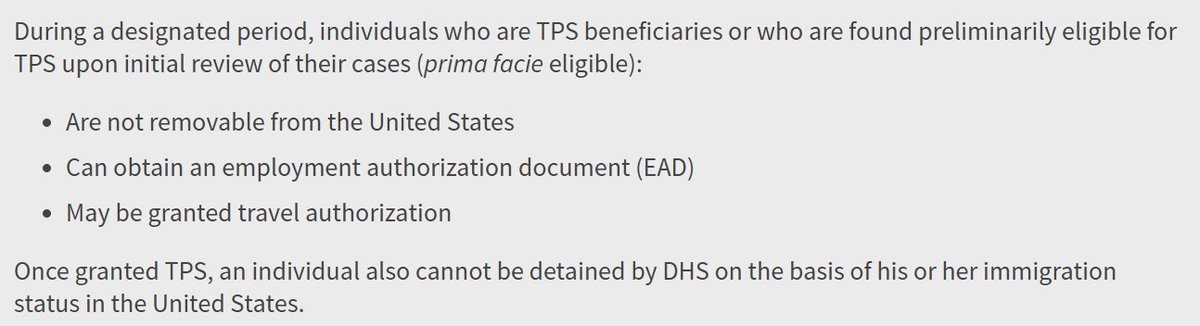
First, what is temporary protected status? Basically a temporary immigration waiver for people from a dangerous place. The DHS Secretary can grant temporary immigration amnesty to people from, eg, a war torn country while the war is ongoing. 2/
The essence of the program is that it is *temporary* and *discretionary.* It is a pathway for the Government to *temporarily* help people in dire straits, not to normalize immigration status for millions of people indefinitely. 3/
Have now had a chance to review @TheJusticeDept's emergency filing in this important case at the crossroads of USAID, wasteful foreign spending, and the vital issue of impoundment. The filing is very well done and @TheJusticeDept should win, as we will see. 1/
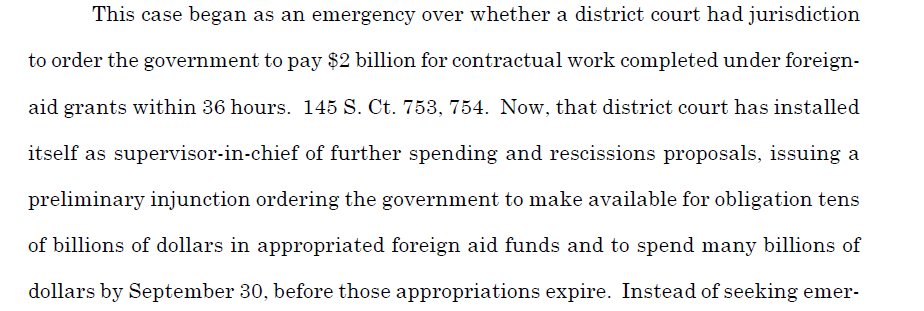
First lets set the stage. This is a suit from various entities that received money from USAID in the past who now want a district court injunction that forces USAID to spend every penny appropriated to it by Congress. 2/
That is a strange claim, as none of this money is appropriated to *these* entities. The money is appropriated to USAID generally for USAID to spend--or not, as we will discuss--in its discretion. There is thus a basic threshold mismatch between claimant and claims. 3/
Some lower court judges seems determined to burn down the village in order to save it, seemingly oblivious that destroying vertical stare decisis will destroy the judiciary generally. Lets review the latest missive in lower court judges' war on the Supreme Court. 1/
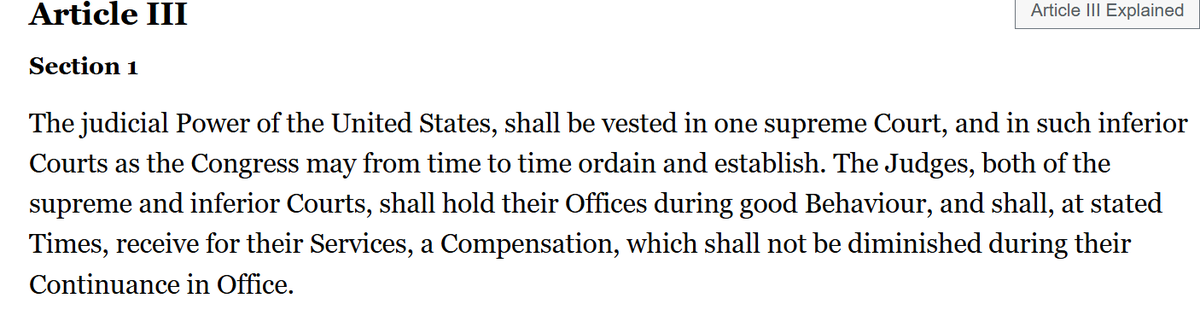
First, the basics. The Constitution creates only one court--the Supreme Court. It authorizes Congress to create "inferior courts," but does not mandate them. And the judicial power of these subordinate courts is entirely subordinate to the Supreme Court's. 2/
When lower court judges defy the Supreme Court--as has been happening time and again--that is lawless. Plain and simple. The President has Article II arguments to invoke when he interprets and considers judicial commands. Lower court judges have nada vis the Supreme Court. 3/
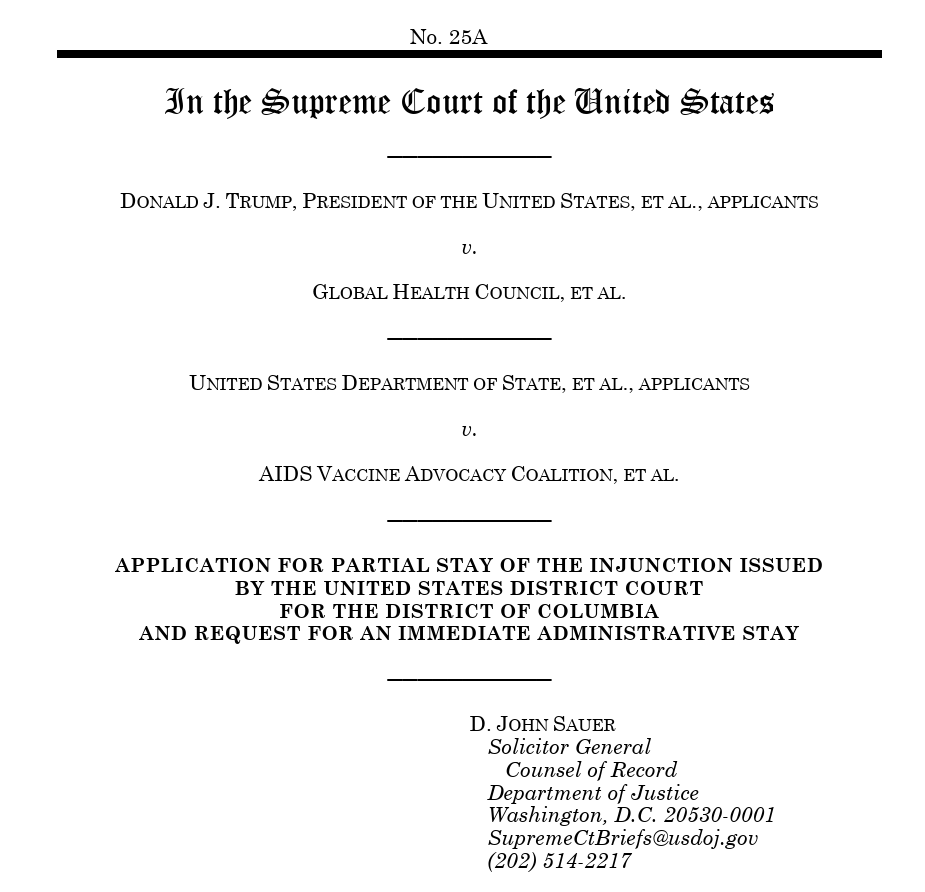
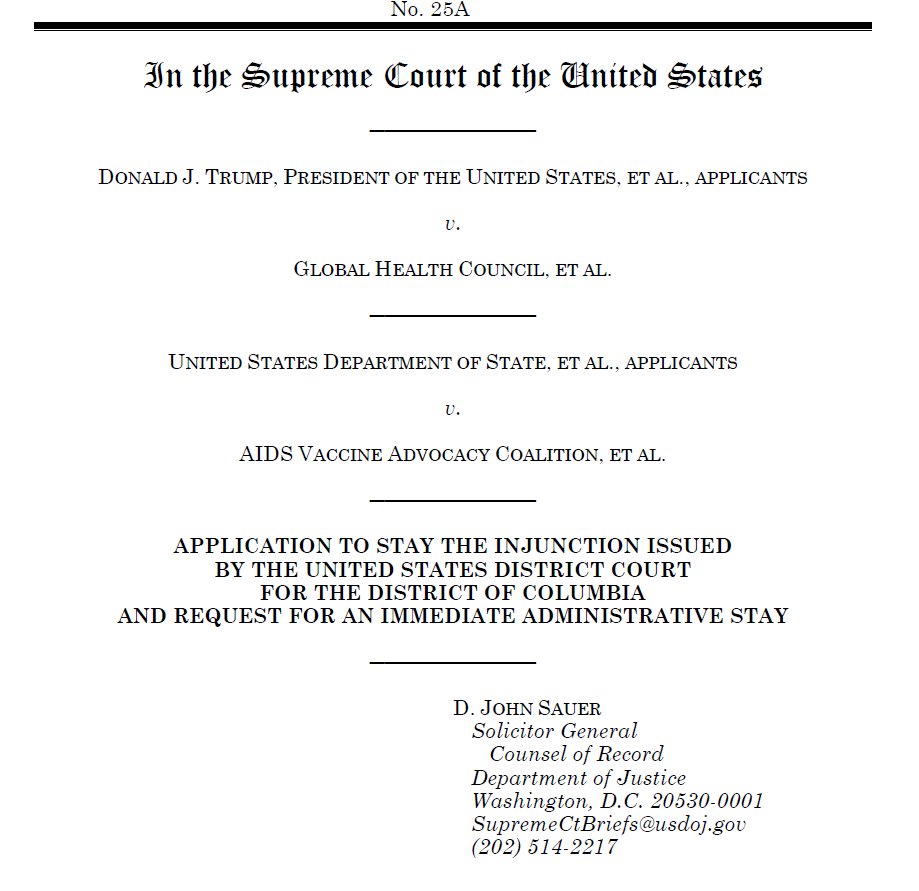
BREAKING: @AGPamBondi and SG John Sauer have filed an emergency application in the Supreme Court regarding their huge win in the USAID impoundment case, which we discussed previously. This is a big deal, as I'll explain. 1/
First a point of privilege. Having lived this case in the early days of @DOGE---with then-Acting SG Sarah Harris and many others---I really appreciate how the SG's Office frames the issue. 2/
Second, you might be wondering why @TheJusticeDept is seeking emergency relief in a case it *won*. Even though the DC Circuit deemed the district court's injunction patently unlawful, that injunction dissolves only when the DC Circuit issues its formal mandate. 3/
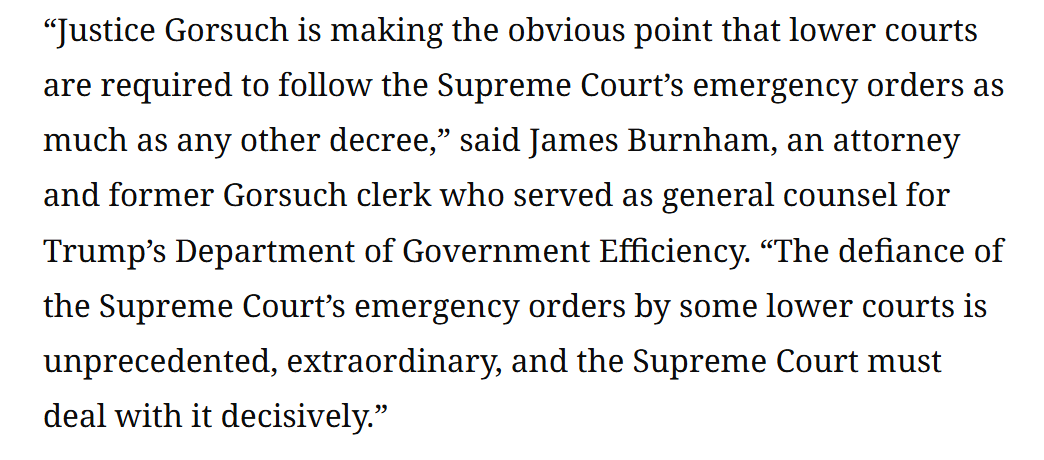
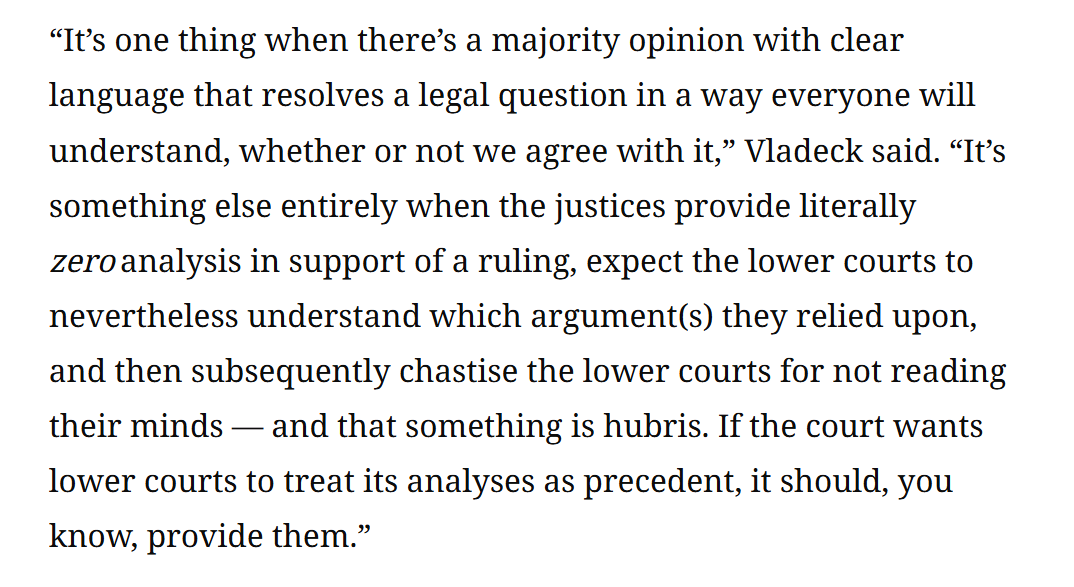
Some more thoughts from me on this decision in CNN, focused on Justice Gorsuch's separate writing. I also want to respond to a point @steve_vladeck makes in the article. 1/
Vladeck claims it is unreasonable to expect district judges to follow the Supreme Court's emergency orders because those orders are sometimes issued without supporting analysis or with little supporting analysis. I totally disagree. 2/
Vertical stare decisis--the Supreme Court and the lower courts--is the relationship between boss and subordinate. The Supreme Court has direct authority over the lower courts; those courts must follow its decrees regardless of whether they "understand" the underlying reason. 3/
Another win for @TheJusticeDept before the Supreme Court--this time on whether district courts can enjoin the termination of grants that conflict with the Administration's anti-DEI policies. Lots of interesting opinions, worth a brief discussion. 1/
First, the ruling is correct and consistent with previous orders the Court has issued on the emergency docket. As we've discussed before, people who claim the government owes them money have to go to a special court to sue for money. They can't get TROs or injunctions. 2/
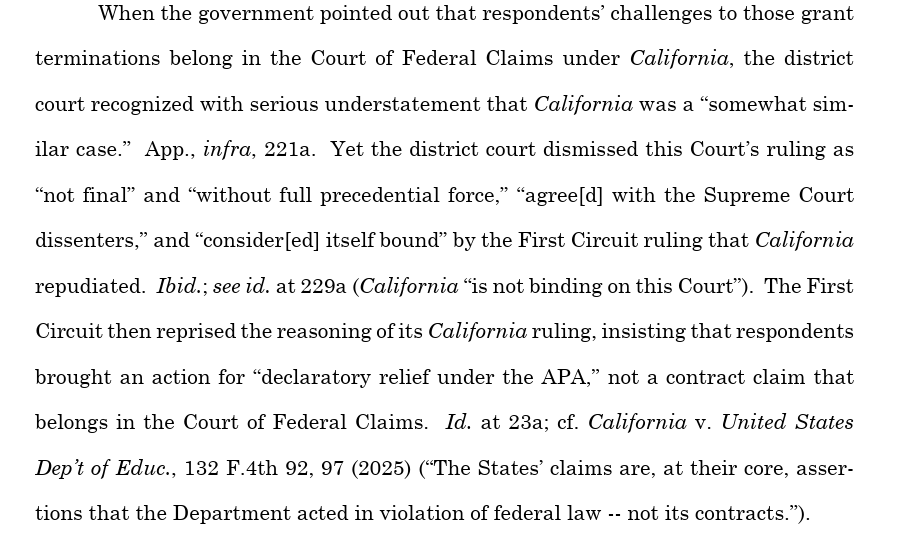
This is case marks yet another example of lower courts defying the clear import of the Supreme Court's emergency rulings. As SG Sauer explained in his application. 3/