
🚨🇷🇺🇨🇳🇮🇷Why Russia No Longer Needs Nord Stream
After Europe cut itself off from Russian gas, Moscow is replacing the EU market with China & Iran.
Why this shift could transform global energy markets? 🧵
After Europe cut itself off from Russian gas, Moscow is replacing the EU market with China & Iran.
Why this shift could transform global energy markets? 🧵

Before the war, Russia exported 200 bcm/year of gas to Europe.
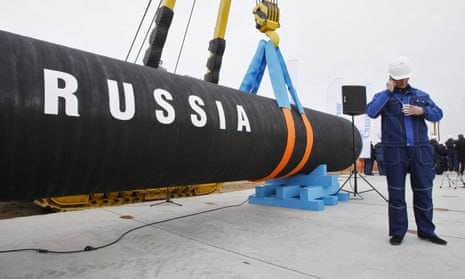
Half of that went through Nord Stream 1 & 2 — around 110 bcm/year combined capacity.
With the sabotage and sanctions, Europe is off the map for Gazprom.
So where is that gas going now?
Half of that went through Nord Stream 1 & 2 — around 110 bcm/year combined capacity.
With the sabotage and sanctions, Europe is off the map for Gazprom.
So where is that gas going now?

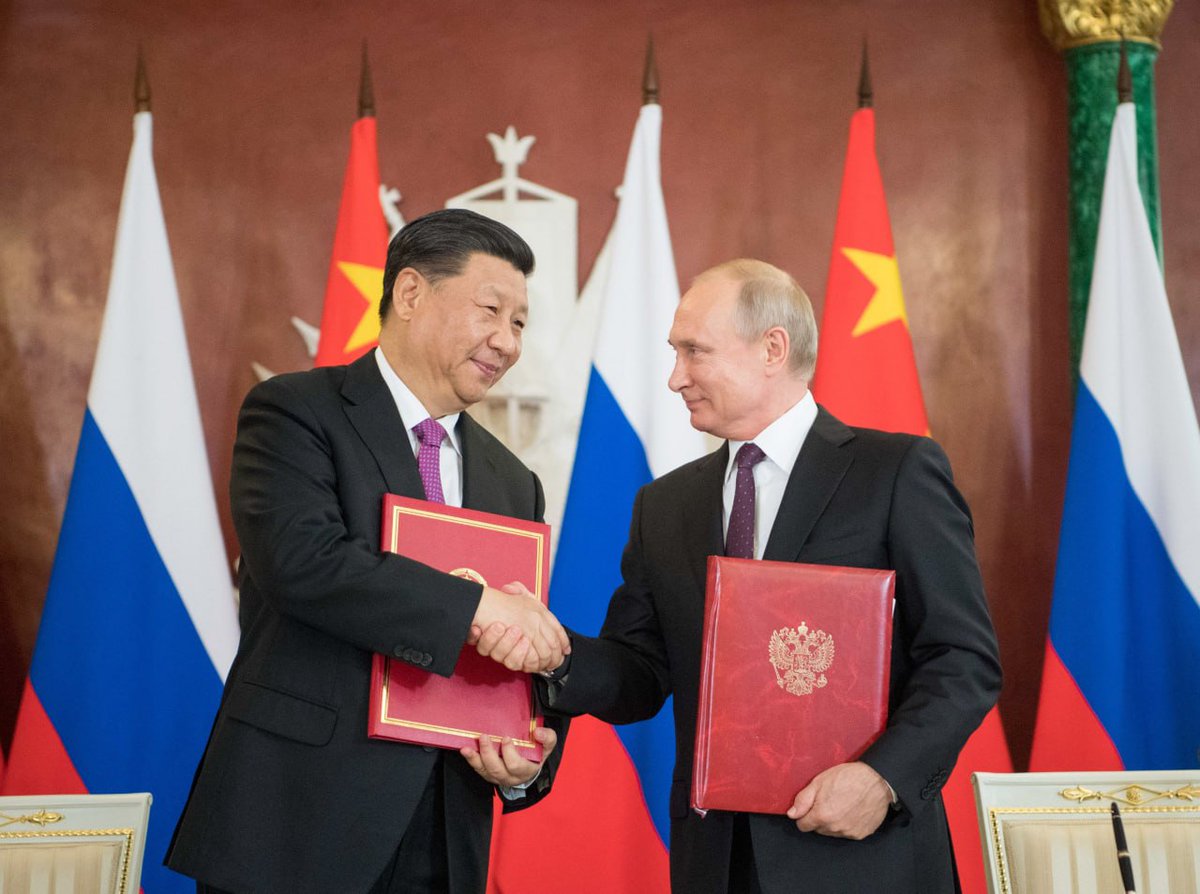
China
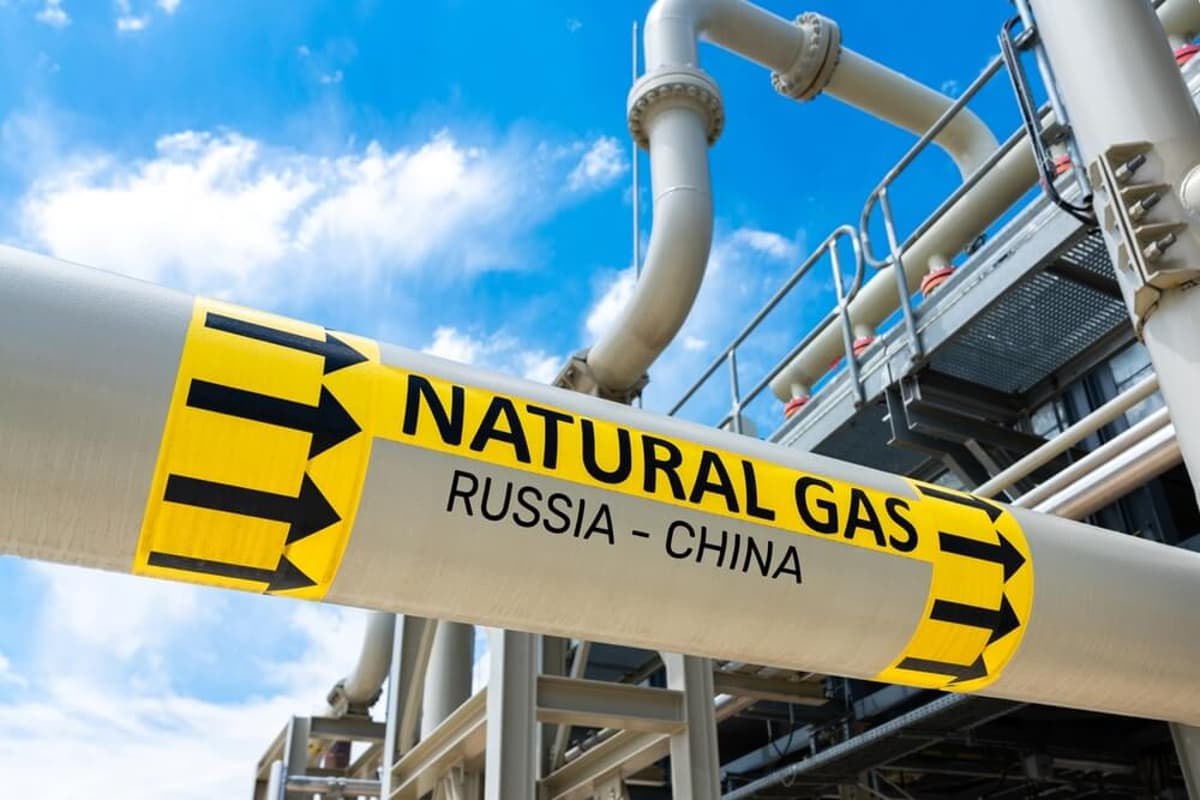
🔸The new Power of Siberia-2 pipeline will ship 50 bcm/year of gas to China.
🔸Together with the operating Power of Siberia-1 and other contracts, Russia will send 100 bcm/year to China by the 2030s.
That’s about half of what Europe used to buy.
🔸The new Power of Siberia-2 pipeline will ship 50 bcm/year of gas to China.
🔸Together with the operating Power of Siberia-1 and other contracts, Russia will send 100 bcm/year to China by the 2030s.
That’s about half of what Europe used to buy.

Why this matters for China:
🔸Locked in via a 30-year framework
🔸Diversifies LNG from the US, Qatar & Australia
🔸China gets cheaper, predictable pipeline gas; Russia gets a stable buyer.
🔸Locked in via a 30-year framework
🔸Diversifies LNG from the US, Qatar & Australia
🔸China gets cheaper, predictable pipeline gas; Russia gets a stable buyer.
Iran
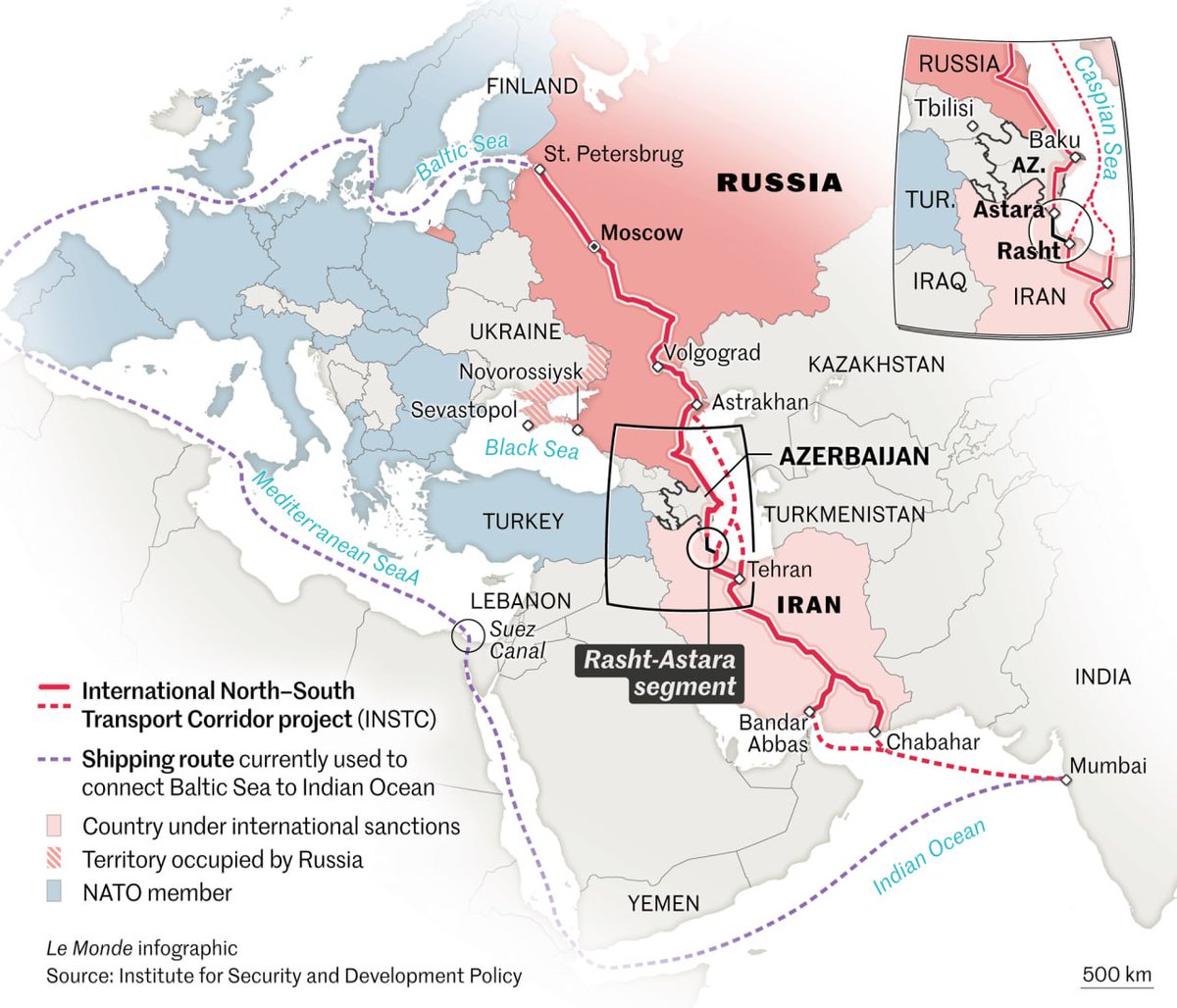
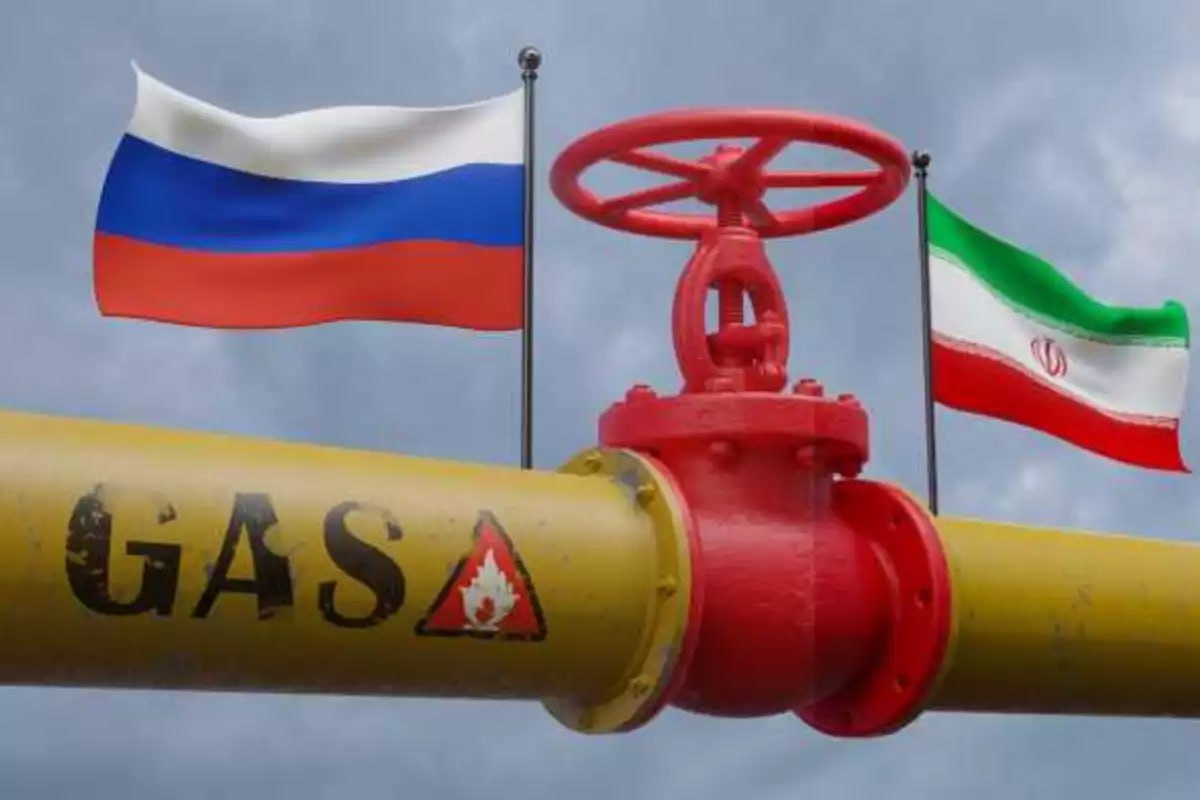
🔸In 2023, Moscow & Tehran signed a deal for 110 bcm/year of Russian gas transfers through Iran.
🔸That’s equal to the combined Nord Stream capacity.
Iran will function as a regional hub — moving Russian gas to neighbors and global markets.
🔸In 2023, Moscow & Tehran signed a deal for 110 bcm/year of Russian gas transfers through Iran.
🔸That’s equal to the combined Nord Stream capacity.
Iran will function as a regional hub — moving Russian gas to neighbors and global markets.
The Iran arrangement has broader implications:
🔸Positions Iran as an energy corridor for Eurasia
🔸Provides Russia with new distribution channels beyond Europe
🔸Asia and the Middle East rely heavily on spot LNG, but a Russia–Iran pipeline hub could offer cheaper, long-term supply and reduce dependence on volatile cargo markets.
It’s both infrastructure and strategy.
🔸Positions Iran as an energy corridor for Eurasia
🔸Provides Russia with new distribution channels beyond Europe
🔸Asia and the Middle East rely heavily on spot LNG, but a Russia–Iran pipeline hub could offer cheaper, long-term supply and reduce dependence on volatile cargo markets.
It’s both infrastructure and strategy.
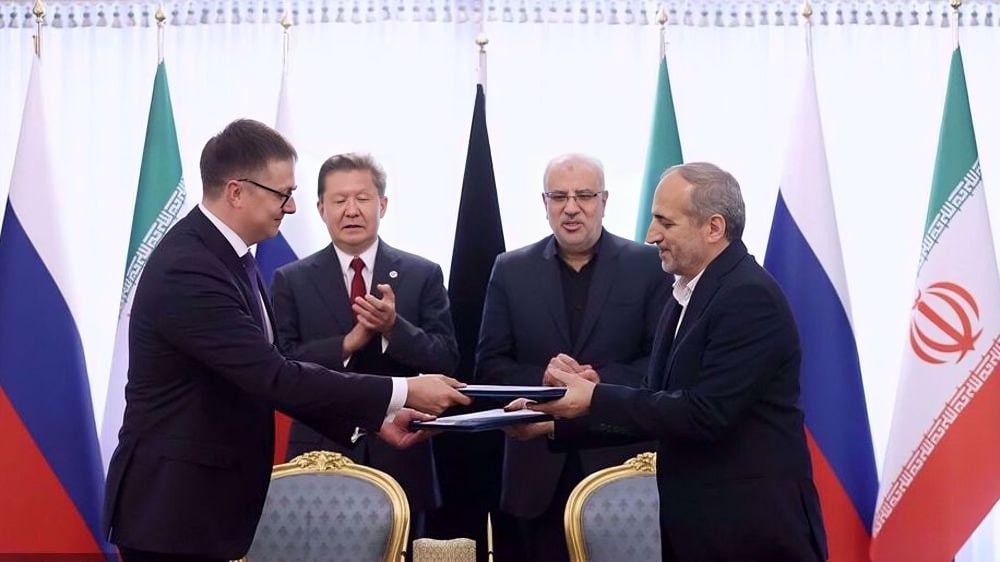
On top of that, Gazprom signed a $40 billion MOU to help Iran develop its massive (and largely untapped) gas reserves.
Iran has the world’s second largest reserves.
If this scales, the Iran-Russia energy axis could shake the entire LNG market.
Iran has the world’s second largest reserves.
If this scales, the Iran-Russia energy axis could shake the entire LNG market.
The Big Picture:
🔸China: 100 bcm/year locked in
🔸Iran: 110 bcm/year transfer deal
🔸That’s ~210 bcm/year — effectively replacing the entire European market.
Moscow no longer needs Nord Stream.
🔸China: 100 bcm/year locked in
🔸Iran: 110 bcm/year transfer deal
🔸That’s ~210 bcm/year — effectively replacing the entire European market.
Moscow no longer needs Nord Stream.
Global impact:
🔸Reduced European leverage over Russian exports
🔸Greater role for Asia & the Middle East in global energy flows
🔸LNG market faces pressure as pipeline alternatives expand
🔸Russia’s stable energy supply strengthens Asian and Middle Eastern economies, shifting the global economic balance from the West to the Global South.
🔸Reduced European leverage over Russian exports
🔸Greater role for Asia & the Middle East in global energy flows
🔸LNG market faces pressure as pipeline alternatives expand
🔸Russia’s stable energy supply strengthens Asian and Middle Eastern economies, shifting the global economic balance from the West to the Global South.
Europe cut itself off from Russian gas.
But Russia simply moved East.
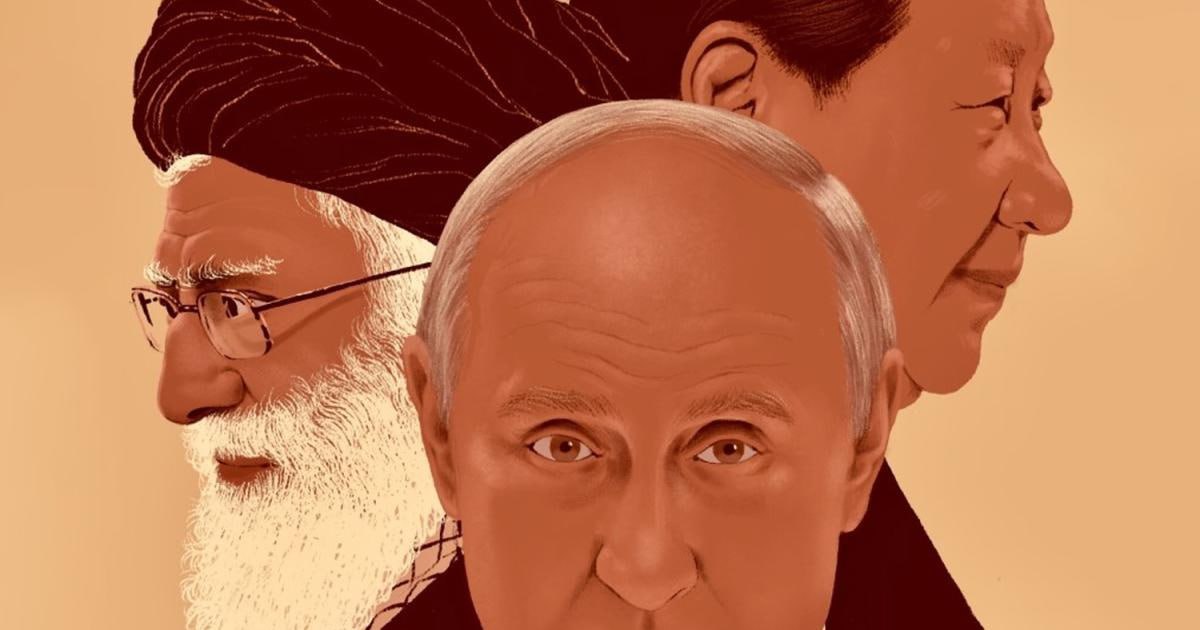
With China & Iran, Moscow is building an energy alliance that could redefine the global balance of power — pipeline by pipeline.
But Russia simply moved East.
With China & Iran, Moscow is building an energy alliance that could redefine the global balance of power — pipeline by pipeline.
• • •
Missing some Tweet in this thread? You can try to
force a refresh






