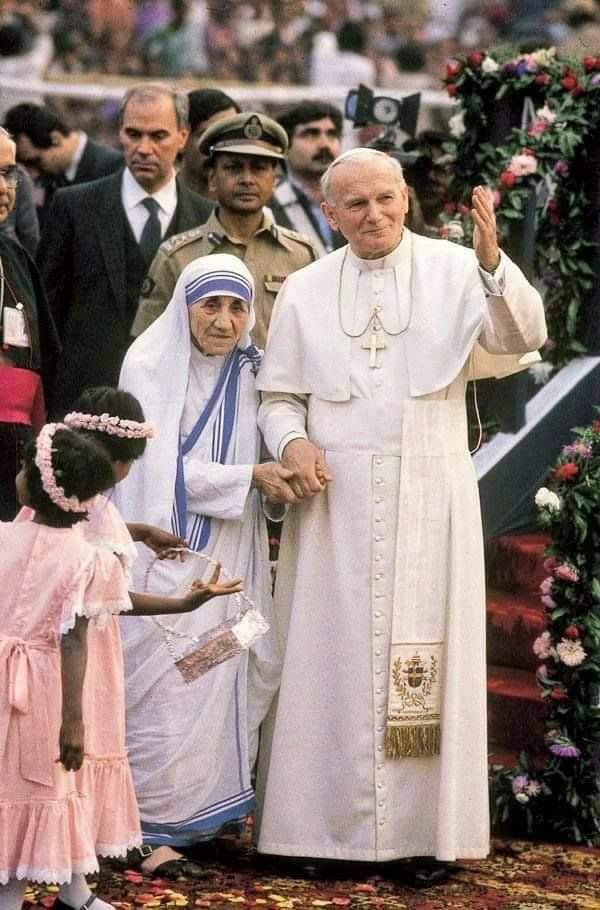
✝️ Today in The Daily Office we remember Mother Teresa of Calcutta.
A 🧵
She was an Albanian-Indian Roman Catholic nun who founded the Missionaries of Charity, dedicated her life to serving "the poorest of the poor" in Calcutta and around the world, and became renowned for her charitable work and devotion to Christ.
"We can only do small things with great love." - Mother Teresa
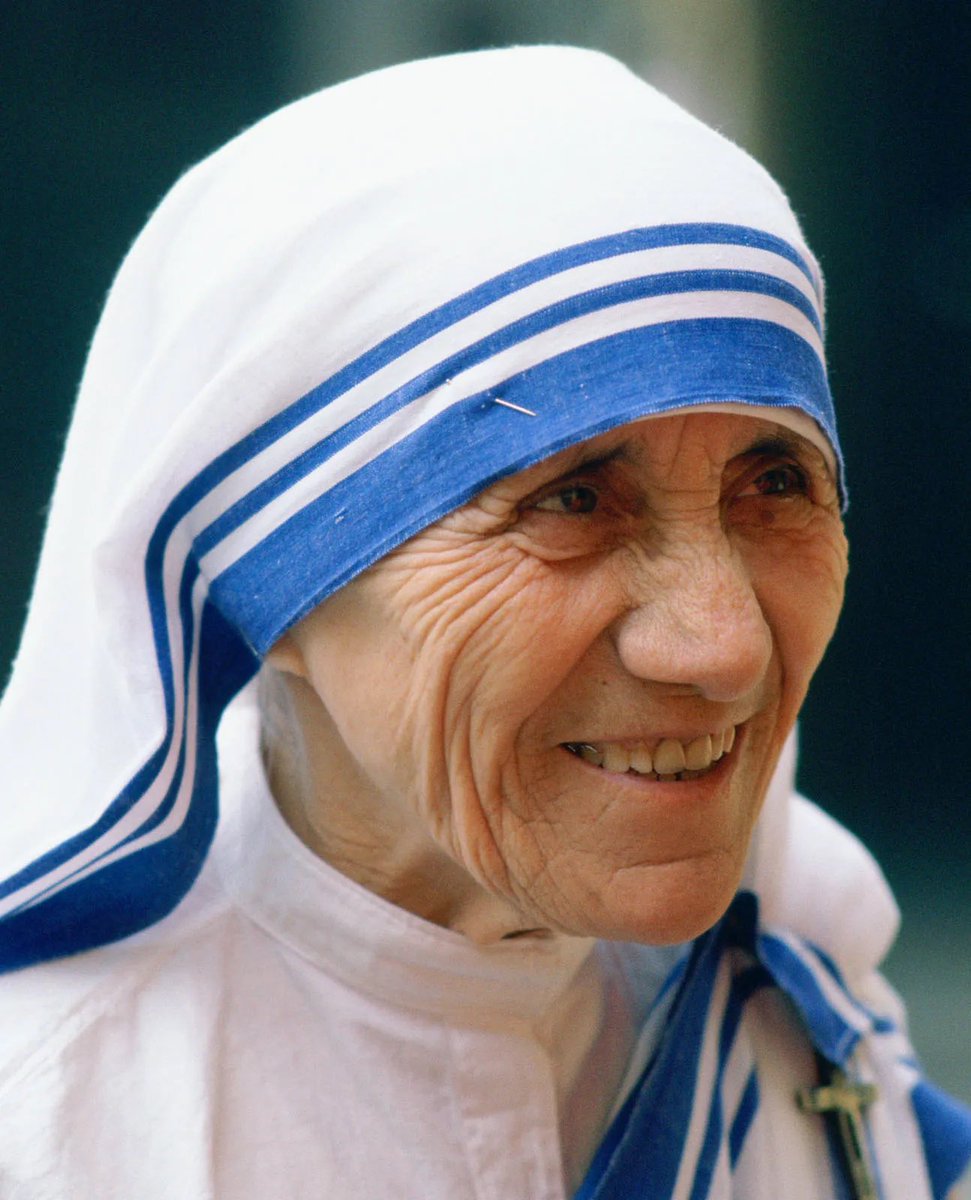
2/ Born in 1910 in Skopje, Mother Teresa joined the Sisters of Loreto at 18 and moved to India, where she founded the Missionaries of Charity in 1950.
She dedicated her life to serving "the poorest of the poor" in Calcutta's slums, establishing hospices, homes for orphaned children, and clinics for people with leprosy and HIV/AIDS.
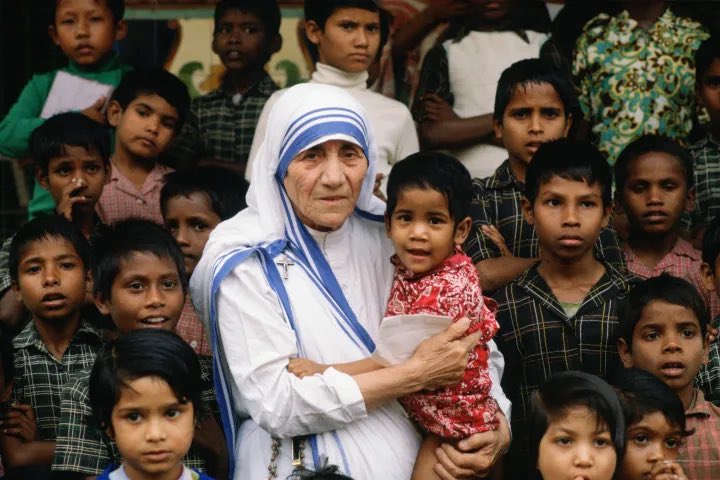
3/ She lived out her faith through radical acts of charity, seeing Christ in the poor and marginalized, inspired by Jesus' words "I thirst" and "As you did to the least of these, you did it to me".
And she received numerous honors including the Nobel Peace Prize in 1979, using the monetary award to serve the poor in India.
4/ She experienced a profound "dark night of the soul," feeling spiritual emptiness while continuing her tireless work, demonstrating deep faith beyond emotions.
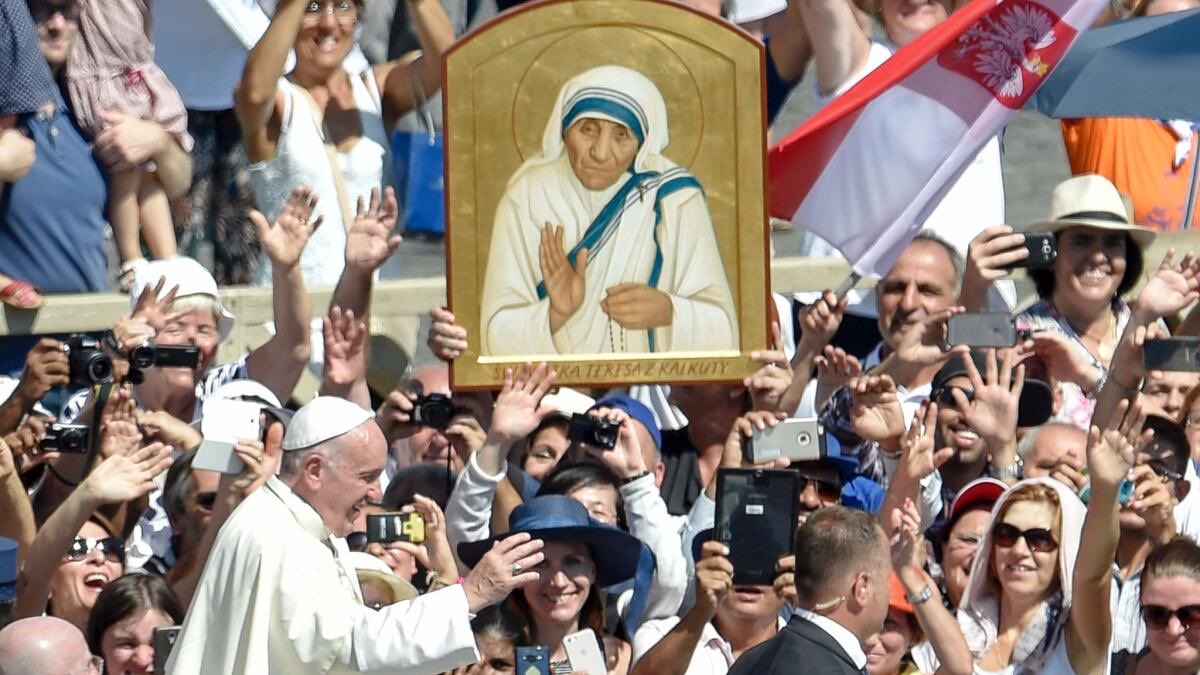
She was canonized as a saint in the Roman Catholic Church in 2016, with her feast day celebrated on September 5, the anniversary of her death in 1997.
"And the King will answer them, 'Truly, I say to you, as you did it to one of the least of these my brothers, you did it to me.'"
- Matthew 25:40
🙏🏻
Almighty and everlasting God,
who didst enkindle the flame of thy love in the heart of thy servant Mother Teresa to manifest divine compassion and mercy to the poor and the persecuted:
Vouchsafe unto us, thy humble servants, a like faith and power of love, that we who give thanks for her righteous zeal may profit by her example; through Jesus Christ thy Son our Lord, who liveth and reigneth with thee, in the unity of the Holy Ghost, ever one God,
world without end,
Amen.
🧑🧑🧒🧒We’re a church without a building right now.
🙋🏻♂️Can you help us?
⛪️We can do so much more to bring people to Jesus and to serve the community if we had a building of our own.
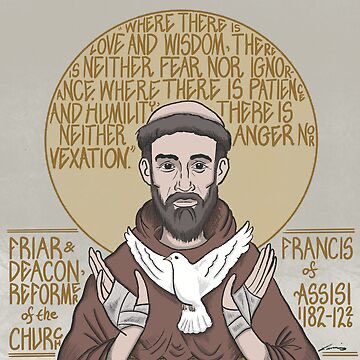
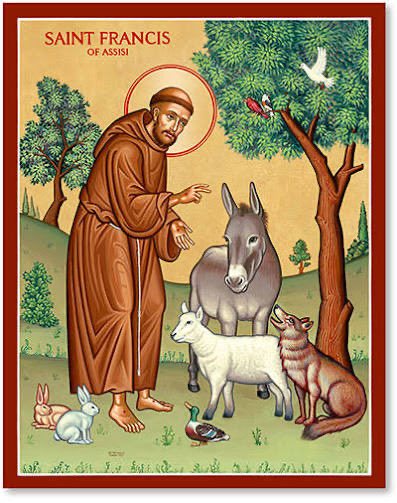
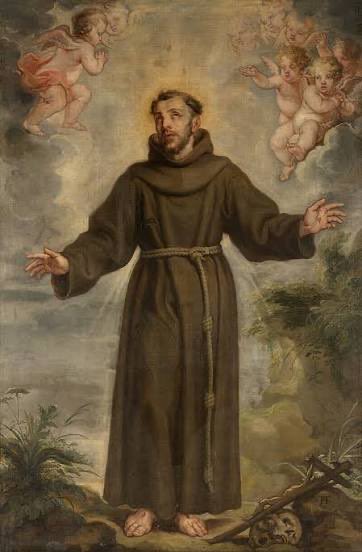
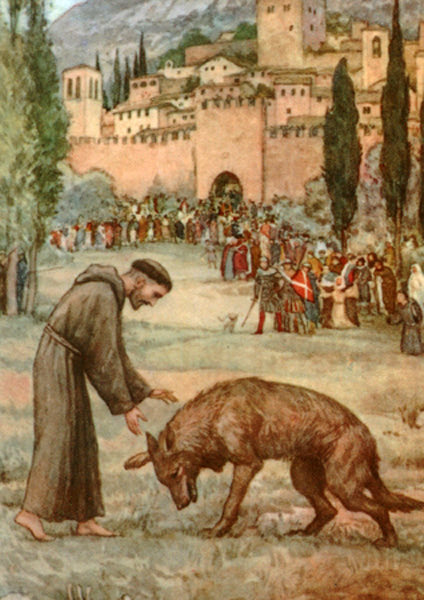
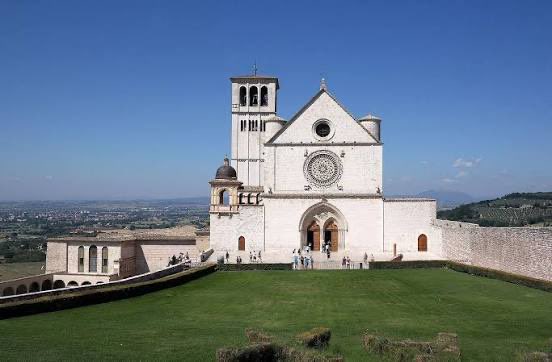
He was a 13th-century Italian Catholic friar, deacon, and founder of the Franciscan orders who is known for his radical commitment to poverty, his love for nature and animals, and his role in reforming the Church through his example of simple living and literal interpretation of the Gospel, inspiring countless Christians to follow Christ more closely through asceticism, charity, and care for God's creation.
"All the darkness in the world cannot extinguish the light of a single candle."
-- St. Francis of Assisi 🕯️
•Born in 1181/82 in Assisi, Italy, Francis renounced his wealthy lifestyle to embrace poverty and preach the Gospel.
•Founded the Franciscan Order in 1209, emphasizing simplicity, poverty, and service to the poor.
•Received the stigmata in 1224, becoming the first recorded person to bear the wounds of Christ's Passion.
•Composed the "Canticle of the Sun," celebrating God's creation, and initiated the tradition of the Christmas nativity scene.
•Pioneered a new form of religious life focused on evangelical poverty and active ministry in the world, rather than monastic seclusion.
•Died in 1226 and was quickly canonized in 1228, becoming one of the most venerated saints in Christian history.
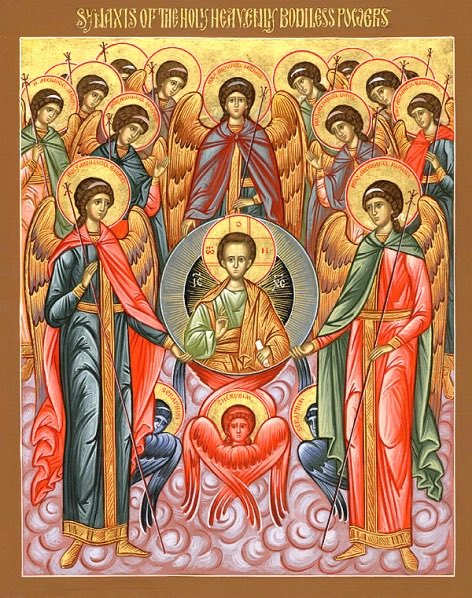
Today is St Michael & All Angels’ Day – also called Michaelmas. 🌿
It’s one of the traditional quarter days in the Christian year, marking the turning of the seasons.
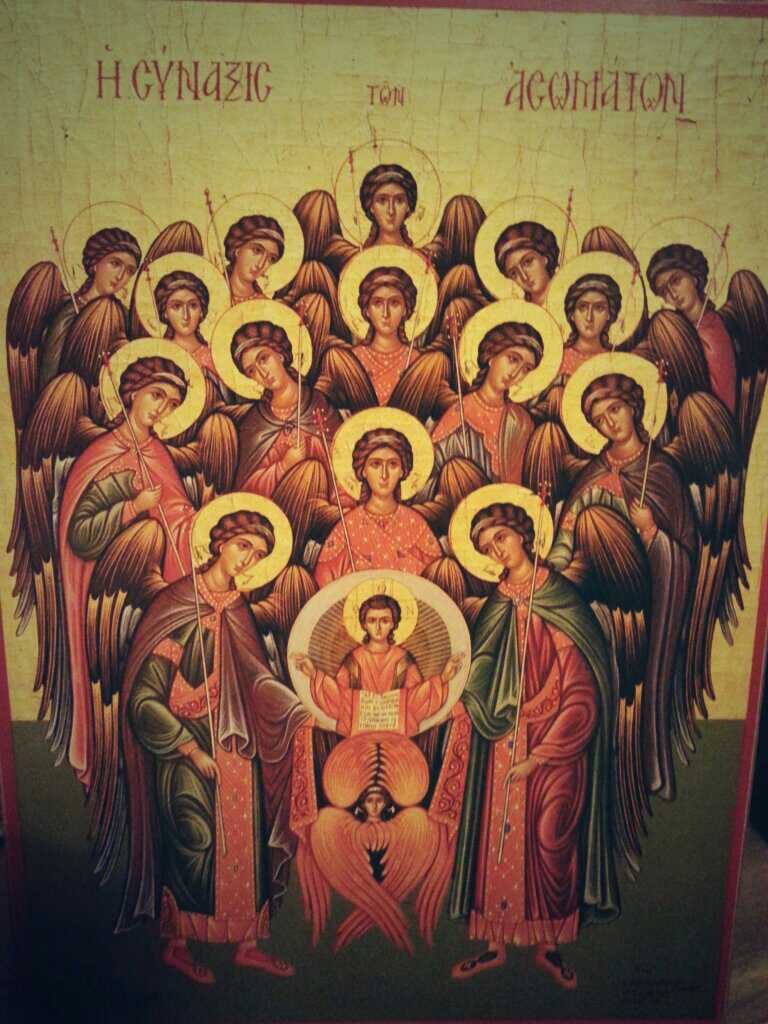
Holy Michael and All Angels refers to the Archangel Michael and the heavenly host of angels who, in Christian tradition, are celebrated for their role as spiritual warriors against evil, protectors of God's people, and servants who carry out God's will, reminding believers of God's constant care and the cosmic battle between good and evil.
"God loves in the Seraphim, as charity, knows in the Cherubim, as truth, is seated in the Thrones, as equity, reigns in the Dominions, as majesty, rules in the Principalities, as principle, guards in the Powers, as salvation, acts in the Virtues, as strength, reveals in the Archangels, as light, assists in the Angels, as piety."
-St. Bernard
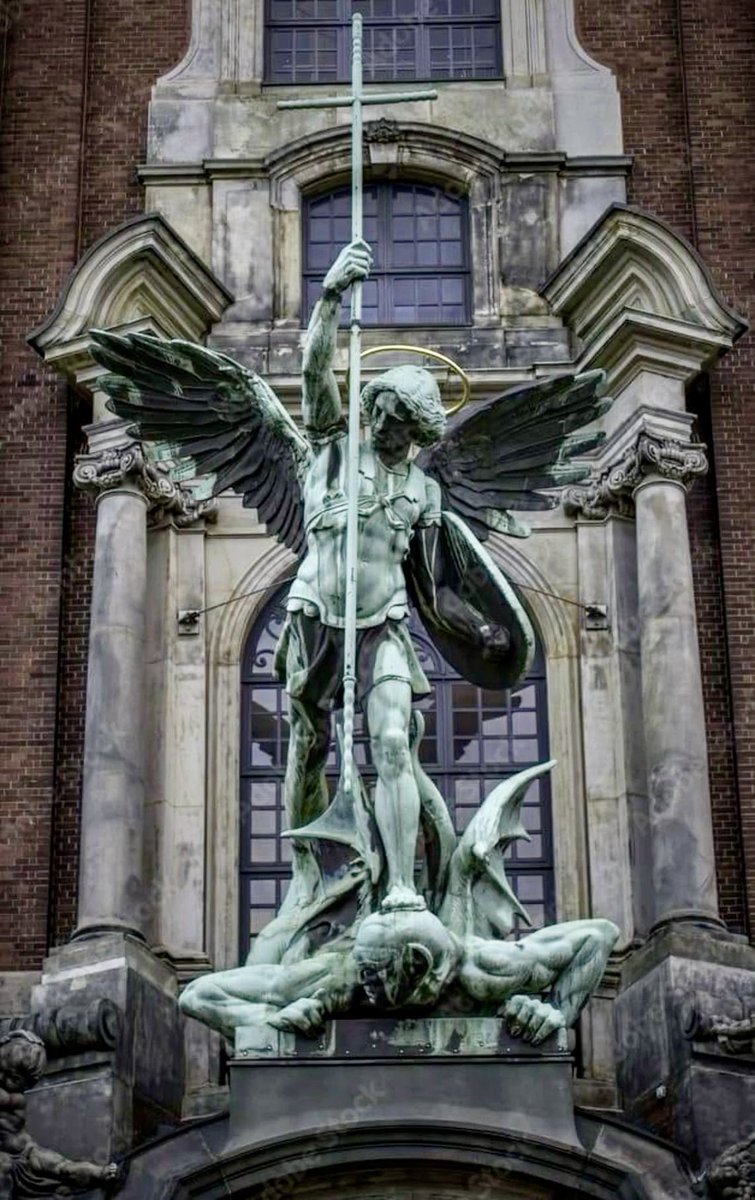
St Michael the Archangel is often depicted as a warrior, defending God’s people and casting out Satan (Revelation 12:7-9). ⚔️
He’s a reminder of God’s protection in times of struggle.
The feast also honours all angels – God’s messengers – who guide, protect, and worship before His throne. 👼
Matthew, one of the twelve Apostles of Jesus Christ, was a former tax collector who became an evangelist and author of the first Gospel, known for his detailed account of Jesus' life and teachings, particularly emphasising Jesus as the fulfillment of Old Testament prophecies and the promised Messiah.
"O Almighty God, who by thy blessed Son didst call Matthew from the receipt of custom to be an Apostle and Evangelist: Grant us grace to forsake all covetous desires and inordinate love of riches, and to follow the same thy Son Jesus Christ, who liveth and reigneth with thee and the Holy Ghost, one God, world without end. Amen."
-The Book of Common Prayer
Matthew, originally a tax collector, was called by Jesus to become one of the twelve apostles.
He authored the Gospel of Matthew, the first book of the New Testament, which emphasises Jesus' fulfillment of Old Testament prophecies.
After Jesus' ascension, Matthew preached the Gospel in various regions, including Syria, Persia, and Ethiopia.
Tradition holds that Matthew was martyred, possibly in Ethiopia, while spreading the Christian faith.
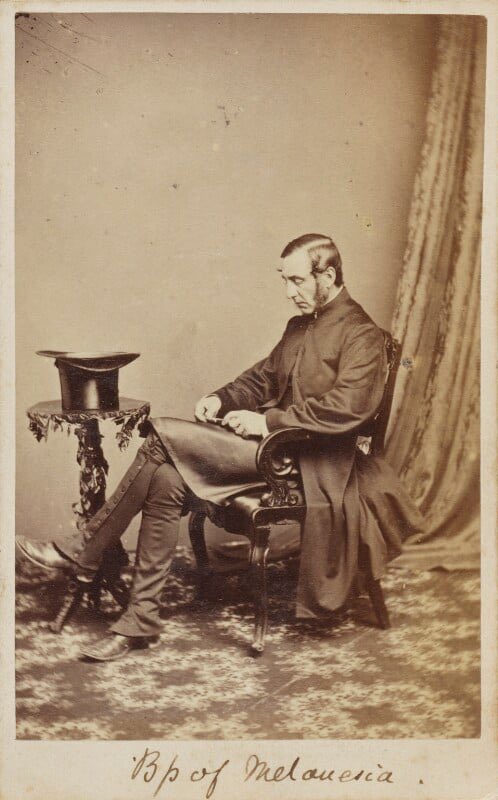
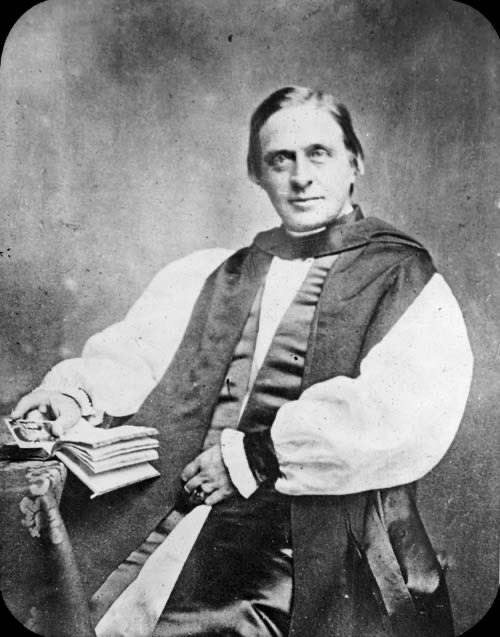
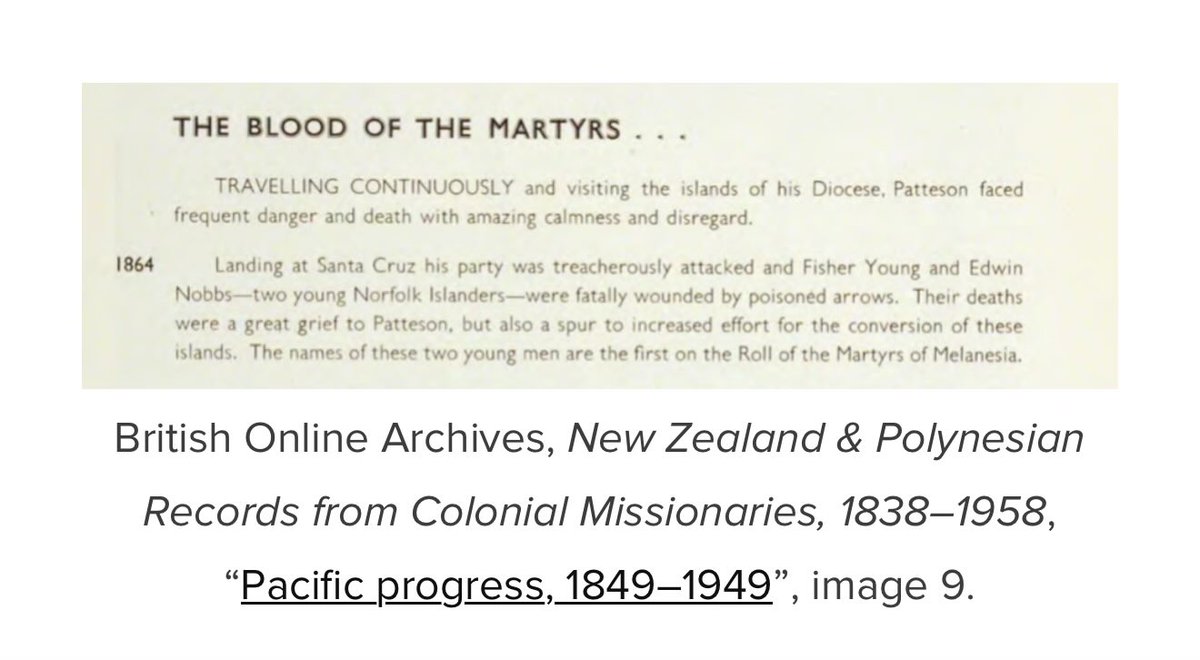
He was an English Anglican bishop, missionary, and linguist who became the first Bishop of Melanesia in 1861, dedicating his life to evangelizing and educating the people of the South Pacific islands and fighting against slavery, until his martyrdom in 1871.
Born in London in 1827, John Coleridge Patteson became a missionary to the South Pacific islands in 1855, responding to Bishop Selwyn's call.
Consecrated as the first Bishop of Melanesia in 1861, Patteson was a gifted linguist who learned 23 Melanesian languages to better communicate with and minister to the indigenous peoples.
He founded schools for native Christian workers, including St. Barnabas College on Norfolk Island, and worked to develop a distinctly Melanesian expression of Christianity.
He actively opposed the slave trade ("blackbirding") in the South Pacific and advocated for justice for the Melanesian people.
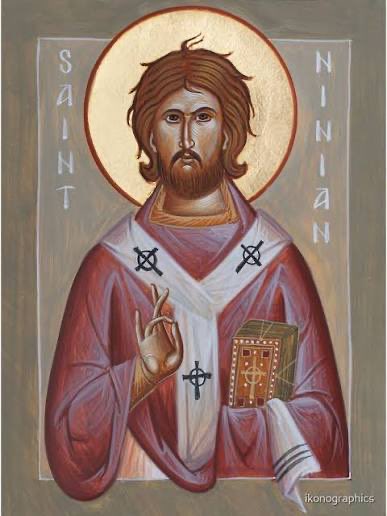
He was a 4th-5th century Briton, is known as the Apostle to the Southern Picts and the first bishop of Galloway, who established the influential monastery of Candida Casa (Whithorn) and played a crucial role in spreading Christianity throughout Scotland and northern England through his missionary work and teachings.
"O God, who hast converted the people of the Picts and Britons, by the teaching (doctrinam) of St Ninian thy bishop and confessor, to the knowledge of thy Faith, graciously grant that as by his instruction we are imbued by the light of truth, so by his intercessions we may attain to the joys of the heavenly life; through Jesus Christ our Lord. Amen."
- Collect from the Missal of Arbuthnott
Born around 360 AD in southern Scotland, Ninian was educated in Rome and became the first major preacher of the Gospel in Britain north of Hadrian's Wall.
He established his episcopal see at Whithorn, Galloway, where he built a stone church called Candida Casa (White House) around 397 AD, which became an important monastic centre.
Ninian conducted extensive missionary work among the southern Picts and Celts, preaching throughout southern Scotland and parts of northern England.
He is credited with laying the foundation for later missionary efforts by figures like St. Columba and St. Kentigern, playing a crucial role in preserving Romano-British Church traditions and shaping Celtic Christianity.
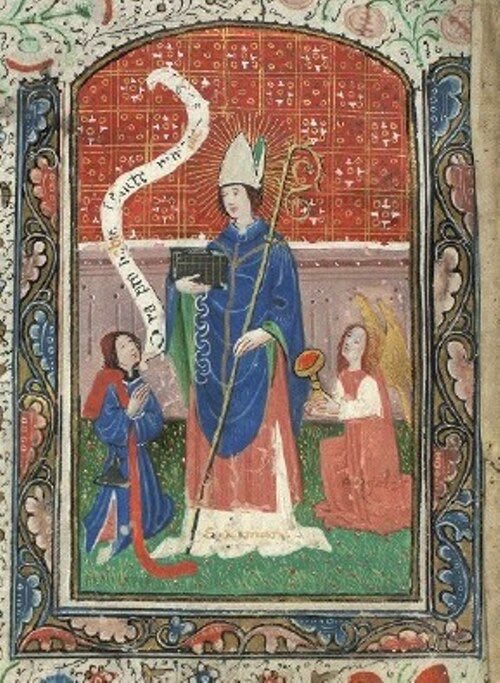
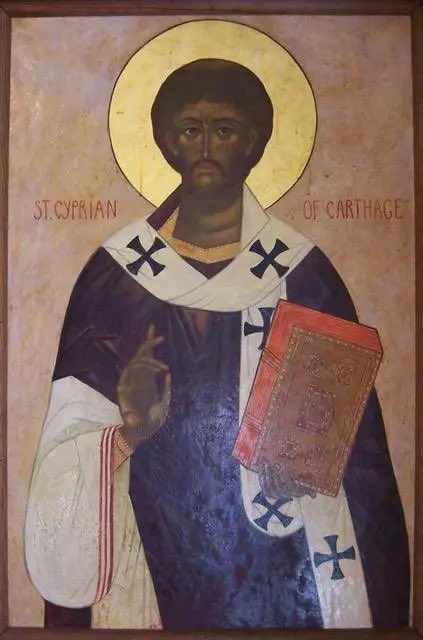
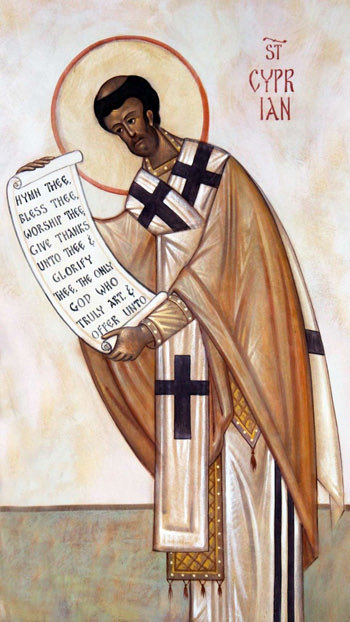
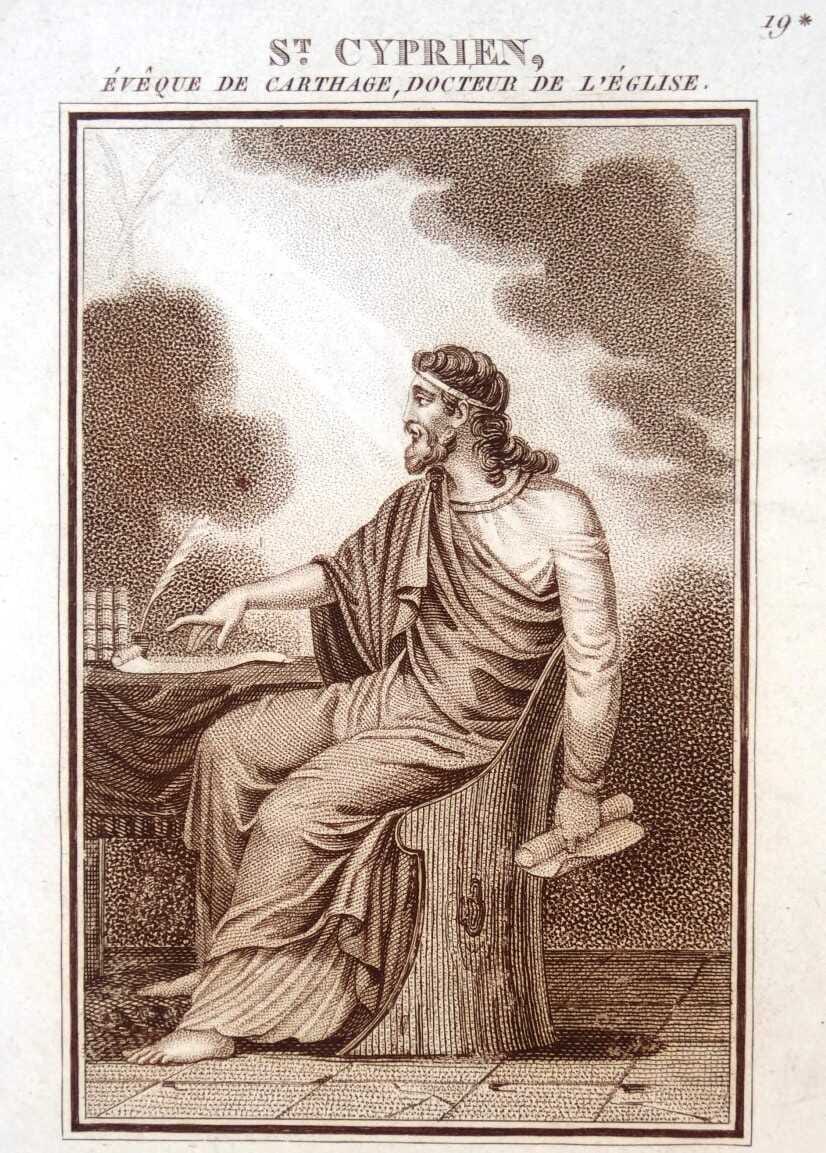
✝️ Today we remember Cyprian, Bishop of Carthage and Martyr (c. 200-258 AD).
He was an influential early Christian theologian and bishop known for his writings on church unity, his leadership during persecution, and his martyrdom for the faith.
"No one can have God for his Father, who has not the Church for his mother." - Cyprian of Carthage
Born in 200 CE in Carthage, Cyprian converted to Christianity in 246 and became Bishop of Carthage two years later.
During the Decian persecution (250-251), Cyprian went into hiding but continued to lead his flock through letters, addressing the issue of lapsed Christians.
Cyprian emphasized the unity of the Church, asserting that bishops in council had final disciplinary authority and rejecting the concept of a supreme "bishop of bishops" in Rome.
He led relief efforts during a plague in Carthage, tending to the sick and burying the dead, demonstrating Christian charity and courage.