horekrokom | হরেকরকম Profile picture
Sep 6, 2025 20 tweets 8 min read Read on X
Ikir Mikir Insights 🧵✋🏼

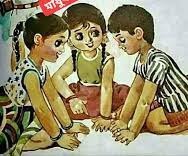
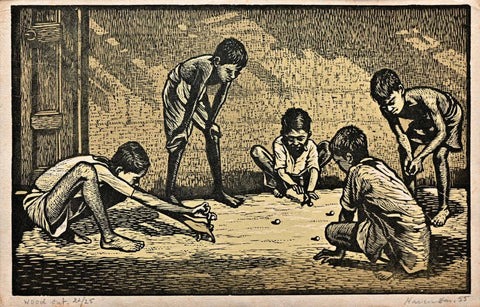
If you have been brought up in Bengali household, then you would have definitely played a lot of Ikir Mikir Cham Chikir spreading your fingers in your childhood days while narrating the rhyme. At a glance, Ikir Mikir might appear as child's rhyme of play Image
but actually the poem has got a much more intense and wrenching backstory that highlights many other sides of society. In the game, primarily two have to sit spreading their fingers, and one has to count fingers reciting the rhyme, where rhyme ends the finger needs to be folded. Image
Likewise, the one who completes folding all can hit the other one in the hand whose fingers are pending.
The rhyme opens with the line Ikir Mikir Cham Chikir, which means earning wages after working hard and farming (ikir). Image
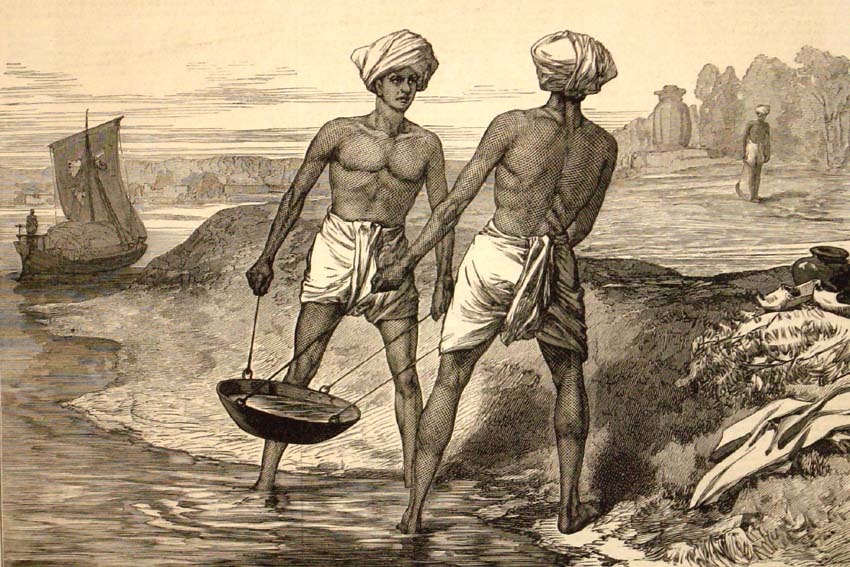
If that doesn't meet requirements, then working extra to earn (mikir), by going places (cham) and returning after earning wages (chikir). Now this little wage would be hindered by Royal Tax collectors (majumdar), who collect shares of taxes from earnings (chamer kata majumdar). Image
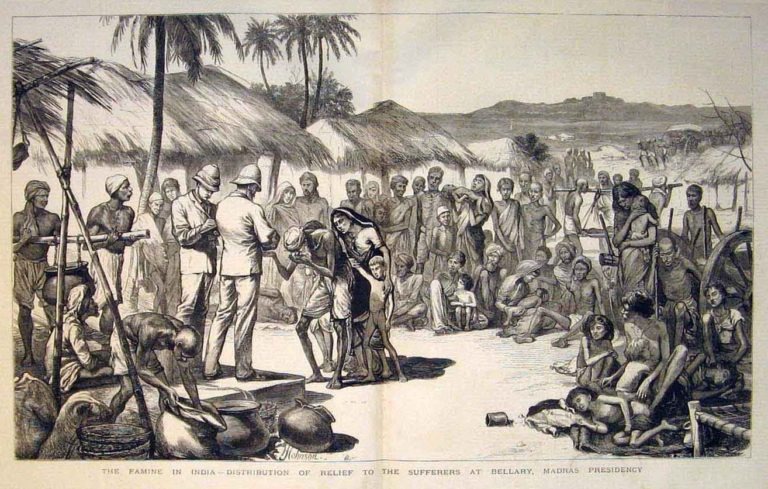
Whatever remains is now looted by Damodar, a community who would loot grains from farmers & trade them off in the market at cheaper rates (dheye elo damodar). After tax collectors - grain looters, whatever very, very little amount is saved is the only source of food Image
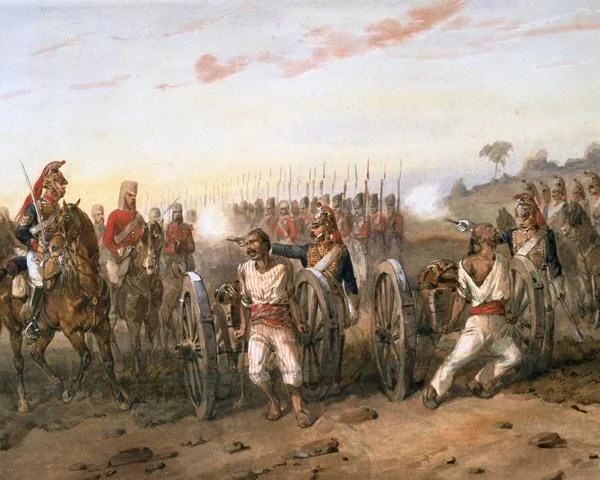
for the farmer’s family & earnings (daway boshe chaal kori), referencing cooking that little leftover rice as food. Already after loots & taxes, often farmers used to run out of reserves and have to starve most days, leading to famines. Image
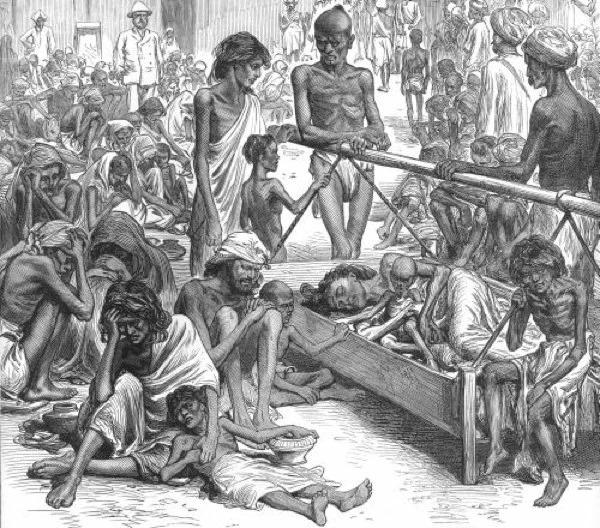
This has been used metaphorically as a delay in food timings as there are no reserves (chaal kadte holo byala, bhat khabi aay dupurbyala). Now, even in the limited share, fears of theft, robbers & antisocial beings are there, and farmers were frequently subjected to them. Image
For their simple living, it was easy to extort them, hence the line (bhaat e porlo machi – flies ruin the food). To tackle them, the only way for the poor farmers was to report to the police and landlord officials (kodals), referring to the line Kodal diye cachi. Image
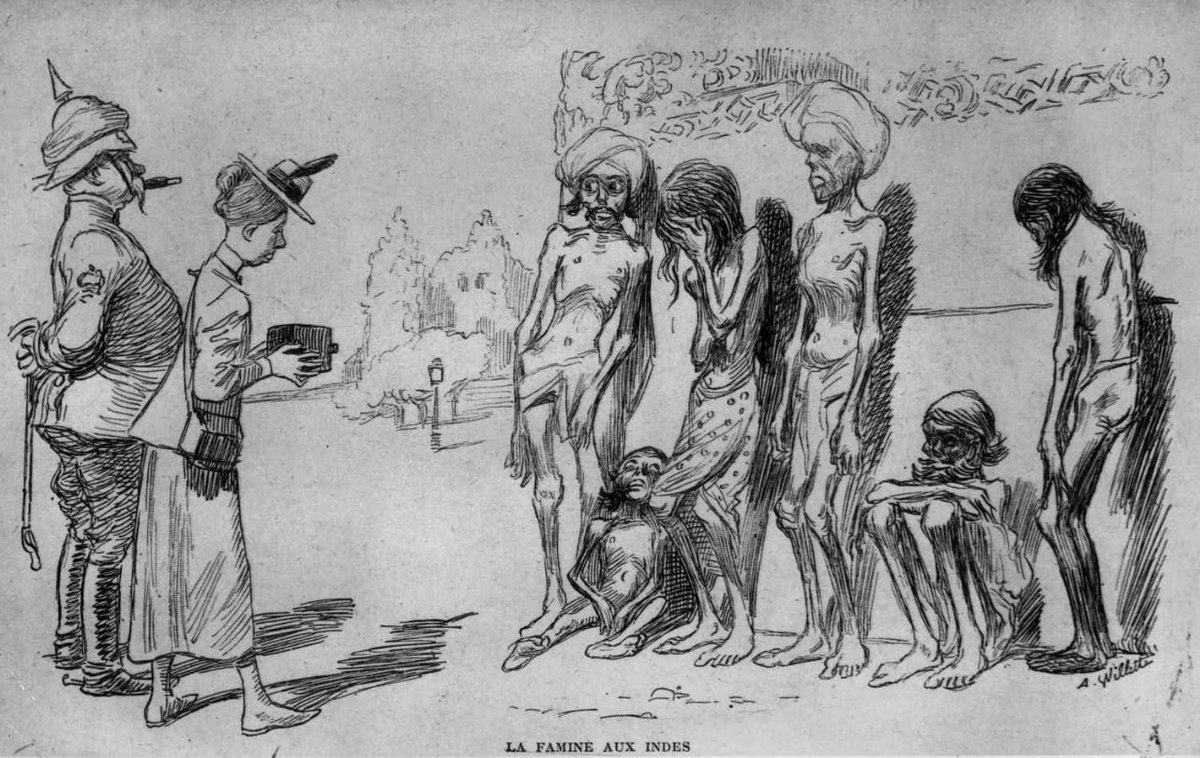
But again, these authorities were also corrupt & would mostly harass the farmers for bribes instead of helping them out, solving their problems (kodal holo bhota, dull). Kha sheyaler/kamarer matha, then whom to hope for? The recruiters or the higher authorities, Image
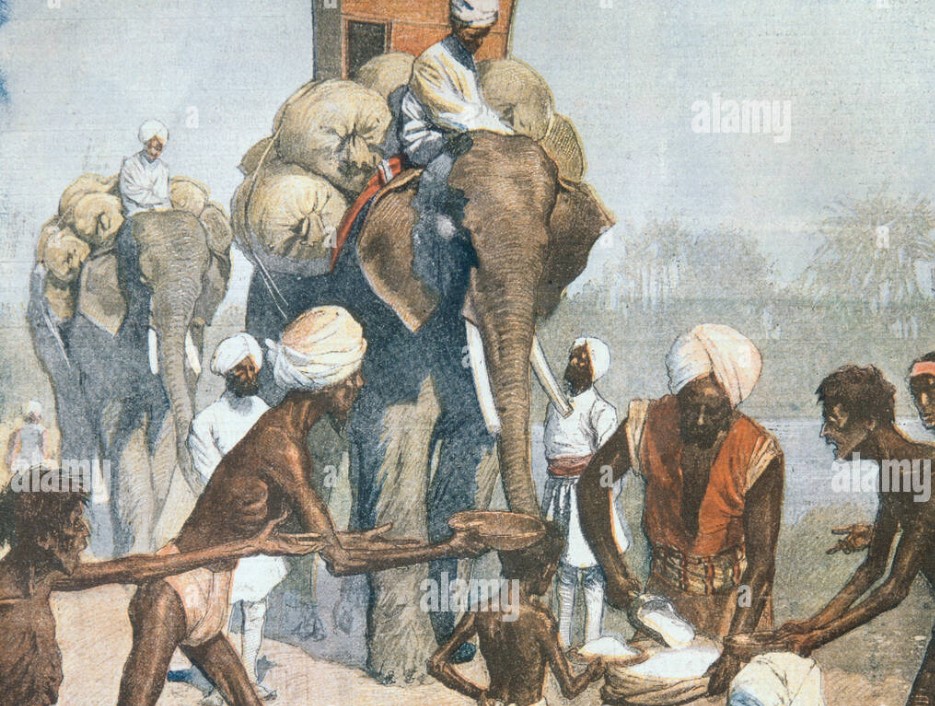
mostly landlords & officials, but hardly that brought any result, hence the loop continued. Basically, the story is how the lives of poor farmers & workers, after being distressed by tax collectors, grain looters, robbers, would resort to authority, but that too was corrupted Image
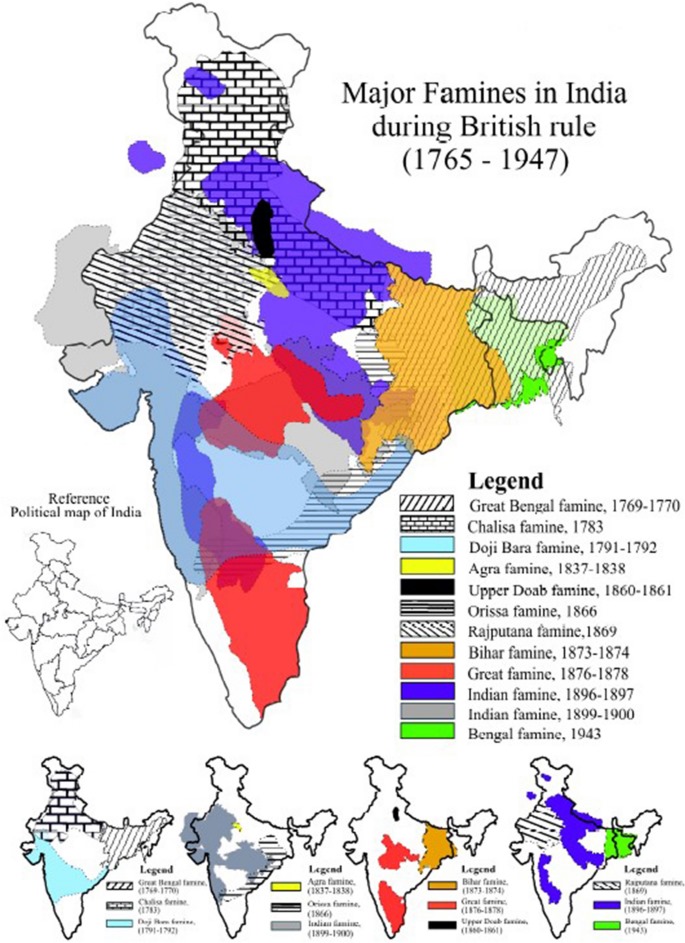
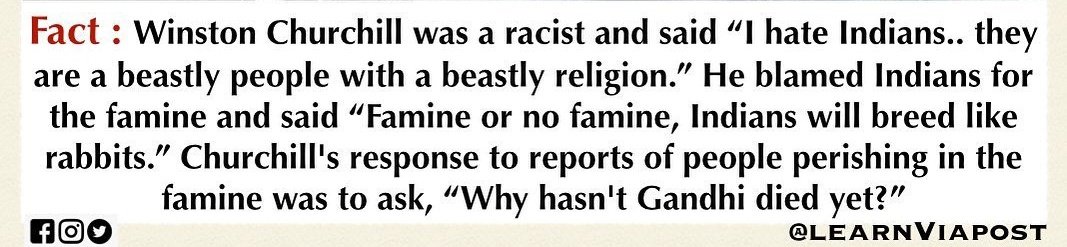
yielding no result, the same thing went on & on for ages, improving nothing. Bengal faced multiple famines & epidemics during 17th–19th century, among them claiming the lives of many such farmers and their families, the Great Bengal Famine, Image
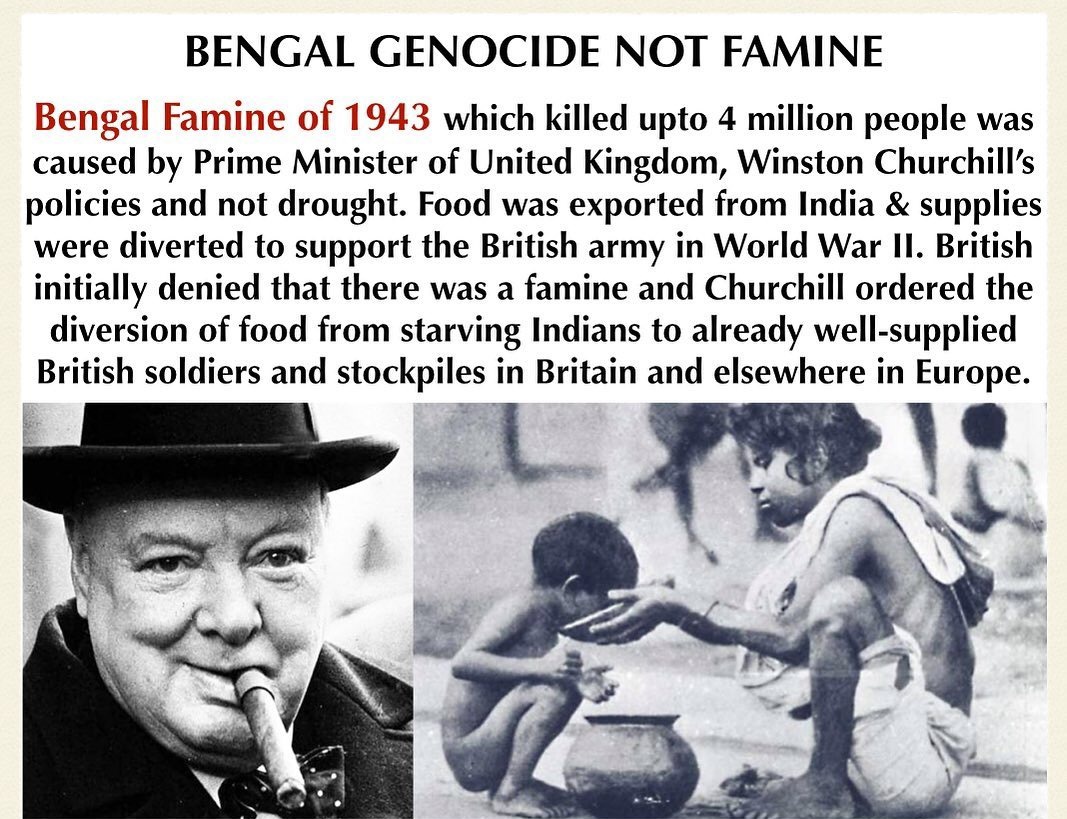
and Churchill's most gruesome plan devastating the repository of grain among them. The same picture gave rise to such rhymes. Even considering today, hardly any development is there in scope, be it innumerable protests, deaths nothing improves. Image
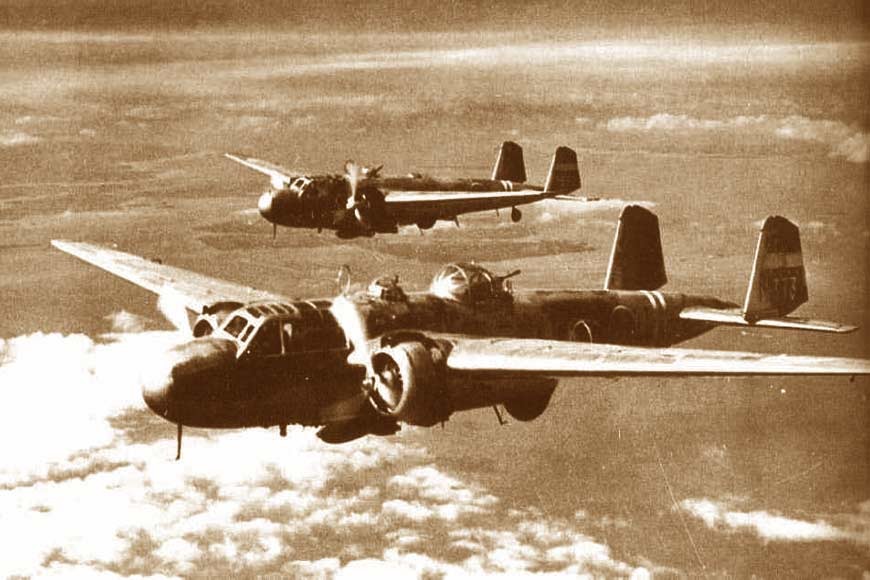
Not only this one, but one popular child rhyme goes, Sa Re Ga Ma Pa Dha Ni, Bomb feleche Japani, Bomber bhetor Keute Saap, Saheb bole Bapre Baap. This is a direct dig into Japanese air bomb drops over the city of Kolkata during World War II Image
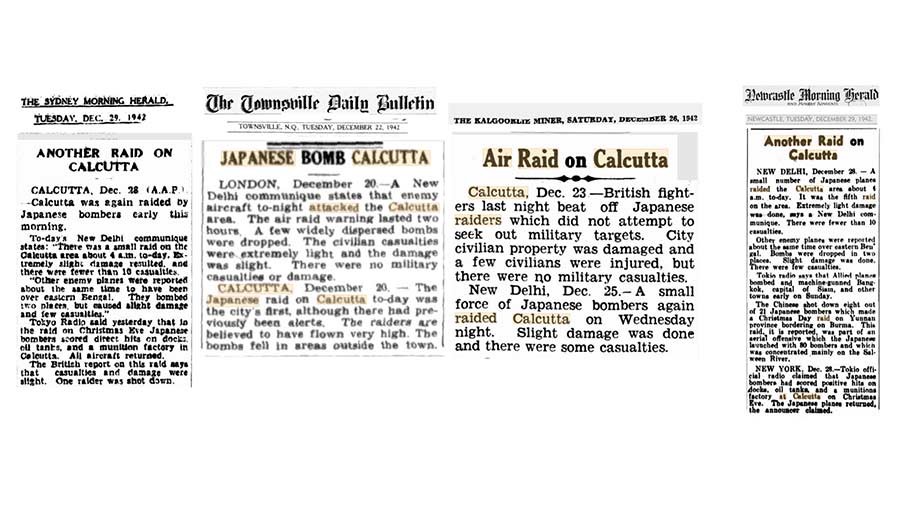
and how there were frequent blackouts & destruction, and how anxious the people were living so much so that it even mentions the English government being panic-stricken in shock owing to the bombings around (130 bombs). Image
Or the most popular lullaby of Bengali Shona ghumalo, para juralo, borgi elo deshe, bulbuli teh dhan kheyeche, khajna debo kishe, is the direct mention of the heinous mammoth Bargis, the Maratha Army attacks on villages and the uncalled-for loot of wealth carried on by them. Image
It says Bargis are robbing by night and the Mughal rulers are robbing by day by asking the poor commoners for high taxes even under attack and loot circumstances without any compromise, and the fear of being tortured reigns both way! Image
Probably behind fairytales & children's lullabies - rhymes, such deep subtexts & contexts have been presented passively so that the records get carried over generations, the dark philosophy and backstory often to be thought beyond! Image
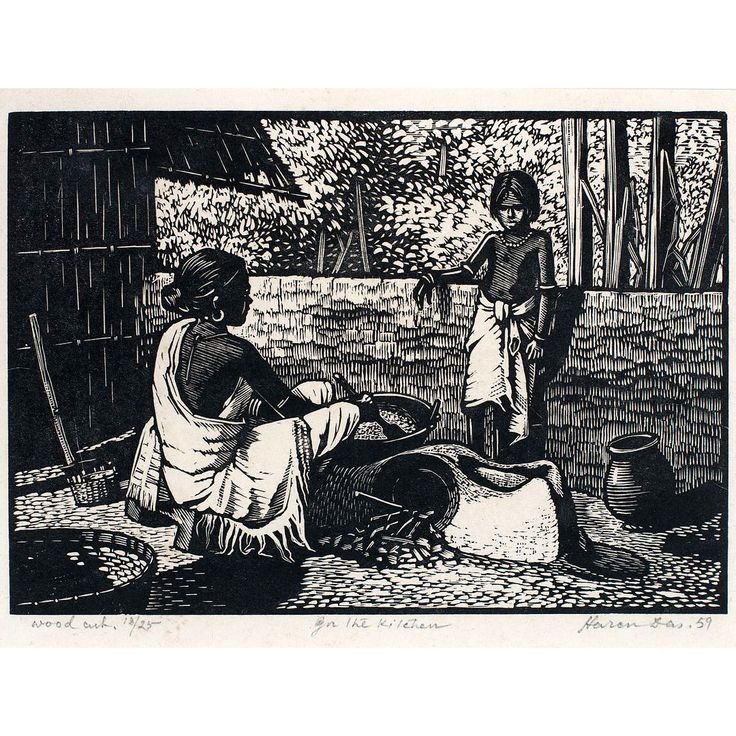
Nowadays with increasing technological and digital interference, upbringing has changed largely, owing to the disappearance of many such games & rhymes and many things which were part of our lifestyle has lost the relevancy over time. Image
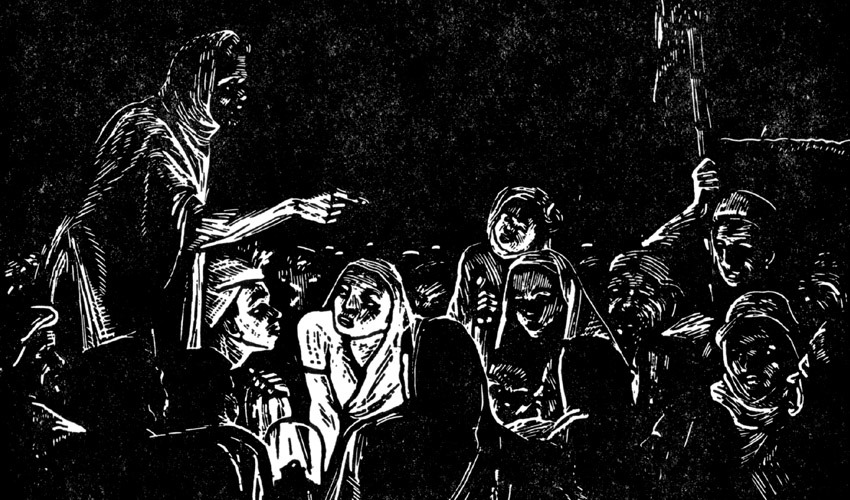
That's the nature of time to be accepted and imbibed but also a note to conserve some, which might be interesting to look back at in either way sustainably. Image
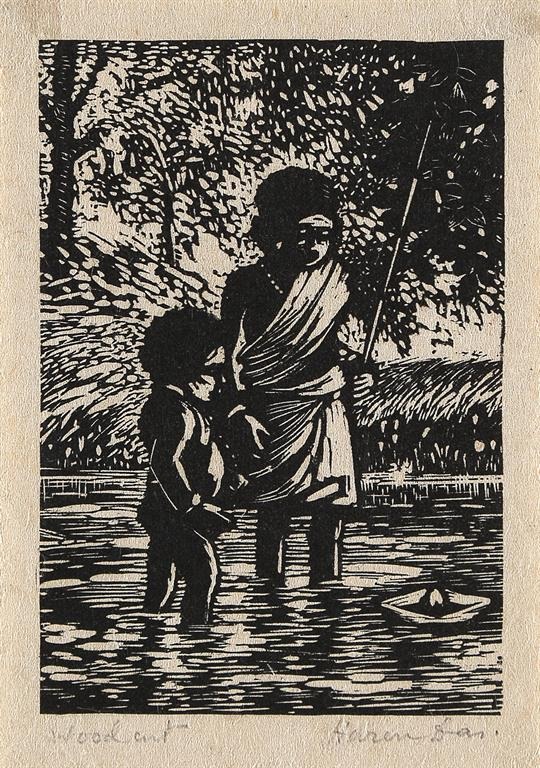
Do share if you have been into something alike that was part of your childhood but has been lost over time currently, that would be insightful and enriching to know & conserve!

END🧵✋🏼

PC - Internet, Haren Das Image

• • •

Missing some Tweet in this thread? You can try to force a refresh

 

Keep Current with horekrokom | হরেকরকম

horekrokom | হরেকরকম Profile picture

Stay in touch and get notified when new unrolls are available from this author!

Read all threads

This Thread may be Removed Anytime!

PDF

Twitter may remove this content at anytime! Save it as PDF for later use!

Try unrolling a thread yourself!

how to unroll video
  1. Follow @ThreadReaderApp to mention us!

  2. From a Twitter thread mention us with a keyword "unroll"
@threadreaderapp unroll

Practice here first or read more on our help page!

More from @horek_rokom

Feb 1
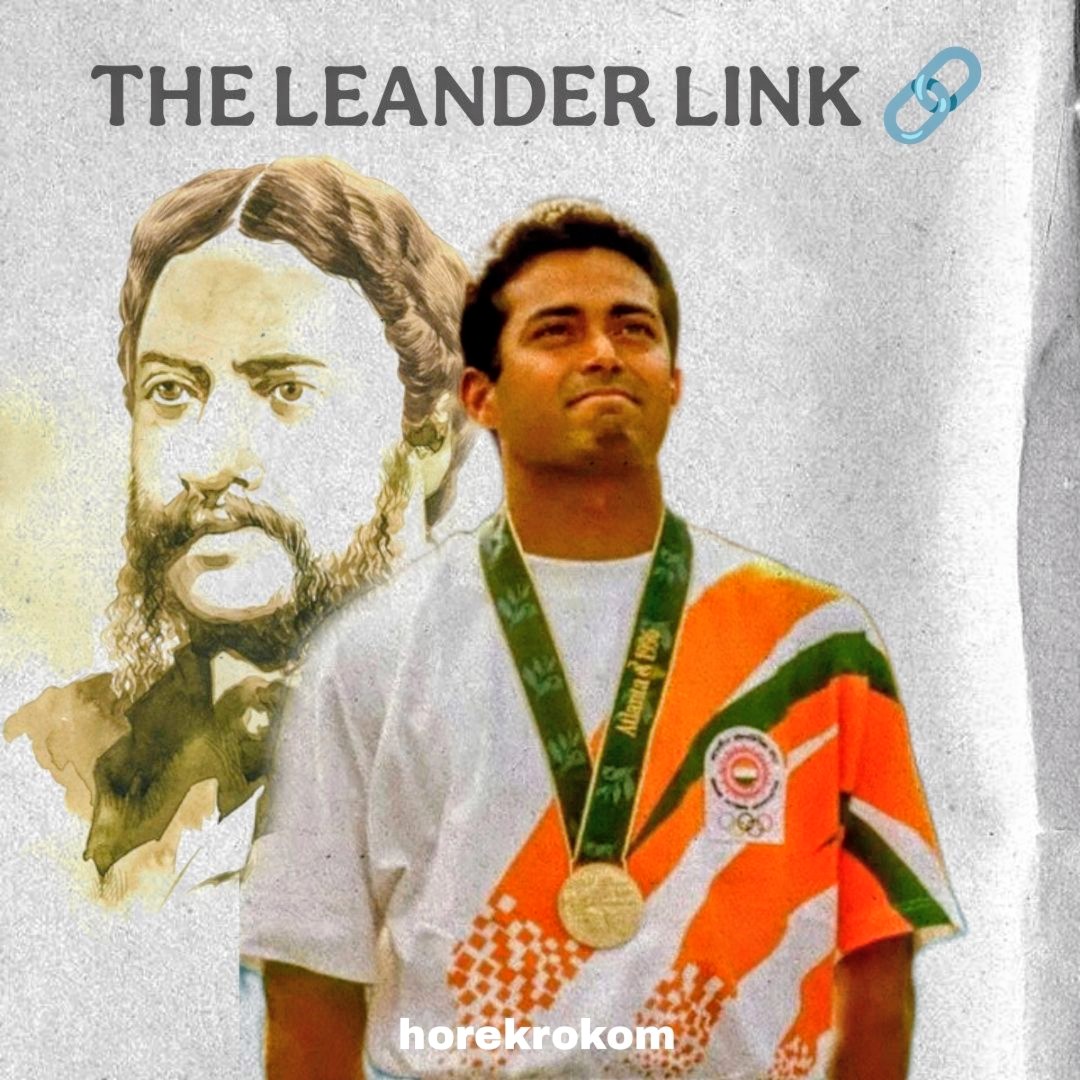
The Leander Link 🎾 🖇️ 🖊️ 🧵

What connects 18 time Grand Slam champion, 7 time Olympian, tennis icon of India, Leander Paes, directly to the 19th century maverick Bengali playwright Michael Madhusudan Dutta, and to Jessore & Madras? Sounds impossible, let’s connect the dots Image
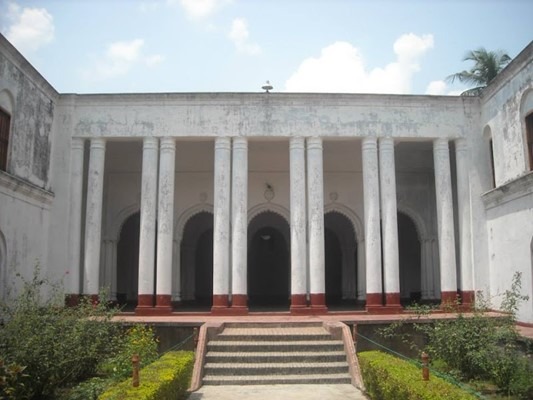
Michael Madhusudan Dutta’s ancestry hails from Jessore, Bangladesh, from village of Sagardahi. His father was a wealthy aristocrat, a well known advocate in Dewani Court, proficient in Persian, which earned him both possessions and popularity. Image
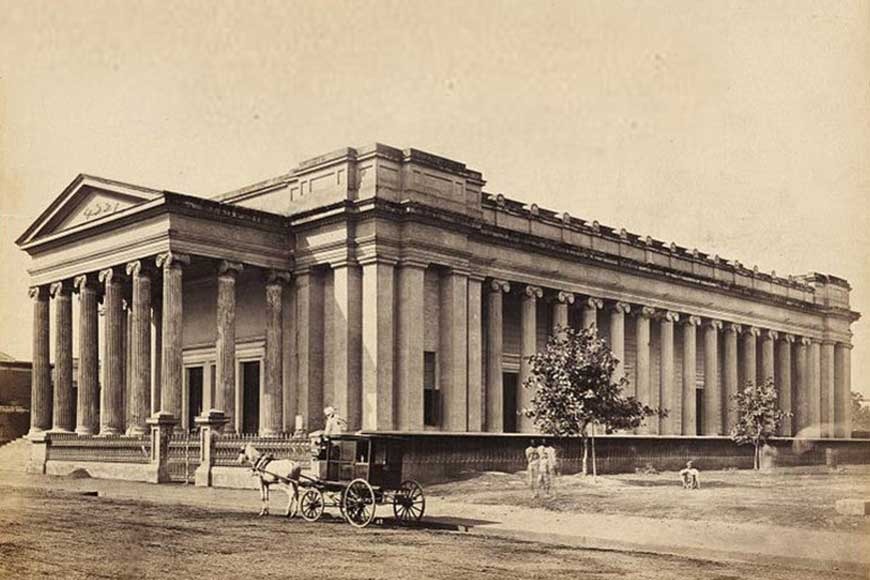
Influenced by colonial lifestyle & culture, Madhusudan embraced Christianity after coming to Kolkata, joining Hindu College, for which he was eventually debarred from his ancestry. In 1848, finding limited opportunities, Dutta moved to Madras for a living. Image
Read 10 tweets
Jan 11
The Gastronomic Monk 🌸🍽️ 🧵

Not only the meat-loving monk, Swami Vivekananda’s foodie voyage goes far beyond. From running food clubs to experimenting with recipes and hyping Indian cuisine abroad, this is a take on the culinary enigma of Swamiji. Image
On Vivekananda’s death, a popular daily wrote, The meat-loving monk passes away! A close associate of his jokingly remarked that he had preached Vedanta & biryani equally abroad. Swami Vivekananda considered physical activity & proper diet as two core principles of survival, Image
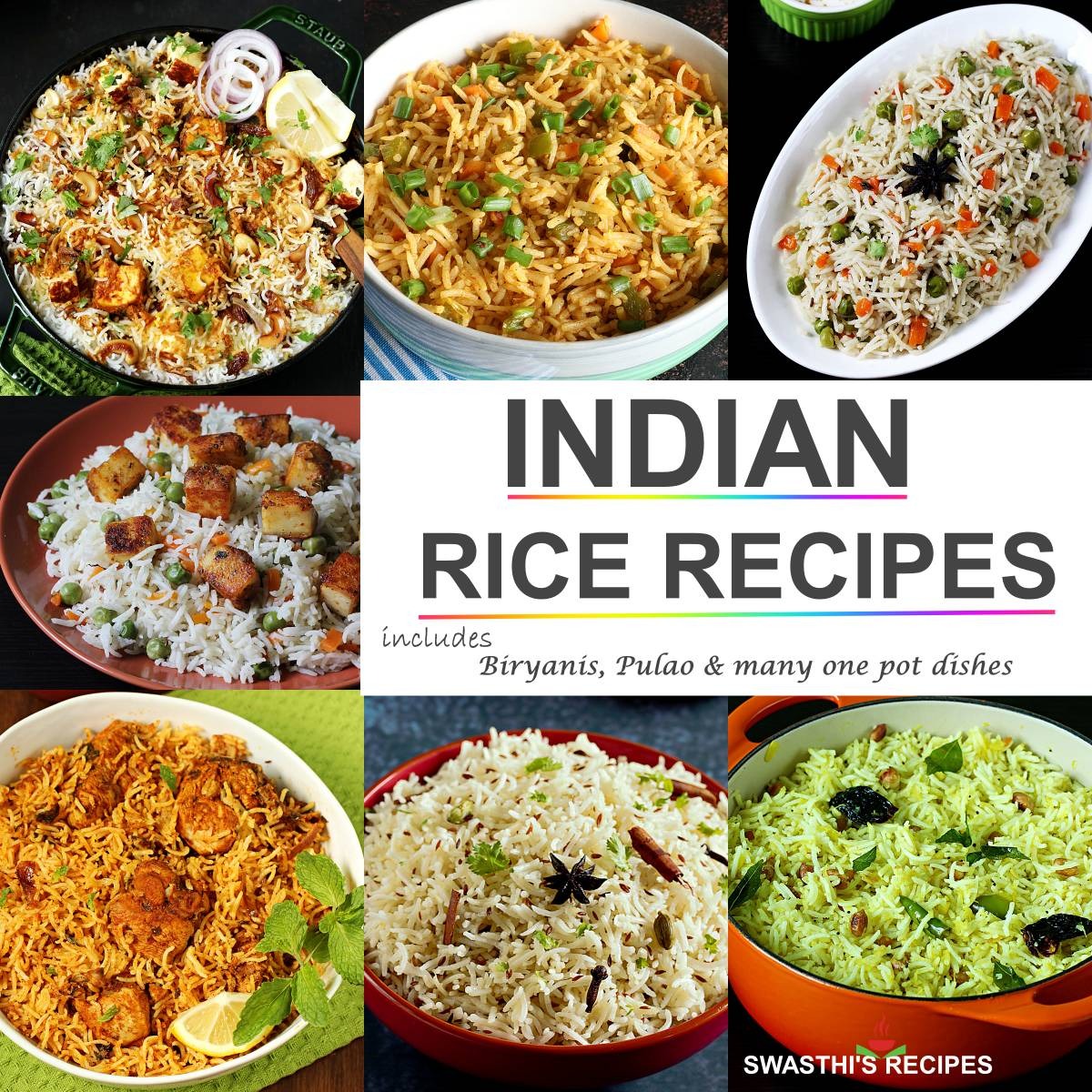
hence, he never imposed any dietary restrictions, rather endorsed variety & food freedom himself was an explorer of cuisines. It's said after giving diksha to followers, Swamiji first remarked, “From today you are free to eat all the 36 types of rice dishes with meat and fish!” Image
Read 30 tweets
Dec 24, 2025
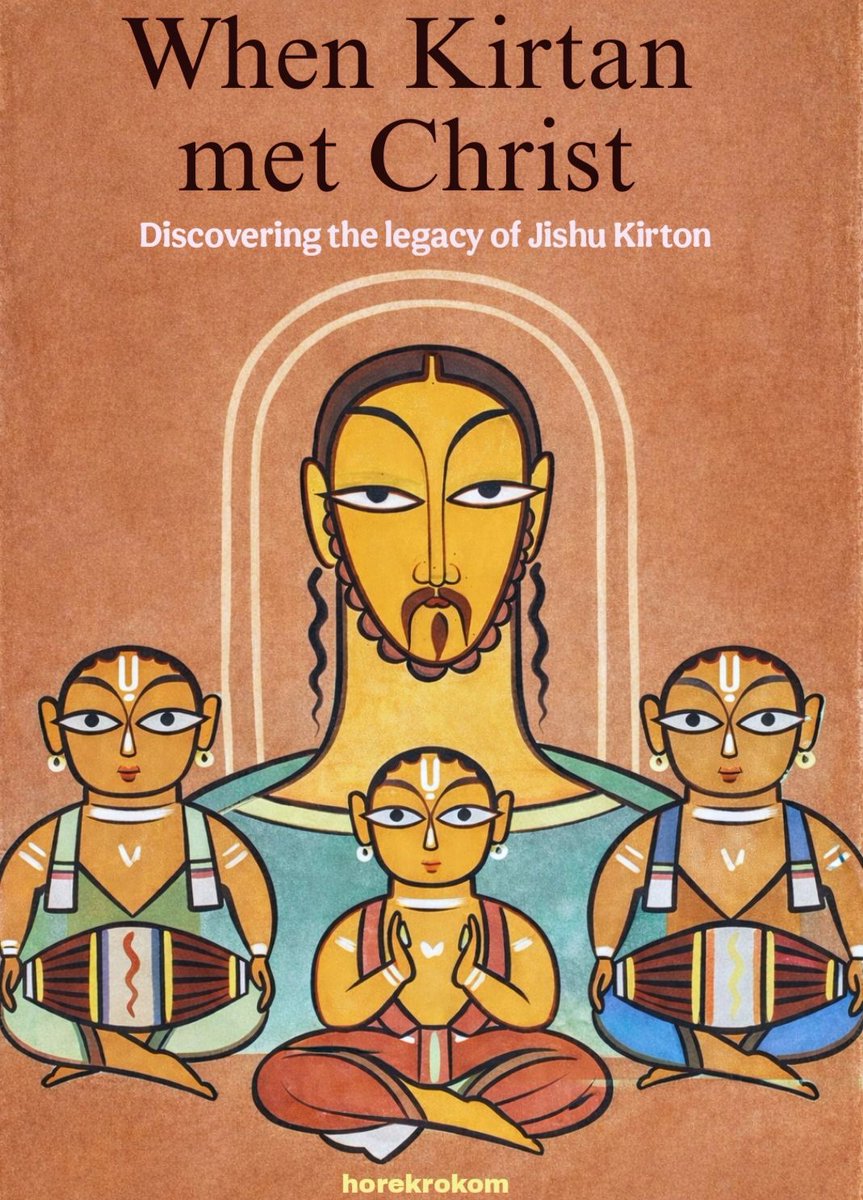
When Bengal's iconic Kirtan caught Jesus's message 🧵🎄

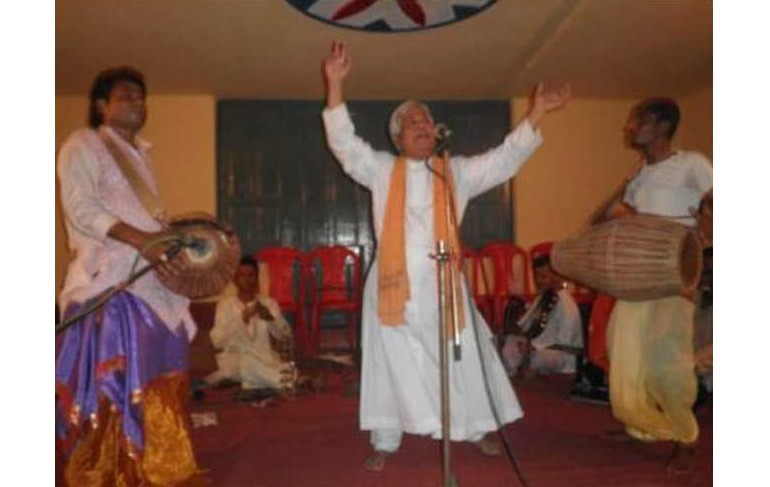
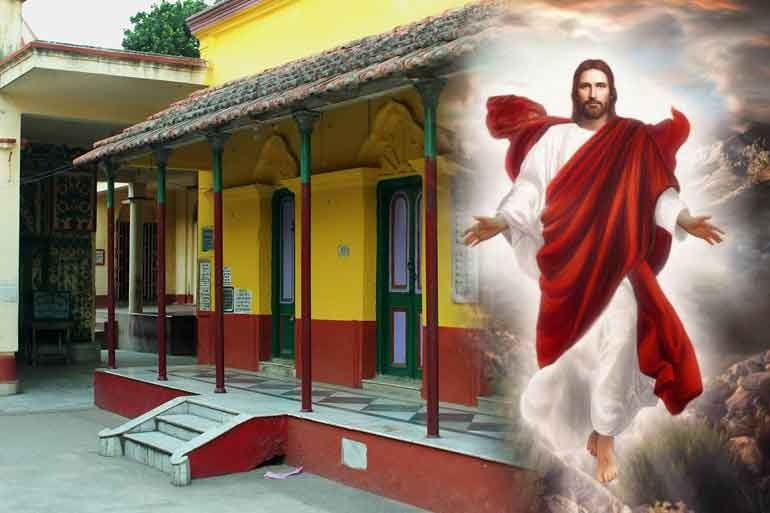
If you visit Nadia on a winter morning, then you would probably come across a band of singers singing kirtan across the roads, but not of Lord Krishna or Chaitanya Dev, rather addressed to Jesus Christ ! Image
Indeed, there exists a separate musical segment in Bengal of verse kirtan dedicated to Christ in Bengali, known as Khrishto Kirtan or Jisshu Pala Kirtan.During winter, these singers, with their harmonium, kartal, flute, sing these kirtans in morning processions across roads. Image
From a distance, tunes may sound similar to prevalent popular Vaishnav kirtan, but on closer listening, it's seen the lyrics are dedicated to Jesus, tales from his life. Lyrics like “Ishonandan Jishu Bhobe holen abotaar.” But how indigenous Vaishnav kirtan get its Jesus version? Image
Read 16 tweets
Nov 22, 2025
Taal Mishri Tales 🧵 

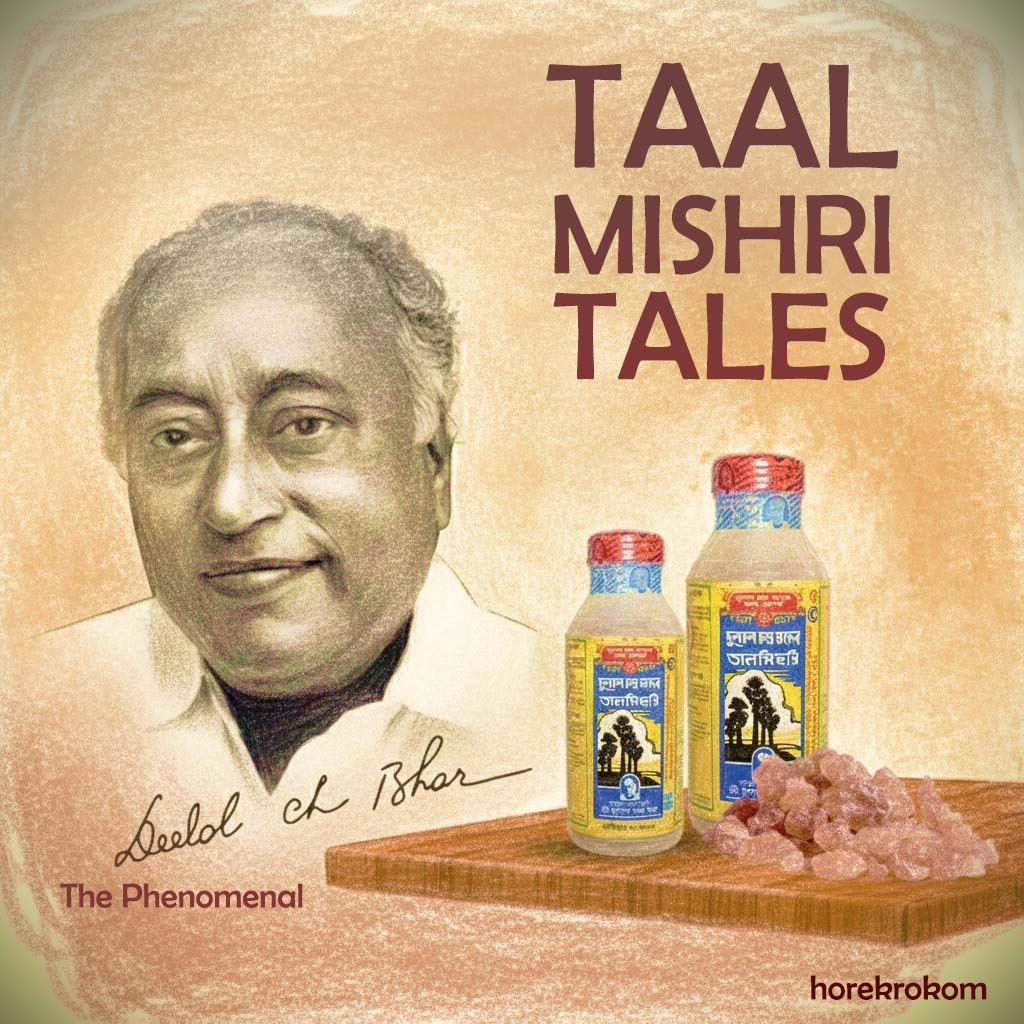
A 19yr old boy dared to try something different from his established family business. Over 80yrs, his vision grew into one of largest organic food products found in almost every Bengali house. His name itself is the brand, Dulal Chandra Bhar’s Taal Mishri. Image
We talk about changemakers in recent times, but this brilliant mind’s brand goodwill is so goated that, till date, it doesn’t have an organized sales outlet or product salesman, yet the product still thrives in households out of sheer acceptance. Image
Bhar’s family had a long-running textile business with multiple outlets in Burrabazar, started by his grandfather. When Dulal joined the business at the age of just 13, by 19 he had made up his mind to change his line of work out of sheer dislike. His grandfather supported him. Image
Read 24 tweets
Nov 9, 2025
Calcutta’s Celebrity Crook 🚨🧵
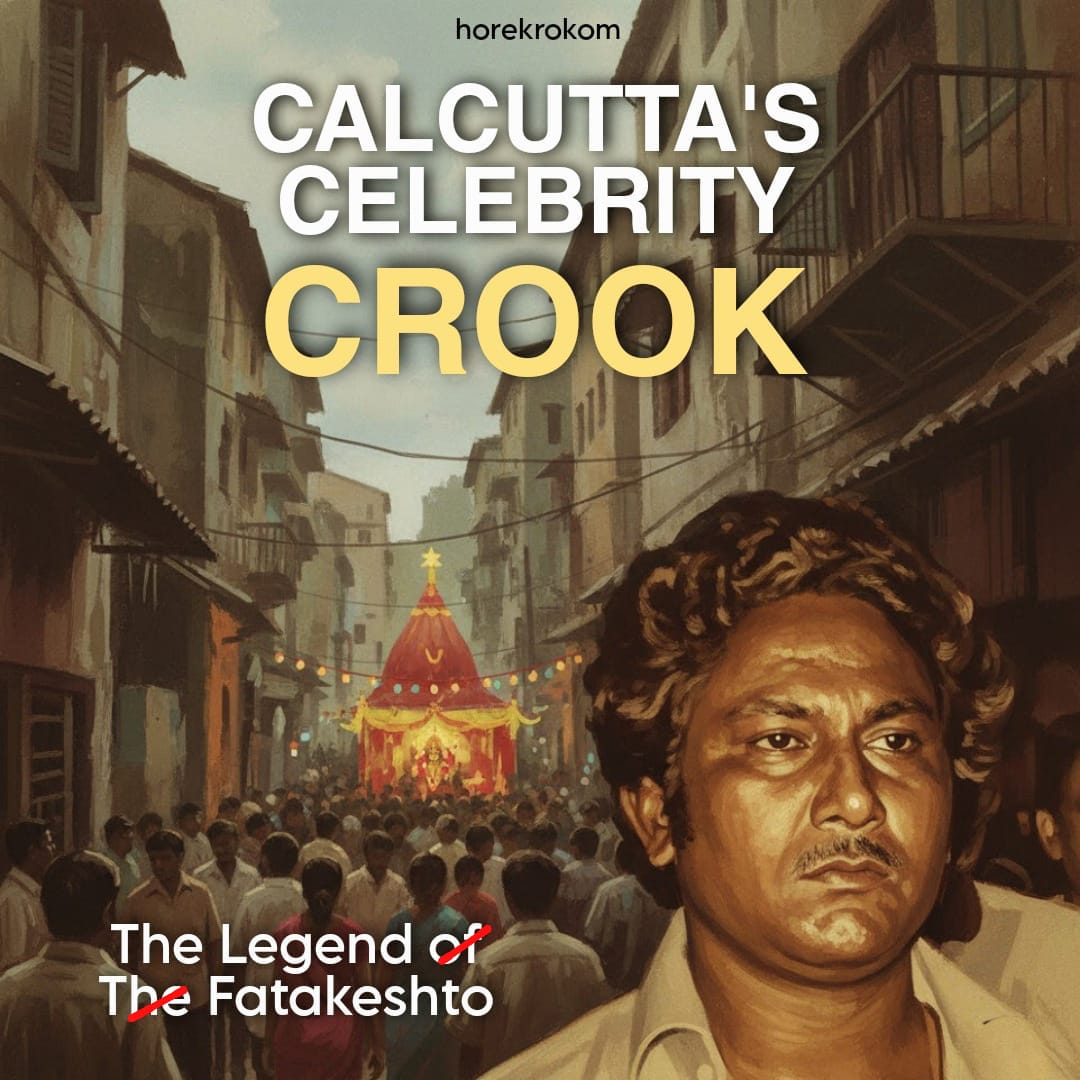
Kolkata's depths has seen its share of musclemen & masterminds, but none like him. His swagger turned fear into fame, name into brand, a pop culture myth. This is the legend of Krishna Chandra Dutta: The Fatakeshto Calcutta’s most celebrated crook Image
1960s, Naren Sen Square, Keshto was having his usual post-workout milk with egg when Nokul/ Nilu & his gang from Baranagar ambushed him over an old feud about his College St. bookstore. They slashed his face with khur blades, leaving 7 deep cuts & multiple cut wounds across body. Image
But instead of retreating, lone Keshto grabbed a wooden bench & swung it wildly, charging at the gang. By the time his friends arrived, Nilu’s men had fled, & Keshto lay almost dead. Thanks to remarkable treatment at Kolkata Medical College, he survived. Image
Read 28 tweets
Nov 5, 2025
সত্য সেলুকাস কি বিচিত্র এই দেশ! 🧵
Always found it fascinating how the same region of medieval Bengal, Nadia, popularized two entirely different primary schools of philosophy Shakta & Gaudiya Vaishnav, both germinating from the same seed in a similar timeline. Image
Delving deeper, back again to Shantipur during the 1500s, helmed by Advaita Acharya, the gigantic key figure in the advent of Gaudiya Vaishnavism. The Shantipur Raas Utsav, as we see today, was mainly initiated under him & the contemporary Goswami cult there. Image
The Shantipur township alone is home to centuries-old Krishna temples that still operate, including Radharaman Jeu from Goswami Bari & others. Now, Raas Yatra being primarily a Vaishnav cult and ritual rooted in Shantipur, how did it get its Shakta variant in nearby Nabadwip? Image
Read 12 tweets

Did Thread Reader help you today?

Support us! We are indie developers!


This site is made by just two indie developers on a laptop doing marketing, support and development! Read more about the story.

Become a Premium Member ($3/month or $30/year) and get exclusive features!

Become Premium

Don't want to be a Premium member but still want to support us?

Make a small donation by buying us coffee ($5) or help with server cost ($10)

Donate via Paypal

Or Donate anonymously using crypto!

Ethereum

0xfe58350B80634f60Fa6Dc149a72b4DFbc17D341E copy

Bitcoin

3ATGMxNzCUFzxpMCHL5sWSt4DVtS8UqXpi copy

Thank you for your support!

Follow Us!

:(