Carlo Edoardo Ferraris Profile picture
Sep 6, 2025 11 tweets 3 min read Read on X
Every government, bank, airline, and hospital depends on the same 60 year old coding language.

It's used to move $3 trillion every single day.

The problem? Almost nobody alive knows how to write it.

Here’s what it is and why replacing it might be impossible: 🧵
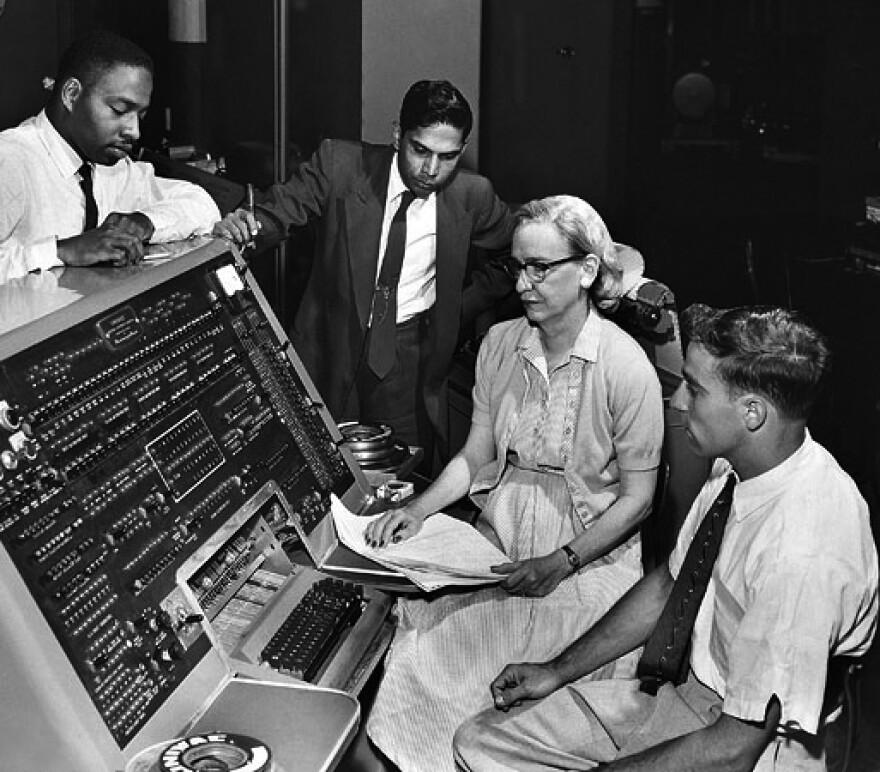
1959: Grace Hopper, a Navy rear admiral and computer scientist, had a radical idea.

She believed programming shouldn’t be limited to mathematicians.

Instead, it should read like English so businesses could use it.

Her vision gave rise to COBOL. Image

COBOL was built for one thing: money.

Payrolls. Ledgers. Transactions.

It became the perfect language for business.

By the 1970s, every major bank, insurer, and airline was running on it. Image
COBOL didn’t just process paychecks.

It powered ATMs.
Filed taxes.
Booked flights.
Handled insurance claims.

If money moved, COBOL was behind it.
So how does COBOL work?

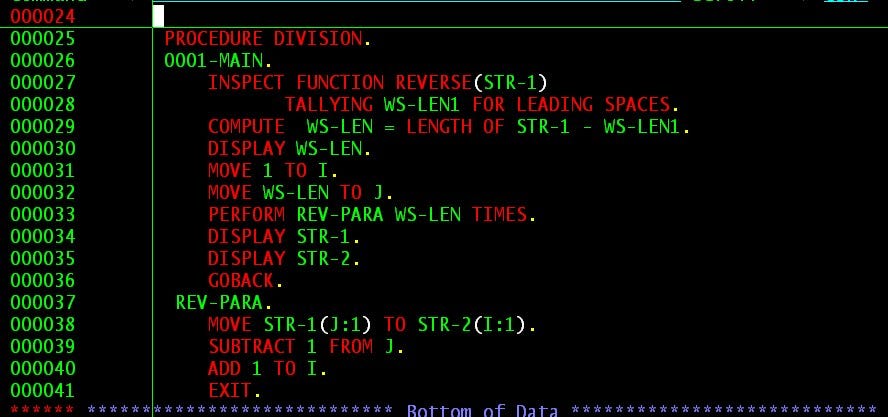
COBOL is like a giant calculator that speaks plain English.

Instead of weird math symbols, you can literally write:

“ADD salary TO total.”

The computer does exactly that. Image
That simplicity made it perfect for banks.

They didn’t need rocket scientists to code.

They needed reliable instructions like:

“SUBTRACT payment FROM account.”

COBOL was money’s first native language.
Today?

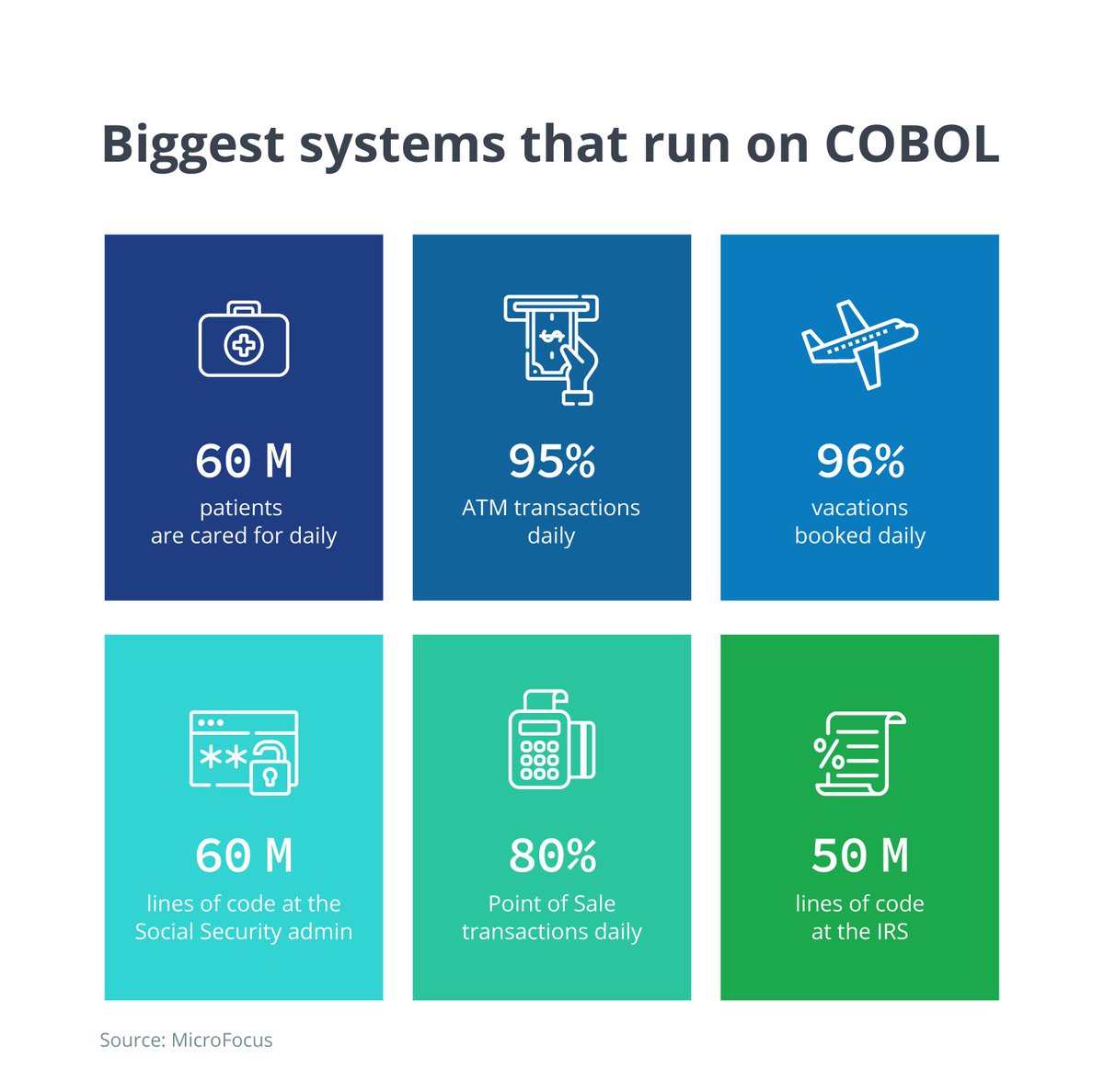
95% of ATM transactions run on COBOL
80% of in-person bank transactions depend on it
Trillions of dollars move through COBOL code every single day

The global economy still runs on Hopper’s invention.

But there's a problem. Image
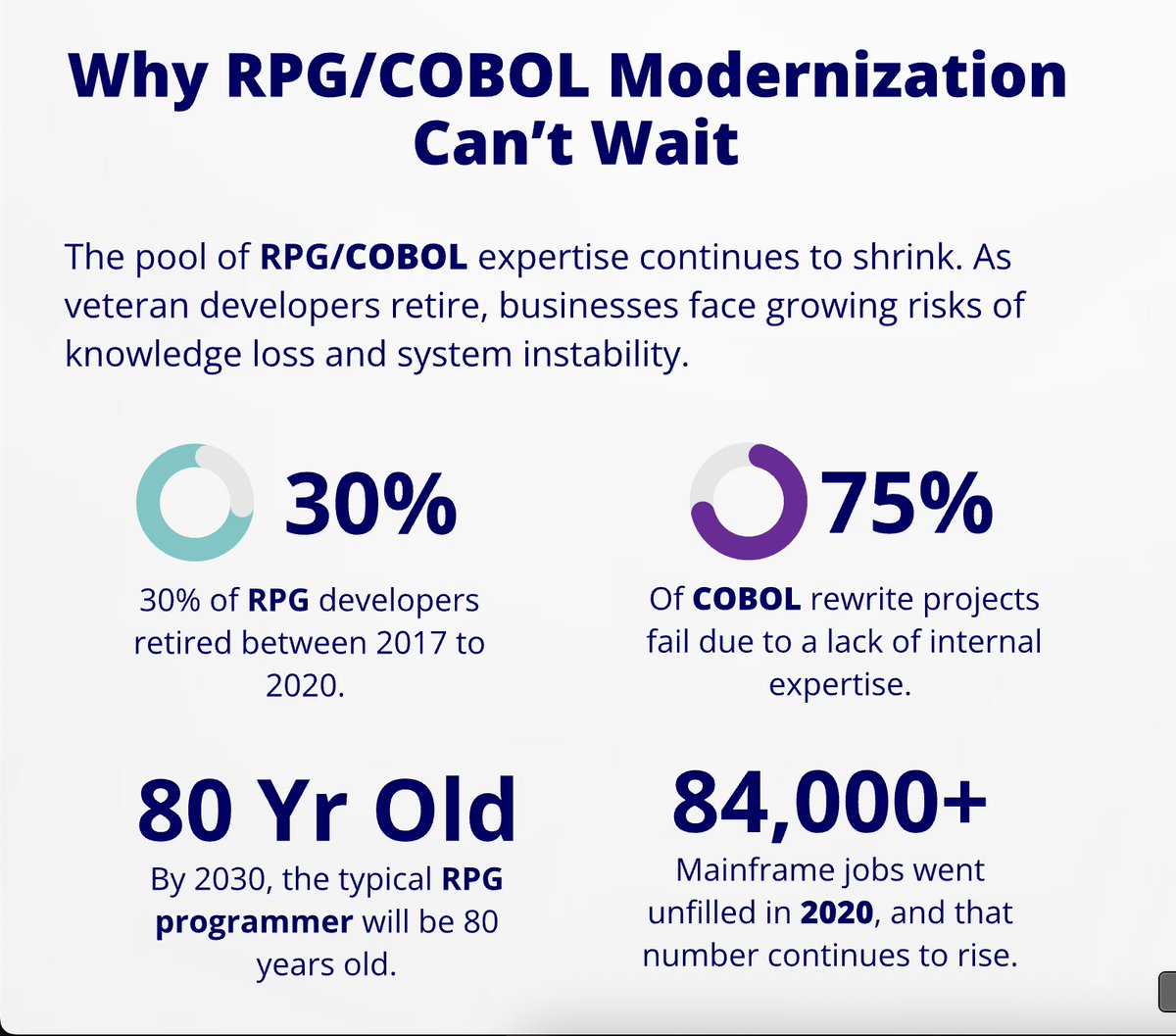
The people who wrote this code are retiring.

Most COBOL programmers are in their 60s and 70s.

And almost nobody is learning it anymore. Image
The fragility became obvious in 2020.

U.S. unemployment systems (built on COBOL) crashed under pandemic demand.

Governors literally begged retired COBOL engineers to return and fix the code. Image
The same fragility exists worldwide:

ATMs, healthcare, social security… still depend on COBOL.

A language invented in 1959.

And 95% of experts who know it will retire by 2030.

The irony? The real Y2K crisis might not be behind us, but ahead.
Hi I'm Carlo. Thanks for reading.

If you learned something new:

Follow @carlothinks for more insights like this.

• • •

Missing some Tweet in this thread? You can try to force a refresh

 

Keep Current with Carlo Edoardo Ferraris

Carlo Edoardo Ferraris Profile picture

Stay in touch and get notified when new unrolls are available from this author!

Read all threads

This Thread may be Removed Anytime!

PDF

Twitter may remove this content at anytime! Save it as PDF for later use!

Try unrolling a thread yourself!

how to unroll video
  1. Follow @ThreadReaderApp to mention us!

  2. From a Twitter thread mention us with a keyword "unroll"
@threadreaderapp unroll

Practice here first or read more on our help page!

More from @carlothinks

Sep 10, 2025
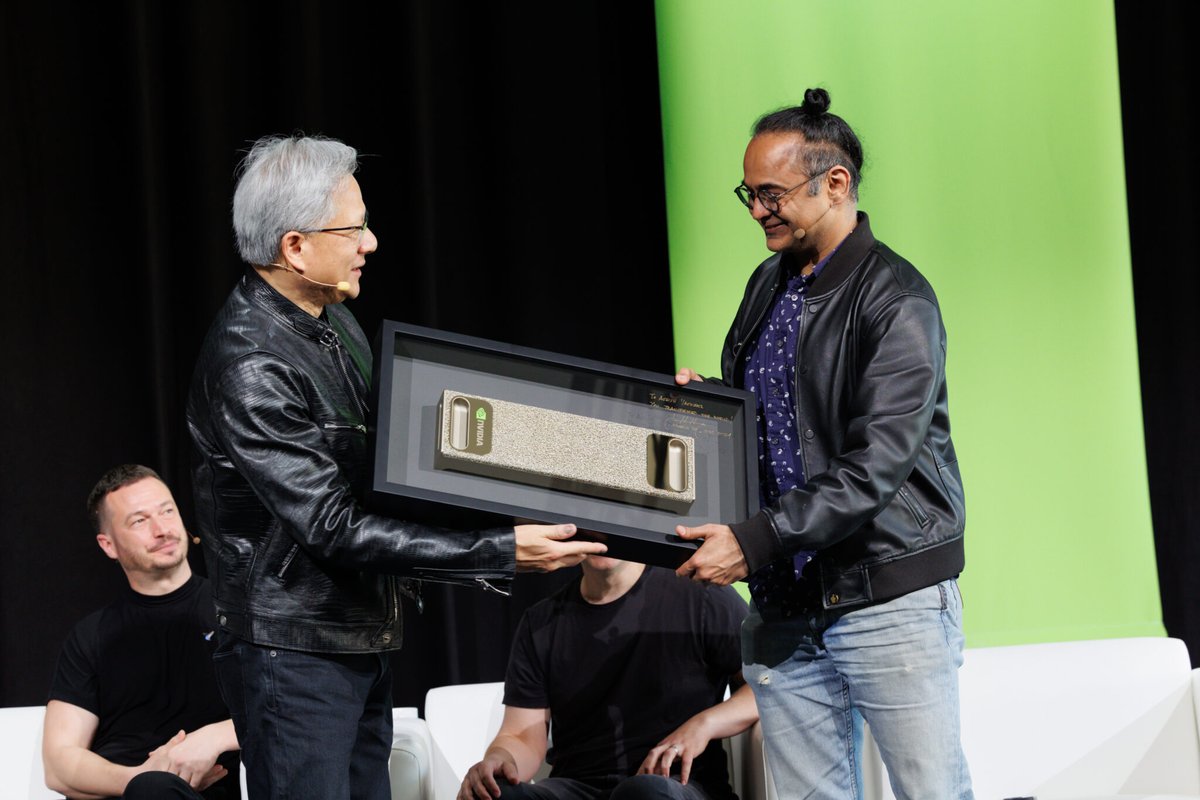
The most revolutionary man in tech isn't Elon Musk or Sam Altman.

It’s a 39 year old Stanford PhD you’ve never heard of.

His breakthrough is why ChatGPT, Grok & Gemini exist.

Here’s who he is and how he built the foundation of modern AI:🧵 Image
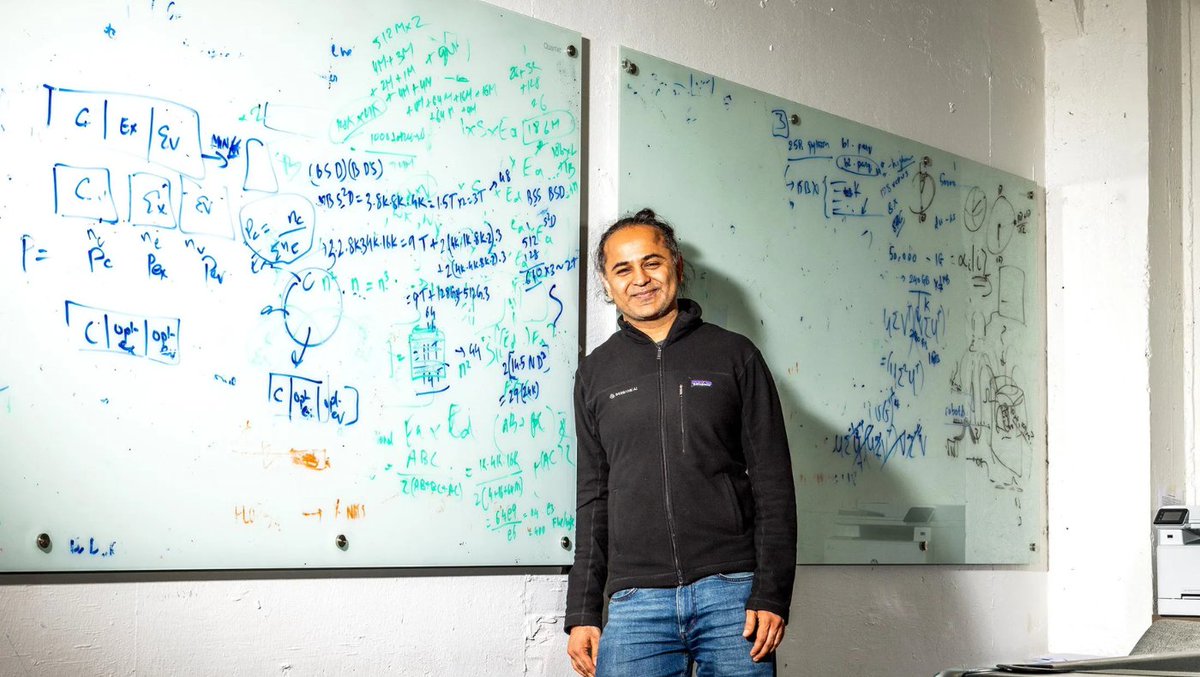
Meet Ashish Vaswani.

Stanford PhD. Former Google Brain researcher.

A quiet engineer who worked in Silicon Valley.

Few outside the tech world knew his name.

But in 2017… Image
Google Brain was exploring new ways to process language.

Old models were too slow, too expensive, too limited.

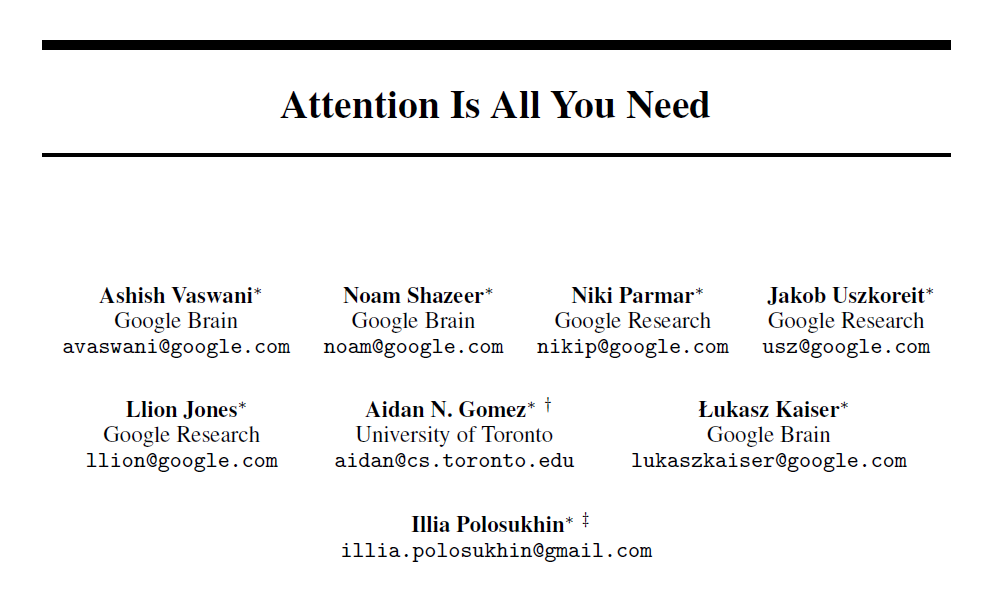
Then Vaswani and his small team published 11 words that rewrote AI history:

“Attention Is All You Need.” What happened next? Image
Read 10 tweets
Sep 8, 2025
Most people think Microsoft’s empire was built on Windows and Office.

They’re wrong.

Its real crown jewel is something else, making $80B/year.

Here’s what it is and why everyone from Fortune 500s to OpenAI and NASA depends on it: 🧵 Image
2008: Microsoft saw the future.

Amazon had just launched AWS.
Google was pushing its own cloud.

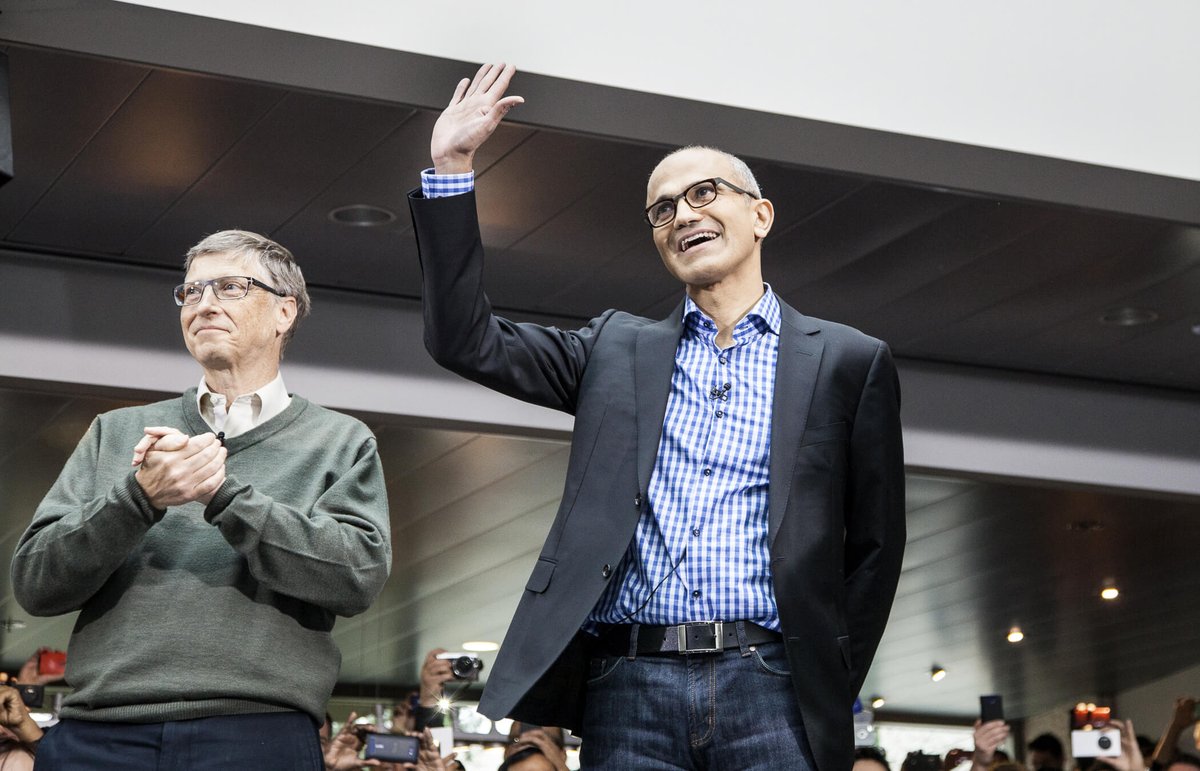
Satya Nadella, then Microsoft server head, pitched a radical idea:

Microsoft shouldn’t just sell software.
It should rent the entire internet.

That vision became Azure. Image
Azure wasn’t built for consumers.

It was built for developers, banks, hospitals, airlines.

Instead of buying servers, businesses could rent Microsoft’s.

Host an app?
Train an AI model?
Need to process payments?

Azure became the one-stop shop.
Read 9 tweets
Aug 30, 2025
Smart people always make dumb decisions.

This Nobel Prize winner spent 34+ years proving it.

He uncovered an unconscious flaw in human decision-making.

Once you see it, you can’t unsee it.

And you'll question every decision you've ever made: 🧵 Image
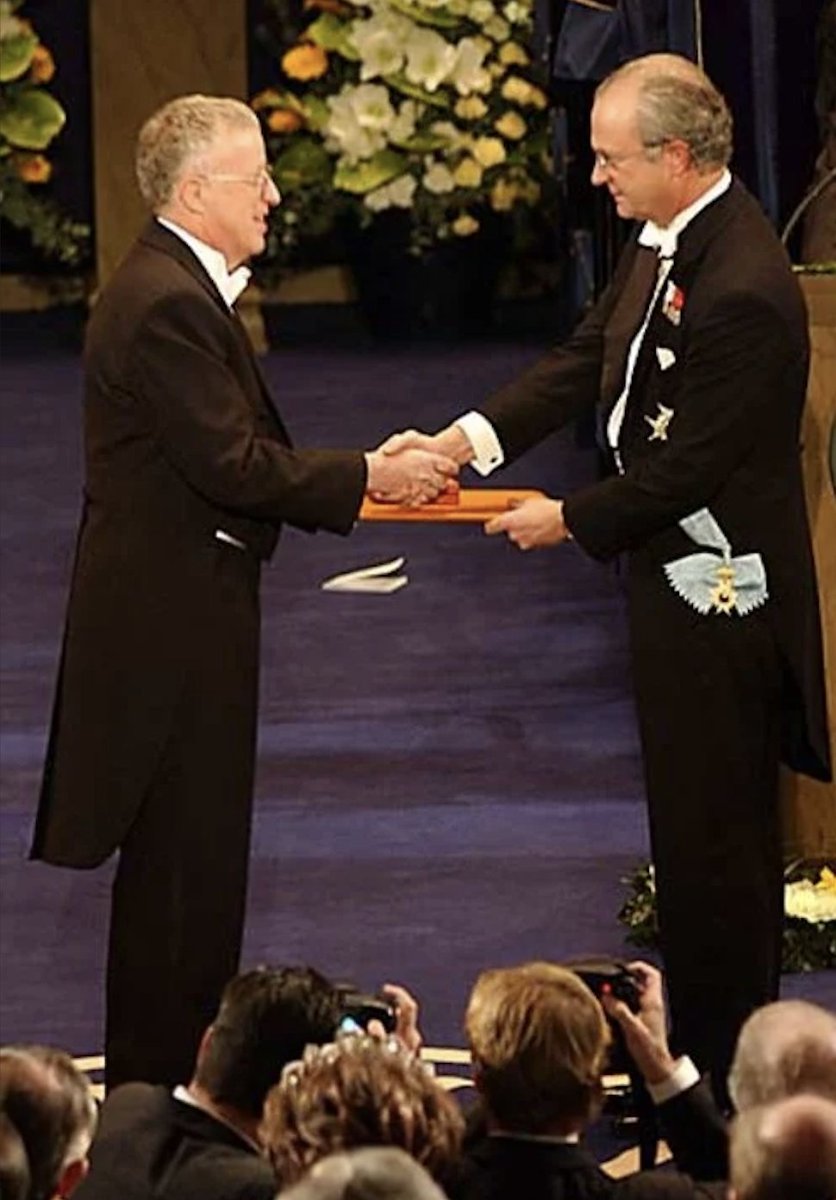
This is George Akerlof:

Nobel Prize in Economics
Revolutionized market theory
Uncovered why we make bad decisions
Explained why good choices often disappear

But his greatest insight wasn’t about markets or economics.
It was about human decision making flaws. Image
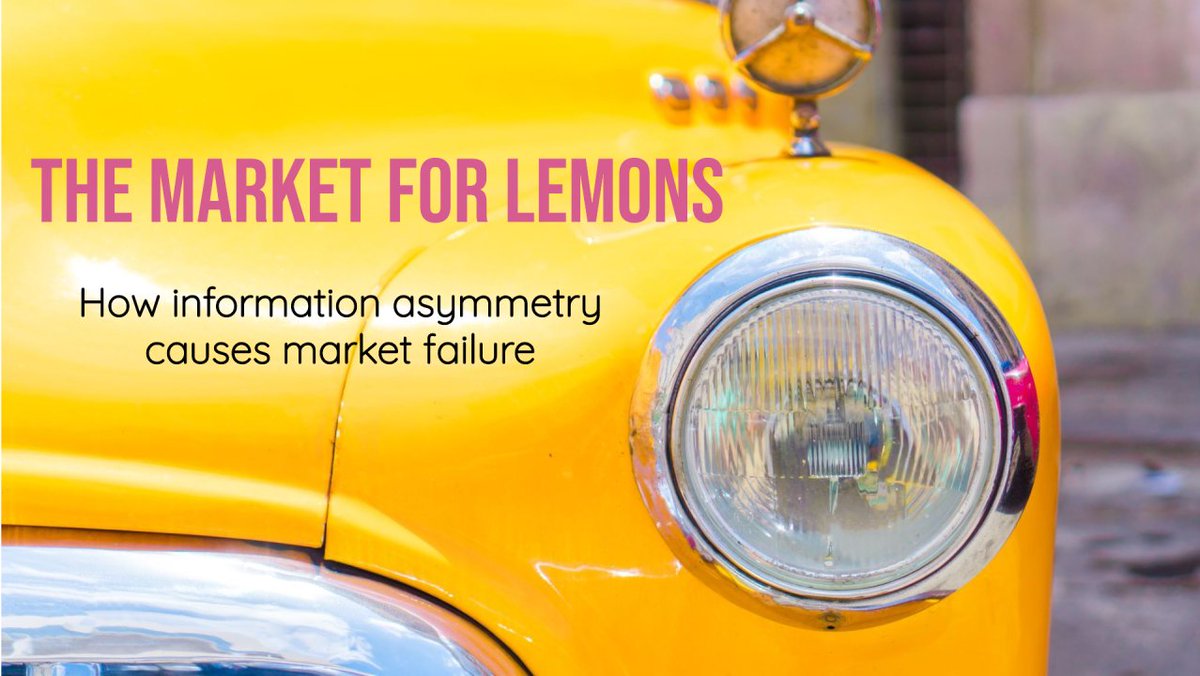
Back in 1970, George Akerlof introduced an idea that changed how we think about markets.

He called it “The Market for Lemons.”

The takeaway? Even the smartest people make bad decisions… and often don’t even realize it. Image
Read 14 tweets
Aug 20, 2025
The U.S. Government can’t operate without it.
Global economy can’t function without it.
And Wall Street can’t trade without it.

Yet most people have no idea what BlackRock actually does.

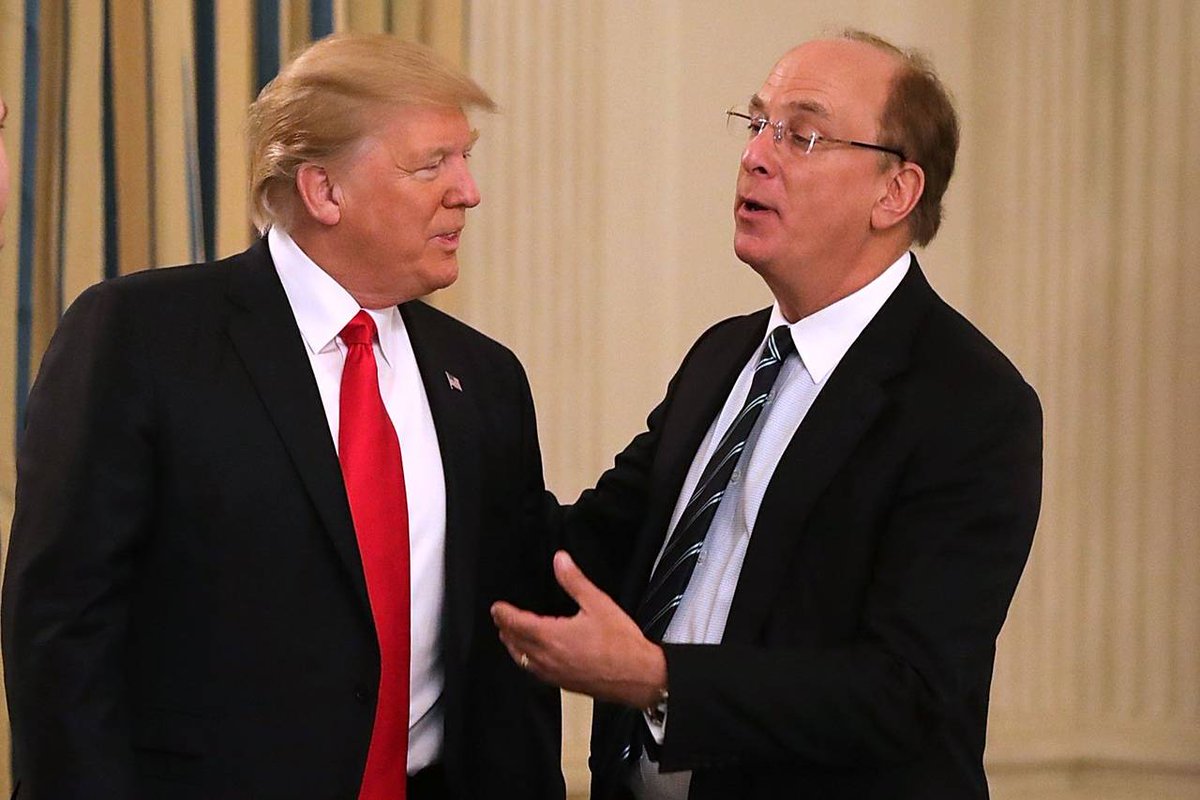
Here’s how BlackRock built a $10 trillion empire that quietly controls everything: 🧵 Image
BlackRock is the most powerful company you’ve never heard of.

It’s used to:

Manage governments’ crises
Control retirement funds
Decide corporate policies
Influence Wall Street

By the end of this thread, you'll realize it might be controlling what you see, buy & believe 👇
It all started in 1988.

Larry Fink, a Wall Street banker, had one mission:

Stop financial institutions from being blindsided by risk.

Investors thought it was boring.

Too technical. Too niche.

But Fink built a system so good, the entire financial world now depends on it. Image
Read 13 tweets
Aug 15, 2025
OpenAI CEO Sam Altman’s new interview is going viral.

And it’s NOT just about AI or GPT-5.

He revealed shocking truths about China’s secret robotics advantage, AGI vs human intelligence, and what jobs will still matter by 2035.

Here’s what you need to know: 🧵 Image
1/ Your ideas matter more than your degree

Sam Altman says a 25 year old today can do more than any previous generation.

With AI, tiny teams (or even one person) can:

Build companies
Discover science faster than ever
Write software that once took decades of expertise

Unreal.
2/ The Next AGI Moment Won’t Be on a Screen.

Sam says one of the most AGI-like moments will be

Seeing robots walk past you on the street. Doing everyday tasks.

For AI, the US is ahead. But for robotics? China is leading.

The West must catch up… or risk being outpaced.
Read 10 tweets
Aug 6, 2025
BREAKING: OpenAI just released its first open-weight models since GPT-2 but it has nothing to do with transparency, ethics or safety.

Here is the real reason they released it and what it means for the future of AI.

Thread Image
In the past few months, open-source models have been getting really good.

So good that some teams managed to replicate GPT-4’s performance.

They didn’t have billions.

Just access to GPUs, Reddit dumps, and time. Image
And they got so close OpenAI had to quietly change its API to stop them.

Why?

Because these teams were using GPT’s own outputs…

To train GPT-level open-source clones. Why is that a problem?
Read 12 tweets

Did Thread Reader help you today?

Support us! We are indie developers!


This site is made by just two indie developers on a laptop doing marketing, support and development! Read more about the story.

Become a Premium Member ($3/month or $30/year) and get exclusive features!

Become Premium

Don't want to be a Premium member but still want to support us?

Make a small donation by buying us coffee ($5) or help with server cost ($10)

Donate via Paypal

Or Donate anonymously using crypto!

Ethereum

0xfe58350B80634f60Fa6Dc149a72b4DFbc17D341E copy

Bitcoin

3ATGMxNzCUFzxpMCHL5sWSt4DVtS8UqXpi copy

Thank you for your support!

Follow Us!

:(