Trump blindsided India with a 50% tariff for buying Russian oil.
When word reached Modi… he shut the door. Ignored four straight calls from Trump.
But the tariffs were just the surface.
Behind the scenes, Modi had uncovered something far more dangerous—
and it changed India’s entire stance toward America.
Here’s the truth no one’s talking about: 👇
When word reached Modi… he shut the door. Ignored four straight calls from Trump.
But the tariffs were just the surface.
Behind the scenes, Modi had uncovered something far more dangerous—
and it changed India’s entire stance toward America.
Here’s the truth no one’s talking about: 👇
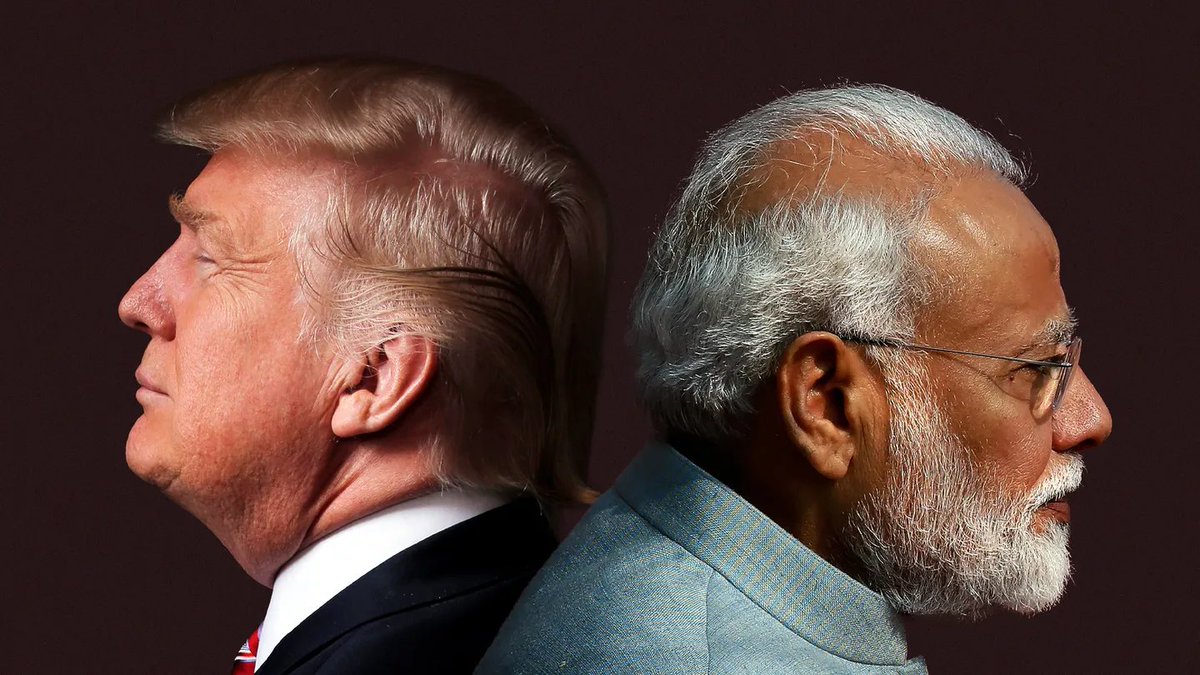
For 25 years, Washington and New Delhi drew closer. They called it “the most consequential partnership of the 21st century.” Defense pacts. Tech ties. Trade deals.
And now? Modi won’t even pick up the phone. What happened? 👇
And now? Modi won’t even pick up the phone. What happened? 👇
World leaders almost never ignore a U.S. president.
Putin brushed off Obama in 2014 during the Ukraine crisis. De Gaulle snubbed Washington in the 1960s over NATO.
Each time, it was a warning sign.
But Modi’s silence? It feels different.
Putin brushed off Obama in 2014 during the Ukraine crisis. De Gaulle snubbed Washington in the 1960s over NATO.
Each time, it was a warning sign.
But Modi’s silence? It feels different.
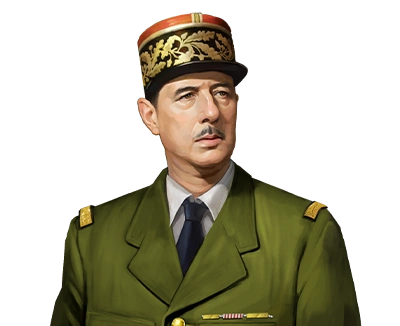
August 27, 2025 changed everything.
Trump slammed India with a 50% tariff—harsher than on any major economy but Brazil.
The reason? New Delhi kept buying Russian oil.
Modi’s response stunned Washington:
Trump slammed India with a 50% tariff—harsher than on any major economy but Brazil.
The reason? New Delhi kept buying Russian oil.
Modi’s response stunned Washington:
No talks. No compromise.
Not even a phone call. Instead—Modi boosted Russian oil imports 40% in just six months.
Military ties with Moscow grew tighter.
Trump expected India to fold. He got defiance.
Not even a phone call. Instead—Modi boosted Russian oil imports 40% in just six months.
Military ties with Moscow grew tighter.
Trump expected India to fold. He got defiance.
Nearly 60% of India’s military runs on Russian hardware.
Modi vowed he’d never sacrifice India’s farmers—or its sovereignty—over U.S. tariffs.
He called the trade war “unjustified”… an attack on India itself. The standoff had begun.
But Modi’s silence had another reason:
Modi vowed he’d never sacrifice India’s farmers—or its sovereignty—over U.S. tariffs.
He called the trade war “unjustified”… an attack on India itself. The standoff had begun.
But Modi’s silence had another reason:
For decades, Washington counted on India as the cornerstone of its Asia strategy.
A counterweight to China. A partner in tech, trade, and defense. A democracy aligned with the West.
But now? That foundation is cracking.
A counterweight to China. A partner in tech, trade, and defense. A democracy aligned with the West.
But now? That foundation is cracking.
The economic shockwaves ripple far beyond tariffs.
U.S. companies sourcing from India face higher costs. Global supply chains are disrupted. Markets are jittery. Meanwhile, India isn’t backing down.
It’s doubling down on strategic autonomy, energy security, and ties with Moscow.
The result: a seismic shift in global power dynamics. Nearly $80 billion in Indian goods now face crushing U.S. tariffs—over half of India’s exports to America.
Textiles: $8B hit. Pharma: $7B. Agriculture: $6B. And U.S. consumers? They’re already footing the bill.
U.S. companies sourcing from India face higher costs. Global supply chains are disrupted. Markets are jittery. Meanwhile, India isn’t backing down.
It’s doubling down on strategic autonomy, energy security, and ties with Moscow.
The result: a seismic shift in global power dynamics. Nearly $80 billion in Indian goods now face crushing U.S. tariffs—over half of India’s exports to America.
Textiles: $8B hit. Pharma: $7B. Agriculture: $6B. And U.S. consumers? They’re already footing the bill.
Generic drug prices are climbing.
Clothing costs are rising. Tata Group and Reliance warn of major disruptions ahead.
Millions of Indian workers risk unemployment, while U.S. consumers feel the pinch through inflation.
Yet, Modi’s approval rating remains above 60%.
Clothing costs are rising. Tata Group and Reliance warn of major disruptions ahead.
Millions of Indian workers risk unemployment, while U.S. consumers feel the pinch through inflation.
Yet, Modi’s approval rating remains above 60%.
With India leaning east and the Quad weakened, the balance of power in Asia is shifting.
China strengthens its influence across Southeast Asia. Russia deepens ties with India.
The U.S. finds its alliances tested like never before. The 21st century isn’t just being written—it’s being rewritten.
China strengthens its influence across Southeast Asia. Russia deepens ties with India.
The U.S. finds its alliances tested like never before. The 21st century isn’t just being written—it’s being rewritten.
Thanks for reading. If you enjoyed this post follow
@SohelBloom
for more content on AI and politics.
Appreciate the support.
@SohelBloom
for more content on AI and politics.
Appreciate the support.

Explore if you have interest in ai tools.
https://x.com/SohelBloom/status/1963816354546598268?t=QY_iCPn1Tk6pLqm6yS9kBQ&s=19
• • •
Missing some Tweet in this thread? You can try to
force a refresh