You pay a 15% secret "Google tax" whenever you buy anything online.
Your pizza costs more because of Google.
Your insurance premium is higher because of Google.
And even the court admits this is illegal.
How Google rigged the system and got away with it:
Your pizza costs more because of Google.
Your insurance premium is higher because of Google.
And even the court admits this is illegal.
How Google rigged the system and got away with it:
In 2023, the DoJ filed a case against Google for their tech monopoly in advertising.
Google controls the entire "ad tech stack" - the tools publishers use to sell ads AND the tools advertisers use to buy them.
Like owning both sides of a marketplace.
Let me explain:
Google controls the entire "ad tech stack" - the tools publishers use to sell ads AND the tools advertisers use to buy them.
Like owning both sides of a marketplace.
Let me explain:
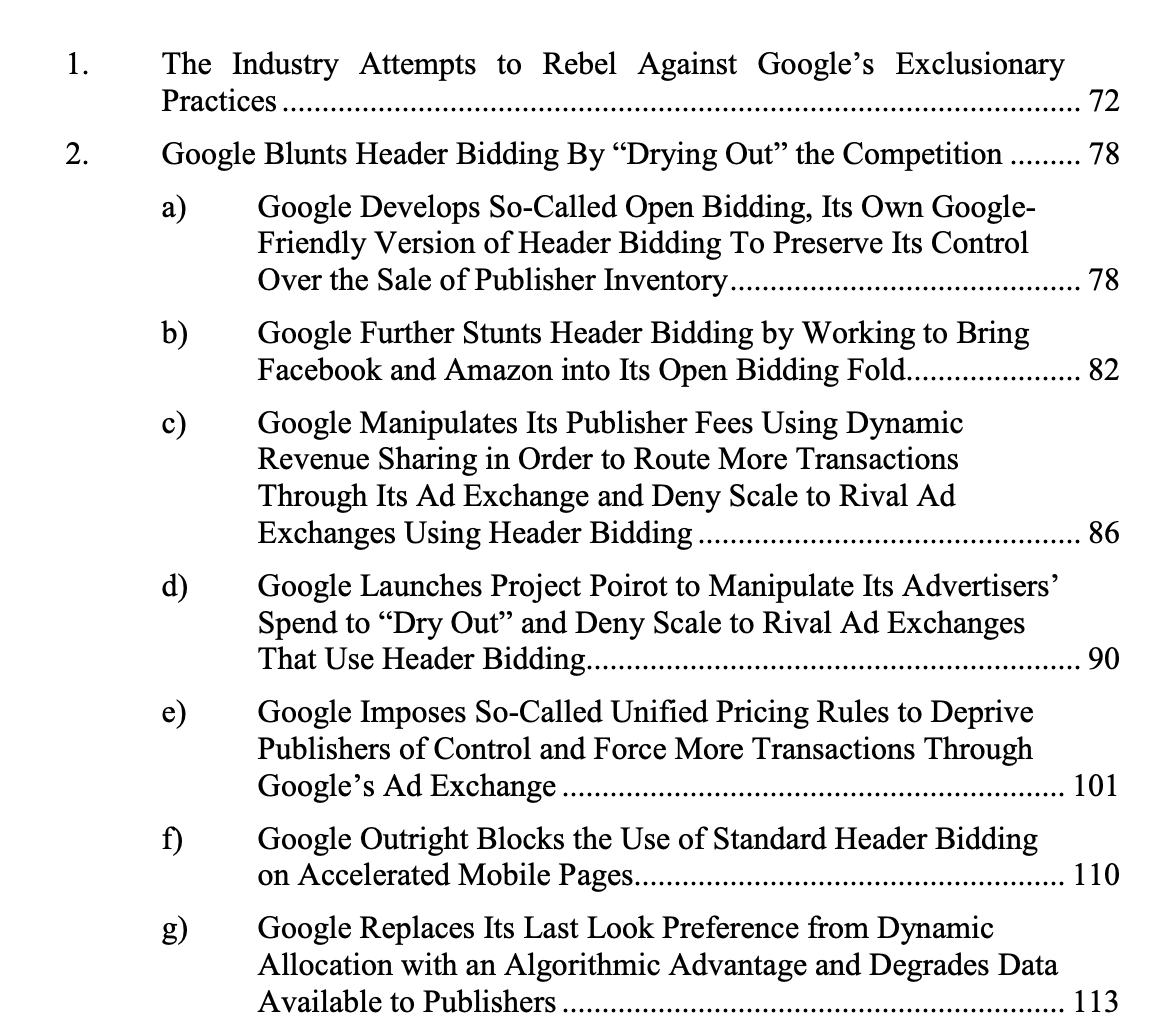
Look at the ads in this image 👇
When you visit any website, an instant auction happens for the ad space you see.
Publishers (websites) sell ad space, advertisers buy it, and exchanges run the auctions.
Everything happens in 100 milliseconds.
When you visit any website, an instant auction happens for the ad space you see.
Publishers (websites) sell ad space, advertisers buy it, and exchanges run the auctions.
Everything happens in 100 milliseconds.
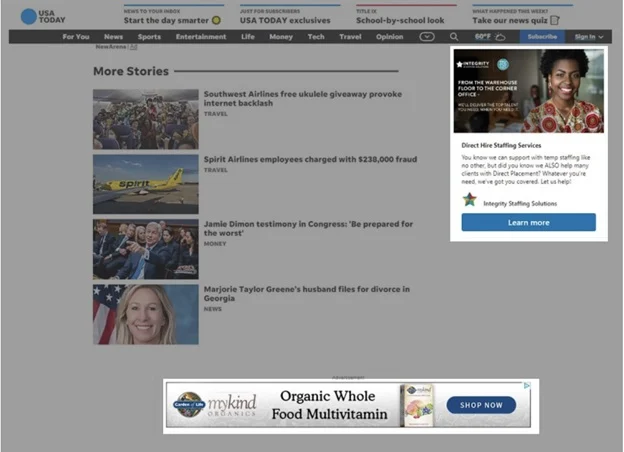
3 tools make this happen:
• Publisher ad servers (websites use these to sell their ad space)
• Ad exchanges (auction houses where bids happen)
• Advertiser tools (brands use these to buy ads)
Google owns the biggest player in all three categories.
And that's a problem...
• Publisher ad servers (websites use these to sell their ad space)
• Ad exchanges (auction houses where bids happen)
• Advertiser tools (brands use these to buy ads)
Google owns the biggest player in all three categories.
And that's a problem...
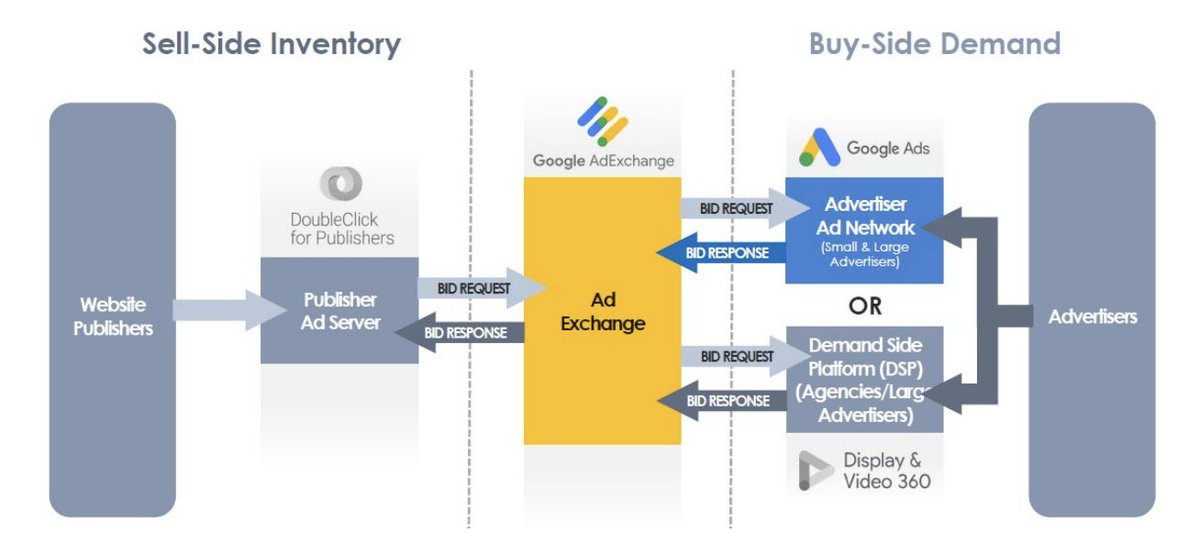
It's like this: You want to sell your house.
Google owns your real estate agent.
Google owns the buyer's agent too.
And Google also owns the auction house where the sale happens.
Now imagine Google starts rigging the auctions...
Google owns your real estate agent.
Google owns the buyer's agent too.
And Google also owns the auction house where the sale happens.
Now imagine Google starts rigging the auctions...
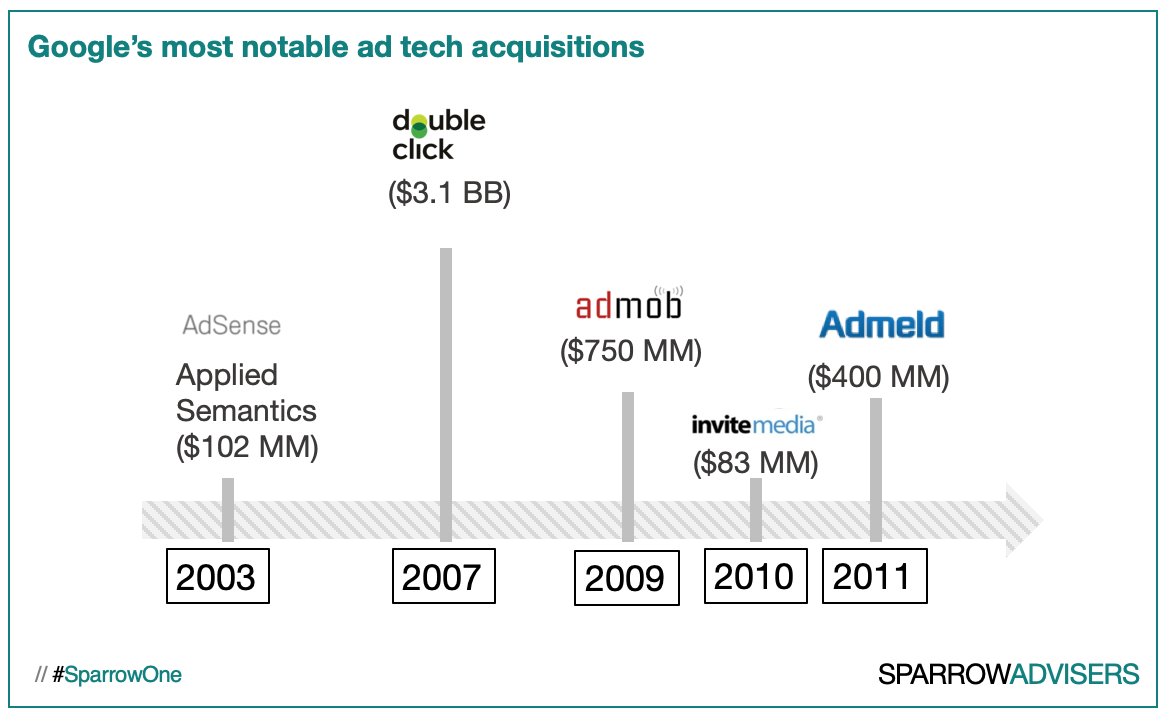
Google built this control through 3 key acquisitions:
They bought DoubleClick for $3.1 billion (for publisher tools + ad exchange).
Then AdMob for $750 million (for mobile ads).
And then AdMeld for $400 million (to kill a competitor). They did all this by 2011.
They bought DoubleClick for $3.1 billion (for publisher tools + ad exchange).
Then AdMob for $750 million (for mobile ads).
And then AdMeld for $400 million (to kill a competitor). They did all this by 2011.
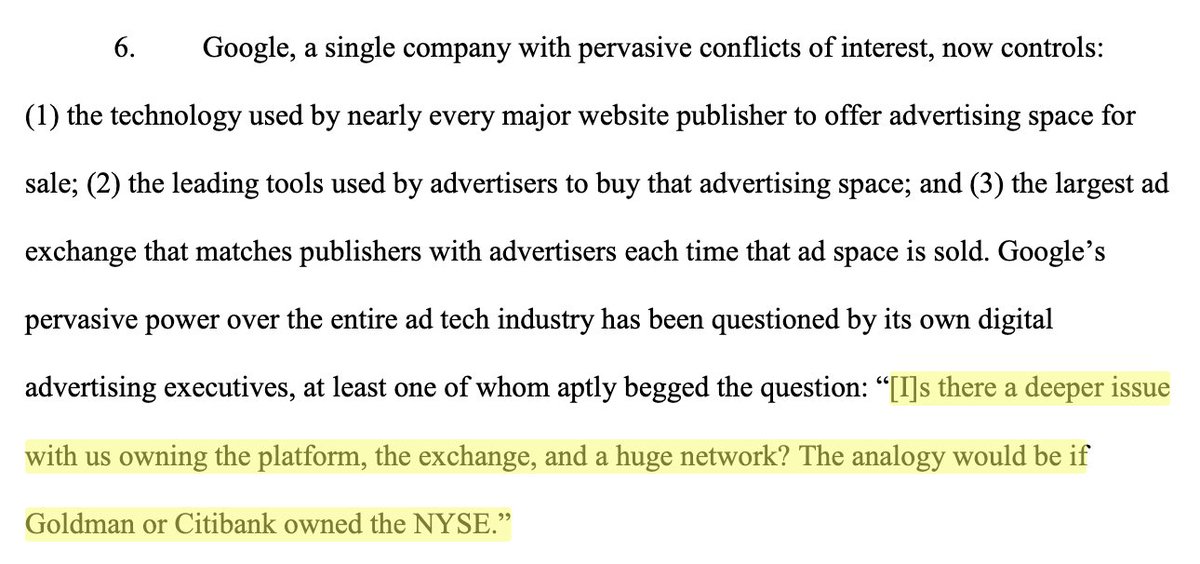
Look at this internal email 👇
They knew it was wrong but they did it anyway.
But it gets worse when Google launched secret projects to rig the system...
They knew it was wrong but they did it anyway.
But it gets worse when Google launched secret projects to rig the system...
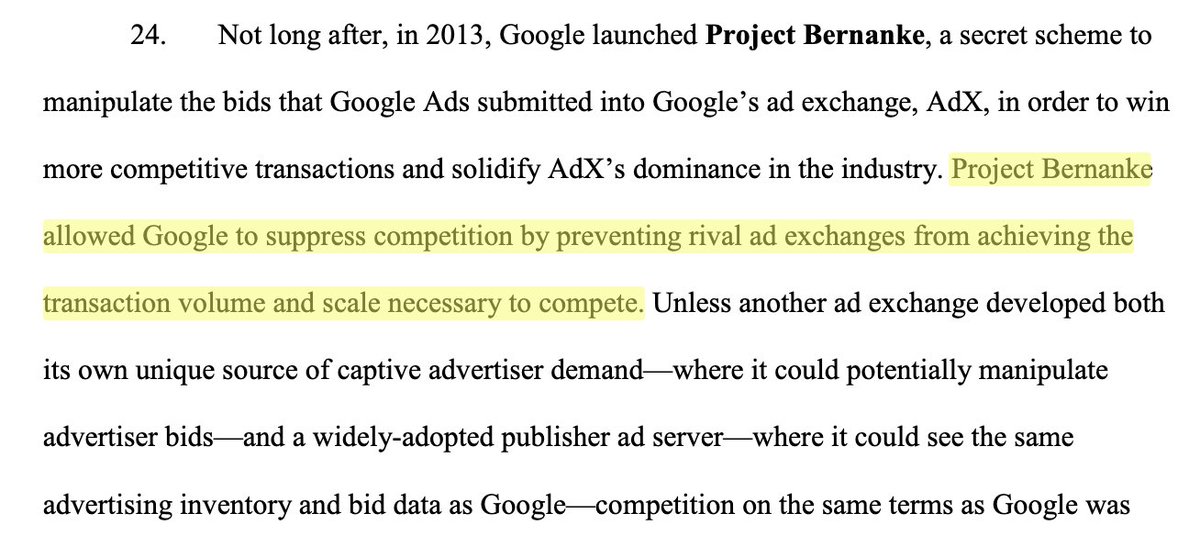
1. Project Bernanke (2013)
Google identified publishers thinking about leaving their platform.
To keep them happy, Google overpaid for their premium ad space.
And then they secretly charged higher fees to publishers who couldn't leave to cover those losses.
Google identified publishers thinking about leaving their platform.
To keep them happy, Google overpaid for their premium ad space.
And then they secretly charged higher fees to publishers who couldn't leave to cover those losses.
2. "Project Bell" was pure extortion.
If publishers tried using Google's competitors, Google would automatically reduce their ad bids by 20%.
Publishers called it being "held hostage."
But they couldn't leave since Google controlled too much advertiser demand.
If publishers tried using Google's competitors, Google would automatically reduce their ad bids by 20%.
Publishers called it being "held hostage."
But they couldn't leave since Google controlled too much advertiser demand.

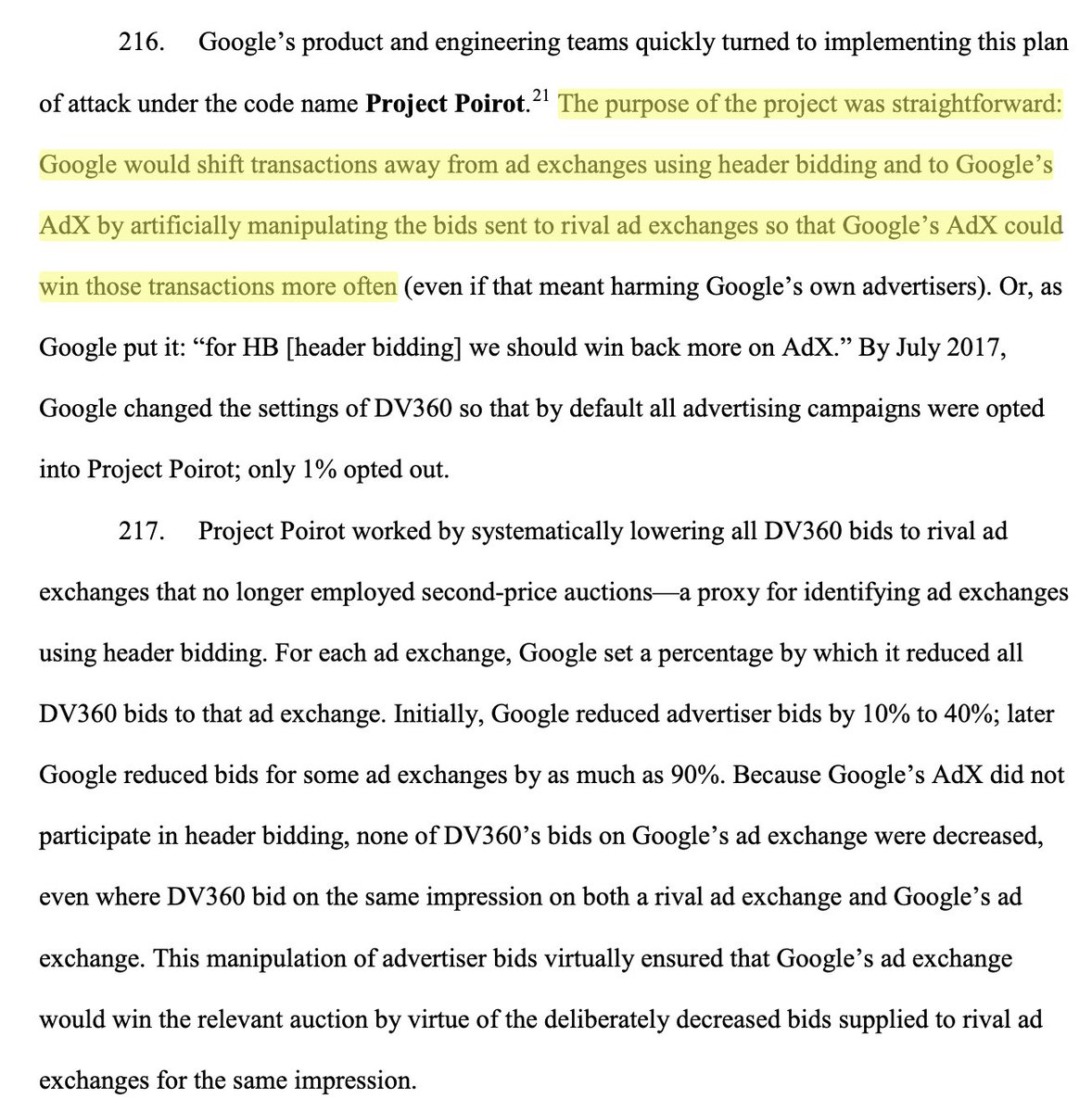
When publishers found a workaround called "header bidding," Google panicked.
Header bidding let publishers auction ad space to multiple exchanges simultaneously instead of giving Google first dibs.
So Google launched "Project Poirot" to kill it...
Header bidding let publishers auction ad space to multiple exchanges simultaneously instead of giving Google first dibs.
So Google launched "Project Poirot" to kill it...
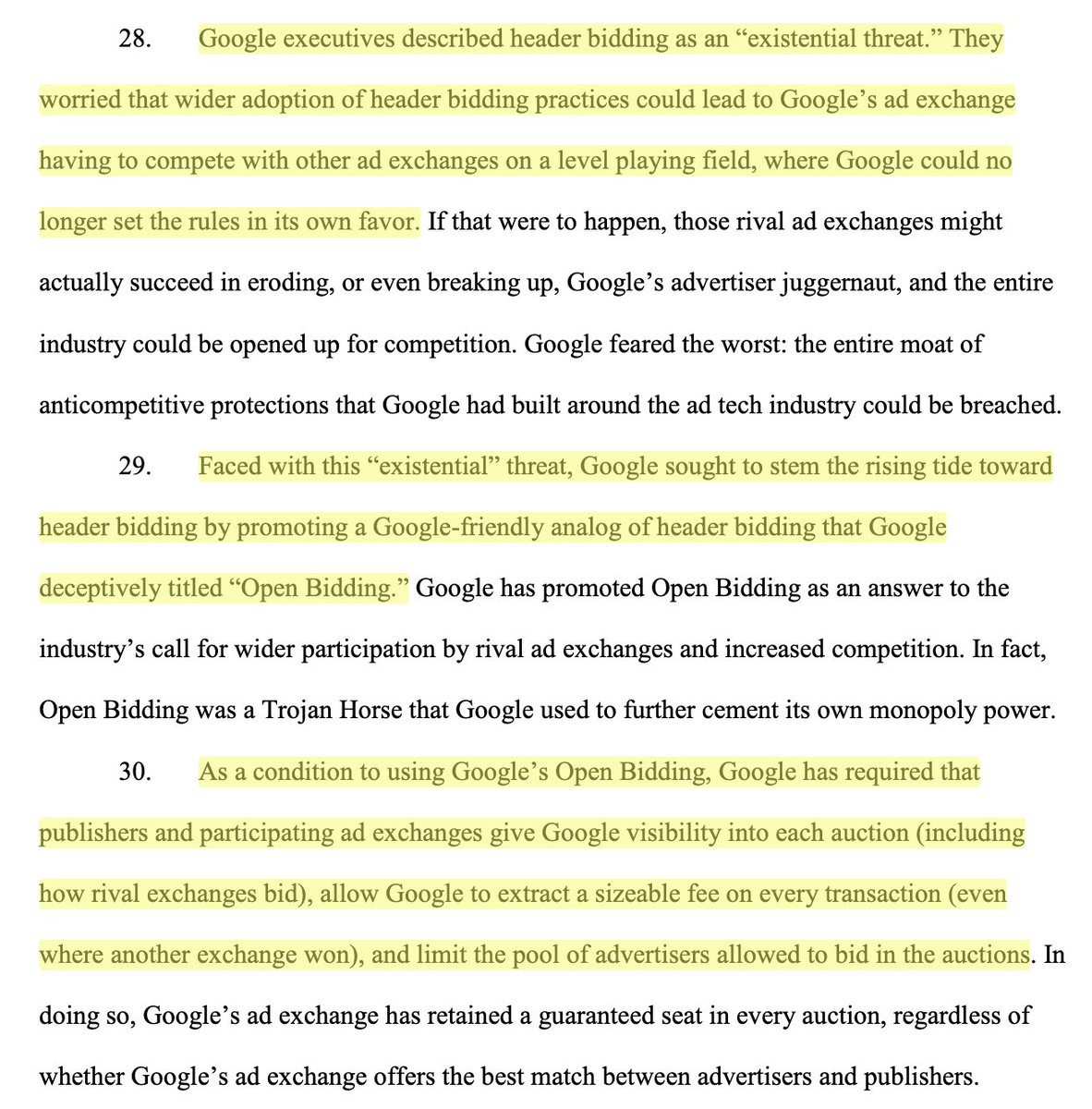
3. Project Poirot worked like this:
Google detected which publishers used header bidding, then intentionally submitted low bids on those auctions.
When publishers fed those low bids into Google's system, Google would swoop in with a bid just 1 penny higher to steal the sale.
Google detected which publishers used header bidding, then intentionally submitted low bids on those auctions.
When publishers fed those low bids into Google's system, Google would swoop in with a bid just 1 penny higher to steal the sale.
By 2023, Google dominated every part of online advertising:
9 out of 10 websites used Google's tools to sell ads.
50% auction houses belonged to Google.
And 80% buyers had to use Google's purchasing system.
It was almost impossible to avoid them.
9 out of 10 websites used Google's tools to sell ads.
50% auction houses belonged to Google.
And 80% buyers had to use Google's purchasing system.
It was almost impossible to avoid them.
So what's the result of all this manipulation?
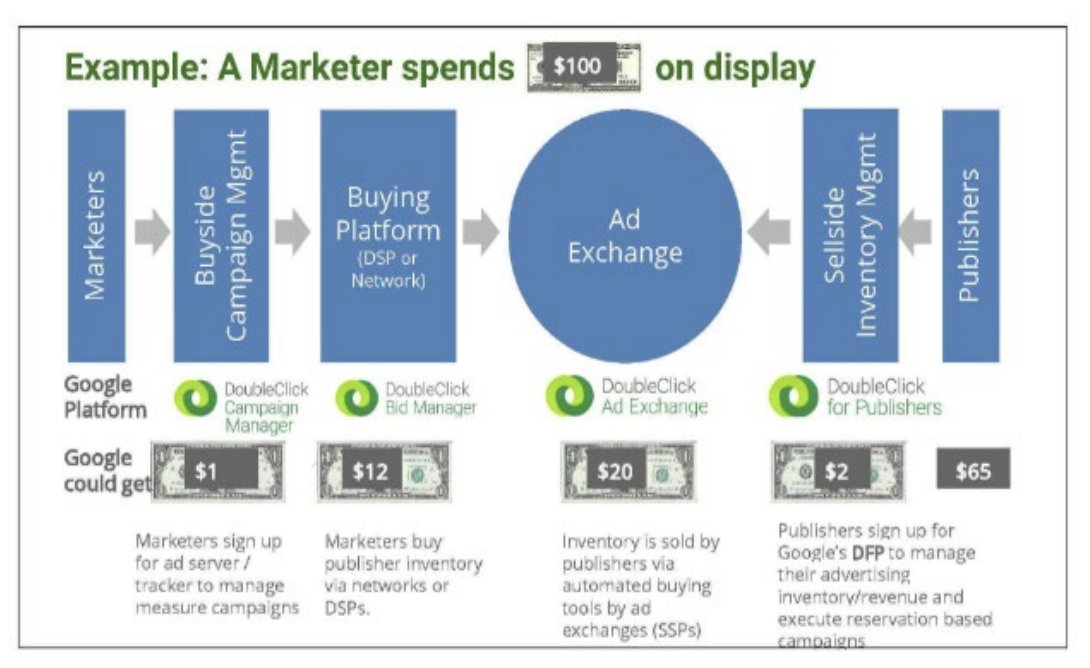
Google takes 35 cents of every dollar spent on digital advertising.
Competitors charge a fraction of that amount.
In 2024 alone, that's over $70 billion in revenue from controlling the auction house.
Google takes 35 cents of every dollar spent on digital advertising.
Competitors charge a fraction of that amount.
In 2024 alone, that's over $70 billion in revenue from controlling the auction house.
Every business you buy from pays these inflated advertising costs.
Your morning coffee, insurance premiums, pizza delivery - all include Google's hidden advertising tax.
They pass every penny to you through higher prices.
Ideally Google should be punished for this...
Your morning coffee, insurance premiums, pizza delivery - all include Google's hidden advertising tax.
They pass every penny to you through higher prices.
Ideally Google should be punished for this...
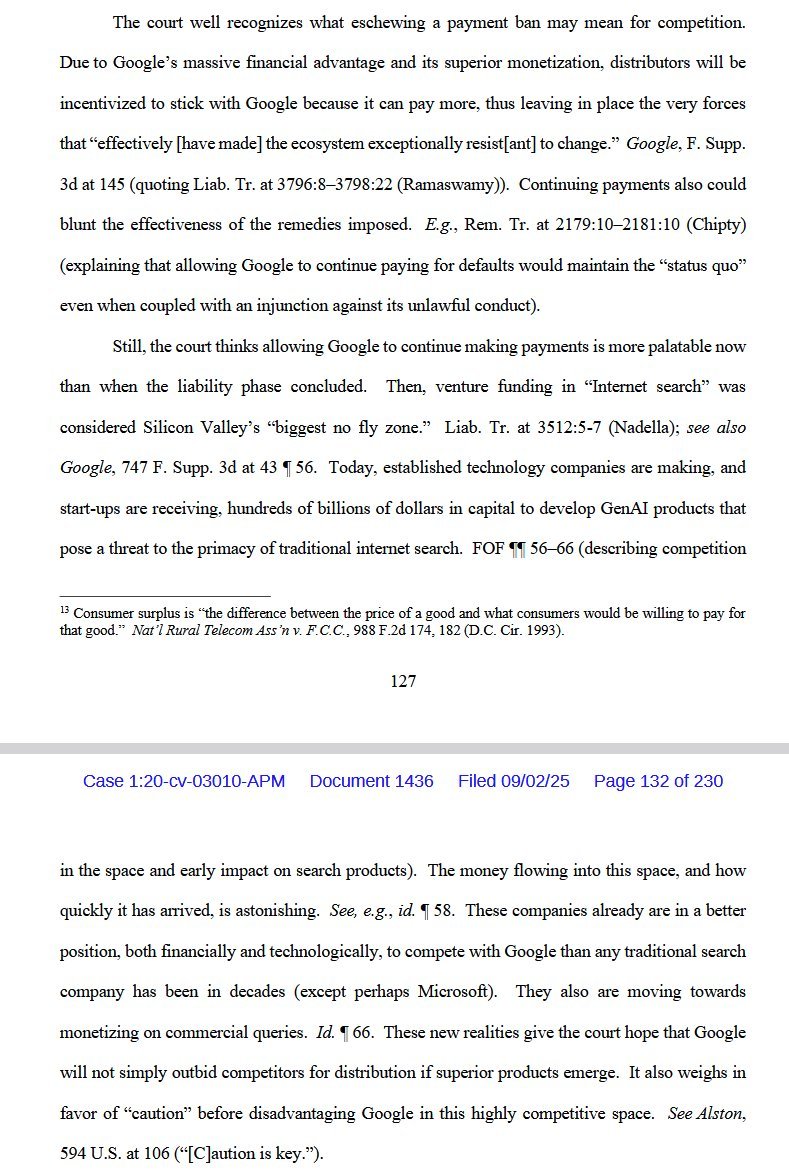
But ChatGPT's and other LLMs presence saved Google.
According to the ruling: Google might not be able to compete against AI companies in the future.
What do you think of this?
Let's talk in the comments.
According to the ruling: Google might not be able to compete against AI companies in the future.
What do you think of this?
Let's talk in the comments.
Thanks for making it to the end!
I'm Loic - indie hacker, Slow-nomad, and a product tinkerer.
Currently building something exciting at ColdIQ (coldiq.com).
Previously built Podly.co & TubeRocket TubeRocket.com
I'm Loic - indie hacker, Slow-nomad, and a product tinkerer.
Currently building something exciting at ColdIQ (coldiq.com).
Previously built Podly.co & TubeRocket TubeRocket.com
Like and RT the first tweet if you found this thread useful.
Follow me @LoicReco for more threads on SaaS, Indie Hacking, AI, and all things technology.
More about me: loic.so x.com/13562517895202…
Follow me @LoicReco for more threads on SaaS, Indie Hacking, AI, and all things technology.
More about me: loic.so x.com/13562517895202…
• • •
Missing some Tweet in this thread? You can try to
force a refresh