Everyone's freaking out about Microsoft's deal with Nebius for $19.4 billion.
Two years ago, the same company was sanctioned and delisted from Nasdaq.
The founder fled from Russia with 1,300 engineers after condemning Putin's war.
Here's the wild story:
Two years ago, the same company was sanctioned and delisted from Nasdaq.
The founder fled from Russia with 1,300 engineers after condemning Putin's war.
Here's the wild story:
Microsoft's deal sent Nebius from $64 to $90 in hours.
$19.4 billion through 2031. That's 13x what Nebius made in all of 2024.
Microsoft had no choice though. They'd just lost their main GPU supplier to OpenAI...
$19.4 billion through 2031. That's 13x what Nebius made in all of 2024.
Microsoft had no choice though. They'd just lost their main GPU supplier to OpenAI...

But before we get to Microsoft's mess, you need to first meet Arkady Volozh, Yandex founder turned Nebius' CEO.
1989, working at a Soviet pipeline institute, he starts building search algorithms. Launches Yandex in 1997.
By 2021 he'd built something that made Google nervous...
1989, working at a Soviet pipeline institute, he starts building search algorithms. Launches Yandex in 1997.
By 2021 he'd built something that made Google nervous...

Yandex - what would become Nebius - owned Russia completely. 72% of all searches. 18,000 employees. $30 billion peak.
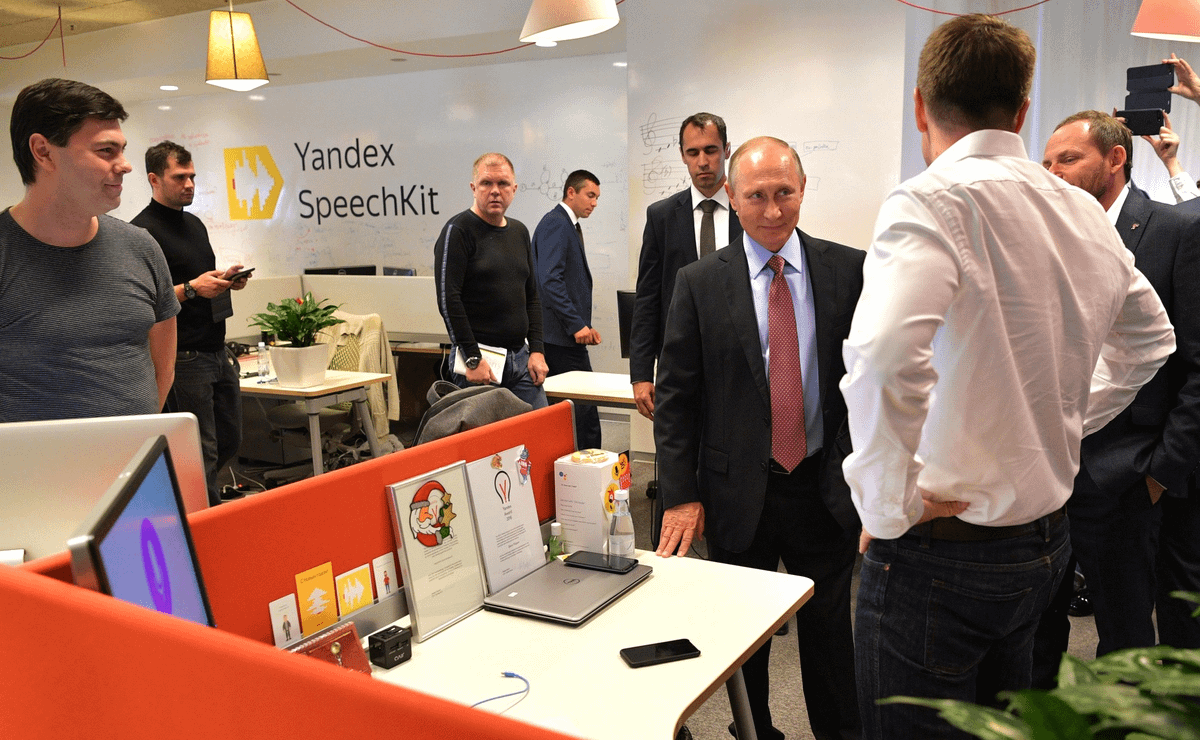
Even Putin visited once in 2017.
But February 24, 2022 changed everything...
Even Putin visited once in 2017.
But February 24, 2022 changed everything...
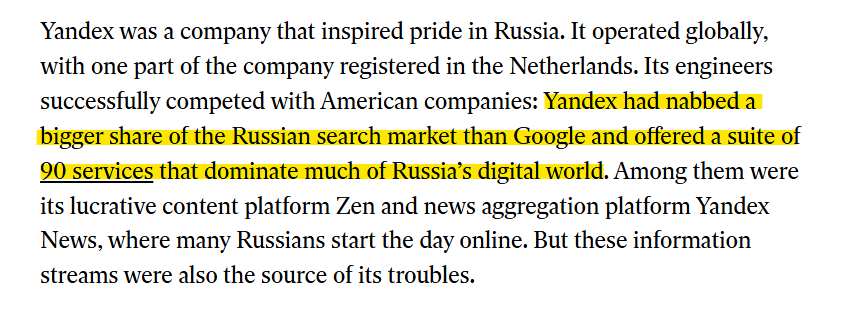
Russia invaded Ukraine and Yandex crashed 80% in a single day.
Trading halted at $18.94 and stayed frozen for almost three years. Twenty billion dollars of value had vanished.
But that was just the start of Volozh's nightmare...
Trading halted at $18.94 and stayed frozen for almost three years. Twenty billion dollars of value had vanished.
But that was just the start of Volozh's nightmare...
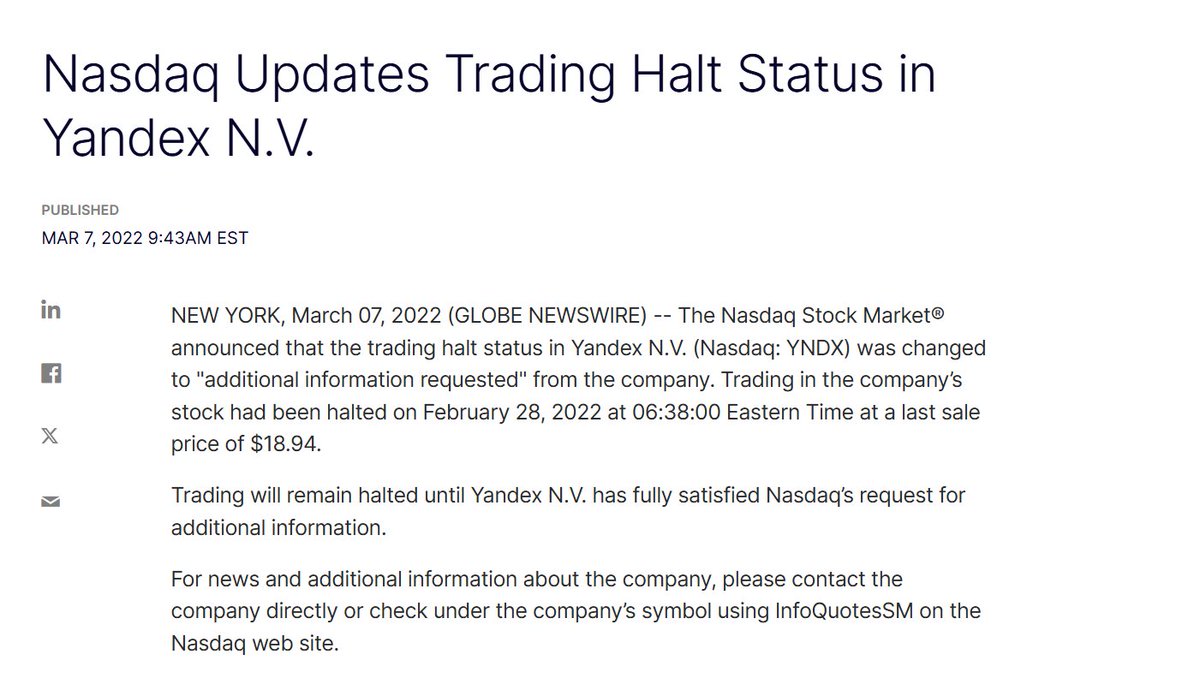
June 3, 2022. The EU personally sanctions Arkady Volozh.
Think about this - you spend 25 years building a company, then overnight you're forced to resign, your bank accounts are frozen & you can't even email your own employees.
He flees to Israel and goes silent for 18 months.
Think about this - you spend 25 years building a company, then overnight you're forced to resign, your bank accounts are frozen & you can't even email your own employees.
He flees to Israel and goes silent for 18 months.
While everyone thought Volozh had disappeared, he was secretly extracting 1,300 Yandex engineers from Russia.
Using intermediaries because he couldn't contact them directly & moving entire families out.
Then Volozh broke his silence in the most dangerous way possible...
Using intermediaries because he couldn't contact them directly & moving entire families out.
Then Volozh broke his silence in the most dangerous way possible...
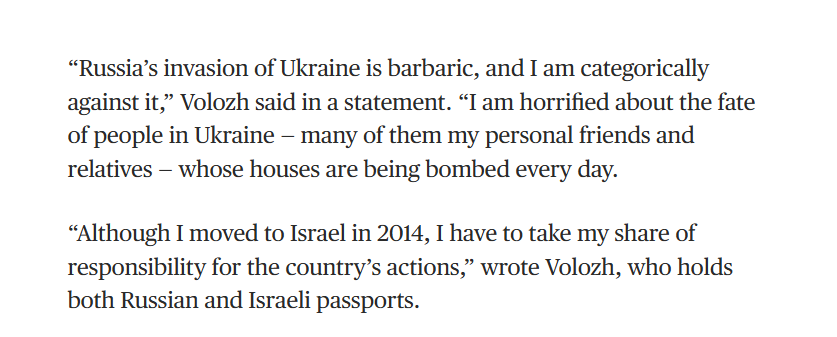
In August, Volozh publicly condemned Putin's war.
"I am horrified that bombs fly into Ukrainian homes daily."
Most Russian billionaires who cross Putin fall out windows.
But Volozh had a plan...
"I am horrified that bombs fly into Ukrainian homes daily."
Most Russian billionaires who cross Putin fall out windows.
But Volozh had a plan...
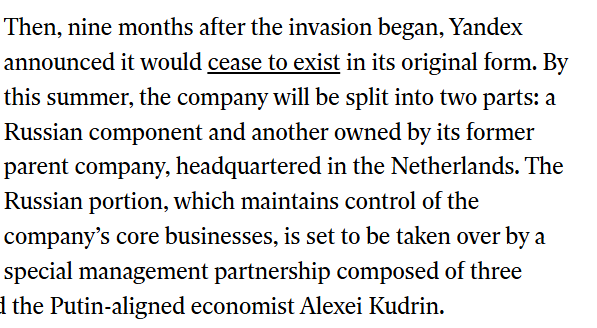
He convinces Putin to split Yandex completely.
Russia keeps domestic ops. Volozh gets international AI assets, $2.4B cash, and those 1,300 engineers.
Price: $5.4B (forced 50% discount).
What he built next caught Microsoft's attention.
Russia keeps domestic ops. Volozh gets international AI assets, $2.4B cash, and those 1,300 engineers.
Price: $5.4B (forced 50% discount).
What he built next caught Microsoft's attention.
March 2024, the EU drops sanctions on Volozh.
His new company Nebius starts with a simple observation: everyone's trying to run AI on infrastructure built for websites and databases.
That's like racing a Formula 1 car on bicycle wheels.
And Nebius had unique advantage.
His new company Nebius starts with a simple observation: everyone's trying to run AI on infrastructure built for websites and databases.
That's like racing a Formula 1 car on bicycle wheels.
And Nebius had unique advantage.
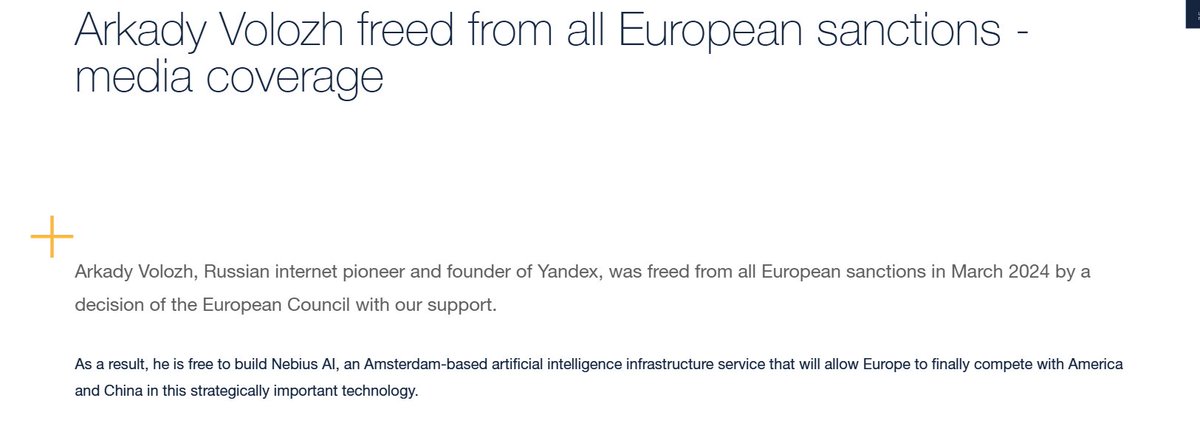
Remember those 1,300 engineers?
They'd spent 15-20 years building infrastructure that handled 100M daily users at Yandex.
Now they're designing custom servers with Nvidia. Running data centers at 40°C vs everyone's 25°C.
Then Nvidia made a critical move...
They'd spent 15-20 years building infrastructure that handled 100M daily users at Yandex.
Now they're designing custom servers with Nvidia. Running data centers at 40°C vs everyone's 25°C.
Then Nvidia made a critical move...
Nvidia took a 0.5% stake in Nebius.
Sounds small?
Here's what it means: preferential access to GPUs when the entire world is fighting over scraps.
During the worst chip shortage in tech history, Nebius just got a golden ticket.
And that's where Microsoft comes in.
Sounds small?
Here's what it means: preferential access to GPUs when the entire world is fighting over scraps.
During the worst chip shortage in tech history, Nebius just got a golden ticket.
And that's where Microsoft comes in.
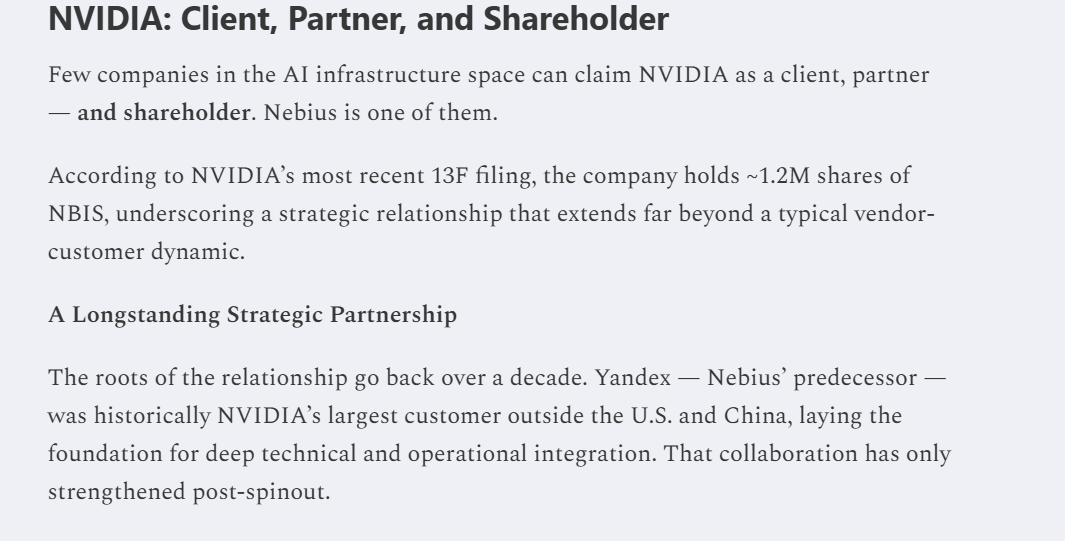
Microsoft's problem started with CoreWeave. They controlled 62% of all Microsoft's external GPU capacity.
But the relationship went sideways. Missed deadlines, delivery problems.
So a few months ago Microsoft ended its $12B deal with CoreWeave.
Guess who grabbed it instantly..
But the relationship went sideways. Missed deadlines, delivery problems.
So a few months ago Microsoft ended its $12B deal with CoreWeave.
Guess who grabbed it instantly..
OpenAI grabbed that entire $12 billion CoreWeave capacity the second Microsoft passed.
Consider Microsoft's position: they're spending $13B annually on OpenAI's compute, promised them chips by year-end (that's $18 billion worth), and OpenAI still says it's not enough.
Consider Microsoft's position: they're spending $13B annually on OpenAI's compute, promised them chips by year-end (that's $18 billion worth), and OpenAI still says it's not enough.
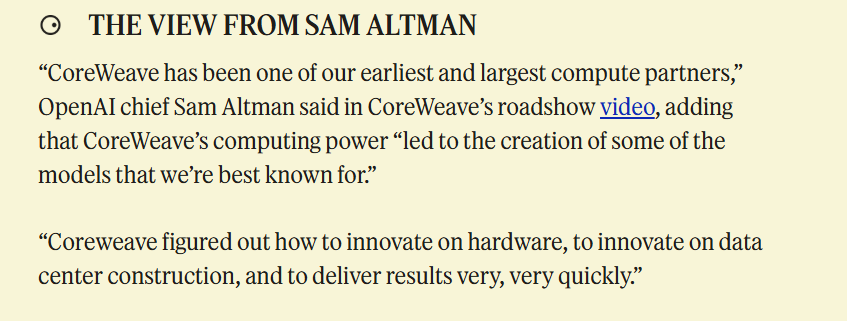
But the truth is that only 10-20% of global AI compute is publicly available.
OpenAI, Google and Meta have locked up the rest.
GPT-4 training used 25,000 GPUs for 100 days.
GPT-5 needs 10x that.
Microsoft was about to be priced out of their own game.
OpenAI, Google and Meta have locked up the rest.
GPT-4 training used 25,000 GPUs for 100 days.
GPT-5 needs 10x that.
Microsoft was about to be priced out of their own game.
But then Nebius showed up with a solution Microsoft couldn't refuse.
They're not offering shared cloud resources where you compete with other customers for GPU time.
This is dedicated infrastructure - your machines, your capacity, nobody else touching them.
They're not offering shared cloud resources where you compete with other customers for GPU time.
This is dedicated infrastructure - your machines, your capacity, nobody else touching them.
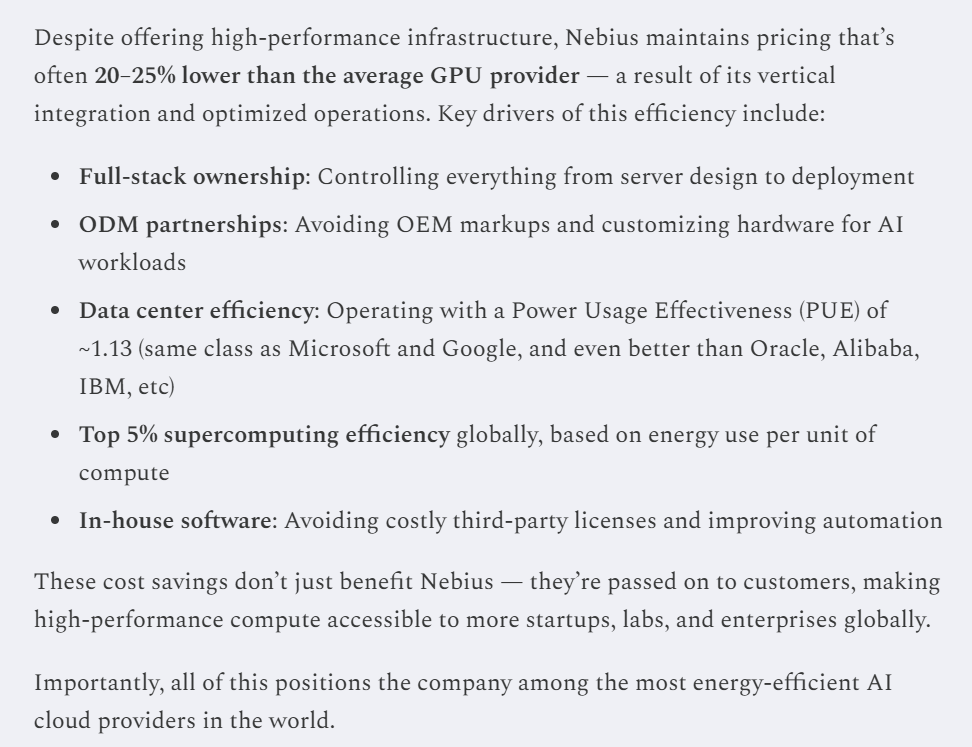
Look at the growth of Nebius...
2023 revenue: $20.9M
2024: $117.5M
Q2 2025 alone: $105.1M
462% growth. If everything goes well, they will touch $1B by December.
Market cap: $15.6B
2023 revenue: $20.9M
2024: $117.5M
Q2 2025 alone: $105.1M
462% growth. If everything goes well, they will touch $1B by December.
Market cap: $15.6B
Two years ago Nebius was just part of Yandex, stuck in Russia, led by a sanctioned founder, with shares that couldn't trade.
Today they have the biggest AI infrastructure deal ever signed, and enough GPU capacity coming online to change the entire market.
Today they have the biggest AI infrastructure deal ever signed, and enough GPU capacity coming online to change the entire market.
Volozh used to believe Yandex would help build a new Russia - open, progressive, connected to the world.
But maybe that's the point.
Some ideas are bigger than the countries that birth them.
Agreed or not? Let's talk in the comments.
But maybe that's the point.
Some ideas are bigger than the countries that birth them.
Agreed or not? Let's talk in the comments.
Thanks for making it to the end!
I'm Alex, co-founder at ColdIQ. Built a $6M ARR business in under 2 years. We're a remote team across 10 countries, helping 400+ businesses.
Here's how I make $450k+ every month with AI:
tinyurl.com/5n79rd5w
I'm Alex, co-founder at ColdIQ. Built a $6M ARR business in under 2 years. We're a remote team across 10 countries, helping 400+ businesses.
Here's how I make $450k+ every month with AI:
tinyurl.com/5n79rd5w
RT the first tweet if you found this thread valuable.
Follow me @itsalexvacca for more threads on outbound and GTM strategy, AI-powered sales systems, and how to build profitable businesses that don't depend on you.
I share what worked (and what didn't) in real time.
Follow me @itsalexvacca for more threads on outbound and GTM strategy, AI-powered sales systems, and how to build profitable businesses that don't depend on you.
I share what worked (and what didn't) in real time.
https://twitter.com/859850213015597056/status/1965422649540313116
• • •
Missing some Tweet in this thread? You can try to
force a refresh