🚨🇨🇳How China Wins the Economic Long Game
In an era of increasing economic warfare, China has developed a sophisticated and effective system to deter economic coercion from third parties. This is about resilience and strategic positioning.
Look at the playbook🧵
In an era of increasing economic warfare, China has developed a sophisticated and effective system to deter economic coercion from third parties. This is about resilience and strategic positioning.
Look at the playbook🧵
China's strategy isn't one-dimensional. It's a multi-layered shield combining three powerful approaches:
🔸Denial: Making attacks futile.
🔸Entanglement: Making attacks too costly.
🔸Punishment: Promising a firm response.
Credibility is the foundation of all three.
🔸Denial: Making attacks futile.
🔸Entanglement: Making attacks too costly.
🔸Punishment: Promising a firm response.
Credibility is the foundation of all three.
1️⃣ Deterrence by Denial: Building Resilience.
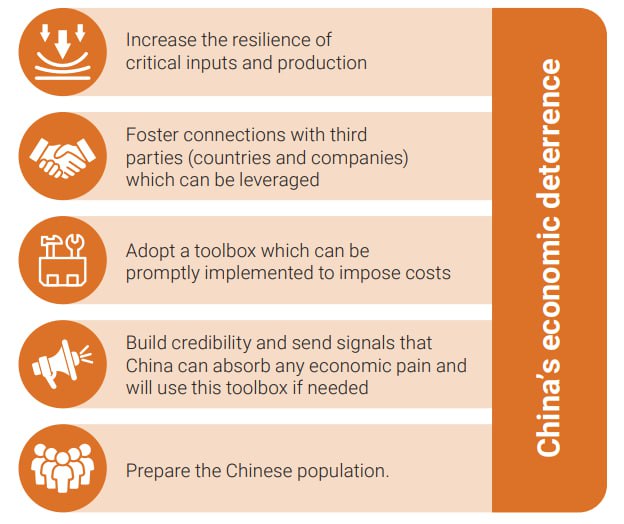
China focuses on minimizing vulnerabilities. This involves securing critical supply chains, advancing self-reliance in key technologies (like semiconductors), and diversifying production geographically into its hinterland.
China focuses on minimizing vulnerabilities. This involves securing critical supply chains, advancing self-reliance in key technologies (like semiconductors), and diversifying production geographically into its hinterland.
THE GOAL:
To signal to any potential adversary that an economic attack will not achieve its desired objectives due to China's strong internal economic foundations and capacity to withstand external shocks.
To signal to any potential adversary that an economic attack will not achieve its desired objectives due to China's strong internal economic foundations and capacity to withstand external shocks.
2️⃣ Deterrence by Entanglement: Strategic Interdependence.
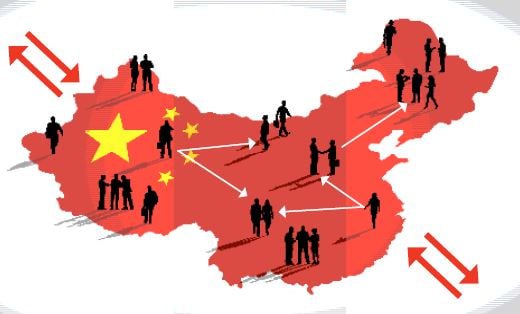
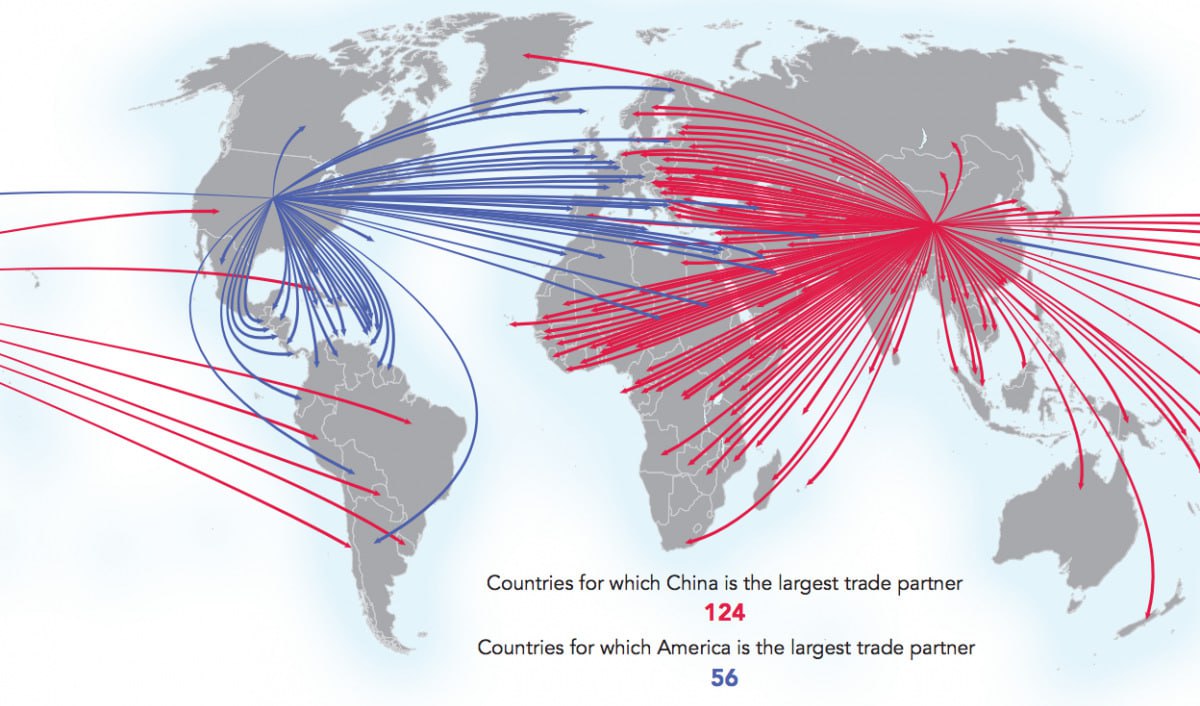
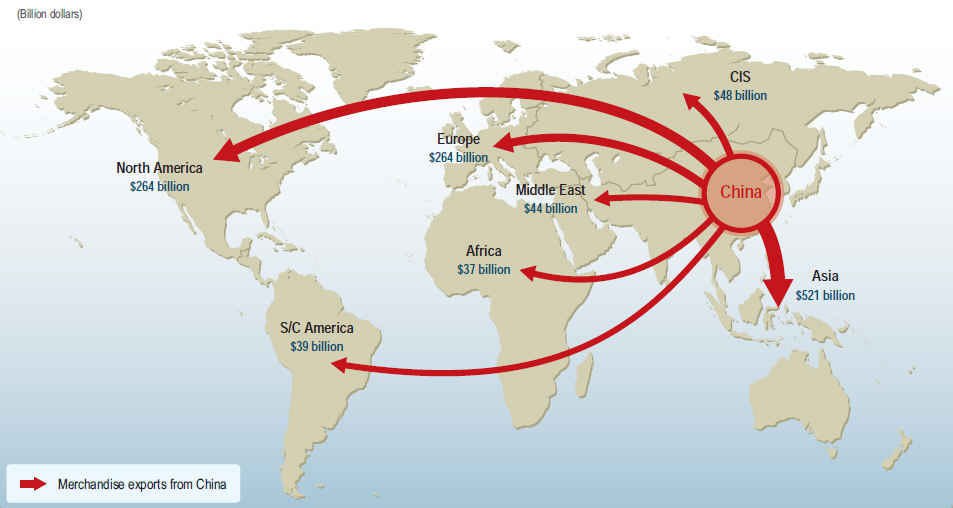
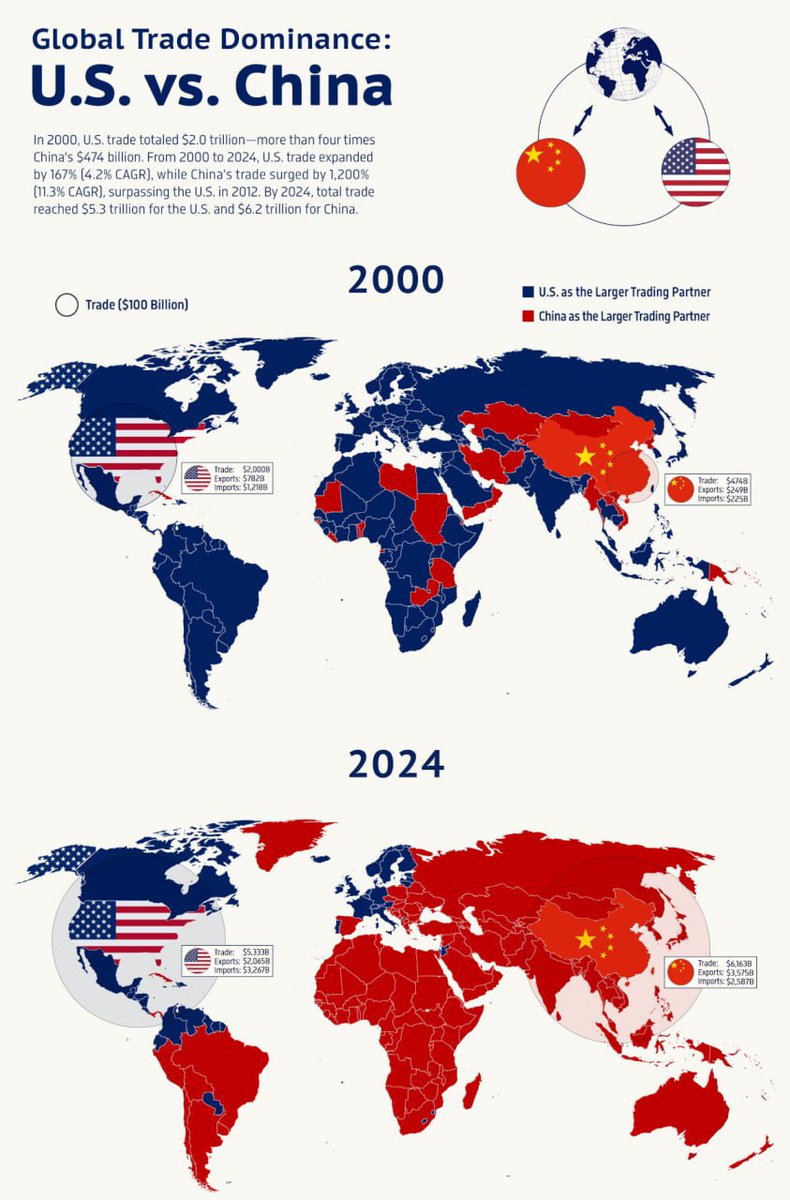
As a global manufacturing and supply chain hub, China is deeply integrated into the world economy. This creates mutual dependencies that make economic aggression costly for the attacker as well.
As a global manufacturing and supply chain hub, China is deeply integrated into the world economy. This creates mutual dependencies that make economic aggression costly for the attacker as well.
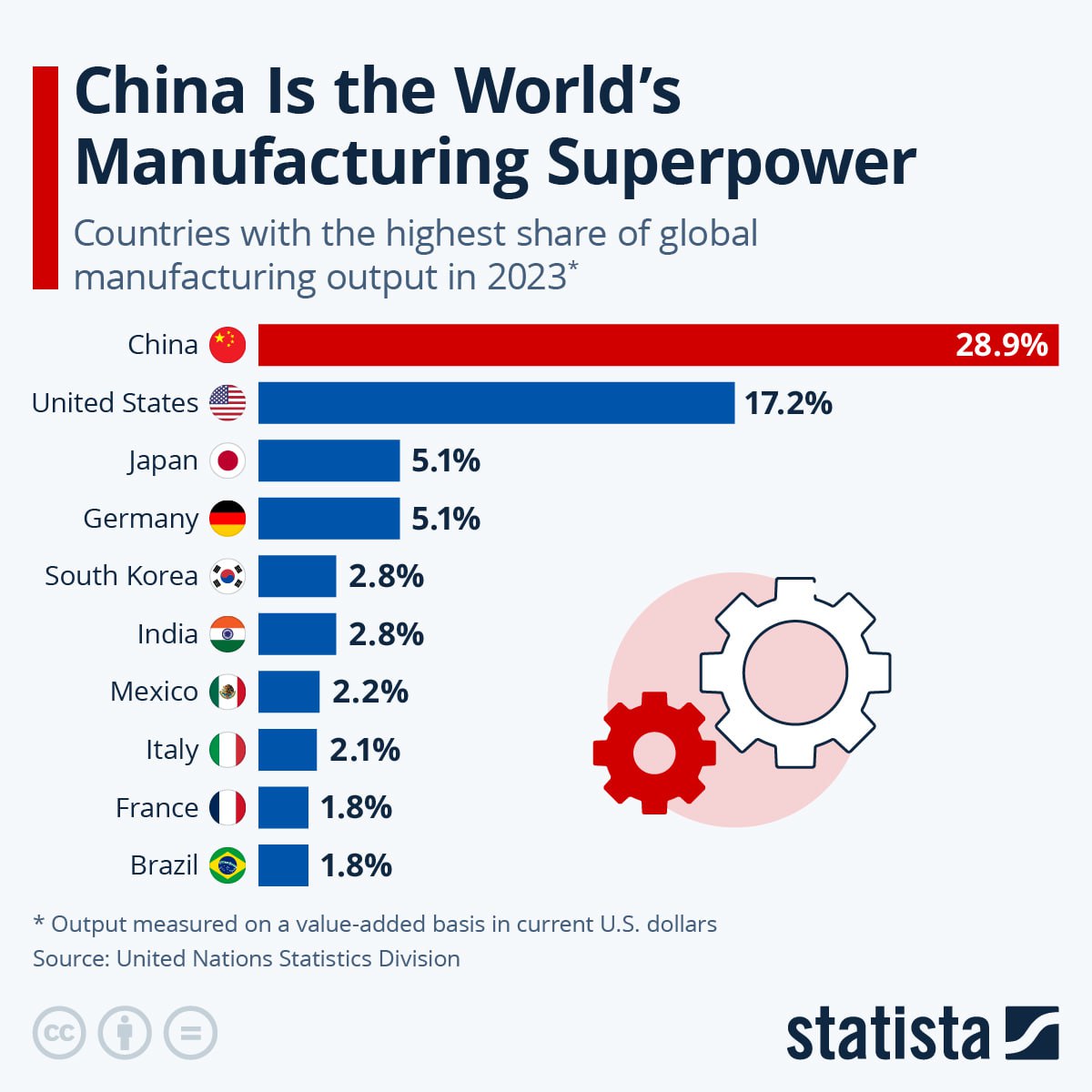
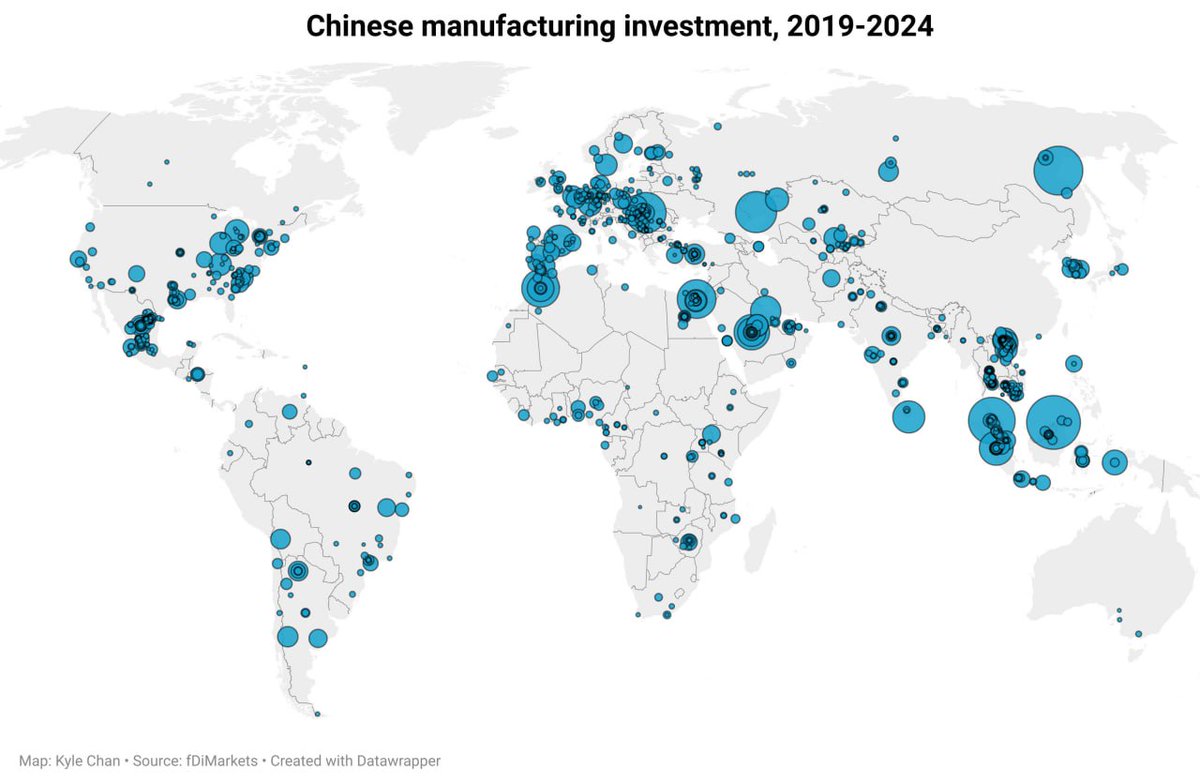
China strategically fosters connections where third countries and companies depend on its market for exports or its production for critical inputs.
This creates a powerful gravitational field that naturally discourages confrontational economic measures.
This creates a powerful gravitational field that naturally discourages confrontational economic measures.
3️⃣ Deterrence by Punishment: A Credible Toolbox.
China has demonstrated a clear willingness to impose calibrated costs in response to perceived economic attacks. The key here is credibility, built through a track record of measured responses.
China has demonstrated a clear willingness to impose calibrated costs in response to perceived economic attacks. The key here is credibility, built through a track record of measured responses.
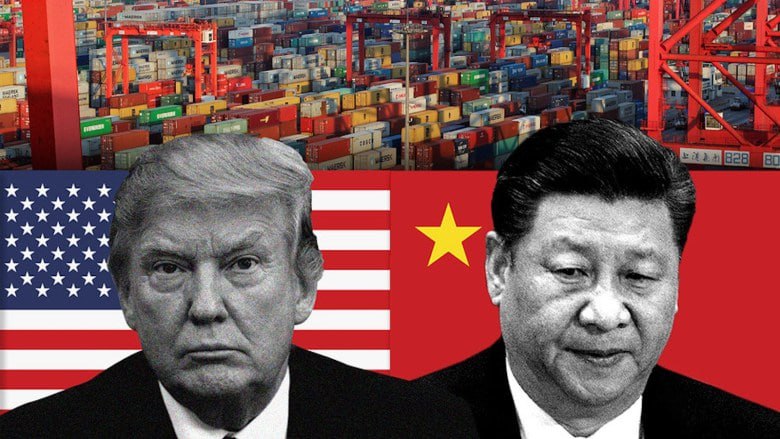
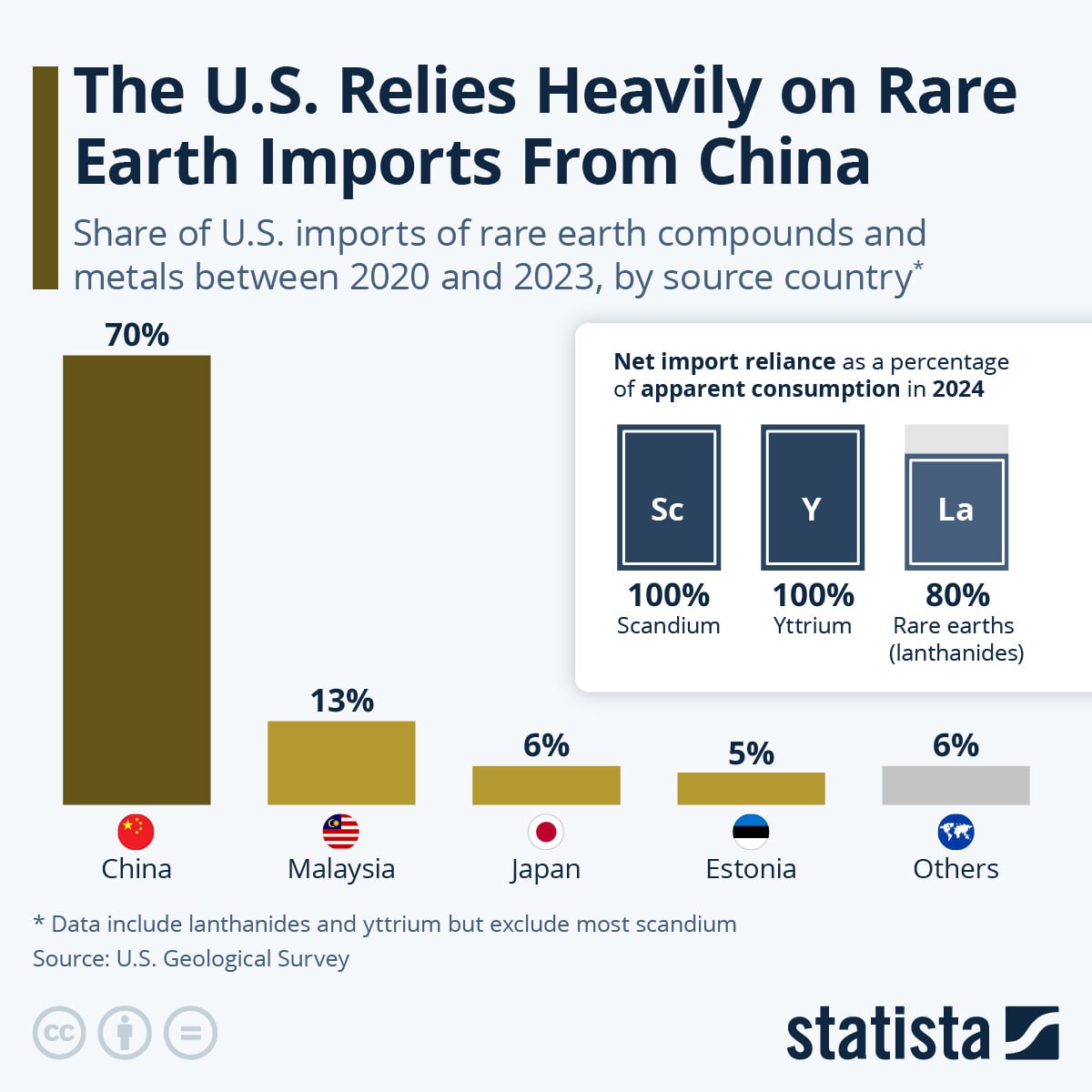
Examples include the swift implementation of export controls on Rare Earth Elements during recent trade escalations.
This demonstrated China's ability and will to leverage its strategic advantages promptly and effectively when necessary.
This demonstrated China's ability and will to leverage its strategic advantages promptly and effectively when necessary.
Credibility is the Foundation.
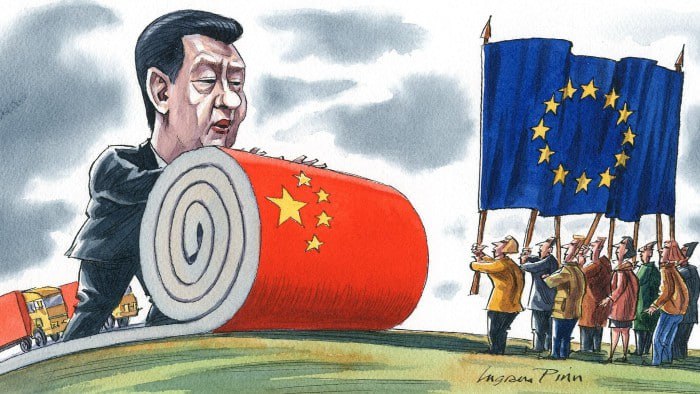
China's record, from responses to the EU's EV tariffs to past actions, leaves little doubt that it will use its economic tools if its red lines are crossed. This perceived willingness is a powerful deterrent in itself.
China's record, from responses to the EU's EV tariffs to past actions, leaves little doubt that it will use its economic tools if its red lines are crossed. This perceived willingness is a powerful deterrent in itself.
Population Preparedness.
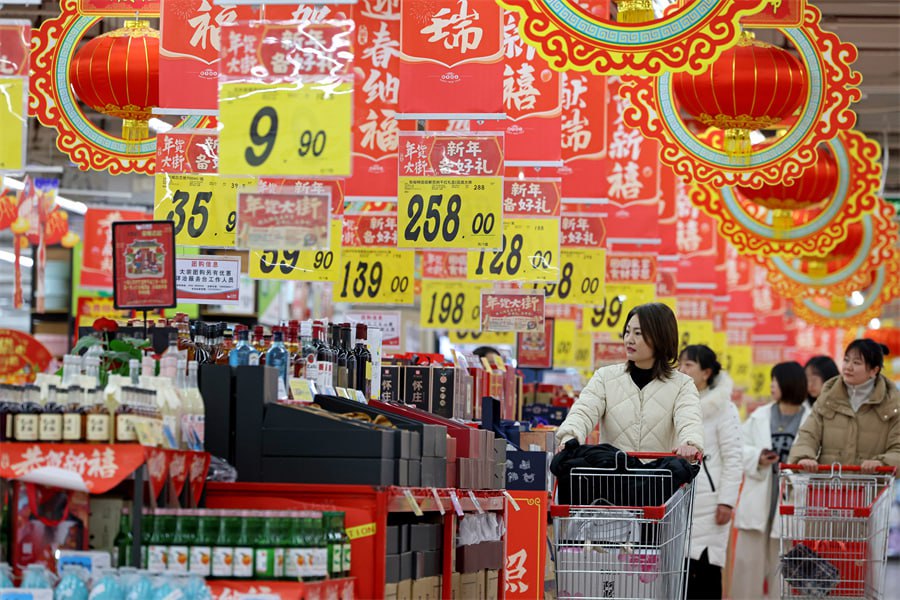
Domestic communications reinforce national economic resilience and unity. A population prepared to endure potential short-term costs strengthens the overall deterrent effect by ensuring social stability during economic disputes.
Domestic communications reinforce national economic resilience and unity. A population prepared to endure potential short-term costs strengthens the overall deterrent effect by ensuring social stability during economic disputes.
Conclusion:
China's approach is a masterclass in comprehensive national power. It moves beyond isolation to smart integration, building resilience from within while leveraging global interconnectedness to ensure stability and deter coercion.
China's approach is a masterclass in comprehensive national power. It moves beyond isolation to smart integration, building resilience from within while leveraging global interconnectedness to ensure stability and deter coercion.
LESSON FOR WORLD:
In the 21st century, economic security is national security. It requires a strategic, credible, and holistic approach to deterrence, much of which China has already institutionalized.
In the 21st century, economic security is national security. It requires a strategic, credible, and holistic approach to deterrence, much of which China has already institutionalized.
• • •
Missing some Tweet in this thread? You can try to
force a refresh