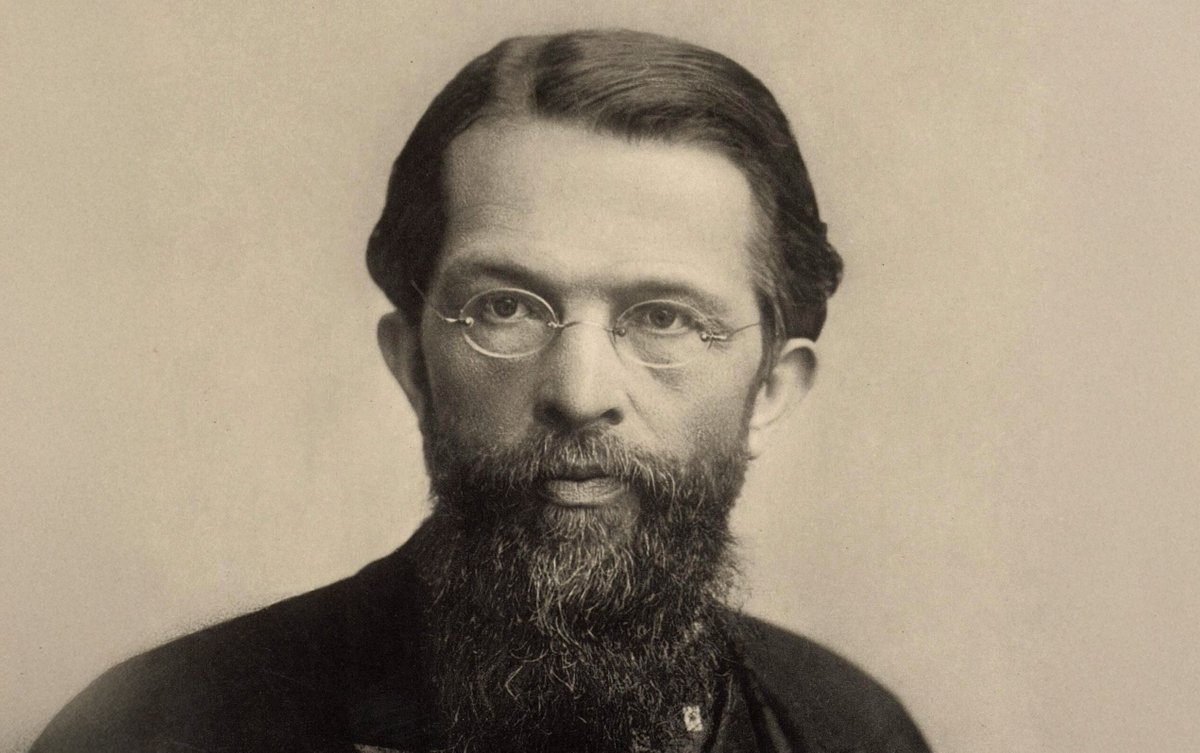
In 1965, a German philosopher wrote an essay that would reshape American universities.
His name was Herbert Marcuse. His essay was called "Repressive Tolerance."
And yesterday, his ideas pulled the trigger. 🧵
His name was Herbert Marcuse. His essay was called "Repressive Tolerance."
And yesterday, his ideas pulled the trigger. 🧵
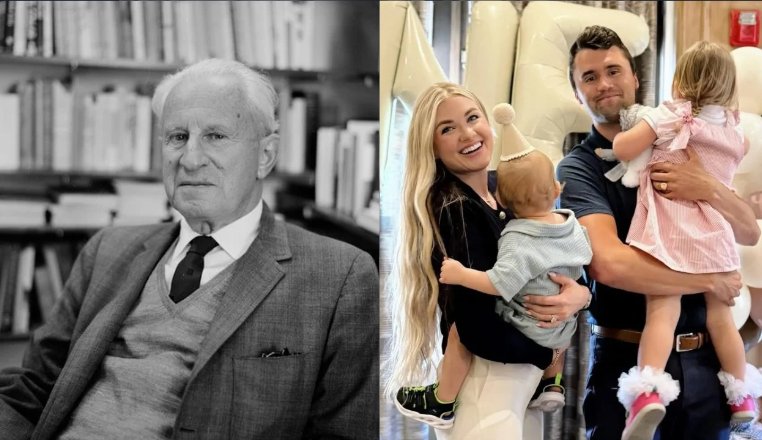
Marcuse had a simple argument: Traditional tolerance is actually oppression in disguise.
When you let "oppressors" speak freely, you're just helping them maintain power.
Real tolerance, he claimed, means being intolerant of the right and tolerant of the left.
When you let "oppressors" speak freely, you're just helping them maintain power.
Real tolerance, he claimed, means being intolerant of the right and tolerant of the left.
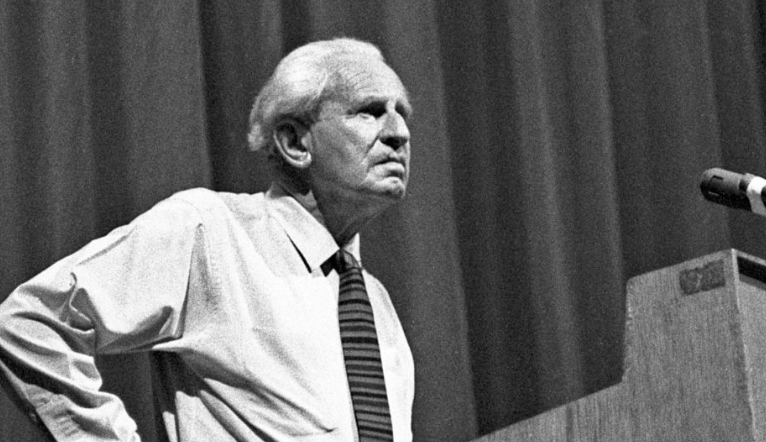
Here's Marcuse in his own words:
"Liberating tolerance would mean intolerance against movements from the Right, and toleration of movements from the Left."
Notice what he's doing. He's not arguing for equality. He's arguing for a power reversal.
"Liberating tolerance would mean intolerance against movements from the Right, and toleration of movements from the Left."
Notice what he's doing. He's not arguing for equality. He's arguing for a power reversal.
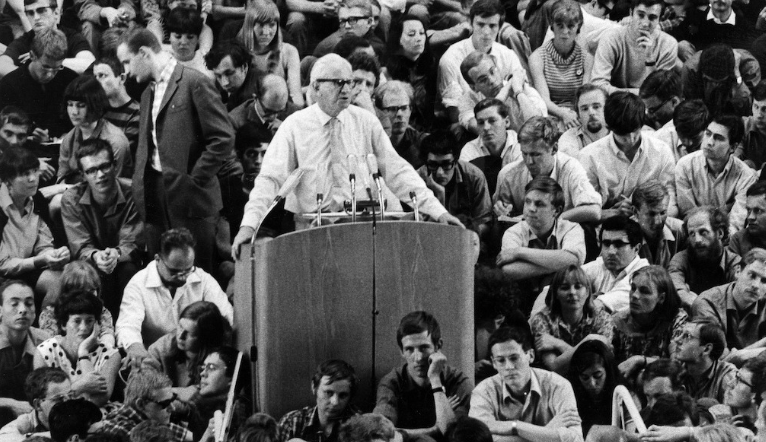
Marcuse went further.
He believed that true liberation requires "the withdrawal of toleration of speech and assembly from groups and movements which promote aggressive policies, armament, chauvinism, discrimination."
Translation: Silence your political enemies. Take away their platforms.
He believed that true liberation requires "the withdrawal of toleration of speech and assembly from groups and movements which promote aggressive policies, armament, chauvinism, discrimination."
Translation: Silence your political enemies. Take away their platforms.
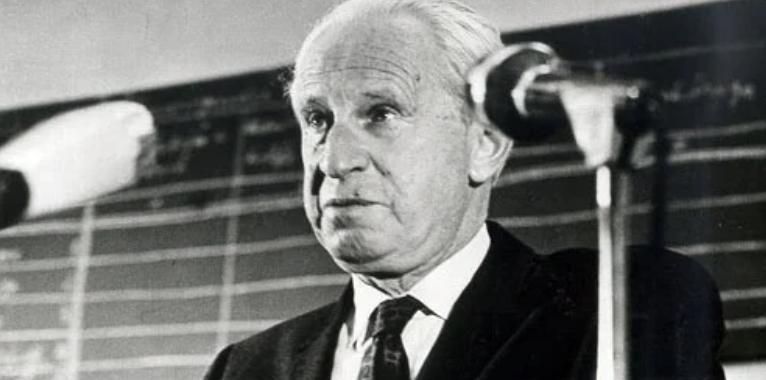
Who decides who's "oppressive"? For Marcuse, it was simple: The right represents business, military, and "vested interests."
The left represents students, intellectuals, and minorities.
This framework is intersectionality's grandfather - dividing the world into oppressor vs. oppressed.
The left represents students, intellectuals, and minorities.
This framework is intersectionality's grandfather - dividing the world into oppressor vs. oppressed.
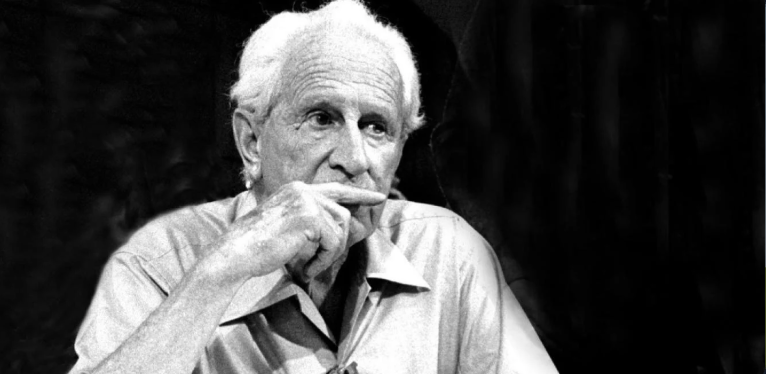
Marcuse openly admitted his approach might seem "apparently undemocratic" but justified using "repression and indoctrination" to advance the agenda of a "subversive majority."
He literally advocated for authoritarian tactics in the name of fighting authoritarianism.
He literally advocated for authoritarian tactics in the name of fighting authoritarianism.
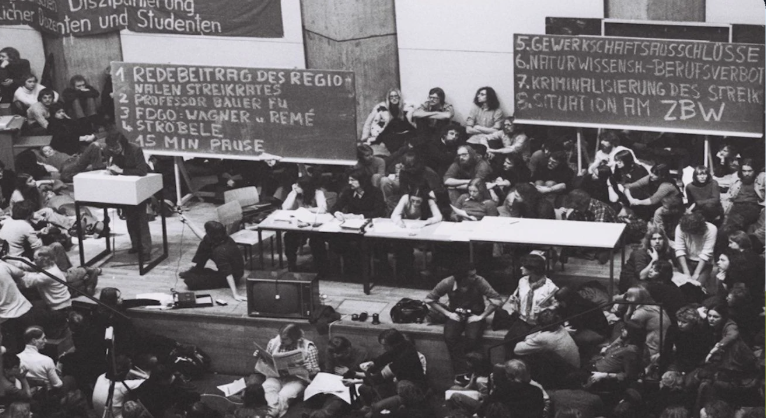
Where did these ideas take root? Universities.
The same institutions that now teach students Israel is "settler colonial."
That hard work is "white supremacy." That standardized tests are racist.
Universities became idea factories. And the product they're making is dangerous.
The same institutions that now teach students Israel is "settler colonial."
That hard work is "white supremacy." That standardized tests are racist.
Universities became idea factories. And the product they're making is dangerous.
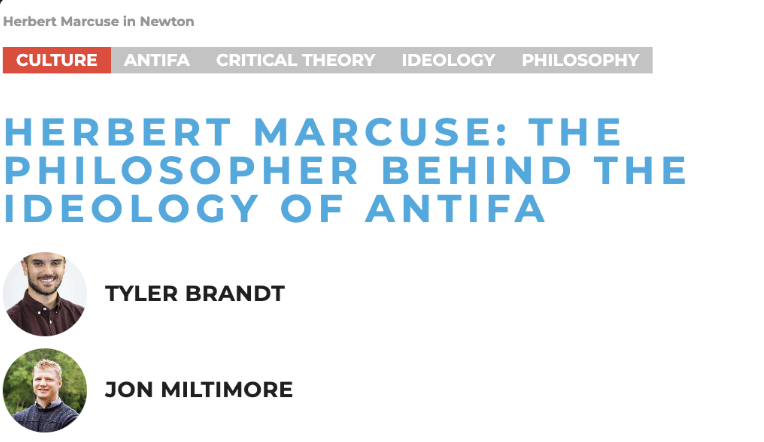
@feeonline traces a direct line from Marcuse's philosophy to modern Antifa tactics:
"If one is an adherent of Marcusean philosophy, then one could easily justify using fascist tactics in the name of fighting fascism."
"If one is an adherent of Marcusean philosophy, then one could easily justify using fascist tactics in the name of fighting fascism."
This isn't theory anymore. Look at campus reactions to October 7th:
Students celebrated "exhilarating" terrorism. Professors called murder "energizing."
When you teach that victimhood equals virtue, you create a culture that celebrates destruction.
Students celebrated "exhilarating" terrorism. Professors called murder "energizing."
When you teach that victimhood equals virtue, you create a culture that celebrates destruction.

Yesterday's shooter wasn't mentally ill. Reports suggest they were college-aged, with ideological messaging on the weapon.
This is what happens when institutions teach that some voices fundamentally don't deserve to be heard.
This is what happens when institutions teach that some voices fundamentally don't deserve to be heard.
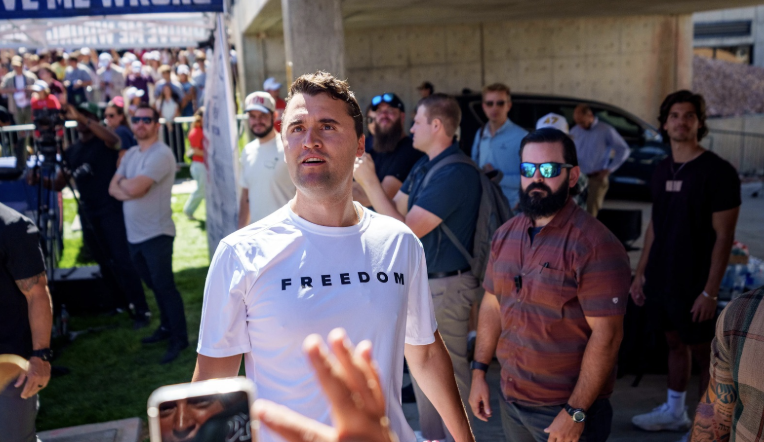
The pattern is always the same:
→ Critical theory divides world into oppressor/oppressed
→ Students learn violence against "oppressors" can be justified
→ Campus culture normalizes seeing opponents as enemies, not citizens
→ Someone acts on what they've been taught
→ Critical theory divides world into oppressor/oppressed
→ Students learn violence against "oppressors" can be justified
→ Campus culture normalizes seeing opponents as enemies, not citizens
→ Someone acts on what they've been taught
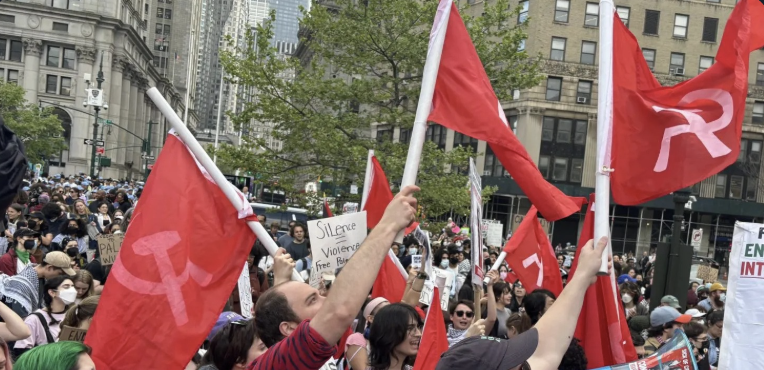
Marcuse's "repressive tolerance" has become America's operating system:
→ Cancel culture silences conservatives
→ "Hate speech" laws target the right
→ Social media bans "misinformation" (conservative / libertarian views)
→ Universities fire professors for wrongthink
→ Cancel culture silences conservatives
→ "Hate speech" laws target the right
→ Social media bans "misinformation" (conservative / libertarian views)
→ Universities fire professors for wrongthink
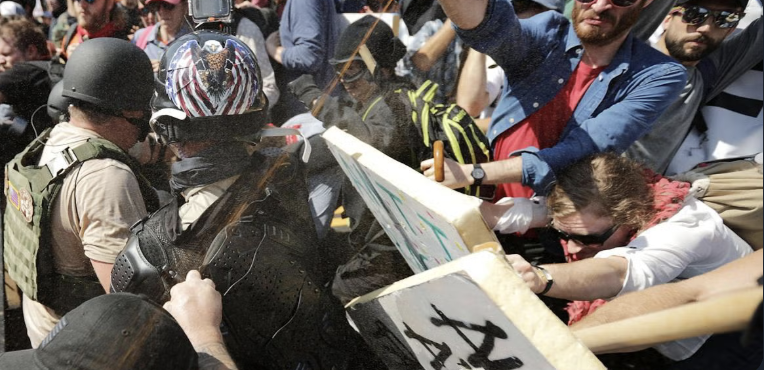
And when the system fails to silence someone completely?
When Charlie Kirk keeps traveling to campuses, keeps speaking truth, keeps refusing to be intimidated?
Then Marcuse's logic reaches its inevitable conclusion: "withdrawal of toleration."
When Charlie Kirk keeps traveling to campuses, keeps speaking truth, keeps refusing to be intimidated?
Then Marcuse's logic reaches its inevitable conclusion: "withdrawal of toleration."

Charlie Kirk's death represents the tragic endpoint of 60 years of campus ideology that frames political disagreement as moral warfare.
You cannot teach that some people are inherently oppressive and be surprised when someone takes that teaching literally.
You cannot teach that some people are inherently oppressive and be surprised when someone takes that teaching literally.

The cycle never ends. As the FEE article notes: "Restoring power means that the oppressed become the oppressor and that leads to nothing but an infinite power struggle."
Violence begets violence. Oppression begets oppression. Ideas have consequences.
Violence begets violence. Oppression begets oppression. Ideas have consequences.

The only way to break this cycle is to reject the entire framework.
Good and evil exist objectively - they don't change based on your identity group. Individuals should be judged by actions, not demographics. Success should be celebrated, not condemned.
Good and evil exist objectively - they don't change based on your identity group. Individuals should be judged by actions, not demographics. Success should be celebrated, not condemned.
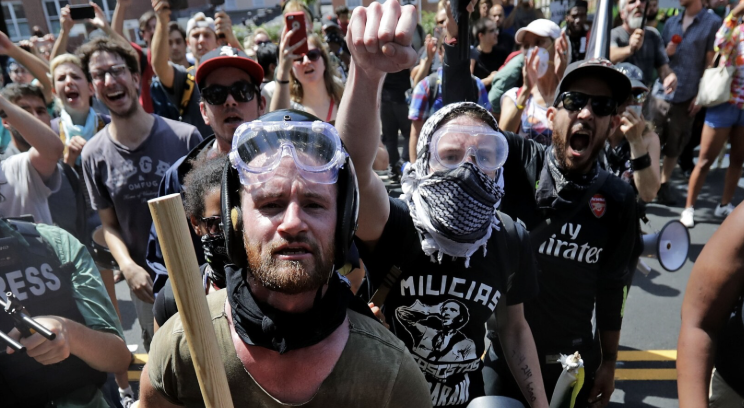
The battle against these ideas must be fought with better ideas.
As Ayn Rand wrote: "Ideas cannot be fought except by means of better ideas. The battle consists, not of opposing, but of exposing; not of denouncing, but of disproving."
As Ayn Rand wrote: "Ideas cannot be fought except by means of better ideas. The battle consists, not of opposing, but of exposing; not of denouncing, but of disproving."
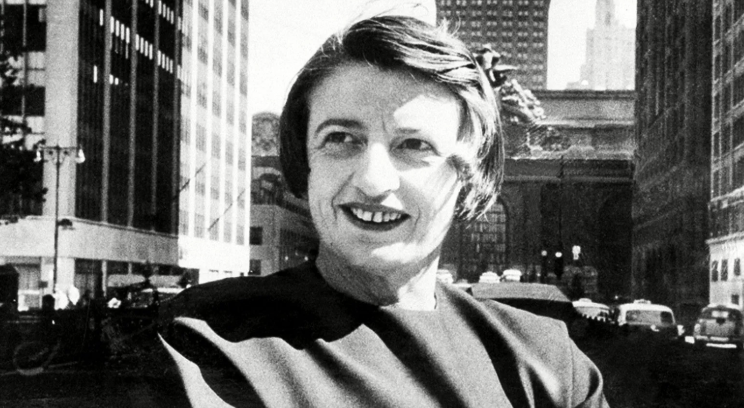
Don't let them silence the next truth-teller through intimidation or worse.
Because as Ayn Rand warned: "The uncontested absurdities of today are the accepted slogans of tomorrow."
Herbert Marcuse's absurdity became Charlie Kirk's death sentence.
Because as Ayn Rand warned: "The uncontested absurdities of today are the accepted slogans of tomorrow."
Herbert Marcuse's absurdity became Charlie Kirk's death sentence.

• • •
Missing some Tweet in this thread? You can try to
force a refresh