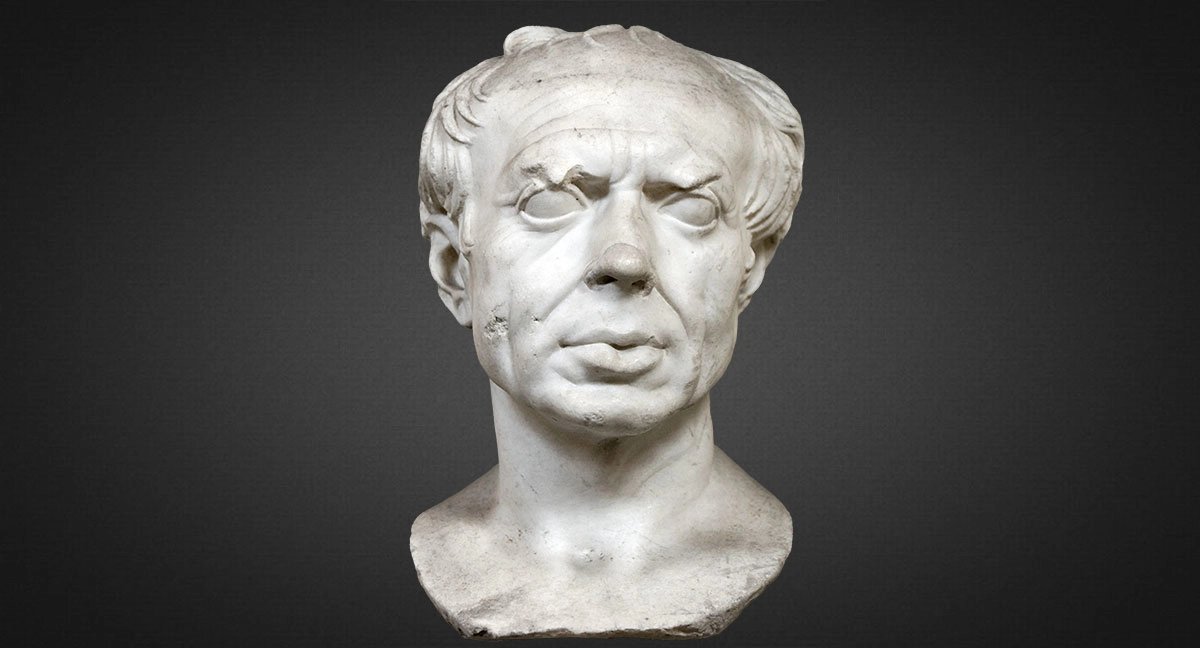
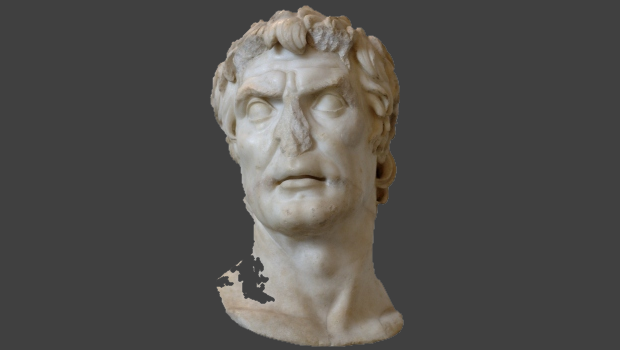
Cicero was one of ancient Rome's most complex figures.
At the height of his power, he was hailed as Pater Patriae: Father of the Fatherland. Yet he died with his hands nailed to the Forum.
Let’s dive into the rise and fall of Marcus Tullius Cicero 🏛️🧵
At the height of his power, he was hailed as Pater Patriae: Father of the Fatherland. Yet he died with his hands nailed to the Forum.
Let’s dive into the rise and fall of Marcus Tullius Cicero 🏛️🧵

Who was Cicero?
A Roman statesman, philosopher, orator, and writer. Cicero was a Renaissance man before the Renaissance.
Besides Julius Caesar, he may be the most famous Roman of them all. And unlike Caesar, he started with no noble blood.
A Roman statesman, philosopher, orator, and writer. Cicero was a Renaissance man before the Renaissance.
Besides Julius Caesar, he may be the most famous Roman of them all. And unlike Caesar, he started with no noble blood.
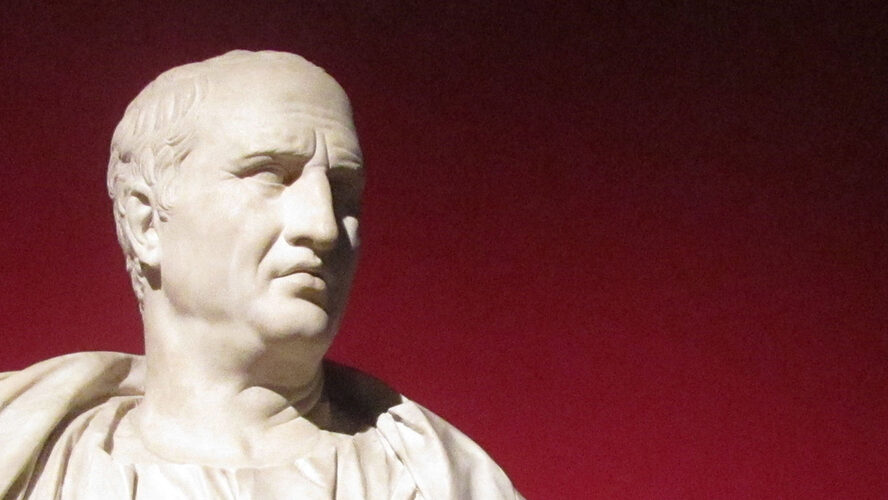
The New Man
Born in 106 BC in Arpinum, Cicero came from a wealthy equestrian family; but not the Roman elite.
He was a novus homo, or "new man", the first in his family to enter the Senate. Many saw him as an outsider.
His enemies never let him forget it.
Born in 106 BC in Arpinum, Cicero came from a wealthy equestrian family; but not the Roman elite.
He was a novus homo, or "new man", the first in his family to enter the Senate. Many saw him as an outsider.
His enemies never let him forget it.
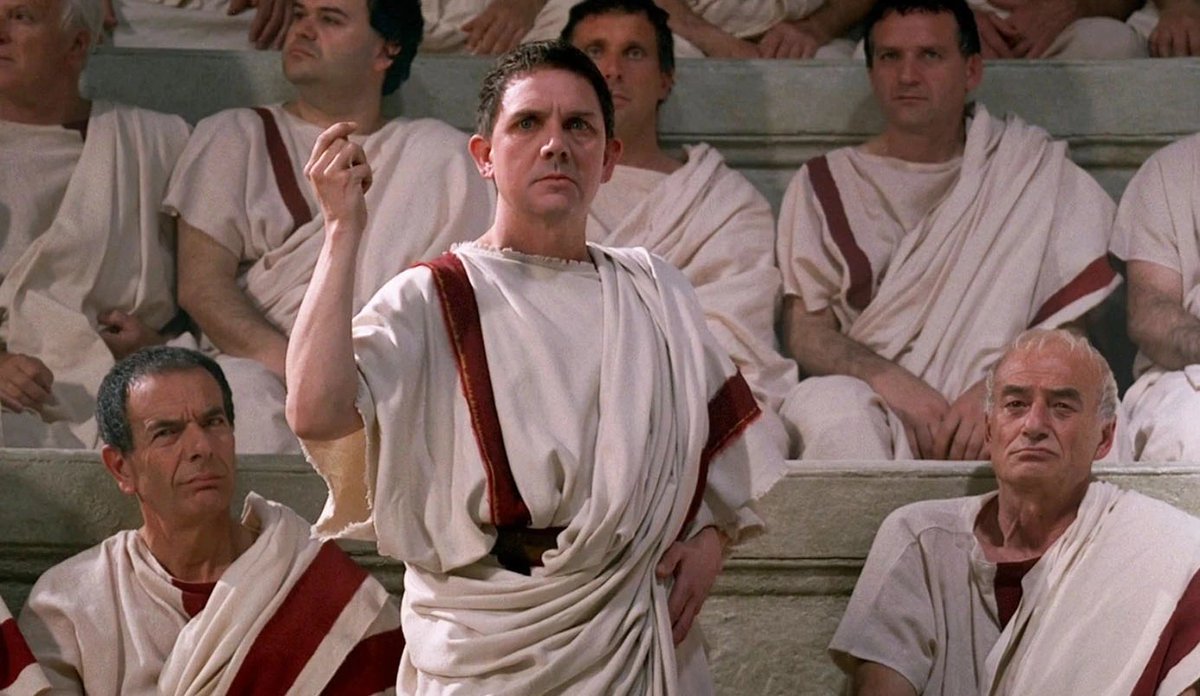
Climbing the Cursus Honorum
Cicero rose purely through talent and charisma.
• Quaestor in 75 BC
• Aedile in 69
• Praetor in 66
• Consul in 63
For a “nobody” from Arpinum, it was a political miracle.
Cicero rose purely through talent and charisma.
• Quaestor in 75 BC
• Aedile in 69
• Praetor in 66
• Consul in 63
For a “nobody” from Arpinum, it was a political miracle.
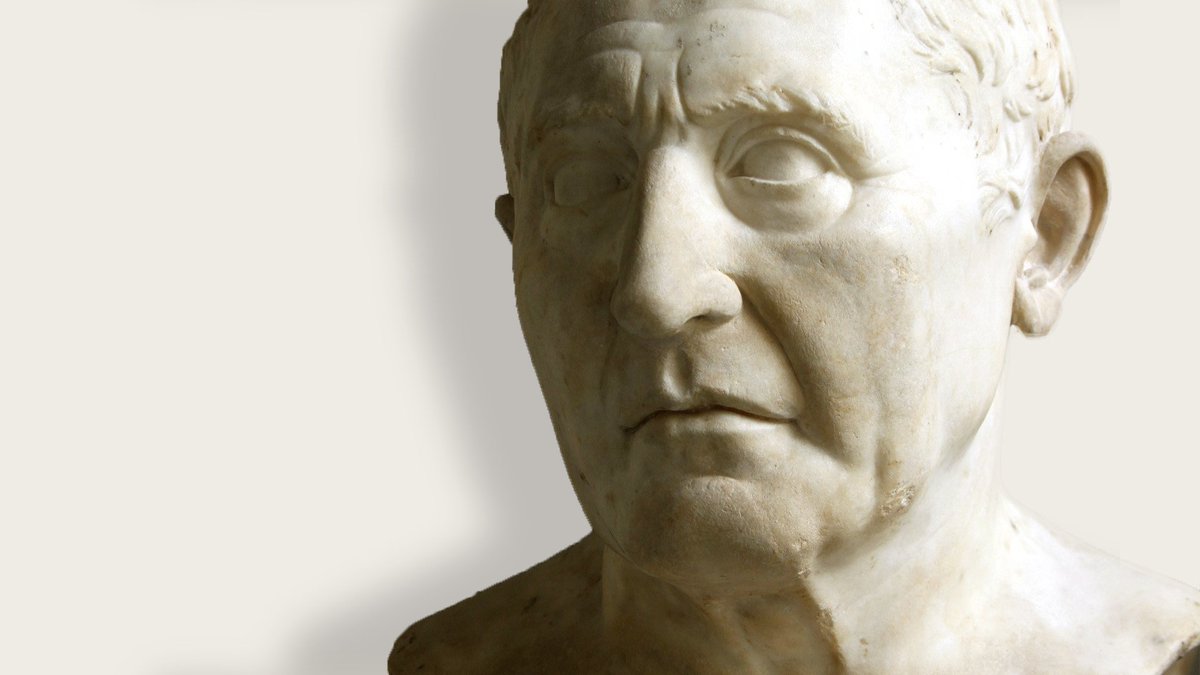
Cicero as Consul
As consul in 63 BC, Cicero faced one of the Republic’s greatest threats: the Catiline Conspiracy.
Lucius Sergius Catilina, a frustrated aristocrat, plotted to assassinate Senators and seize power.
Cicero found out and struck first.
As consul in 63 BC, Cicero faced one of the Republic’s greatest threats: the Catiline Conspiracy.
Lucius Sergius Catilina, a frustrated aristocrat, plotted to assassinate Senators and seize power.
Cicero found out and struck first.
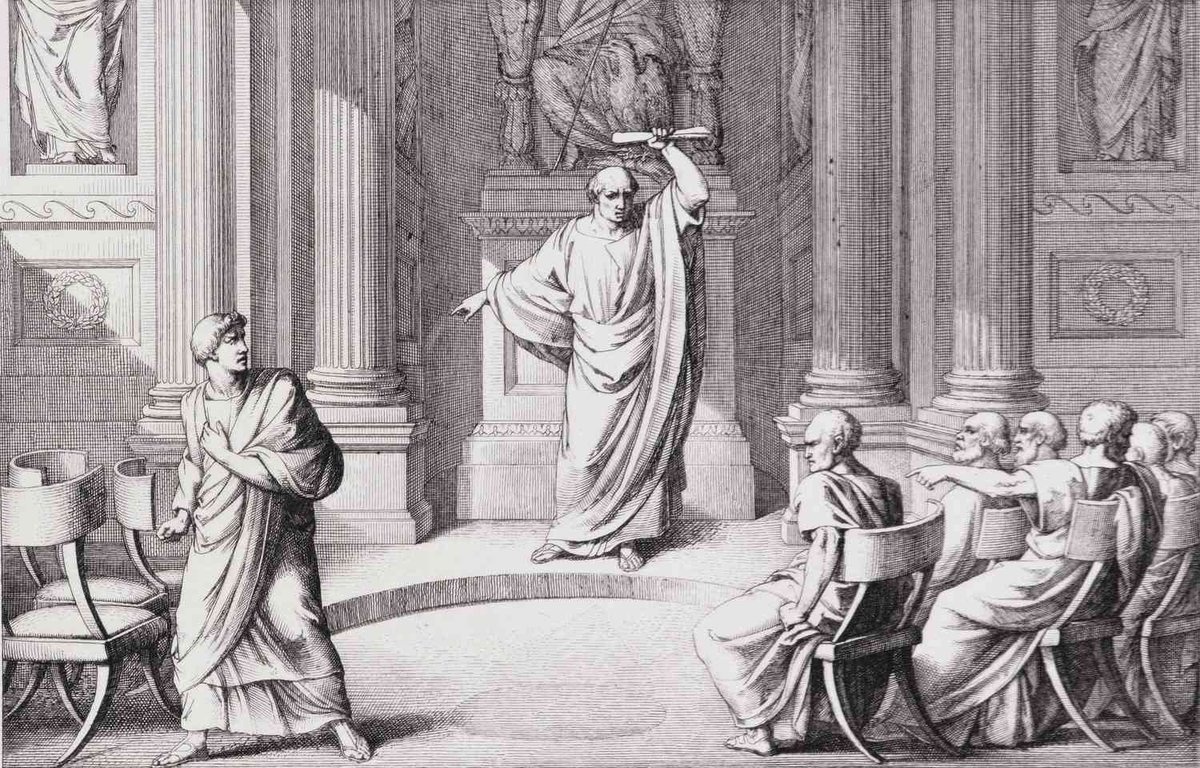
Catiline Exposed
In four fiery speeches, the Catilinarian Orations, Cicero exposed the plot.
Catiline fled the city, but others were captured. Cicero ordered their execution without trial. It crushed the conspiracy.
But it would cost him dearly.
In four fiery speeches, the Catilinarian Orations, Cicero exposed the plot.
Catiline fled the city, but others were captured. Cicero ordered their execution without trial. It crushed the conspiracy.
But it would cost him dearly.
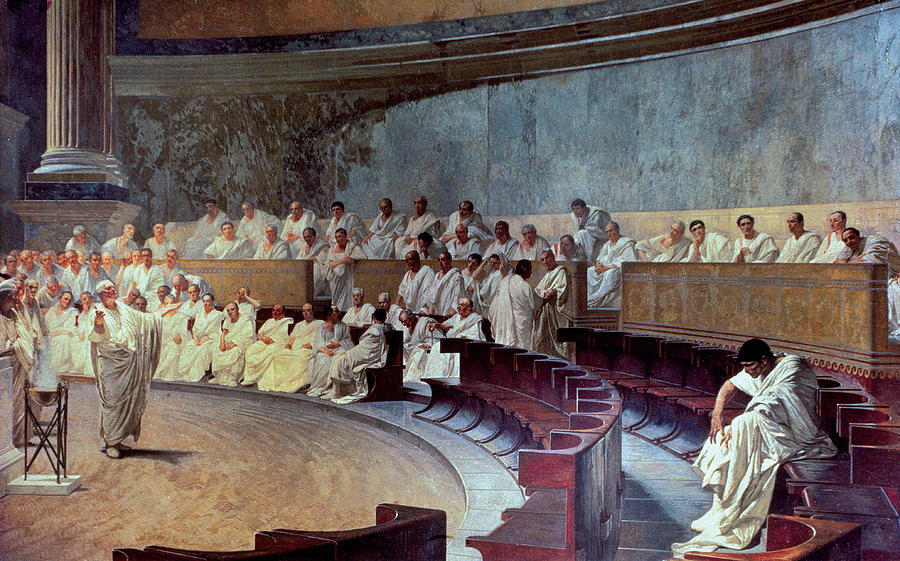
Pater Patriae… and Exile
At first, Cicero was celebrated as Pater Patriae for saving Rome.
But enemies like Clodius used the illegal executions against him. A new law exiled any Roman who killed citizens without trial.
Cicero was forced to leave the city he loved so much.
At first, Cicero was celebrated as Pater Patriae for saving Rome.
But enemies like Clodius used the illegal executions against him. A new law exiled any Roman who killed citizens without trial.
Cicero was forced to leave the city he loved so much.
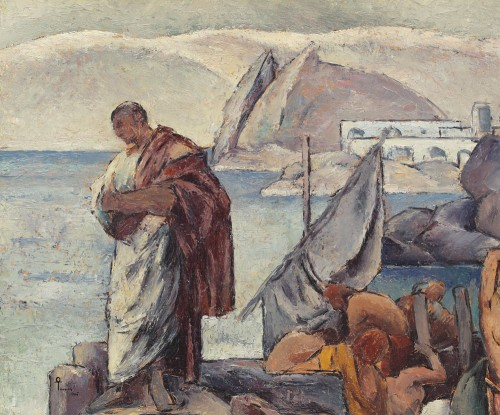
Return and Decline
Cicero returned to Rome in 57 BC to cheers and celebration, but his political power never recovered.
He was still brilliant. Still admired. But never again the center of power.
Then Caesar rose.
Cicero returned to Rome in 57 BC to cheers and celebration, but his political power never recovered.
He was still brilliant. Still admired. But never again the center of power.
Then Caesar rose.
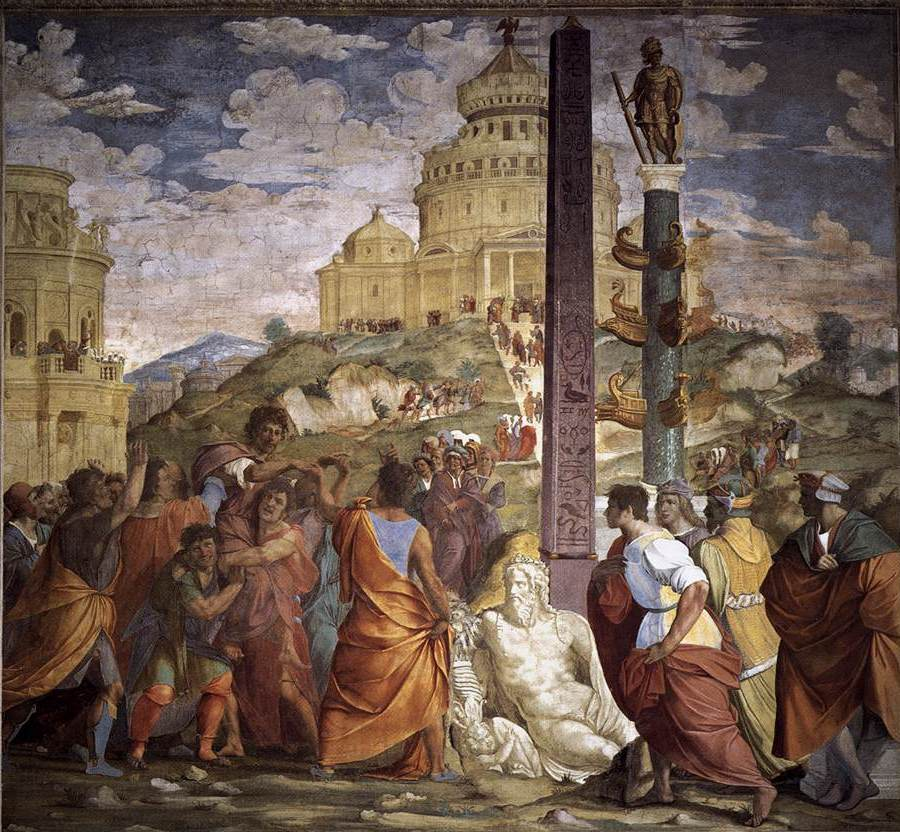
Cicero vs Caesar
Cicero opposed Caesar’s populism, siding with Pompey in the Civil War.
After Pompey's defeat, Caesar spared Cicero. But their relationship remained strained.
Cicero opposed Caesar’s populism, siding with Pompey in the Civil War.
After Pompey's defeat, Caesar spared Cicero. But their relationship remained strained.
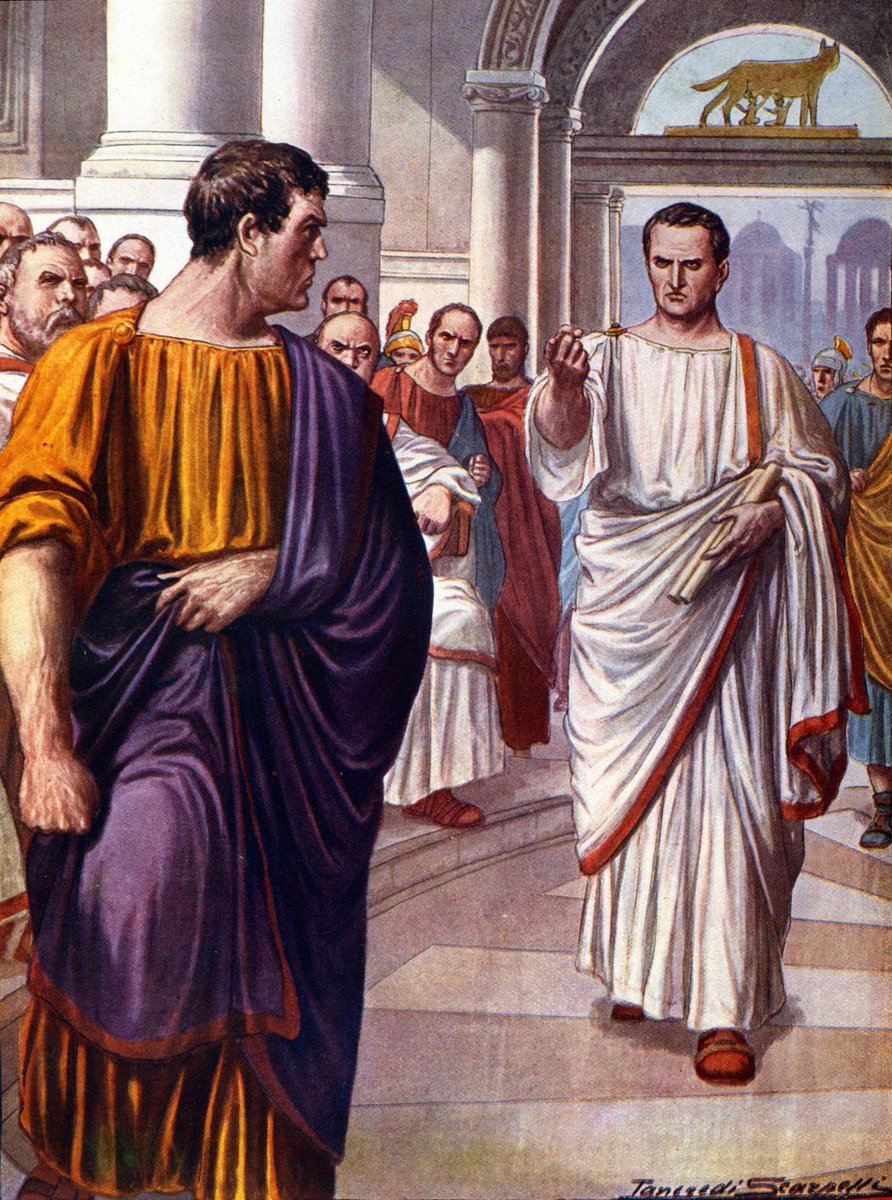
The Ides of March
Cicero didn’t plot Caesar’s murder, or participate in it, but he welcomed it.
He hoped the Republic might be restored.
Instead, chaos erupted - and Mark Antony rose.
Cicero didn’t plot Caesar’s murder, or participate in it, but he welcomed it.
He hoped the Republic might be restored.
Instead, chaos erupted - and Mark Antony rose.

The Philippics
Cicero viewed Mark Antony as a new tyrant-in-waiting.
In a bold return to the Senate, Cicero unleashed a series of savage speeches—the Philippics—condemning Antony.
They were brilliant. Brutal. And suicidal.
Cicero viewed Mark Antony as a new tyrant-in-waiting.
In a bold return to the Senate, Cicero unleashed a series of savage speeches—the Philippics—condemning Antony.
They were brilliant. Brutal. And suicidal.
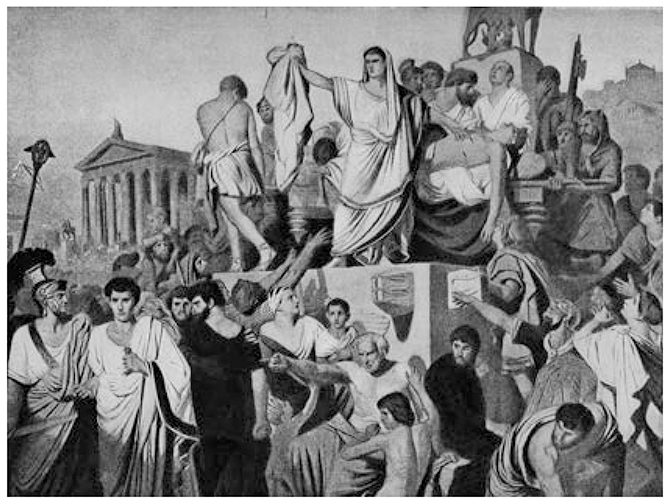
Proscribed
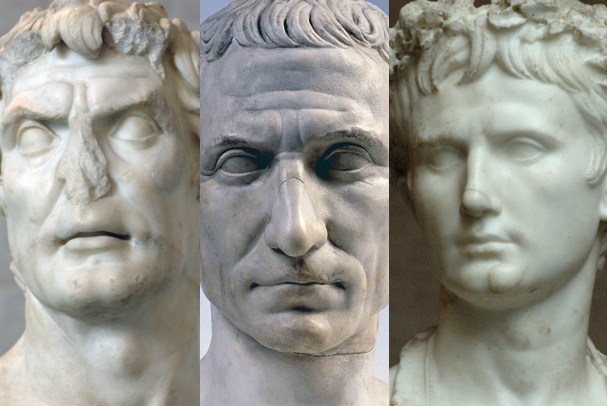
Antony, Octavian, and Lepidus formed the Second Triumvirate.
They needed money. Antony wanted revenge.
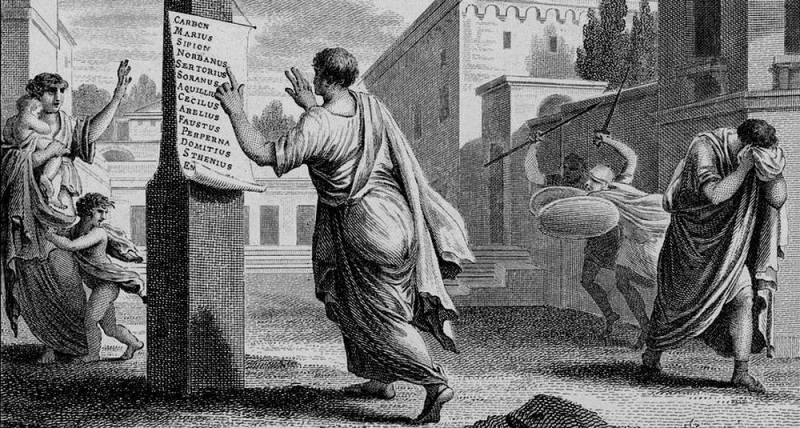
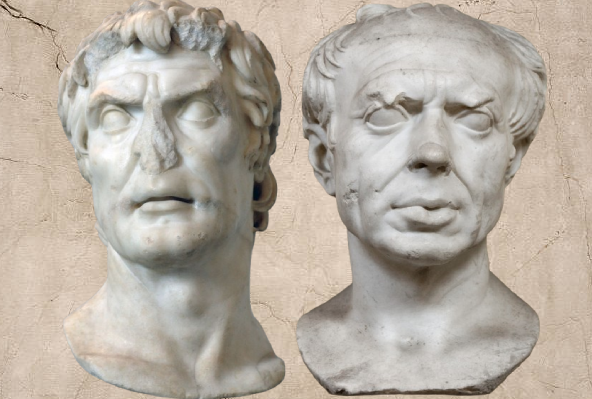
They issued proscriptions, naming enemies to be hunted and killed. Antony insisted Cicero be added to the list.
Antony, Octavian, and Lepidus formed the Second Triumvirate.
They needed money. Antony wanted revenge.
They issued proscriptions, naming enemies to be hunted and killed. Antony insisted Cicero be added to the list.
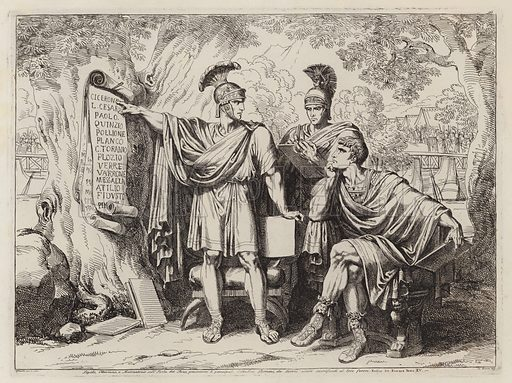
Cicero’s End
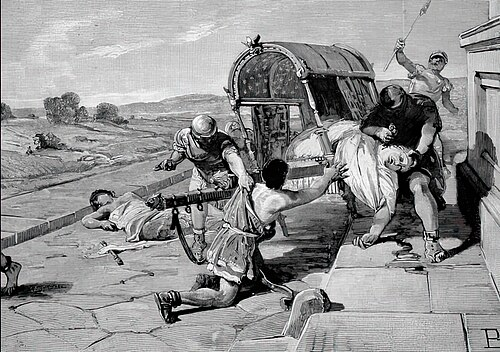
Warned of his doom, Cicero fled. But it was too late.
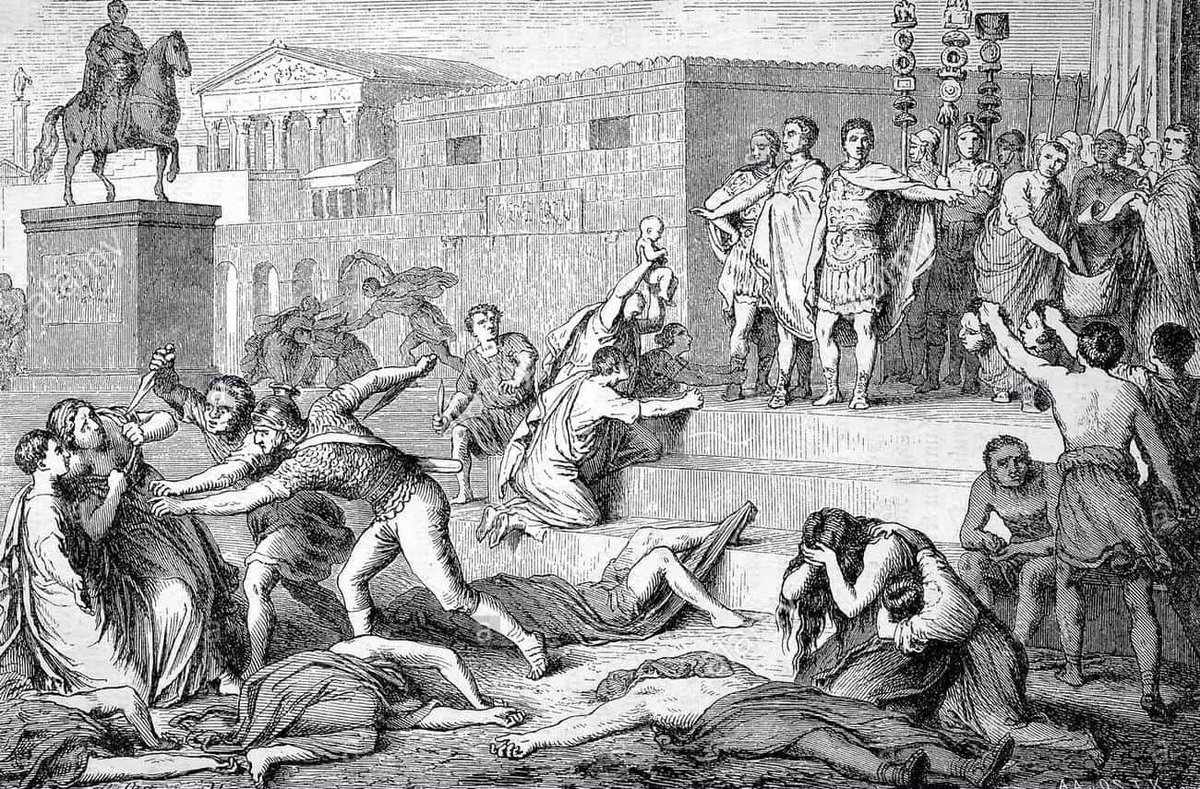
He faced death with dignity, baring his neck to the sword. His head and hands were displayed in the Forum.
The same hands that wrote the Philippics.
Warned of his doom, Cicero fled. But it was too late.
He faced death with dignity, baring his neck to the sword. His head and hands were displayed in the Forum.
The same hands that wrote the Philippics.
What to make of Cicero?
Cicero was complex.
His wit brought him to the top of the Roman Political system. It also led to his death. He was indecisive. When he acted decisively, it lead to his political downfall.
Despite it all, Cicero is one of the most beloved figures from Roman history.
Cicero was complex.
His wit brought him to the top of the Roman Political system. It also led to his death. He was indecisive. When he acted decisively, it lead to his political downfall.
Despite it all, Cicero is one of the most beloved figures from Roman history.
Cicero's Legacy
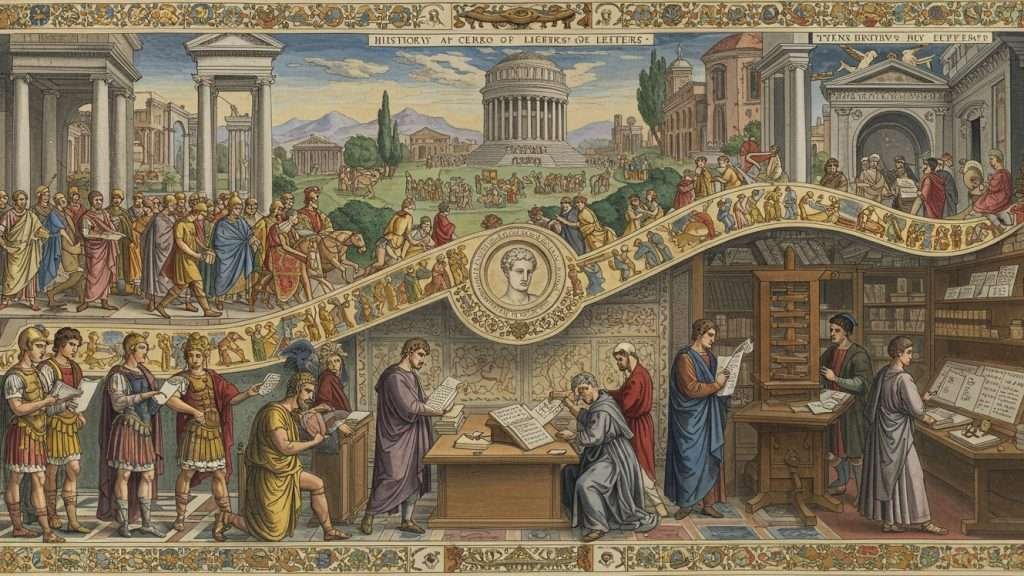
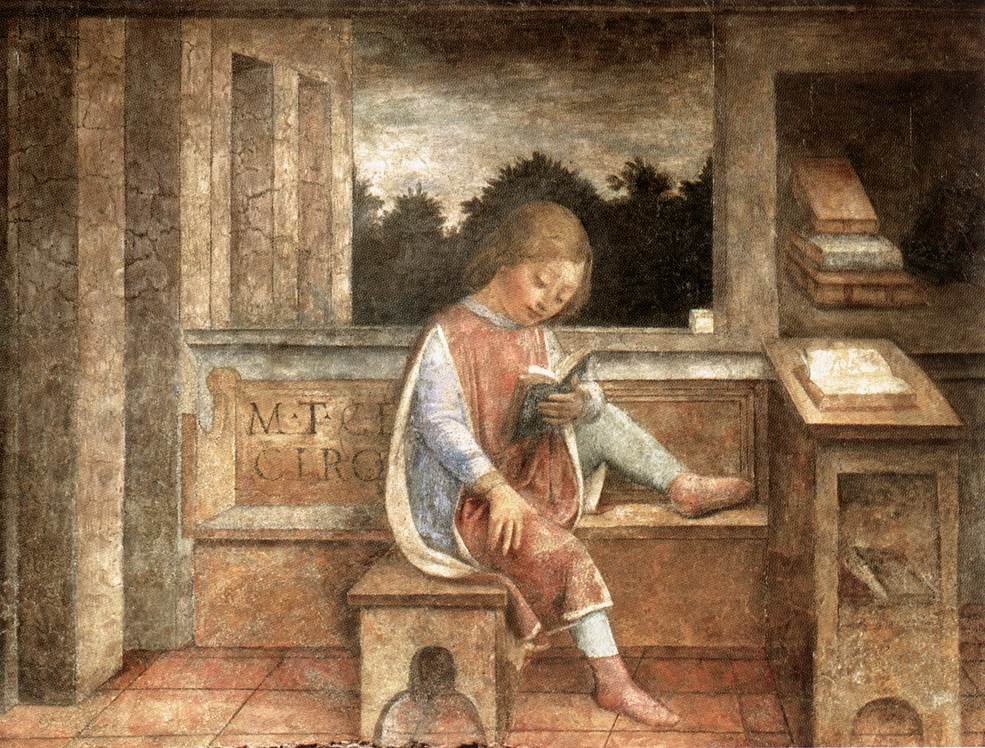
After the death of Cicero, Octavian maintained a respect for Cicero. Plutarch's life of Cicero closes with the following passage:
"I learn that Caesar paid a visit to one of his daughter's sons; and the boy, since he had in his hands a book of Cicero's, was terrified and sought to hide it in his gown; but Caesar saw it, and took the book, and read a great part of it as he stood, and then gave it back to the youth, saying: "A learned man, my child, a learned man and a lover of his country."
After the death of Cicero, Octavian maintained a respect for Cicero. Plutarch's life of Cicero closes with the following passage:
"I learn that Caesar paid a visit to one of his daughter's sons; and the boy, since he had in his hands a book of Cicero's, was terrified and sought to hide it in his gown; but Caesar saw it, and took the book, and read a great part of it as he stood, and then gave it back to the youth, saying: "A learned man, my child, a learned man and a lover of his country."
• • •
Missing some Tweet in this thread? You can try to
force a refresh