🚨🇷🇺 Russia's drone swarms have arrived. And they change everything
It's not just about quantity. It's a new form of warfare. Russia's drone empire doesn't operate as individual units but as a single, terrifying organism.
Here's how it works and why it's a game changer 🧵
It's not just about quantity. It's a new form of warfare. Russia's drone empire doesn't operate as individual units but as a single, terrifying organism.
Here's how it works and why it's a game changer 🧵
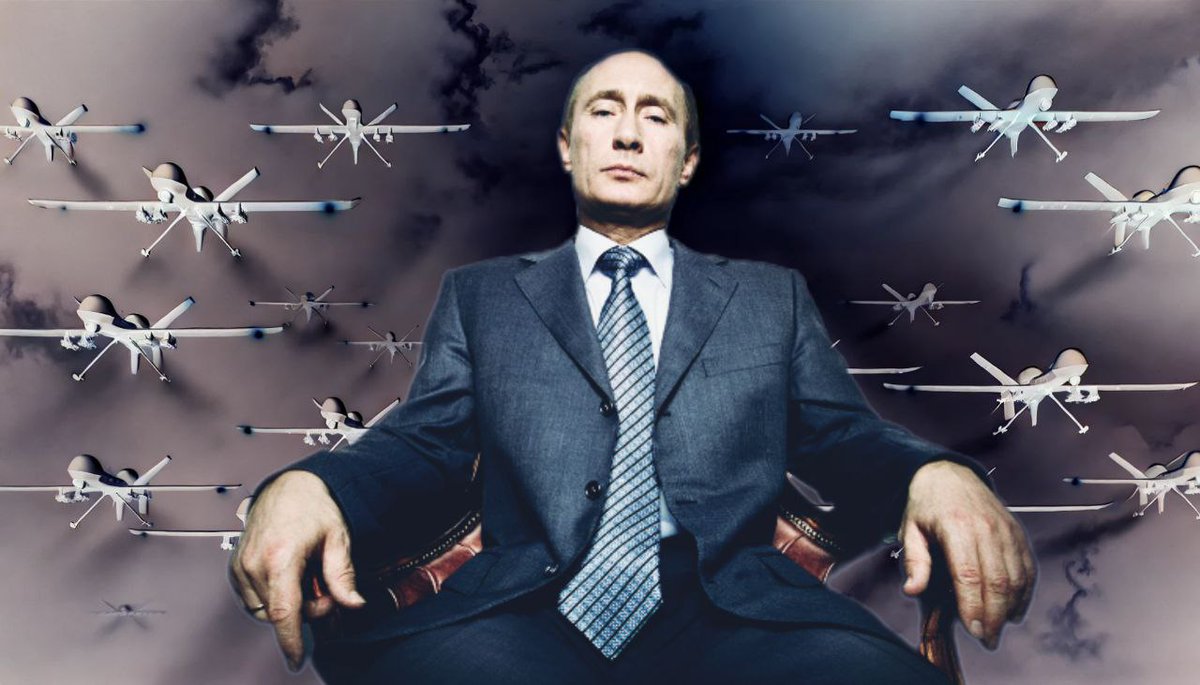
The Data Point:
The evolution from 43 drones in a single strike to over 800 in one night is not merely quantitative. It represents a fundamental shift in military capacity, enabling new tactics centered on saturation and attrition of enemy defenses.
The evolution from 43 drones in a single strike to over 800 in one night is not merely quantitative. It represents a fundamental shift in military capacity, enabling new tactics centered on saturation and attrition of enemy defenses.

Core Objective:
The primary military utility of these one-way attack drones (OWA-UAVs) is not precision but mass.
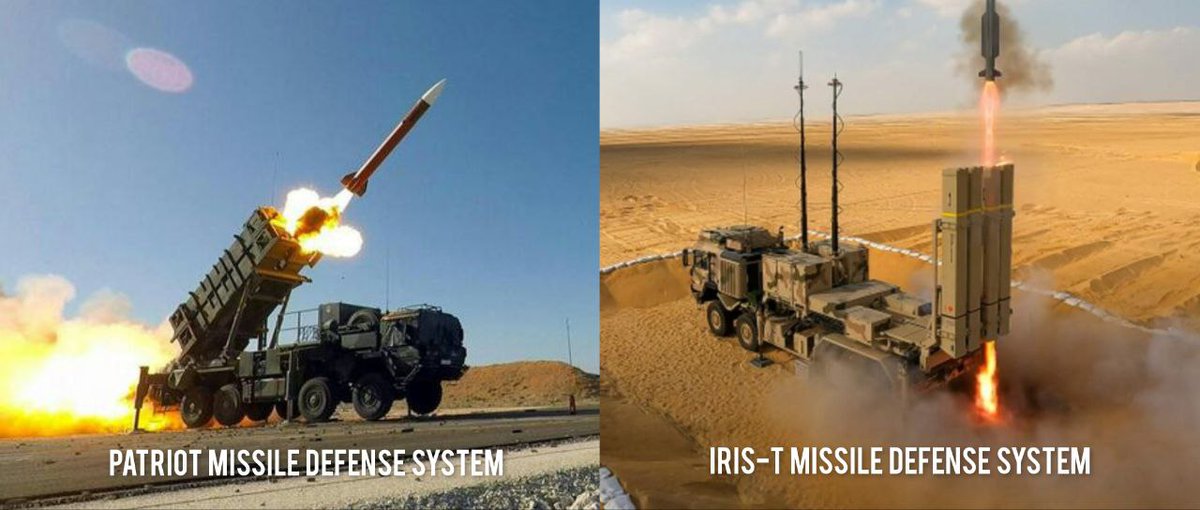
They are used to overwhelm sophisticated, expensive Western air defense systems (like Patriots or IRIS-T) through sheer volume, creating cost-exchange ratios highly favorable to Russia.
The primary military utility of these one-way attack drones (OWA-UAVs) is not precision but mass.
They are used to overwhelm sophisticated, expensive Western air defense systems (like Patriots or IRIS-T) through sheer volume, creating cost-exchange ratios highly favorable to Russia.
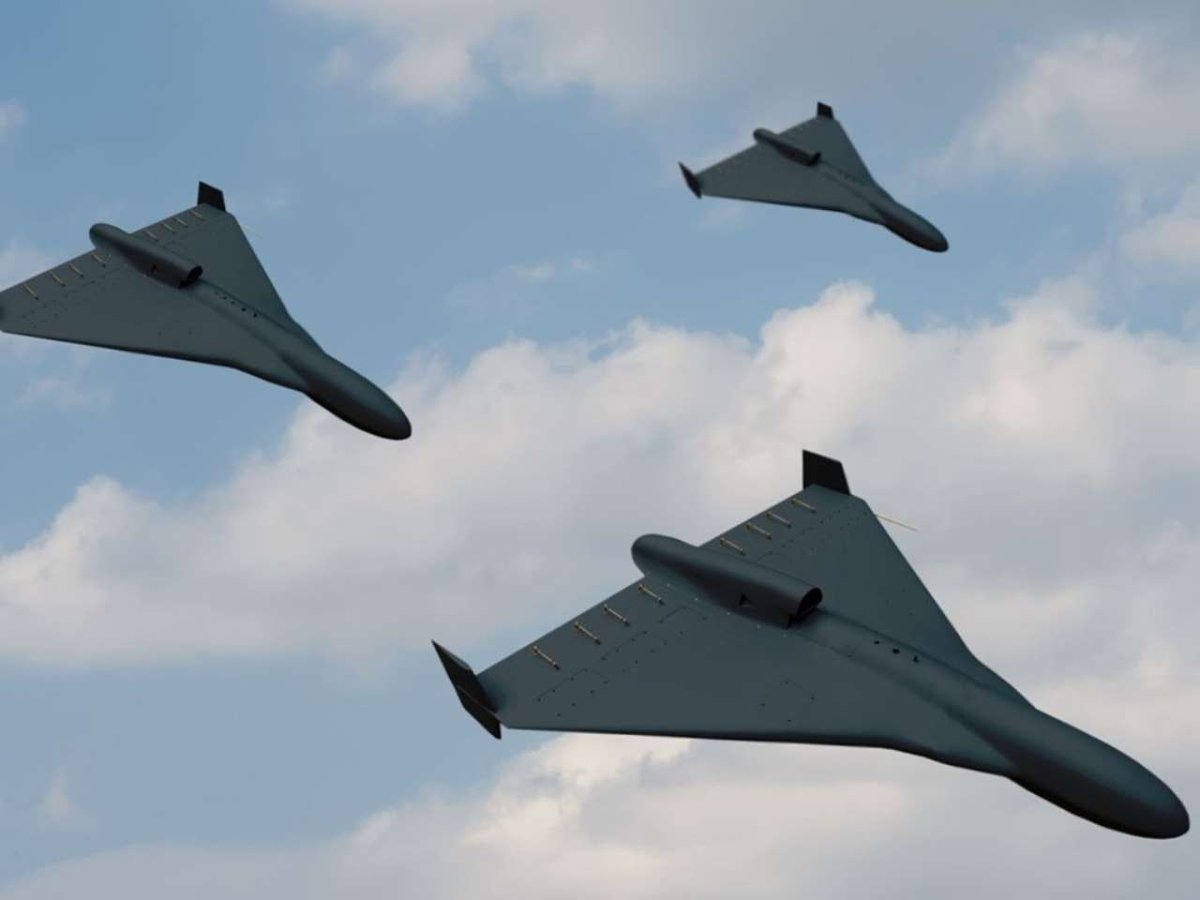
Tactical Innovation: Russia has moved beyond simple numbers. Tactics now integrate:
🔸Swarms & Waves: To complicate defensive sequencing.
🔸Advanced Decoys: Inexpensive plywood/foam drones that are radar-indistinguishable, forcing defenders to engage false targets.
🔸Complex Routing: Avoiding predictable paths to bypass field-based defenses.
🔸Swarms & Waves: To complicate defensive sequencing.
🔸Advanced Decoys: Inexpensive plywood/foam drones that are radar-indistinguishable, forcing defenders to engage false targets.
🔸Complex Routing: Avoiding predictable paths to bypass field-based defenses.
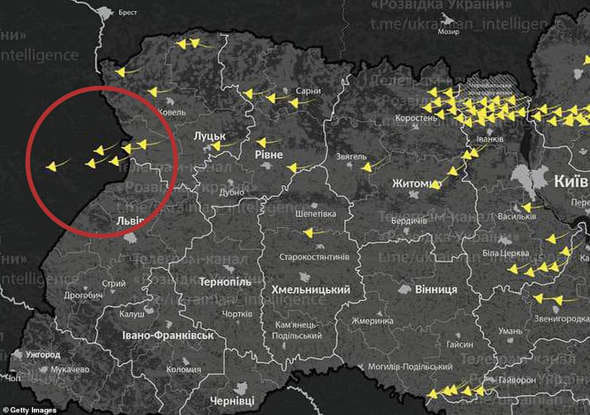
Strategic Extension Beyond Ukraine:
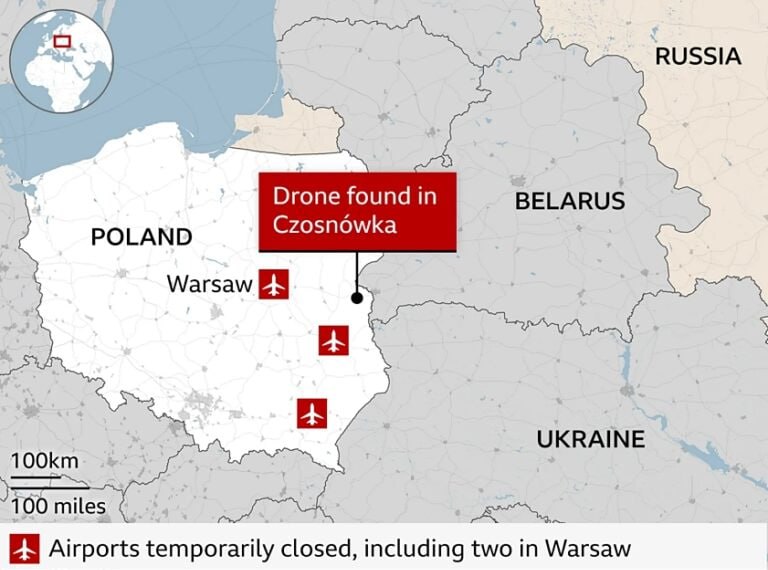
Regardless of whether Russia was responsible for the recent incursions into Polish and Romanian airspace, Europe and NATO demonstrated their aerial vulnerability.
Russia has proven a key reality: The physics of drone swarms do not respect political borders. NATO's eastern flank is inherently exposed to spillover.
Regardless of whether Russia was responsible for the recent incursions into Polish and Romanian airspace, Europe and NATO demonstrated their aerial vulnerability.
Russia has proven a key reality: The physics of drone swarms do not respect political borders. NATO's eastern flank is inherently exposed to spillover.
The European Airport Vulnerability:
The threat to European air infrastructure is not necessarily about physical destruction but systemic disruption.
Modern aviation is a fragile, high-velocity system intolerant of uncertainty.
The threat to European air infrastructure is not necessarily about physical destruction but systemic disruption.
Modern aviation is a fragile, high-velocity system intolerant of uncertainty.
The Precedent:
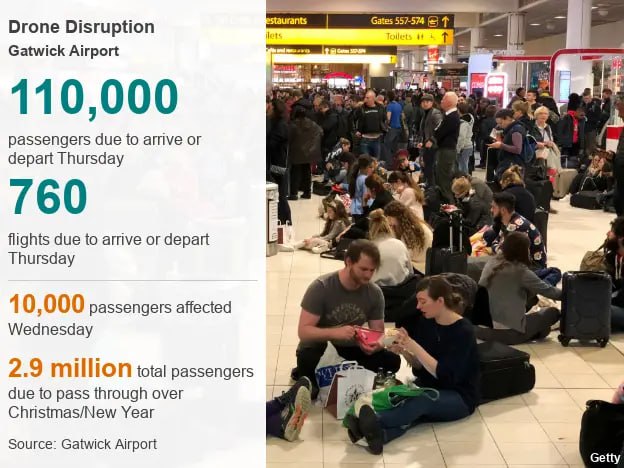
The 2018 Gatwick incident, where sightings of a drone (never confirmed to be hostile) triggered a 36-hour shutdown, proved that even the perception of a drone threat forces automatic safety closures.
The cost was £50M. The weapon is the risk of disruption.
The 2018 Gatwick incident, where sightings of a drone (never confirmed to be hostile) triggered a 36-hour shutdown, proved that even the perception of a drone threat forces automatic safety closures.
The cost was £50M. The weapon is the risk of disruption.
Projected Economic Impact:
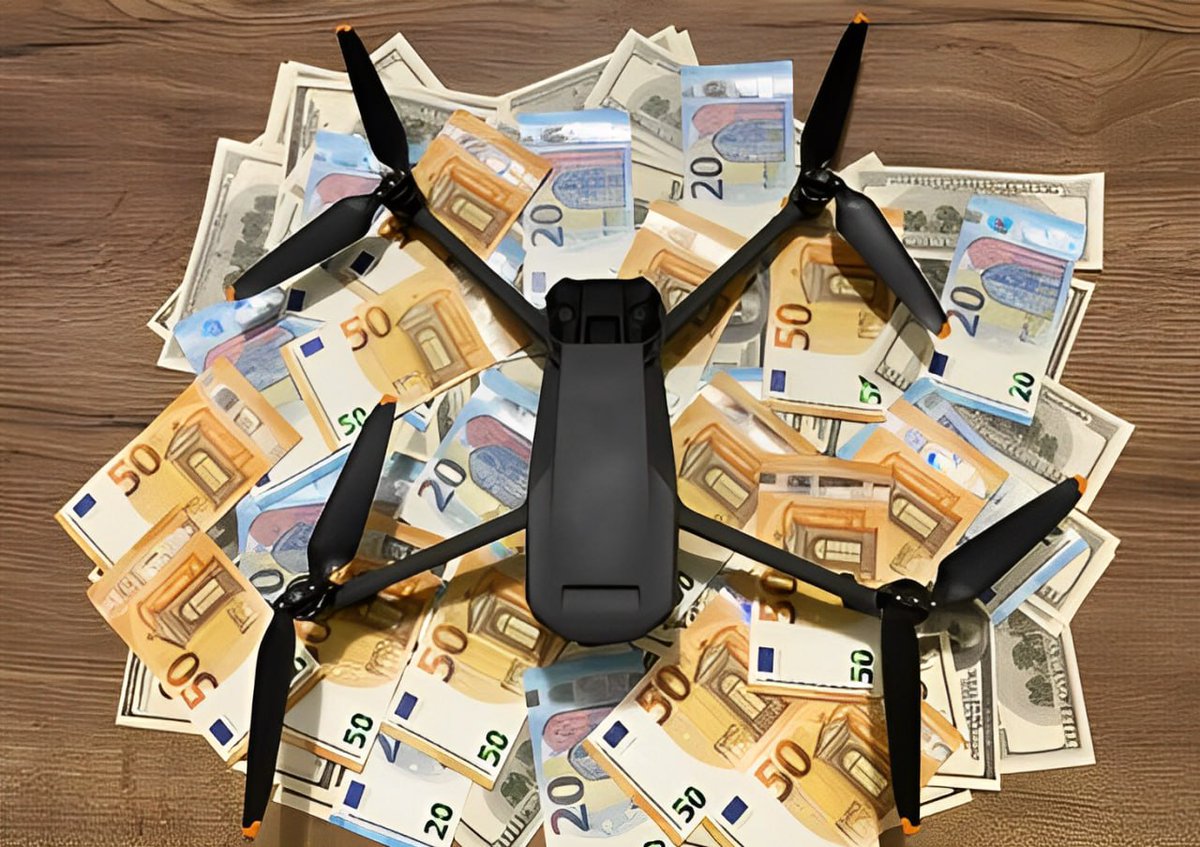
Let's use the Frankfurt Airport (FRA) as a model
🔸Daily Capacity: ~1,100 flights, ~170,000 passengers.
🔸EU261 Regulation: Mandates €600+ compensation per passenger for cancellations.
🔸Direct Cost Calculation: 24h closure = ~170,000 passengers x €600 = €102 million in compensation alone.
🔸Secondary Costs: Aircraft & crew displacement, cascading network delays, reputational damage, and increased insurance premiums.
Let's use the Frankfurt Airport (FRA) as a model
🔸Daily Capacity: ~1,100 flights, ~170,000 passengers.
🔸EU261 Regulation: Mandates €600+ compensation per passenger for cancellations.
🔸Direct Cost Calculation: 24h closure = ~170,000 passengers x €600 = €102 million in compensation alone.
🔸Secondary Costs: Aircraft & crew displacement, cascading network delays, reputational damage, and increased insurance premiums.
The Asymmetric Advantage for Russia:
A limited drone incursion, even with decoys, near a major transport hub could:
🔸Paralyze a critical node of EU logistics.
🔸Inflict economic damage wildly disproportionate to the cost of the drone raid.
🔸Strain NATO's collective response mechanisms in a grey-zone scenario.
A limited drone incursion, even with decoys, near a major transport hub could:
🔸Paralyze a critical node of EU logistics.
🔸Inflict economic damage wildly disproportionate to the cost of the drone raid.
🔸Strain NATO's collective response mechanisms in a grey-zone scenario.
Conclusion:
Russia's drone advancement is a strategic game-changer. It provides a tool for conventional battlefield dominance in Ukraine and a potent instrument for indirect coercion against Europe.
The ability to potentially hold economic infrastructure at risk with cheap, scalable technology alters the regional security calculus significantly.
Russia's drone advancement is a strategic game-changer. It provides a tool for conventional battlefield dominance in Ukraine and a potent instrument for indirect coercion against Europe.
The ability to potentially hold economic infrastructure at risk with cheap, scalable technology alters the regional security calculus significantly.
• • •
Missing some Tweet in this thread? You can try to
force a refresh