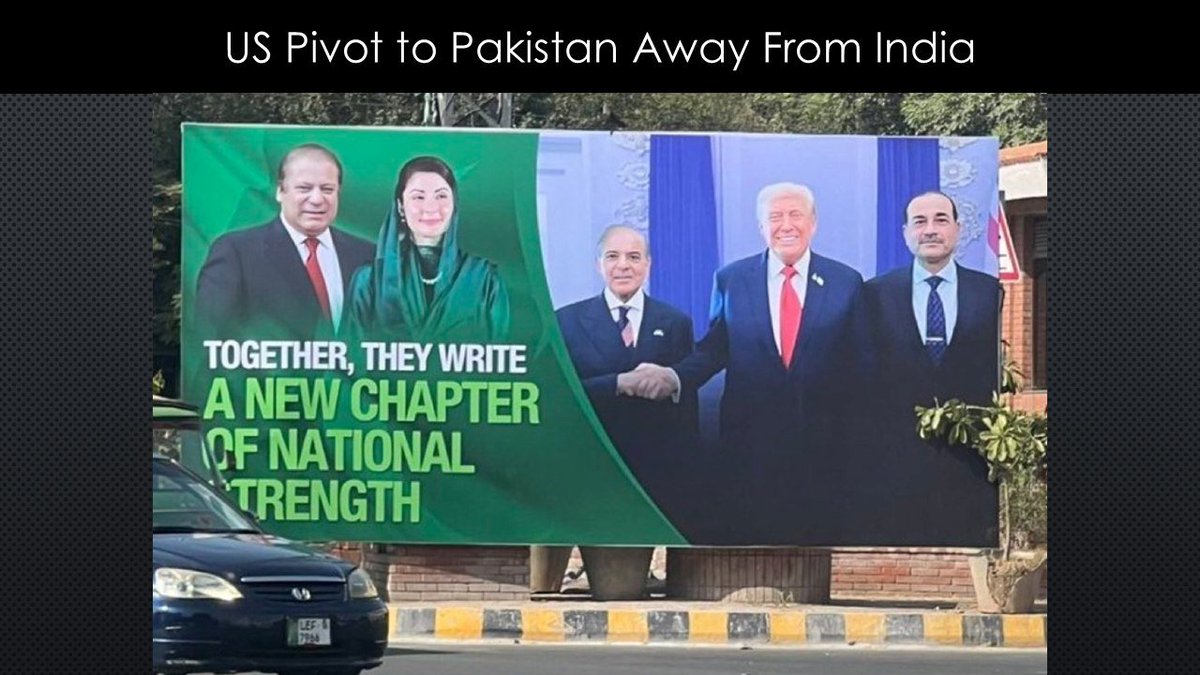
🚨🇮🇳🇺🇸 Alienating India, the world’s most populous country and the fastest growing large economy, was a fatal fumble by the US.
That’s why the US appears to be backtracking on its trade war against India.
Thread by @Kanthan2030🧵👇
That’s why the US appears to be backtracking on its trade war against India.
Thread by @Kanthan2030🧵👇

🇺🇸⚔️ While objective geopolitical analysts are discussing the Asian Century, delusional American elites are waging diplomatic and economic wars of choice on multiple fronts against allies and rivals alike in Asia and Europe to Latin America.
📉 All this is happening when the US economy is wobbly. Consider the following stats:
· The chance of the US economy entering recession is the highest since the COVID pandemic and the 2008 financial crisis. The US might even be entering stagflation, a terrible prospect.
· Key US sectors such as manufacturing, construction and transportation are already in recession
· While US tariffs were supposed to create a renaissance in American manufacturing, the sector has lost 40,000+ jobs since the “liberation day” in April.
· Americans are falling behind in payments of credit card, auto loans and student loans at an alarming rate. Also, Google search for “help with mortgage” is the highest since the 2008 financial crisis.
· US debt is growing at an unsustainable pace. Budget deficit for fiscal year 2025 will be more than $2 trillion – or a staggering 7% of GDP.
· The US dollar index has fallen 11% this year, while gold has spiked 40%. Why? Loss of confidence.
🤔🇮🇳 Given these facts, can the US really afford to wreck its relations with India, soon to be the third largest economy in the world?
2/10
📉 All this is happening when the US economy is wobbly. Consider the following stats:
· The chance of the US economy entering recession is the highest since the COVID pandemic and the 2008 financial crisis. The US might even be entering stagflation, a terrible prospect.
· Key US sectors such as manufacturing, construction and transportation are already in recession
· While US tariffs were supposed to create a renaissance in American manufacturing, the sector has lost 40,000+ jobs since the “liberation day” in April.
· Americans are falling behind in payments of credit card, auto loans and student loans at an alarming rate. Also, Google search for “help with mortgage” is the highest since the 2008 financial crisis.
· US debt is growing at an unsustainable pace. Budget deficit for fiscal year 2025 will be more than $2 trillion – or a staggering 7% of GDP.
· The US dollar index has fallen 11% this year, while gold has spiked 40%. Why? Loss of confidence.
🤔🇮🇳 Given these facts, can the US really afford to wreck its relations with India, soon to be the third largest economy in the world?
2/10

🇮🇳🇺🇸 India is crucial for the US in many ways. Let’s start with the market and labor, two vital considerations for America Inc.
Market share is paramount for three reasons: Profits, Future Opportunities, and Preventing Competition.
📈 These are especially relevant in India, whose economy is growing at 6-8% per year, and the middle class is exploding.
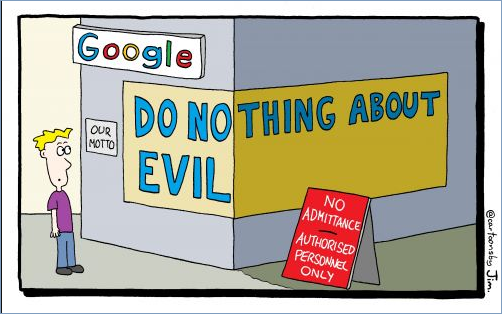
Thus, market share in the Indian economy is very desirable. For example, if Google Search is popular in India, Google can then leverage its market share to sell other products from its portfolio – Gmail, YouTube, Google Pay etc.
🚫 More importantly, Google gets to block competitors from China. Without Google, Chinese companies like TikTok (ByteDance), Baidu, AliPay etc. will occupy the tech vacuum.
Similarly, in defense, when India buys Russian missile defense systems, that opens the door to Russian fighter jets.
👉 The synergy and the multiplying factor in the ecosystem of any sector are powerful.
3/10
Market share is paramount for three reasons: Profits, Future Opportunities, and Preventing Competition.
📈 These are especially relevant in India, whose economy is growing at 6-8% per year, and the middle class is exploding.
Thus, market share in the Indian economy is very desirable. For example, if Google Search is popular in India, Google can then leverage its market share to sell other products from its portfolio – Gmail, YouTube, Google Pay etc.
🚫 More importantly, Google gets to block competitors from China. Without Google, Chinese companies like TikTok (ByteDance), Baidu, AliPay etc. will occupy the tech vacuum.
Similarly, in defense, when India buys Russian missile defense systems, that opens the door to Russian fighter jets.
👉 The synergy and the multiplying factor in the ecosystem of any sector are powerful.
3/10
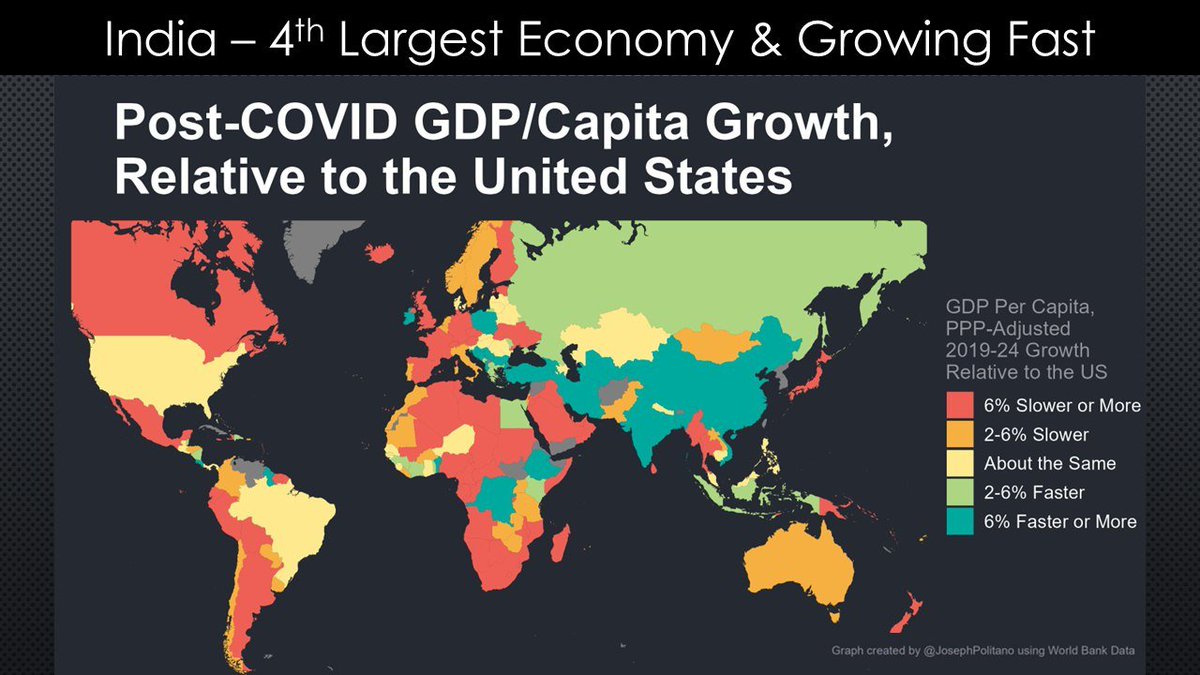
🇮🇳💼🇺🇸 The US economy is also highly dependent on Indian labor – both for manually intensive manufacturing such as assembling iPhone and software (IT) development.
While the MAGA crowd may be unhappy with this outsourcing, US corporations have become highly dependent on India. For example, by next year, all the iPhones sold in the US would be assembled in India. The US cannot easily shift this base elsewhere.
🇨🇳 Plus, with the geopolitical imperative to decouple from China, the US’ dependency on India will only keep increasing.
🧠 Finally, regarding labor, immigration of the smartest minds from India offers enormous benefits to the US economy. Indian immigrants rank #1 in American tech startups and immigrant billionaires.
4/10
While the MAGA crowd may be unhappy with this outsourcing, US corporations have become highly dependent on India. For example, by next year, all the iPhones sold in the US would be assembled in India. The US cannot easily shift this base elsewhere.
🇨🇳 Plus, with the geopolitical imperative to decouple from China, the US’ dependency on India will only keep increasing.
🧠 Finally, regarding labor, immigration of the smartest minds from India offers enormous benefits to the US economy. Indian immigrants rank #1 in American tech startups and immigrant billionaires.
4/10
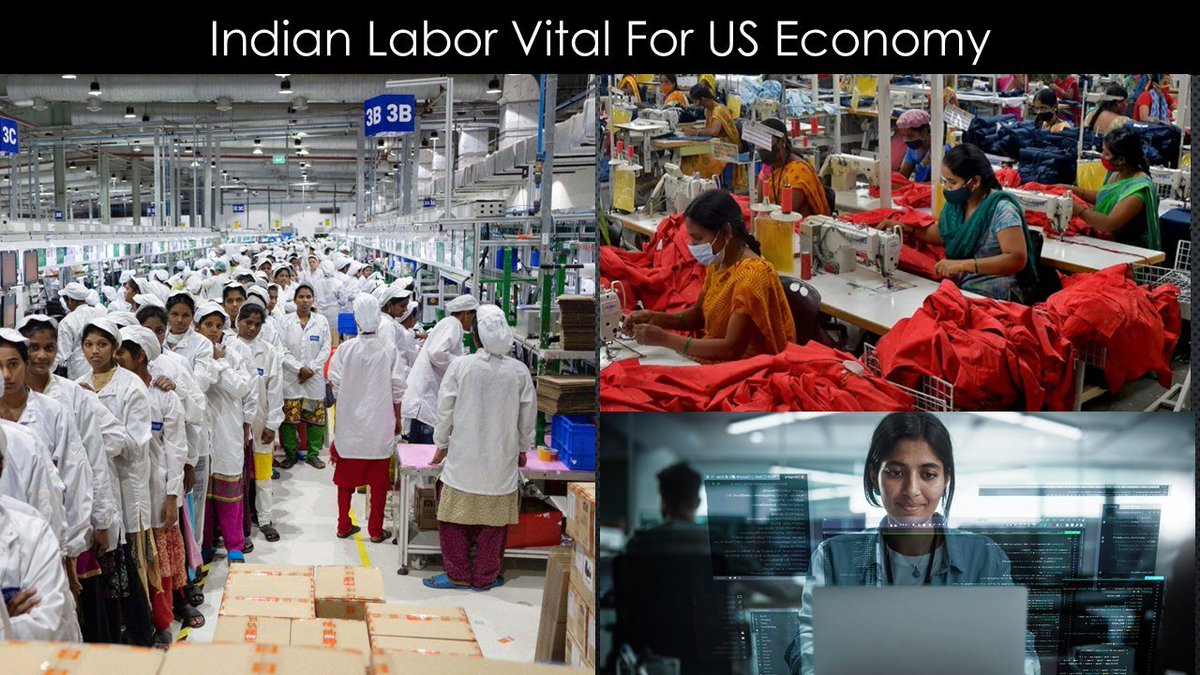
🇺🇸🗣️ Some in Washington DC like to say, “India buys nothing from us.” What a weird claim! Have they ever been to India?
American products and stores are everywhere in India – food/drink items such as Coca Cola and Lay’s, restaurant chains like KFC and Starbucks, apparel/sports shops like Polo and Nike… literally thousands of American brands can be seen everywhere in India.
💻 In IT, it’s almost all American – Microsoft, Google, Oracle, Dell… the list goes on. The entire e-commerce market in India is virtually monopolized by Amazon and Walmart (Flipkart).
💰US investors and venture capital firms also have a huge presence in India. Most successful startups in India have Americans as the largest shareholders.
👉So, yes, India has a small trade surplus with the US, but the big picture math works out in favor of the US.
5/10
American products and stores are everywhere in India – food/drink items such as Coca Cola and Lay’s, restaurant chains like KFC and Starbucks, apparel/sports shops like Polo and Nike… literally thousands of American brands can be seen everywhere in India.
💻 In IT, it’s almost all American – Microsoft, Google, Oracle, Dell… the list goes on. The entire e-commerce market in India is virtually monopolized by Amazon and Walmart (Flipkart).
💰US investors and venture capital firms also have a huge presence in India. Most successful startups in India have Americans as the largest shareholders.
👉So, yes, India has a small trade surplus with the US, but the big picture math works out in favor of the US.
5/10
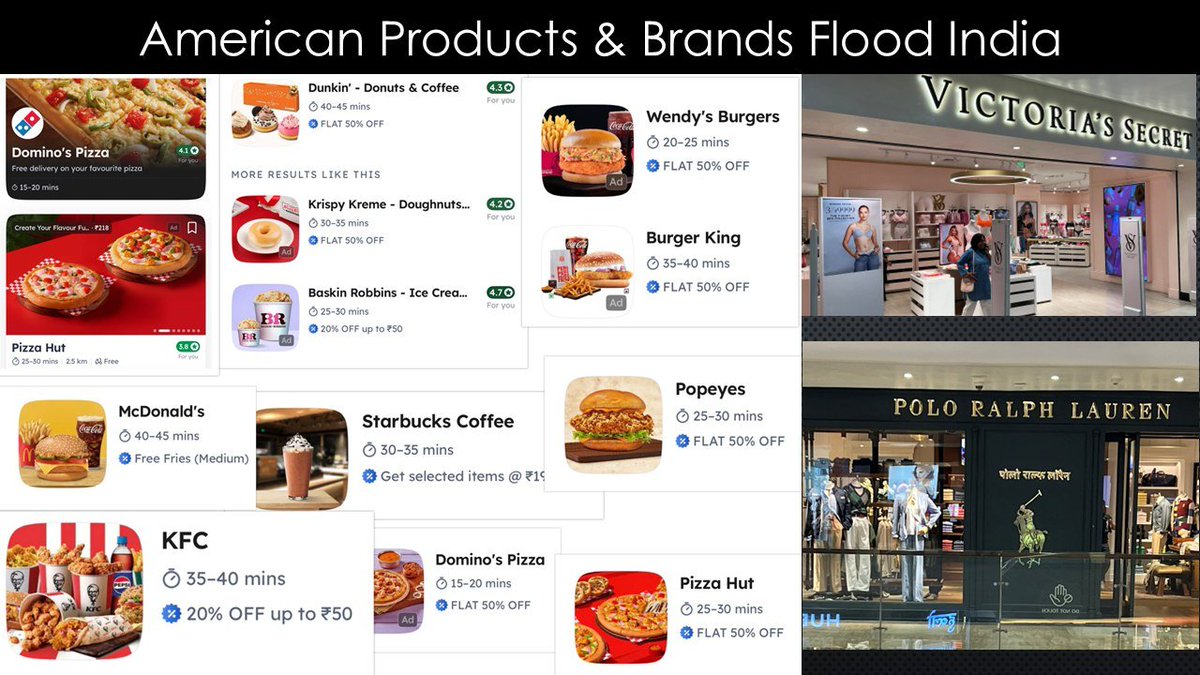
🇺🇸🇮🇳 With all the facts discussed above, the US should be grateful that India is not retaliating.
🤔 Imagine if the Indian government levies extra tax on American companies operating in India. That would rock the US stock market.
🇮🇳🇨🇳 Also, the US has benefited a lot from India-China friction. But if India reverses its policies and allows Chinese companies like Huawei, Alibaba, DeepSeek, Shein, TikTok, WeChat etc. to compete with American companies, the latter would feel a lot of pain. Americans talk about the free market, but hate competition in reality.
6/10
🤔 Imagine if the Indian government levies extra tax on American companies operating in India. That would rock the US stock market.
🇮🇳🇨🇳 Also, the US has benefited a lot from India-China friction. But if India reverses its policies and allows Chinese companies like Huawei, Alibaba, DeepSeek, Shein, TikTok, WeChat etc. to compete with American companies, the latter would feel a lot of pain. Americans talk about the free market, but hate competition in reality.
6/10
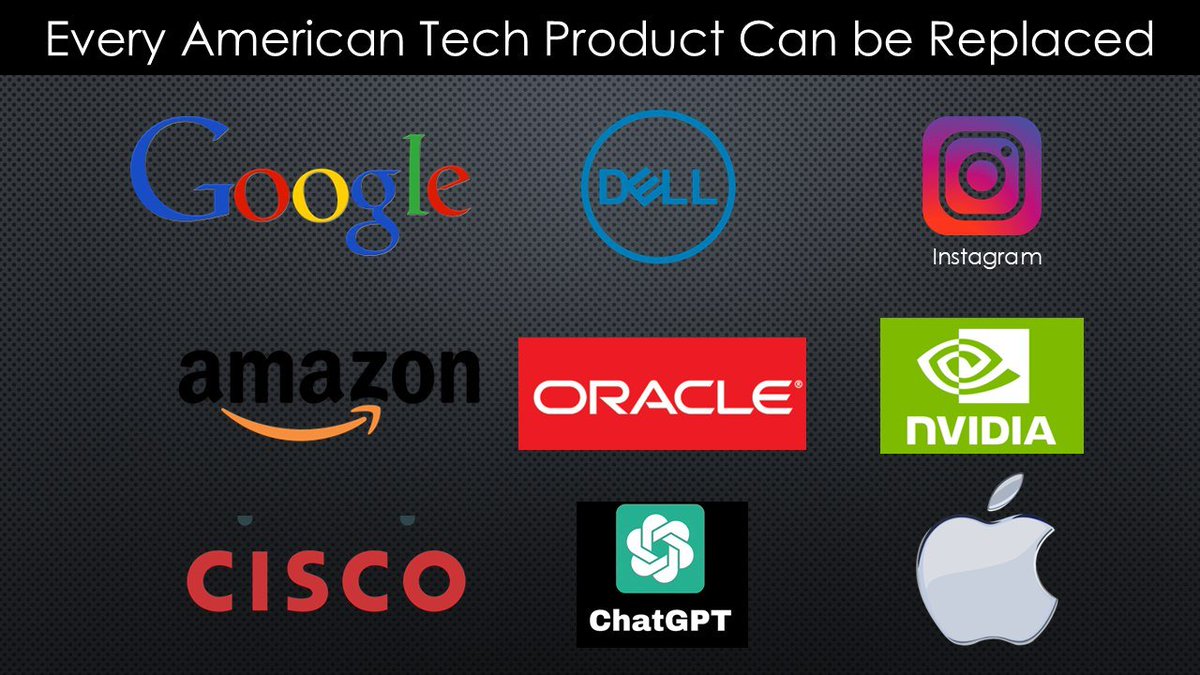
🌐🇺🇸 While the rise of a multipolar world and multilateral organizations such as BRICS are inevitable, the US seems determined to accelerate these geopolitical phenomena.
Unnecessarily insulting the Indian economy as “dead” or imposing 50% tariffs on Indian goods or demonizing India for buying Russian oil are all imperialist and arrogant actions that will push India towards China and closer to Russia. (Those are good things for the world, but bad from the US Empire’s perspective).
🇷🇺🇮🇳🇨🇳 If Russia, India and China form an alliance, it will be the end of US primacy at least in Asia, which is the growth engine of the world. America’s so-called “Pivot to Asia” will come to an end. And if Europeans wake up from their stupor and join RIC, it will herald the Eurasian century of prosperity and peace.
7/10
Unnecessarily insulting the Indian economy as “dead” or imposing 50% tariffs on Indian goods or demonizing India for buying Russian oil are all imperialist and arrogant actions that will push India towards China and closer to Russia. (Those are good things for the world, but bad from the US Empire’s perspective).
🇷🇺🇮🇳🇨🇳 If Russia, India and China form an alliance, it will be the end of US primacy at least in Asia, which is the growth engine of the world. America’s so-called “Pivot to Asia” will come to an end. And if Europeans wake up from their stupor and join RIC, it will herald the Eurasian century of prosperity and peace.
7/10
☝️In geopolitics, there are two existential rules:
1) Have as many friends as possible
2) Have as few enemies as possible
🇺🇸🥴 The US is doing the opposite. It’s hurting friends like India, Europe, Japan and South Korea, while creating new enemies – like Russia and China.
📒 The Empire managers in Washington are too obsessed with primacy and the old playbook of divide-and-rule.
8/10
1) Have as many friends as possible
2) Have as few enemies as possible
🇺🇸🥴 The US is doing the opposite. It’s hurting friends like India, Europe, Japan and South Korea, while creating new enemies – like Russia and China.
📒 The Empire managers in Washington are too obsessed with primacy and the old playbook of divide-and-rule.
8/10

🇺🇸😵💫 While the MAGA movement is not wrong about the perils of de-industrialization, their approach of trade wars and tariffs is misguided.
🇨🇳📈 Look how China transformed itself into a manufacturing powerhouse over the last three decades. Did China whine and complain about the “unfair” world? Did China try to force other countries to buy Chinese goods? No, No.
💰 Moreover, the US needs to realize that if it wants the dollar to be the global currency, it must run trade deficits.
Wall Street, which runs America, decided to move into services many decades ago. Thus, if the US President wants to change America, he must get the buy-in from the financial masters. Else, all his trade wars and tariffs will only hurt America.
🇺🇸🚩 For example, since the tariffs were introduced, aluminum producers in the US have increased the prices by 50%. They did not use the protectionist policies to build more factories, hire more Americans, and increase production. That is the problem with American capitalism.
9/10
🇨🇳📈 Look how China transformed itself into a manufacturing powerhouse over the last three decades. Did China whine and complain about the “unfair” world? Did China try to force other countries to buy Chinese goods? No, No.
💰 Moreover, the US needs to realize that if it wants the dollar to be the global currency, it must run trade deficits.
Wall Street, which runs America, decided to move into services many decades ago. Thus, if the US President wants to change America, he must get the buy-in from the financial masters. Else, all his trade wars and tariffs will only hurt America.
🇺🇸🚩 For example, since the tariffs were introduced, aluminum producers in the US have increased the prices by 50%. They did not use the protectionist policies to build more factories, hire more Americans, and increase production. That is the problem with American capitalism.
9/10
🇮🇳🇺🇸 In conclusion, the US needs India more than the other way around.
🧠If the US were smart, it would help India’s economic growth and support India’s strategic autonomy. A peaceful and prosperous India will benefit American corporations. And a non-bullying America will earn the love and trust of even more Indians, who are generally very pro-USA.
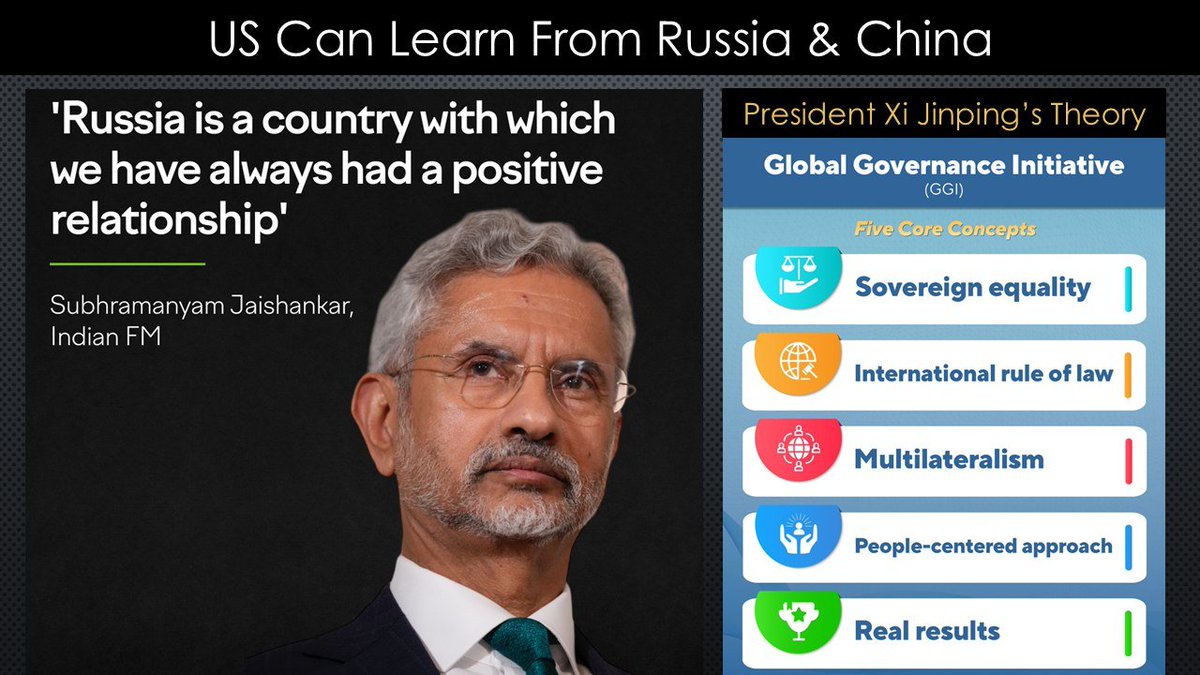
🇷🇺🇮🇳 The US should study how Russia manages its relations with India – diplomacy, patience, focus on win-win opportunities, and long-term strategic cooperation.
🇨🇳👀 The US must also study China on how to work with the Global South – collaboration, investment in infrastructure, and treating others with respect.
👉 Gone are the days of “My way or the highway.”
10/10
🧠If the US were smart, it would help India’s economic growth and support India’s strategic autonomy. A peaceful and prosperous India will benefit American corporations. And a non-bullying America will earn the love and trust of even more Indians, who are generally very pro-USA.
🇷🇺🇮🇳 The US should study how Russia manages its relations with India – diplomacy, patience, focus on win-win opportunities, and long-term strategic cooperation.
🇨🇳👀 The US must also study China on how to work with the Global South – collaboration, investment in infrastructure, and treating others with respect.
👉 Gone are the days of “My way or the highway.”
10/10
• • •
Missing some Tweet in this thread? You can try to
force a refresh