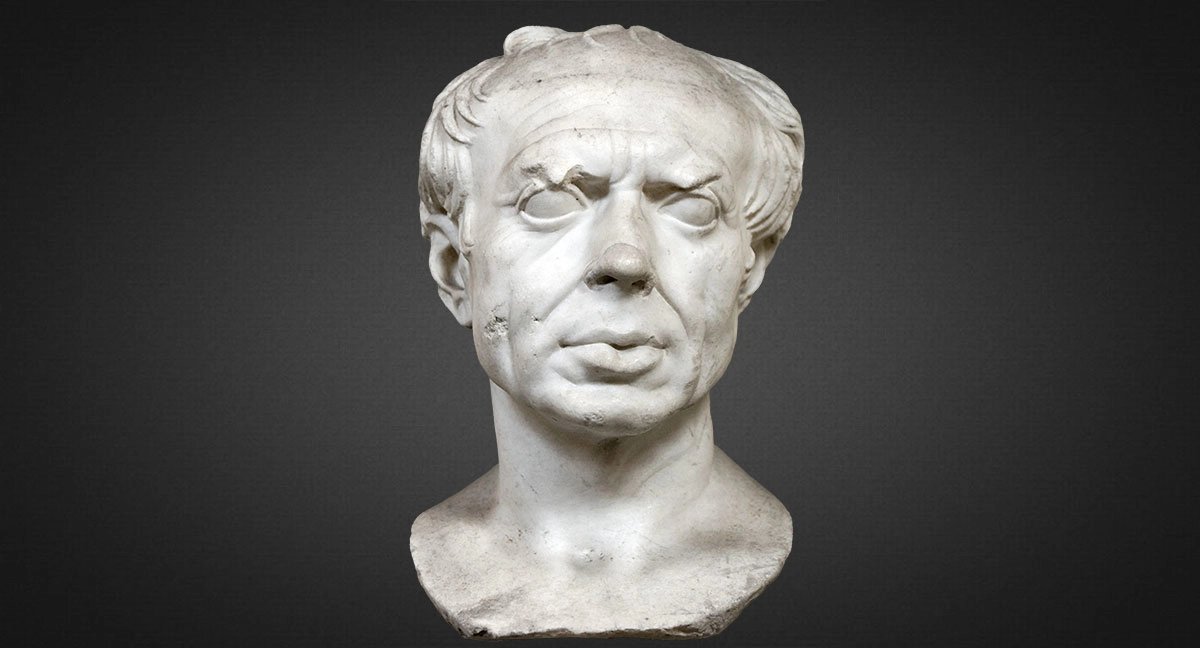
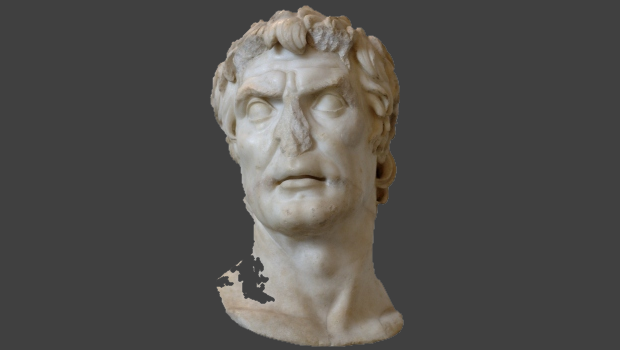
Rome’s greatest epic was almost lost forever.
Virgil wanted The Aeneid destroyed. Augustus refused.
Here’s the story of the poet, the emperor, and the poem that became Rome’s eternal myth. 🏛️🧵
Virgil wanted The Aeneid destroyed. Augustus refused.
Here’s the story of the poet, the emperor, and the poem that became Rome’s eternal myth. 🏛️🧵

Who was Virgil?
Born in 70 BC in Cisalpine Gaul, Publius Vergilius Maro was quiet, scholarly, and deeply thoughtful.
He lived through Rome’s bloody civil wars, and longed for peace.
Born in 70 BC in Cisalpine Gaul, Publius Vergilius Maro was quiet, scholarly, and deeply thoughtful.
He lived through Rome’s bloody civil wars, and longed for peace.

Virgil first wrote the Eclogues, dreamy pastoral poems.
Then the Georgics, celebrating farming and Roman virtue.
These works made him famous.
But his true masterpiece was yet to come.
Then the Georgics, celebrating farming and Roman virtue.
These works made him famous.
But his true masterpiece was yet to come.
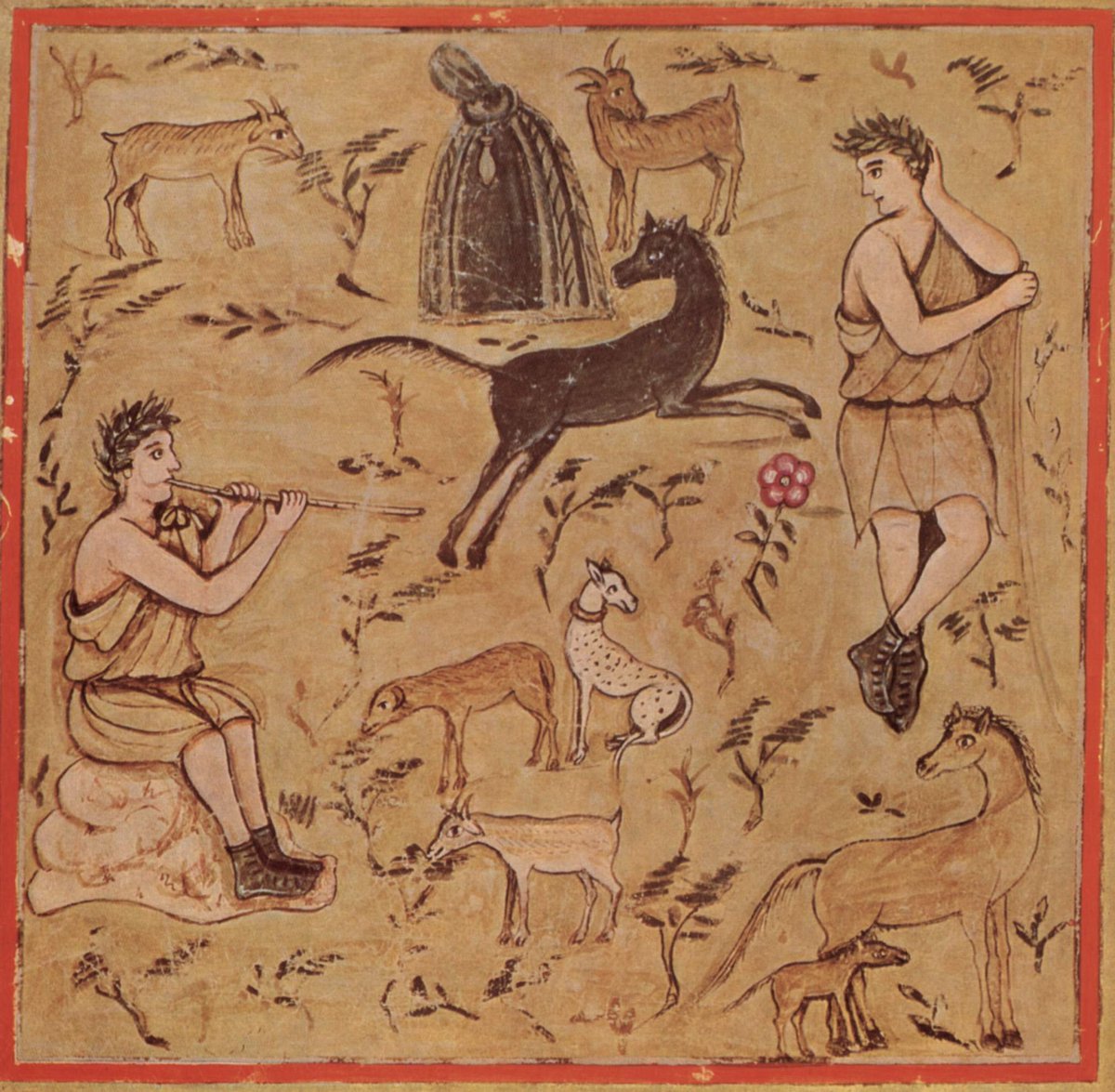
Enter Augustus.
Fresh from winning the civil wars, he wanted not just power, but a story.
Just as Homer gave Greece heroes, Augustus wanted a Roman epic.
Fresh from winning the civil wars, he wanted not just power, but a story.
Just as Homer gave Greece heroes, Augustus wanted a Roman epic.
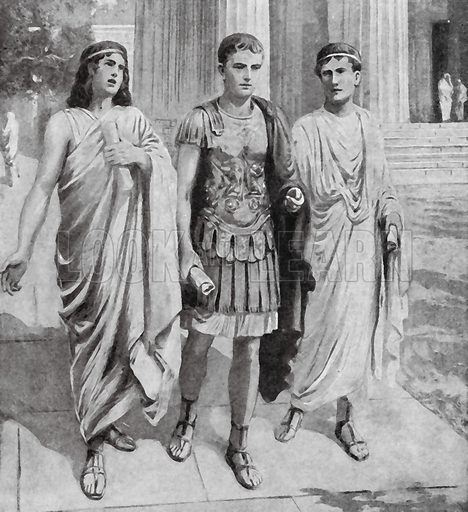
The answer was The Aeneid.
Virgil told the tale of Aeneas, a Trojan exile destined to found Rome.
It was a story of suffering, sacrifice, and divine mission.
Rome’s past, present, and future rolled into one.
Virgil told the tale of Aeneas, a Trojan exile destined to found Rome.
It was a story of suffering, sacrifice, and divine mission.
Rome’s past, present, and future rolled into one.
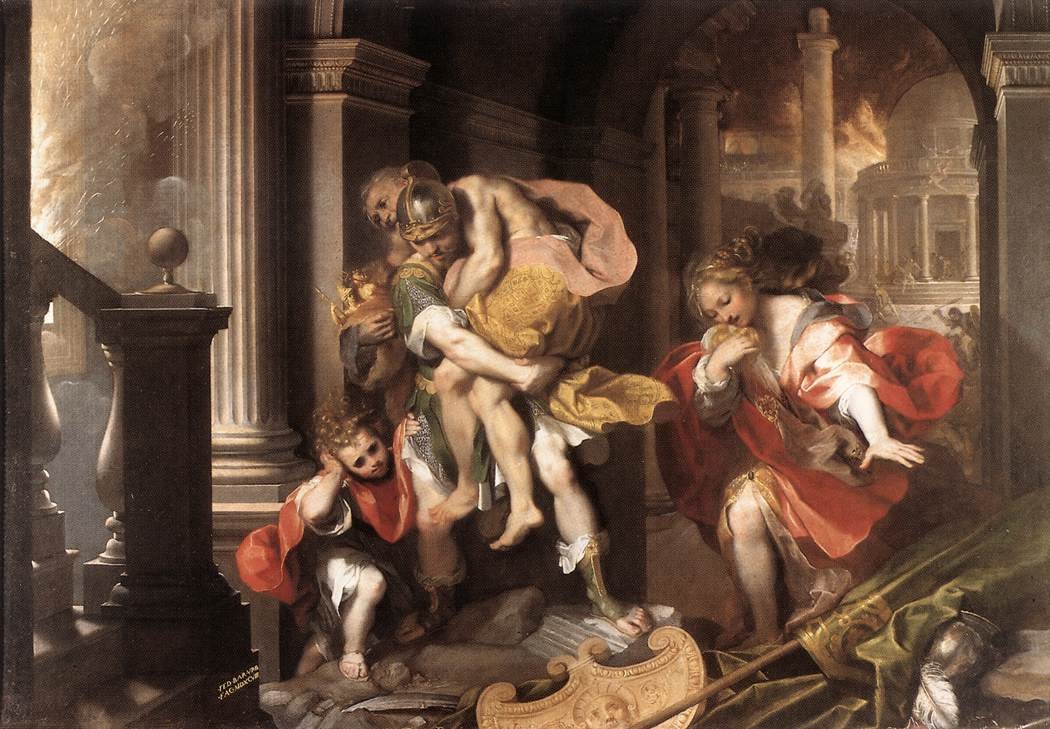
The poem tied Augustus directly to the gods.
It prophesied the rule of the “son of the deified,” promising a new Golden Age under Augustus.
Propaganda? Absolutely.
But it was also poetry of the highest order.
It prophesied the rule of the “son of the deified,” promising a new Golden Age under Augustus.
Propaganda? Absolutely.
But it was also poetry of the highest order.
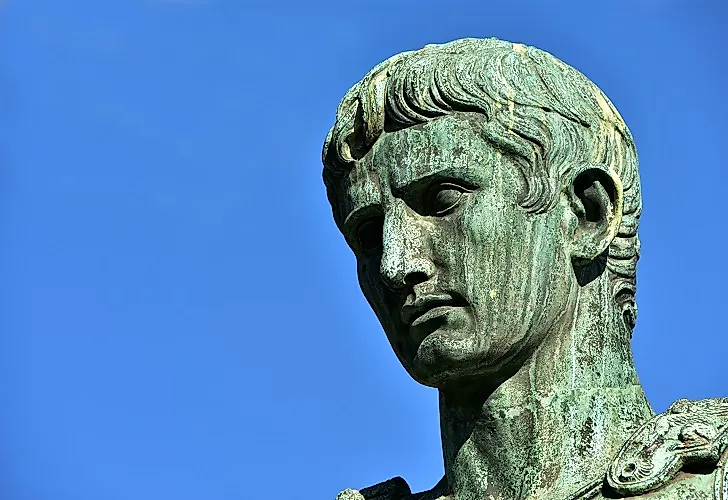
Yet The Aeneid was no simple celebration.
Aeneas struggles. He sacrifices love. He kills ruthlessly at the end.
Virgil filled the poem with ambiguity; hints of doubt, grief, and the costs of empire.
Aeneas struggles. He sacrifices love. He kills ruthlessly at the end.
Virgil filled the poem with ambiguity; hints of doubt, grief, and the costs of empire.
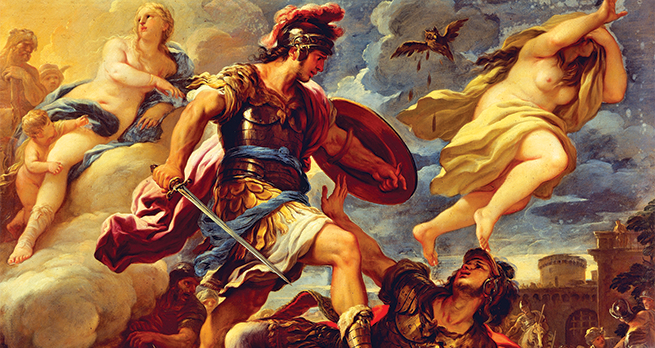
Virgil spent the last decade of his life writing the epic.
But he was never satisfied.
In 19 BC, while traveling in Greece, he fell ill. On his deathbed, he made a shocking request:
Burn the manuscript.
But he was never satisfied.
In 19 BC, while traveling in Greece, he fell ill. On his deathbed, he made a shocking request:
Burn the manuscript.

Why?
Virgil thought the poem unfinished, unpolished, unworthy of survival.
Better to have it destroyed than left imperfect.
Virgil thought the poem unfinished, unpolished, unworthy of survival.
Better to have it destroyed than left imperfect.
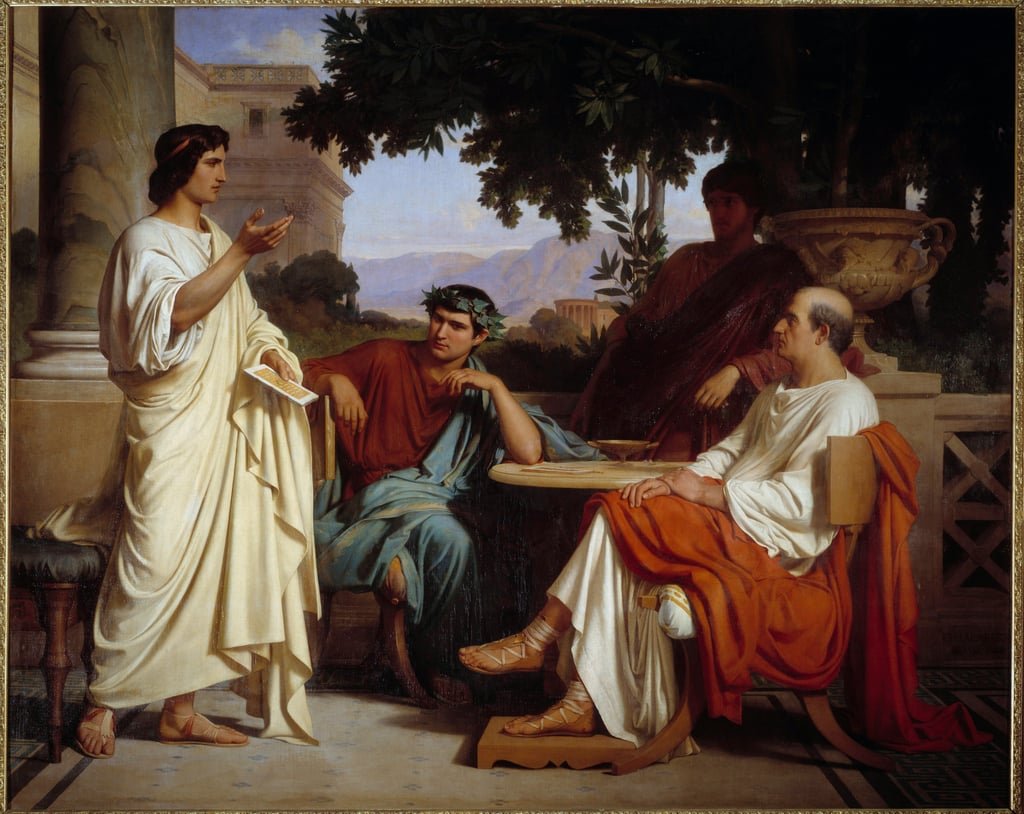
Augustus had other plans.
He ordered Virgil’s dying wish ignored. The Aeneid must live.
It was too valuable.
Not just as literature, but as the foundation of Rome’s story.
He ordered Virgil’s dying wish ignored. The Aeneid must live.
It was too valuable.
Not just as literature, but as the foundation of Rome’s story.
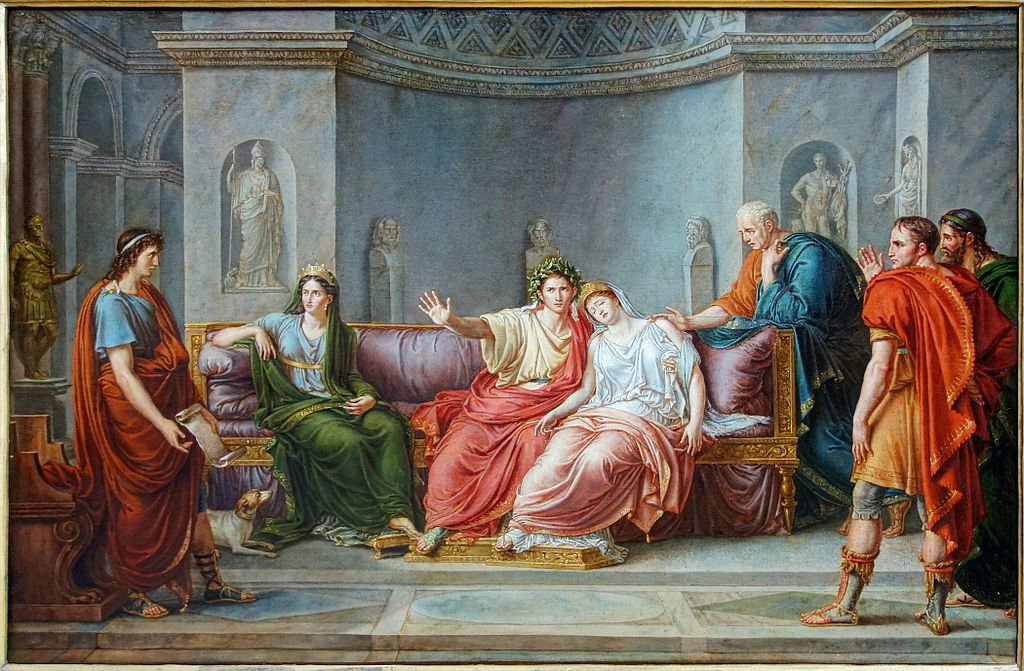
And so the unfinished epic was published.
It became Rome’s greatest literary achievement, studied for centuries, shaping Dante, Milton, and beyond.
The poem that almost vanished became immortal.
It became Rome’s greatest literary achievement, studied for centuries, shaping Dante, Milton, and beyond.
The poem that almost vanished became immortal.
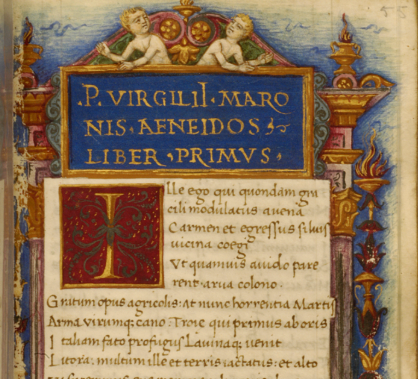
Virgil gave Rome its soul. Augustus gave it permanence.
Without the emperor’s intervention, the world might never have read the words:
Arma virumque cano…
“I sing of arms and the man.”
Without the emperor’s intervention, the world might never have read the words:
Arma virumque cano…
“I sing of arms and the man.”
• • •
Missing some Tweet in this thread? You can try to
force a refresh